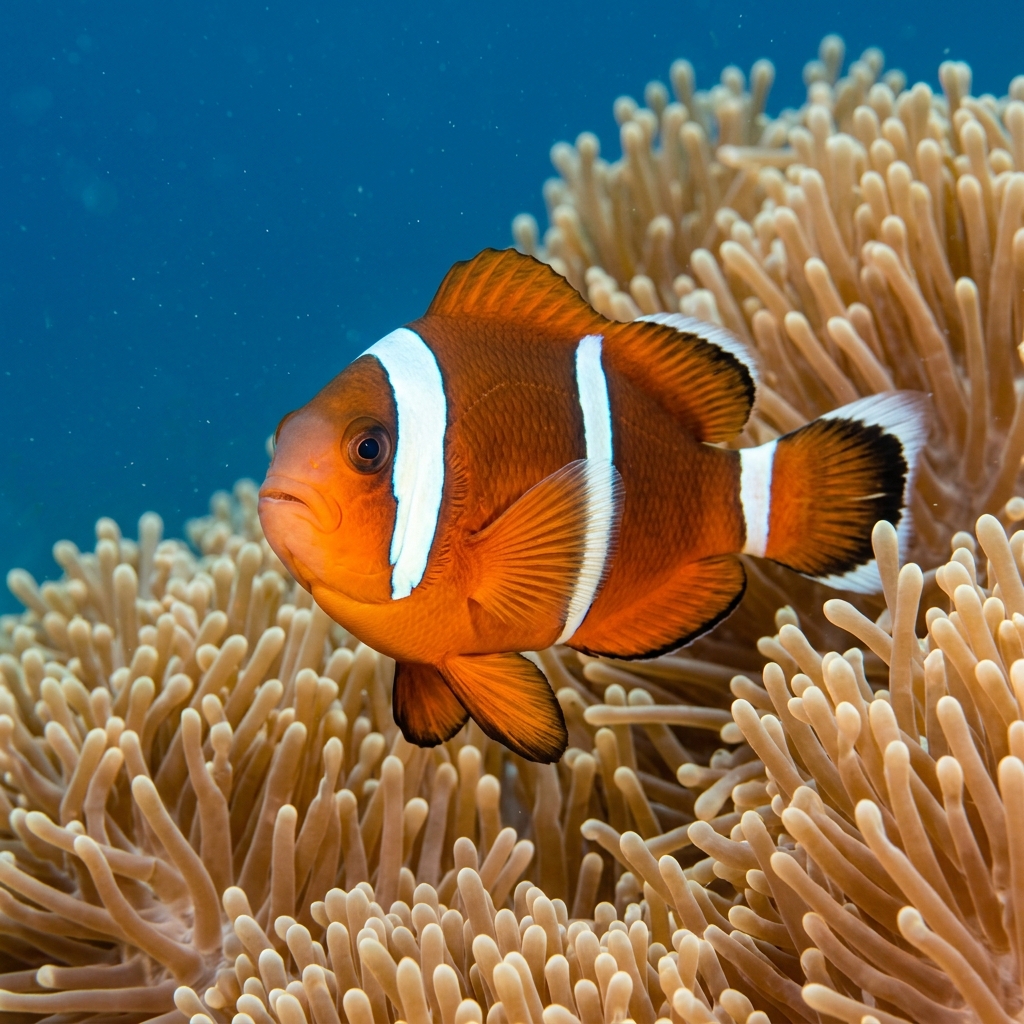
Amphiprion sebae
Dark brown and gold clownfish tucked into anemones across Sulawesi, Luzon and Palawan reefs at 26.7-29.9°C, year-round.
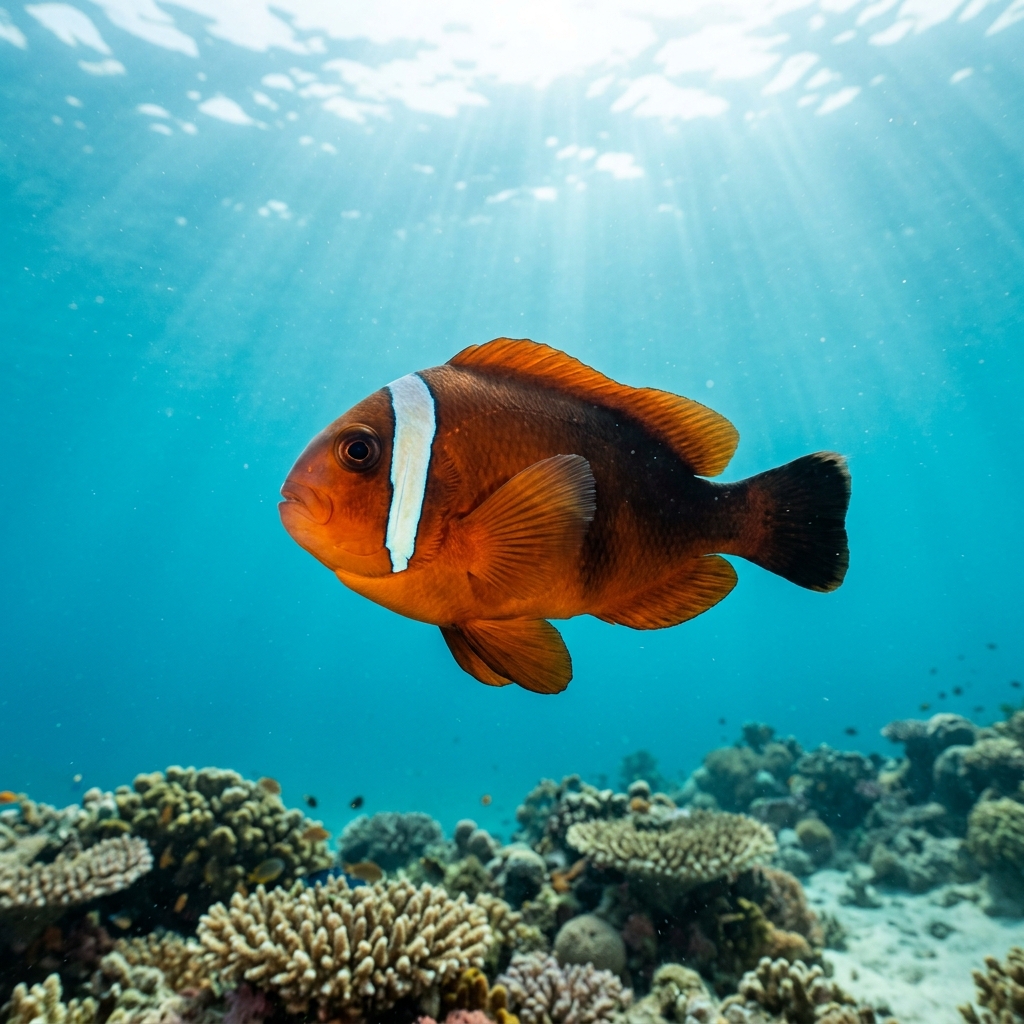
Grows to about 11 cm, with a deep brown to near-black body, a bold white bar behind the eye and a second white band across the middle of the body, and a bright yellow to orange tail and fins. The white head bar often runs into a saddle shape rather than a clean vertical stripe, which is the easiest tell against other anemonefish. It sits low in the water, hovering close over its host anemone rather than swimming freely across the reef.
Expect to find it hovering a few centimetres above its host anemone, darting back into the tentacles the moment a shadow passes overhead. It is territorial but only logged as uncommon at sites where it does occur, so pairs tend to guard one anemone rather than being spread thinly across the reef. Divers who hold still near a known anemone patch usually get a longer look as the fish settles and resumes patrolling its patch.
Like all anemonefish, it lives in a mucus-coated truce with its stinging host anemone, and colonies typically run as a mated pair plus smaller non-breeding juveniles, with the largest fish in the group always the female.
No clear seasonal pattern shows up in the sightings, and with a comfortable range of 26.7 to 29.9°C it stays put on its host anemone year-round, so any month works for a dive plan built around this fish.
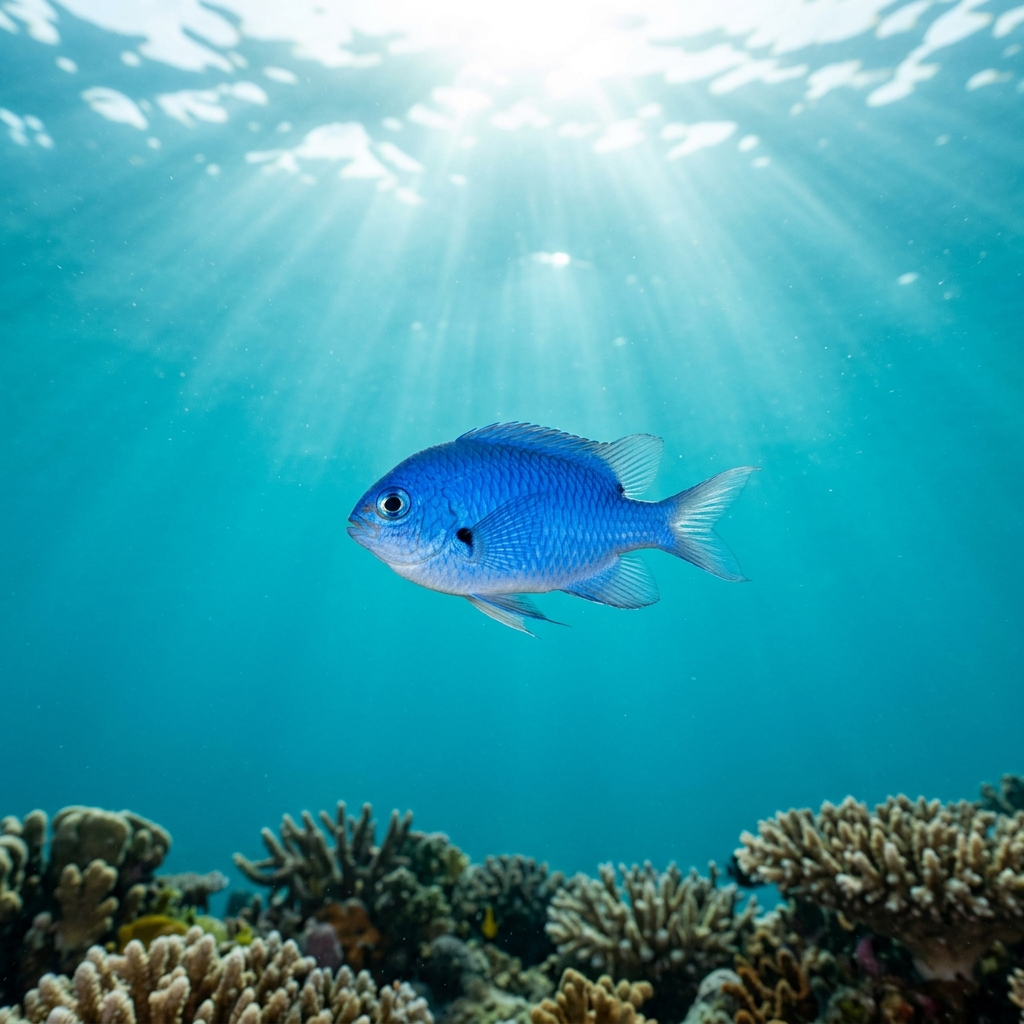
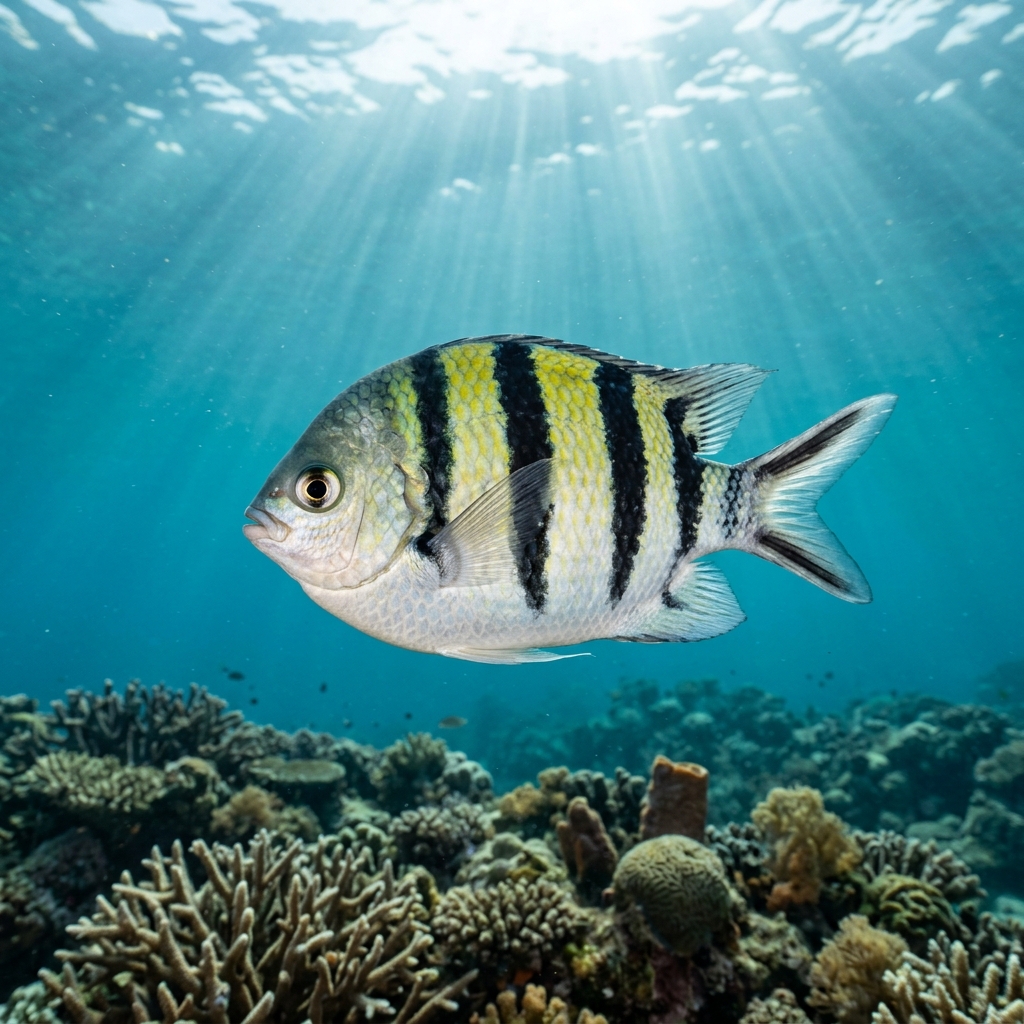
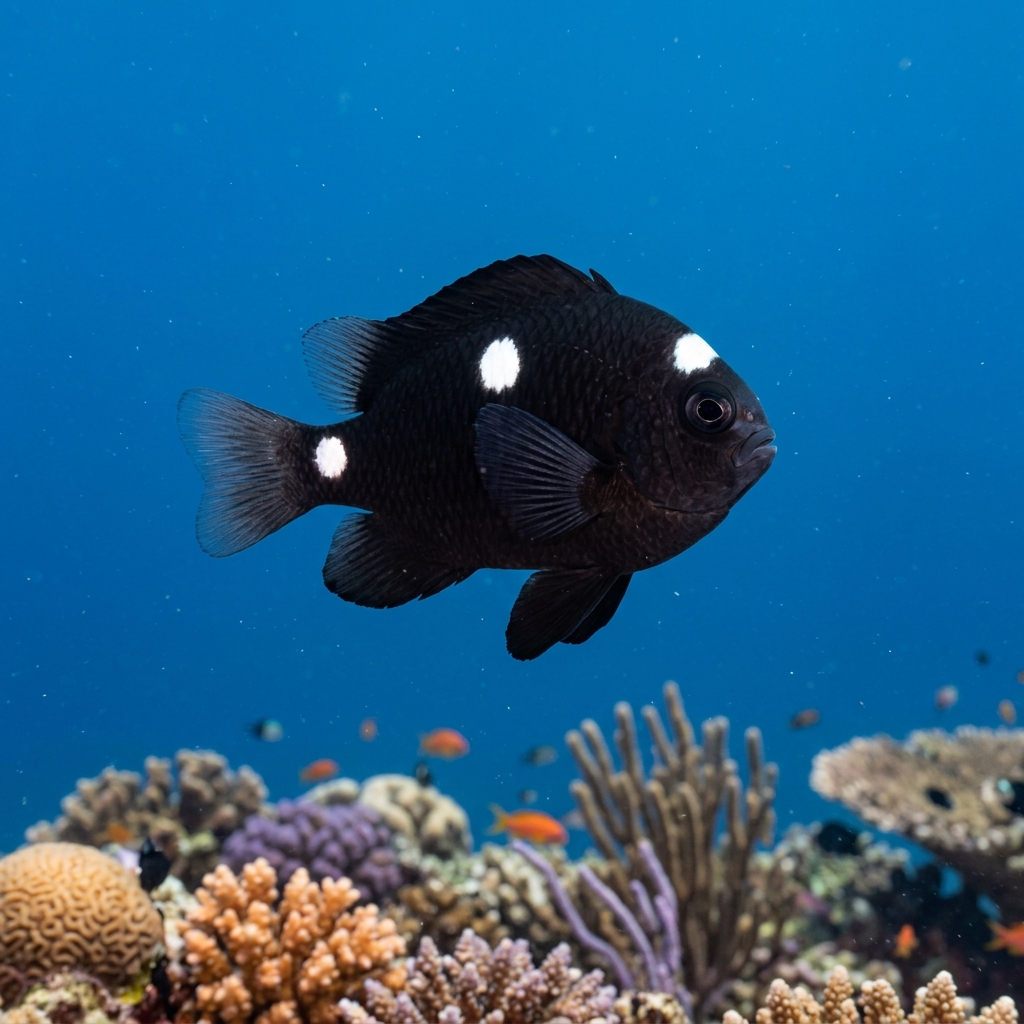
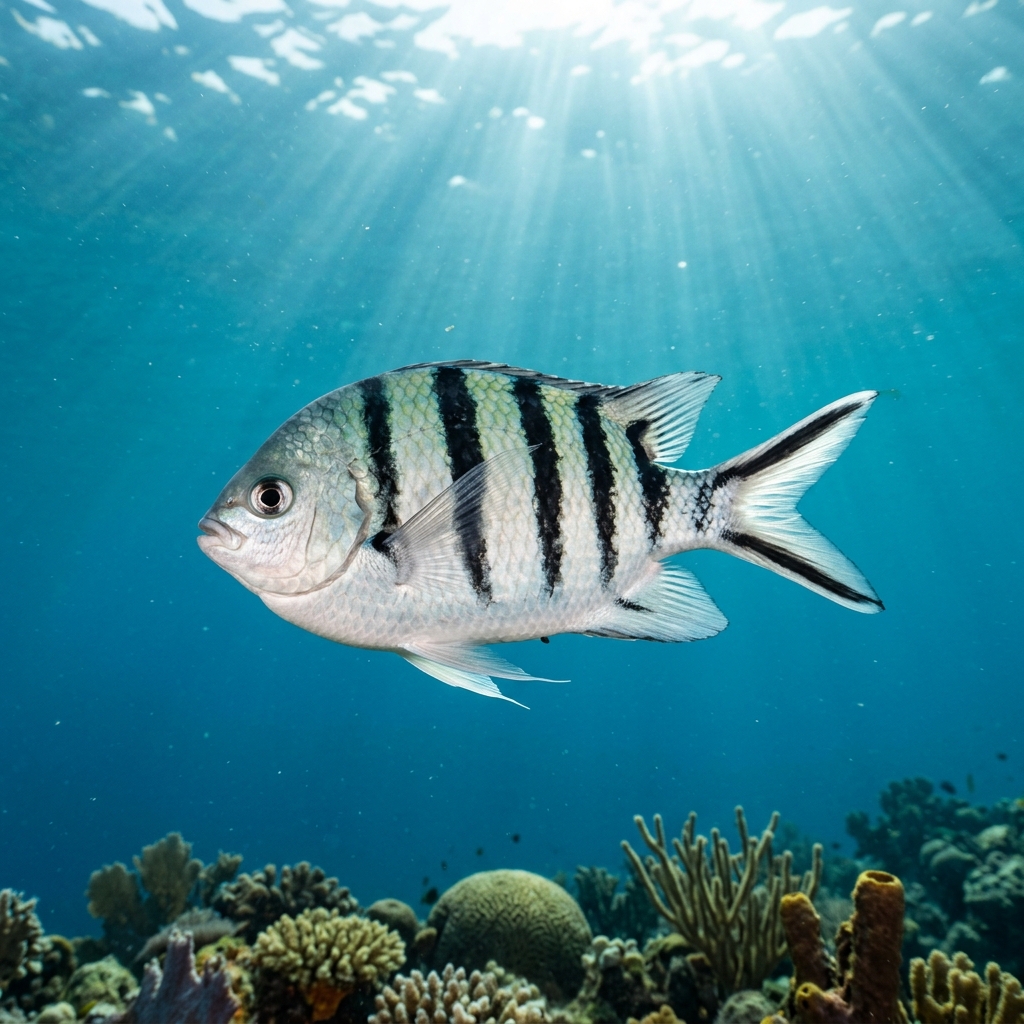
Reef neighbours a diver could mistake it for. Use the identification notes above to tell them apart.
Most reliably logged across Indonesia and the Philippines, with strong numbers in Sulawesi, and across Luzon, Palawan, Mindanao and the Visayas. Thailand (notably around Pattaya), Malaysia (Sabah and Sumatra-adjacent Sunda sites), Vietnam, Sri Lanka, Myanmar and India also turn it up, always tied to a resident anemone on the reef.
Mapping where Sebae Clownfish is logged…
Best odds are in Indonesia and the Philippines, especially Sulawesi, Luzon, Palawan, Mindanao and the Visayas, with further sightings in Thailand, Malaysia, Vietnam, Sri Lanka, Myanmar and India.
There is no strong seasonal signal in the sightings, and it tolerates warm reef water year-round, so it can be found on its host anemone in any month.
Look for a dark brown to near-black body, a white saddle-like bar behind the eye, a second pale band mid-body, and yellow to orange fins and tail. It stays close to a host anemone rather than roaming the reef.
They reach around 11 cm, a typical size for reef-dwelling anemonefish.
No, they pose no threat to divers. They may dart at a mask or hand that gets too close to their host anemone, but this is just territorial bluffing, not a real hazard.
Site and sighting data is aggregated from diver logs, iNaturalist and GBIF. For taxonomy and conservation status:
Dascyllus
3,697 sites