Poecilia latipinna
Small live-bearer with a sail-like dorsal fin, logged year-round in Florida springs and the Saronic Gulf around Athens.
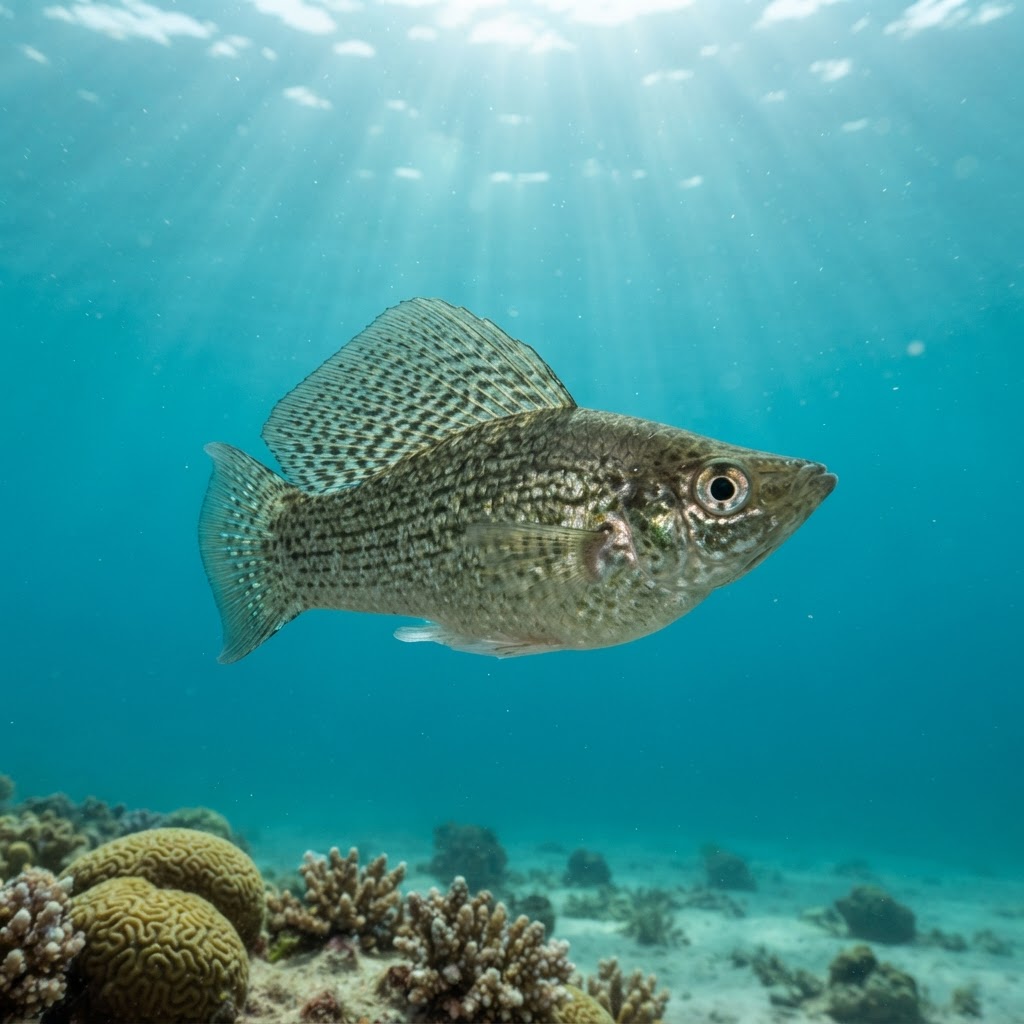
A small, slim-bodied fish around 10 cm long with a greyish-olive body flecked with iridescent blue or orange spots depending on light. The giveaway is the tall, sail-like dorsal fin that males raise and flare, especially when displaying to other fish; females have a noticeably shorter, less dramatic dorsal fin. Look for it hovering in loose groups near the surface over sand, mud, or weedy shallows rather than out on open water.
Expect to find them cruising in loose shoals near the surface or just below it, picking through algae and detritus on sandy or weedy bottoms. Males spend a fair bit of time flaring that oversized dorsal fin at rivals and at females, a display easy to catch on camera in calm, shallow water. They are unbothered by divers and snorkellers, generally holding their ground or drifting off slowly rather than bolting.
Females give birth to live, fully-formed young rather than laying eggs, a trait shared across the live-bearer family (Poeciliidae) that includes guppies and mollies.
No clear seasonal pattern shows up in the data, and with a comfortable range of roughly 18 to 25 C, sightings are logged across the year rather than tied to a single season.
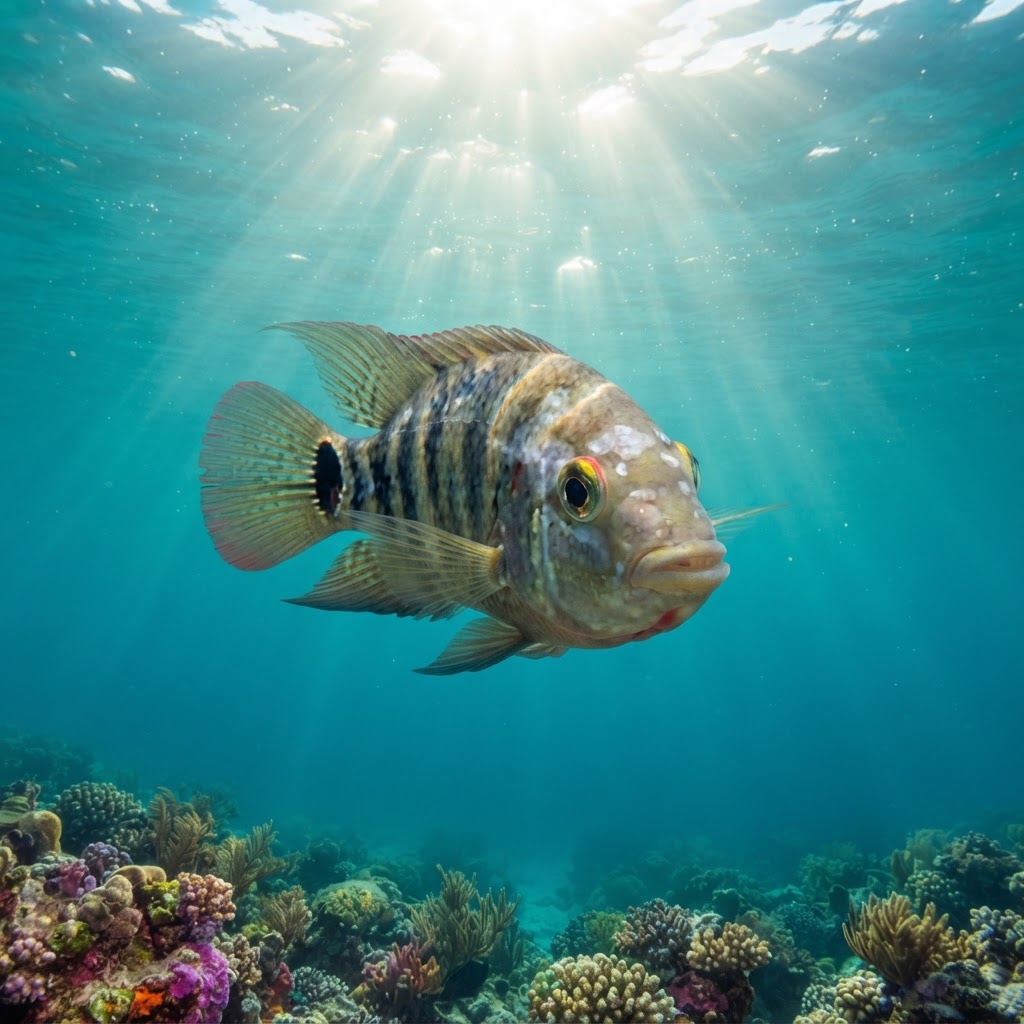
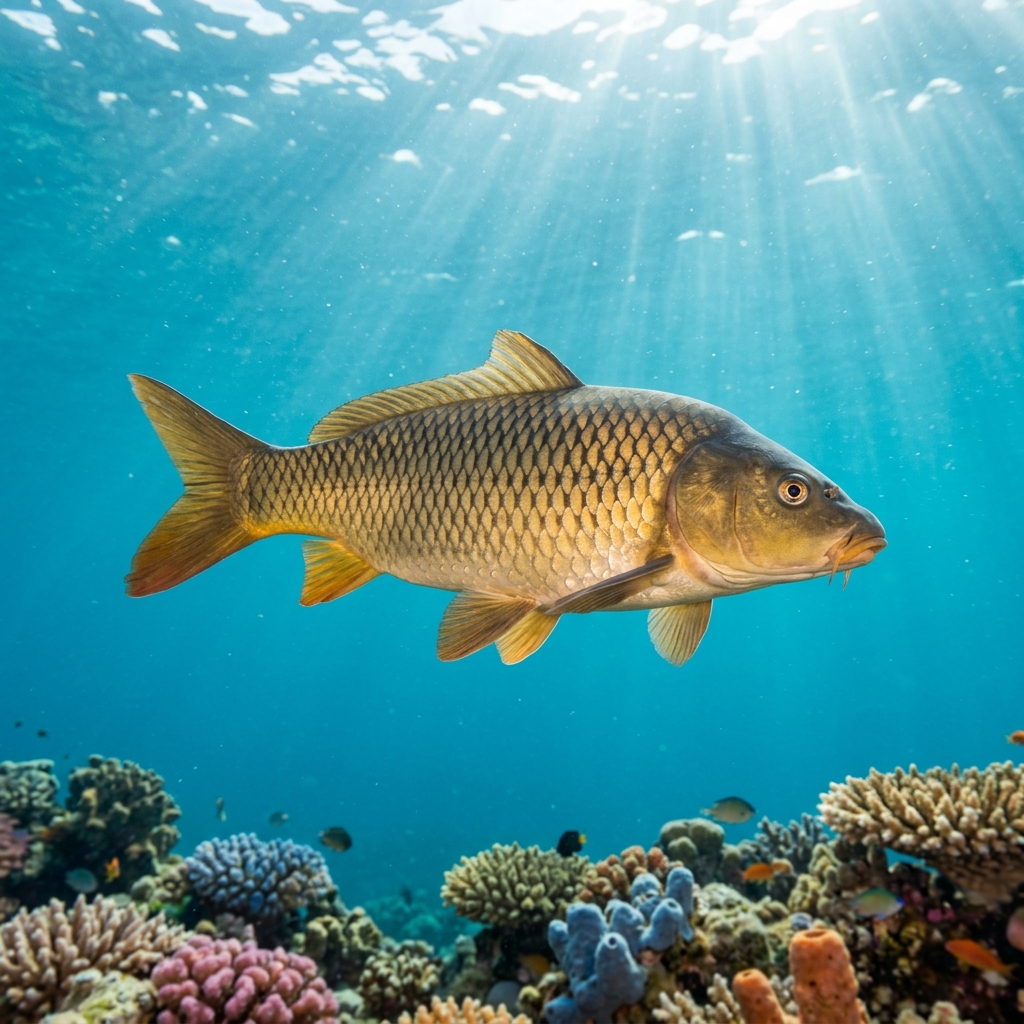
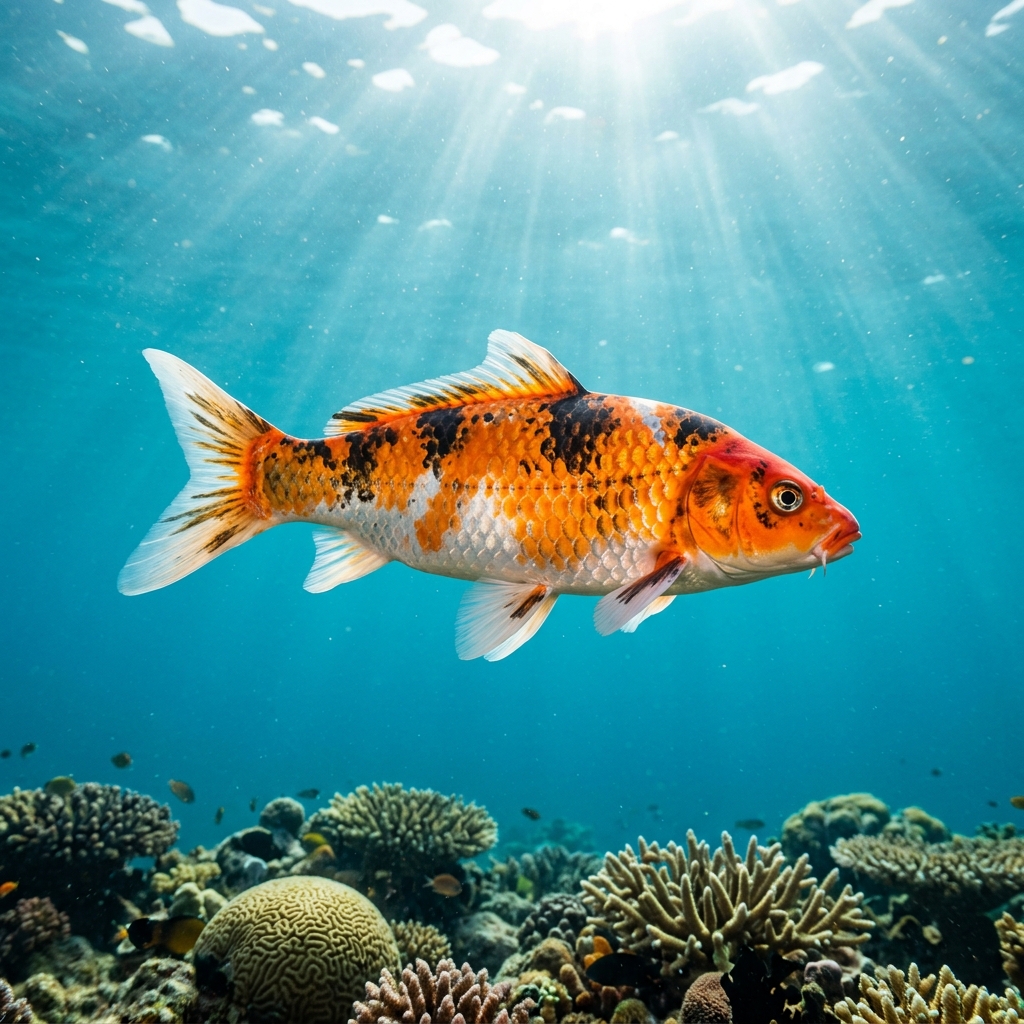
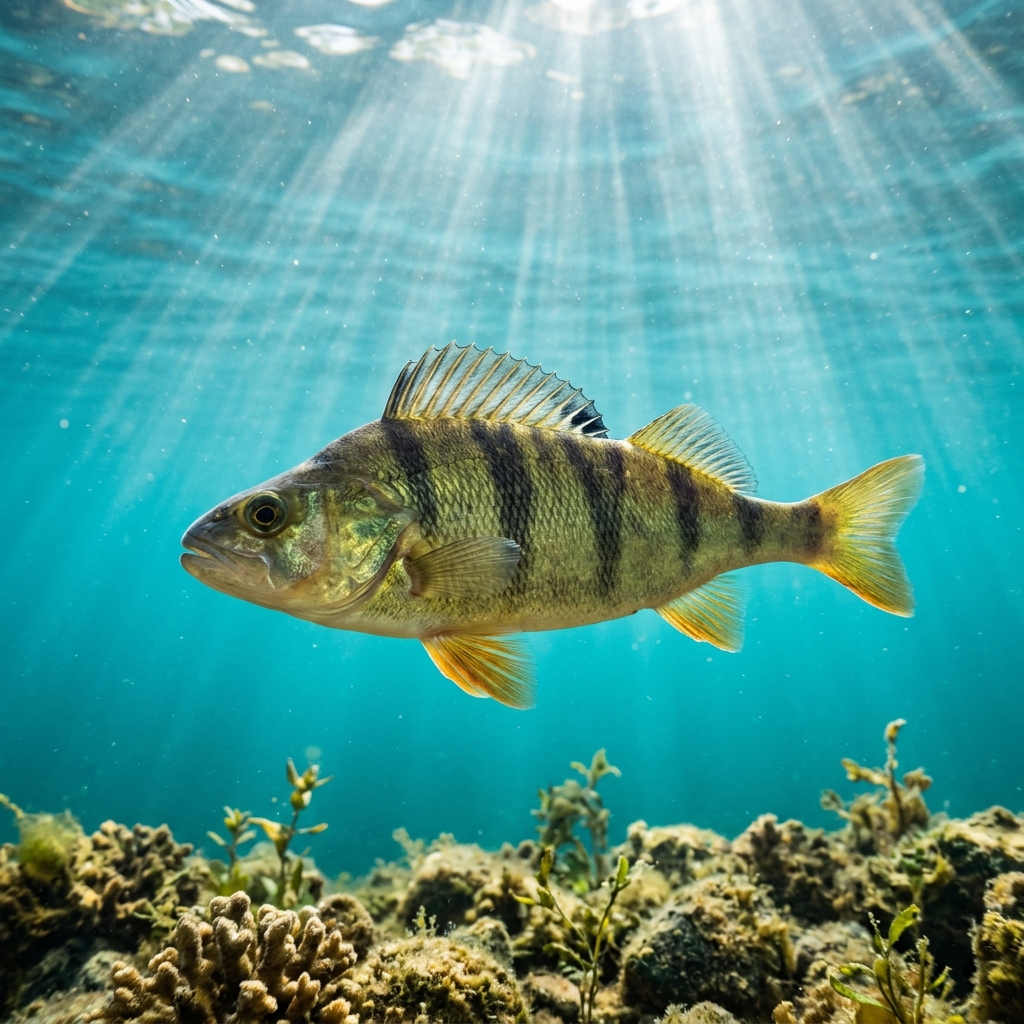
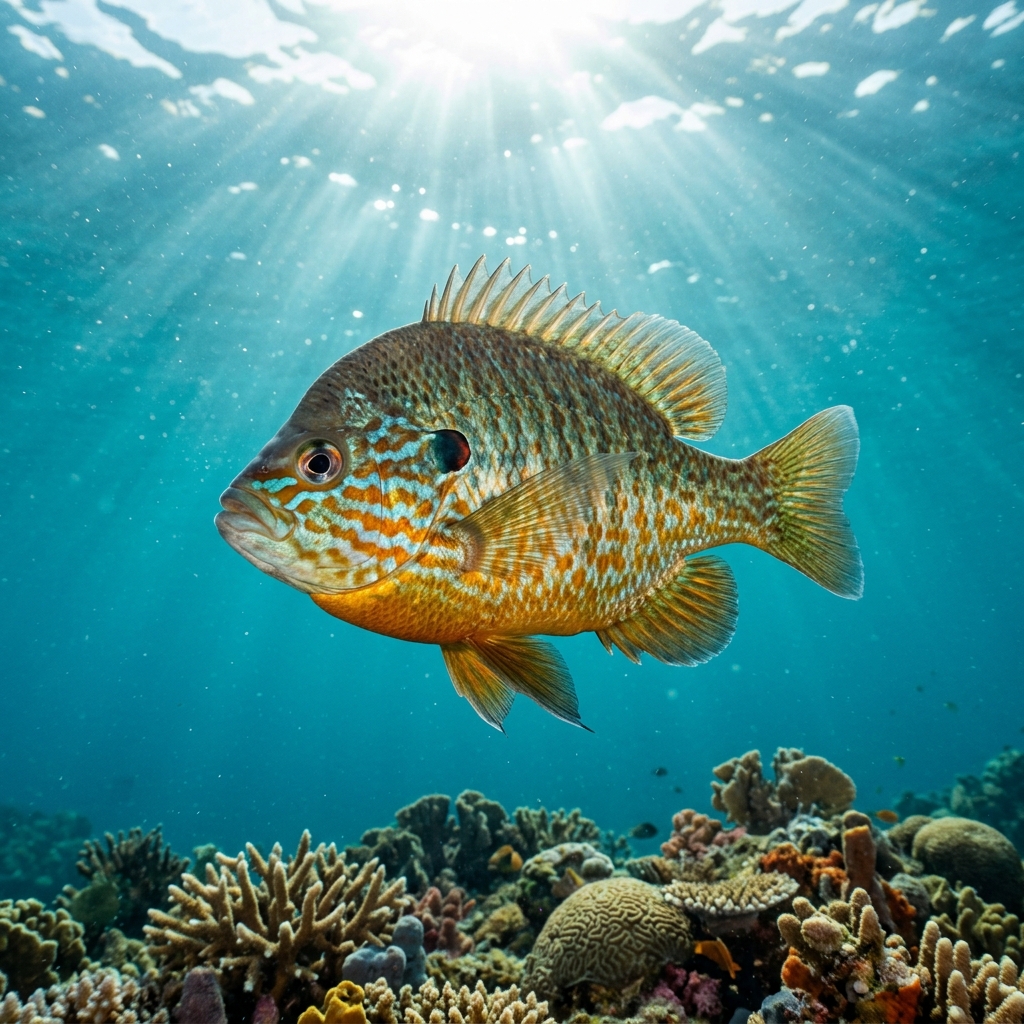
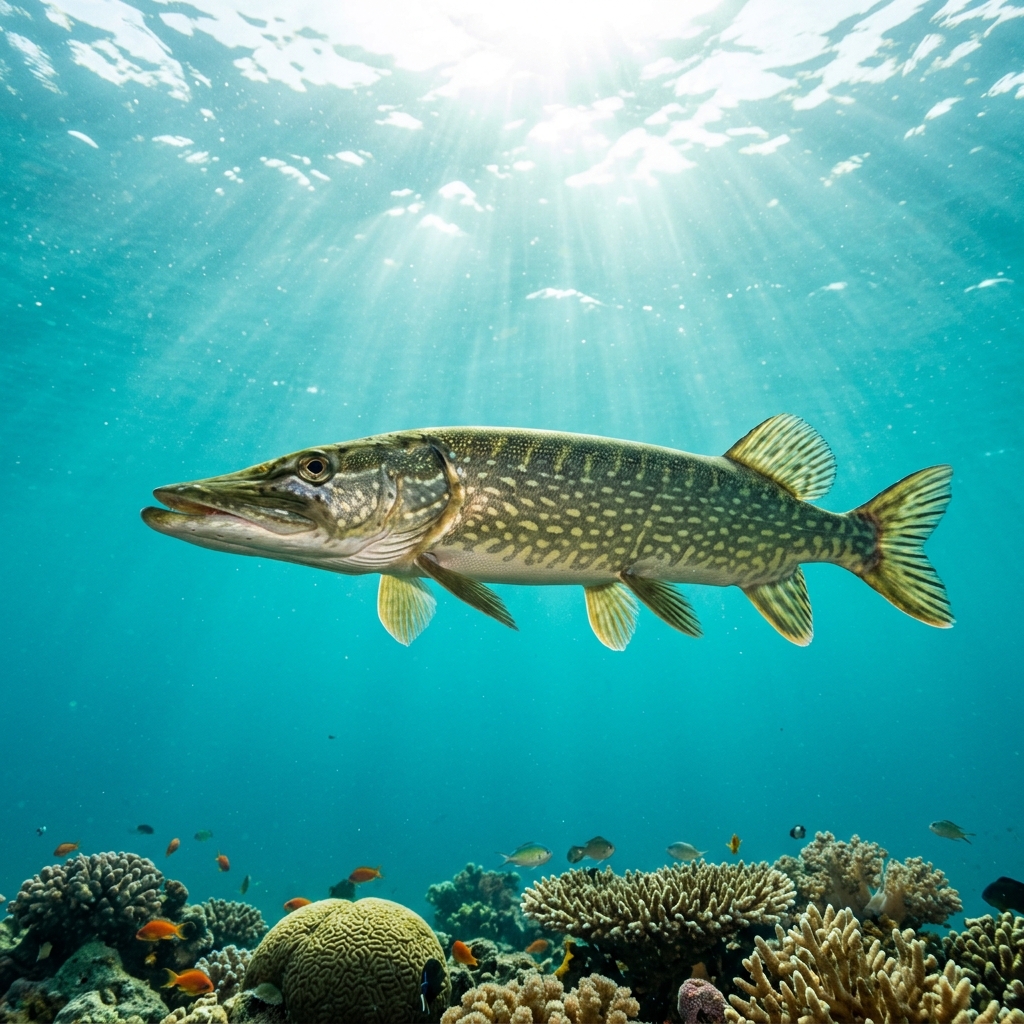
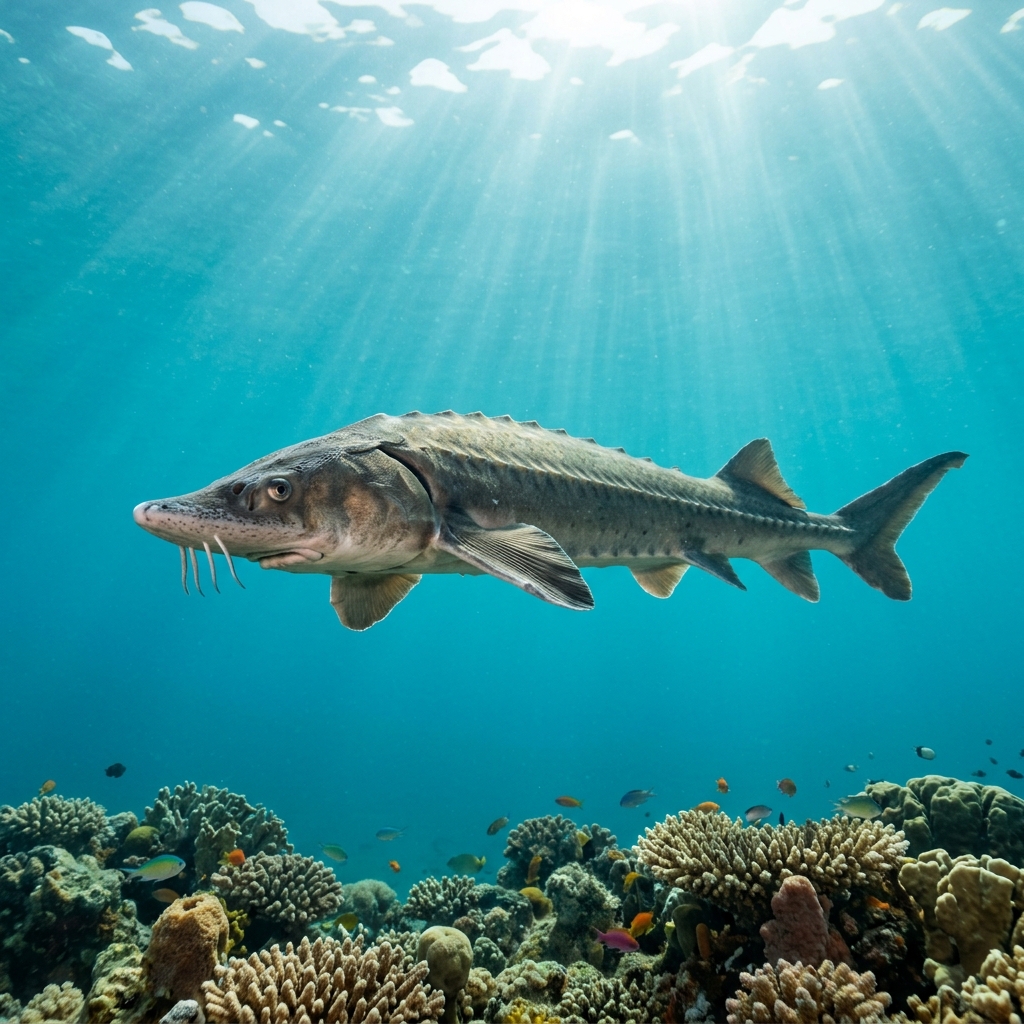
Reef neighbours a diver could mistake it for. Use the identification notes above to tell them apart.
Most reliably logged in Greece, particularly the Saronic & Athens region, and in the United States, concentrated in Florida's freshwater springs and canals. Sightings are described as very common at several of these sites, so divers snorkelling shallow, vegetated freshwater habitats in either region have a good shot at finding them.
Mapping where Sailfin Molly is logged…
Best logged around Athens and the Saronic Gulf in Greece, and across Florida's freshwater springs and canals in the United States. Look for shallow, vegetated water rather than deep or open habitat.
There's no strong seasonal signal in sighting data, and the species tolerates a wide temperature range, so it's reported year-round at the sites where it occurs.
Look for a small olive-grey fish around 10 cm long with a tall, sail-like dorsal fin, most pronounced in males who flare it during displays. It typically hovers in loose groups near the surface over sand or weed beds.
They stay small, typically reaching around 10 cm in length, making them one of the smaller freshwater species divers and snorkellers will encounter.
Like other members of the live-bearer family, females give birth to fully formed young instead of laying eggs, skipping the external egg stage entirely.
Site and sighting data is aggregated from diver logs, iNaturalist and GBIF. For taxonomy and conservation status:
Sun Perch
2,182 sites