Malacoctenus macropus
A 3cm reef-hugger logged from Florida to Guadeloupe's Grande-Terre, at home in 26-28°C water year-round. Here's how to actually spot one.
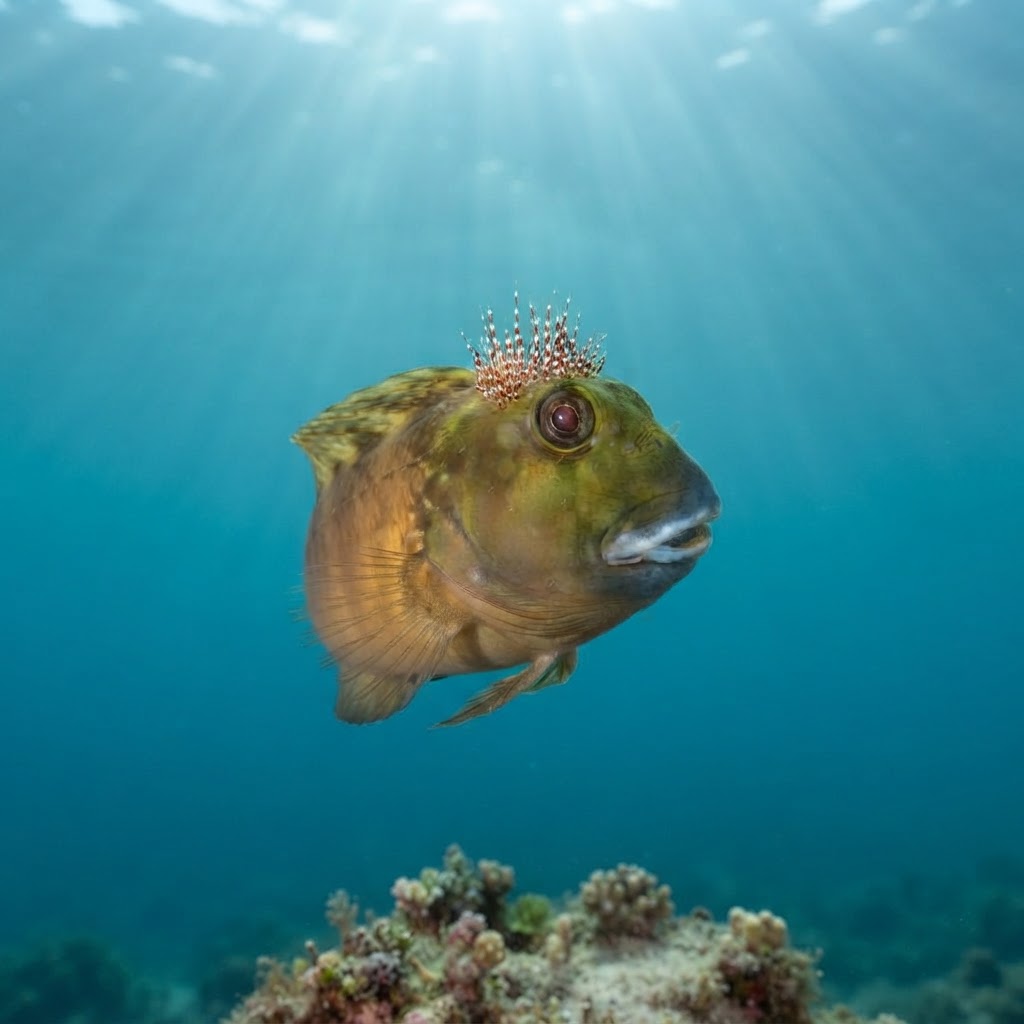
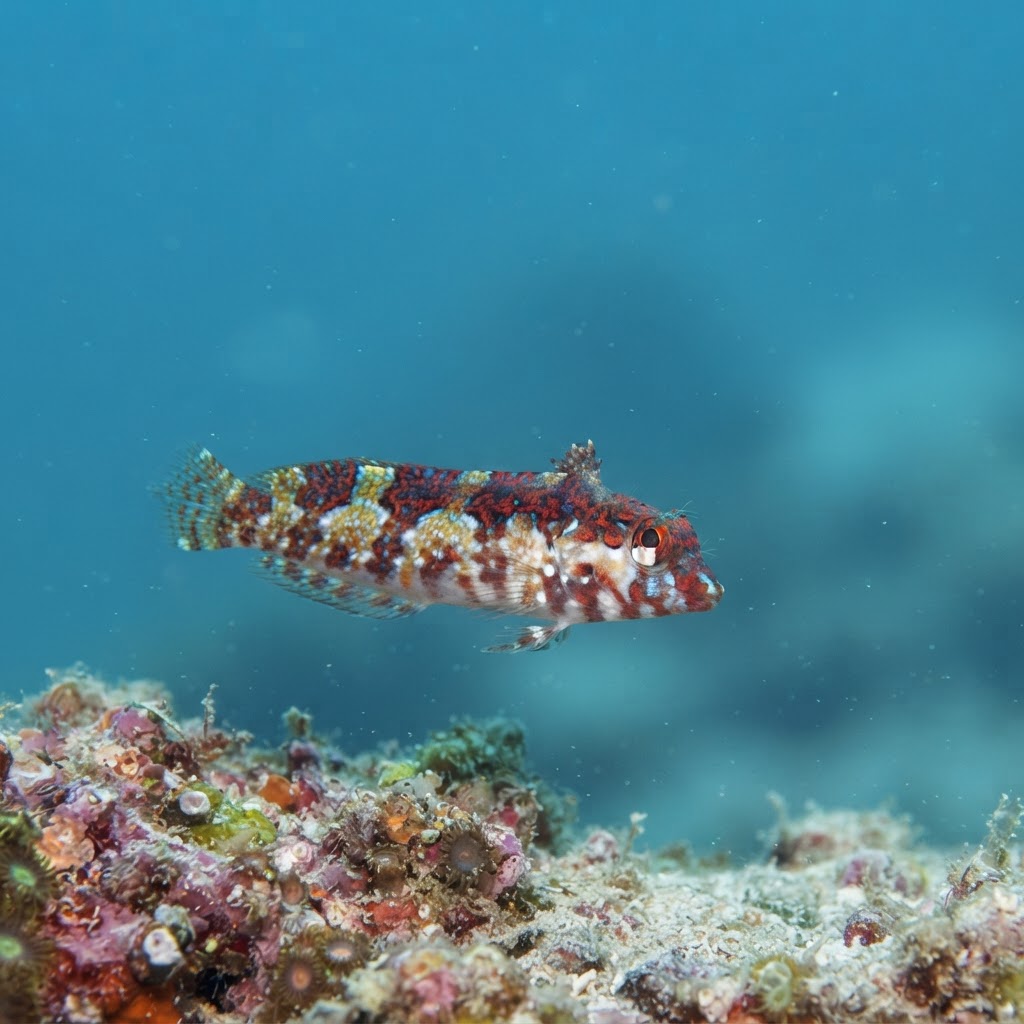
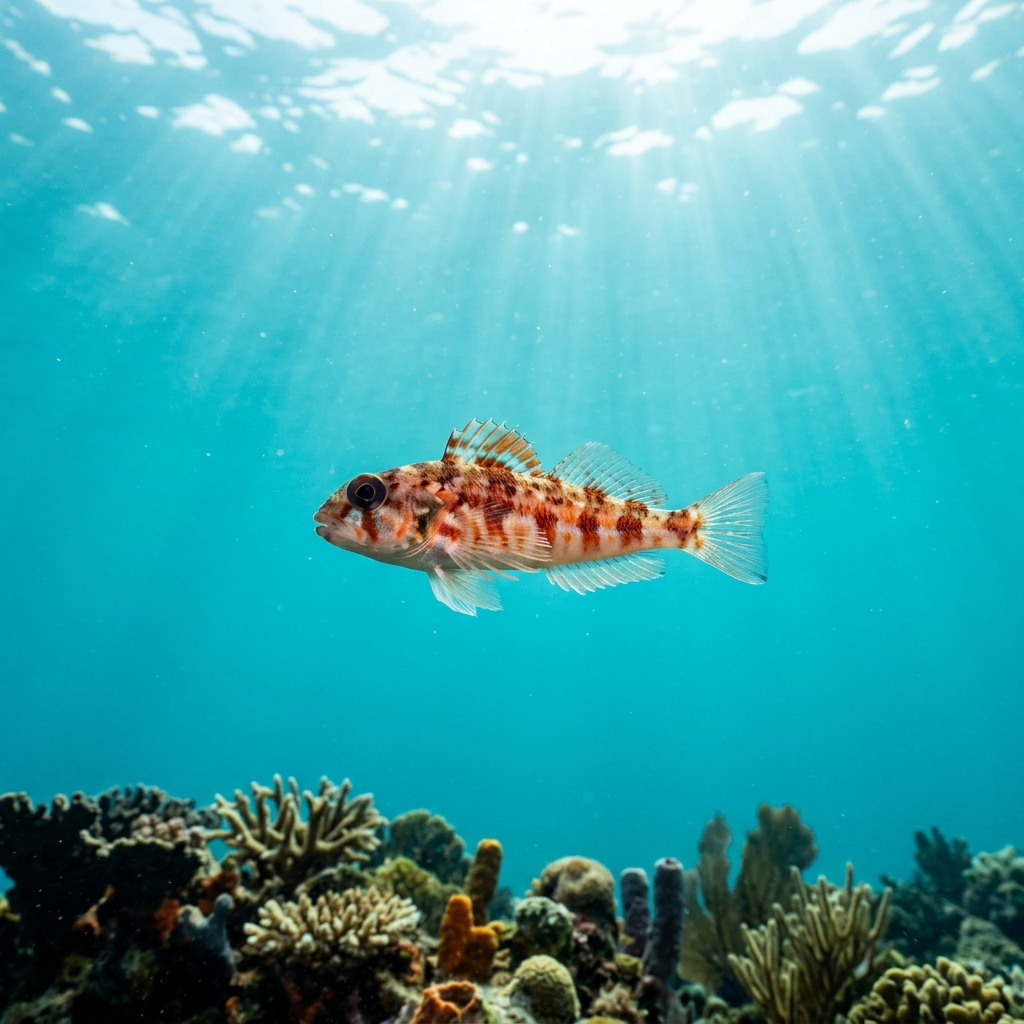
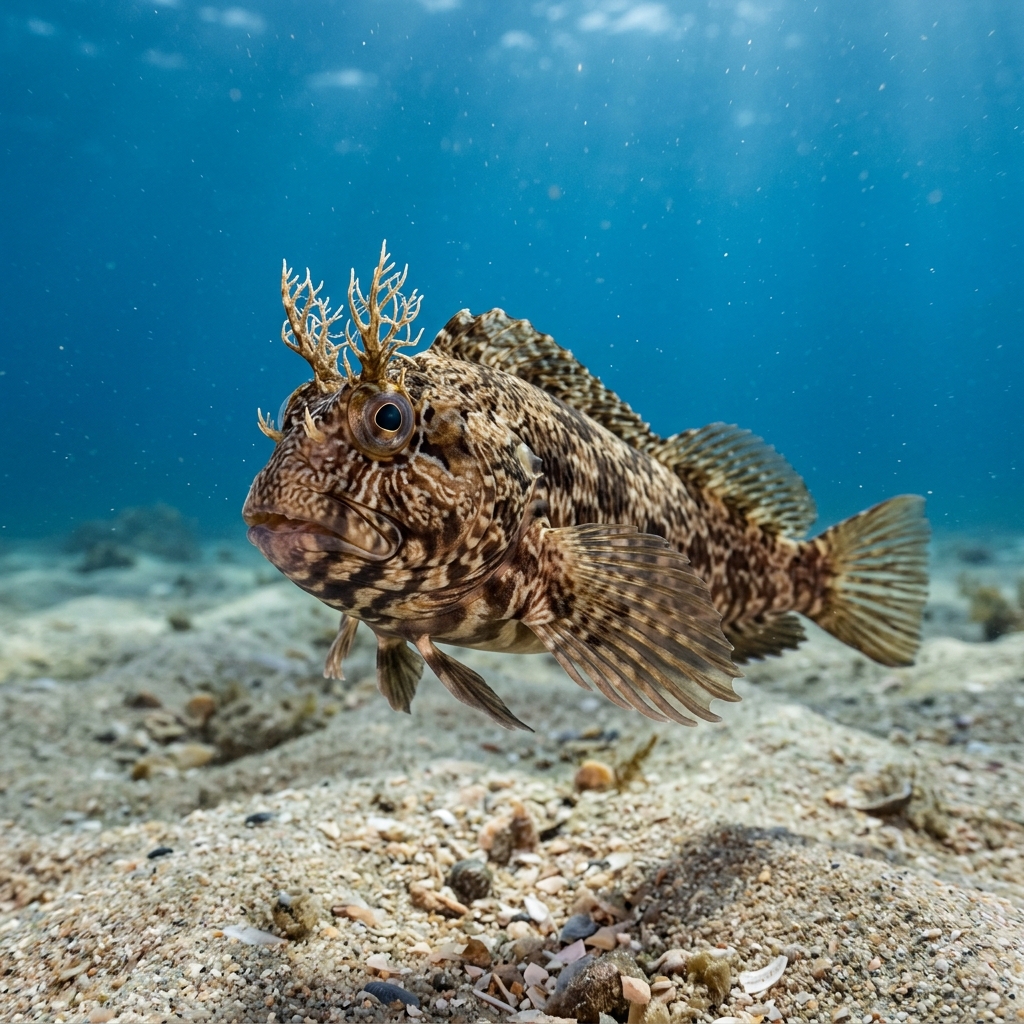
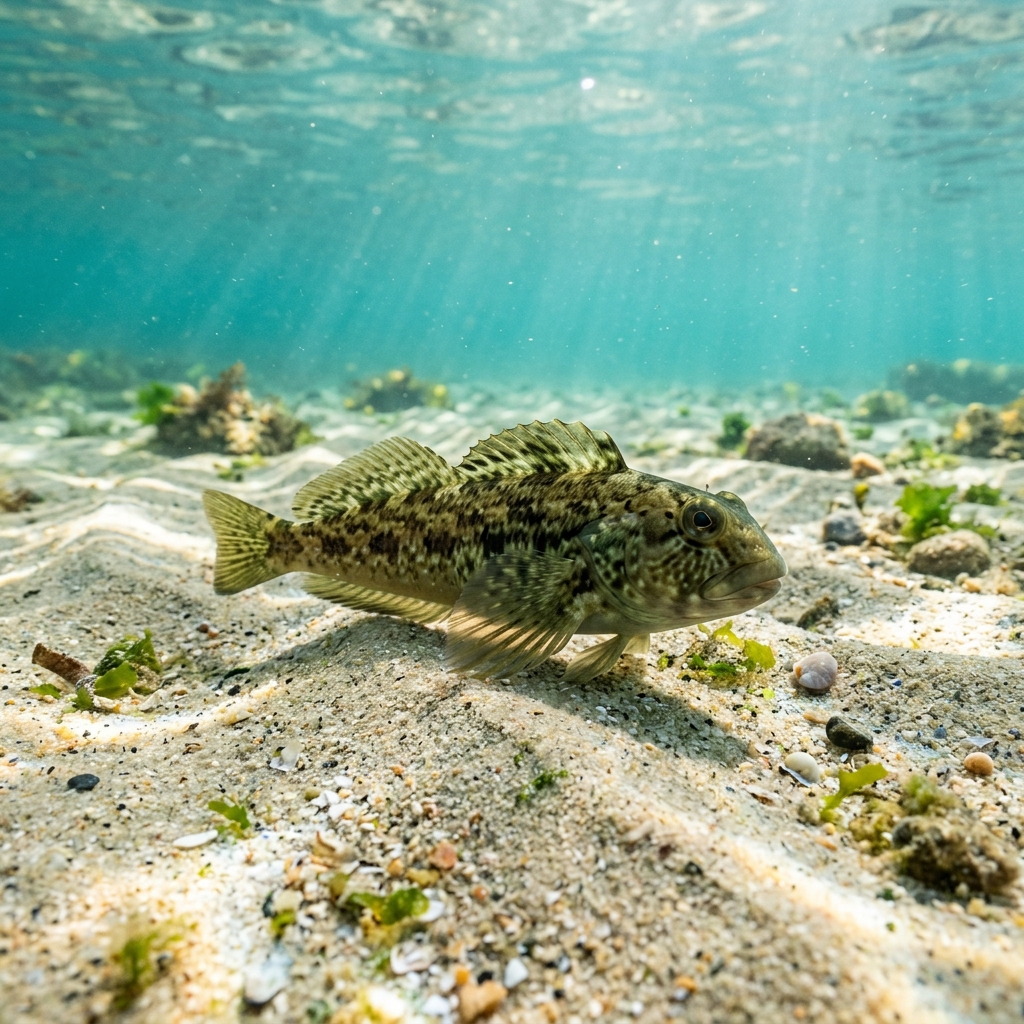
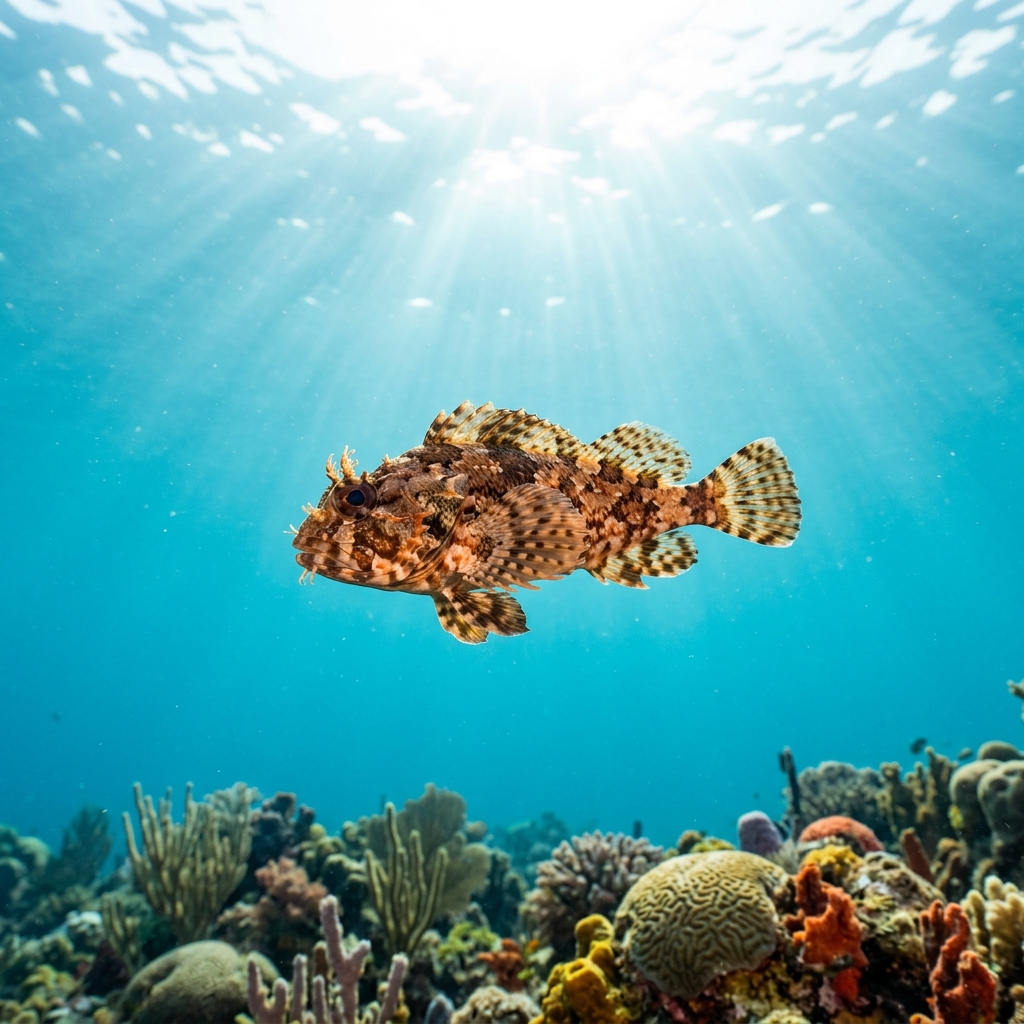
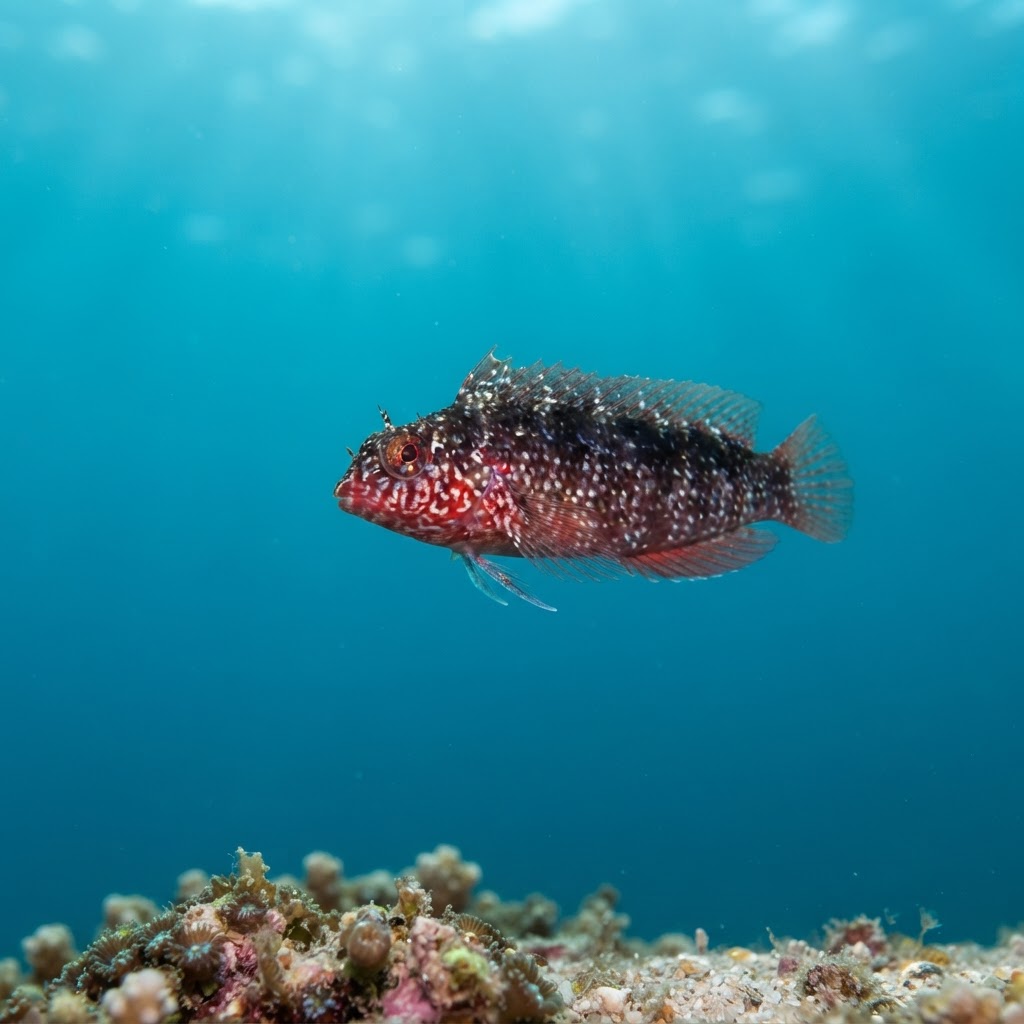
At just 3cm, this is a fish you find by looking for movement, not colour from a distance: it perches on rubble or coral heads with its head propped up, body mottled in rusty red-brown and cream blotches that break up its outline. Look for a slim, slightly tapered body with no strong pattern of bars or stripes, just a scattered, blotchy camouflage. It rests still for long stretches then darts a few centimetres to a new perch, which is often the first thing that gives it away.
Spend most of a sighting watching one sit motionless on a coral head or rubble patch in the shallows, rarely below 8 metres, before making a short, quick dash to another perch. It doesn't school or pair up in any obvious way and pays divers little attention, which makes it a decent macro subject if you can get your eyes tuned in to spot it in the first place. Look for it during the day on reef flats and shallow patch reefs rather than open sand or deep wall.
Like other members of the labrisomid blenny family, it rests propped on its pelvic fins rather than swimming constantly, which is why divers so often describe it as sitting rather than cruising.
No clear seasonal pattern shows up in the sightings, and with a comfortable range of 26.4 to 28.2°C this is a year-round fish on the reefs where it lives. Dive whenever you're in the region rather than planning around a season.
Reef neighbours a diver could mistake it for. Use the identification notes above to tell them apart.
Most consistently logged in Florida, in the United States, with strong showings around Grande-Terre in Guadeloupe and the Bay Islands of Honduras. Grand Cayman, Providenciales in the Turks and Caicos, and Saint John in the US Virgin Islands round out the reliable spots, all shallow Caribbean and western Atlantic reef systems.
Mapping where Rosy Blenny is logged…
Florida in the United States has the most logged sightings, followed by Grande-Terre in Guadeloupe and the Bay Islands in Honduras. It also turns up around Grand Cayman, Providenciales in the Turks and Caicos, and Saint John in the US Virgin Islands.
There's no strong season in the sightings data, and it lives in a steady 26.4 to 28.2°C range, so it's a fair bet on shallow Caribbean reefs any time of year.
Look for a tiny, 3cm fish perched motionless on coral or rubble in shallow water, with a mottled red-brown and cream blotchy pattern rather than clean stripes or bars. It moves in short darts between perches rather than swimming continuously.
They top out around 3cm, making them one of the smaller reef blennies you'll come across, and easy to swim straight past if you're not looking closely at rubble and coral heads.
It hasn't been formally assessed for conservation status, so there's no listing to worry about. There's nothing in current diver observations suggesting it's under particular pressure.
Site and sighting data is aggregated from diver logs, iNaturalist and GBIF. For taxonomy and conservation status:
Rusty Blenny
2,605 sites