Chrysoblephus laticeps
Red Roman concentrate in the Western Cape, South Africa, Jan, May in cool 16-21 °C water. Here's how to spot and identify them on the reef.
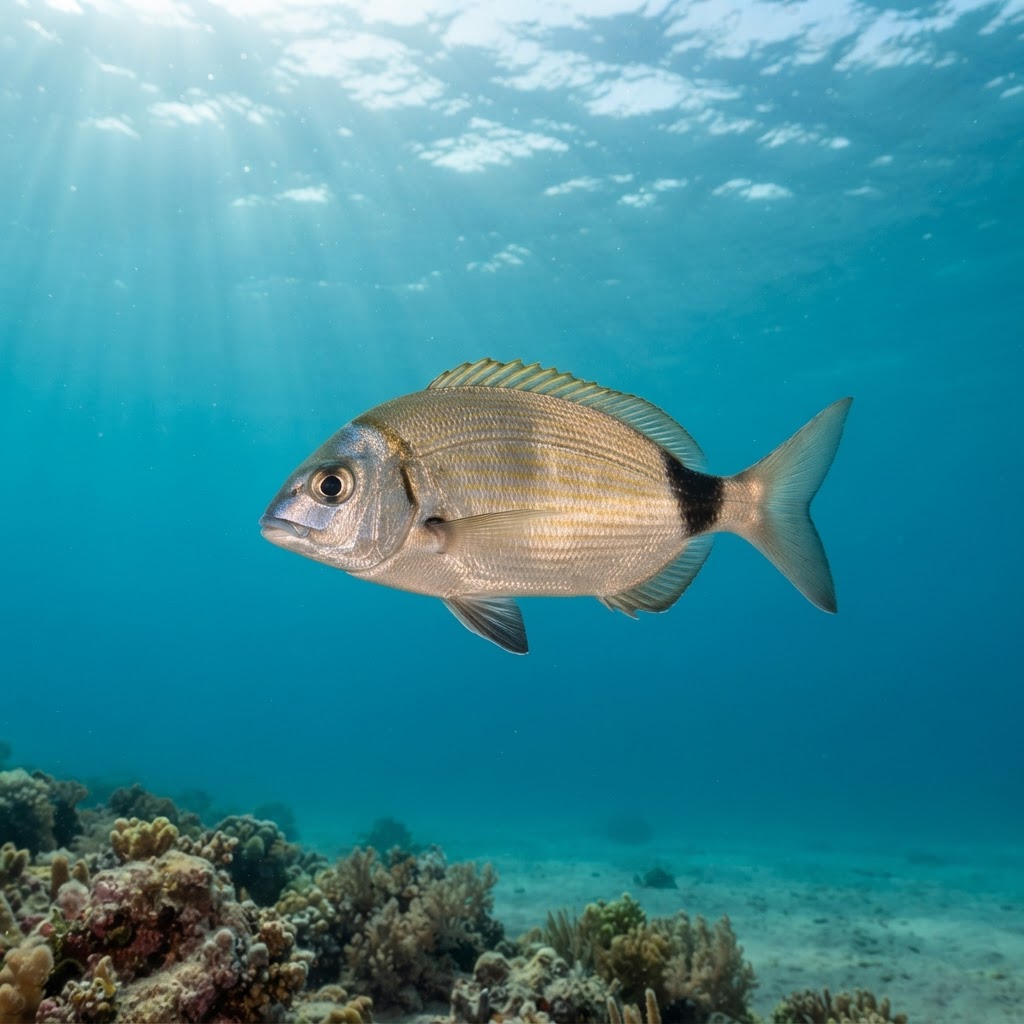
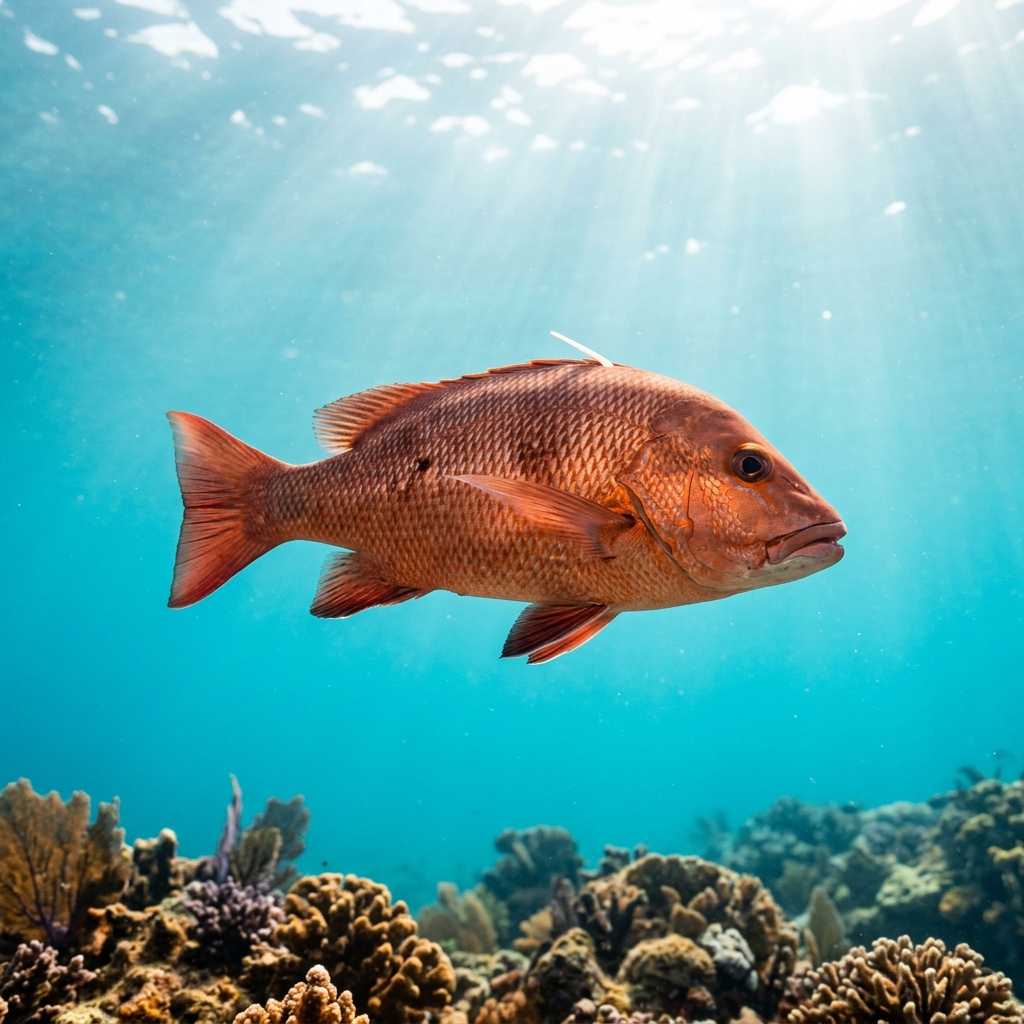
A deep-bodied, stocky sea bream that typically sits or moves slowly just above rocky reef in cool temperate water. The body is a warm reddish-pink to brick red on the upper half, fading to pale pink or whitish on the belly, with a blunt, rounded head and moderately large eye. At around 35 cm it is a mid-sized bream, noticeably deeper in the body than most of its cousins. That flush of red across the dorsal surface, combined with the thick-set build, is usually enough to clinch the ID.
Red Roman are demersal (bottom-associated) fish, typically encountered hovering close to or resting near rocky reef structure rather than out in open water. They tend to be cautious around divers, often maintaining a steady distance before retreating into reef crevices if approached too closely. Encounters are generally solitary or in small loose groups.
Red Roman are protogynous hermaphrodites, meaning individuals start life as females and the dominant fish in a group can change sex to become a functional male. This means the largest fish on the reef is often the only male present.
Sightings in the data concentrate between January and May, which corresponds to the South African late summer and autumn. Outside this window encounters become noticeably less frequent, so plan your trip accordingly.
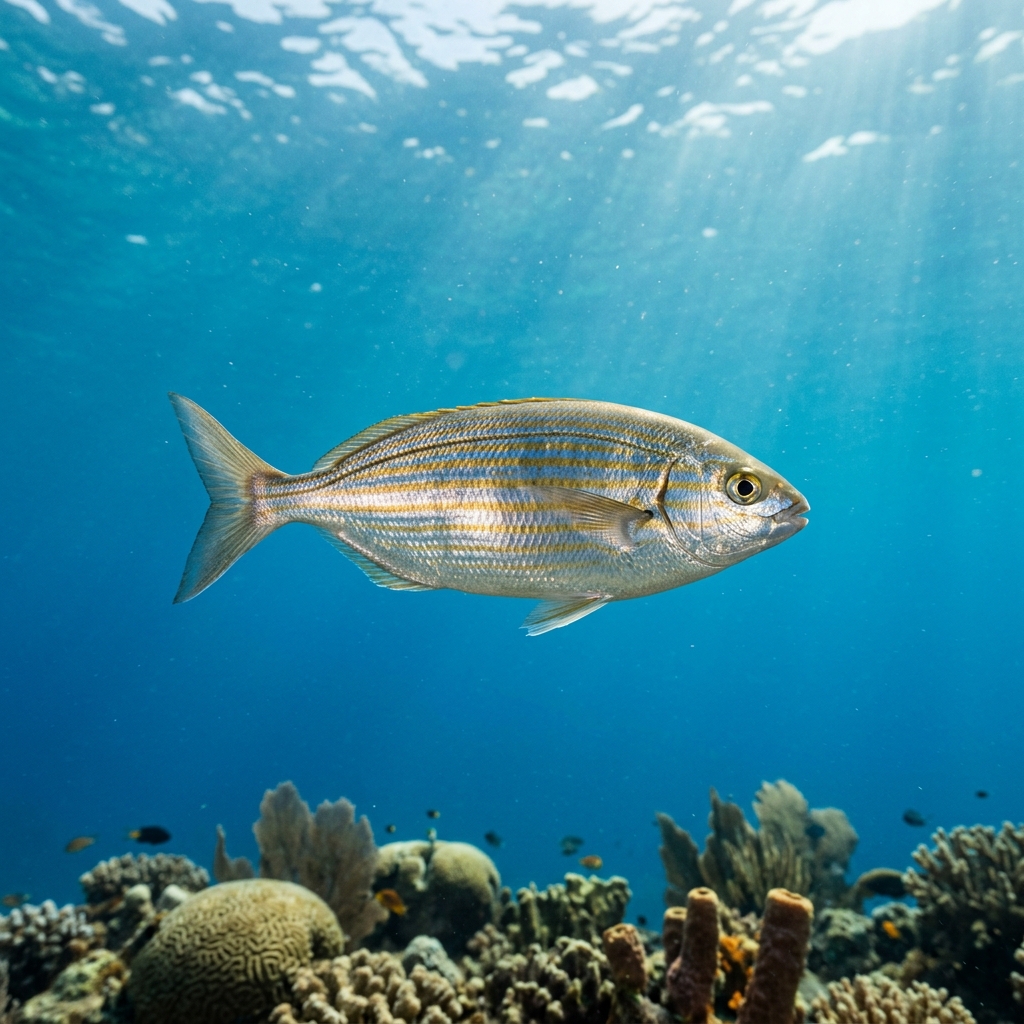
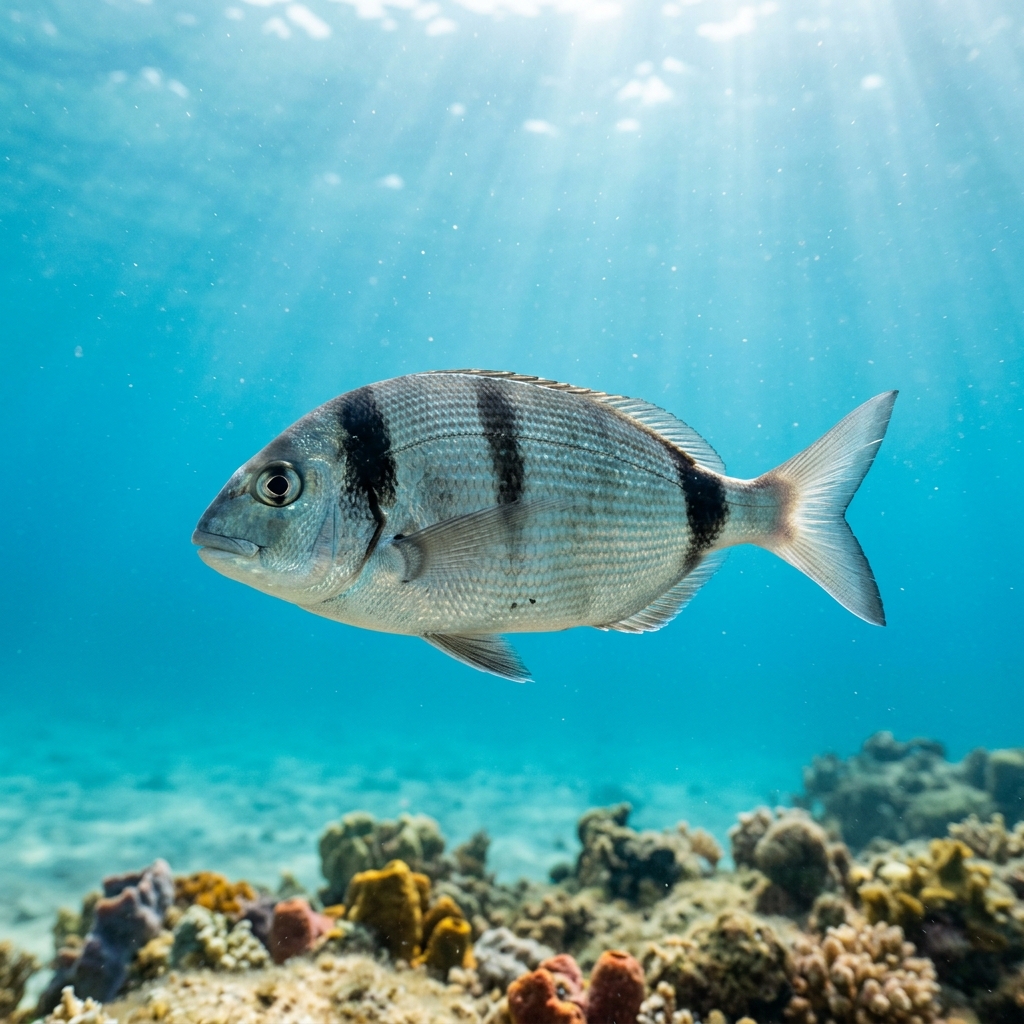
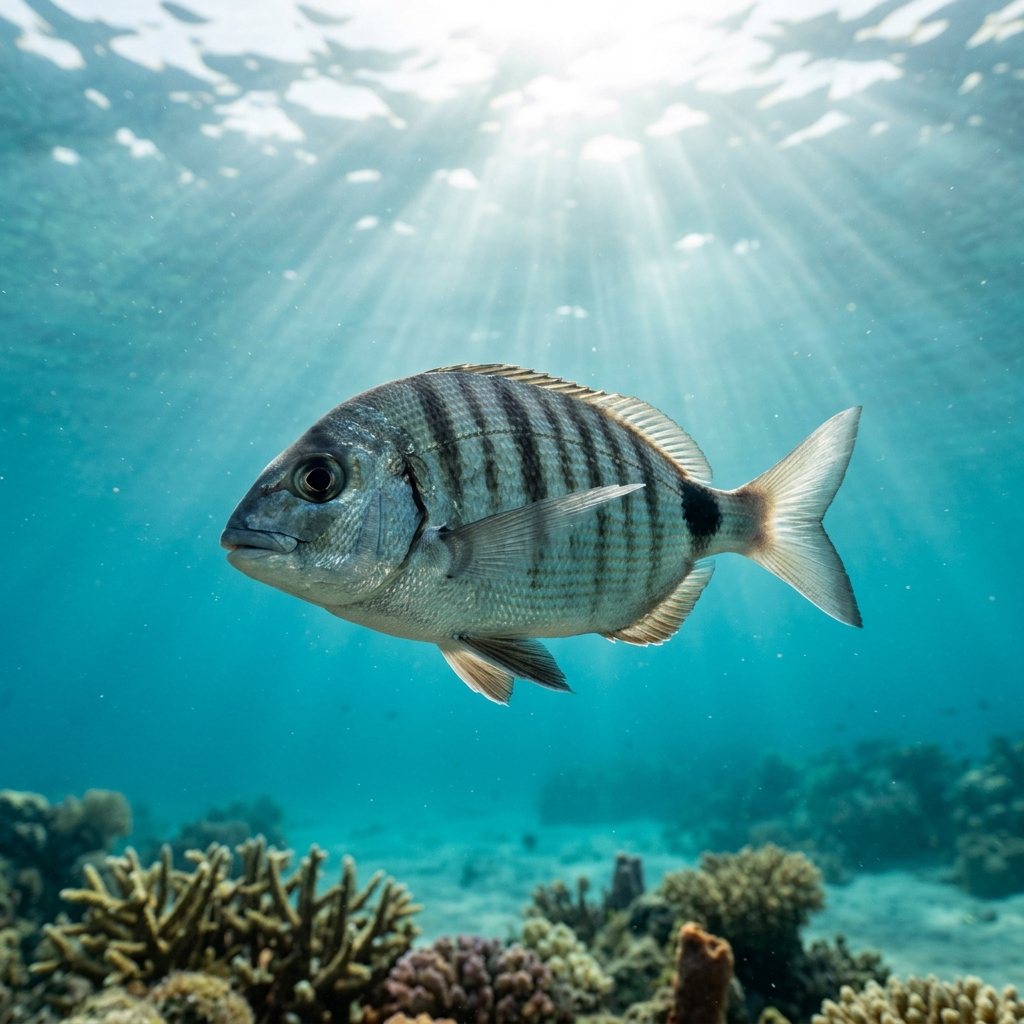
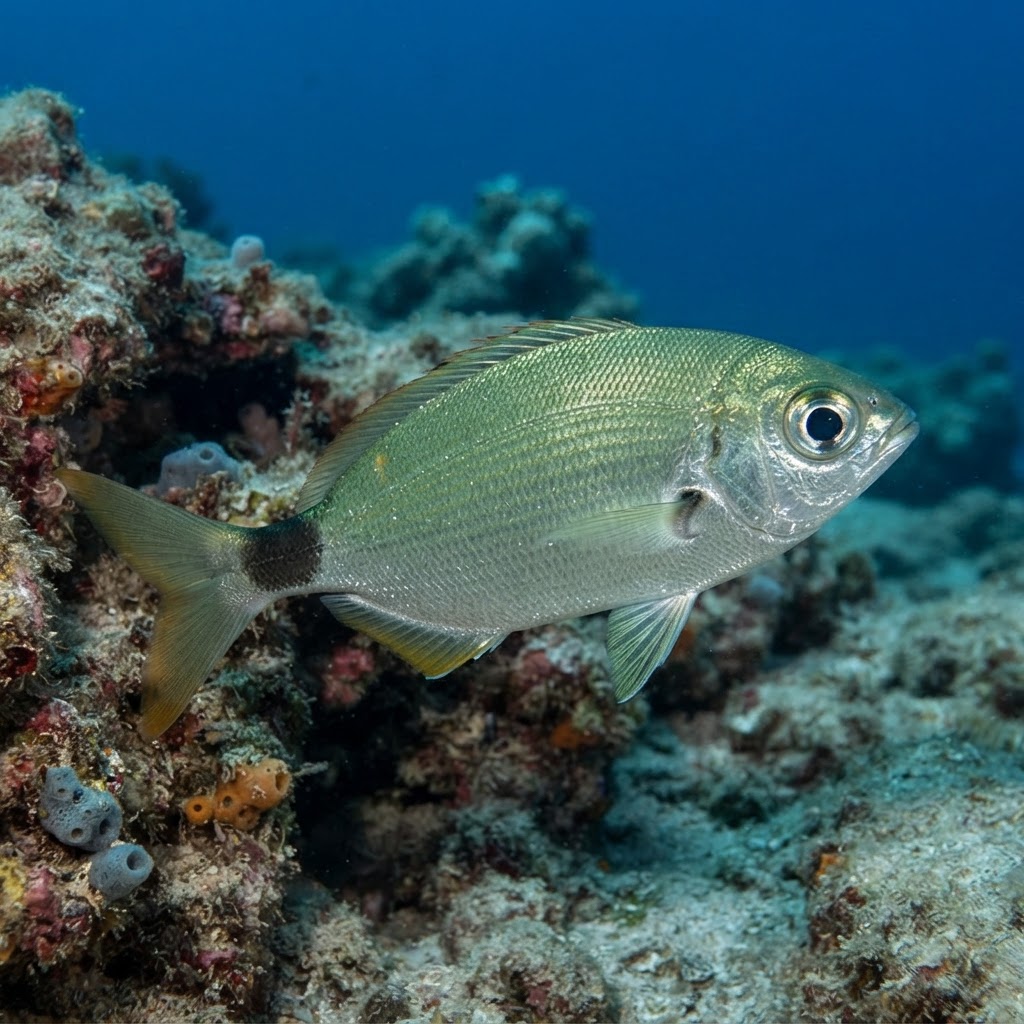
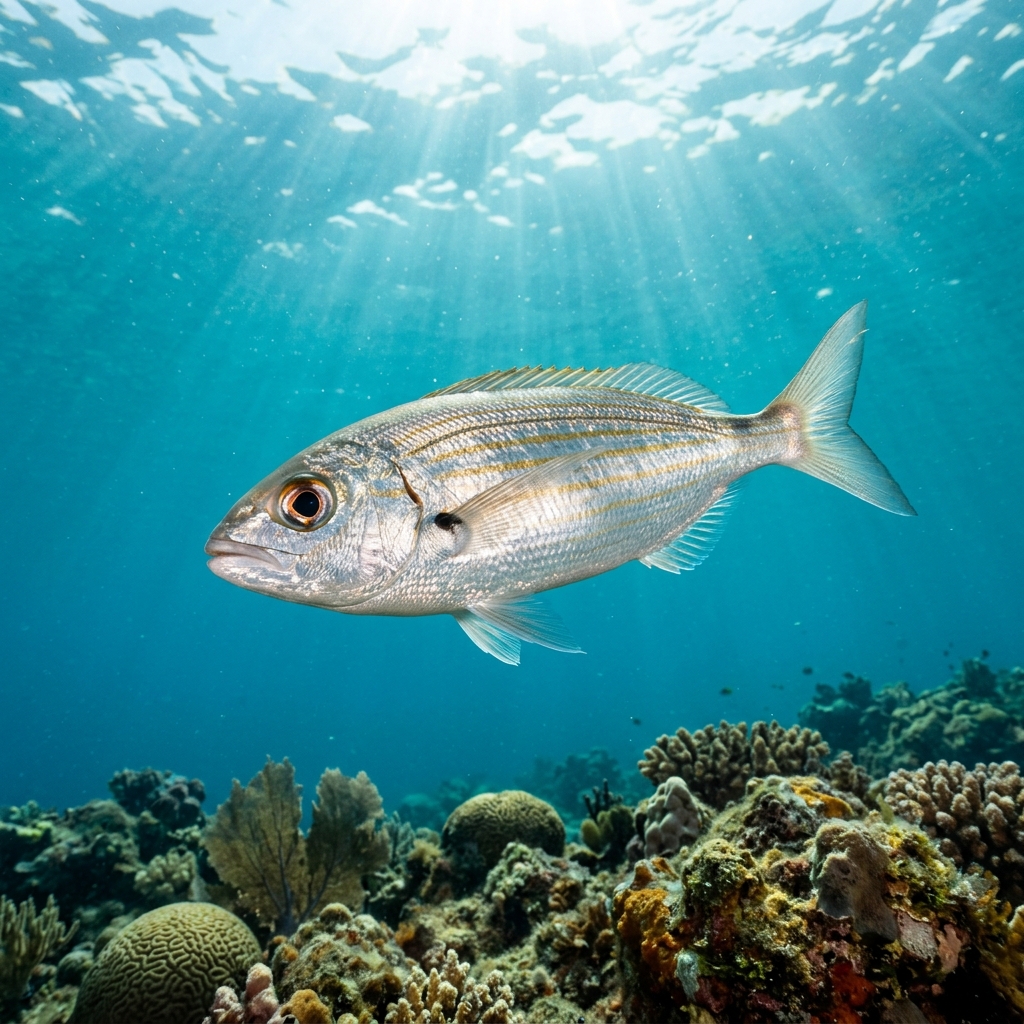
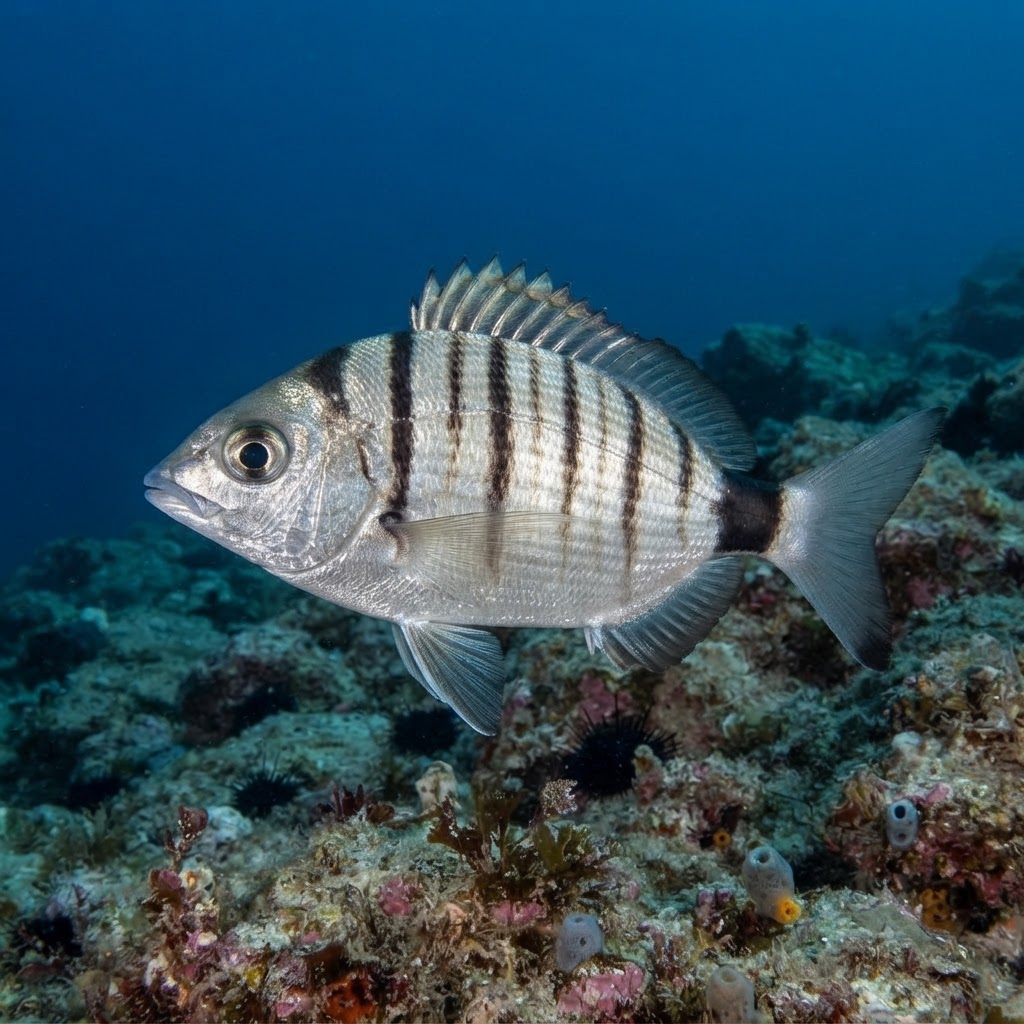
Reef neighbours a diver could mistake it for. Use the identification notes above to tell them apart.
Almost all logged sightings come from South Africa, with the overwhelming majority concentrated along the Western Cape coast. A much smaller number of sites sit in the Eastern Cape, and a single modelled location extends the range into Namibia. If you are targeting this species, the Western Cape is by far your best bet.
Mapping where Red Roman is logged…
Red Roman are almost exclusively a South African species in the dive record. The Western Cape coast holds the great majority of known sites, with a few additional locations along the Eastern Cape. A handful of modelled sites suggest the range just reaches into Namibia.
Logged sightings cluster between January and May, covering South Africa's late summer through early autumn. Water temperatures in their preferred range of 16 to 21 °C are most reliably encountered during this period along the Cape coast.
Look for a stocky, deep-bodied bream around 35 cm with a distinctive reddish-pink flush across the upper body fading to pale on the belly, and a blunt rounded head. The combination of that warm red colouration and thick build sets it apart from slimmer or more silvery bream species on the same reef.
A typical adult is around 35 cm. They are a mid-sized bream, noticeably chunky for their length due to the deep, compressed body shape.
Yes. Red Roman are protogynous hermaphrodites: all individuals begin life as females, and the dominant fish in a social group can transition to become a functional male. This means the biggest fish you spot on the reef is likely the only male in the area.
Site and sighting data is aggregated from diver logs, iNaturalist and GBIF. For taxonomy and conservation status:
Saddled Bream
3,846 sites