Samla bilas
Uncommon nudibranch logged across Luzon and Sabah reefs, in warm 25-31C water year-round. Here's where divers actually find it.
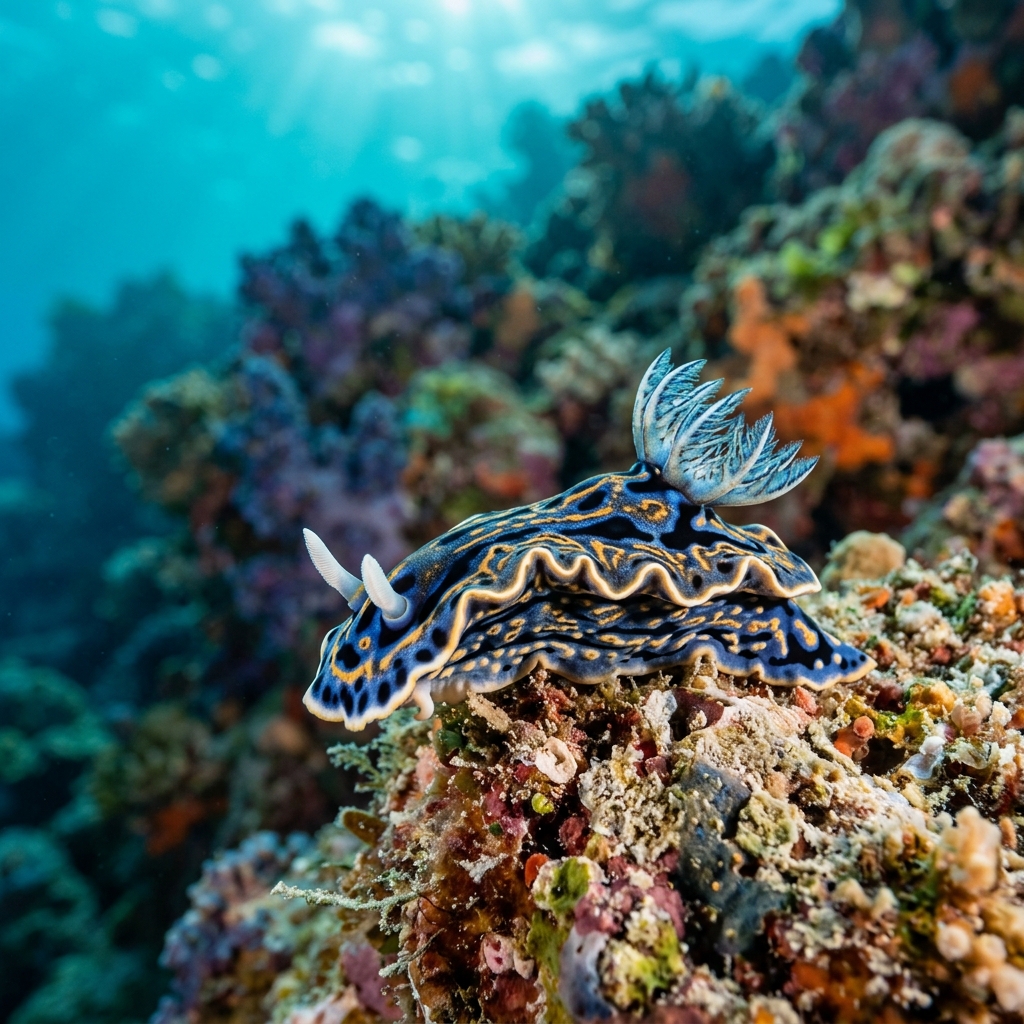
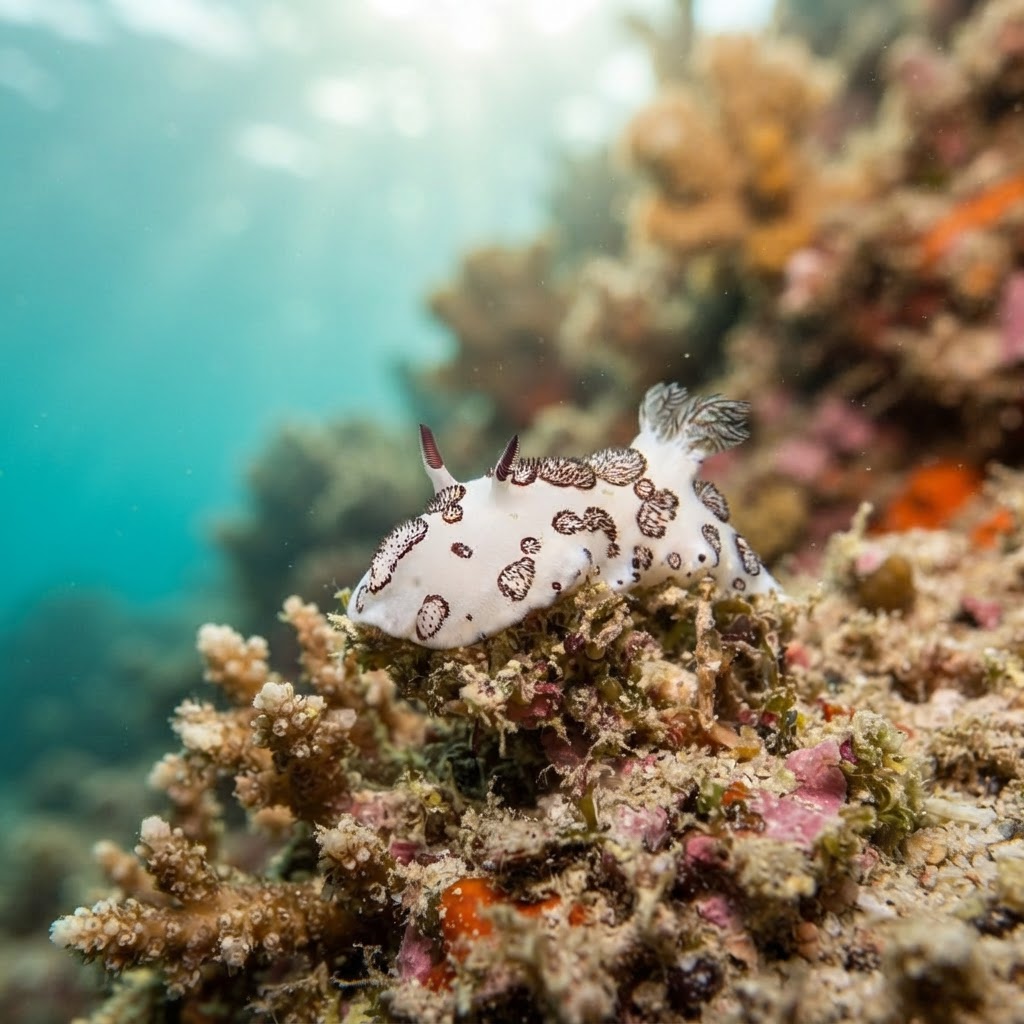
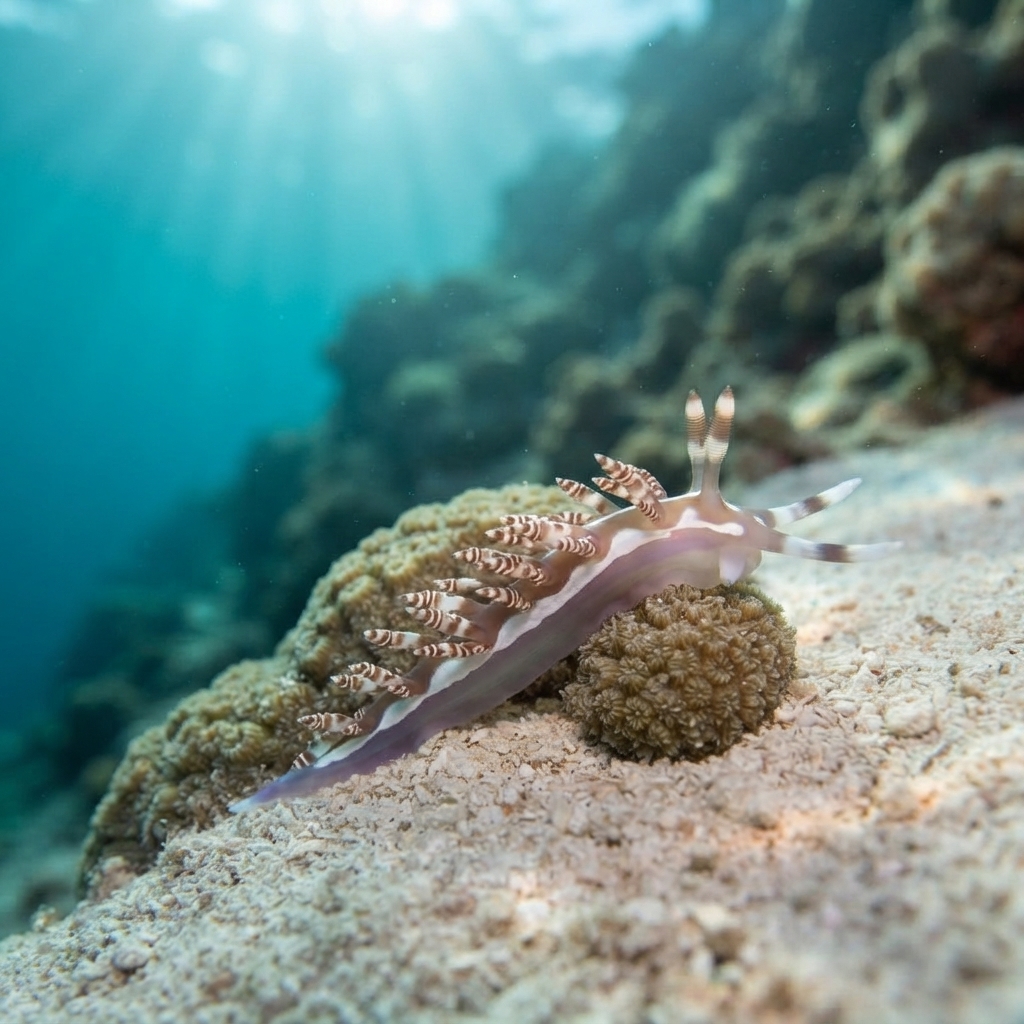
Small, slug-bodied nudibranch with a pale to translucent mantle marked by a distinct red ring pattern, a trait that gives it its common name and is the main feature divers key on. Like most nudibranchs it moves slowly across the substrate, with soft rhinophores (the small paired sensory tentacles on the head) visible if you get close. Size in the water is small, so most sightings come from divers doing slow, close-focus macro passes over the reef rather than a mid-water spot.
Divers typically find it moving slowly across reef substrate or rubble, doing what nudibranchs do best: grazing quietly and ignoring the diver entirely. It shows no defensive or evasive reaction to divers, which makes it an easy subject once spotted, though its small size and uncommon status mean the real challenge is finding one in the first place. Most sightings come from divers working slow macro-focused dives rather than drifting reef swims.
Like other dorid nudibranchs, it likely relies on chemical defences absorbed from its diet rather than speed or camouflage to avoid predators, which is part of why it can sit exposed on the reef in full view of divers.
No clear seasonal pattern shows up in the sightings data, so treat it as a year-round find. Water temperatures at the sites where it's logged sit between 25.4 and 31.4C, comfortably warm tropical conditions that persist through the year in both Luzon and Sabah.
Reef neighbours a diver could mistake it for. Use the identification notes above to tell them apart.
Most reliably logged across Luzon in the Philippines, with a strong secondary population in Sabah, Malaysia. These two regions currently account for effectively all recorded sightings, so a muck or reef dive trip built around either is your best bet for a real shot at one.
Mapping where Red-ringed Bluntnose is logged…
It's most reliably found on reefs in Luzon, Philippines, and Sabah, Malaysia, which together make up nearly all logged sightings. Outside these two regions it hasn't been reported with any regularity.
There's no detected season, so it's considered a year-round sighting. Water temperatures where it's found stay in the 25 to 31C range throughout the year, which suits it fine in any month.
Look for a small nudibranch with a pale mantle marked by a red ring pattern. It moves slowly over reef substrate and doesn't react to divers, so a close, steady look at the mantle markings is the easiest way to confirm ID.
It's logged as uncommon even at the sites where it does turn up, so spotting one takes a bit of luck and a slow, macro-focused dive rather than a casual reef swim.
No, it poses no danger to divers. It has no known sting or bite risk and simply continues grazing when approached.
Site and sighting data is aggregated from diver logs, iNaturalist and GBIF. For taxonomy and conservation status:
Blue Dragon
3,163 sites