Halichoeres pictus
A pocket-sized reef fish flashing purple and yellow along Bonaire's Leeward Coast and Belize's Lighthouse Reef, year-round in warm water.
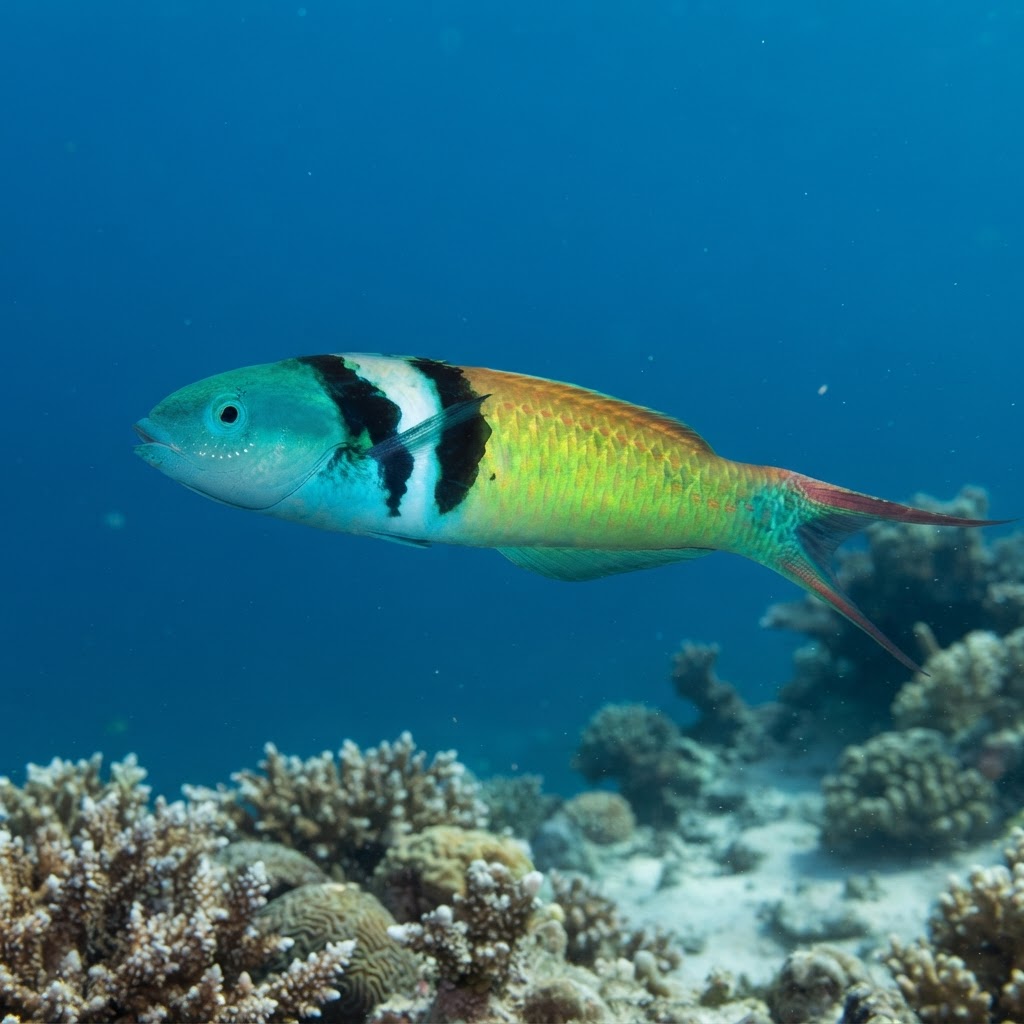
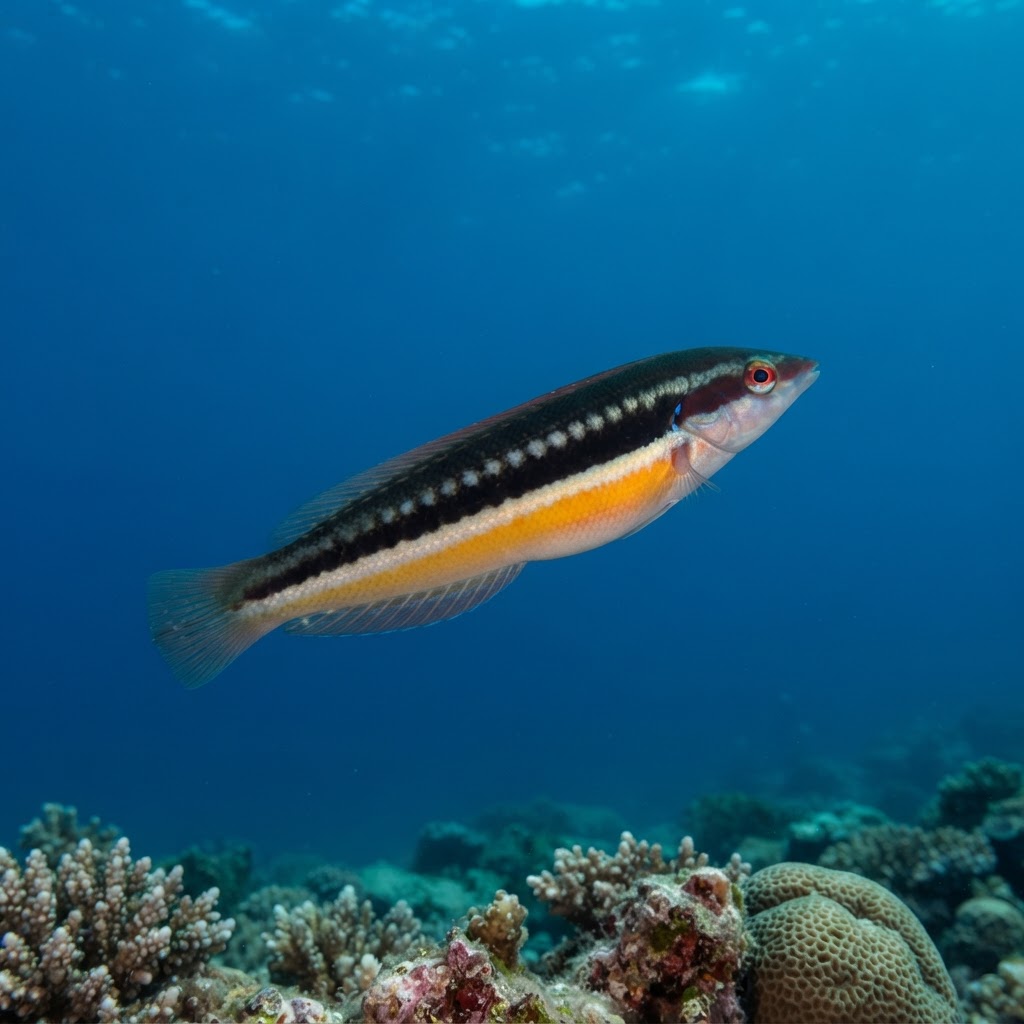
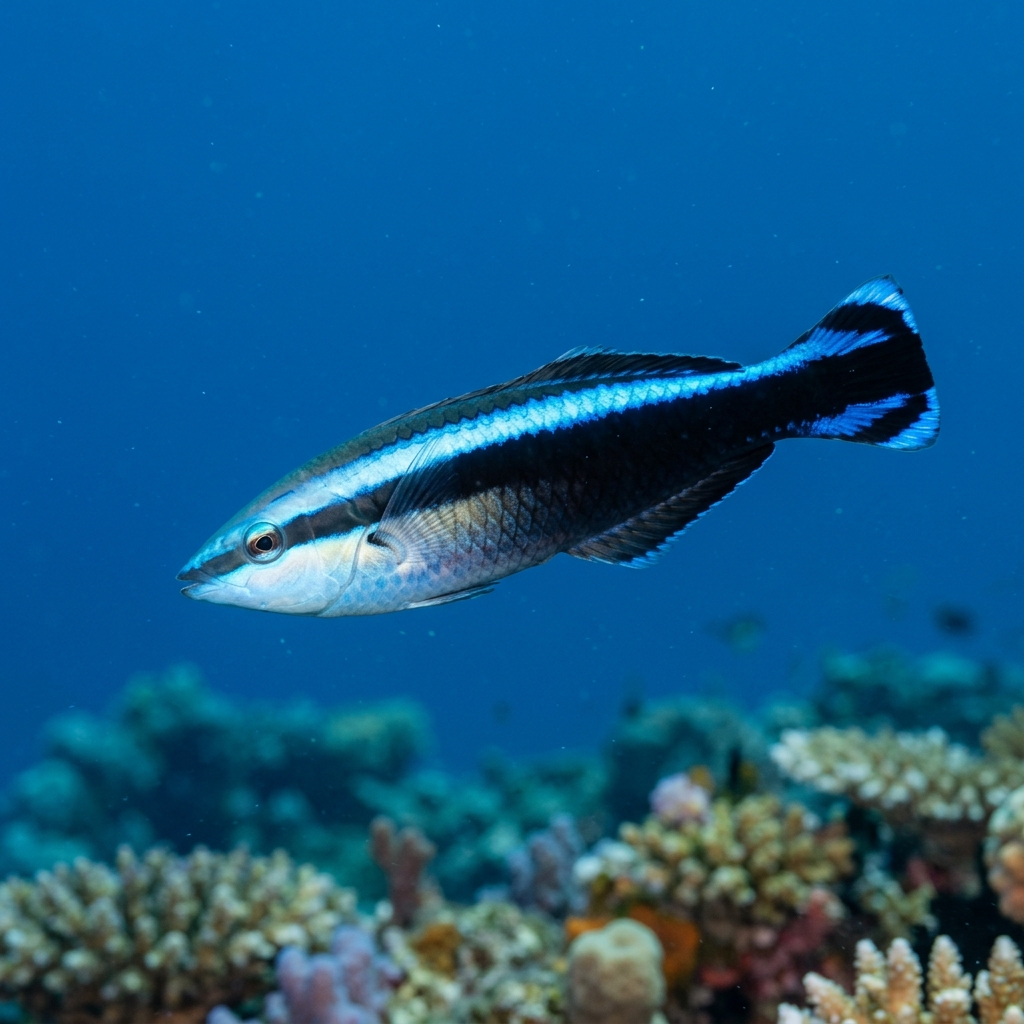
A slim, torpedo-shaped little wrasse topping out around 9 cm, so it reads as a quick flash of colour rather than a fish you study head-on. Look for a purple-blue body cut through with a bright yellow-orange stripe or patch running along the flank, often brightest toward the tail. It swims with the darting, stop-start motion typical of small wrasses, staying low and close to reef structure rather than out in open water.
Expect to see it picking around low reef structure and rubble patches, darting between crevices rather than holding still for a photo. It is not shy exactly, but it keeps moving, foraging over the substrate for small invertebrates as it goes. Divers log it as uncommon rather than abundant, so it is more of a nice surprise on a reef scan than a guaranteed feature.
Like many wrasses, it can change sex over its lifetime, with a plainer initial colour phase giving way to the brighter pattern divers notice as individuals mature.
No clear seasonal pattern shows up in the sightings, and with water in its comfort range of roughly 26 to 28 C year-round across Bonaire, Belize and Honduras, it is a fish you can reasonably expect on any dive, any month.
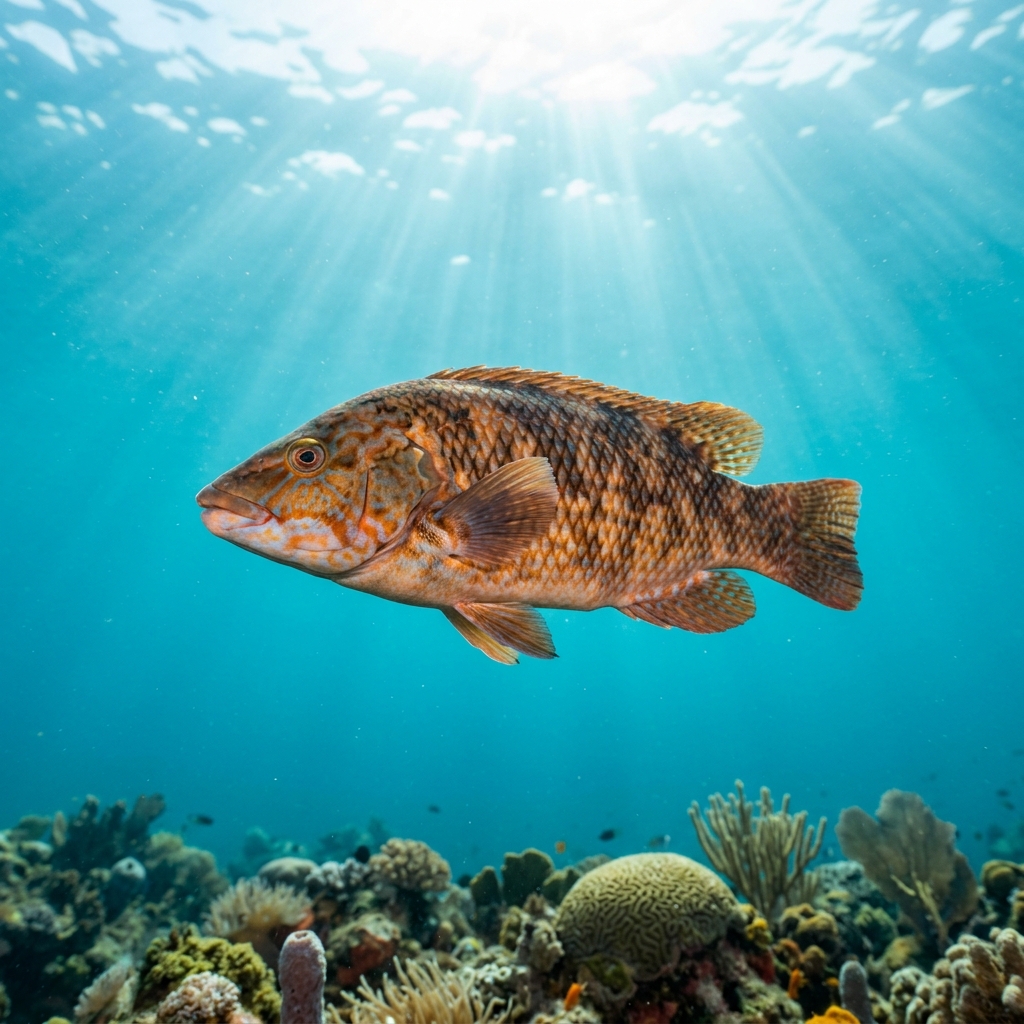
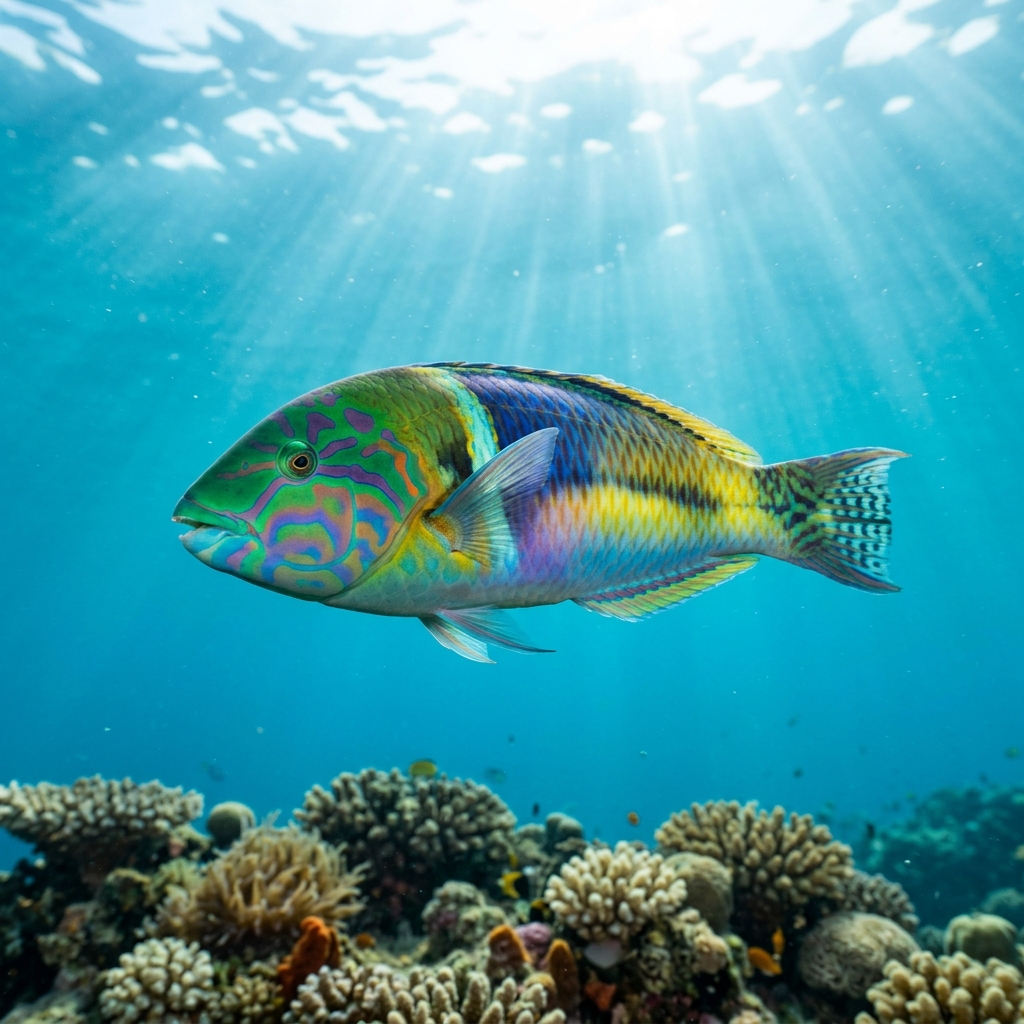
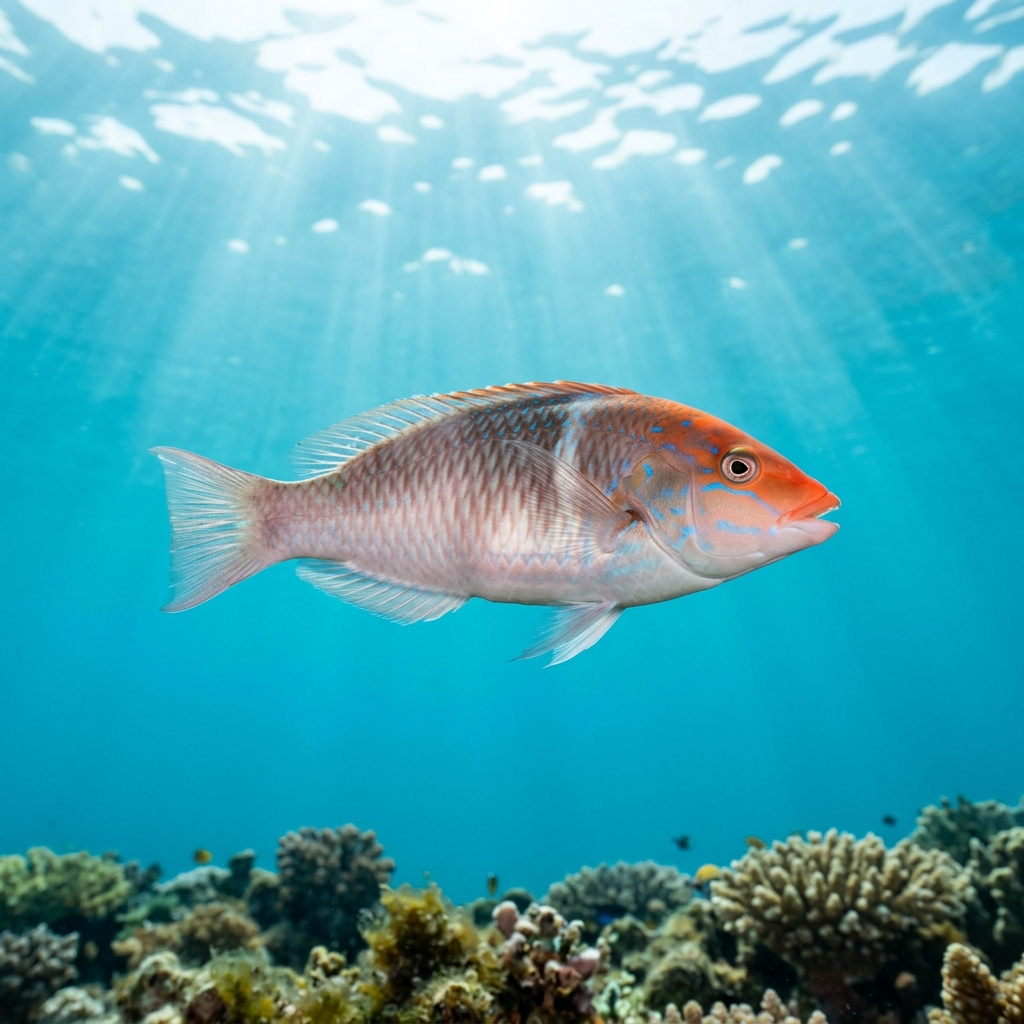
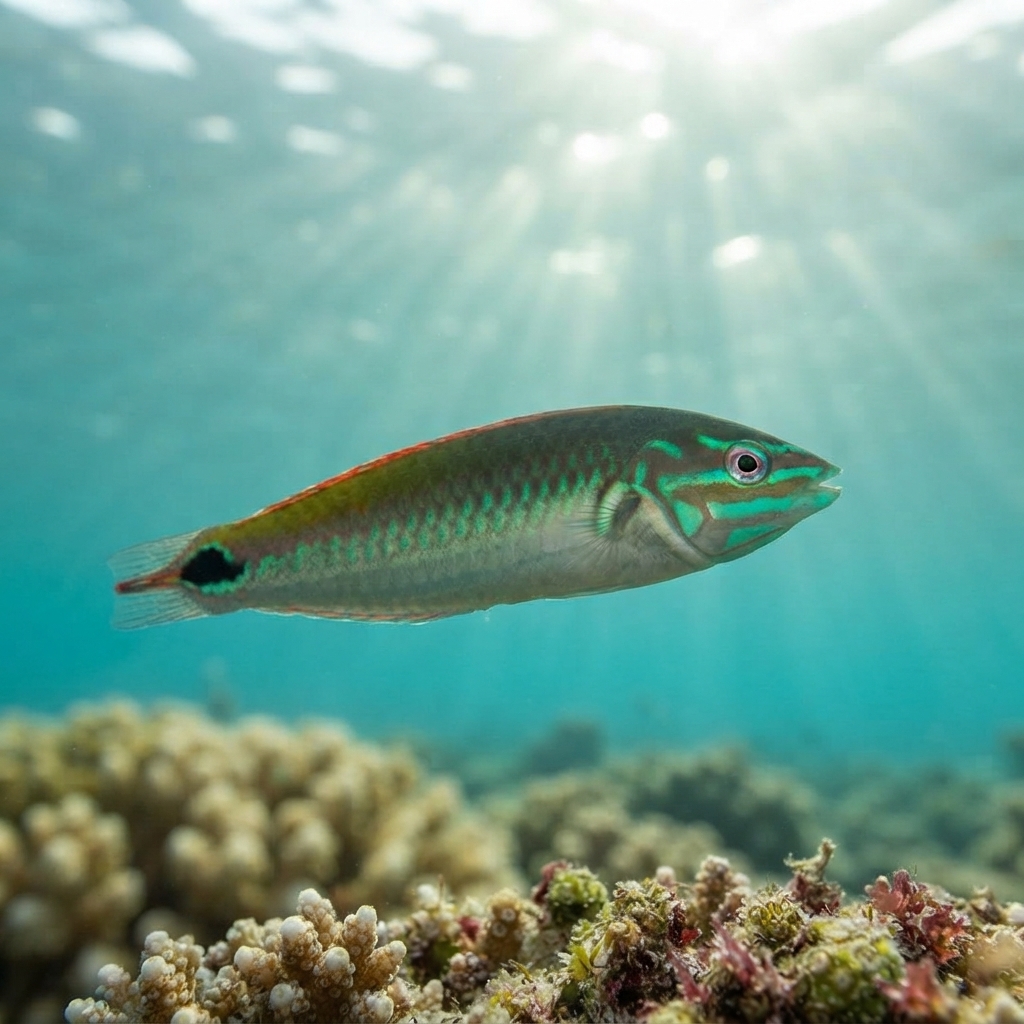
Reef neighbours a diver could mistake it for. Use the identification notes above to tell them apart.
Most reliably logged along Bonaire's Leeward Coast, where it turns up at a strong run of sites, and it is also a regular find at Lighthouse Reef in Belize. Smaller numbers show up in the Bay Islands of Honduras, making all three countries solid bets for a sighting.
Mapping where Caribbean Rainbow Wrasse is logged…
Bonaire's Leeward Coast is the strongest area for sightings, with Lighthouse Reef in Belize also a reliable spot. Smaller numbers turn up in Honduras's Bay Islands.
There is no strong season in the data, and warm water year-round across its Caribbean range means sightings are possible on any given month.
Look for a small, slender fish around 9 cm with a purple-blue body and a bright yellow-orange stripe, darting low over reef and rubble rather than swimming in open water.
They stay small, typically around 9 cm long, making them easy to miss on a busy reef unless you are looking closely at low structure.
No. They pose no threat to divers and simply go about foraging over the reef, ignoring passing divers.
Site and sighting data is aggregated from diver logs, iNaturalist and GBIF. For taxonomy and conservation status:
Bird Wrasses
3,632 sites