Nemanthias carberryi
Small purple-and-yellow anthias found year-round on KwaZulu-Natal reefs at 24 to 28°C, an uncommon but worthwhile find for sharp-eyed divers.
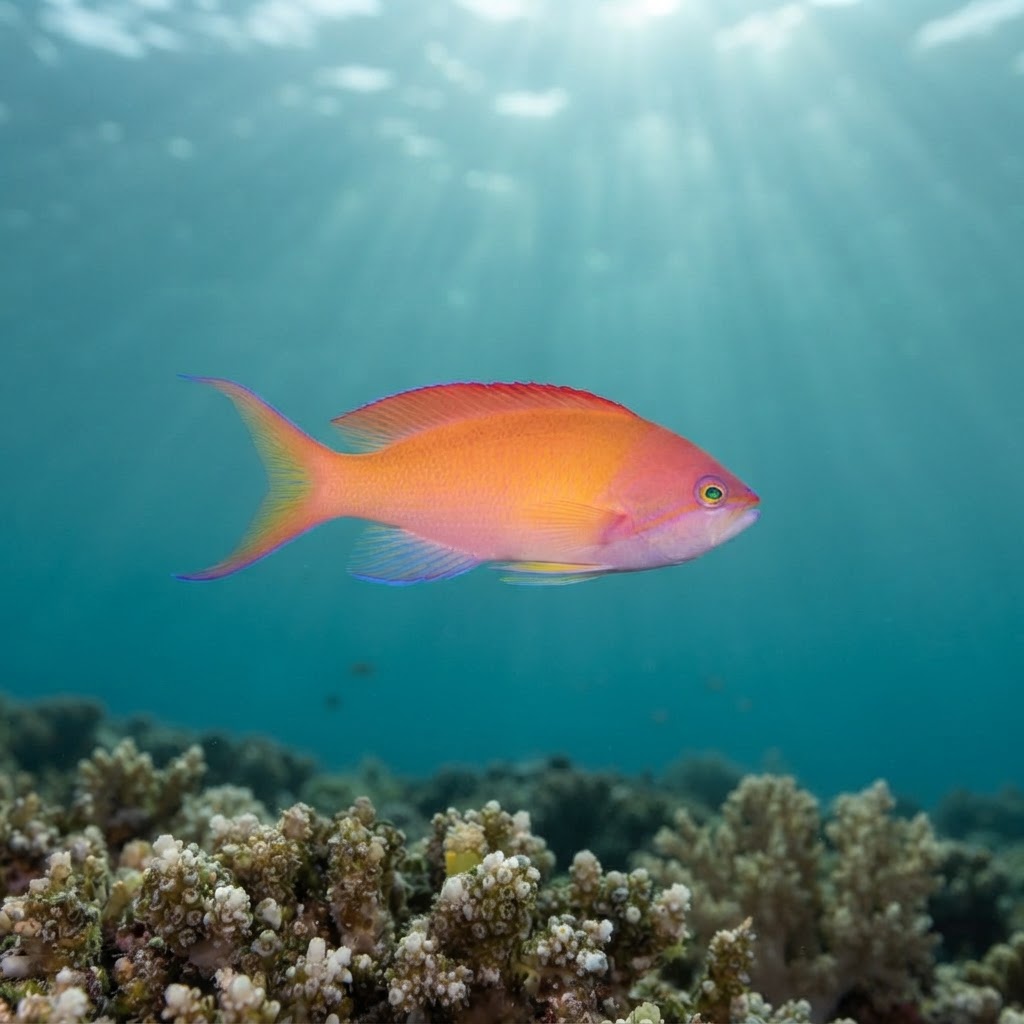
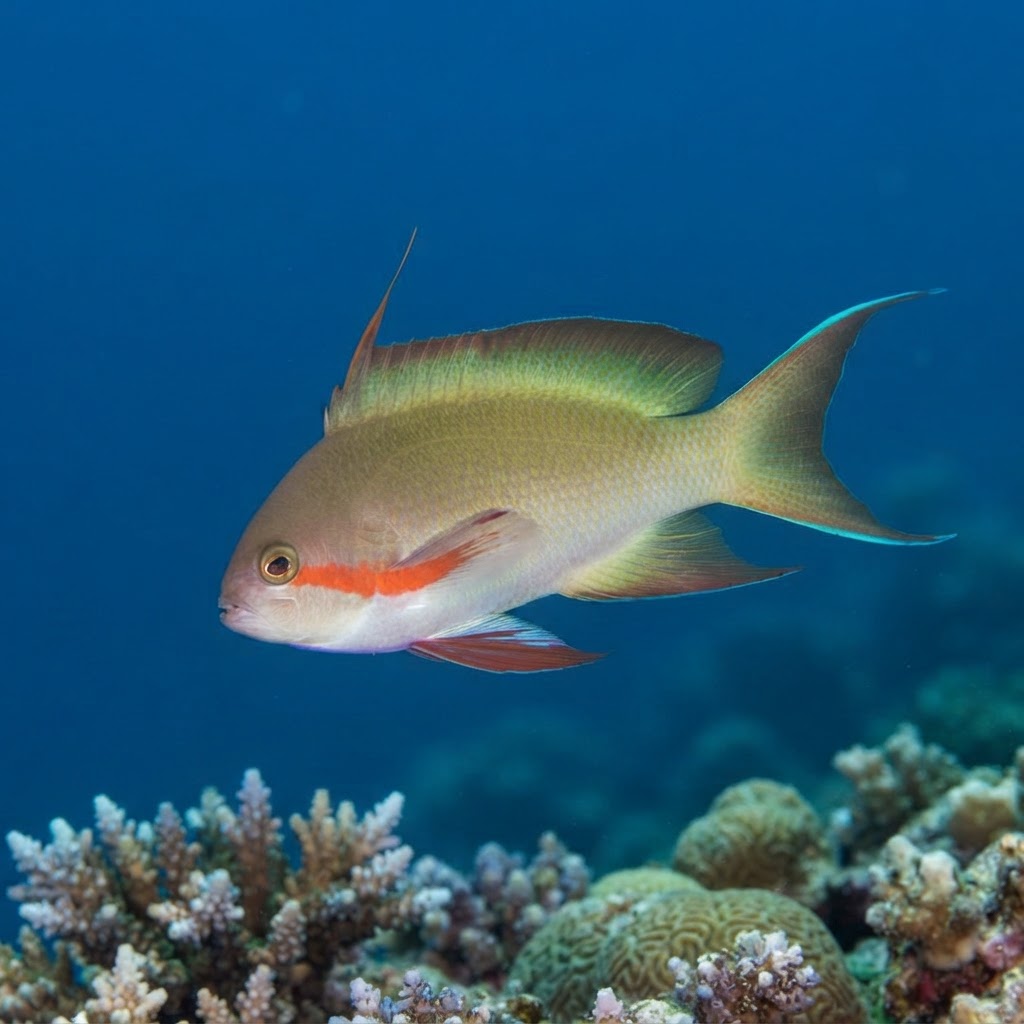
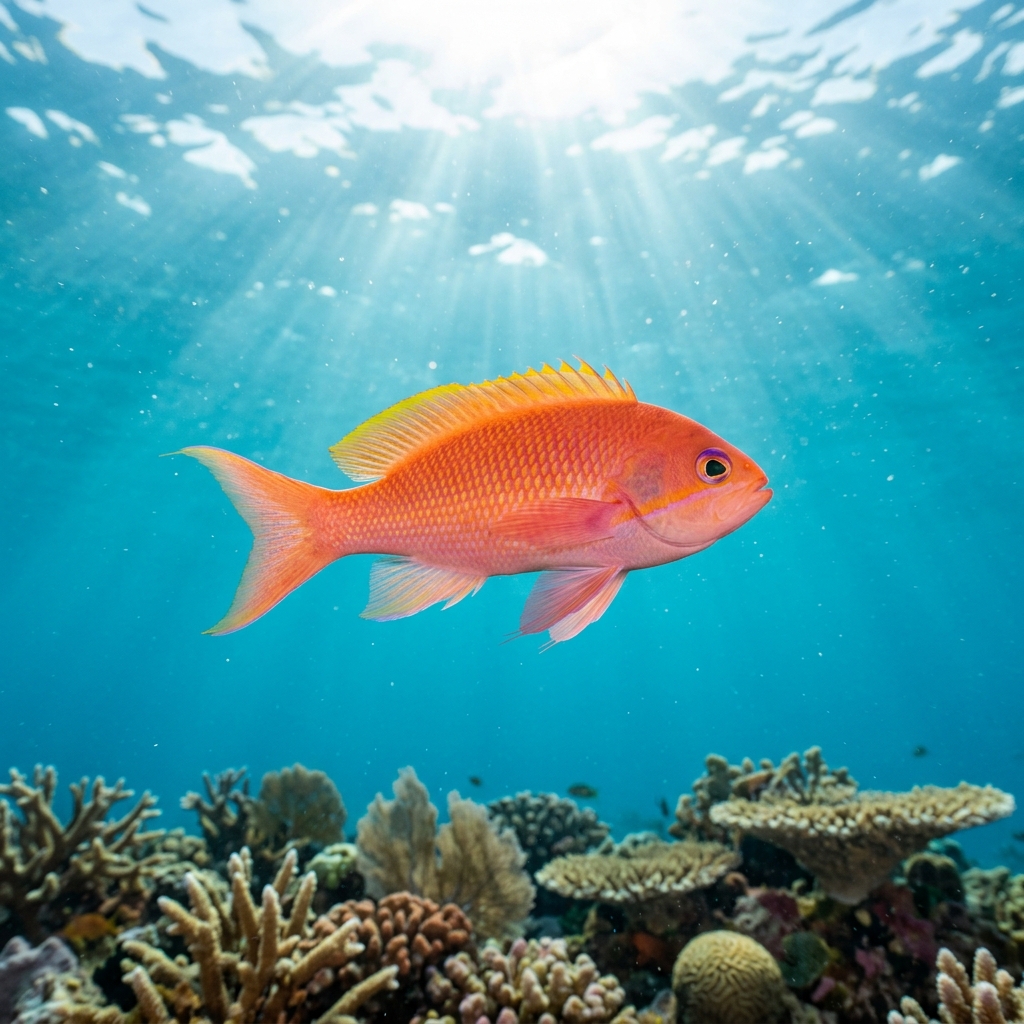
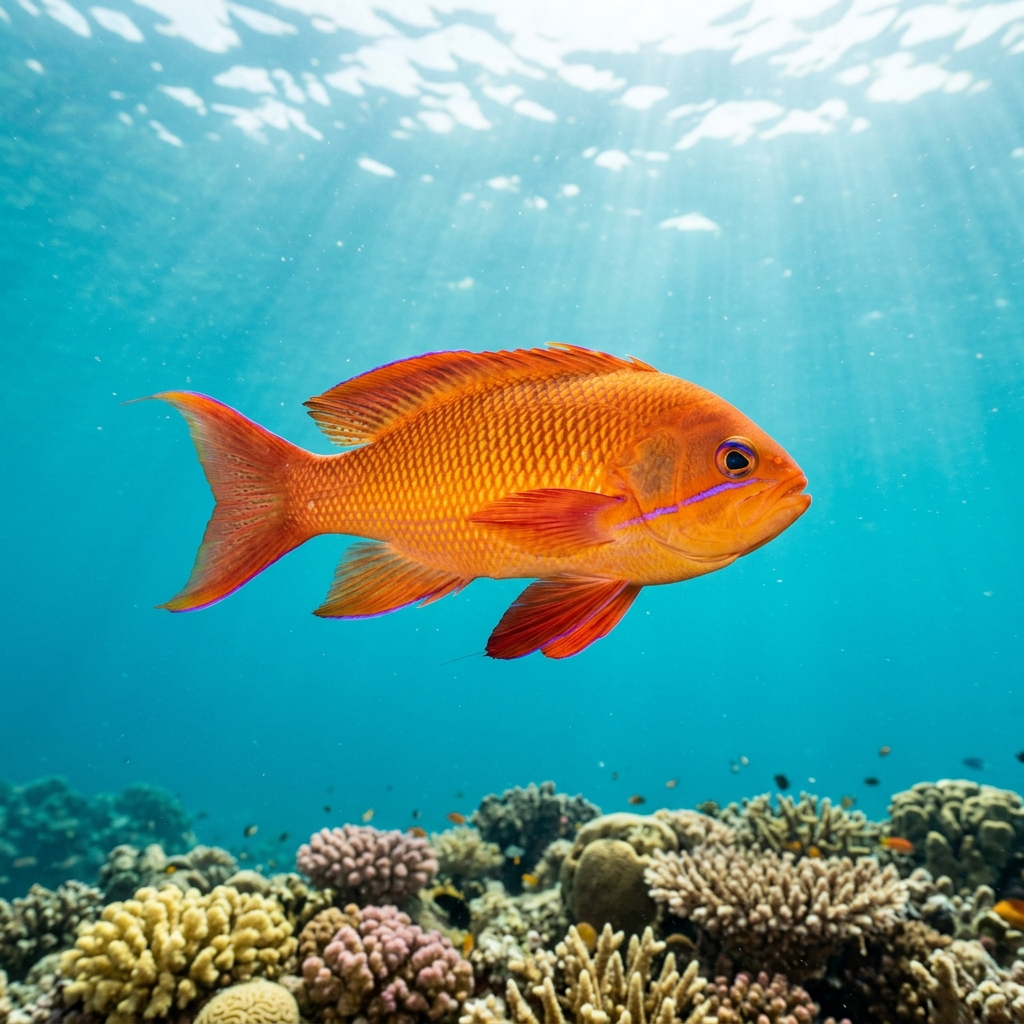
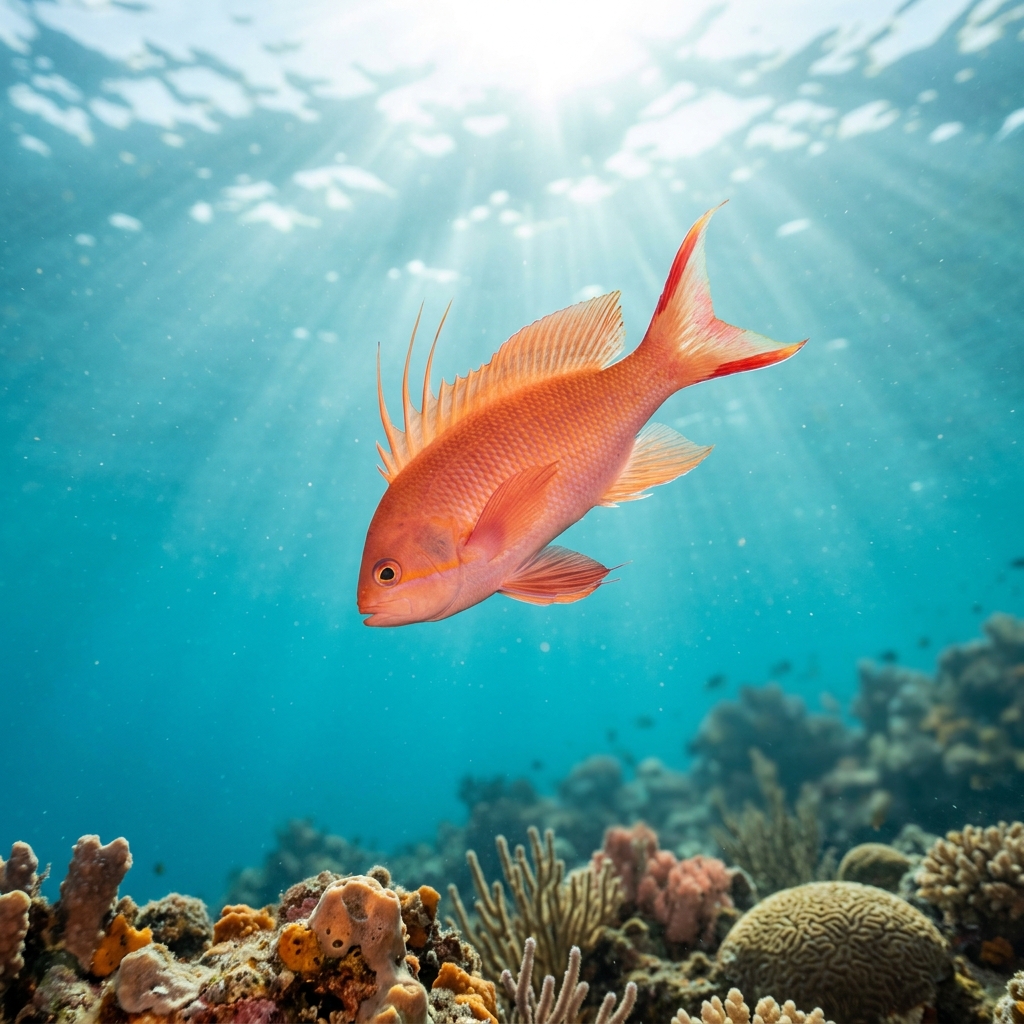
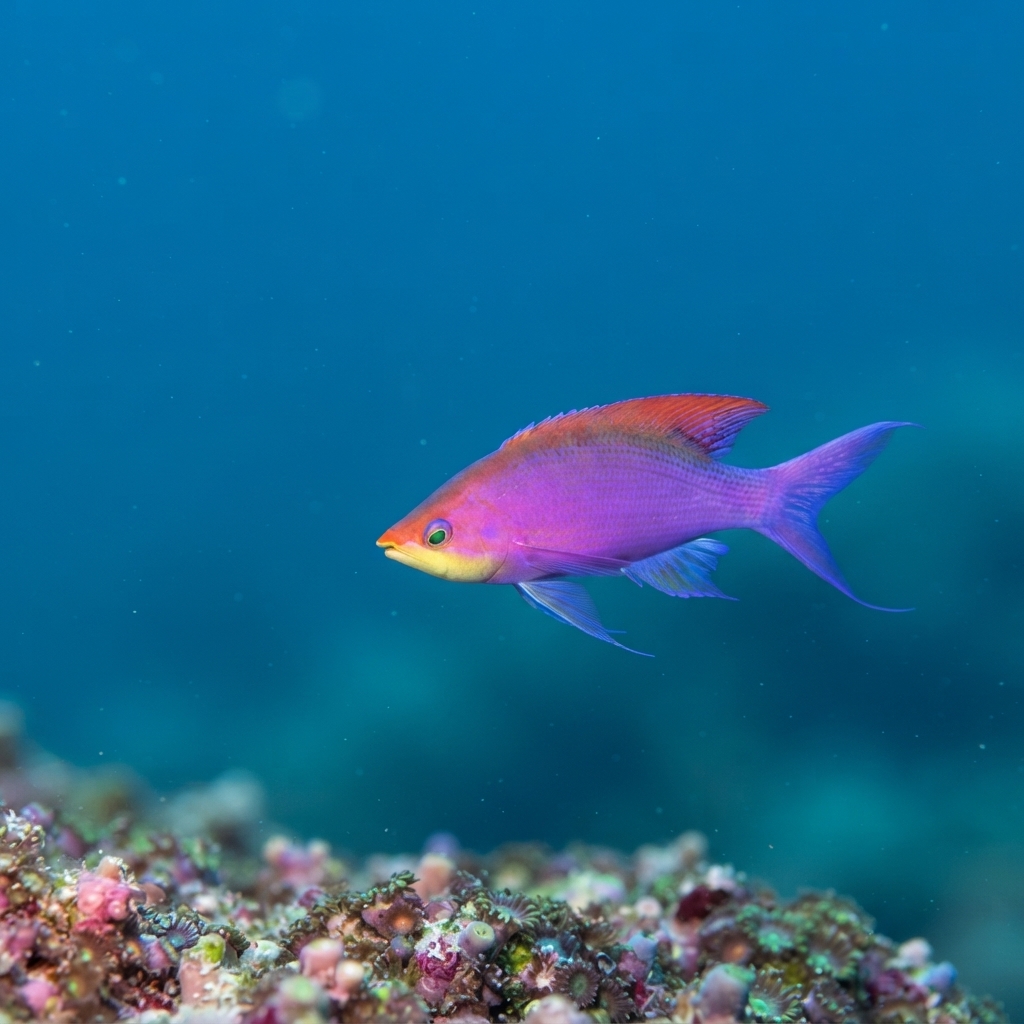
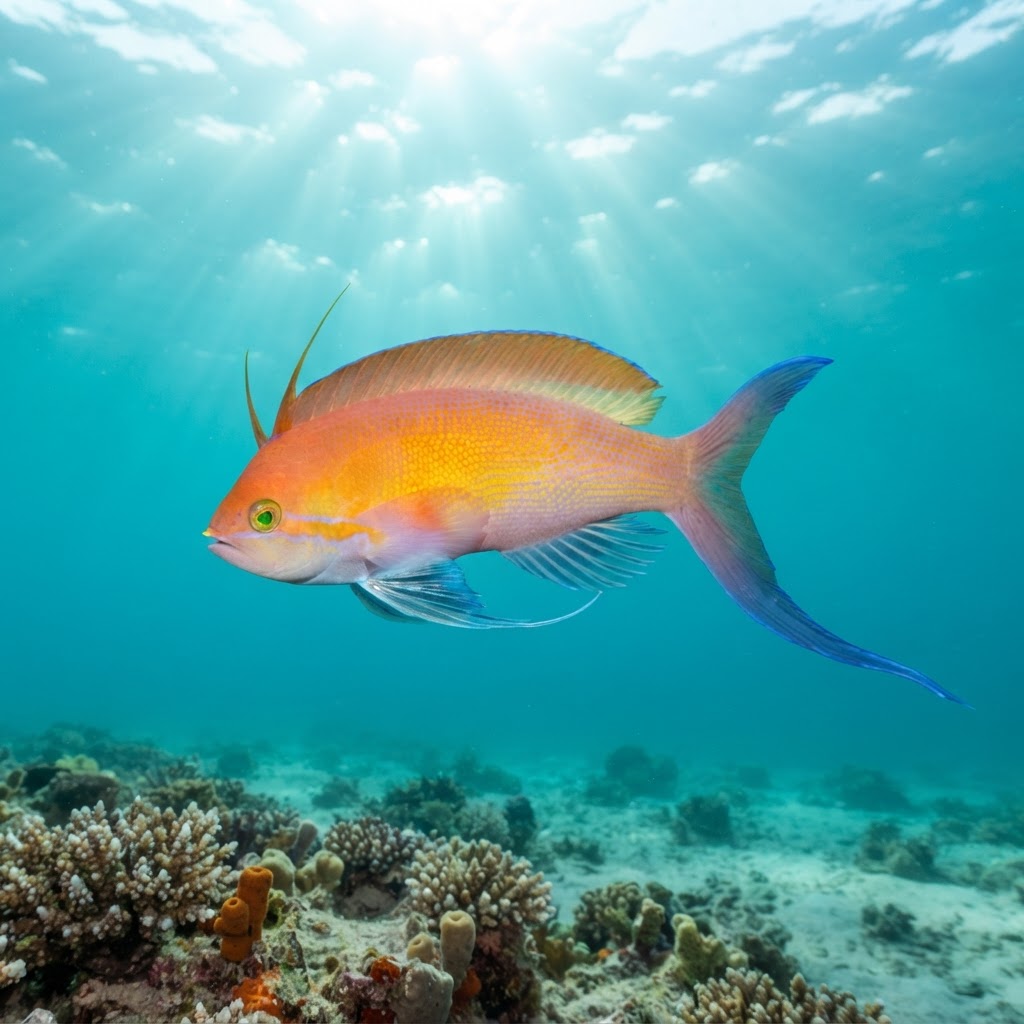
A small, slender anthias reaching about 9 cm, with a body that shifts between lilac-purple and pink depending on the light, and yellow highlights along the dorsal fin and tail. Look for the elongated filament trailing off the dorsal fin, which is where the common name comes from. It moves in loose groups just off the reef structure rather than sitting tight to it like some anthias species.
Divers typically find it hovering in small, loose groups over reef structure, picking at drifting plankton rather than feeding off the bottom. It keeps some distance from divers and tends to melt back toward cover or deeper water if approached too fast, so a slow drift past usually gets you a better look than a direct swim-up.
Like other anthias, it is a plankton-feeder that relies on current bringing food to it, which is why you tend to spot groups holding station on the up-current side of reef pinnacles and ledges.
Sightings run year-round with no detected seasonal pattern, which fits its comfort range of roughly 24 to 28°C on subtropical KwaZulu-Natal reefs. Plan around water temperature and general reef conditions rather than a particular month.
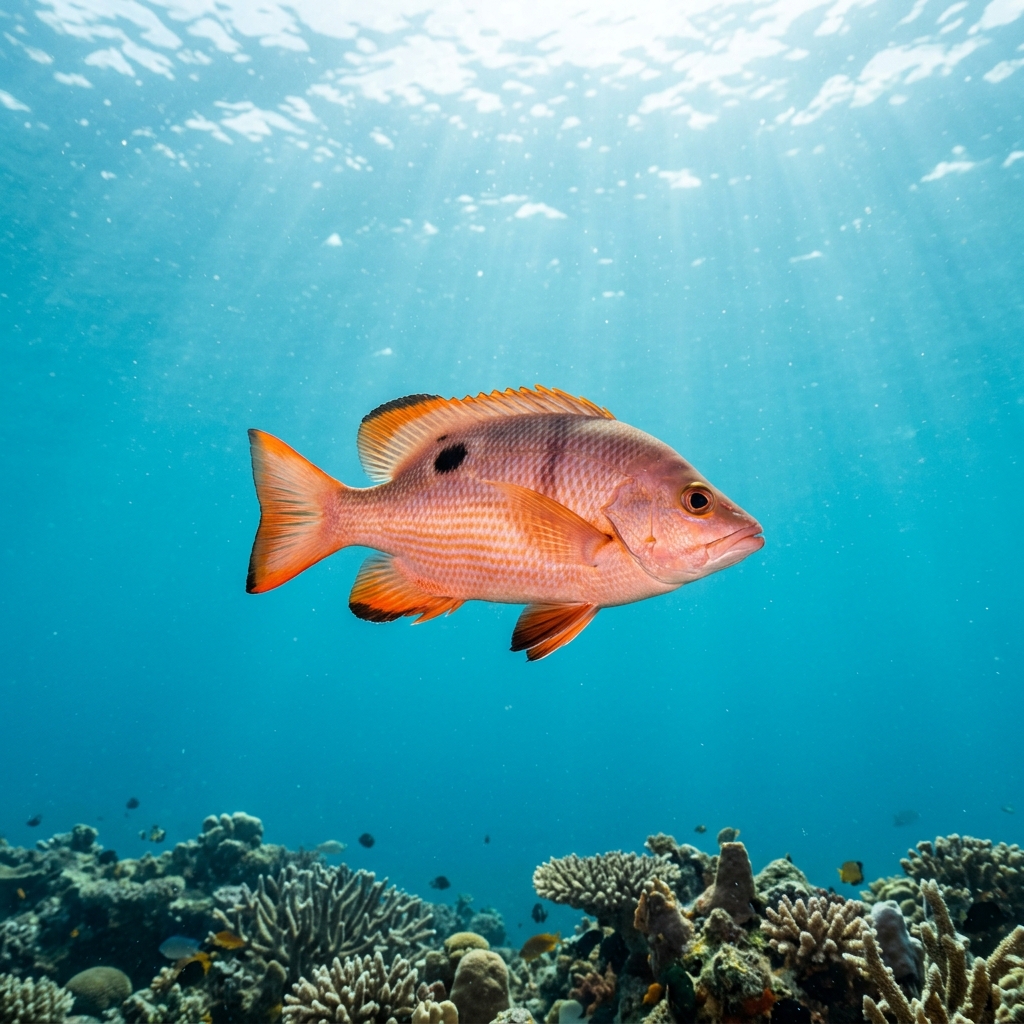
Reef neighbours a diver could mistake it for. Use the identification notes above to tell them apart.
This one is very much a KwaZulu-Natal speciality, with sightings concentrated on reefs along that stretch of the South African coast. It has not turned up in meaningful numbers anywhere else in the logged data, so South Africa is the place to look for it specifically.
Mapping where Threadfin Anthias is logged…
KwaZulu-Natal in South Africa is the standout region for this species, with reefs along that coastline producing the most reliable sightings logged by divers.
There's no strong seasonal pattern in the sightings, so it's considered a year-round find on KwaZulu-Natal reefs where water sits between about 24 and 28°C.
Look for a small, slim anthias around 9 cm with a purple-to-pink body, yellow fin trim, and a fine trailing filament off the dorsal fin. It's usually seen in loose, hovering groups rather than tight to the substrate.
They stay small, topping out at around 9 cm, typical for anthias species that spend their lives hovering in open water above the reef.
No, they pose no risk to divers. They're a small plankton-feeding fish that keeps its distance and has no defensive or aggressive behaviour toward people.
Site and sighting data is aggregated from diver logs, iNaturalist and GBIF. For taxonomy and conservation status:
Red-cheeked Anthias
425 sites