Proterorhinus semilunaris
Spot the Western Tubenose Goby in the Styria Lakes of Austria or Canada's Great Lakes. Cold-water diver? This freshwater goby tolerates temps near freezing.
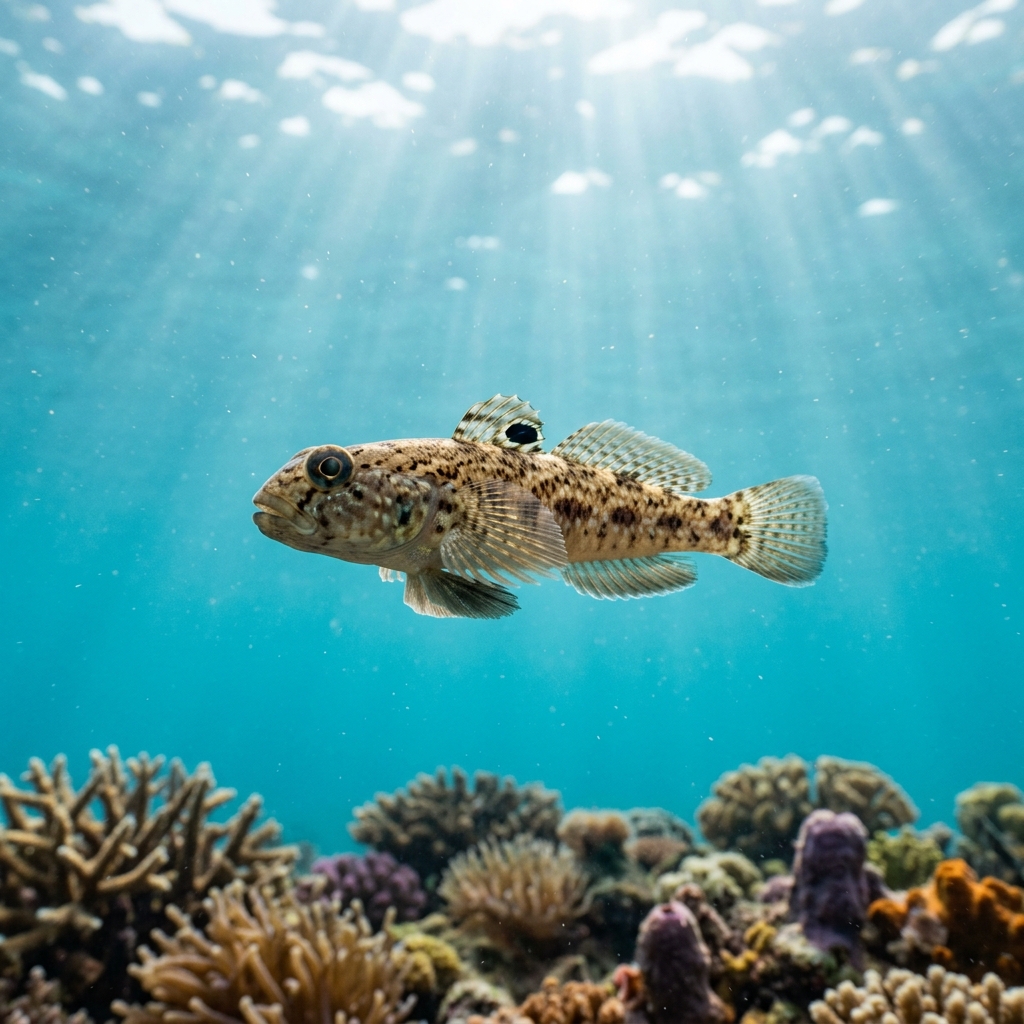
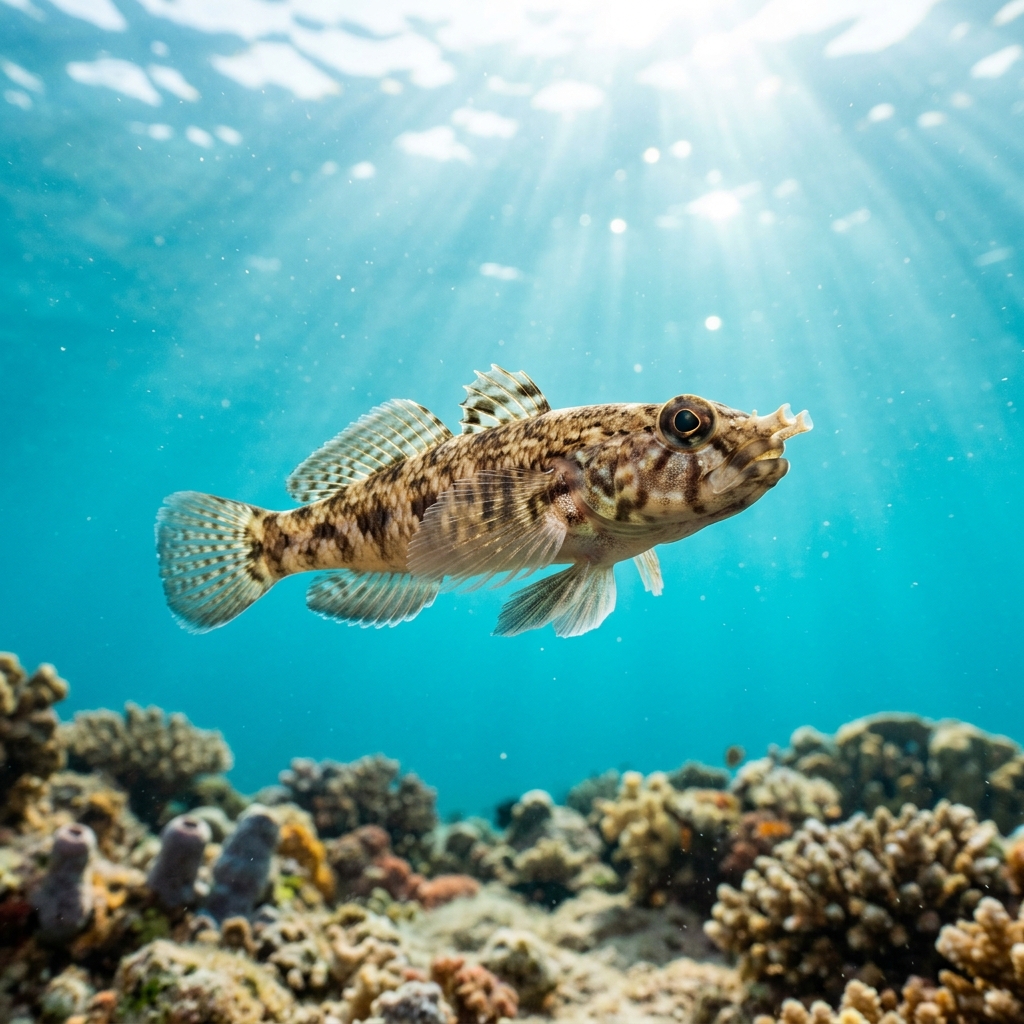
A small, elongated goby with a distinctive pair of fused nostril tubes (the 'tubenose' feature) projecting forward from the snout, the single most reliable field mark. The body is mottled brown and cream, blending closely with gravel and rocky substrate. Pelvic fins are fused into a small sucker disc, which it uses to anchor to rocks in current. In the water it sits motionless and low, easily mistaken for a pebble until it moves.
Expect to find it sitting tight on the bottom, pressed against rocks or gravel in shallow, clear freshwater. It is cryptic and relies on camouflage rather than flight when approached, so slow, patient observation pays off. Divers typically spot one only after it makes a short dart to a new resting spot.
The protruding, partially fused nostril tubes that give this fish its name are thought to enhance olfactory sensitivity, helping it detect prey and chemical cues in the low-visibility, silty lake-bottom habitats it favours.
There is not enough monthly sighting data to identify a peak season, so treat it as potentially present year-round. Its observed temperature range stretches from just above freezing to around 22 °C, confirming it is active in cold water through winter and spring as well as the warmer summer months.
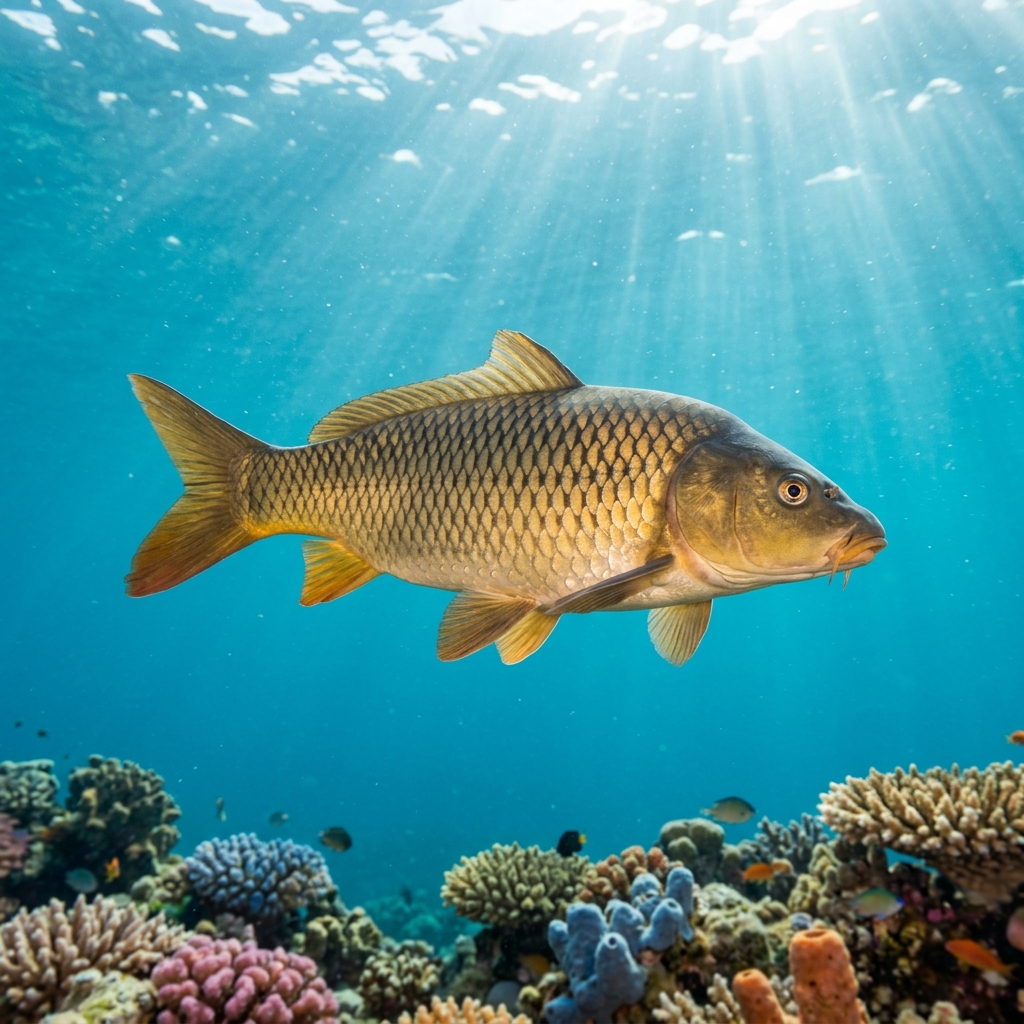
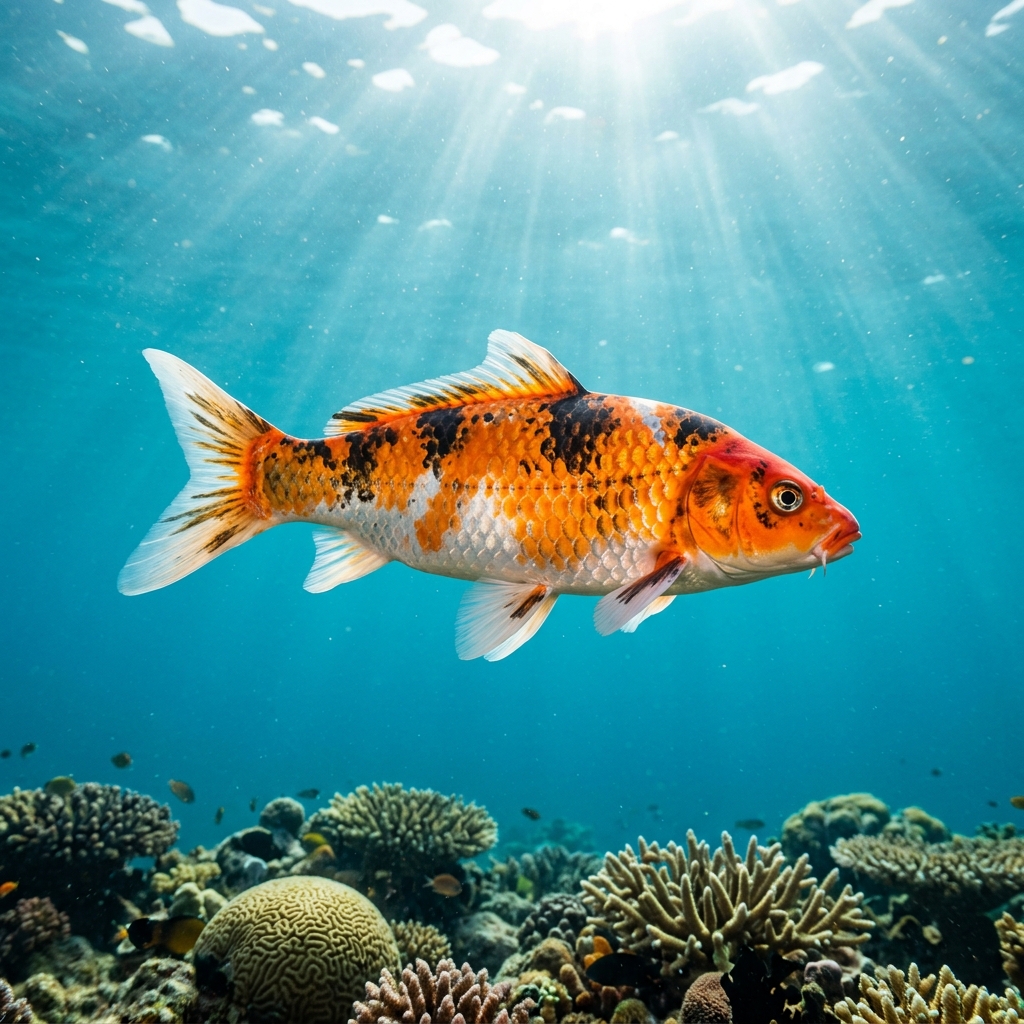
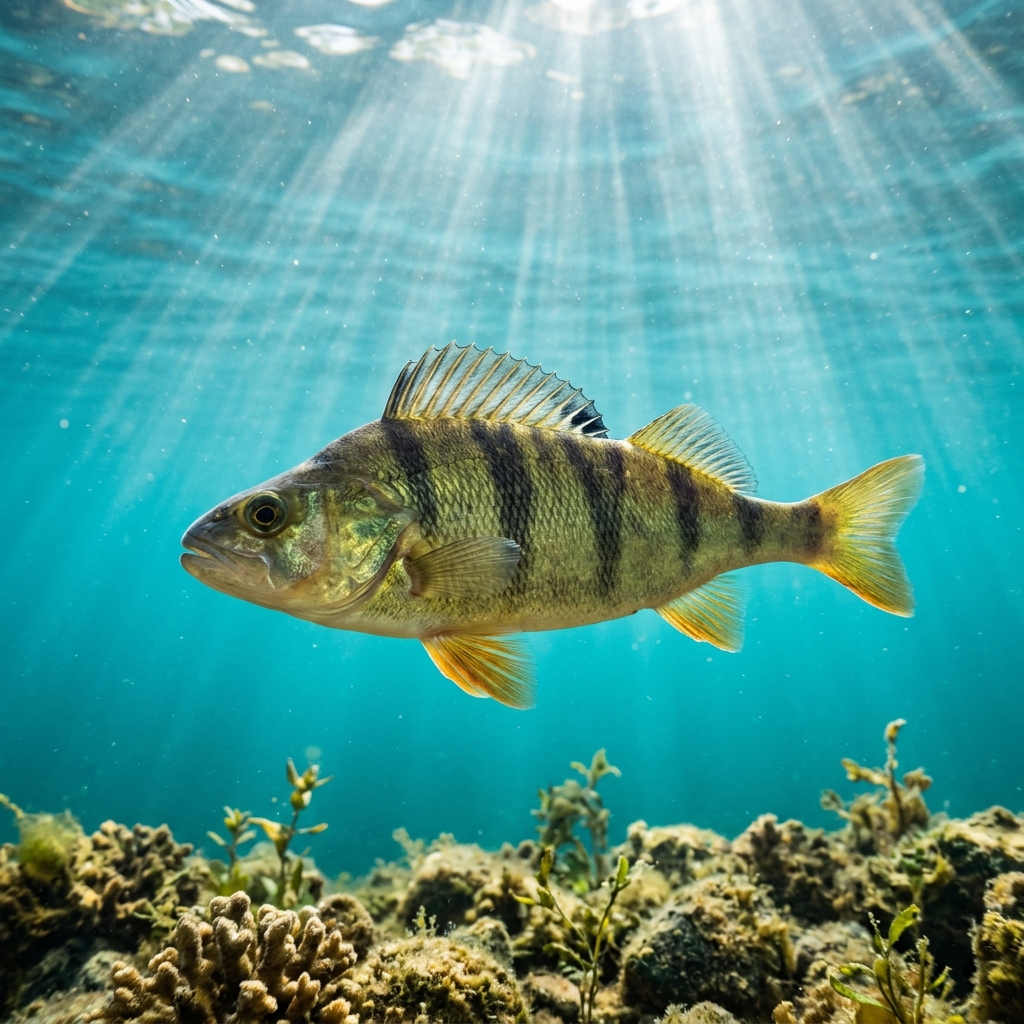
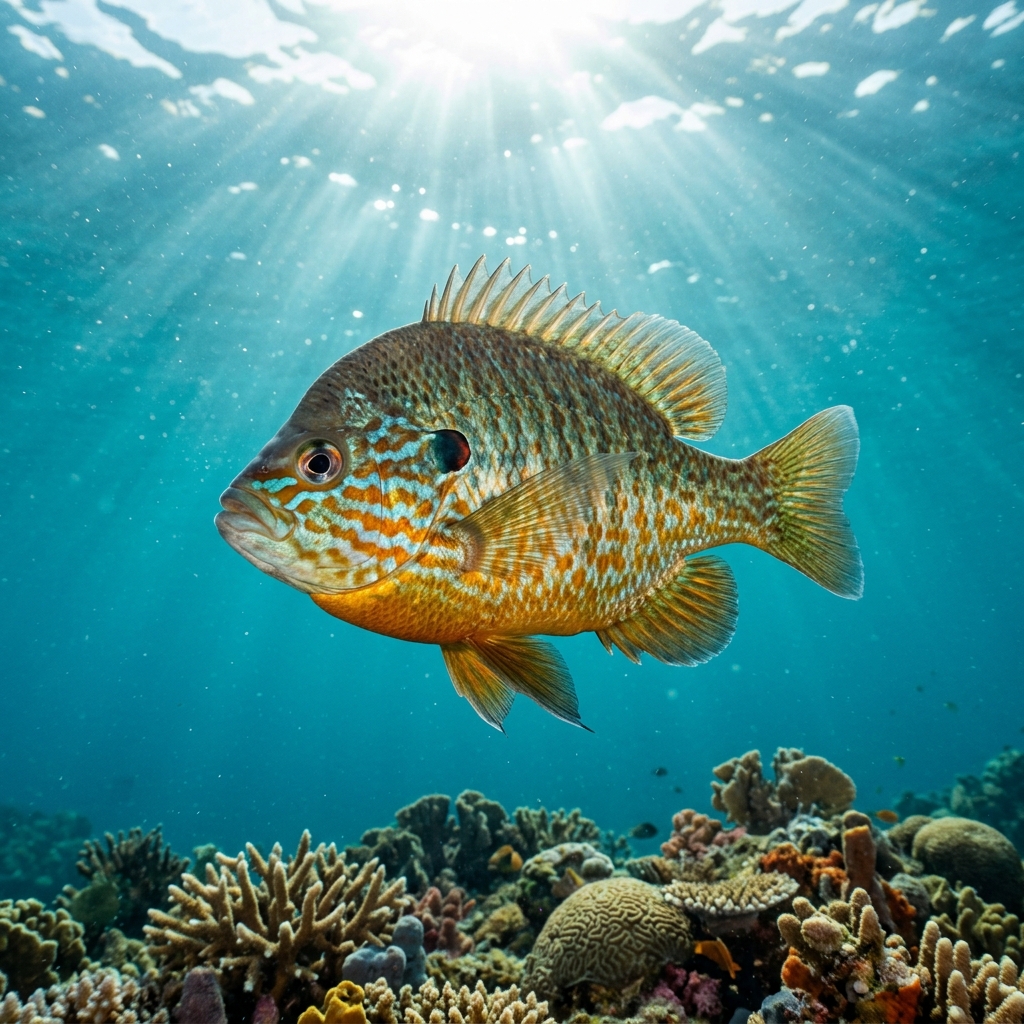
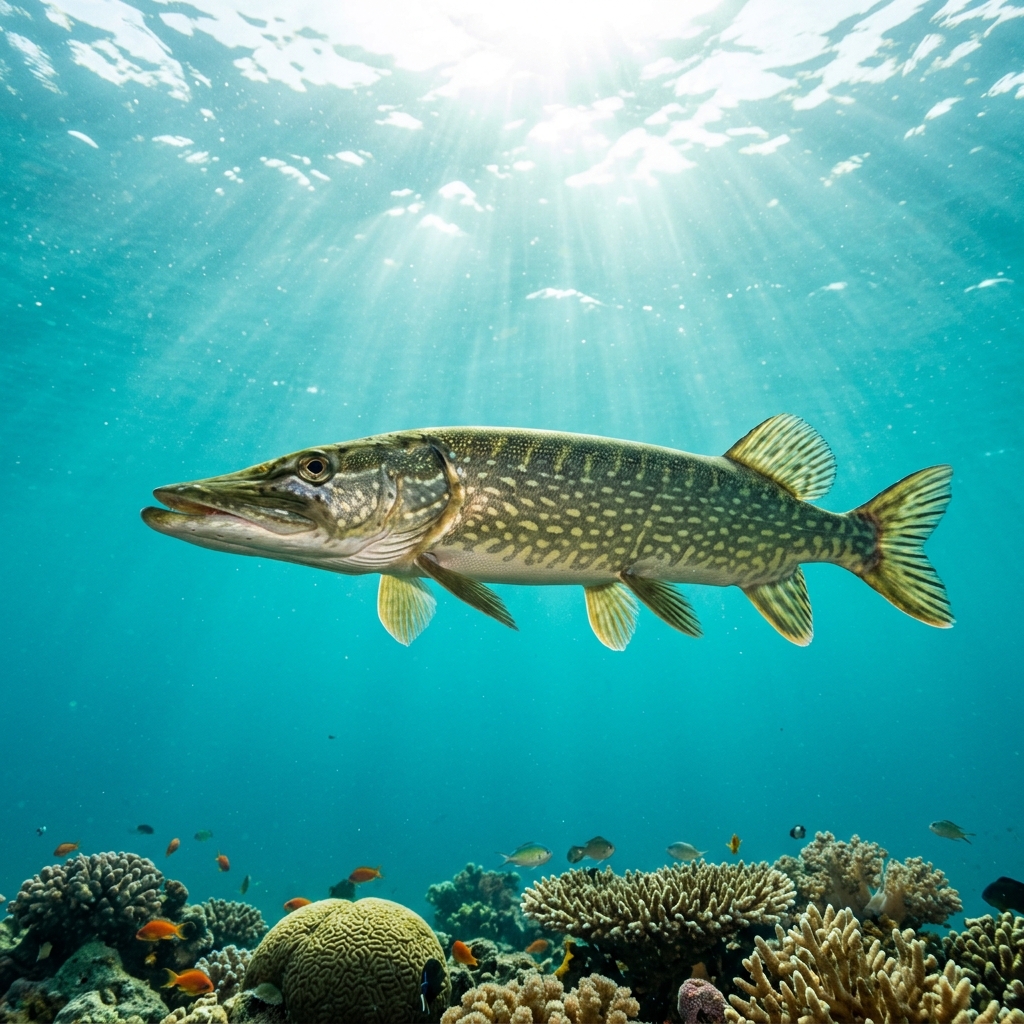
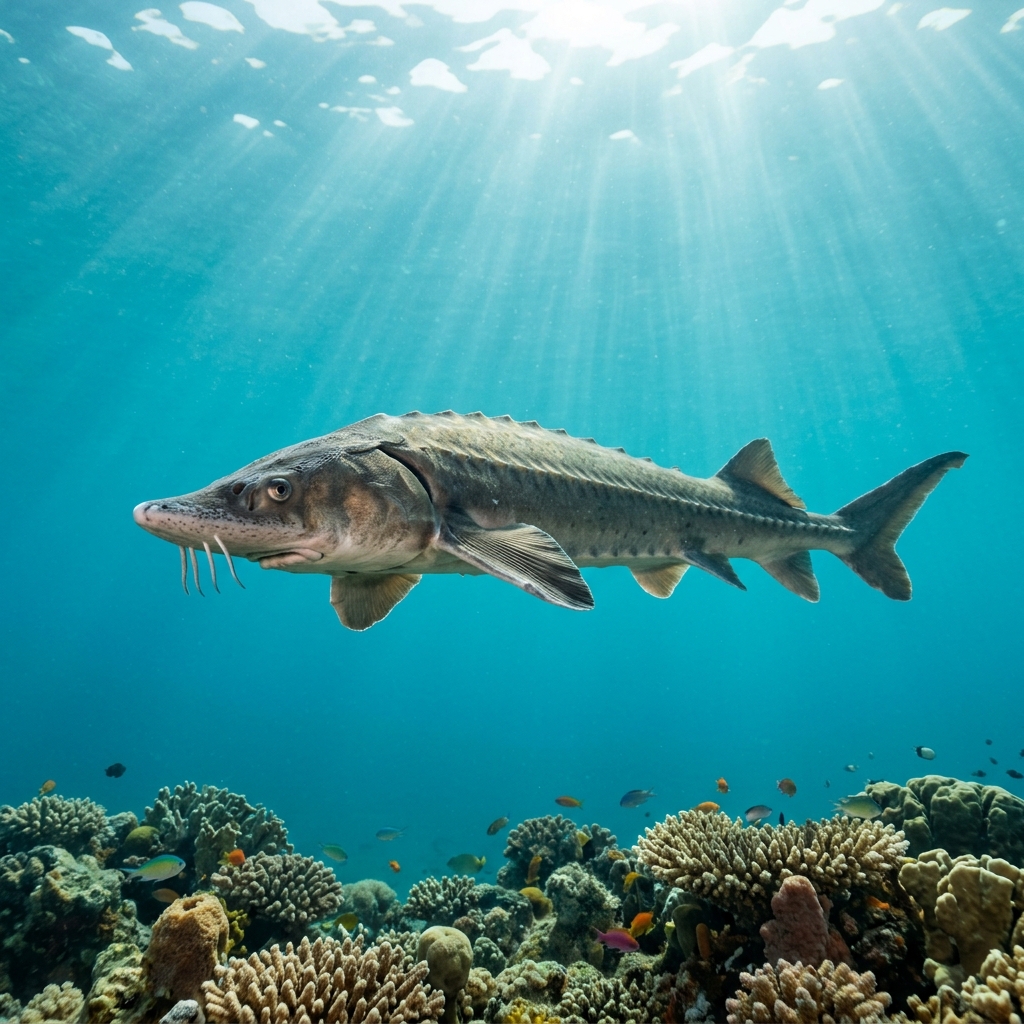
Reef neighbours a diver could mistake it for. Use the identification notes above to tell them apart.
Most sightings come from the Styria Lakes region of Austria, which accounts for the large majority of logged dive sites. A smaller cluster of records comes from the Great Lakes and Ontario region of Canada, where it is considered an introduced species. If you are targeting this fish, Austria's Styrian lakes give you the best chance.
Mapping where Western Tubenose Goby is logged…
The most reliable diving for this species is in the Styria Lakes region of Austria. It has also been logged at several sites across the Great Lakes and Ontario region of Canada, where it established introduced populations. Both areas offer freshwater diving in cold, clear lake environments.
No clear seasonal peak has been identified from diver records, so it can potentially be found year-round. Its documented water-temperature tolerance runs from just above 1 °C to around 22 °C, meaning cold-water dives in winter and spring are as viable as summer dives.
Look for the forward-pointing fused nostril tubes on the snout, no other freshwater goby in its range shares this feature so clearly. The body is small, mottled brown, and sits flat on rocky or gravelly substrate. It holds still for long periods, making close inspection possible if you approach slowly.
Precise size data for this species in dive records is limited. In the wild it is a small goby, typically reaching only a few centimetres in length. Underwater, expect something easily overlooked, roughly thumbnail-sized and very flat to the bottom.
No. This is a tiny, bottom-dwelling freshwater fish that poses no risk to divers. It will ignore you or dart away if approached too quickly.
Site and sighting data is aggregated from diver logs, iNaturalist and GBIF. For taxonomy and conservation status:
Sun Perch
2,182 sites