Parablennius ruber
A small reddish rockpool blenny most reliably spotted in Brittany and the Azores, in cool water down to 9C, present year-round.
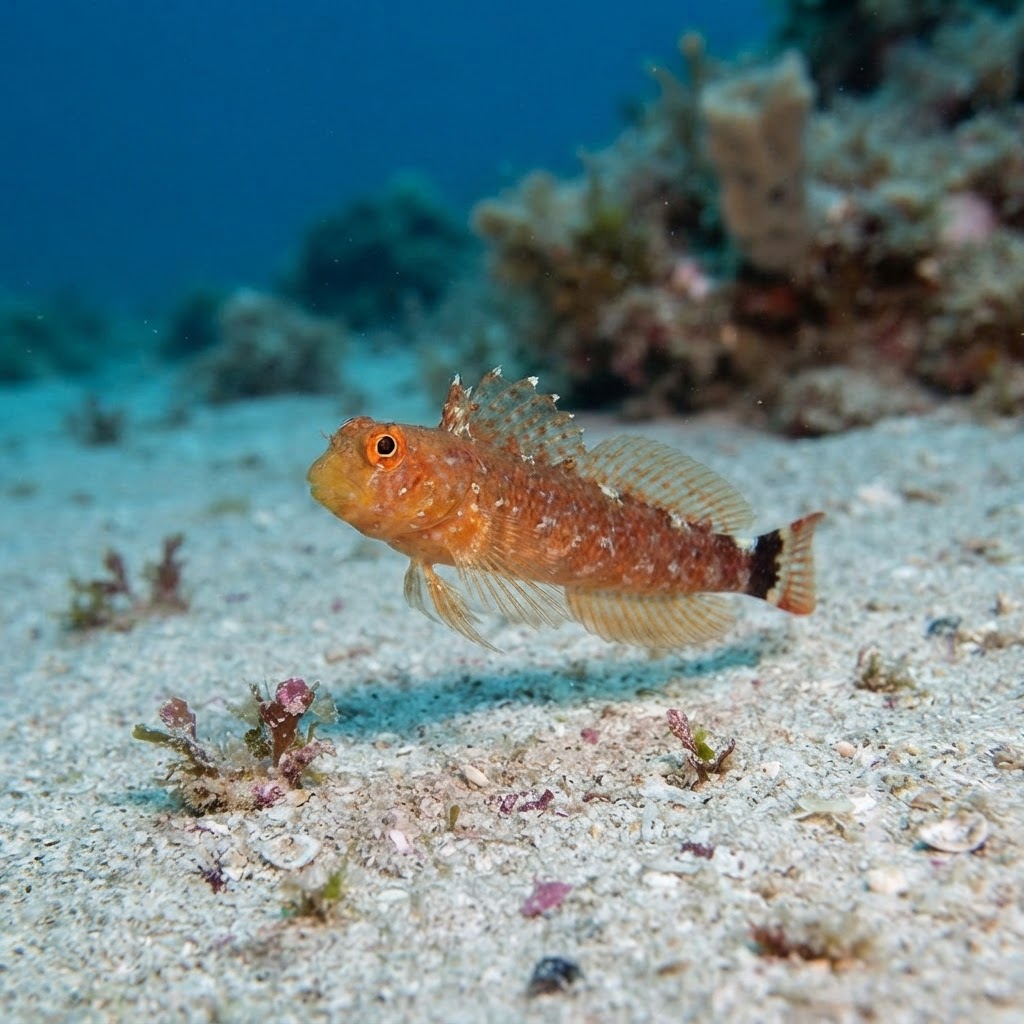
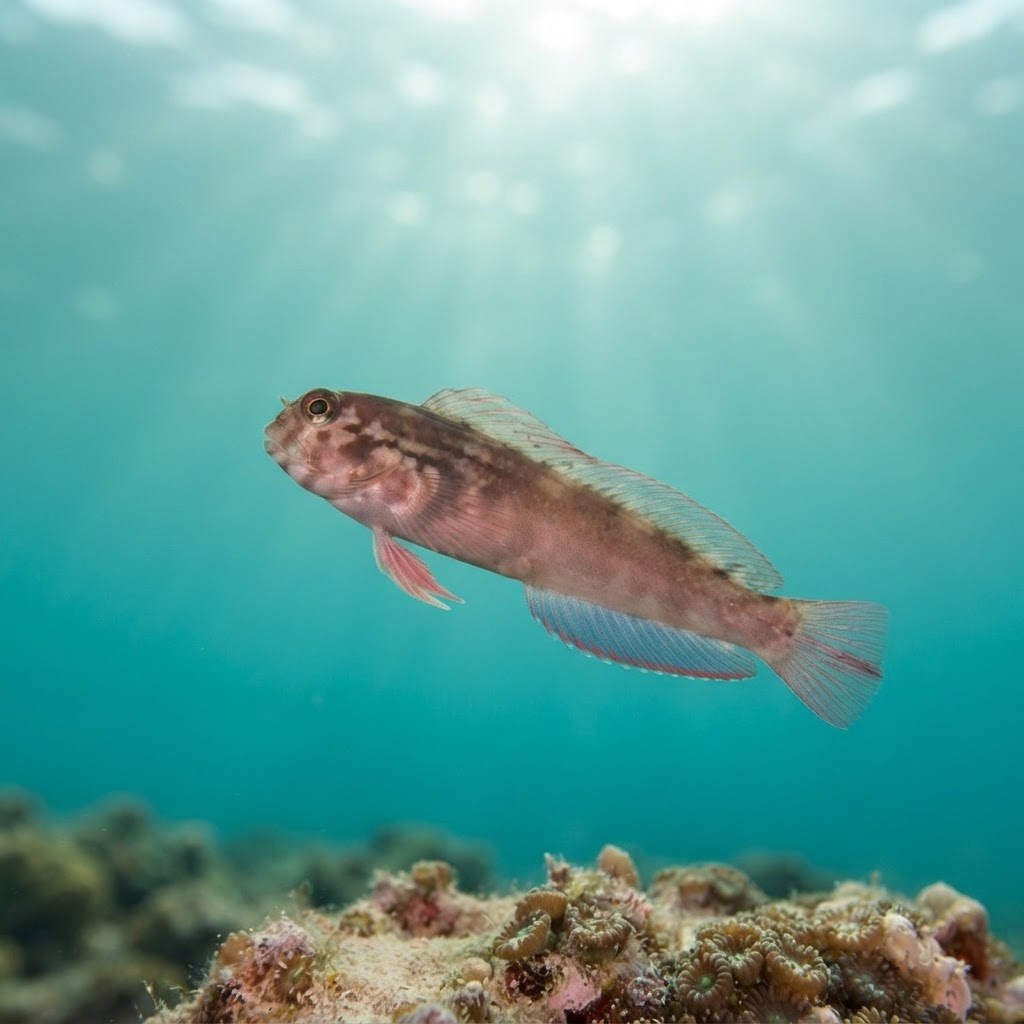
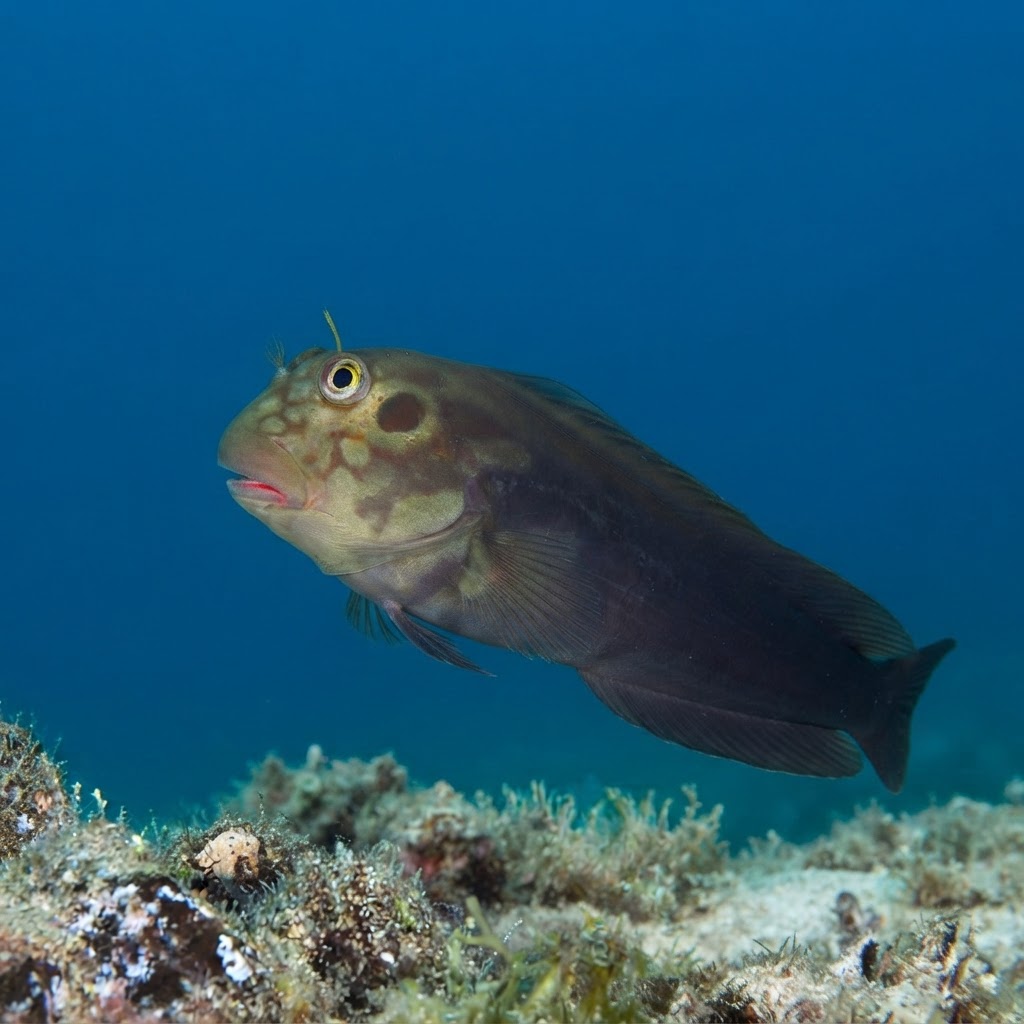
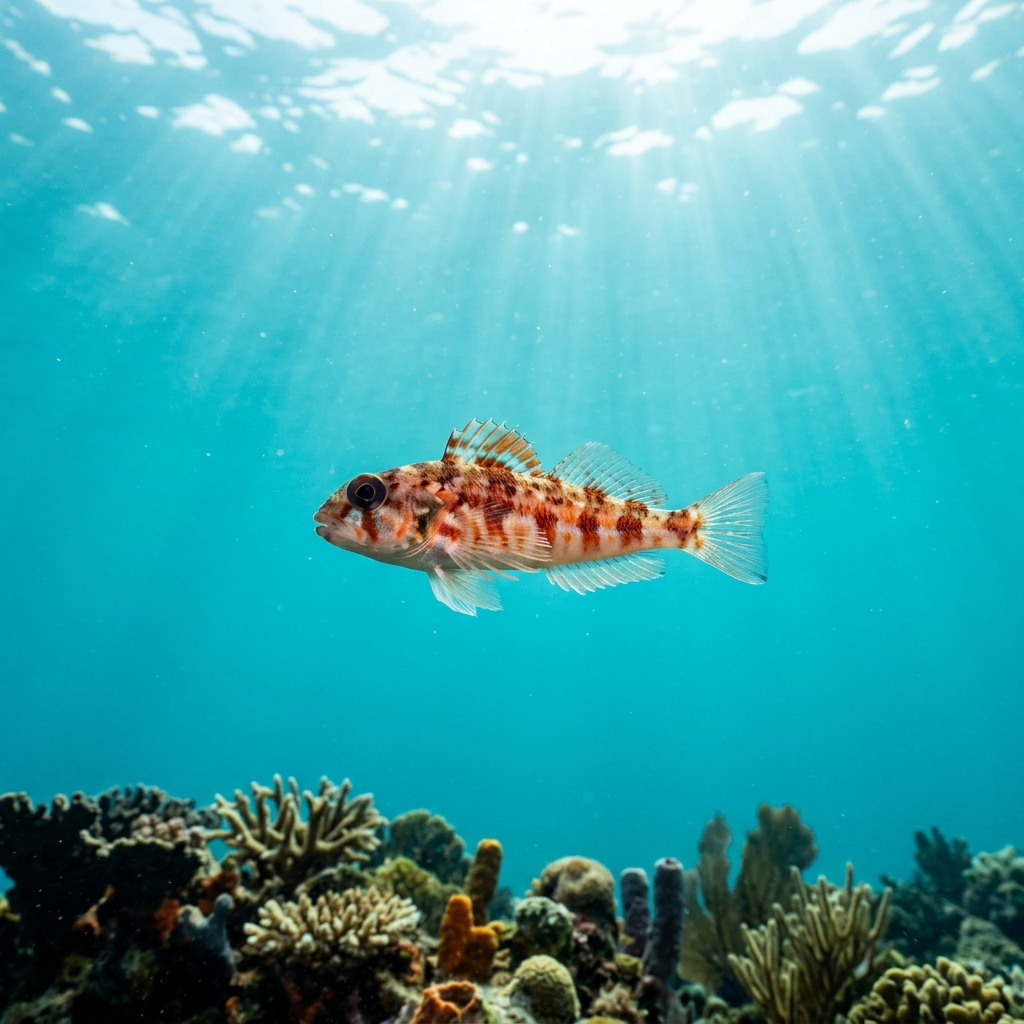
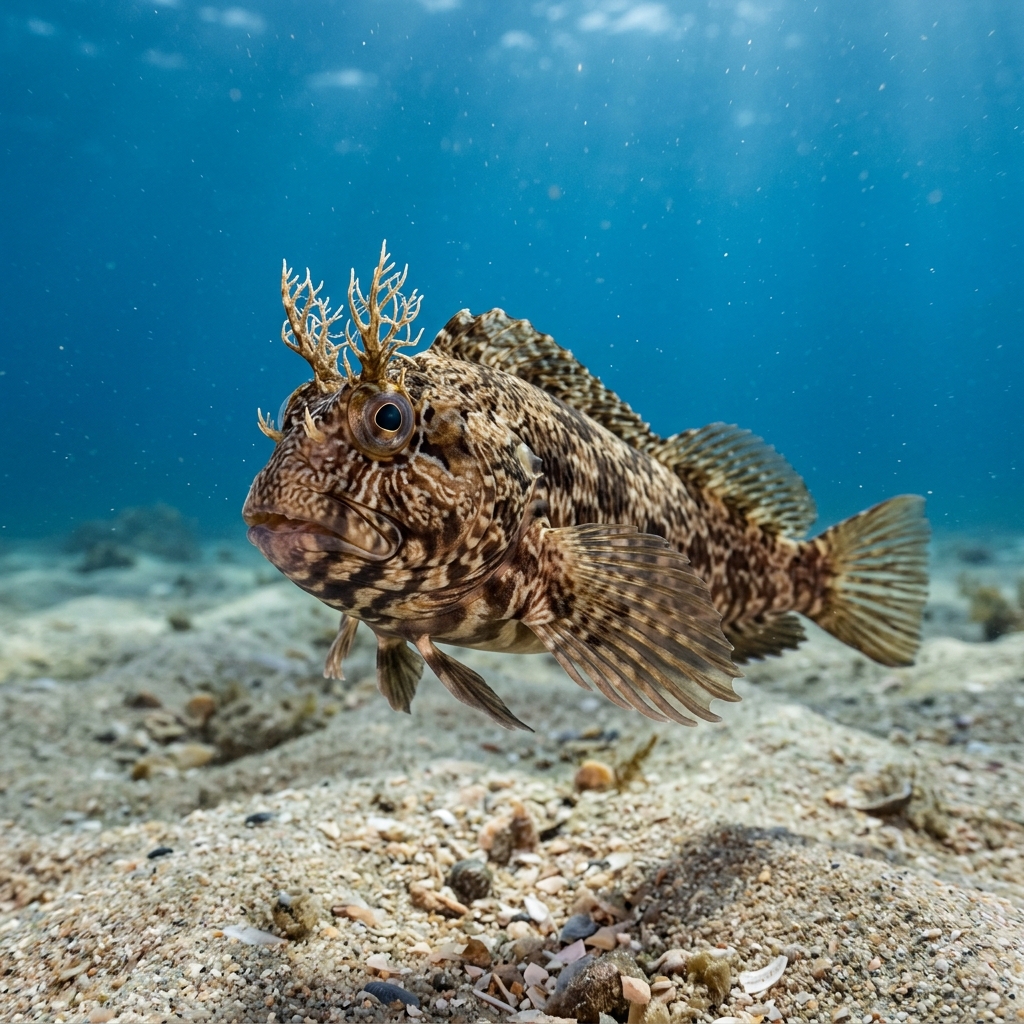
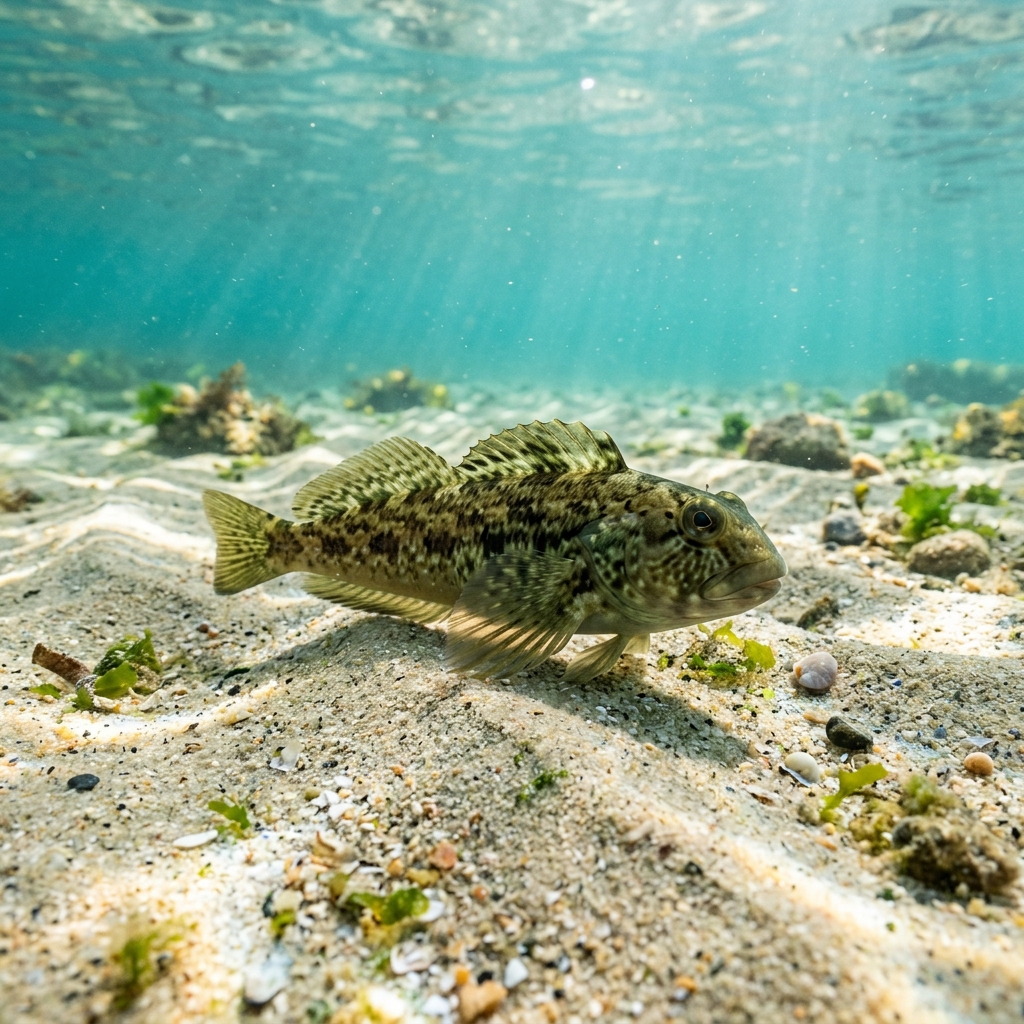
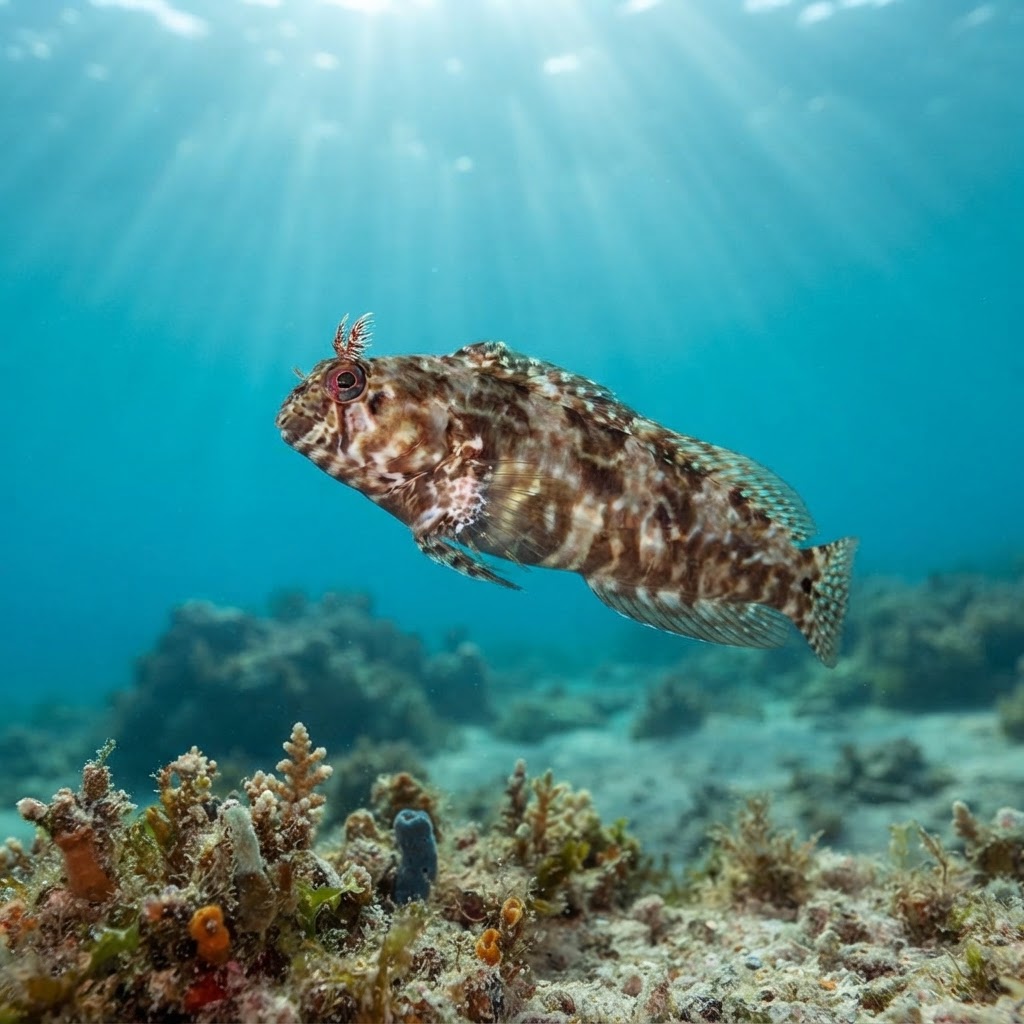
A stocky little blenny that tops out around 10 cm, usually seen perched on rock rather than swimming in open water. Body colour runs reddish to reddish-brown, often mottled, which is the main clue when you're scanning crevices and boulder fields. Look for the blunt head and single continuous dorsal fin typical of blennies rather than any bold stripe or spot pattern.
Typically found tucked into rock crevices, under boulders, or wedged into small holes on shallow rocky reef rather than out in the open. Most divers log it as a rare to uncommon find, so sightings tend to come from slow, careful looks into gaps in the rock rather than mid-water encounters. It doesn't react much to a diver's presence beyond retreating slightly deeper into its hole if approached too fast.
Like other rockpool blennies, it can survive out of water for short periods in damp crevices at low tide, which is part of why it turns up in shallow, exposed rocky terrain that other reef fish avoid.
Recorded across a wide temperature range from 9.1 to 19.2C and there isn't enough monthly data to show a clear season, so treat it as a year-round possibility at these cool-water rocky sites.
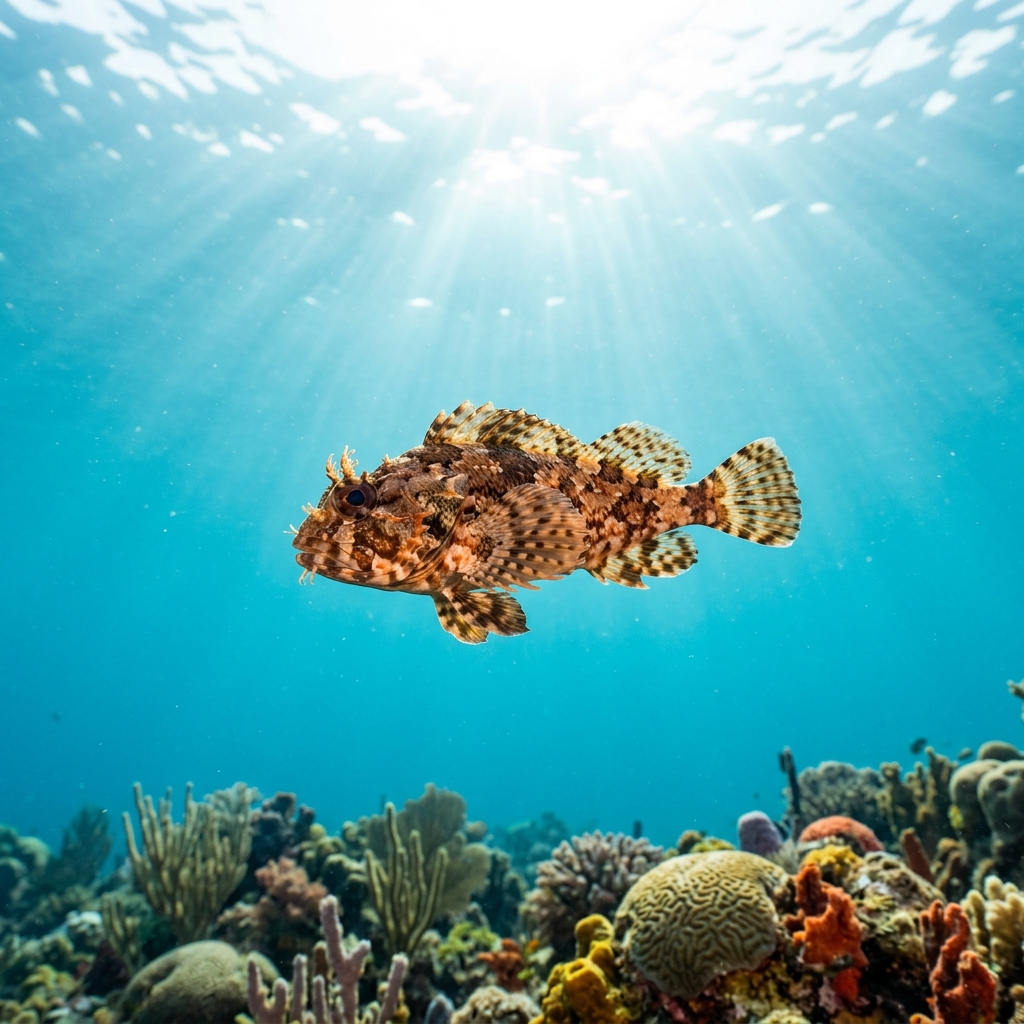
Reef neighbours a diver could mistake it for. Use the identification notes above to tell them apart.
Most reliably logged in Brittany, France, which accounts for the bulk of recorded sightings, followed by Faial and Sao Jorge in the Azores. A smaller number of sightings come from Clare, Ireland, marking the northern edge of where divers have found it.
Mapping where Portuguese Blenny is logged…
Brittany in France has the strongest run of sightings, with the Azores islands of Faial and Sao Jorge also a solid bet. Clare, Ireland, gives divers a northern option too.
There's no clear seasonal pattern in the sighting data, and it's been recorded across a wide range from 9.1 to 19.2C, so it's a reasonable year-round find at these rocky cool-water sites.
Look for a small, stocky blenny around 10 cm long with reddish or reddish-brown mottled colouring, tucked into rock crevices rather than swimming freely. It has the typical blunt blenny head and a single long dorsal fin.
They're small, typically reaching around 10 cm in length, so a torch and a close look into rocky crevices helps spot them.
No, they pose no danger to divers. They're small, shy, and retreat into crevices rather than confront anything approaching.
Like many rockpool blennies, it can tolerate brief exposure out of water in damp crevices, which lets it live in shallow, tide-exposed rocky ground other fish can't handle.
Site and sighting data is aggregated from diver logs, iNaturalist and GBIF. For taxonomy and conservation status:
Rusty Blenny
2,605 sites