Plocamopherus maderae
A rare nudibranch find off São Vicente, Cape Verde, in mild 17-23°C water year-round for divers who look closely.
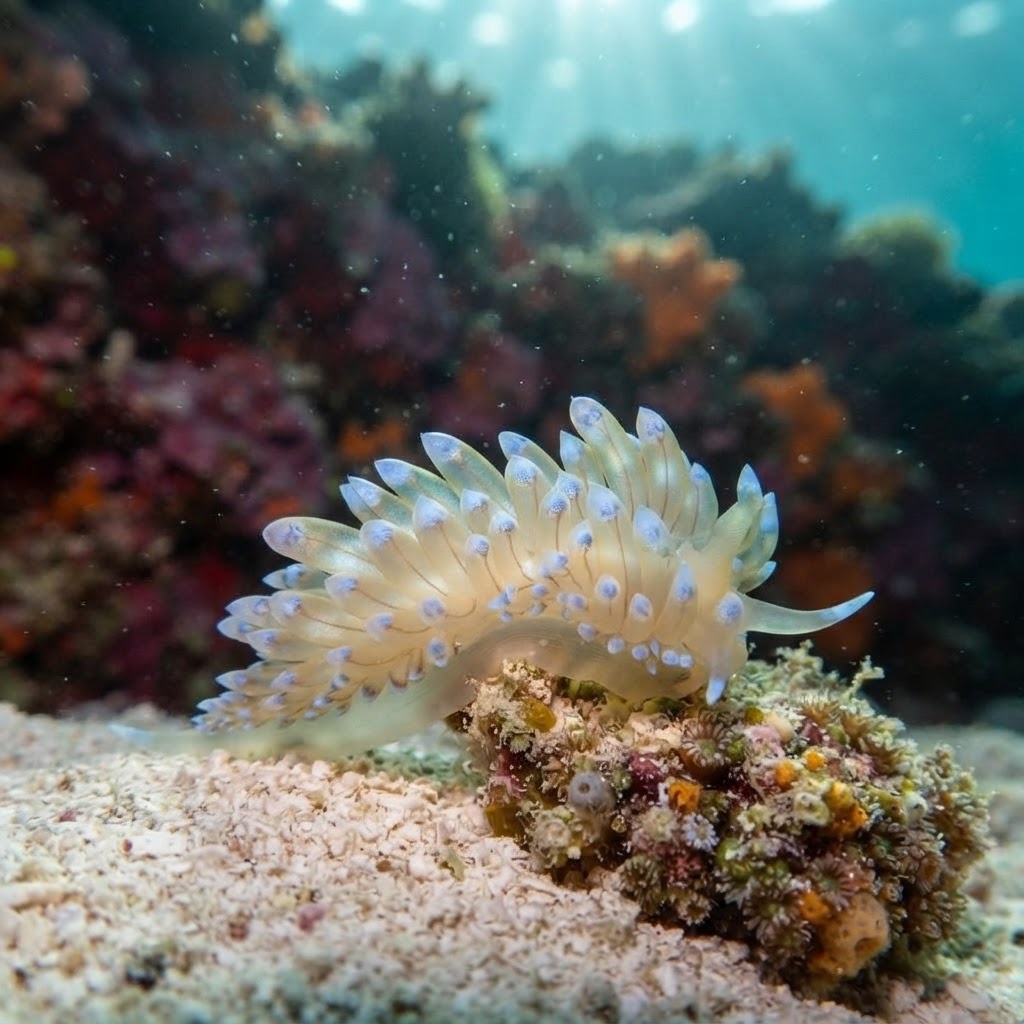
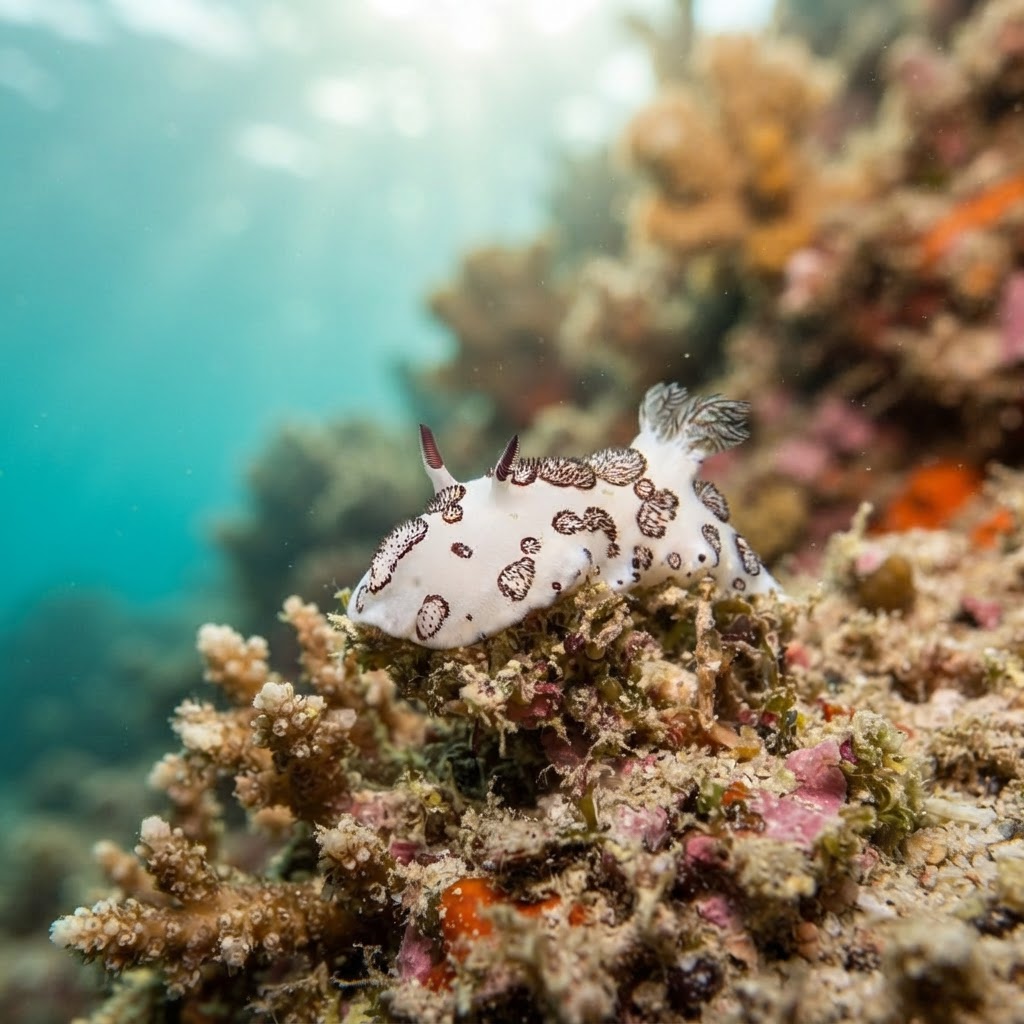
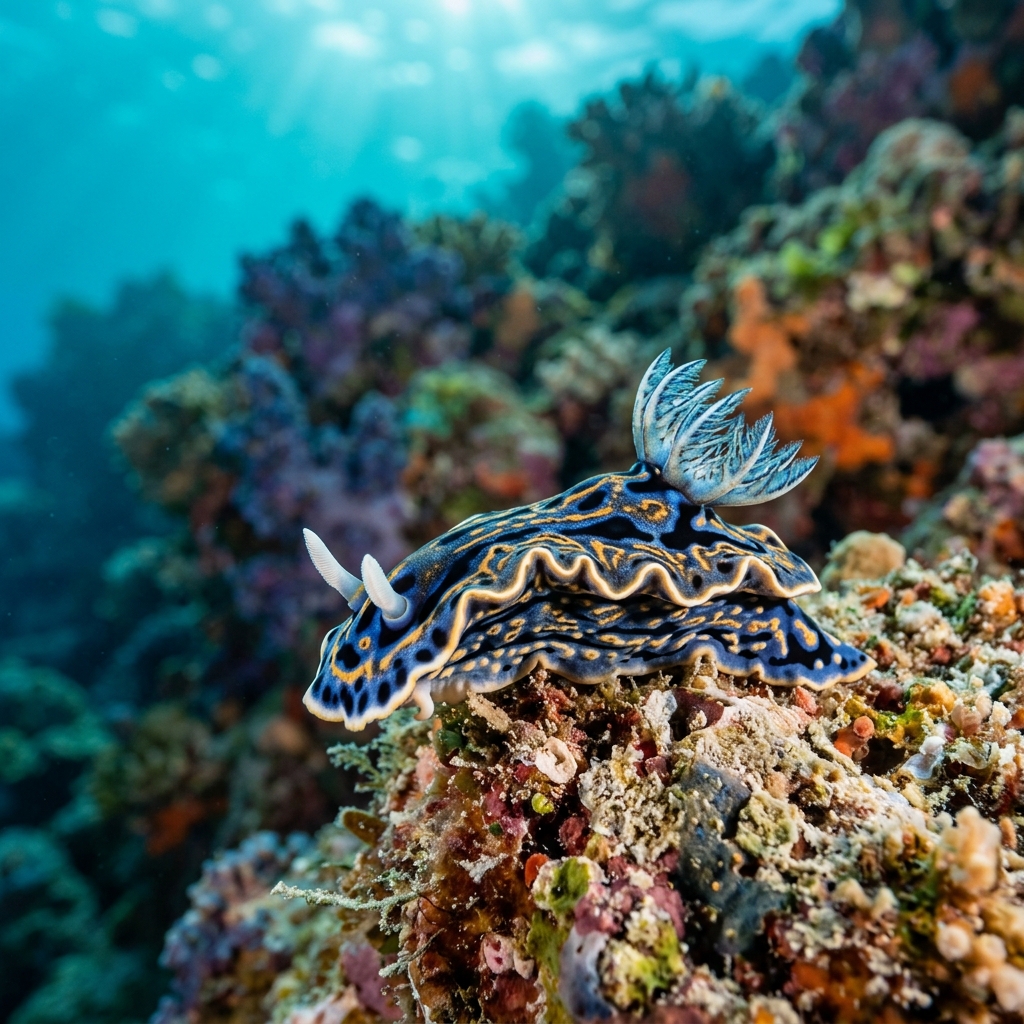
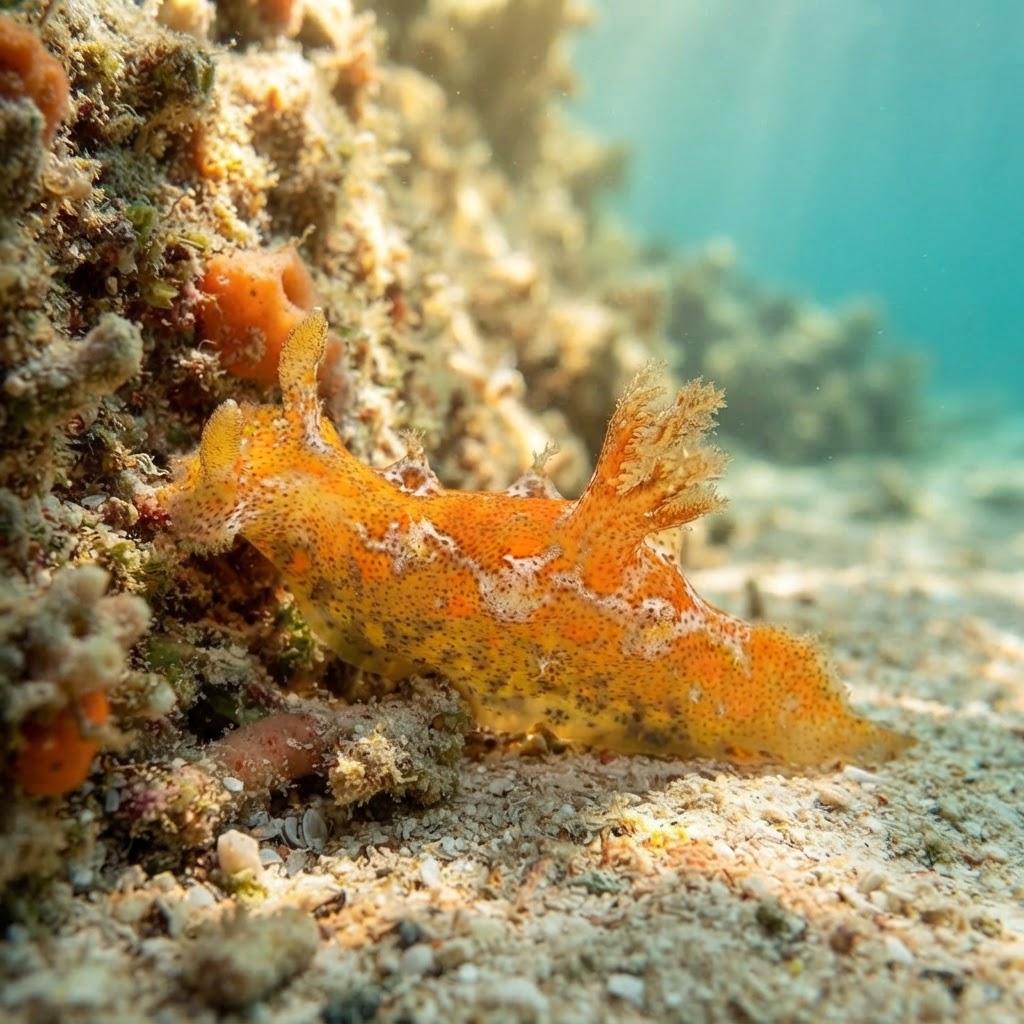
A small nudibranch (sea slug) with a soft, semi-translucent body edged with branching, finger-like appendages along the mantle rim that give it a frilled, almost feathery outline. The gills sit exposed in a tuft on the back, a typical dorid nudibranch feature, and the body tends toward pale cream to whitish tones against the darker reef substrate it crawls over. Look for the fringed mantle margin first; it is the detail that separates it from smoother-bodied nudibranchs at a glance.
Divers find it moving slowly over rock and reef surfaces, doing what nudibranchs do best: grazing quietly and going largely unbothered by a diver's presence. It shows no defensive display or fast reaction, so a close, patient look with a torch or macro lens is the way to actually pick out the frilled mantle detail against the substrate.
Like other dorid nudibranchs, it breathes through the exposed gill tuft on its back rather than through gills hidden inside a shell, a trait that ties directly to why the frilly, exposed body plan works for the group.
There isn't enough monthly data to point to a season, so treat it as a year-round possibility. Water in its recorded range runs a cool 17.4 to 23.4°C, consistent with São Vicente's temperate-leaning conditions through most of the year.
Reef neighbours a diver could mistake it for. Use the identification notes above to tell them apart.
Every logged sighting in the data comes from Cape Verde, specifically São Vicente, making it the one place with a real track record for this species. Divers hunting nudibranchs on Cape Verde's rocky reefs and volcanic slopes have the best documented shot at spotting one, though it stays rare even there.
Mapping where Plocamopherus Maderae is logged…
All confirmed sightings come from São Vicente in Cape Verde, making it the go-to region if you want a real chance of finding one on a reef dive.
There's no clear seasonal pattern in the sighting data, so it's best treated as a year-round find in Cape Verde's mild 17 to 23°C waters.
Look for a small, pale nudibranch with a frilled, finger-like fringe running along the edge of its mantle and an exposed gill tuft on its back. The frilled outline is the main giveaway against smoother-bodied nudibranchs.
No, it poses no danger to divers. It's a small, slow-moving nudibranch with no sting or bite risk to humans.
It's logged as rare even at the handful of Cape Verde sites where it has been recorded, so finding one takes a patient, close look at the reef surface rather than a casual swim-by.
Site and sighting data is aggregated from diver logs, iNaturalist and GBIF. For taxonomy and conservation status:
Blue Dragon
3,163 sites