Pleurobranchus weberi
A rare find on Queensland reefs, this sea slug turns up sporadically in waters around 24 to 30C, mostly in dedicated nudibranch searches.
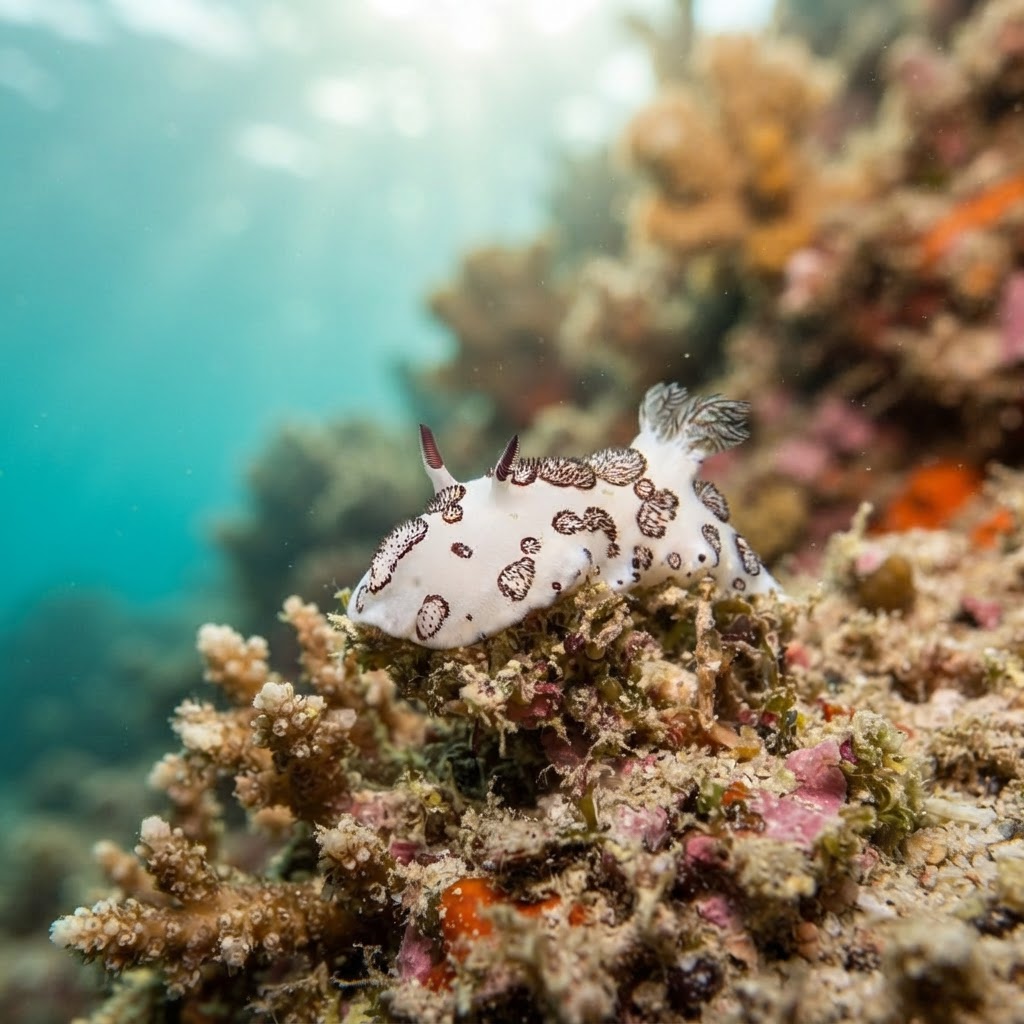
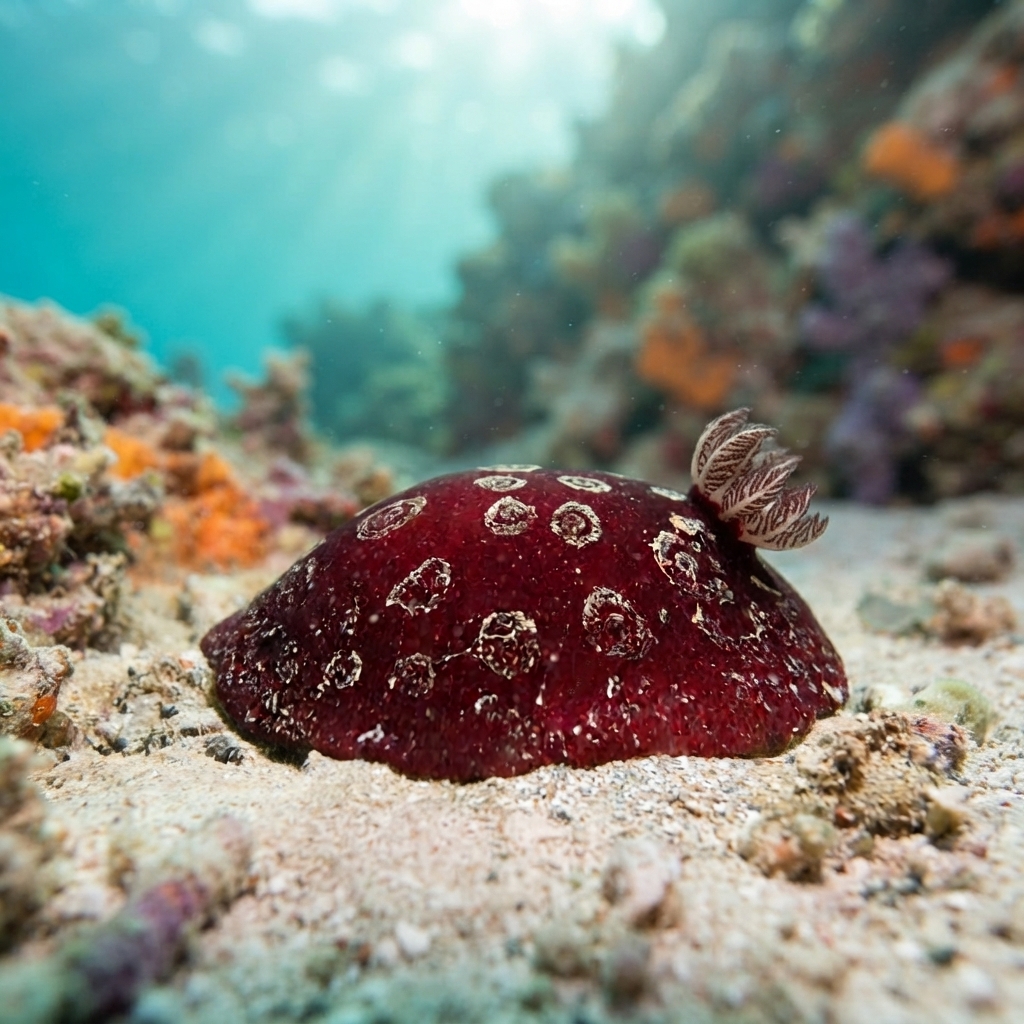
A soft-bodied sea slug with a warty, textured mantle that looks almost sponge-like rather than smooth, usually in mottled brown or tan tones that blend into reef rubble. It moves slowly across the substrate on a broad foot, with two rhinophores (small sensory horns) visible on the head end when it's active. Its bumpy surface texture is the main tell that separates it from the smoother, brightly patterned nudibranchs divers usually photograph.
Divers find it moving slowly across the reef substrate, likely grazing on sponges or other invertebrate prey as many pleurobranchs do, rather than swimming or fleeing when approached. It shows no defensive reaction to divers beyond its usual unhurried pace, so a close, careful look with a torch is usually all it takes to get a good view. Expect to find it during slow, methodical macro-focused dives rather than while cruising open reef.
Pleurobranchs like this one lack the external gill plume typical of true nudibranchs, instead breathing through a gill tucked under the right side of the mantle, which is one reason their bodies look bulkier and less feathery than classic dorid nudibranchs.
Sightings don't show a clear seasonal pattern, and with water temperatures logged between 24.4 and 30.4C, conditions stay within its comfort range across most of the year on Queensland's tropical reefs. Treat it as a year-round possibility rather than a seasonal target.
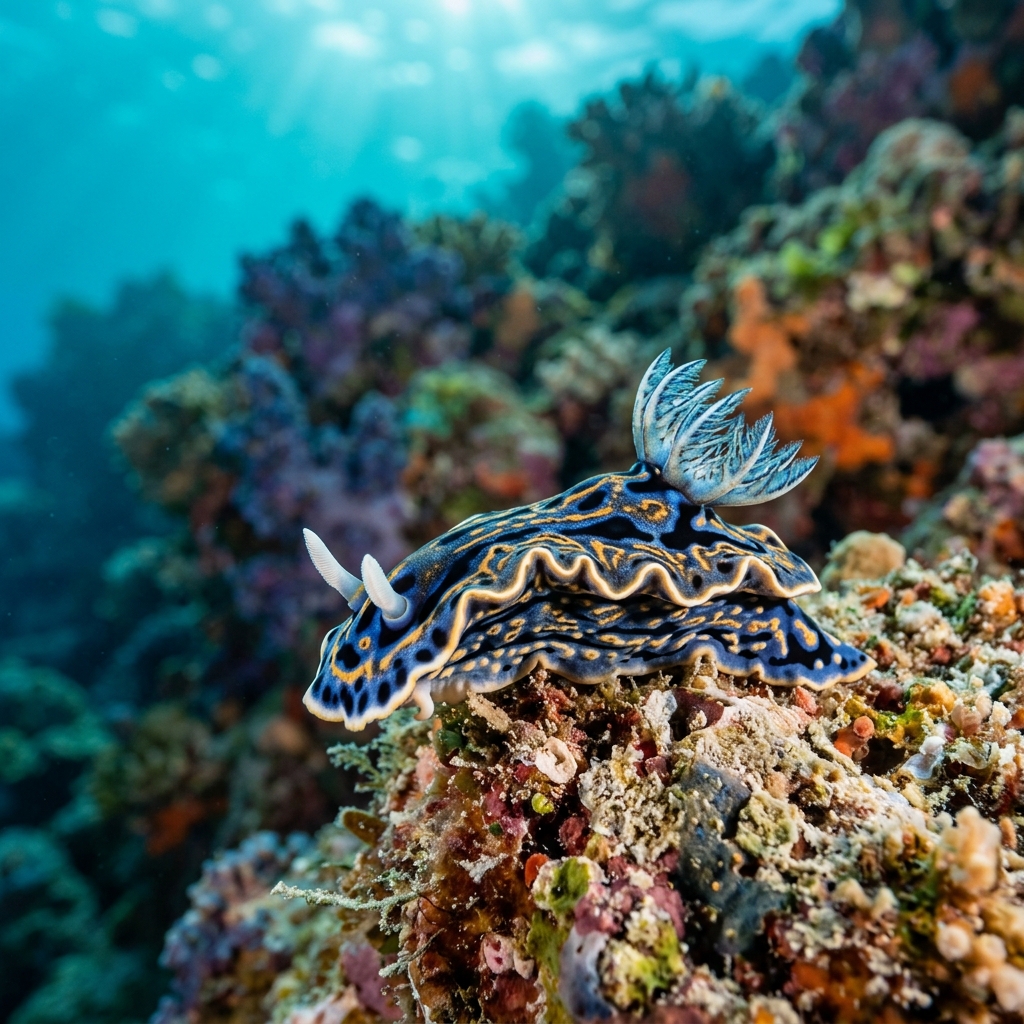
Reef neighbours a diver could mistake it for. Use the identification notes above to tell them apart.
Every logged sighting in the data comes from Queensland, Australia, making it the only region currently confirmed for this species. Divers searching Queensland's reefs specifically for nudibranchs and sea slugs have the best documented shot at finding one, though it stays a rare encounter even there.
Mapping where Pleurobranchus weberi is logged…
All confirmed sightings come from Queensland, Australia, making it the only region with a track record for this species so far. It's not a species you plan a trip around, but a possible find on Queensland reef dives.
There's no detected season in the sighting data, and it's been logged in water from 24.4 to 30.4C, so it's a year-round possibility on Queensland's tropical reefs rather than a seasonal target.
Look for a warty, textured mantle in mottled brown or tan tones, a broad crawling foot, and two small rhinophores on the head end. Its bumpy, almost sponge-like surface is the main giveaway compared to smoother nudibranchs.
No, it poses no danger to divers. It's a slow-moving, harmless sea slug that can be observed and photographed up close without any risk.
It's logged as rare even at the handful of Queensland sites where it has been recorded, so finding one takes a dedicated macro search rather than a casual reef swim.
Site and sighting data is aggregated from diver logs, iNaturalist and GBIF. For taxonomy and conservation status:
Blue Dragon
3,163 sites