Chrysophrys auratus
Spot Pink Snapper in New South Wales or the Aegean Coast. Learn key ID tips, best seasons (Oct, Apr in the south), and where divers log sightings most.
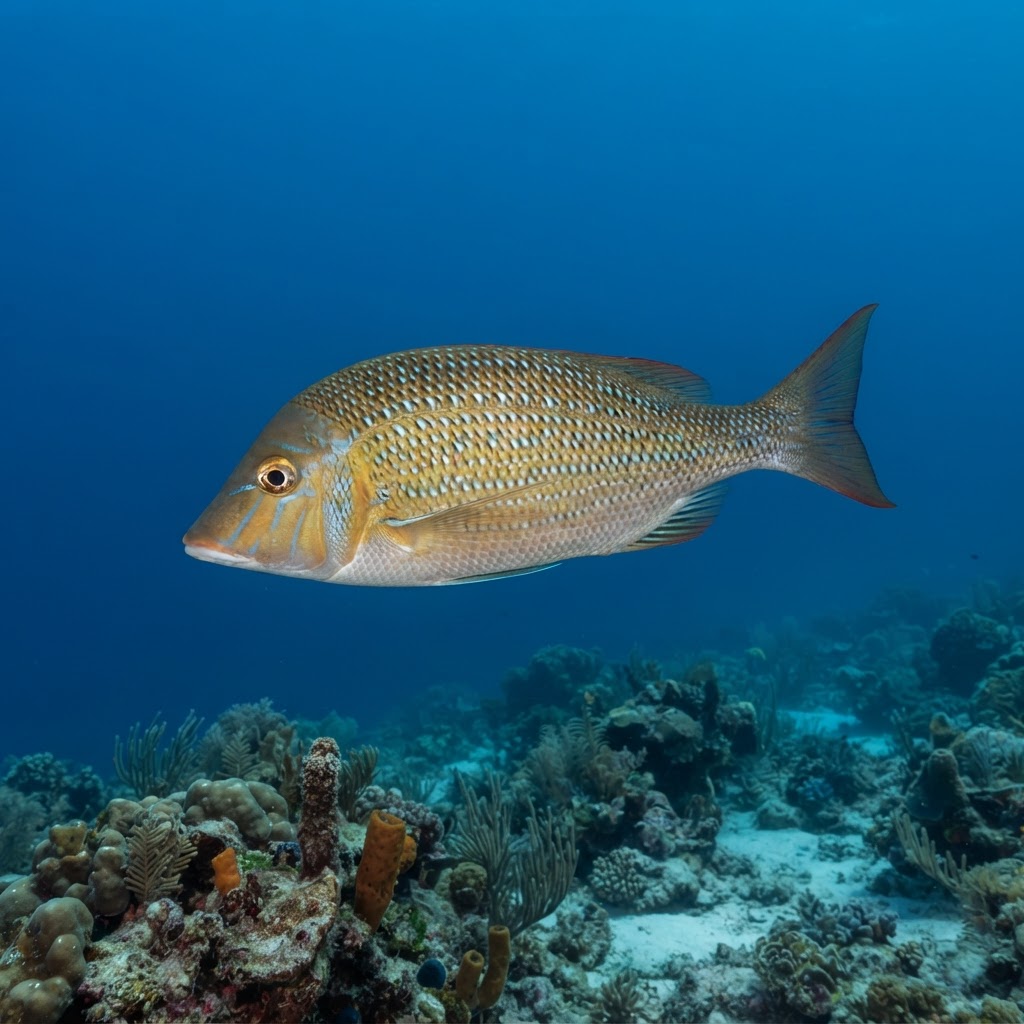
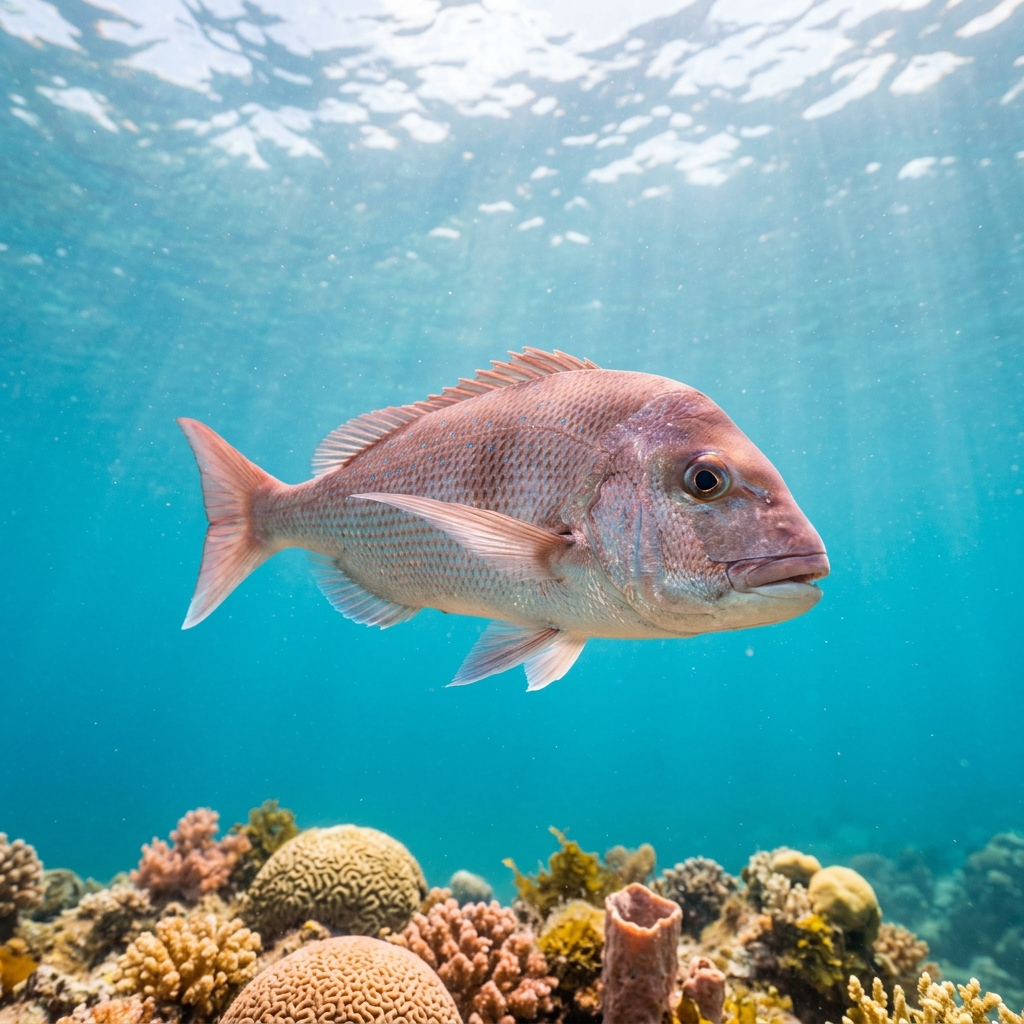
A deep-bodied, somewhat hump-backed fish that can reach around 90 cm, making it one of the larger fish you'll encounter on temperate reefs. The overall colour is rosy pink to reddish-silver on the flanks, fading to paler below, often with scattered iridescent blue spots on the upper body and head. That steep, almost humped forehead profile is the single quickest field mark underwater, larger adults can look almost boxy at the front. Juveniles tend to be brighter pink with more prominent blue spotting.
Pink snapper tend to cruise mid-water or just above rocky and sandy reef structures, often alone or in small loose groups rather than tight schools. They're generally cautious around divers, maintaining a comfortable distance before slowly moving off, patience and slow movement give you the best chance of a close look. Larger adults in particular can be quite deliberate and unhurried, which makes them satisfying to observe once they settle.
Pink snapper are protandrous hermaphrodites, they begin life as females and some individuals change sex to male as they grow older and larger, which means the biggest fish you encounter are often males.
In the Southern Hemisphere, sightings concentrate between October and April, the austral spring and summer. Northern Hemisphere Mediterranean records don't show a single concentrated window, so local conditions and site choice matter most there.
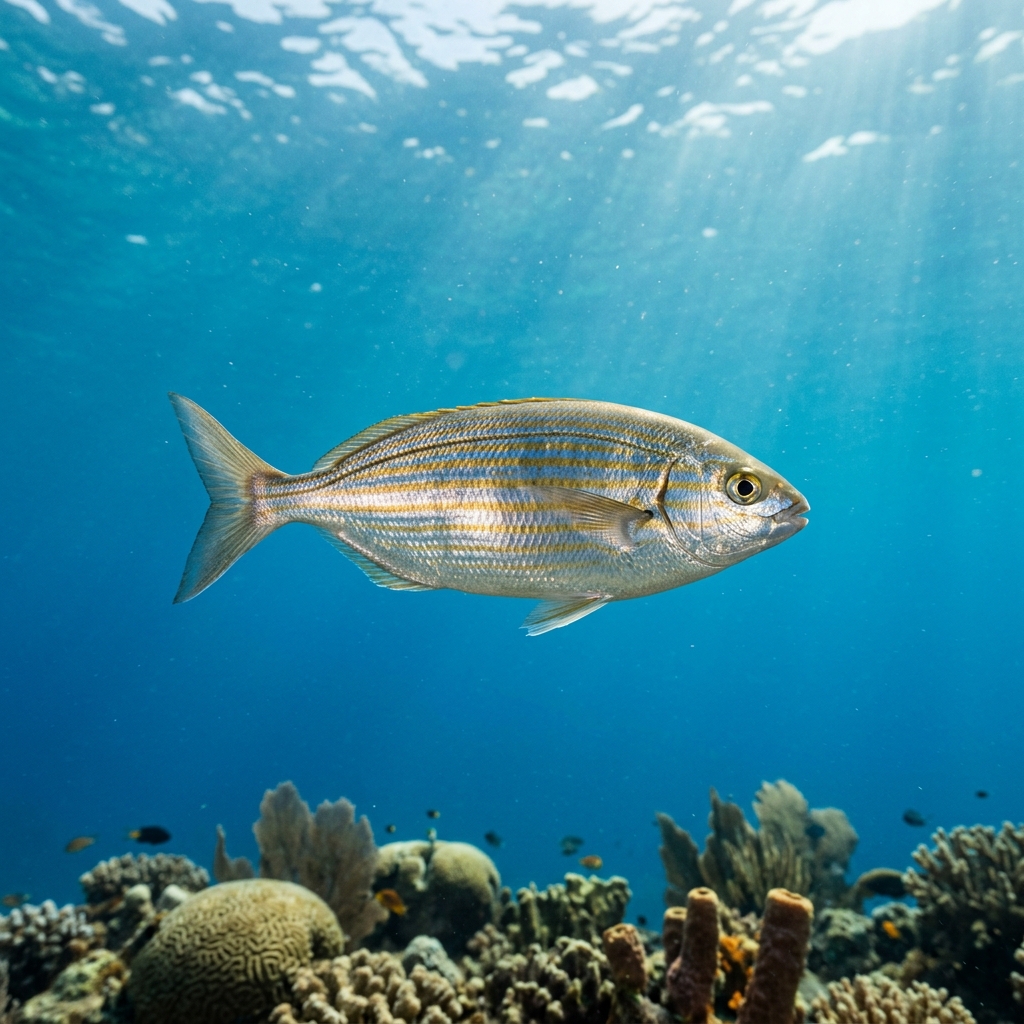
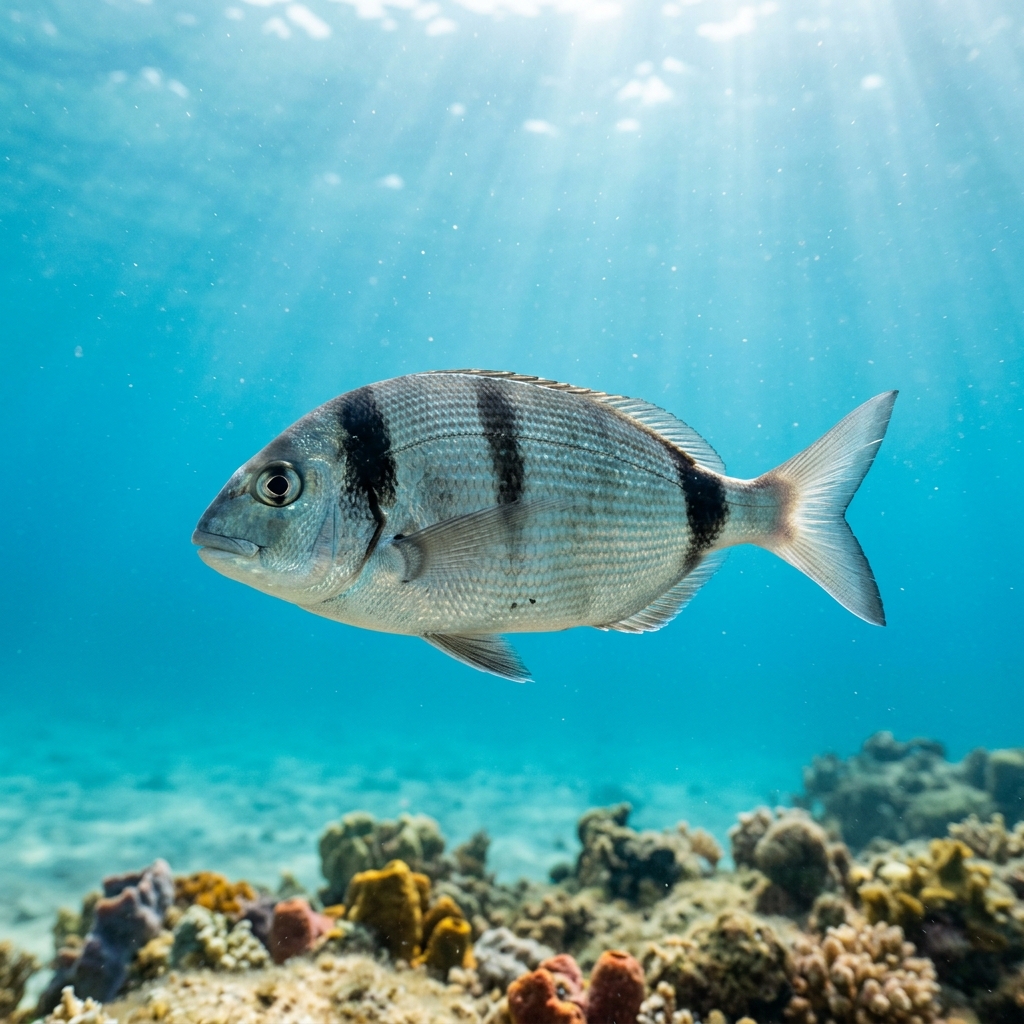
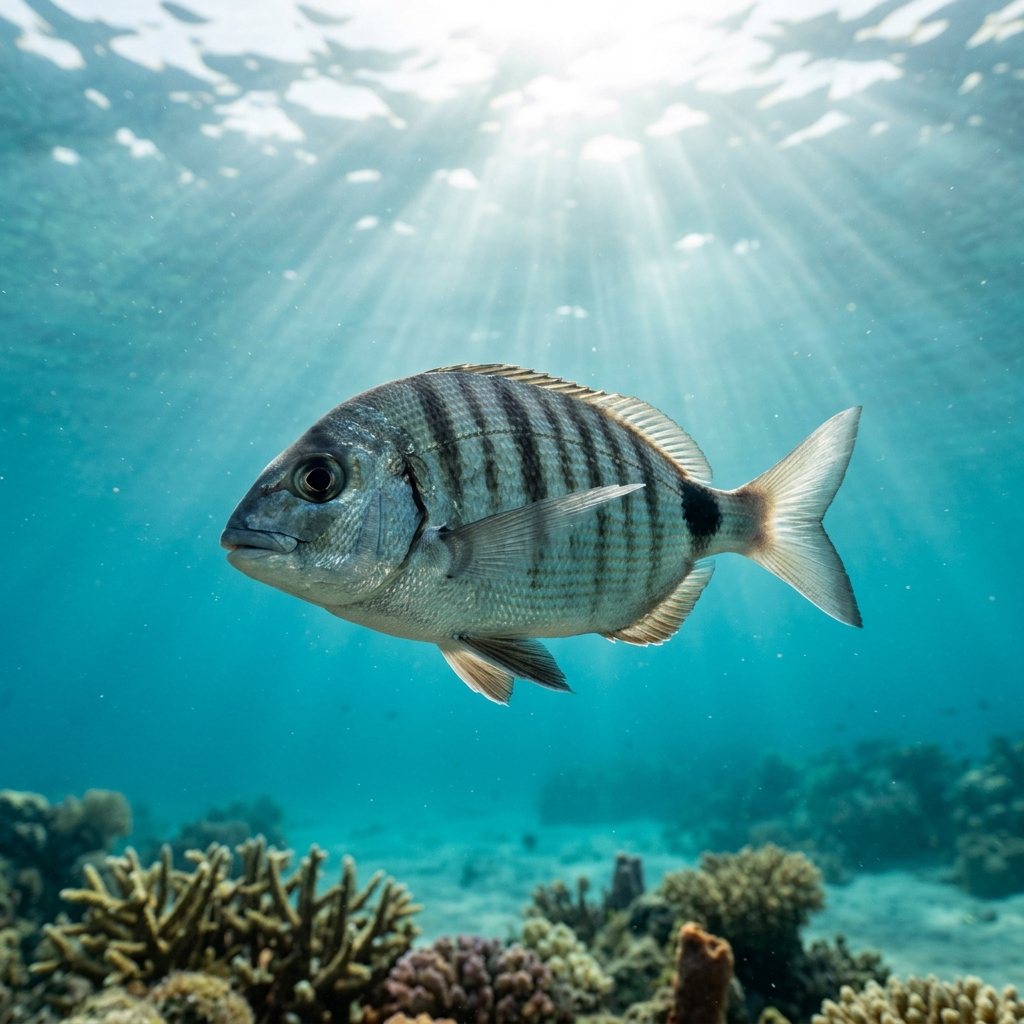
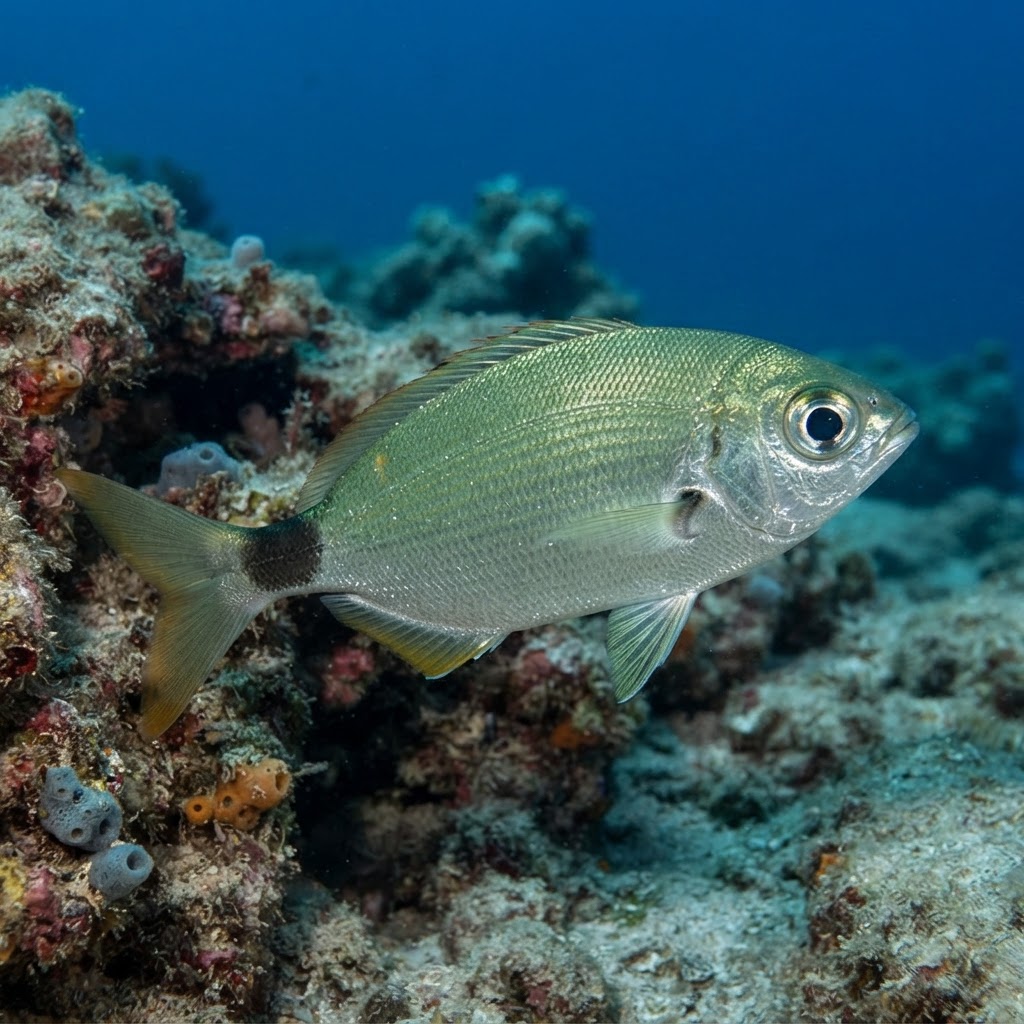
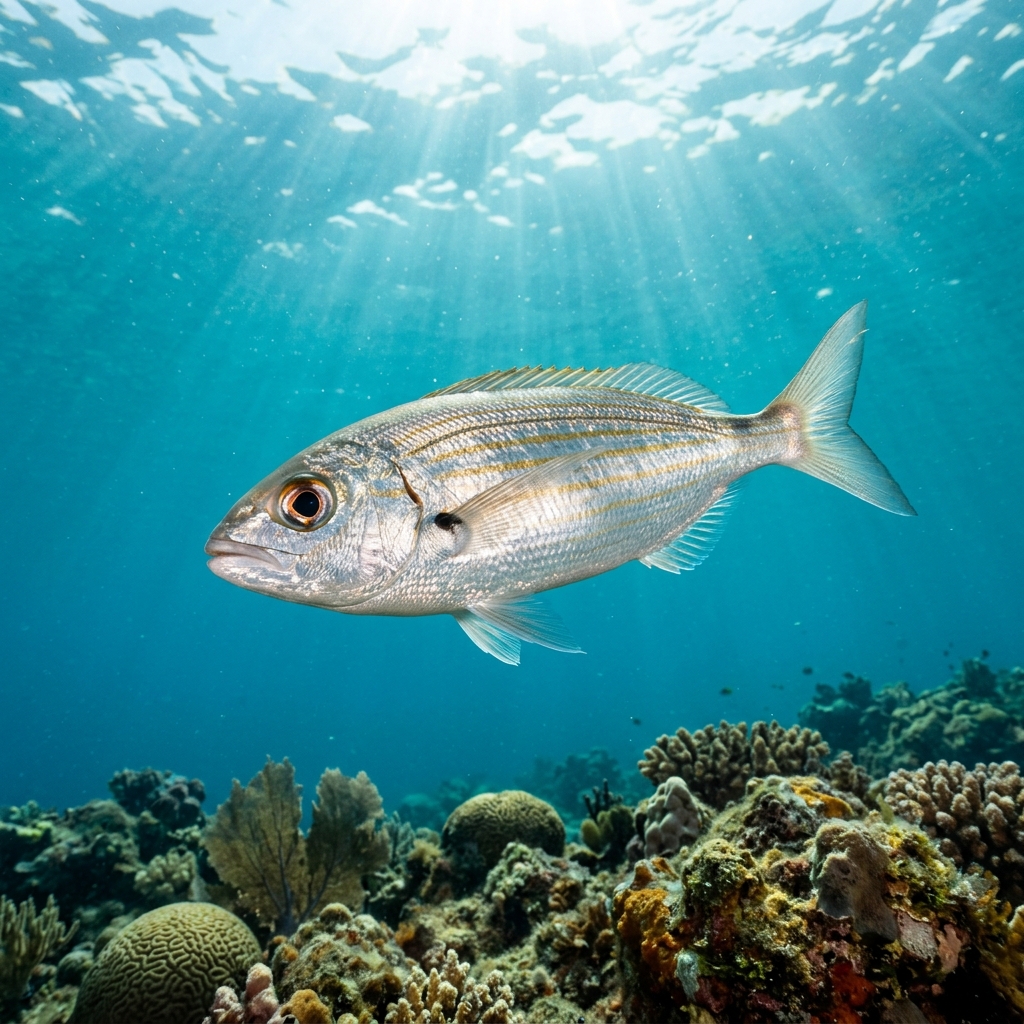
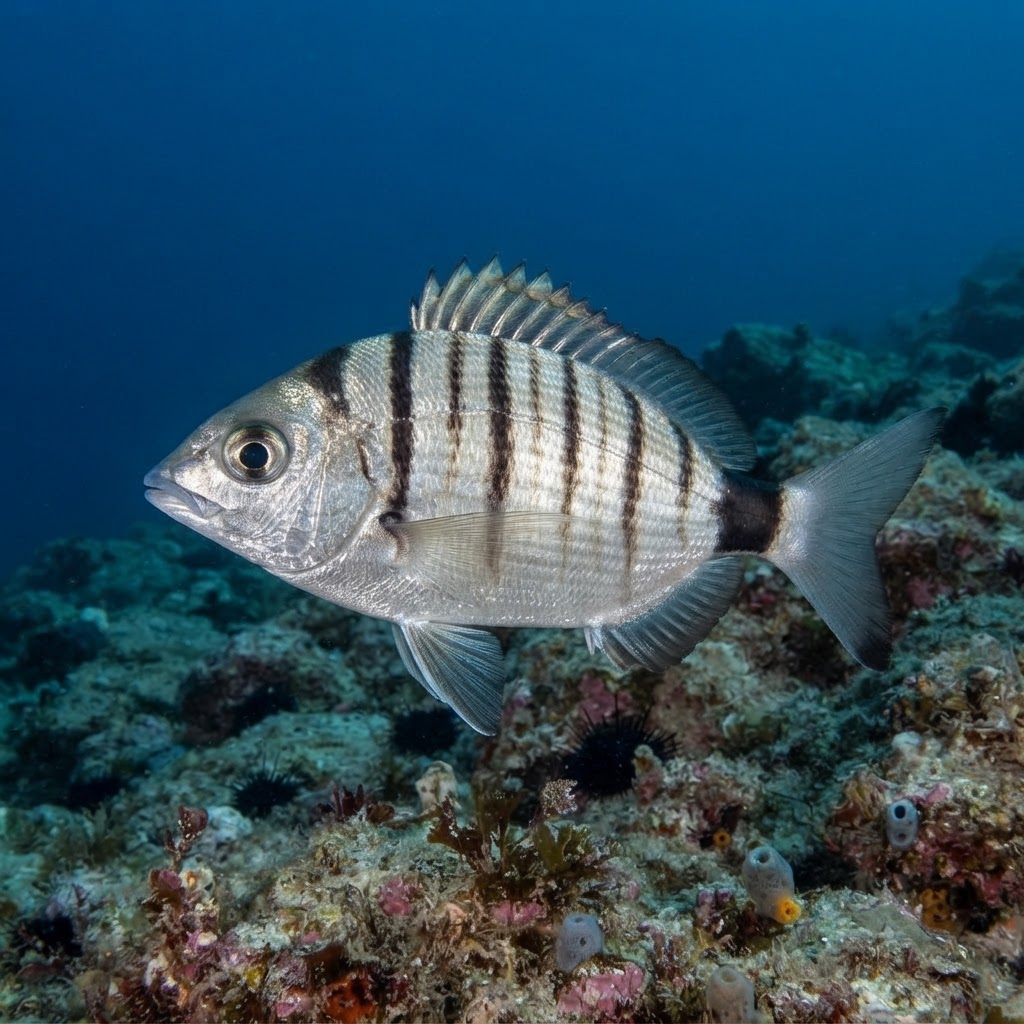
Reef neighbours a diver could mistake it for. Use the identification notes above to tell them apart.
Most commonly logged in Australia, particularly along the New South Wales coast, where sighting frequency peaks. In the Northern Hemisphere the species turns up across the Mediterranean, with strong populations around Attica in Greece, the Aegean Coast of Turkey, and Italian waters including Sicily and Sardinia. France's Brittany and Normandy coast and Spain's Costa Blanca round out the European hotspots.
Mapping where Pink Snapper is logged…
The most reliable sightings come from the New South Wales coast of Australia. Across the Mediterranean, divers log them around Attica in Greece, the Aegean Coast of Turkey, Sicily and Sardinia in Italy, and Spain's Costa Blanca. They also appear along Brittany and Normandy in France.
In the Southern Hemisphere, particularly along the Australian coast, sightings peak between October and April. The species tolerates a wide temperature range (roughly 13 to 26 °C), so Mediterranean sites can produce encounters outside any single peak window.
Look for the steep, humped forehead profile, it's the quickest giveaway at any distance. Overall colour is rosy pink to reddish-silver with iridescent blue spots on the upper body. At up to 90 cm, it's also noticeably large compared to most reef fish sharing the same habitat.
They typically reach around 90 cm in length, making them one of the larger fish a diver encounters on temperate rocky reefs. Their deep, robust body makes them look even bigger in the water.
Yes, pink snapper are protandrous hermaphrodites (born female, able to change to male). This means the largest, most impressive individuals you encounter are likely males that have transitioned from female earlier in life.
Site and sighting data is aggregated from diver logs, iNaturalist and GBIF. For taxonomy and conservation status:
Saddled Bream
3,846 sites