Brachaluteres jacksonianus
A 7cm reef filefish that hides in plain sight off New South Wales, this puffer-mimicking oddball rewards divers who slow down and look close.
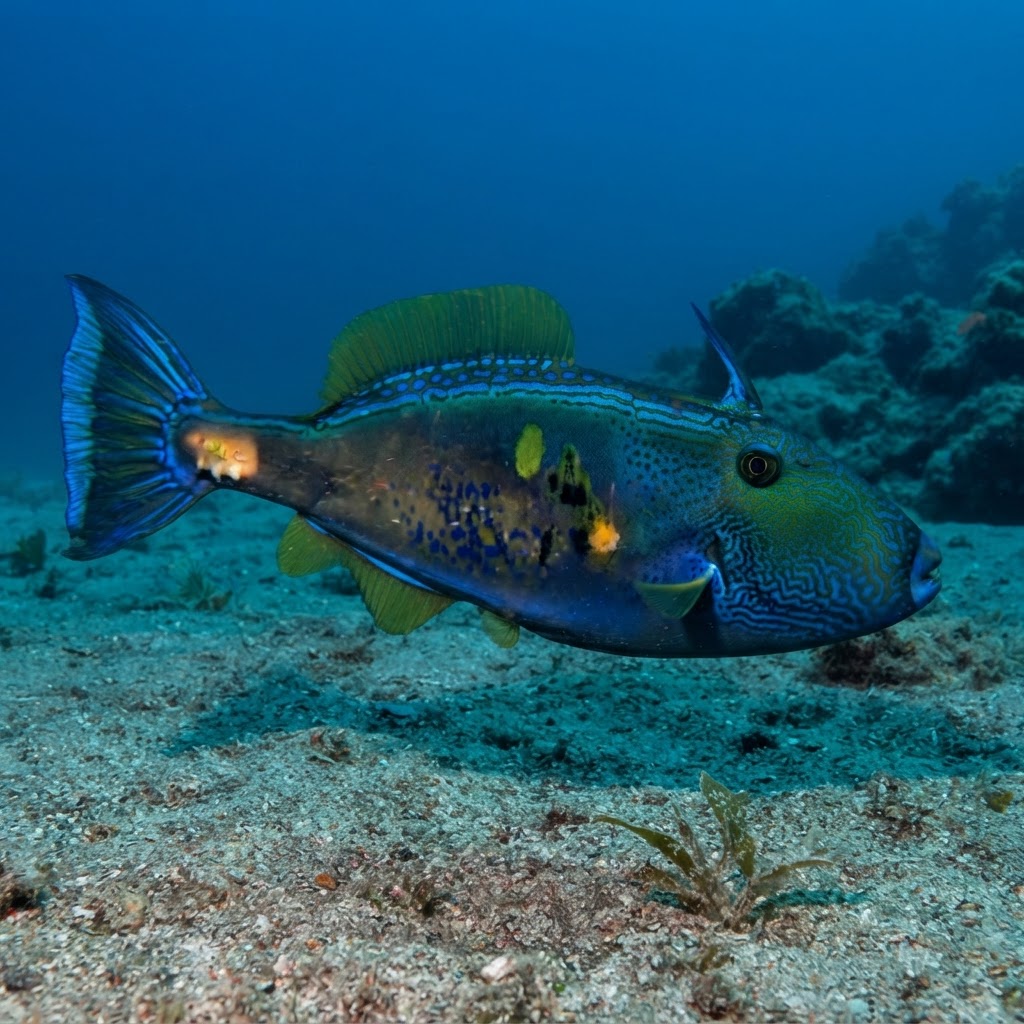
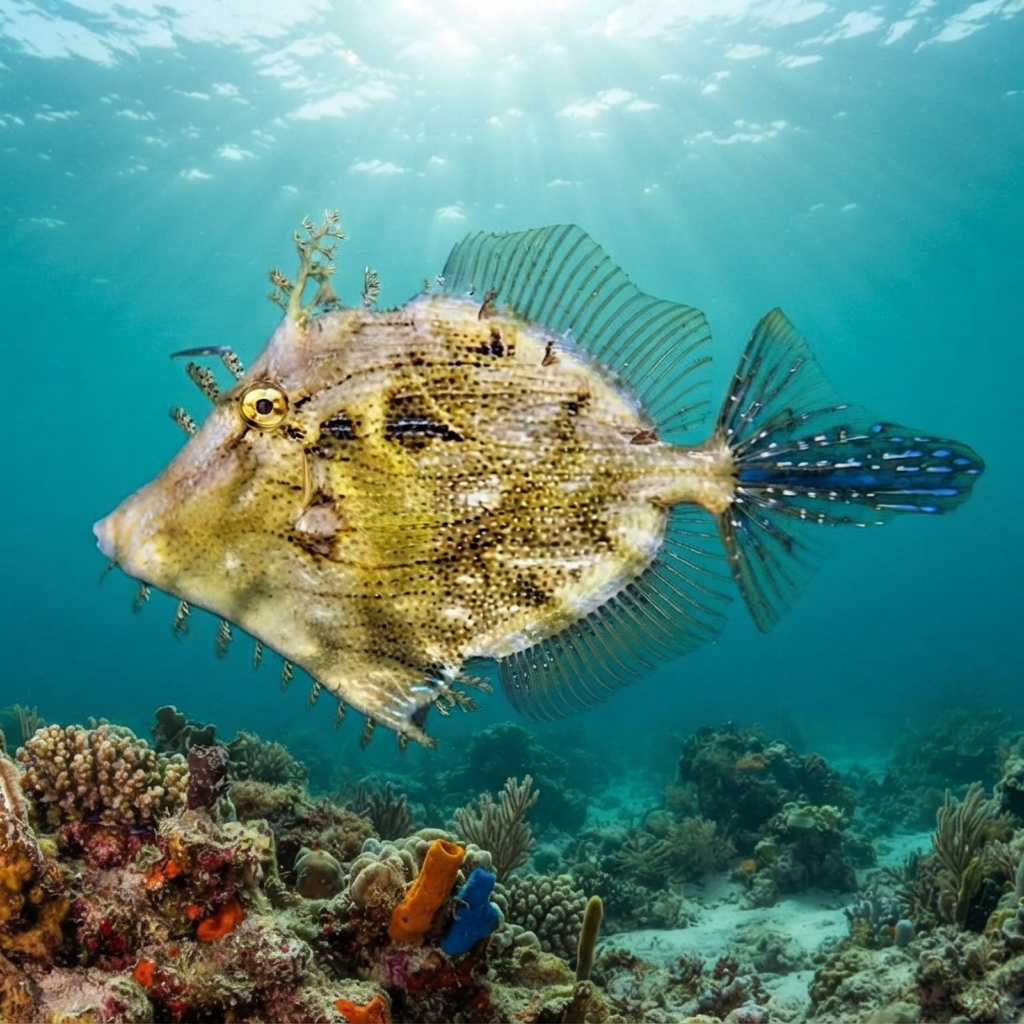
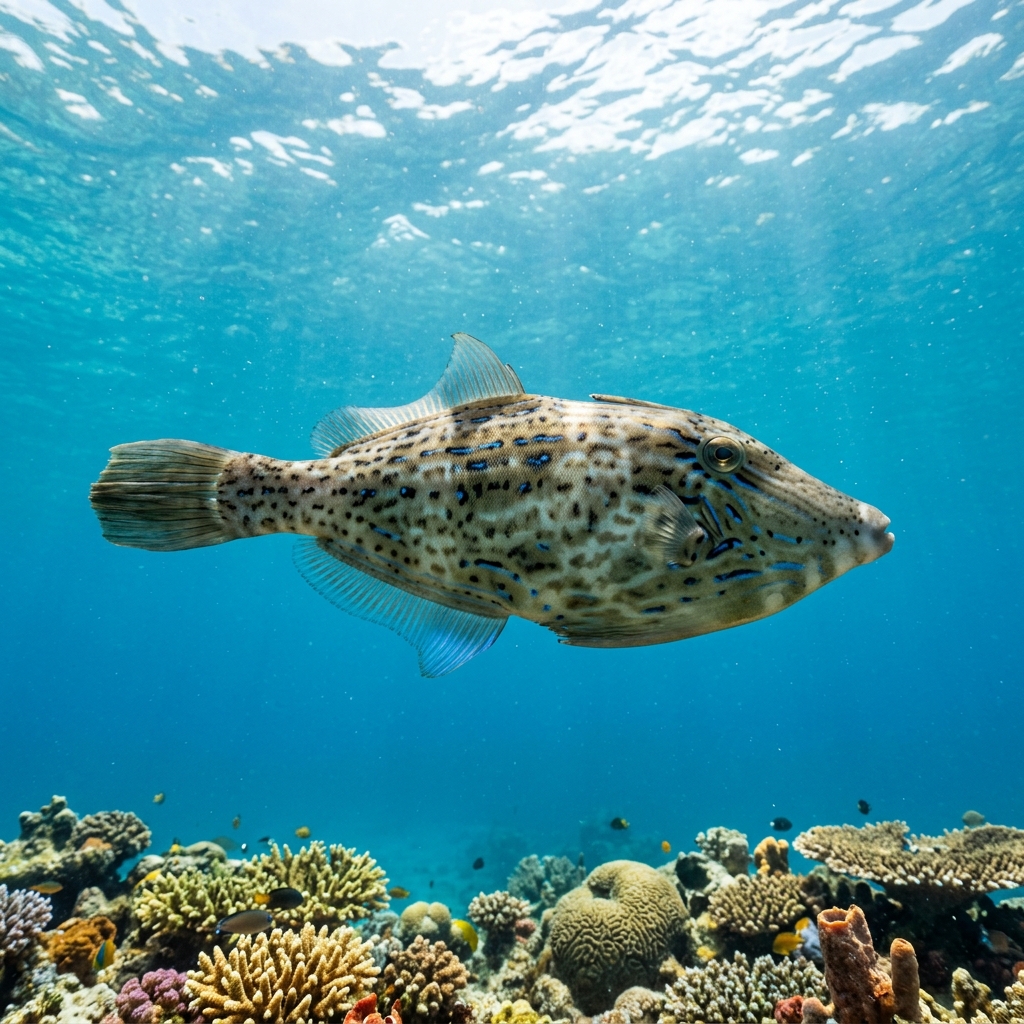
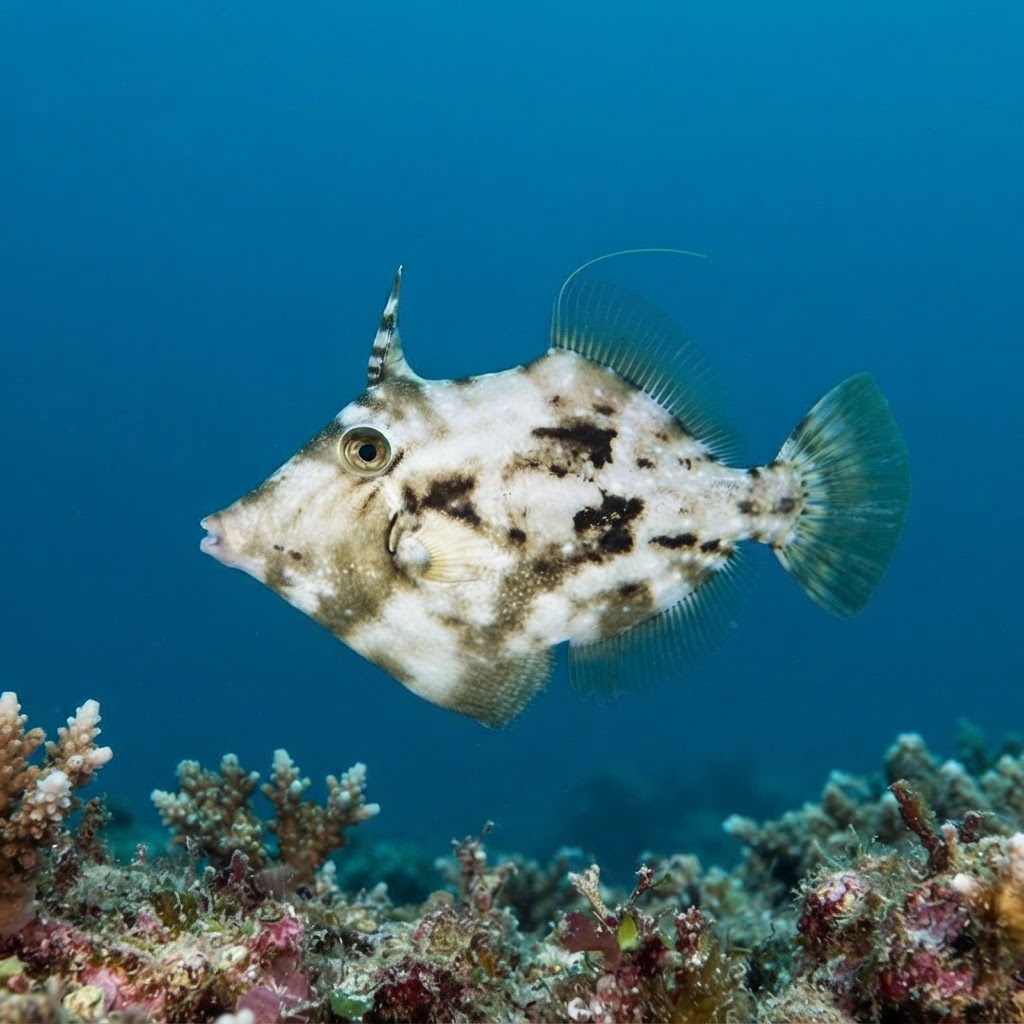
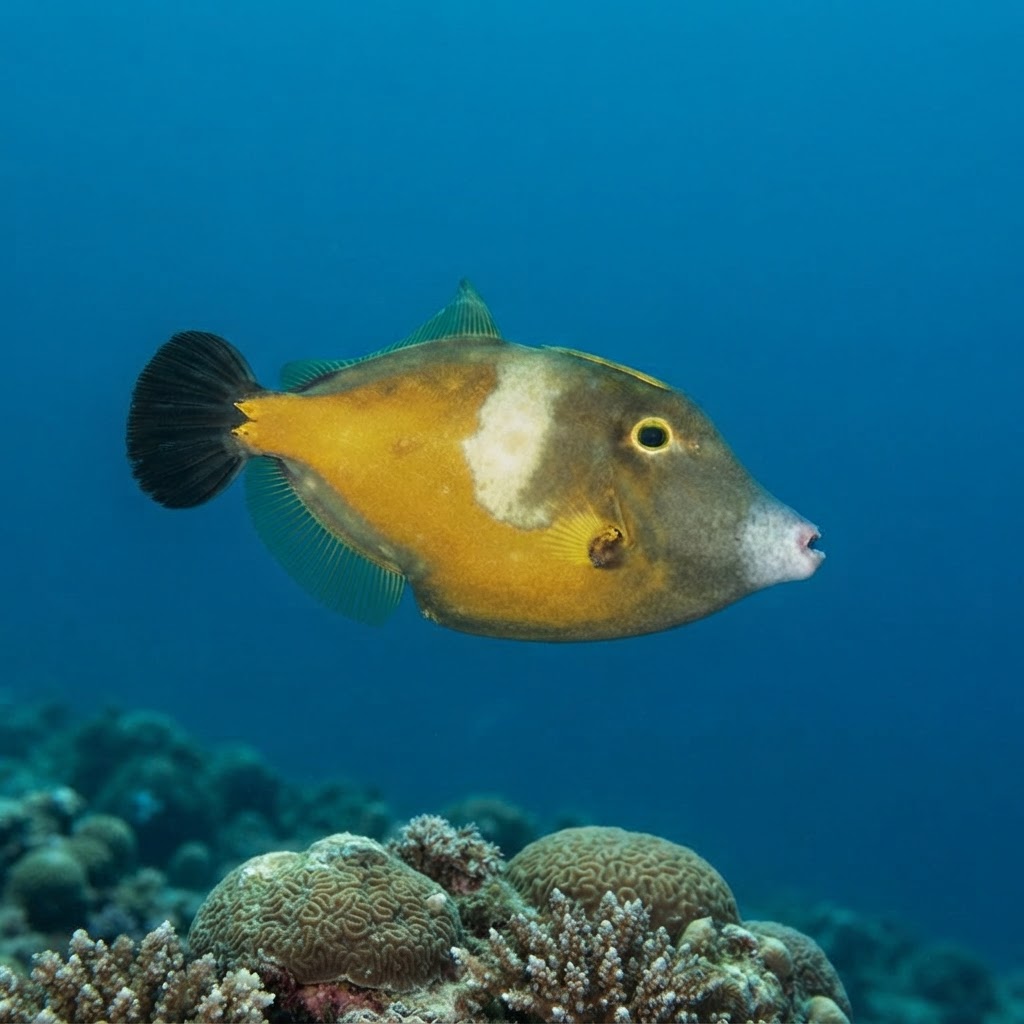
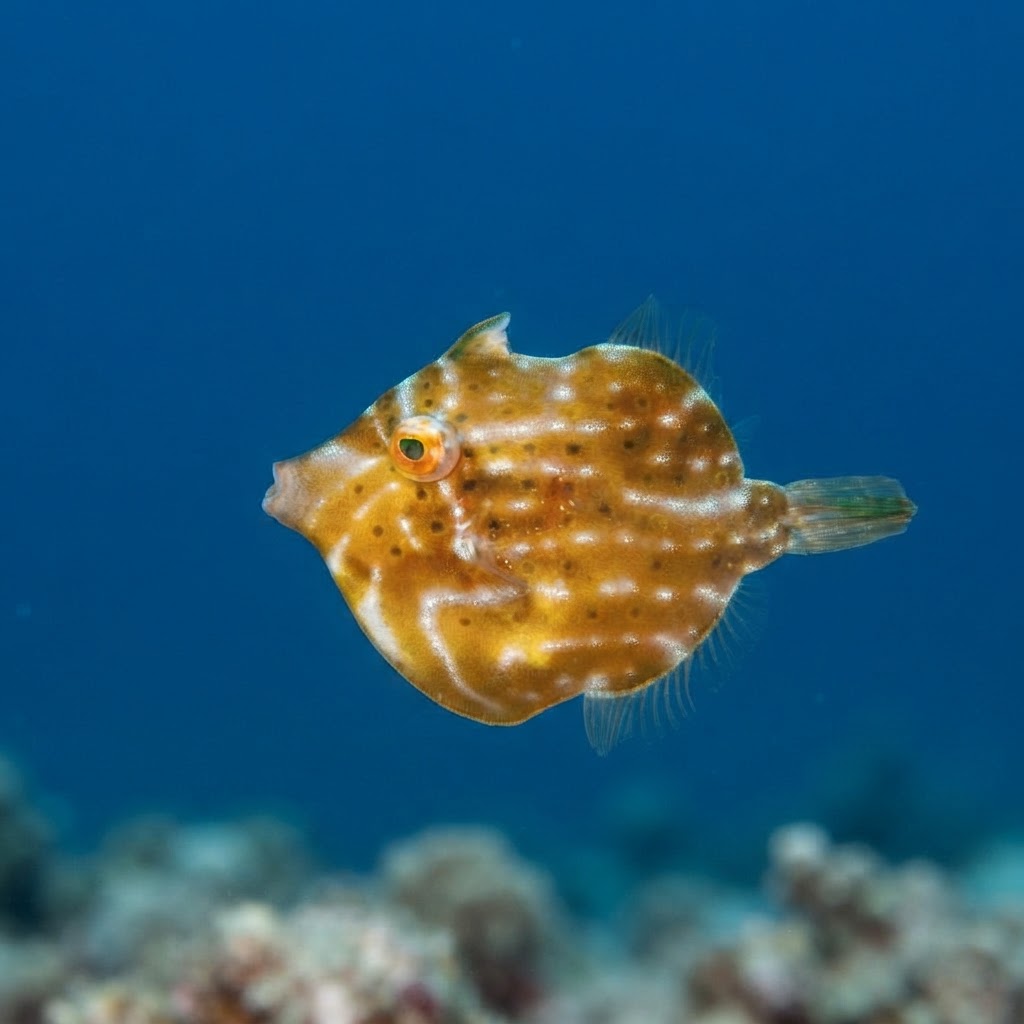
Barely bigger than a golf ball at around 7cm, this fish has a rounded, almost puffer-like body rather than the flattened diamond shape of most filefish. Skin tone runs mottled green-brown to grey, mottled enough to melt into sponge and algae-covered rock, with a small dorsal spine that is easy to miss unless the fish is agitated. It swims in short, hovering bursts rather than gliding, which is often the first thing that gives it away.
Divers most often find it tucked close to reef structure, sponges, or weed, hovering rather than cruising open water. It is not a fish that flees at the first sight of a torch or bubbles, it tends to sit tight and rely on its mottled skin to disappear, which makes it a slow, patient-search kind of sighting rather than something you swim past and spot. Most logs describe it as uncommon to common depending on the site, so it rewards divers who check ledges and sponge patches rather than mid-water.
Like other members of its genus, it can puff up its body slightly when threatened, a trick that mimics the defence of pufferfish despite belonging to an entirely different family.
No clear seasonal pattern shows up in the sightings, and its temperature range of 15.1 to 25.0 C spans the temperate reefs it lives on through most of the year, so it is logged as a year-round find rather than a seasonal one.
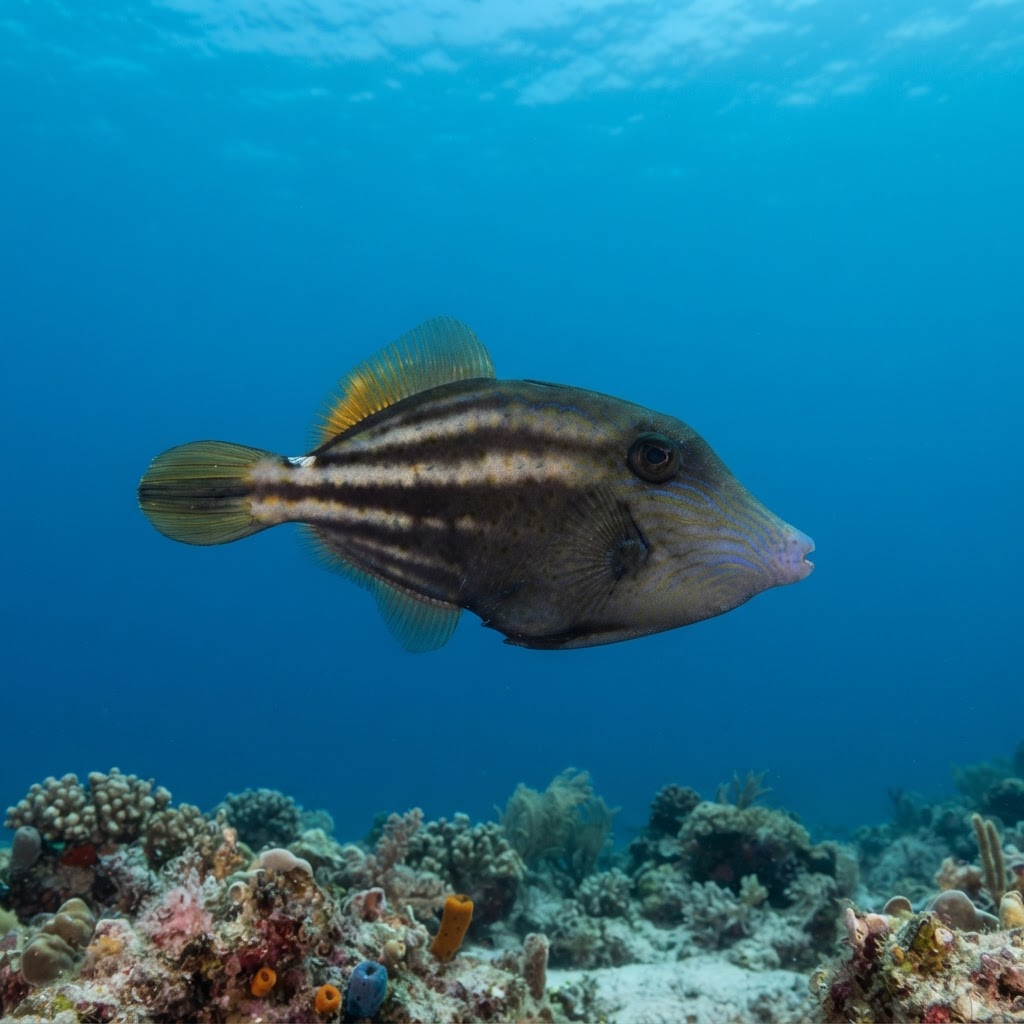
Reef neighbours a diver could mistake it for. Use the identification notes above to tell them apart.
This one is essentially an Australian speciality, with sightings concentrated in New South Wales and a solid secondary population through Victoria. Smaller numbers turn up in Western Australia and South Australia, so temperate reefs down the east and south coasts are the reliable bet rather than tropical sites further north.
Mapping where Southern Pygmy Leatherjacket is logged…
New South Wales is the strongest region for it, with Victoria a reliable second option. Smaller populations are logged in Western Australia and South Australia, making it largely a temperate Australian find.
There is no strong seasonal pattern in the sighting data, so it is considered a year-round species on the temperate reefs it inhabits, comfortable across a 15 to 25 C range.
Look for a rounded, chunky body only about 7cm long, mottled brown-green colouring, and short hovering movements near sponges or reef structure rather than open swimming.
They stay small, typically around 7cm, making them one of the more diminutive filefish divers encounter on temperate reefs.
It can puff its body up when threatened, copying the defensive trick of pufferfish even though it belongs to the separate filefish family.
Site and sighting data is aggregated from diver logs, iNaturalist and GBIF. For taxonomy and conservation status:
Orangespotted Filefish
836 sites