Pomacentrus philippinus
A small blue-and-yellow damsel logged across reefs in Visayas and Okinawa, uncommon but present year-round in 25 to 29 C water.
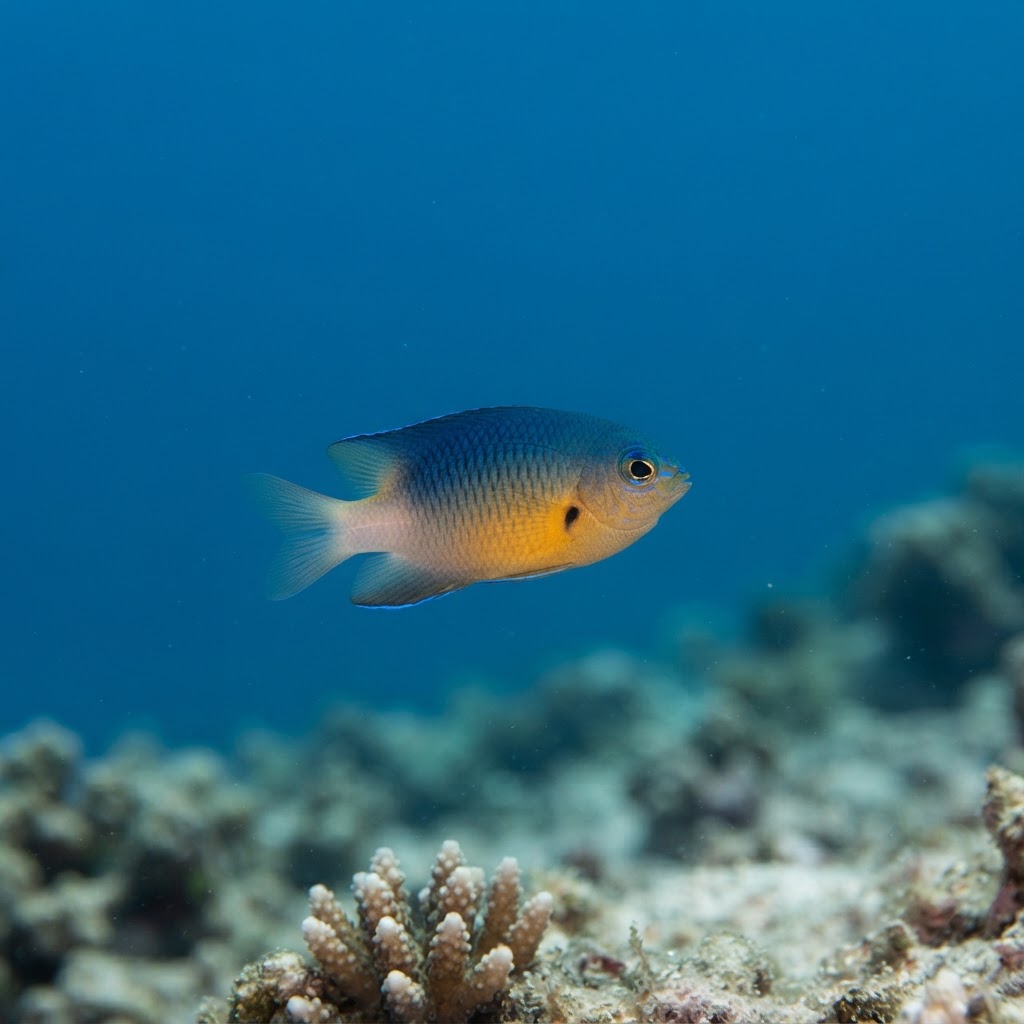
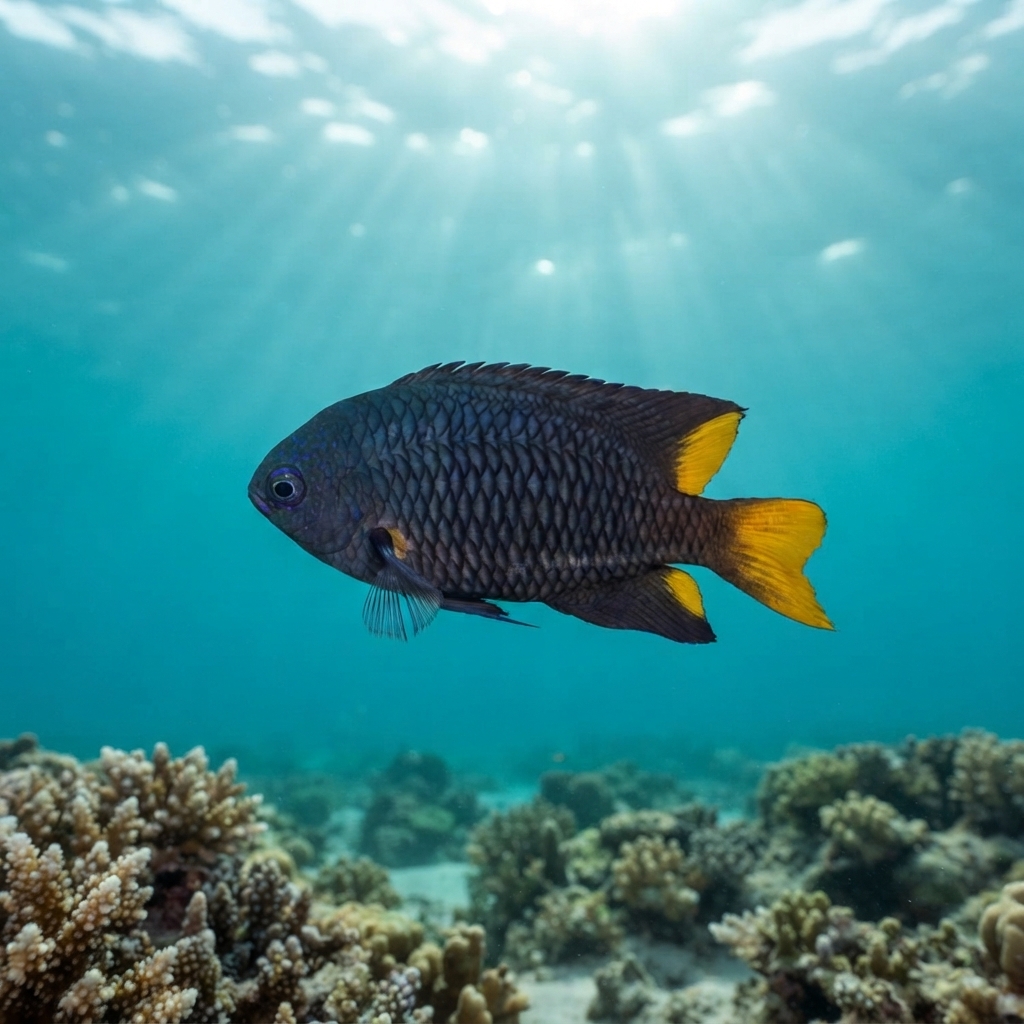
A compact damsel around 7 cm, with a deep blue to blue-grey body that catches an almost iridescent sheen in sunlight, fading to a pale yellow tail and rear fins. The head and upper body carry the strongest blue tone, while the belly is lighter, giving it a two-toned look rather than a single flat colour. It has the classic damselfish silhouette: a small, oval, laterally compressed body with a blunt snout, so at a glance it reads as a generic small reef damsel unless you clock the blue-to-yellow fade.
Typically seen holding station close to coral heads or rubble patches, darting for cover rather than out in open water. Like most small damselfish it holds a loose territory around a patch of reef and will duck into crevices when divers approach too fast, reappearing once you back off. Best spotted by slowing down and scanning low structure rather than mid-water.
Being an uncommon sighting even within its known range means it's one of those species divers only tick off by deliberately checking rubble and low coral structure rather than spotting it cruising the reef.
Sightings show no detectable seasonal pattern, and with a comfortable water-temperature range of 25.3 to 29.3 C on the reefs it favours, it's a year-round resident rather than a seasonal visitor.
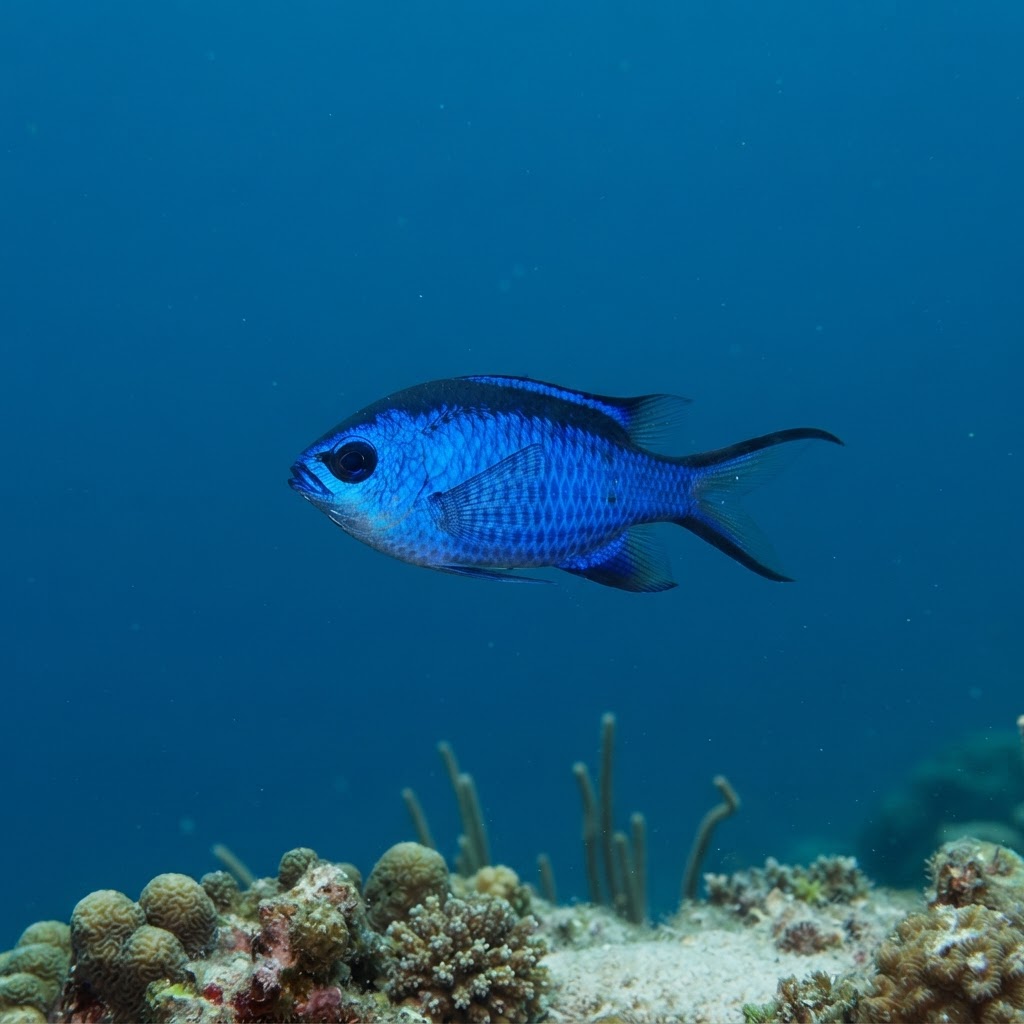
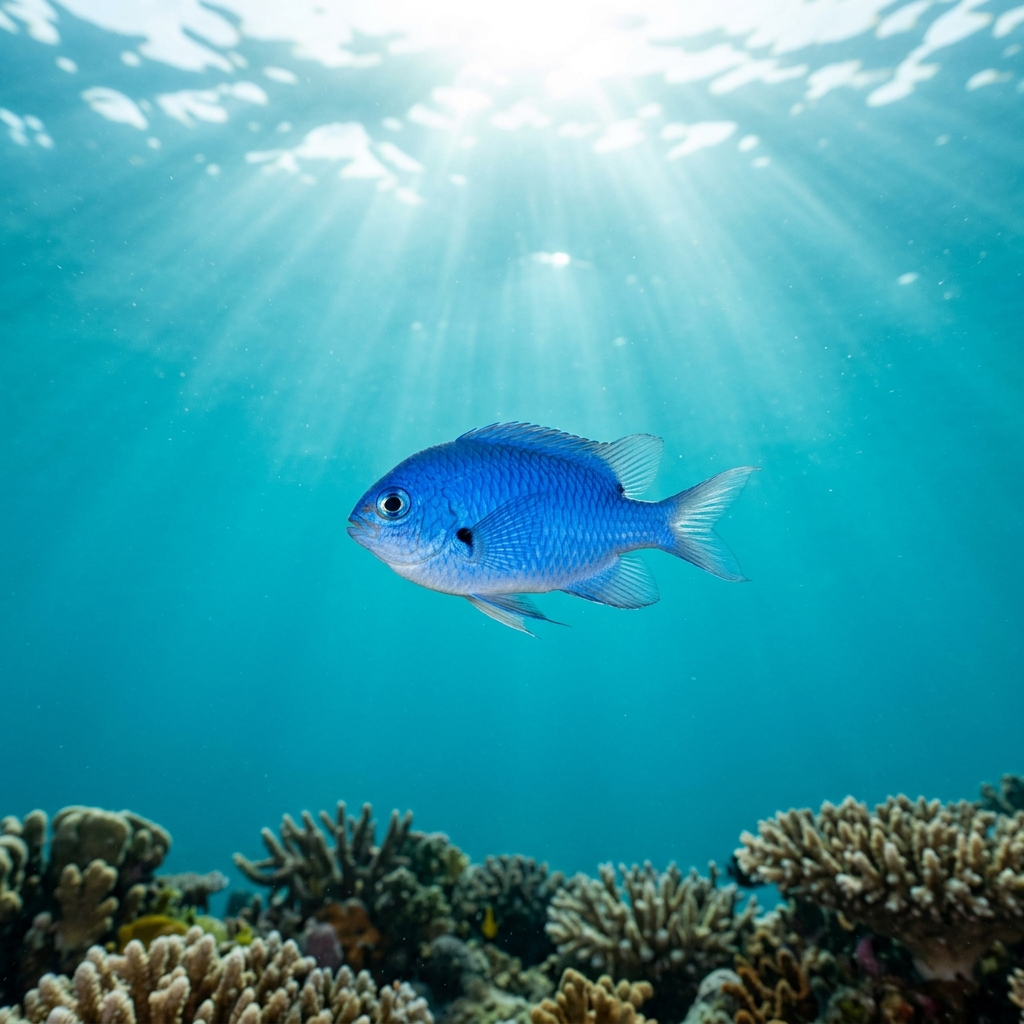
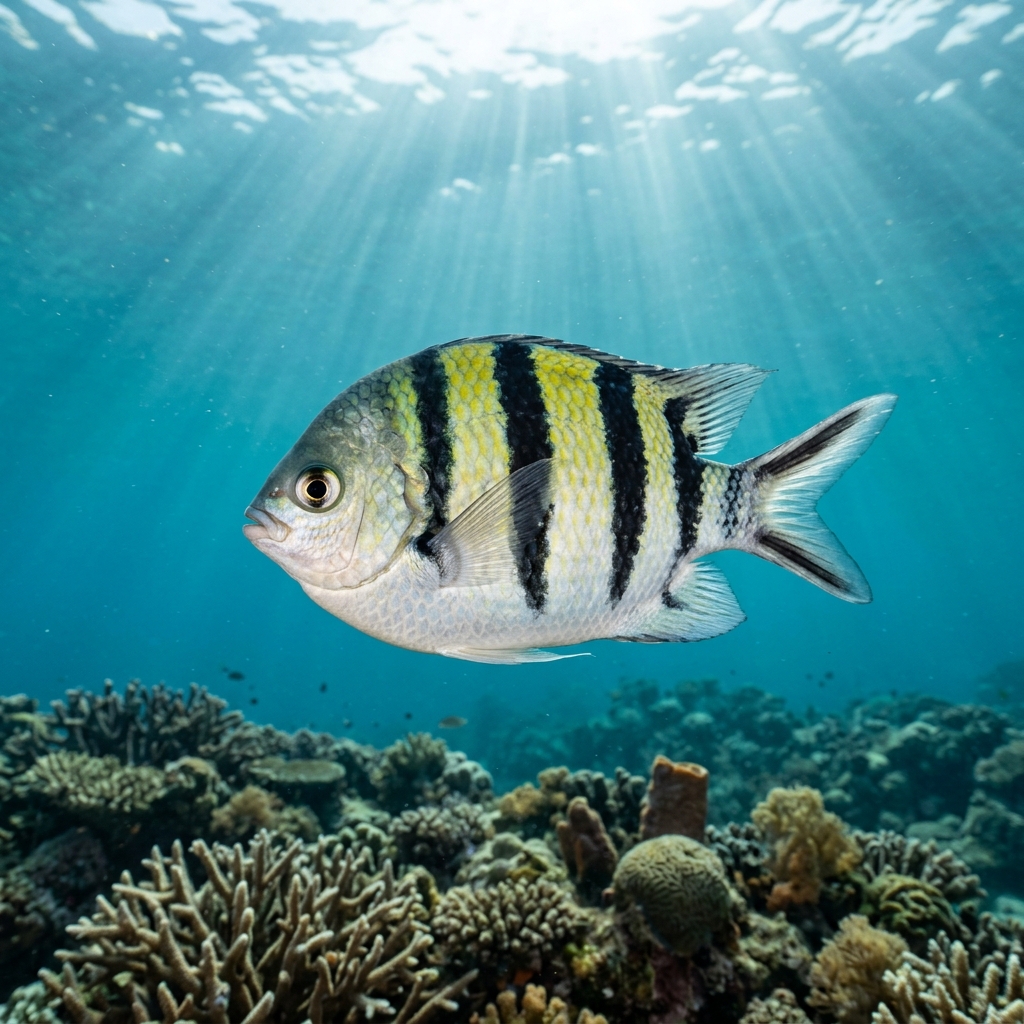
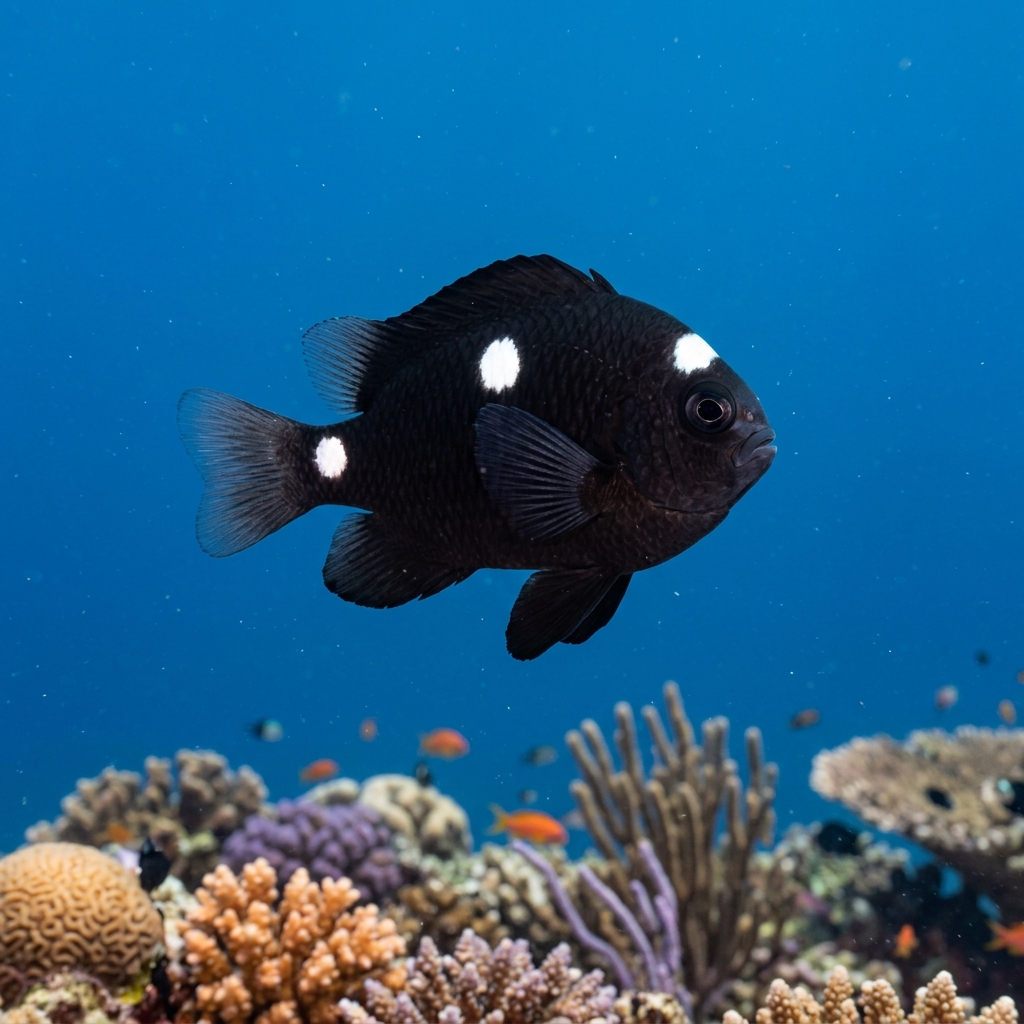
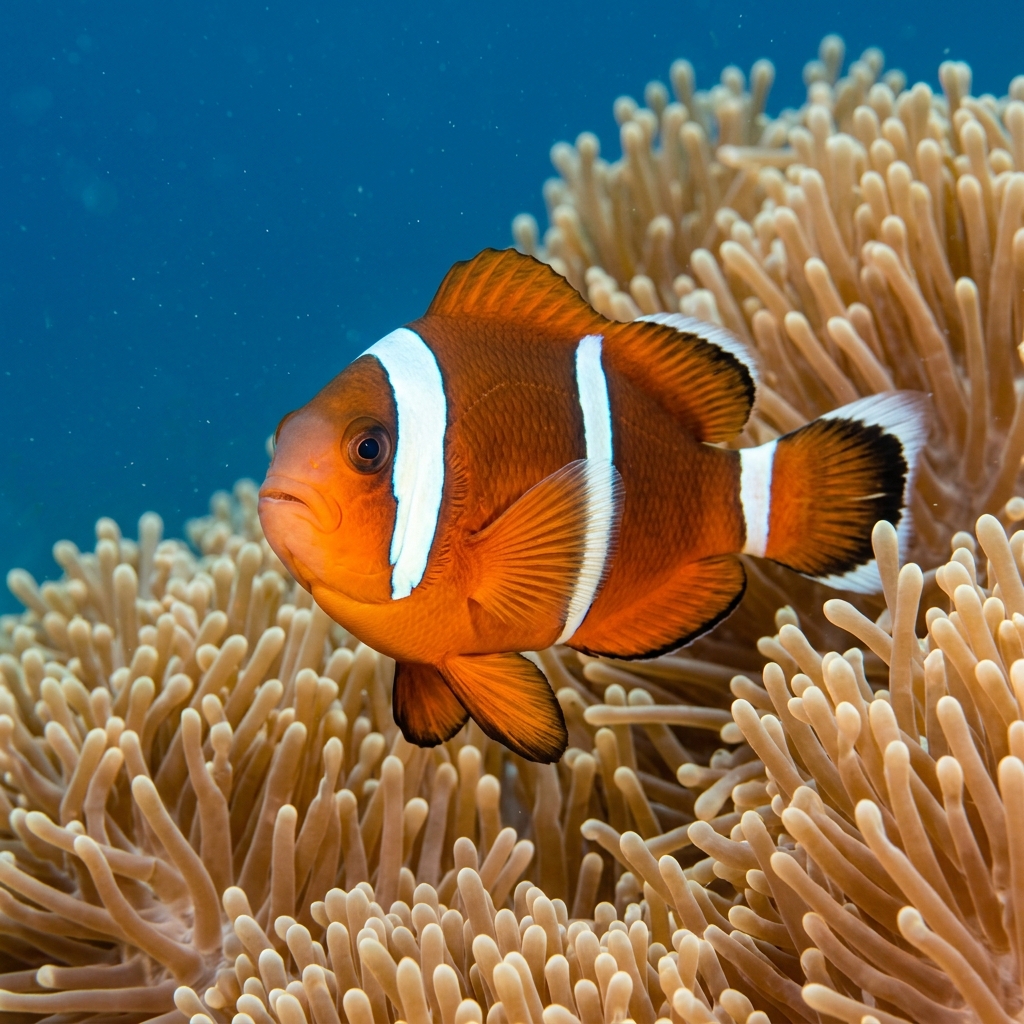
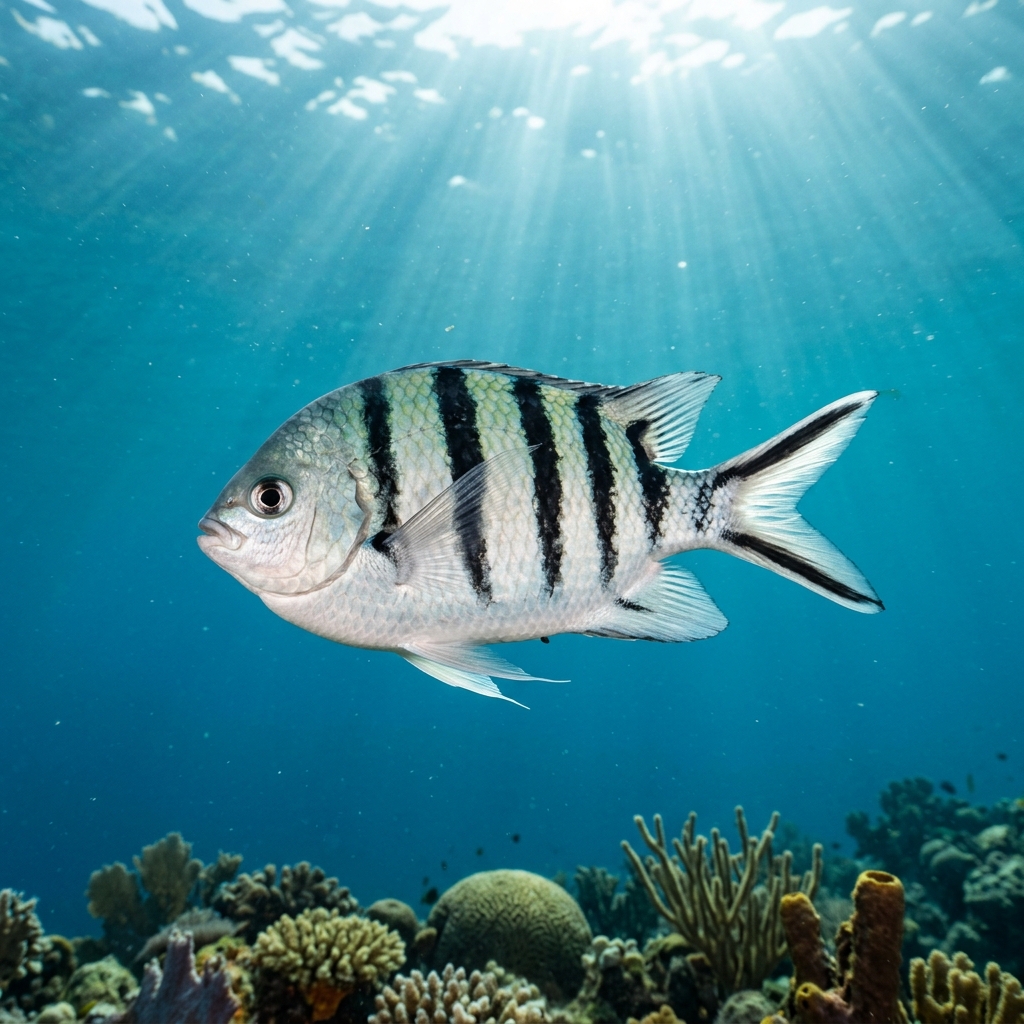
Reef neighbours a diver could mistake it for. Use the identification notes above to tell them apart.
Most reliably logged on reefs across the Visayas region of the Philippines and the Okinawa & Ryukyu Islands of Japan, with a smaller number of records from Dili in Timor-Leste. Across all these sites it's consistently an uncommon find rather than a guaranteed one, so it's worth checking bommies and rubble patches rather than expecting it in the open.
Mapping where Philippine Damsel is logged…
Best chances are on reefs in the Visayas region of the Philippines and around Okinawa and the Ryukyu Islands in Japan, with occasional records from Dili in Timor-Leste. It's an uncommon sighting at all these sites, so treat it as a bonus find rather than a certainty.
There's no clear seasonal pattern in sightings, and it lives in water between about 25 and 29 C, so it's present on tropical reefs throughout the year.
Look for a small, oval-bodied damselfish around 7 cm with a blue-toned head and upper body fading to a pale yellow tail. It sticks close to coral heads and rubble rather than swimming in open water.
They stay small, topping out around 7 cm, which is typical for reef damselfish and part of why they're easy to overlook against coral rubble.
No, they pose no threat to divers. They're a small, retreating reef fish that ducks for cover rather than confronting anything larger than itself.
Its conservation status hasn't been formally assessed, so there's no listed threat level. There's nothing in current data suggesting cause for concern.
Site and sighting data is aggregated from diver logs, iNaturalist and GBIF. For taxonomy and conservation status:
Dascyllus
3,697 sites