Percina caprodes
Spot logperch in the Great Lakes region of Canada and the US, a boldly striped bottom-hugger found in cold, clear freshwater down to 1 °C.
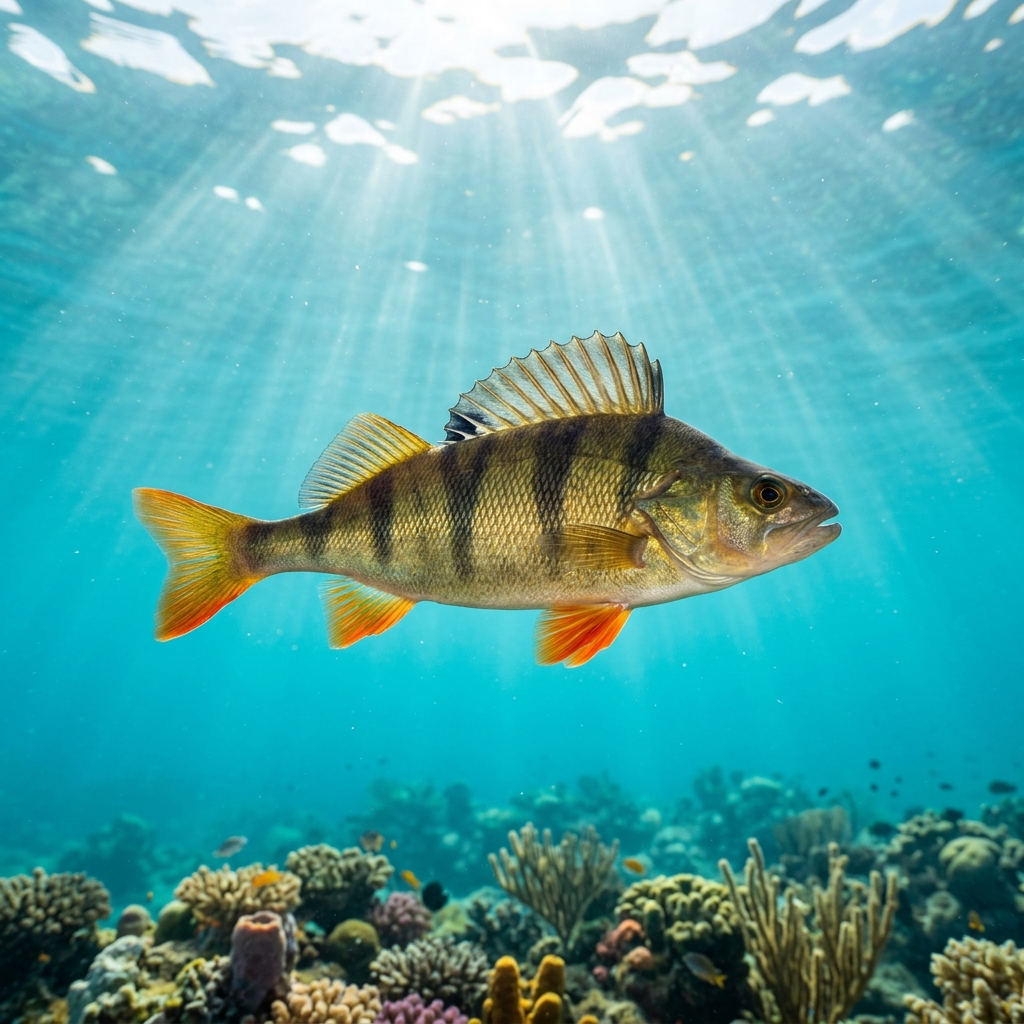
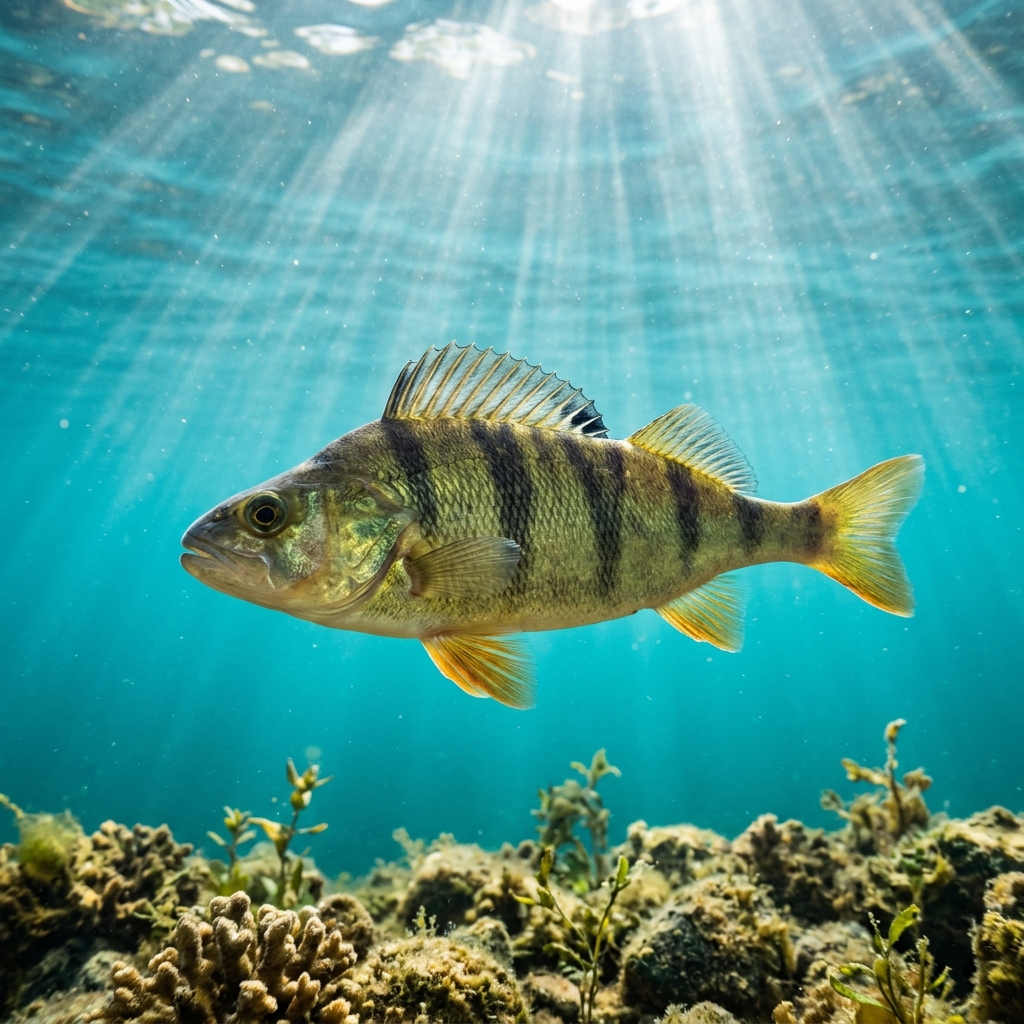
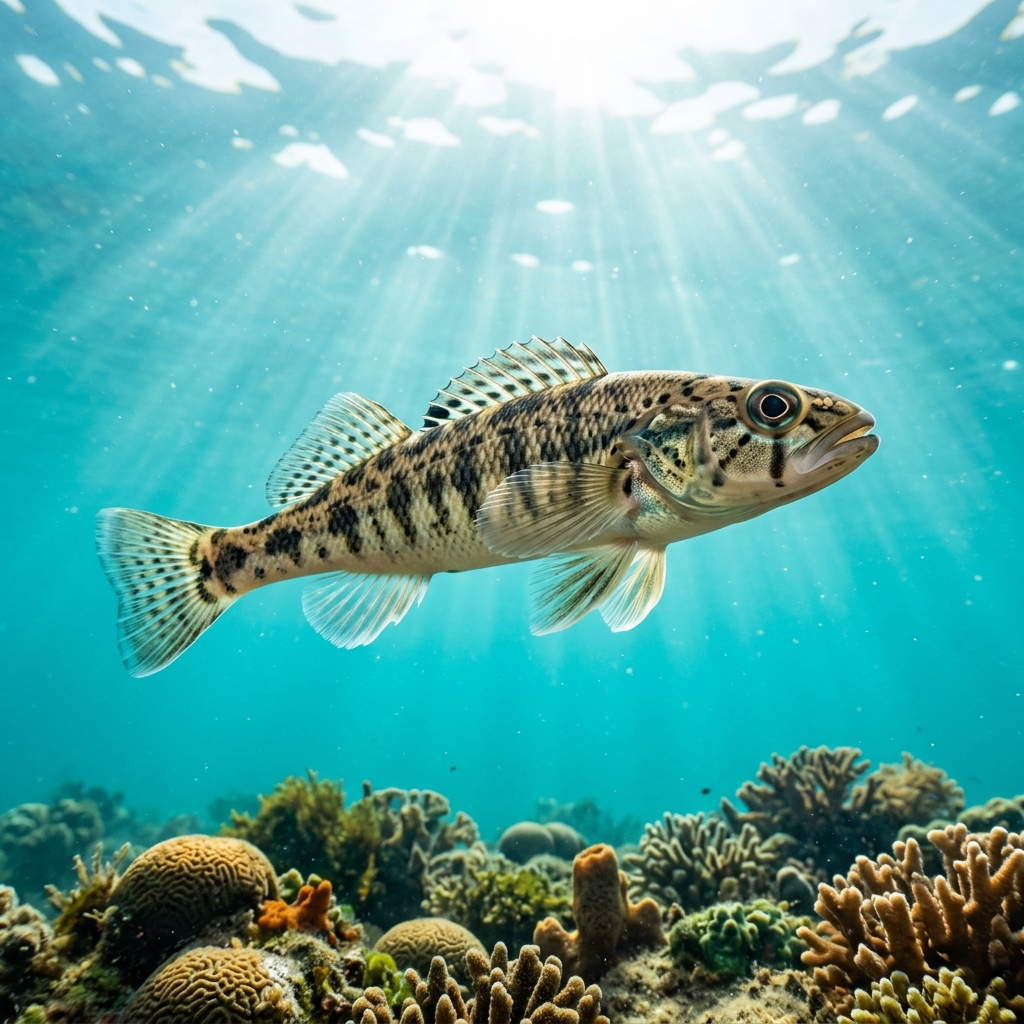
A slender, torpedo-shaped fish marked by a series of bold, dark vertical bars (or saddles) running the length of a pale yellow-olive body, the pattern is the quickest field mark underwater. Look for the distinctive pig-like, overhanging snout that projects noticeably beyond the lower jaw; no other small freshwater fish in its range quite matches that profile. Logperch typically rest motionless on gravel or sand between short bursts of movement, which makes them easier to study once spotted.
Logperch are bottom-dwellers that use their shovel-like snout to flip small stones and disturb gravel in search of invertebrates, watch for this rooting behaviour on coarse substrate. When approached, they tend to sit tight before making a quick, darting dash to the next patch of cover rather than bolting far away. Encounters typically happen in shallow to mid-depth areas with gravel or rocky substrate rather than open water or soft mud.
The overhanging snout is not just a quirky shape, logperch actively use it as a tool, flipping stones to expose the invertebrates and small crustaceans hiding underneath, a foraging strategy unusual among darter-family fish.
There is not enough monthly sighting data to identify a peak season, so logperch should be treated as a year-round possibility. The species tolerates remarkably cold water, recorded in temperatures as low as 1 °C, so cold-water diving in the Great Lakes region can produce sightings even in winter for those properly equipped.
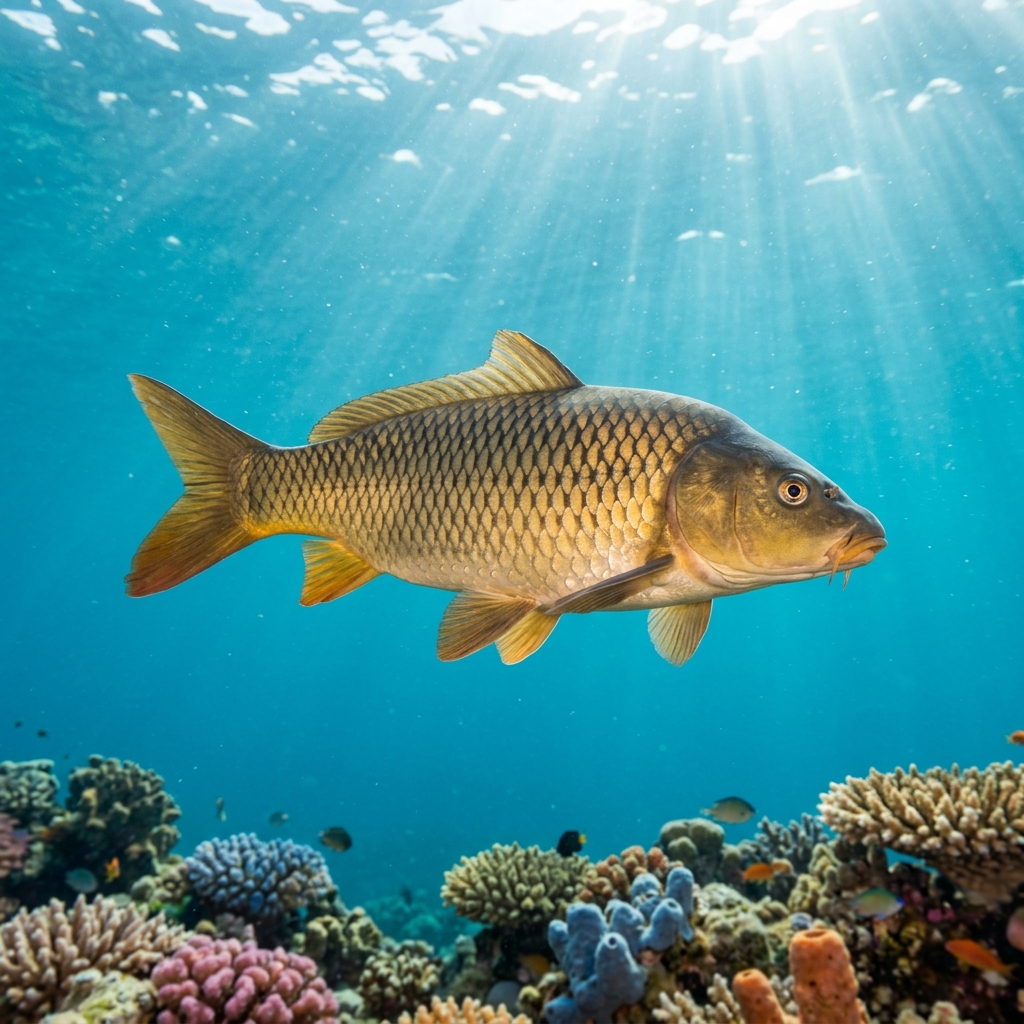
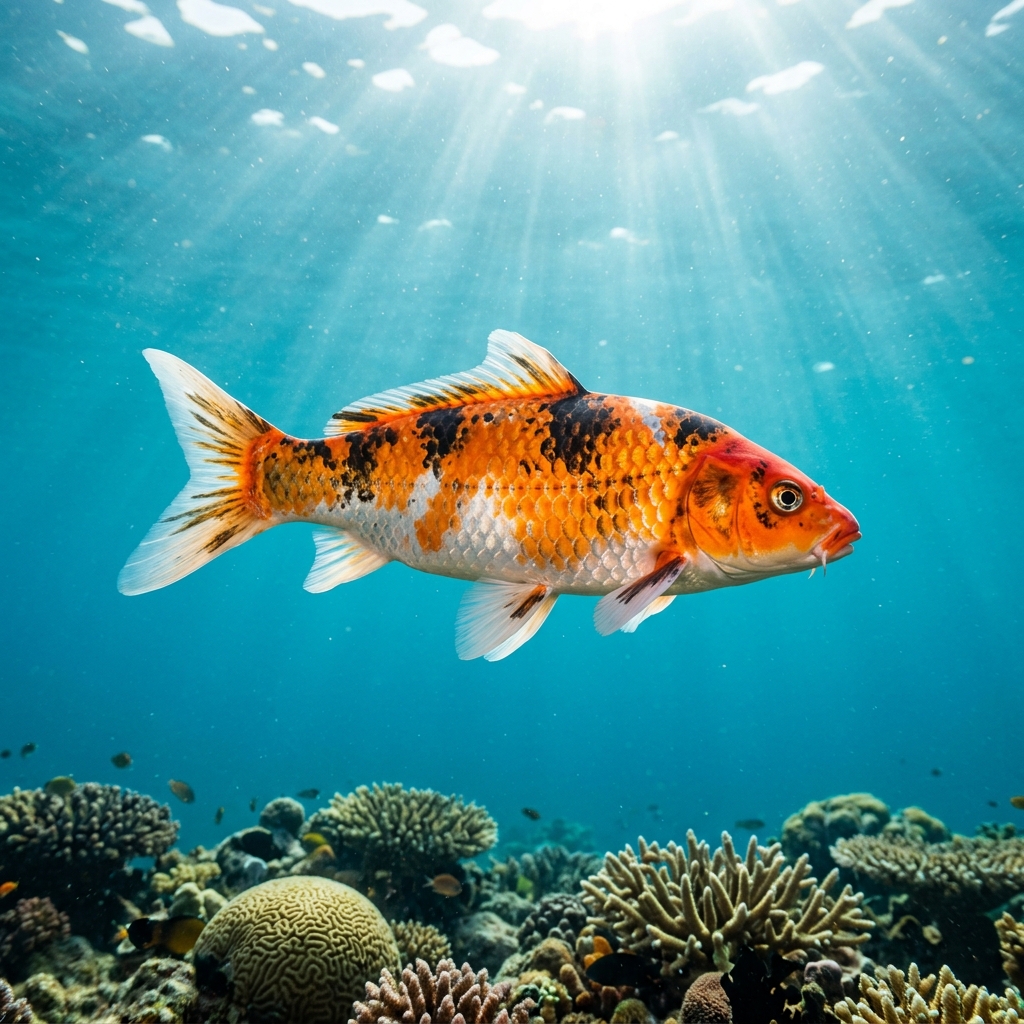
Reef neighbours a diver could mistake it for. Use the identification notes above to tell them apart.
Sightings are concentrated in the Great Lakes and Ontario region of Canada, which accounts for the vast majority of logged dive sites. A small number of observations come from the Great Lakes and Northeast region of the United States, so the whole Great Lakes basin is the most reliable area to look. Freshwater recreational diving and snorkelling in Ontario's lakes and rivers offers the best current odds of an encounter.
Mapping where Logperch is logged…
Most logged sightings come from the Great Lakes and Ontario region of Canada, with a smaller number from the Great Lakes and Northeast United States. The Great Lakes basin as a whole is the most accessible place to look, particularly in rocky or gravel-bottomed lakes and rivers in Ontario.
No clear seasonal peak has emerged from current sighting data, so logperch can be treated as a year-round species. They are cold-water tolerant, recorded in water as cold as 1 °C, meaning properly equipped divers can encounter them even in winter months across the Great Lakes region.
Look for a slim, pale yellow-olive fish covered in a series of bold dark vertical bars along its sides, paired with a noticeably overhanging, pig-like snout. That snout shape sets it apart from other small perch-like fish in the same waters. It typically rests on gravel or sandy substrate rather than swimming actively in open water.
Logperch are one of the largest darters (members of the perch family Percidae), typically reaching around 15 to 18 cm in length, though some individuals can exceed 20 cm. They are noticeably bigger and more robust than most other darters you might encounter in the same habitat.
Logperch use their overhanging snout to flip stones and disturb gravel, exposing the invertebrates, insect larvae, and small crustaceans hiding underneath. This stone-flipping behaviour is distinctive and easy to observe when a logperch is actively foraging on a gravel bottom, it is one of the most interesting things to watch for during a freshwater dive.
Site and sighting data is aggregated from diver logs, iNaturalist and GBIF. For taxonomy and conservation status:
Sun Perch
2,182 sites