Entomacrodus nigricans
Look for Pearl Blenny perched on rubble and rock in Bayahibe, Grand Cayman and Colombia's Caribbean coast, in warm 26.5-28.2C water year-round.
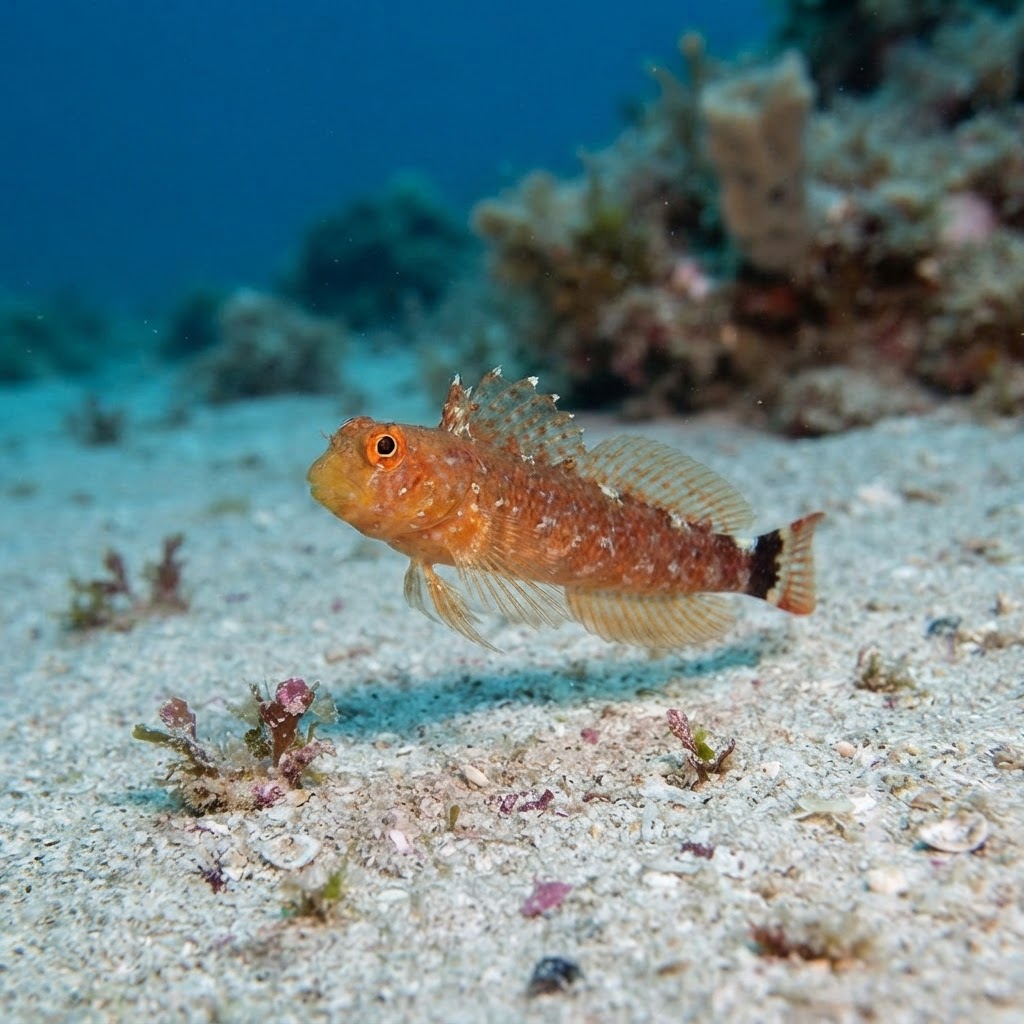
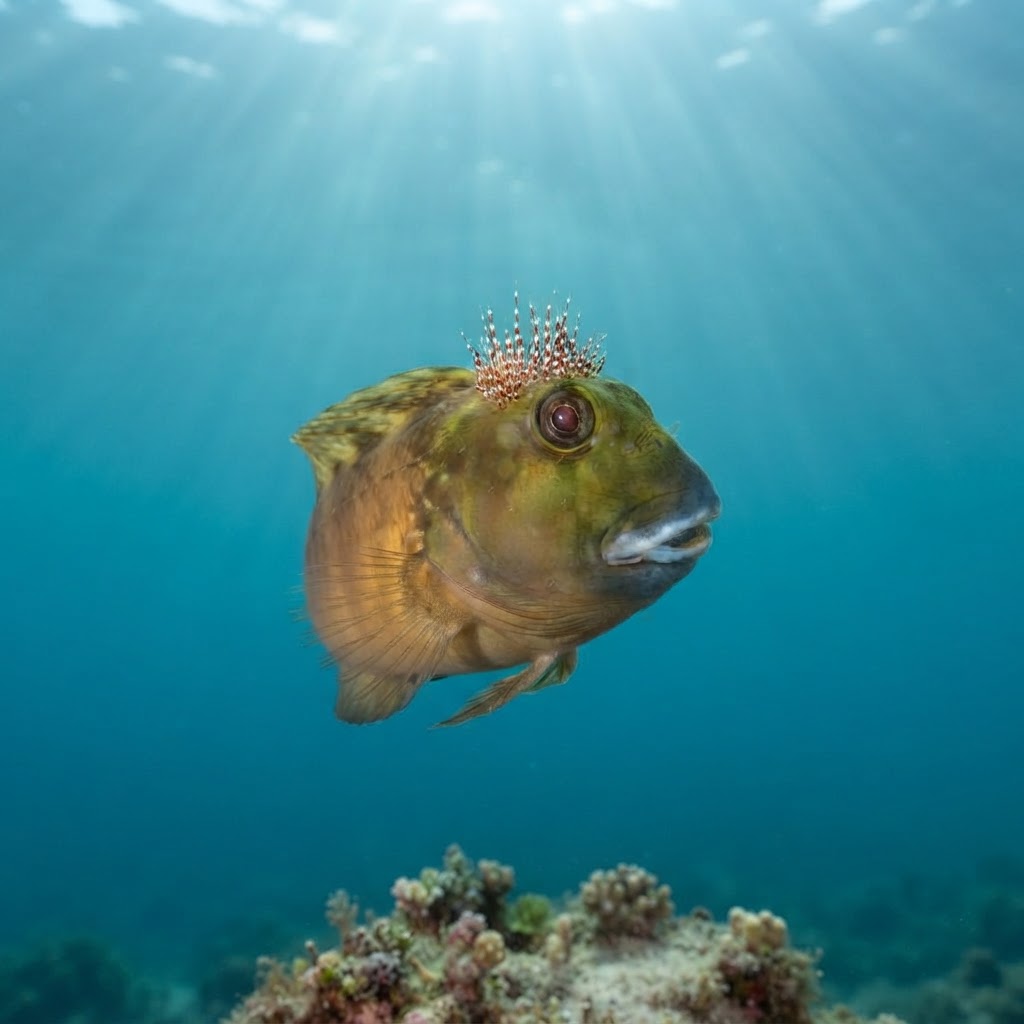
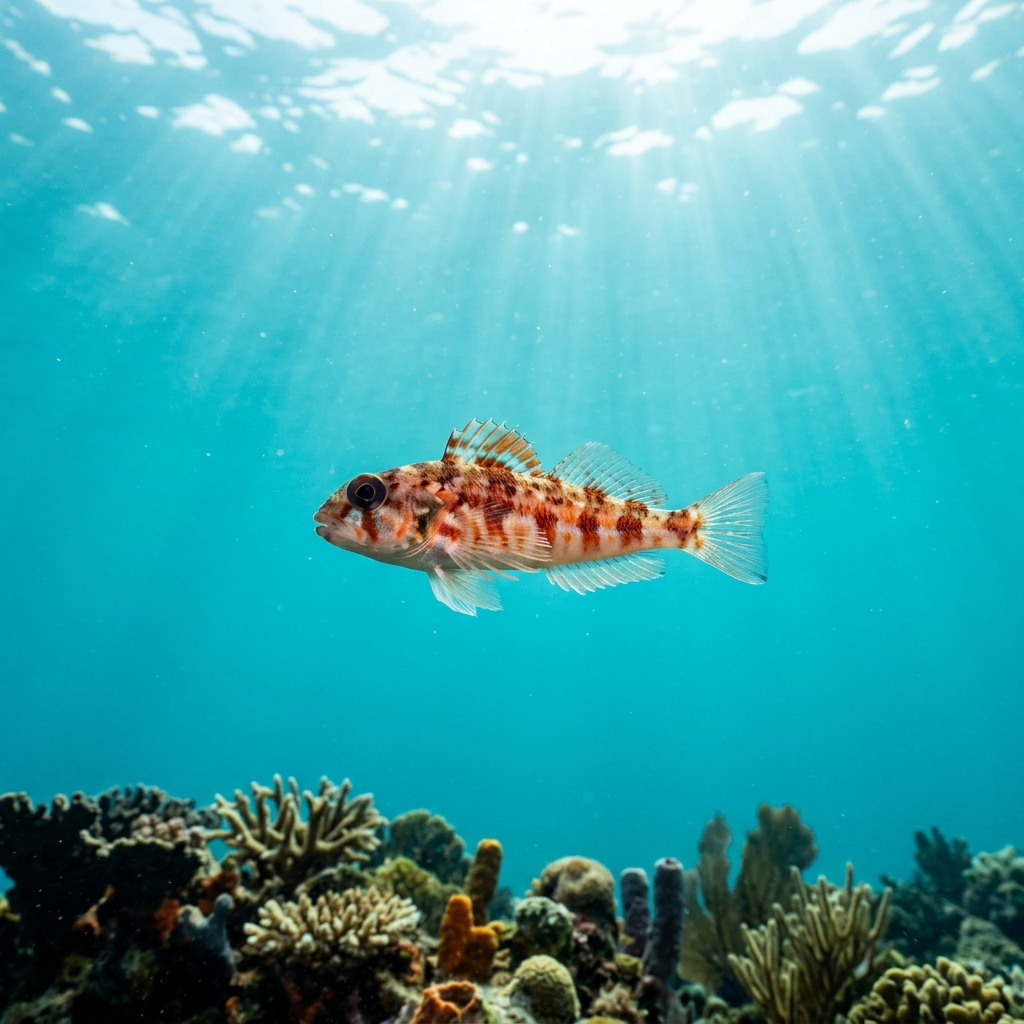
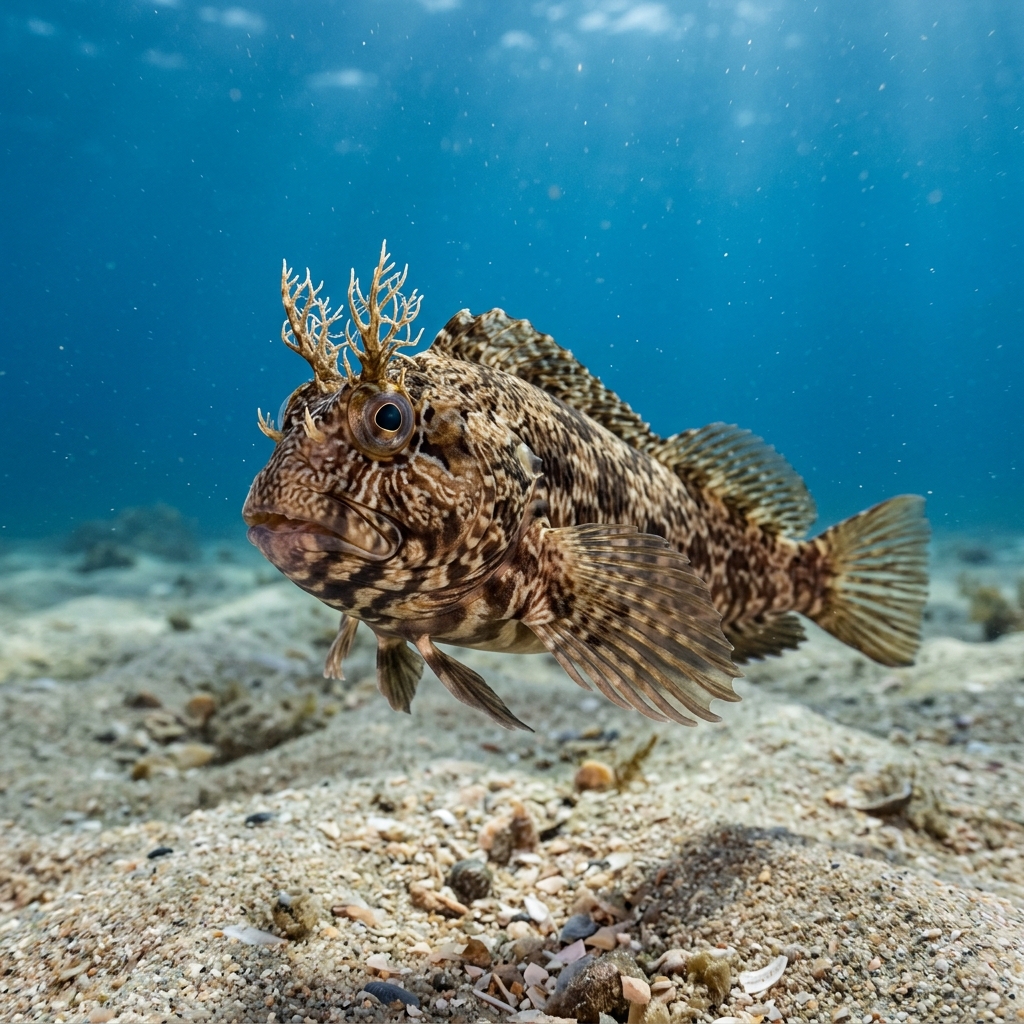
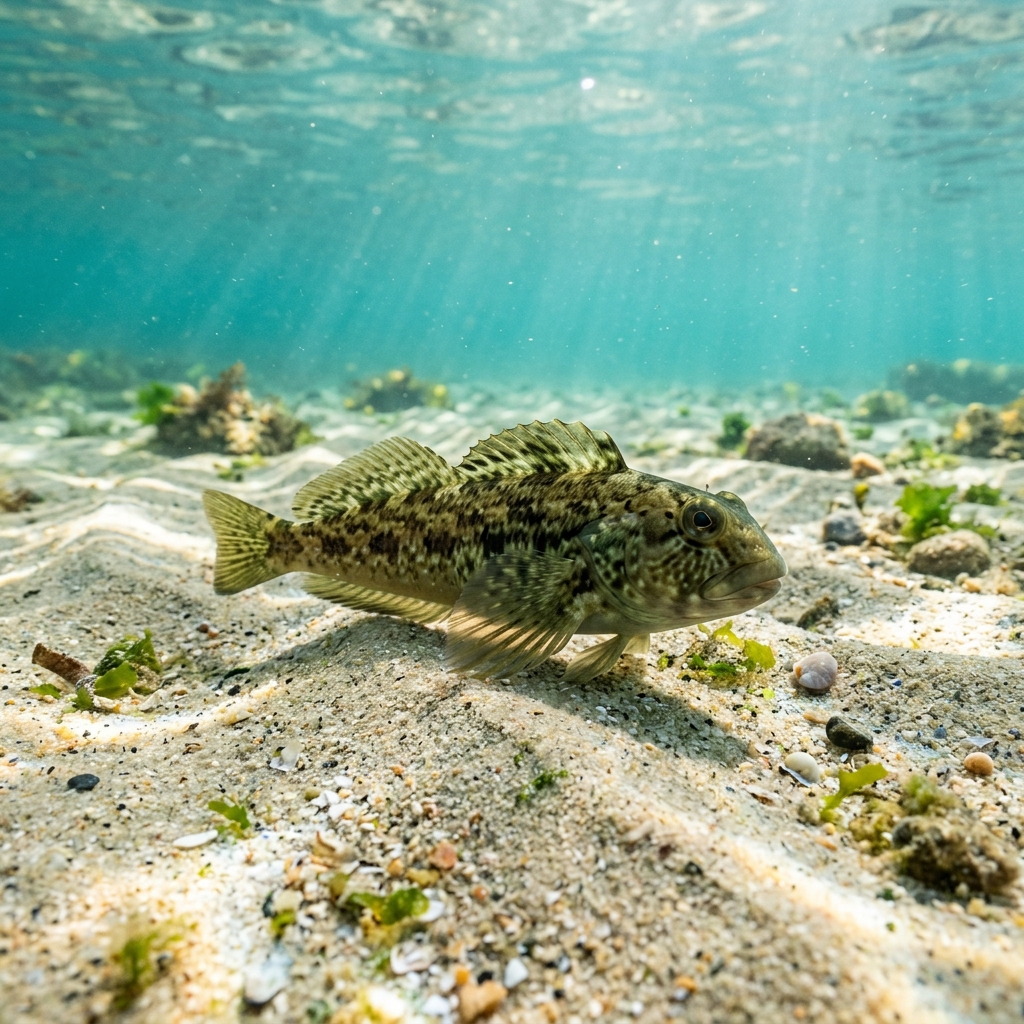
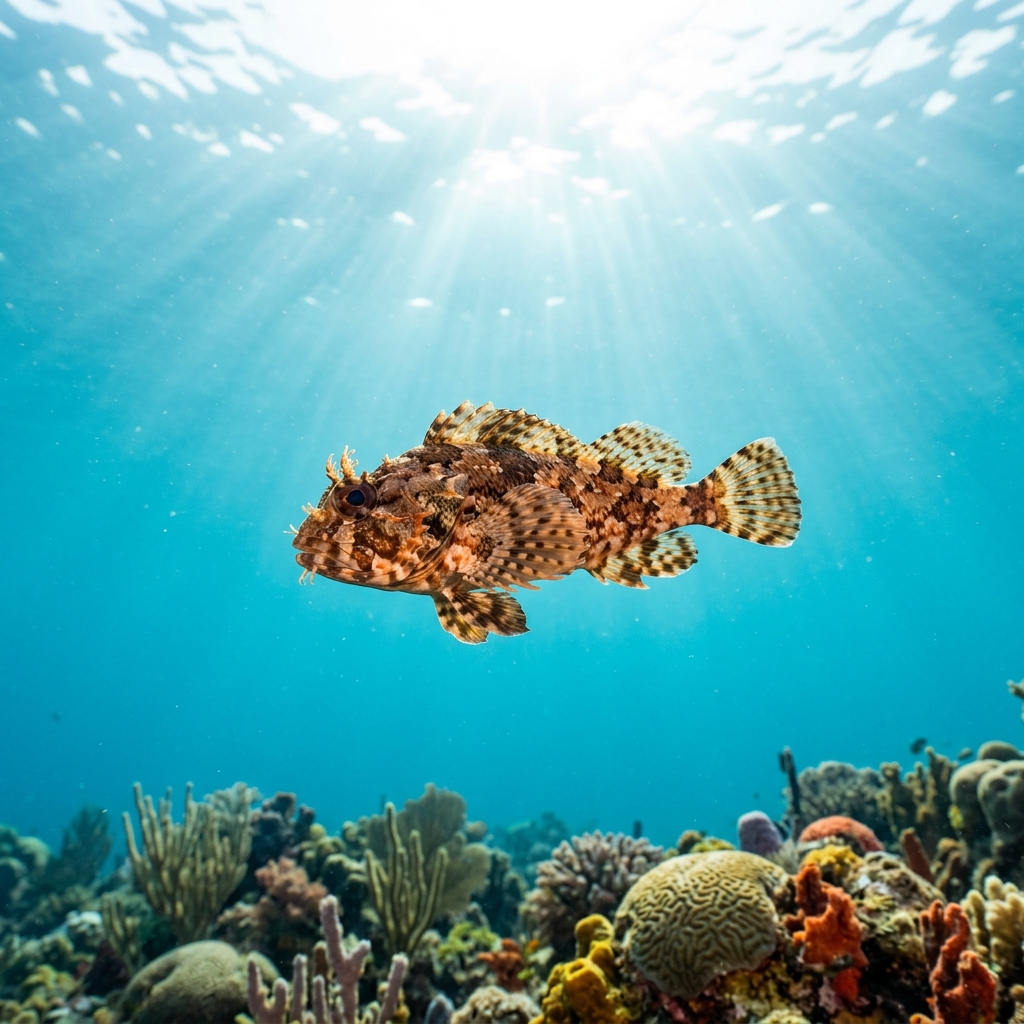
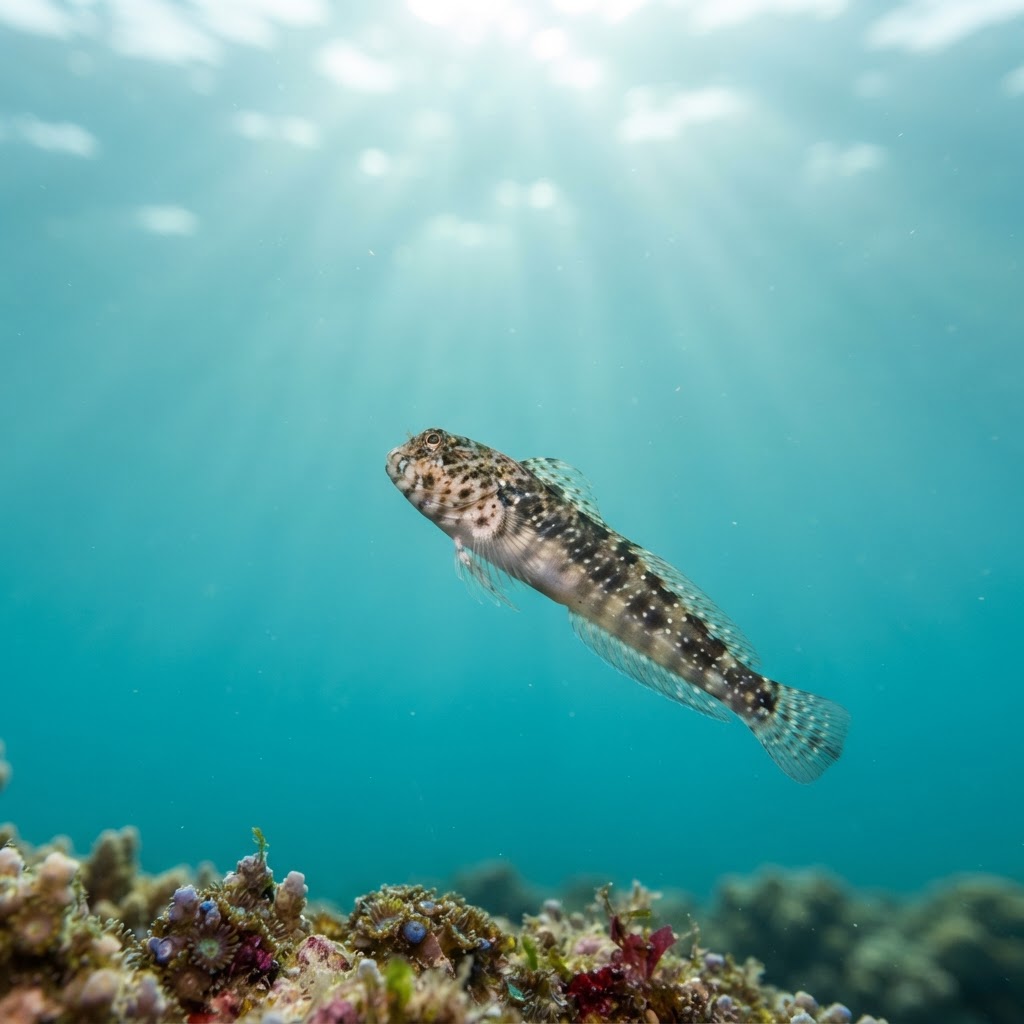
A stubby 7 cm fish that sits propped on its pectoral fins rather than swimming freely, blending into rock and rubble with mottled brown and grey patterning. Look for the blunt head, large eyes set high, and the way it perches motionless on a rock ledge or dead coral rather than hovering. There is no obvious sail-like dorsal fin or bright lip colour to catch the eye, which is exactly why divers scan past it.
Expect to find it wedged into a crevice or perched on a chunk of rock or dead coral in shallow water, staying put rather than darting off when you approach. It relies on staying still and blending in rather than fleeing, so slow, close looks over rubble and rocky patches on the reef edge are the way to find one. Most sightings come from divers deliberately checking low rocky structure rather than mid-water scanning.
Like other blennies it has no scales and depends on camouflage and staying motionless against rock rather than speed to avoid being noticed, which is why it is logged as uncommon at most sites rather than rare.
No clear season shows up in the sightings, and with a comfortable range of 26.5 to 28.2C across its Caribbean sites, it is around on the reef year-round.
Reef neighbours a diver could mistake it for. Use the identification notes above to tell them apart.
Most reliably logged along Colombia's Caribbean coast and around Grand Cayman, with strong showings too at Bayahibe in the Dominican Republic. Divers also find it around Martinique's Anses-d'Arlet and Saint-Pierre, in Guadeloupe's Basse-Terre, and off Tobago, with occasional sightings in Bonaire.
Mapping where Pearl Blenny is logged…
It shows up most often along Colombia's Caribbean coast, around Grand Cayman, and at Bayahibe in the Dominican Republic. Smaller numbers turn up in Martinique, Guadeloupe, Tobago and Bonaire.
There is no strong seasonal pattern in the sightings, so it is a year-round find on Caribbean reefs where water stays around 26.5 to 28.2C.
Look for a small, 7 cm mottled brown fish propped motionless on rock or rubble rather than swimming in open water. Its blunt head and lack of bright lip colour or tall dorsal fin help separate it from showier blennies nearby.
They stay small, typically around 7 cm, making them an easy fish to miss unless you are looking closely at rocky rubble patches.
No. They are harmless to divers and simply sit still on rock or rubble when approached.
Site and sighting data is aggregated from diver logs, iNaturalist and GBIF. For taxonomy and conservation status:
Rusty Blenny
2,605 sites