Istiblennius meleagris
A small tide-pool blenny logged uncommonly at reef sites in Queensland, Australia, in water between 22 and 29C year-round.
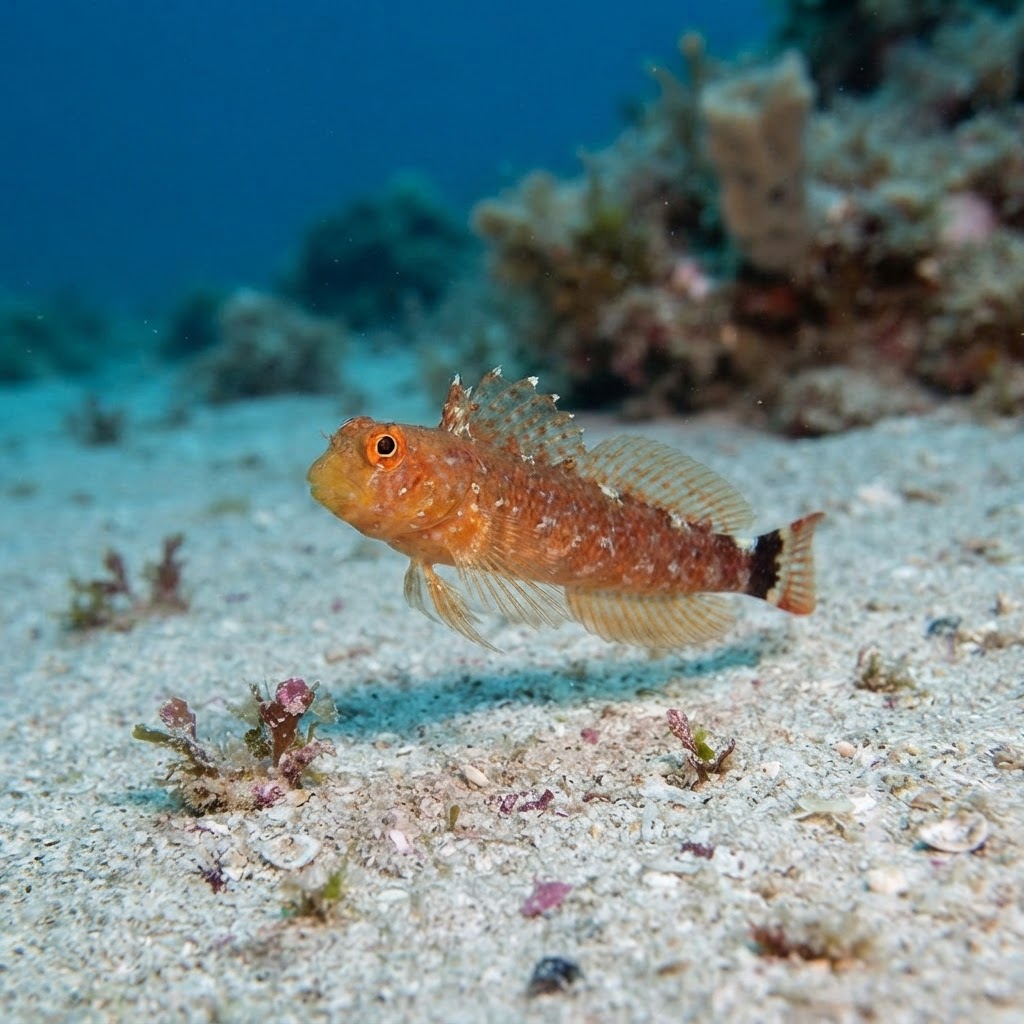
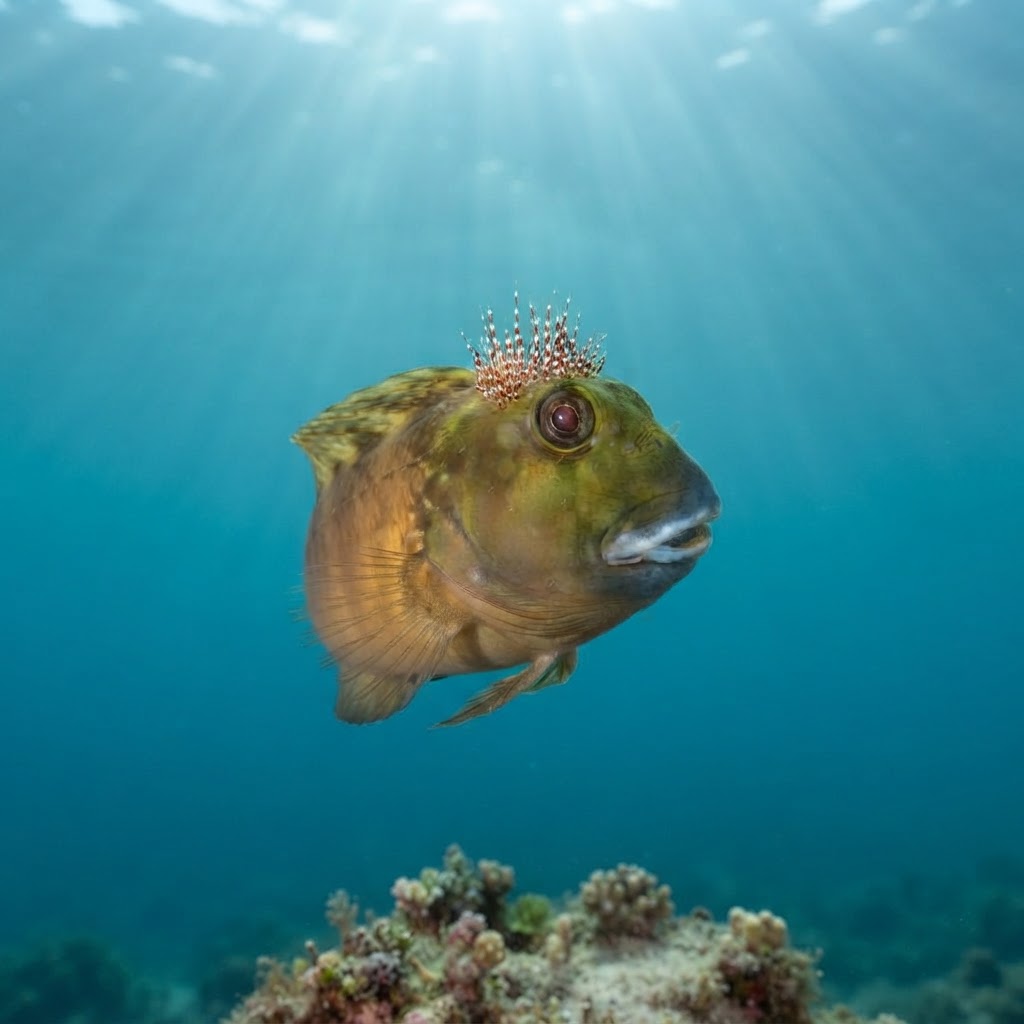
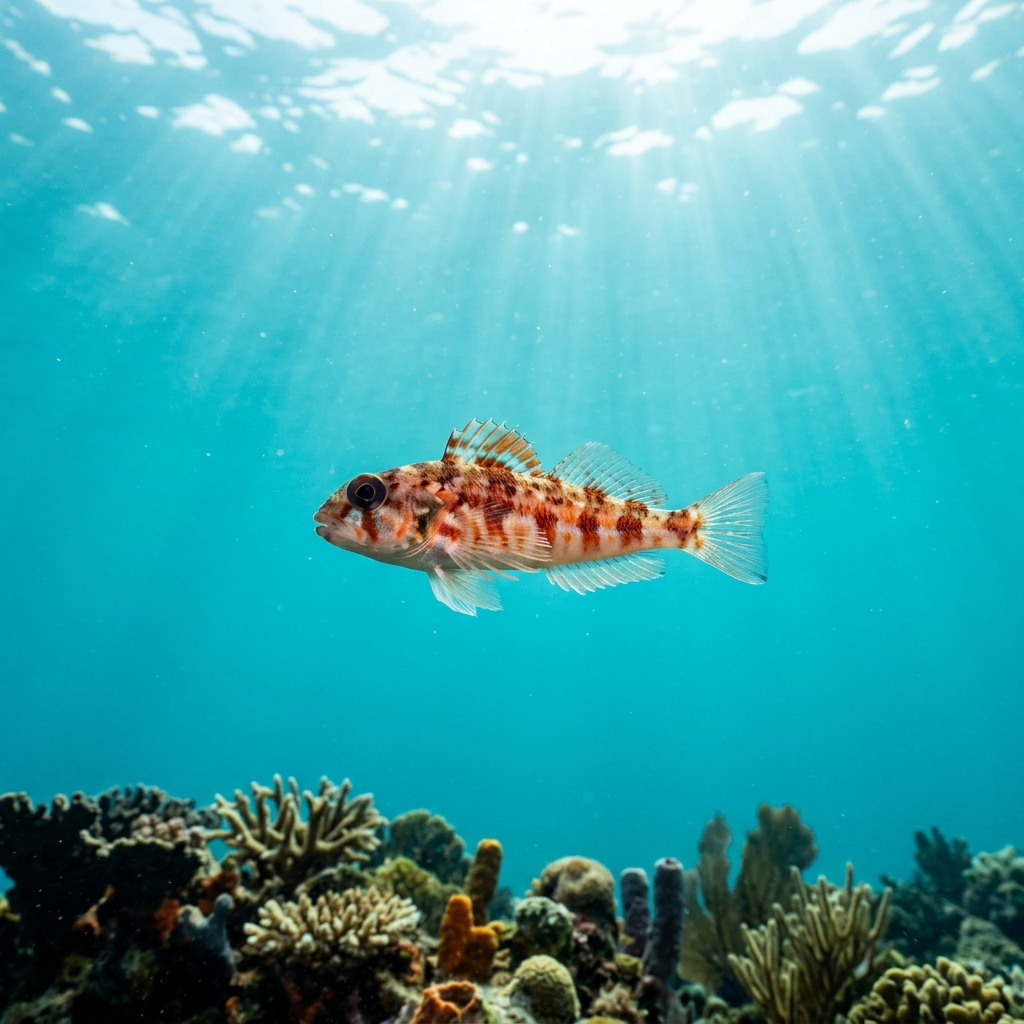
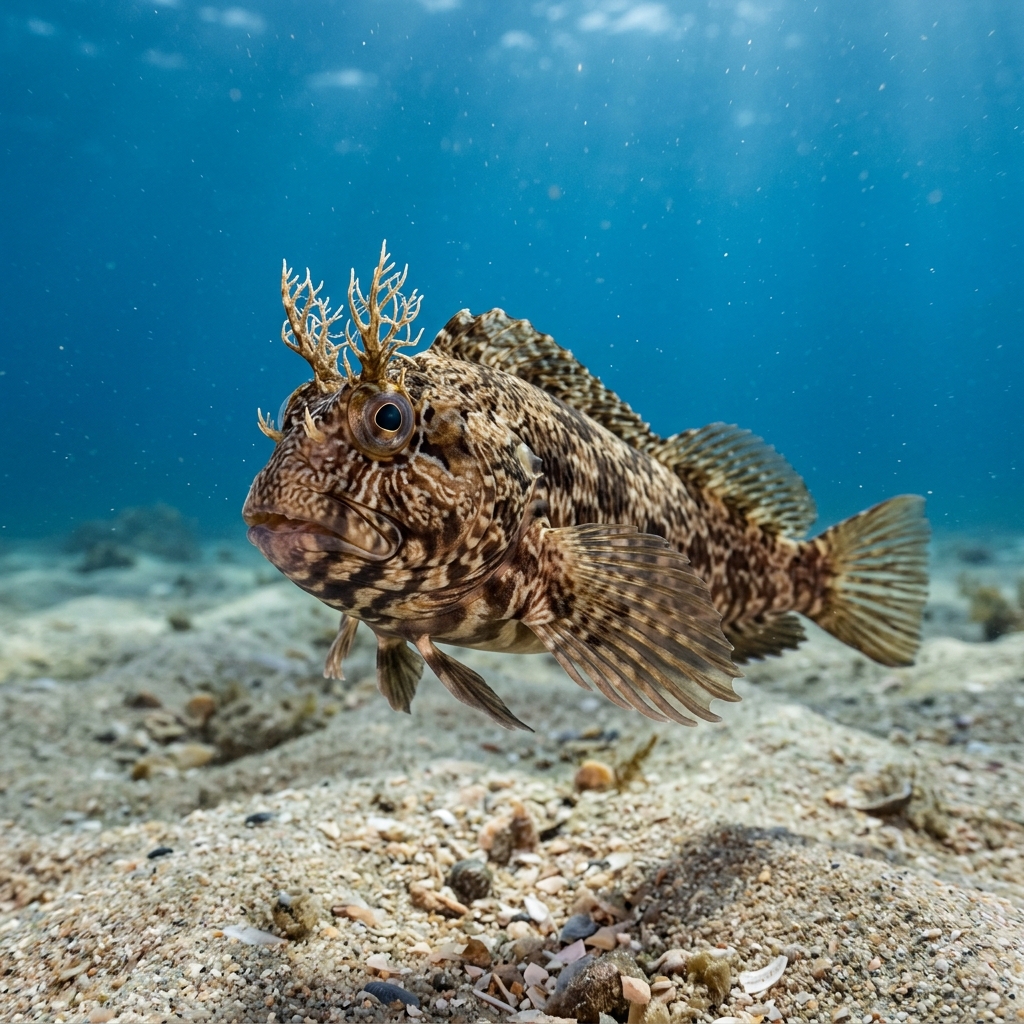
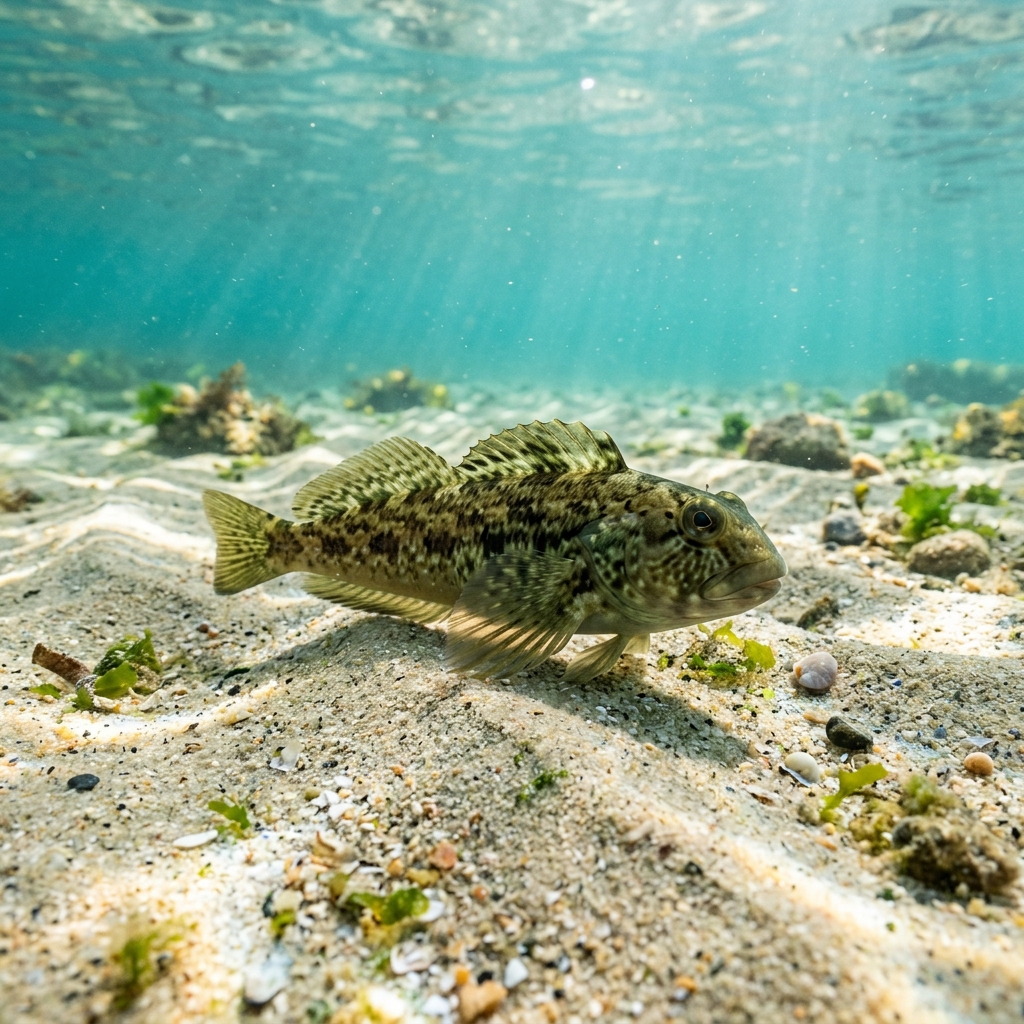
A stubby, blunt-headed blenny that tops out around 10cm, easy to miss until it darts between rock crevices. Look for mottled brown-to-olive patterning broken by paler speckling along the flanks, and a rounded head with no obvious long cirri (fleshy head appendages) sticking up. It perches propped on its pectoral fins on rock or rubble rather than swimming in open water, which is often the first giveaway.
Expect to find it sitting still on rock or rubble in shallow water, using its pectoral fins to prop itself up while it watches its surroundings rather than actively swimming. It tends to hold position and rely on camouflage against divers and snorkellers rather than fleeing immediately, then flicks off into a crevice if approached too closely. Logged as uncommon at every site it has been recorded, so spotting one usually takes a slow, close look at rock and rubble rather than open-water scanning.
Like other rockskippers, it can survive brief exposure out of water in tide pools and splash zones, tolerating air exposure that would trouble most reef fish.
Sightings show no detectable seasonal pattern, and the observed temperature range of 22.2 to 29.3C spans Queensland's reef conditions across the year, so it is best treated as a year-round find rather than tied to a particular month.
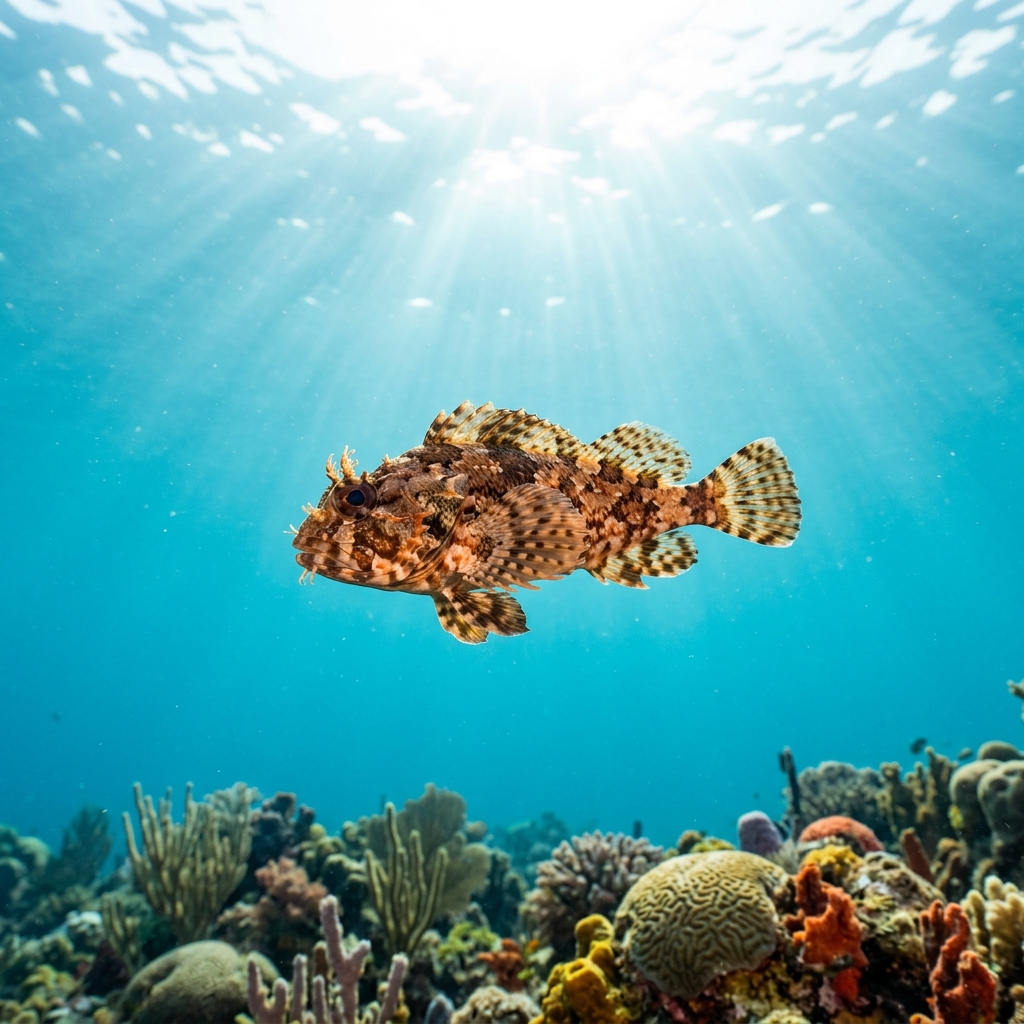
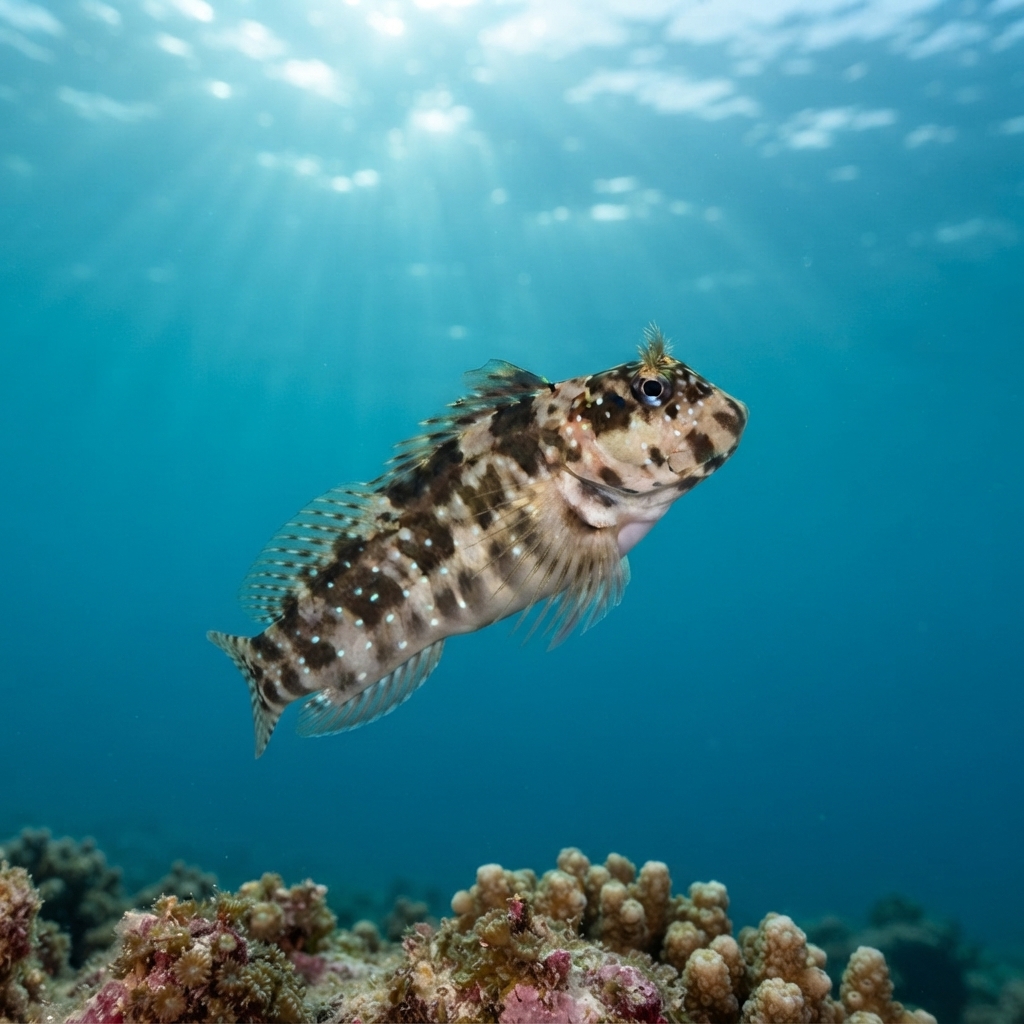
Reef neighbours a diver could mistake it for. Use the identification notes above to tell them apart.
All logged sightings so far come from Queensland, Australia, making it the only confirmed region for this species among diver records. If you are working the shallow reef flats and rocky margins around Queensland dive and snorkel sites, this is where to keep an eye on the substrate rather than the water column.
Mapping where Peacock Rockskipper is logged…
Every confirmed sighting so far is from Queensland, Australia, particularly at shallow reef and rocky reef-flat sites. It has not been logged elsewhere in diver records to date.
There is no clear seasonal pattern in the sightings data, and it tolerates water from 22.2 to 29.3C, so it can turn up on Queensland reefs at any time of year.
Look for a small, stubby blenny around 10cm long with mottled brown and olive patterning and pale speckling, propped on rock or rubble on its pectoral fins rather than swimming freely. Its blunt head and habit of staying still against the substrate are the easiest cues.
They are a small blenny, typically reaching around 10cm in length, so they are easy to overlook among rock and rubble.
No, they pose no danger to divers or snorkellers. They are small, shy substrate-dwellers that retreat into crevices rather than confront anything nearby.
Like related rockskipper blennies, it can tolerate short periods out of water in tide pools and splash zones, a trait that helps it survive in the shallow, exposed rocky habitat it favours.
Site and sighting data is aggregated from diver logs, iNaturalist and GBIF. For taxonomy and conservation status:
Rusty Blenny
2,605 sites