Glossodoris pallida
Pale-bodied nudibranch logged across KwaZulu-Natal's reefs, uncommon but reliable in warm 22-28C water year-round.
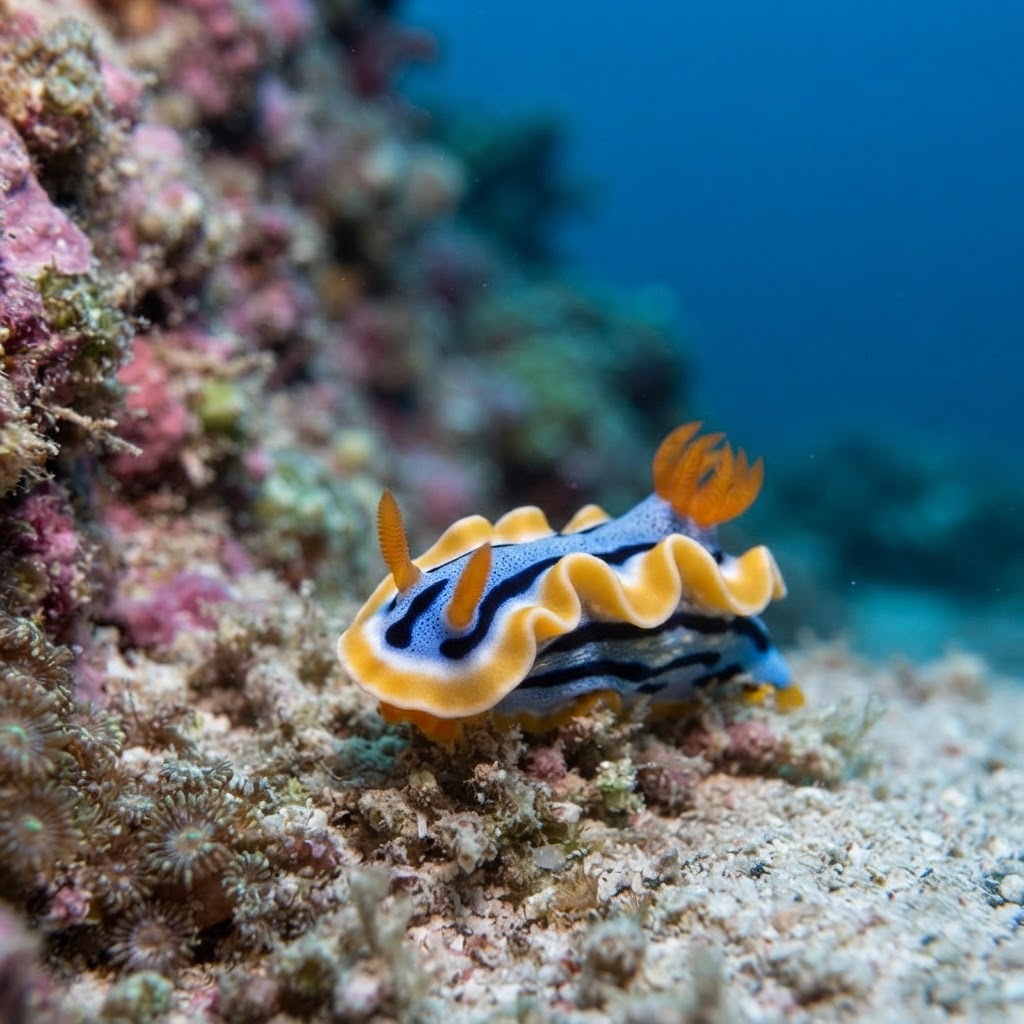
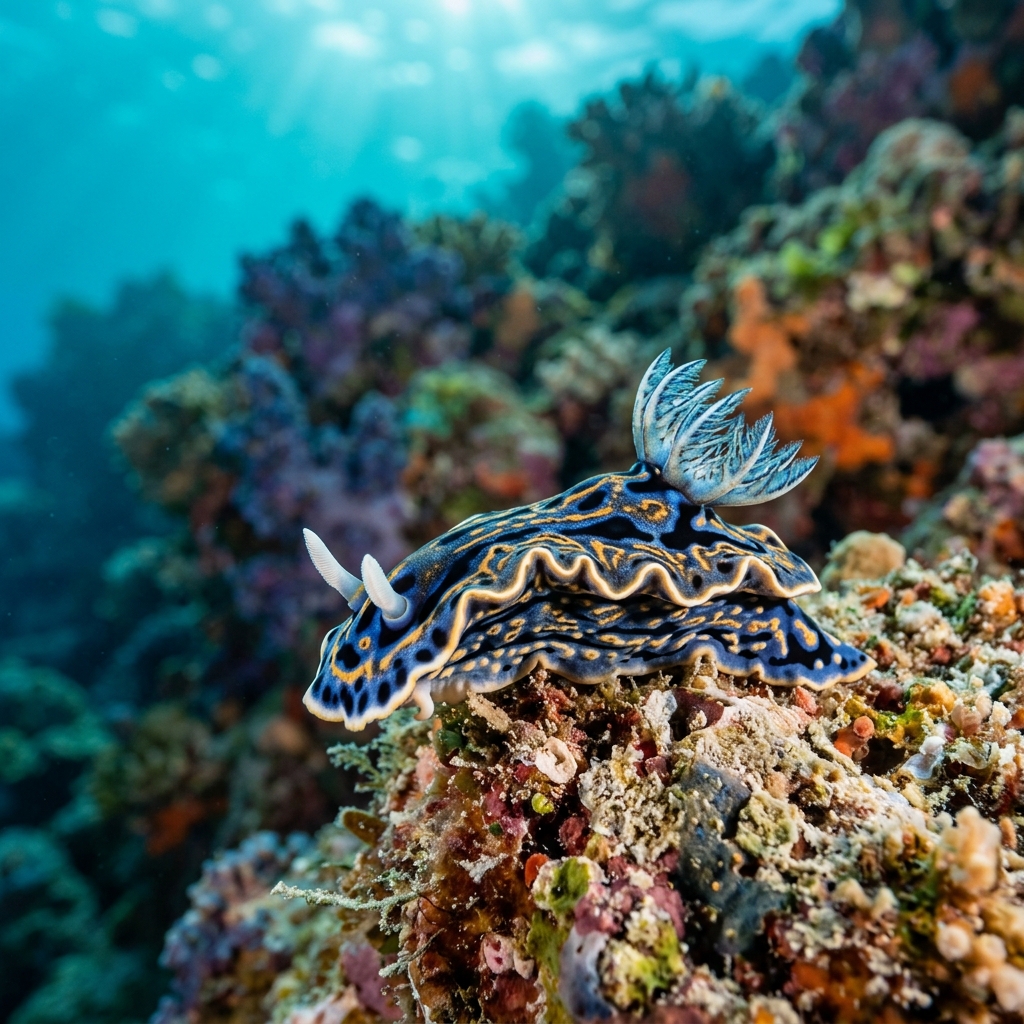
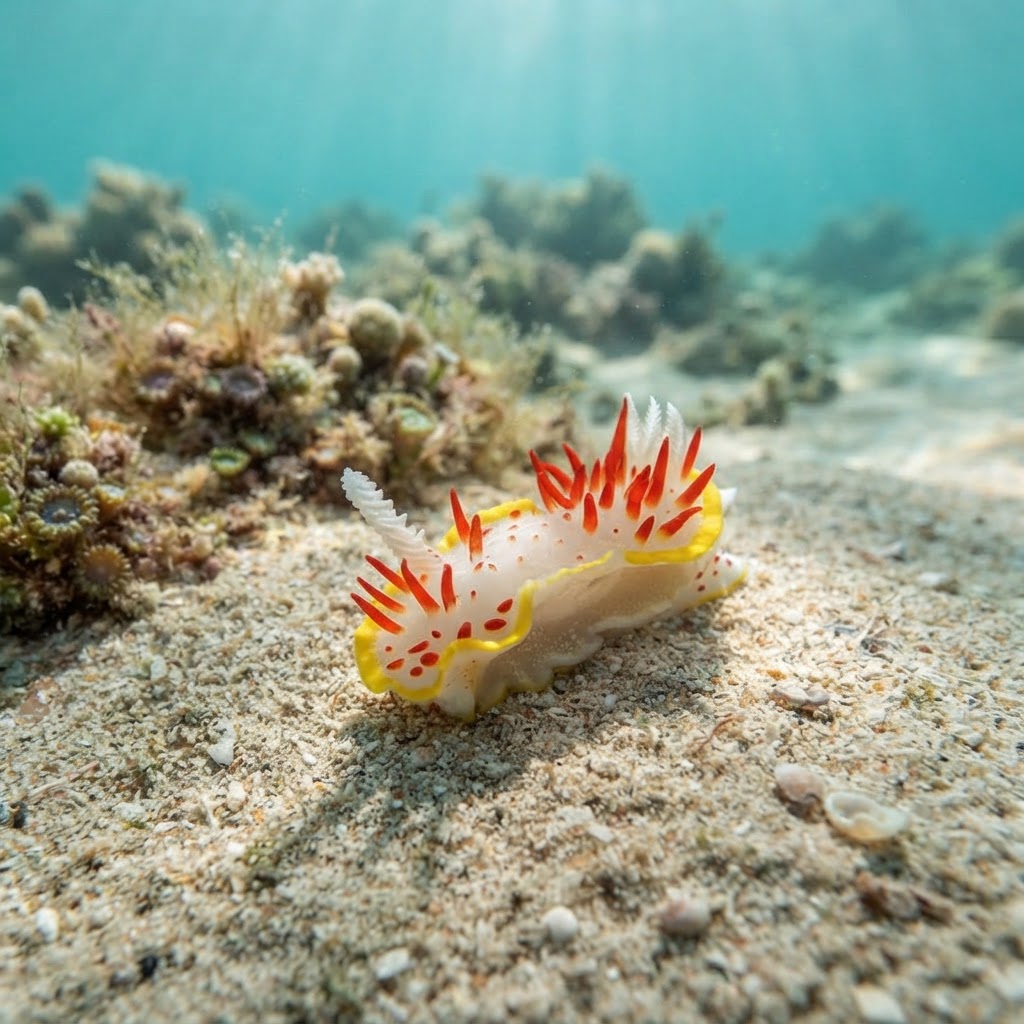
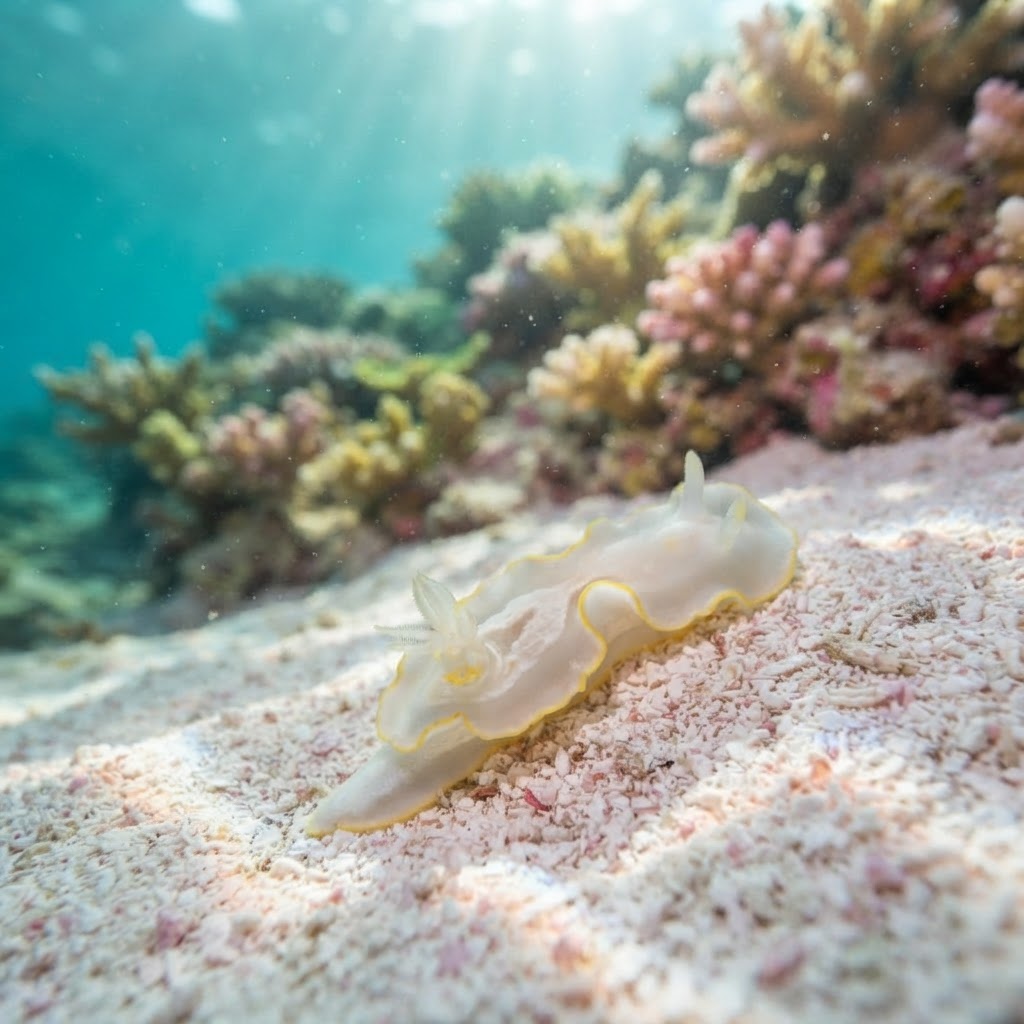
A small, slug-shaped nudibranch reaching about 3cm, with a pale, almost translucent white to cream body that gives it its name. Look for a low, soft-edged mantle and a subtle border colour running along its rim, plus the paired rhinophores (sensory tentacles) and feathery gill tuft at the rear that mark it as a dorid nudibranch. Its plain, understated colouring makes it easy to overlook against sand or pale sponge unless you are scanning closely.
Divers find it slow-moving over reef rock and rubble, grazing rather than swimming, and it pays no attention to divers hovering close for a photo. Like other dorid nudibranchs it is usually spotted during the day on close, methodical reef scans rather than open-water sightings. Expect to search it out rather than stumble across it, as it sits at the uncommon end of the sighting scale even at its best sites.
Like other Glossodoris species, it likely feeds on sponges and stores or repurposes chemical compounds from that diet as a form of chemical defence, which is part of why nudibranchs can afford to sit out in the open unbothered.
No clear seasonal pattern shows up in the sighting data, and it turns up in water from 22.3 to 28.3C, so treat it as a year-round find on these reefs rather than a seasonal target.
Reef neighbours a diver could mistake it for. Use the identification notes above to tell them apart.
Most reliably logged along South Africa's KwaZulu-Natal coast, with a strong secondary population around Ponta do Ouro in Mozambique. Smaller but confirmed sightings come from Shimoni in Kenya and Saint-Paul in Reunion, making the southwest Indian Ocean the reliable region for this species.
Mapping where Pallid Glossodoris is logged…
KwaZulu-Natal in South Africa is the most reliable region, with Ponta do Ouro in Mozambique a strong second. Shimoni in Kenya and Saint-Paul in Reunion have confirmed but fewer sightings.
There is no strong seasonal signal in the sighting data, and it has been recorded in water from 22.3 to 28.3C, so it is a reasonable find on these reefs any month.
Look for a small, pale, almost translucent white or cream nudibranch around 3cm long with a soft mantle edge and a subtle coloured border. Its plain colouring is the main clue, since it lacks the bold spots or stripes of many reef nudibranchs.
They stay small, typically around 3cm, so divers usually need to slow down and scan reef rock closely to spot one.
It is logged as uncommon at almost all of its known sites, so it is a find worth noting rather than something you will see on every dive.
Site and sighting data is aggregated from diver logs, iNaturalist and GBIF. For taxonomy and conservation status:
Blue Dragon
3,163 sites