Acanthurus leucocheilus
Grey-bodied surgeonfish with a pale mouth, most reliably found on Maldives house reefs in 26-29C water year-round.
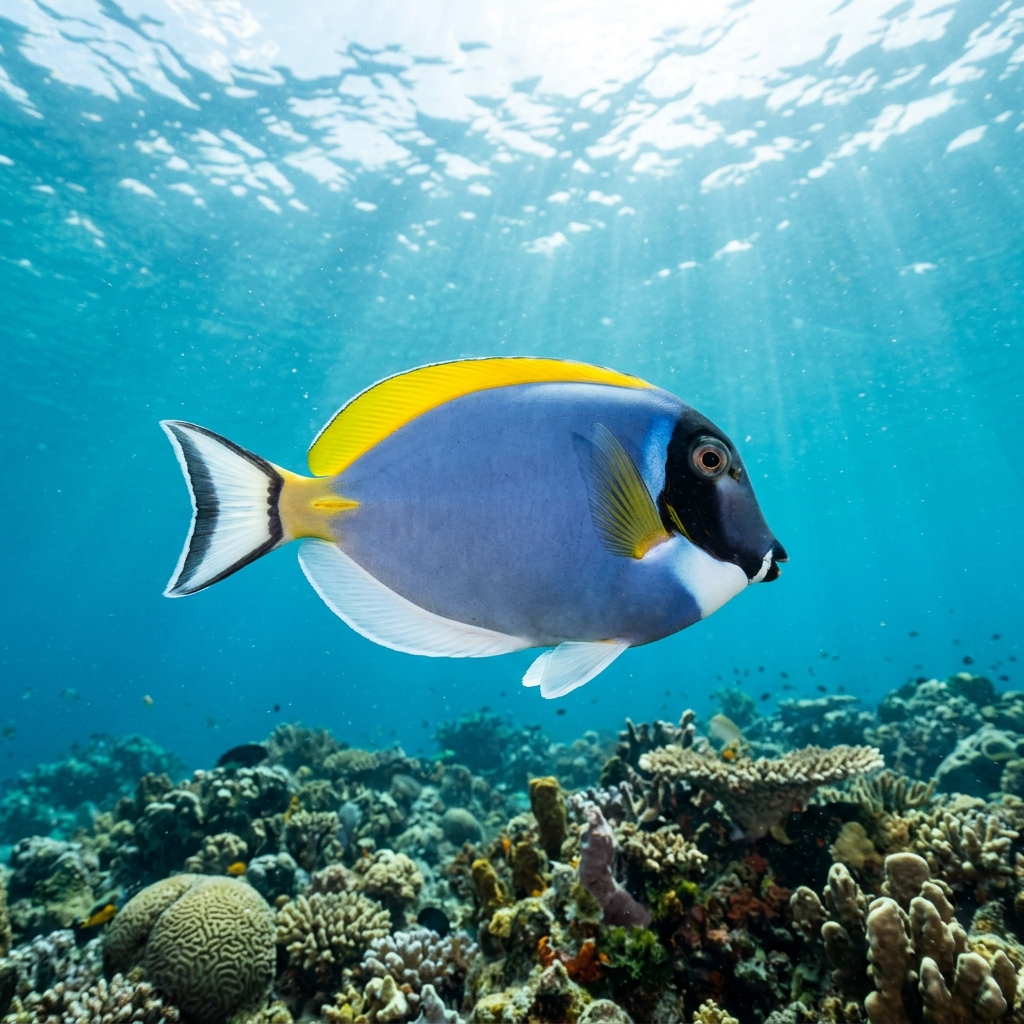
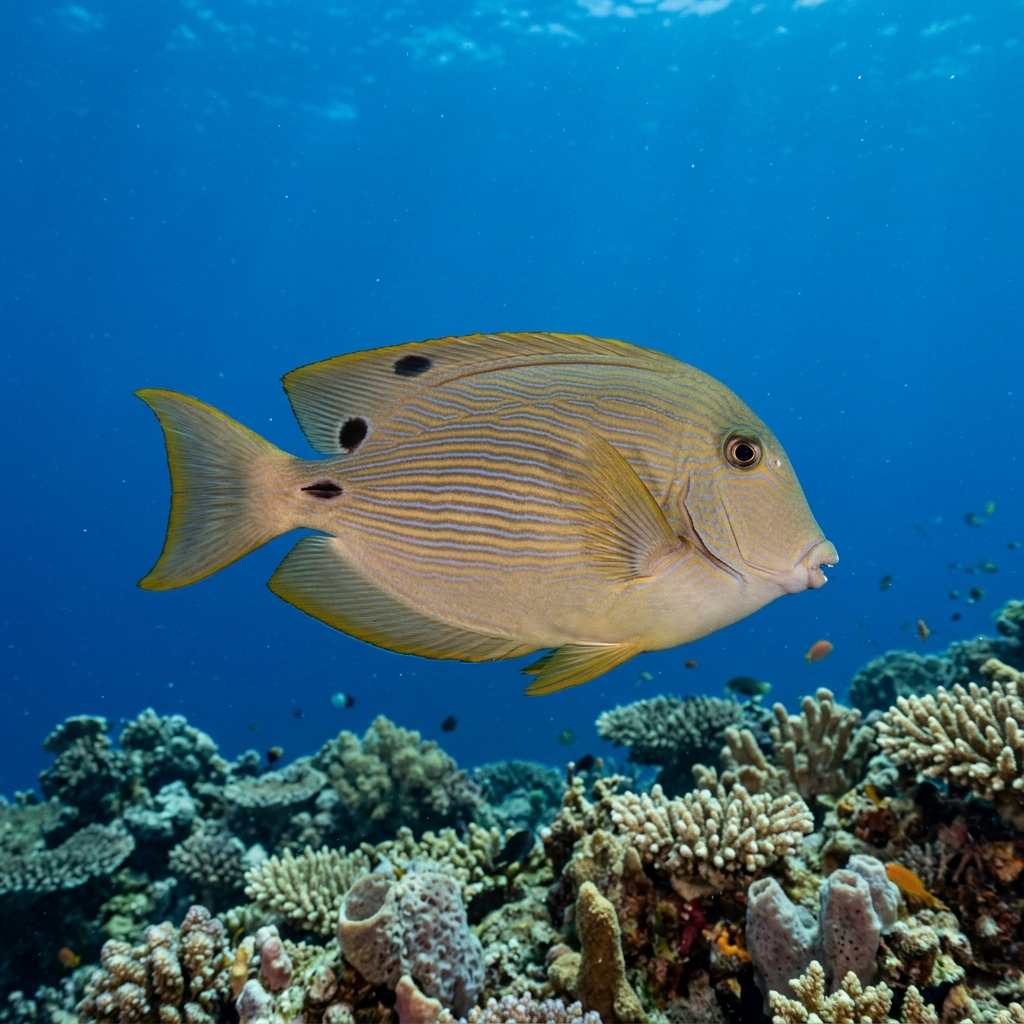
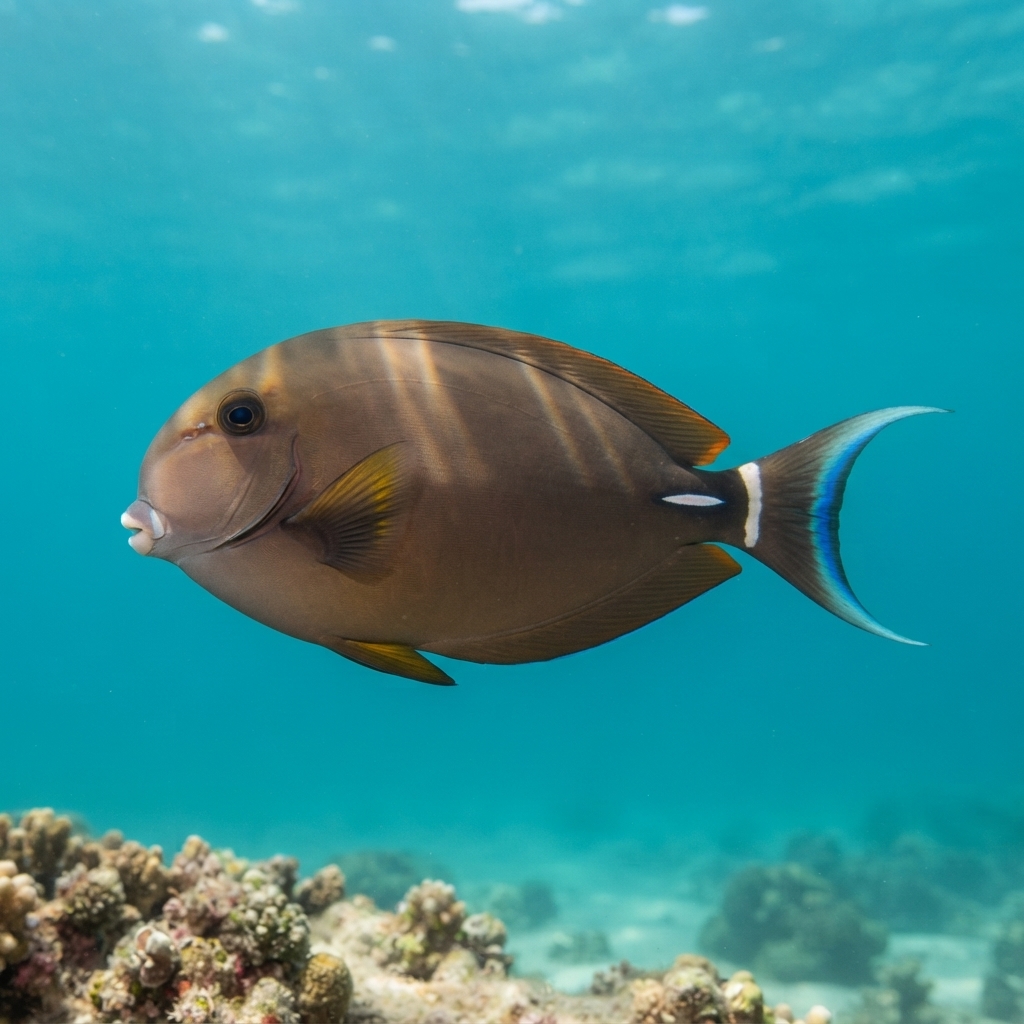
A deep, oval-bodied surgeonfish growing to around 31 cm, with an overall grey to grey-brown body that can look almost uniform from a distance. The giveaway is in the name: a pale, whitish patch around the mouth that stands out against the darker head, visible even on a passing look. Like other surgeonfish it carries a small, sharp scalpel-like spine near the base of the tail, usually tucked flat unless the fish feels threatened.
Divers mostly see this one cruising alone or in loose small groups over reef slopes and rubble areas, grazing on algae rather than putting on any display. It is not a fish that reacts much to divers, generally holding its feeding line and drifting off at an unhurried pace if approached too closely. Most logs describe it as an uncommon find even at the sites where it does occur, so a sighting tends to be a nice surprise rather than a guaranteed tick.
Like all surgeonfish, it carries a razor-sharp spine folded against its tail that locks upright in self-defence, which is where the family name comes from.
Sighting data does not show a clear season, so treat it as a year-round possibility on reefs sitting in the 26.2 to 28.9C range it seems to favour. Warm, stable tropical water rather than a specific month is what matters here.
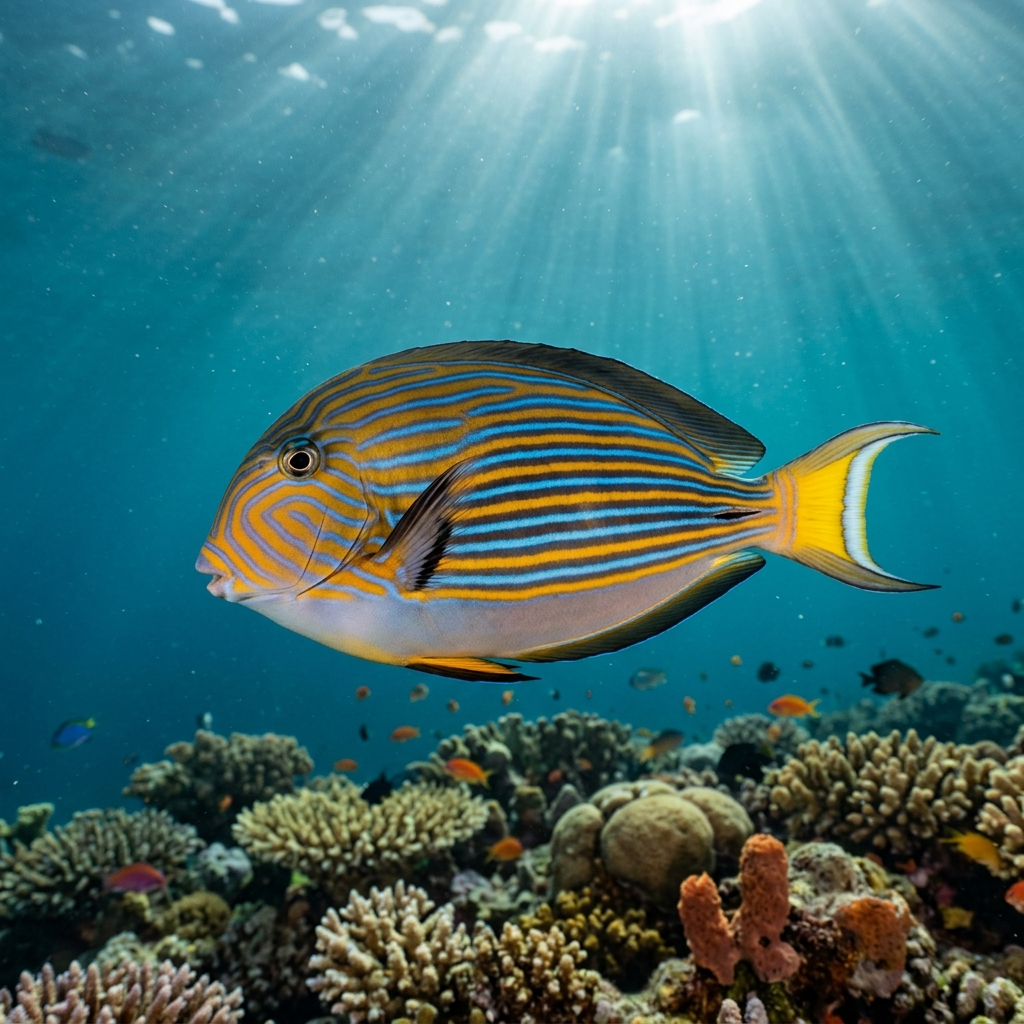
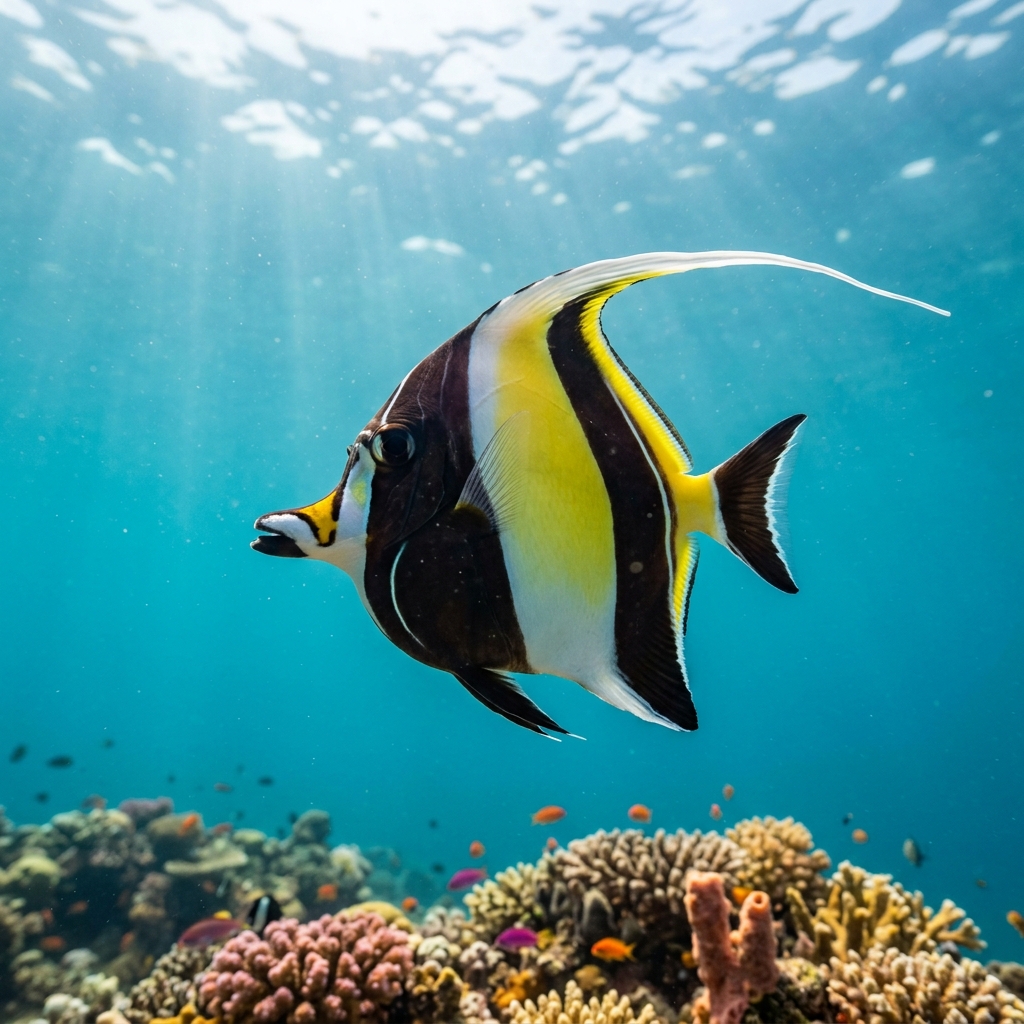
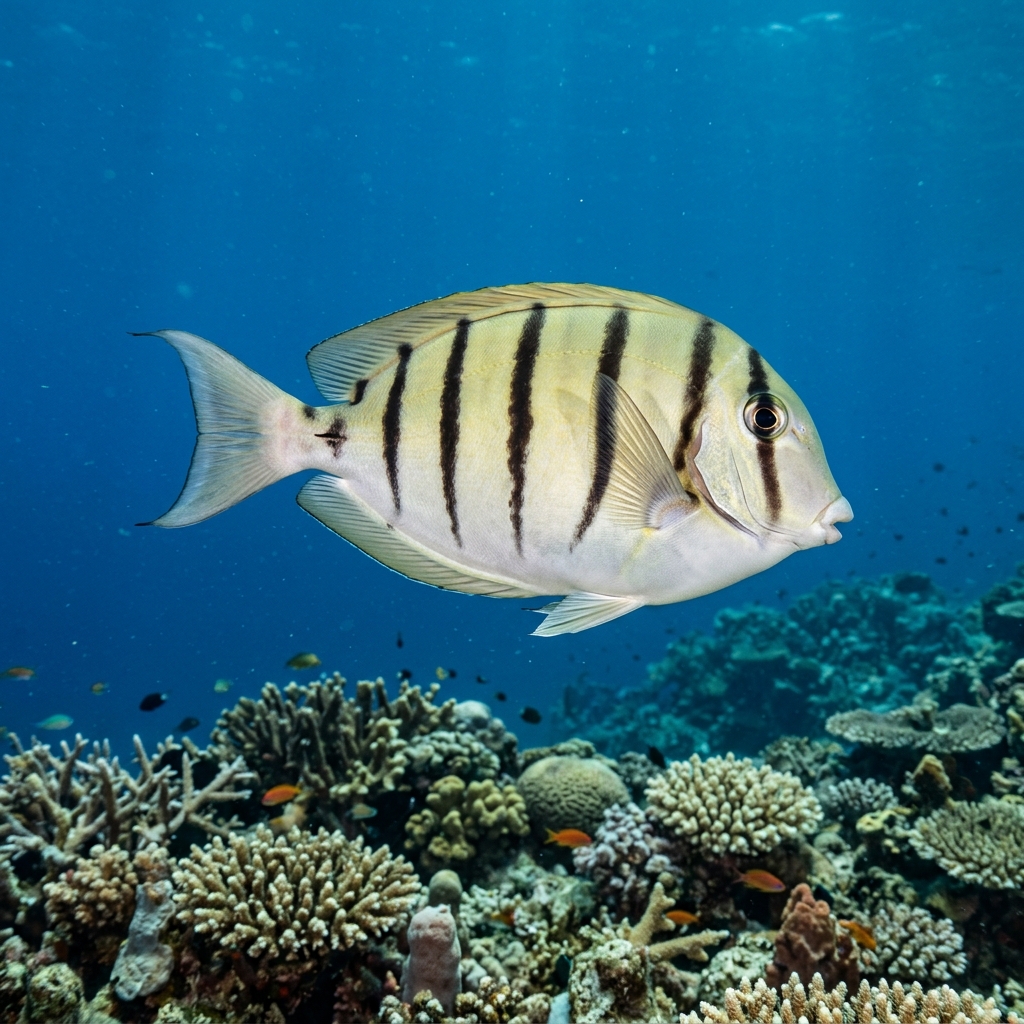
Reef neighbours a diver could mistake it for. Use the identification notes above to tell them apart.
This is very much a Maldives fish first: it turns up most consistently across the Central Atolls, with a scatter of further sightings in West Papua and Bali in Indonesia, and the Andaman Islands in India. Outside the Maldives it is logged far less often, so divers chasing it deliberately should plan a Maldivian atoll trip rather than counting on a random Indo-Pacific reef.
Mapping where Palelipped Surgeonfish is logged…
The most reliable region is the Central Atolls of the Maldives, where it turns up far more often than anywhere else logged. Smaller numbers of sightings come from West Papua and Bali in Indonesia and the Andaman Islands in India.
There is no strong seasonal pattern in the sightings, so it is best treated as a year-round fish on tropical reefs. It has been observed in water between 26.2 and 28.9C, which covers most of the diving calendar in its core range.
Look for a grey-brown, oval-bodied surgeonfish around 30 cm long with a pale, whitish patch around the mouth that contrasts with the darker head. It lacks bold stripes or bright colour patches, so the pale lips are the main feature to check.
They typically reach around 31 cm in length, putting them in the mid-size range for surgeonfish.
No, they are not considered dangerous to divers. Like other surgeonfish they carry a sharp spine near the tail used for defence against other fish, but it poses no real threat unless the fish is grabbed or cornered.
It is logged as uncommon at most of the dive sites where it appears, with only a handful of sites reporting it as common. It is not considered a threatened species, just an infrequent sighting on many reefs.
Site and sighting data is aggregated from diver logs, iNaturalist and GBIF. For taxonomy and conservation status:
Striped Surgeonfish
3,289 sites