Diagramma labiosum
Thick-lipped grunt fish logged at 63 sites across Queensland and NSW, often hovering solo under ledges on the Great Barrier Reef.
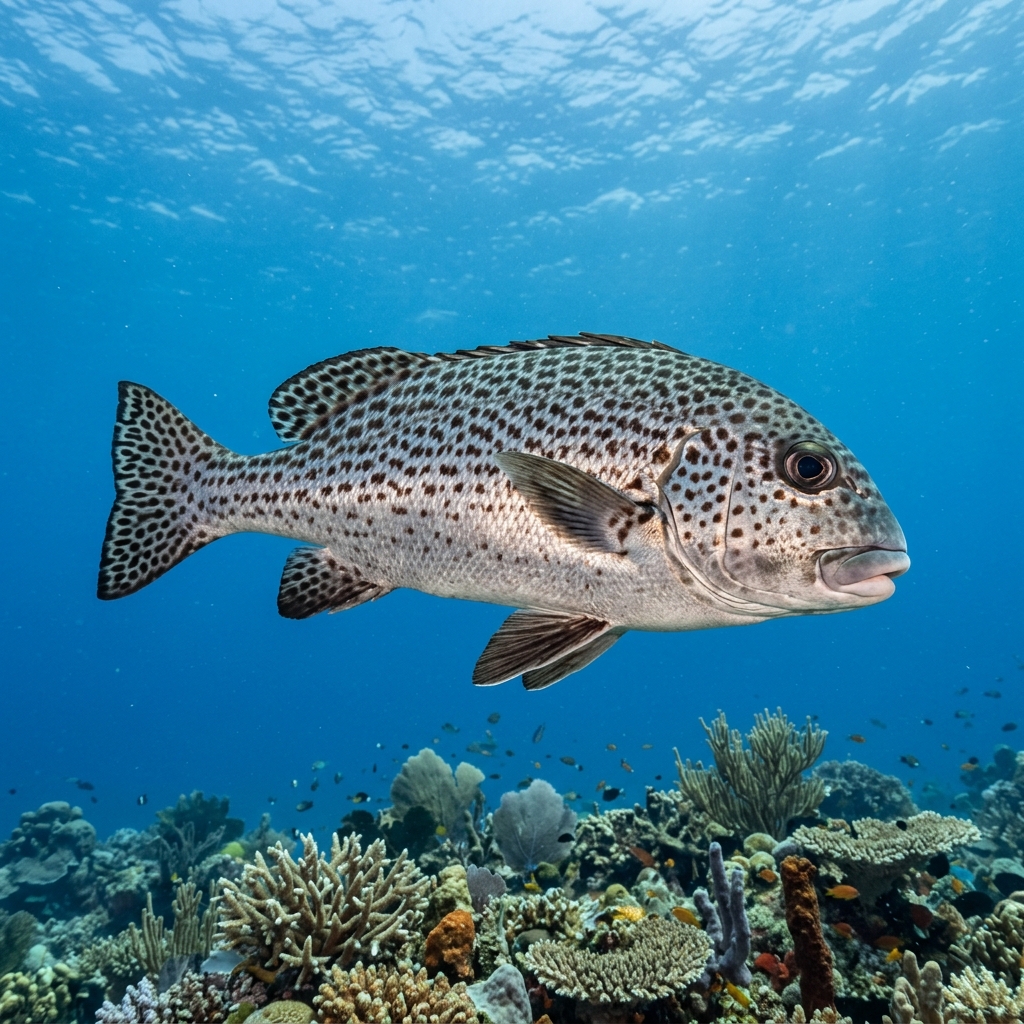
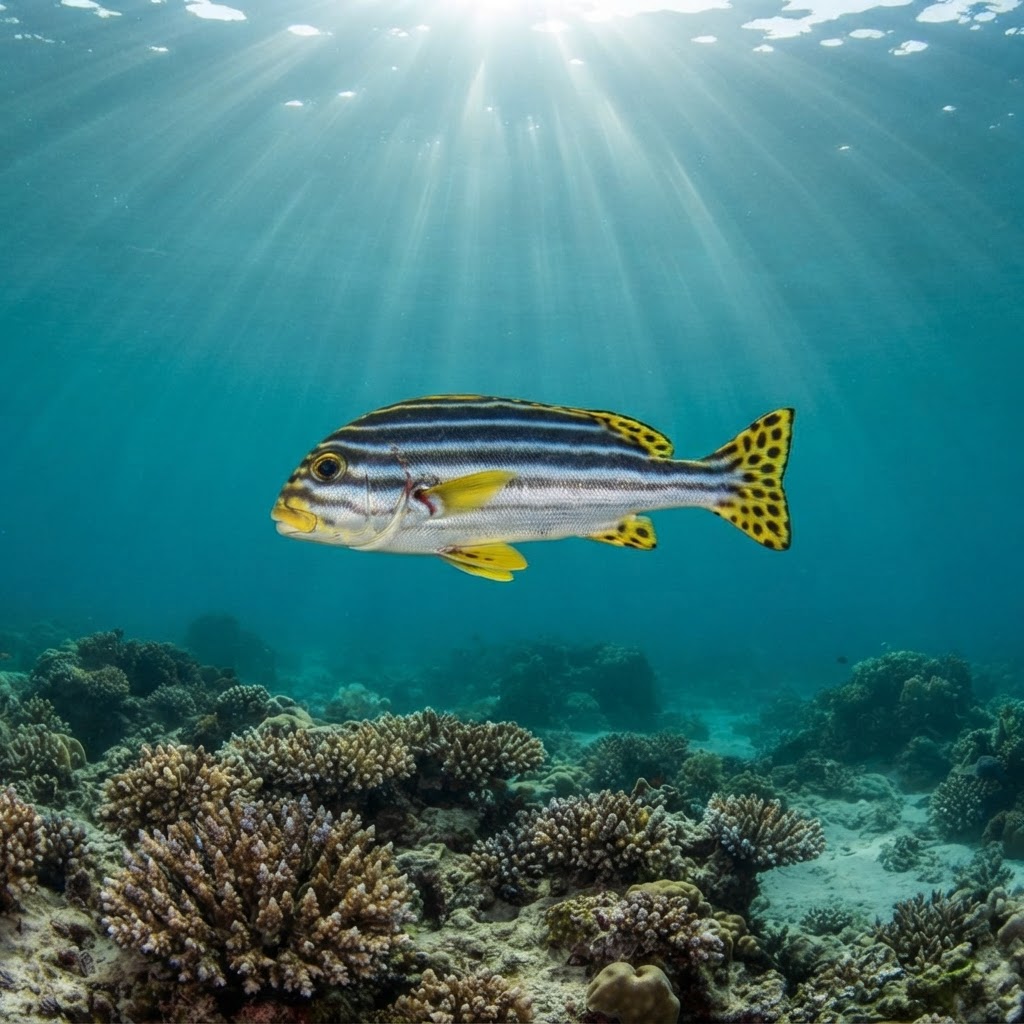
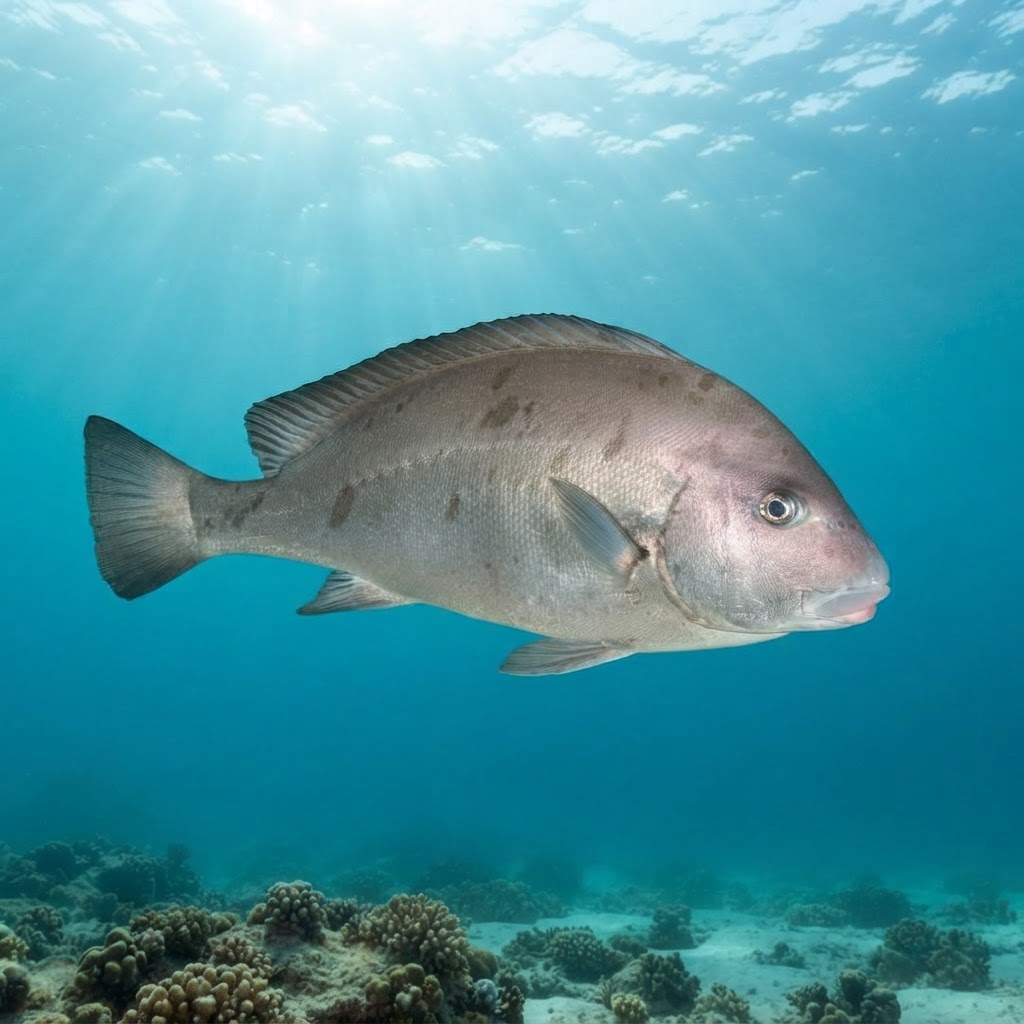
A heavy-bodied fish with a distinctly puffy, thick-lipped mouth and a grey to bronze body scattered with dark spots or blotches that fade with age. Adults reach around 62 cm and often hang motionless just off the reef rather than swimming in open water. Juveniles are patterned very differently, with bold wavy dark stripes and a more slender profile that makes them easy to mistake for a different species entirely until you spot that same fleshy lip shape.
Usually seen hovering singly or in small loose groups under ledges, in caves, or tucked against bommies during the day, barely moving as divers pass. It becomes more active at dusk and at night when it moves out to feed over sand and rubble patches, and by day it's generally unbothered by divers who keep a respectful distance rather than crowding it into open water.
That thick-lipped, sluggish daytime look is deceptive: sweetlips are nocturnal foragers, and the fish you find parked under a ledge at noon is simply resting up before its night shift hunting invertebrates over the sand.
No clear seasonal pattern shows up in the sightings, and with a comfortable range of 25 to 29 C it's a year-round resident of Queensland reefs rather than a seasonal visitor.
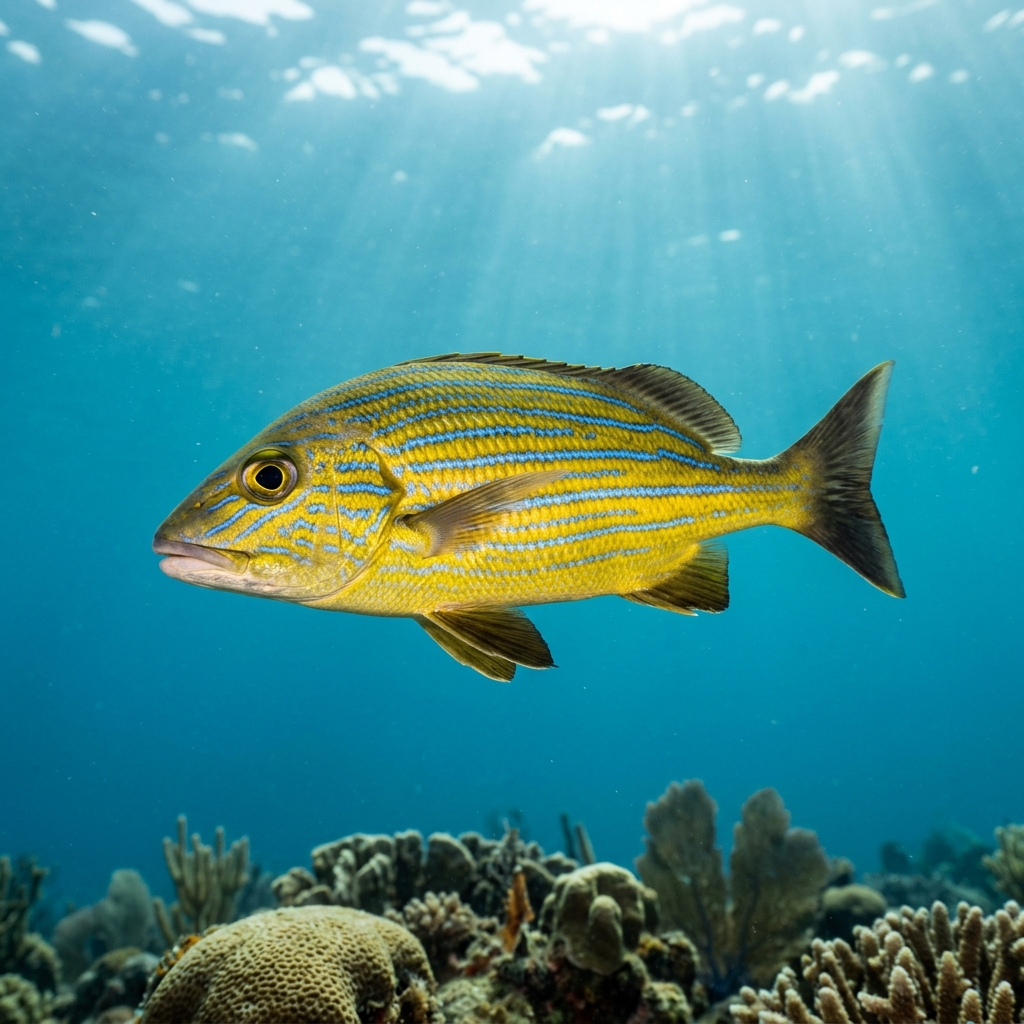
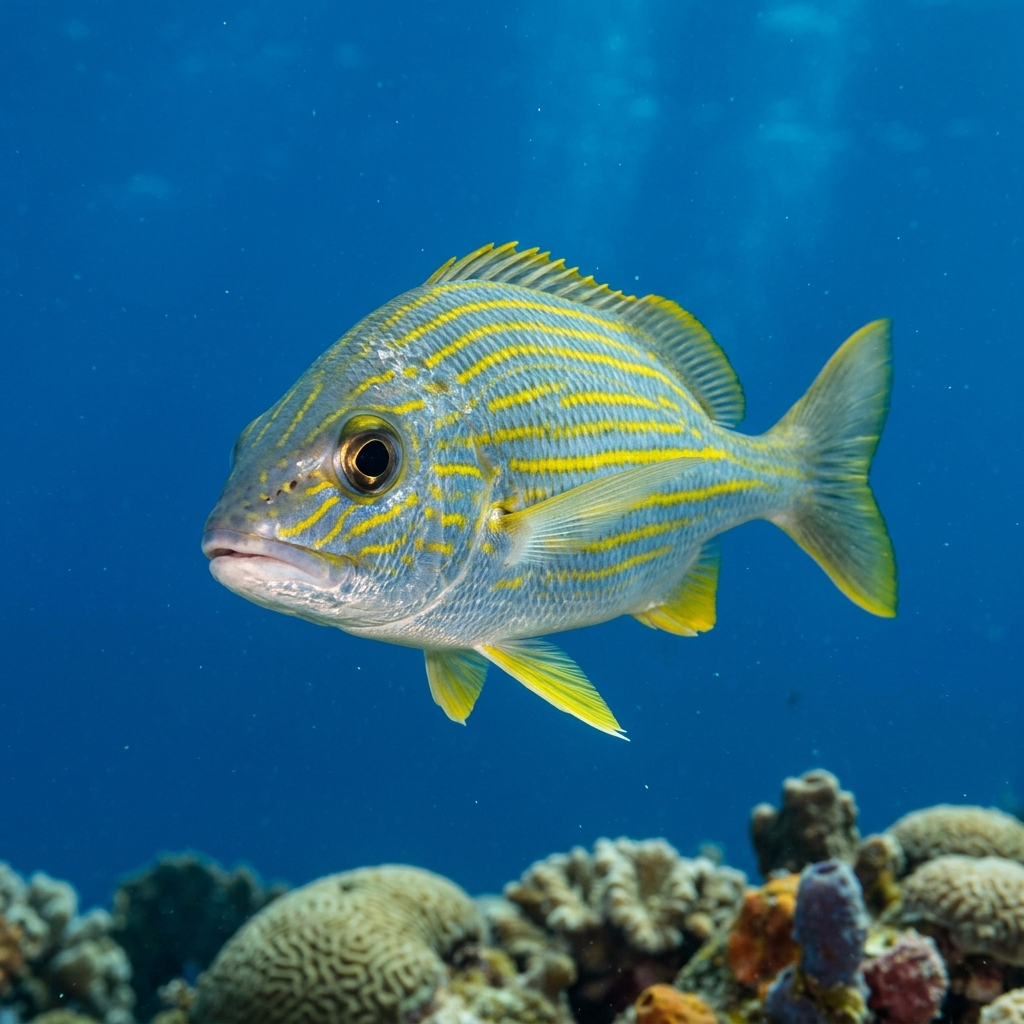
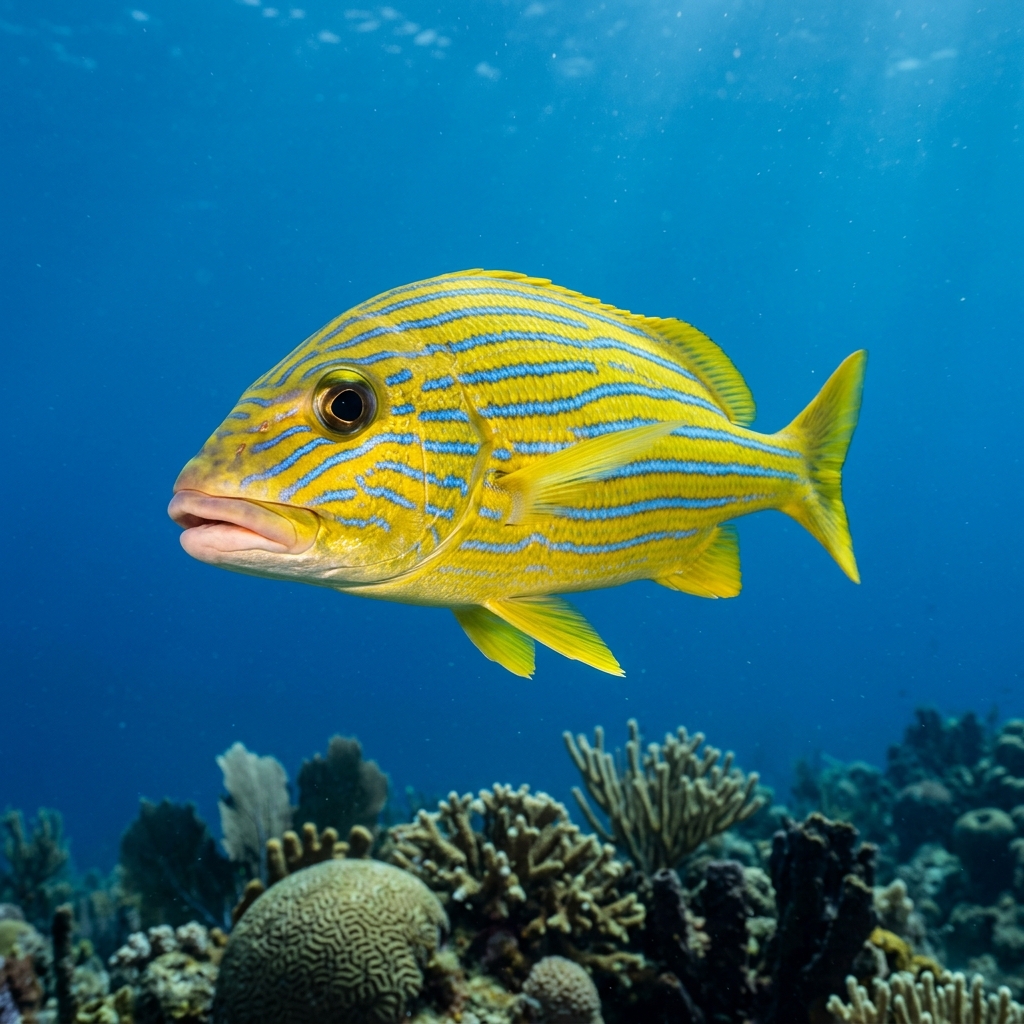
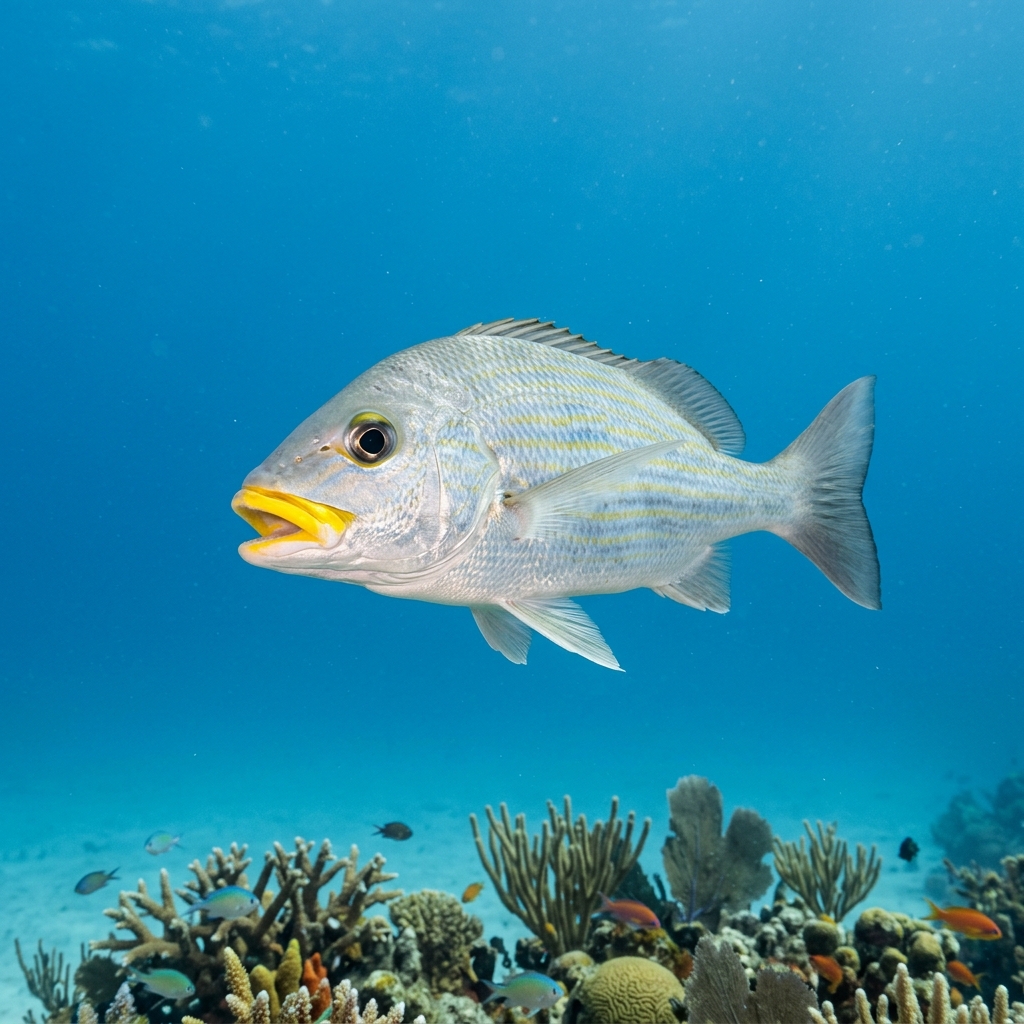
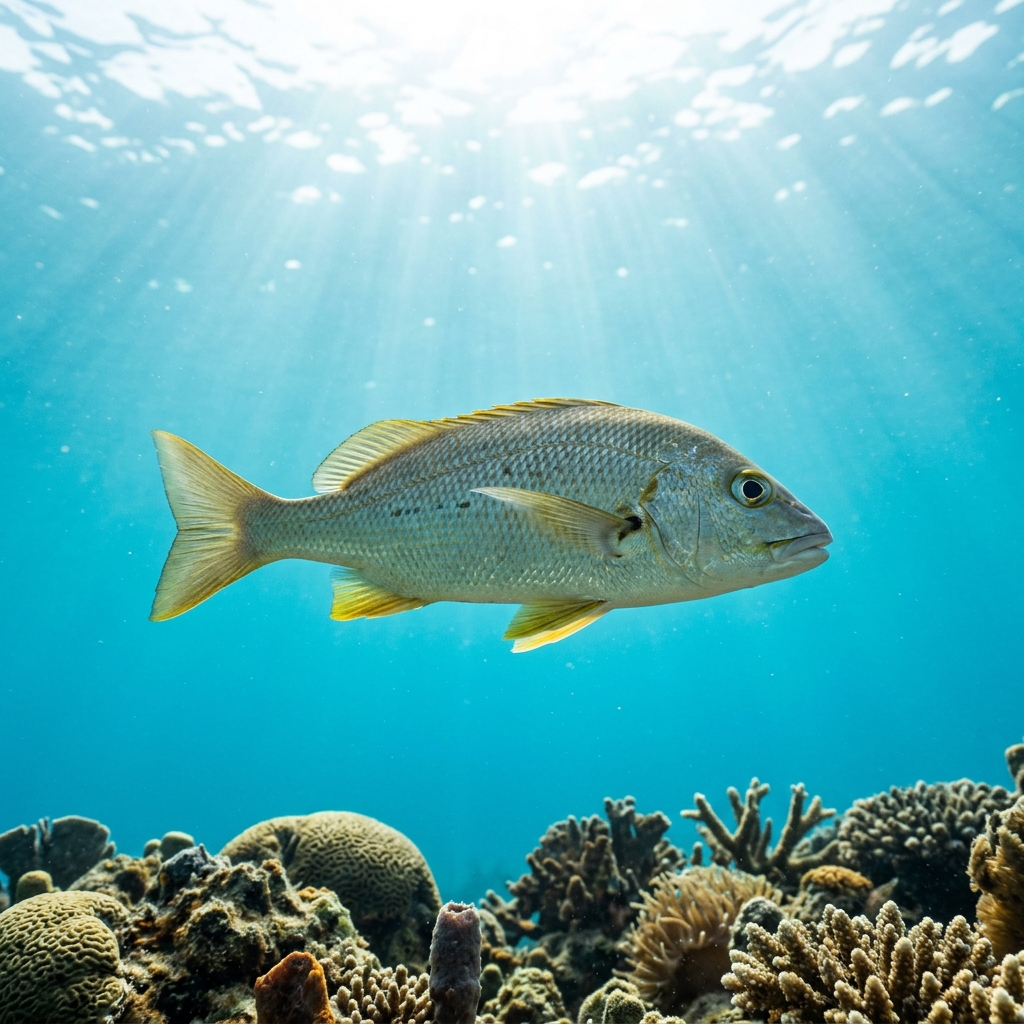
Reef neighbours a diver could mistake it for. Use the identification notes above to tell them apart.
Overwhelmingly a Queensland fish on the logs, with the Great Barrier Reef the most reliable place to find it and sightings concentrated there far more than anywhere else in Australia. New South Wales reefs also turn it up, though less consistently, and it hasn't been logged outside Australia in this dataset.
Mapping where Grey Sweetlips is logged…
Queensland is the standout region, with the Great Barrier Reef producing the great majority of logged sightings. New South Wales reefs also have populations, though sightings there are less frequent.
There's no strong seasonal pattern in the sightings, so they're logged year-round on Queensland reefs where water stays in a comfortable 25 to 29 C range.
Look for a heavy grey-brown body with dark spots and a noticeably thick, fleshy lipped mouth, usually seen hovering still under a ledge rather than cruising the reef.
They typically reach around 62 cm, making them one of the larger sweetlips species divers encounter on a reef ledge.
No, they're not considered dangerous. They tend to hold still under ledges by day and are easy to observe calmly without any risk to diver or fish.
Site and sighting data is aggregated from diver logs, iNaturalist and GBIF. For taxonomy and conservation status:
Bluestriped Grunt
1,907 sites