Ammodytes personatus
A slender silver fish that flashes in tight schools across the Pacific Northwest, often overlooked but worth a closer look on your next dive.
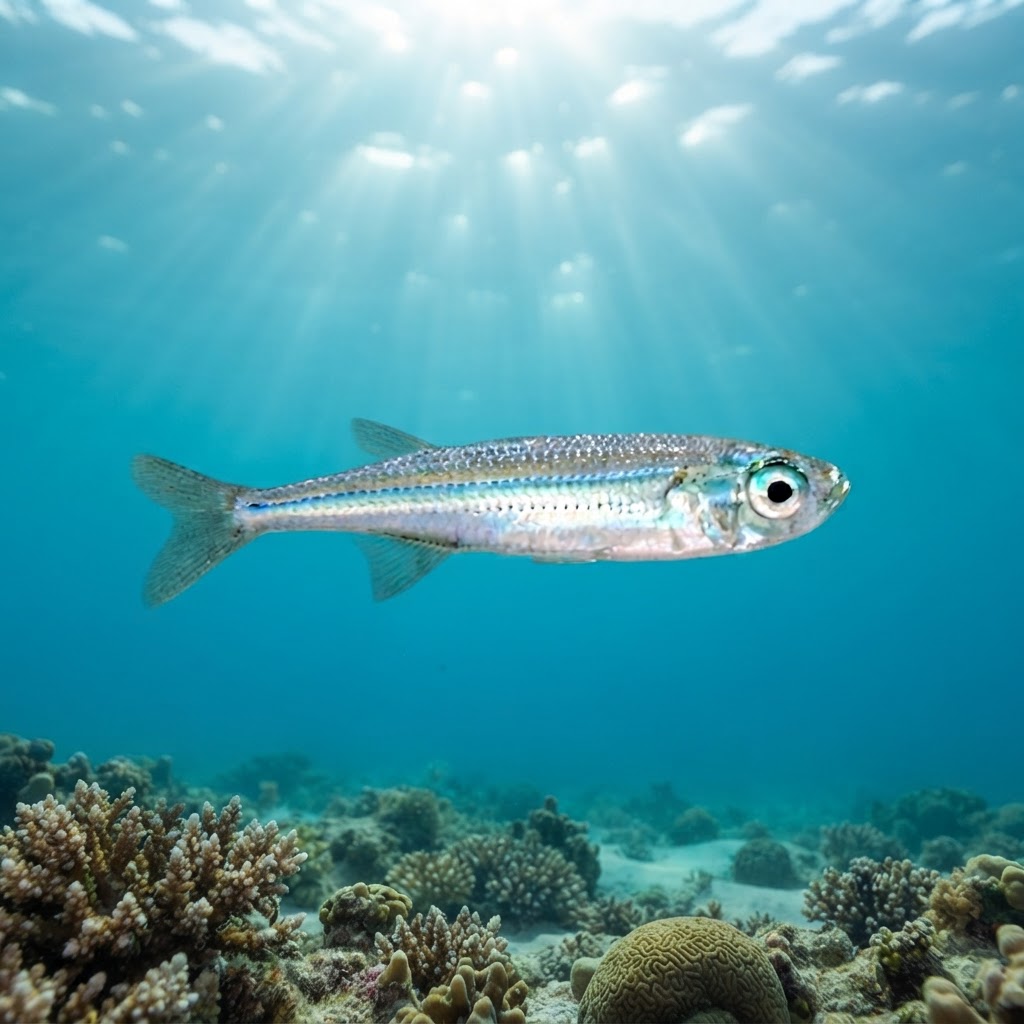
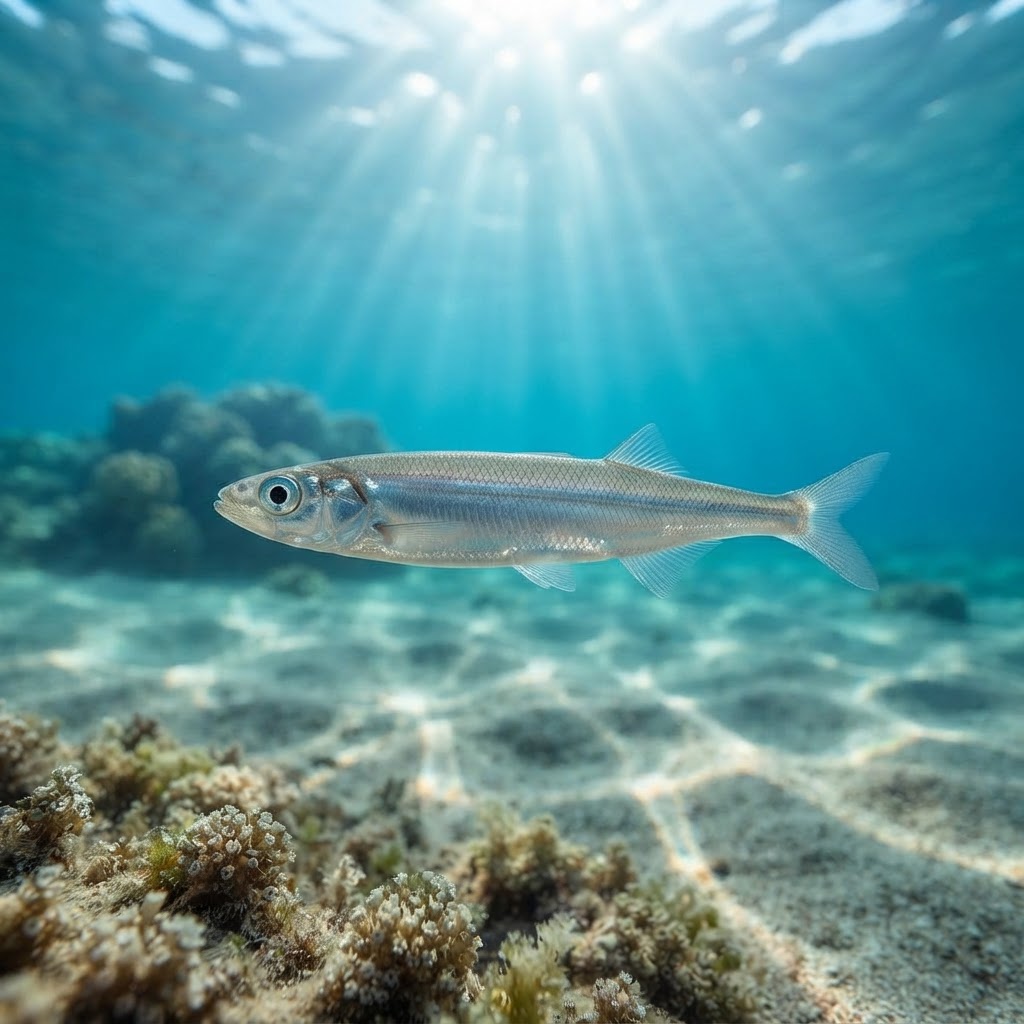
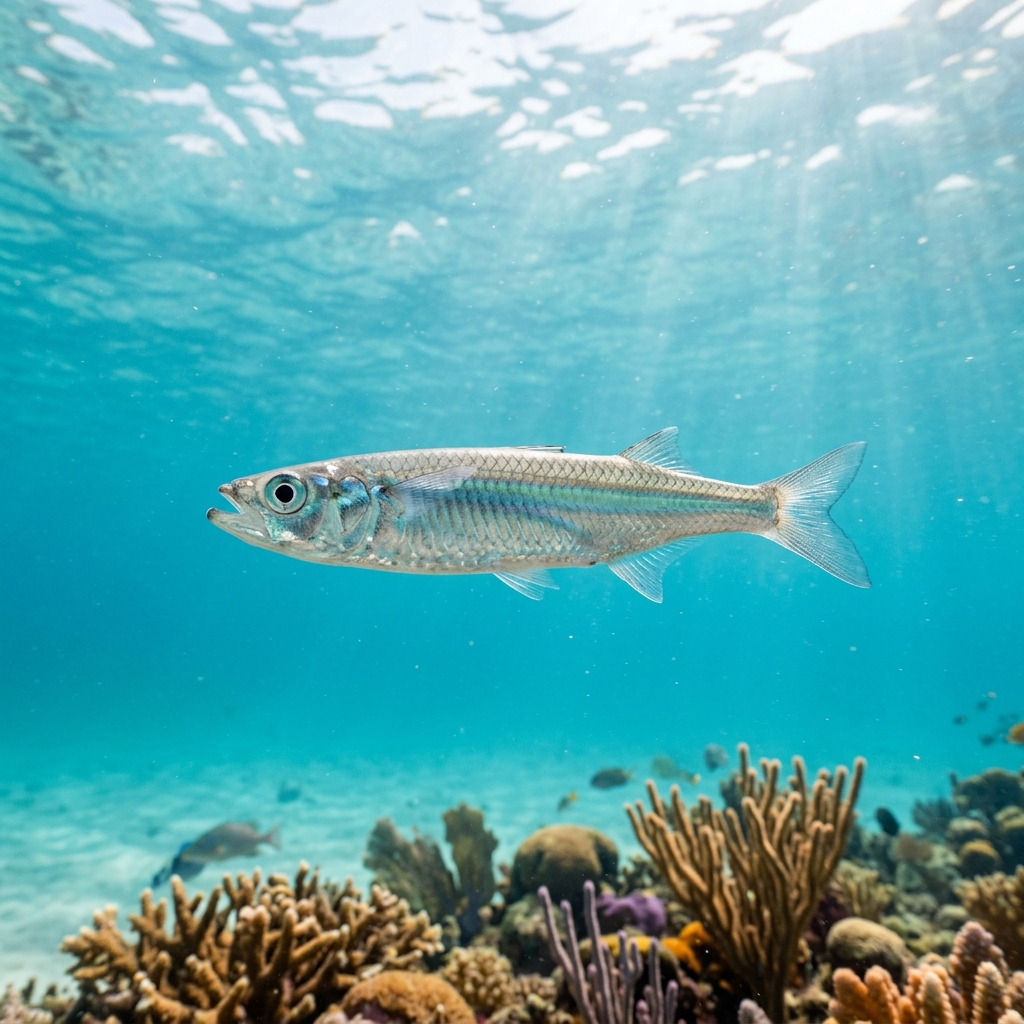
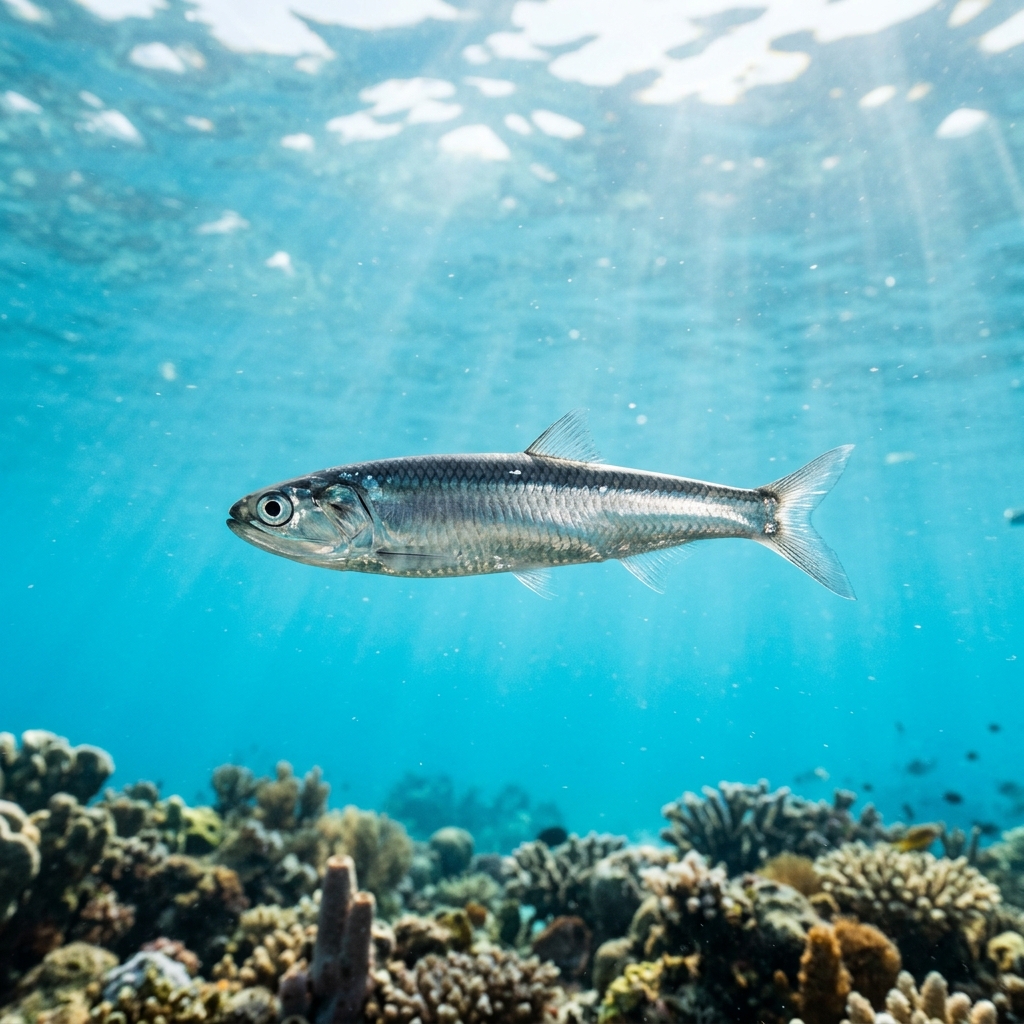
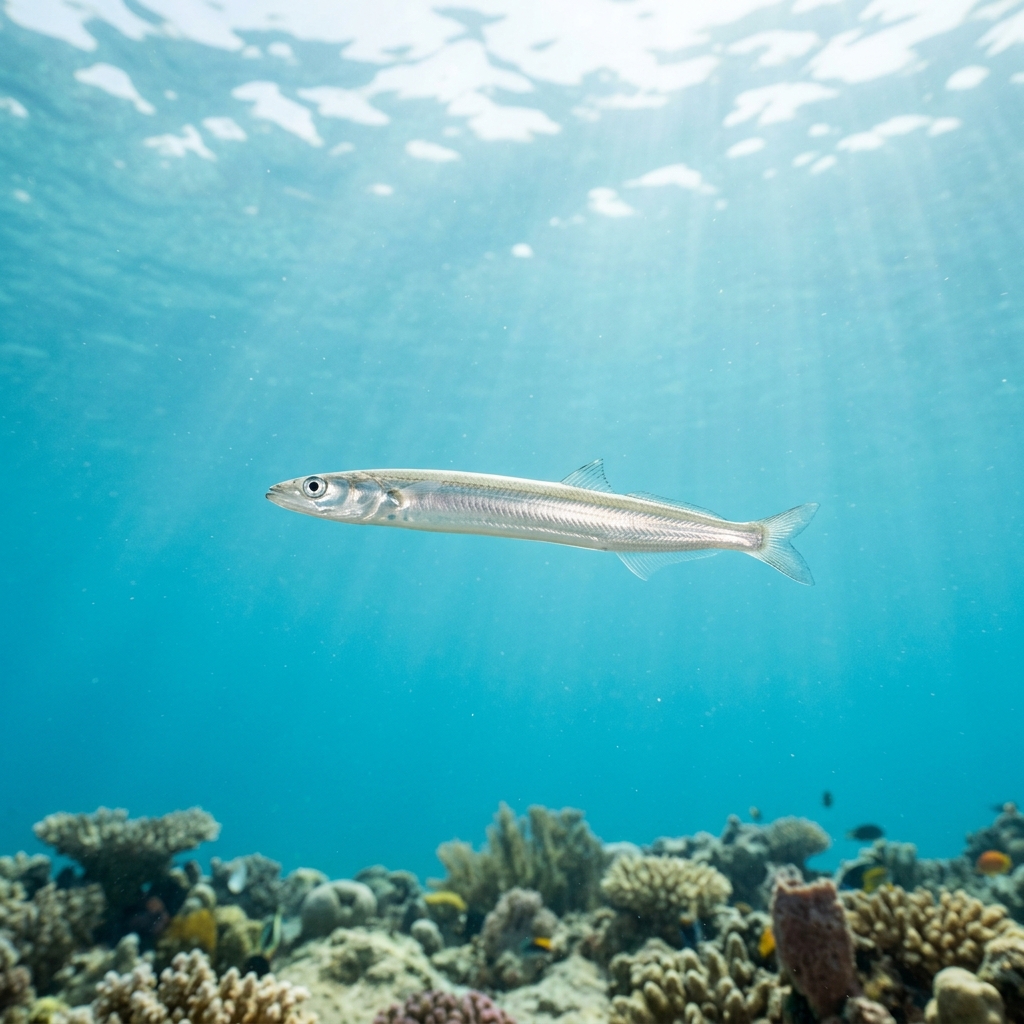
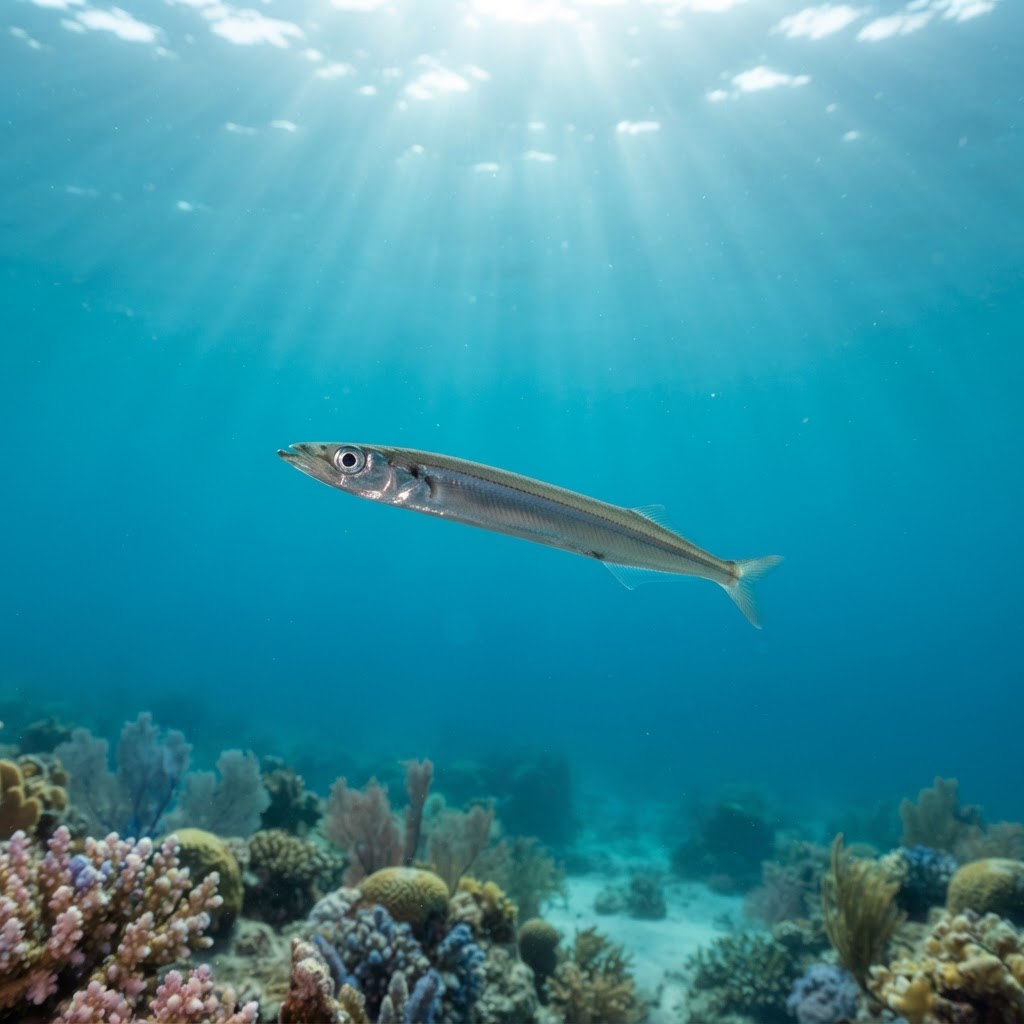
A slim, pencil-thin body barely 10 cm long, with a silvery-green sheen and a pointed, almost eel-like snout. No obvious blotches or bars, just a plain metallic flank that catches light when it turns, which is how you usually notice it at all. It tends to hover or dart in loose groups just off the sand rather than swim like a typical reef fish.
Divers usually spot it hovering low over sand or gravel patches, sometimes in loose, shifting groups rather than a tight ball. It's a skittish, easily overlooked fish that tends to dart for cover or bury into the sand if approached too fast, so a slow, low approach gives you the best look. Most sightings are casual, incidental finds on sand-bottom sections of a dive rather than a target species divers seek out.
Sand lances are known for burying themselves tail-first into sand to hide from predators, a trick that also makes them easy to miss on a dive even when they're right under you.
Sightings don't show a clear seasonal pattern, and the species tolerates a wide range from 11.9 to 23.0C, so divers log it across the year in the Pacific Northwest. Treat it as a possible year-round encounter rather than something tied to a specific month.
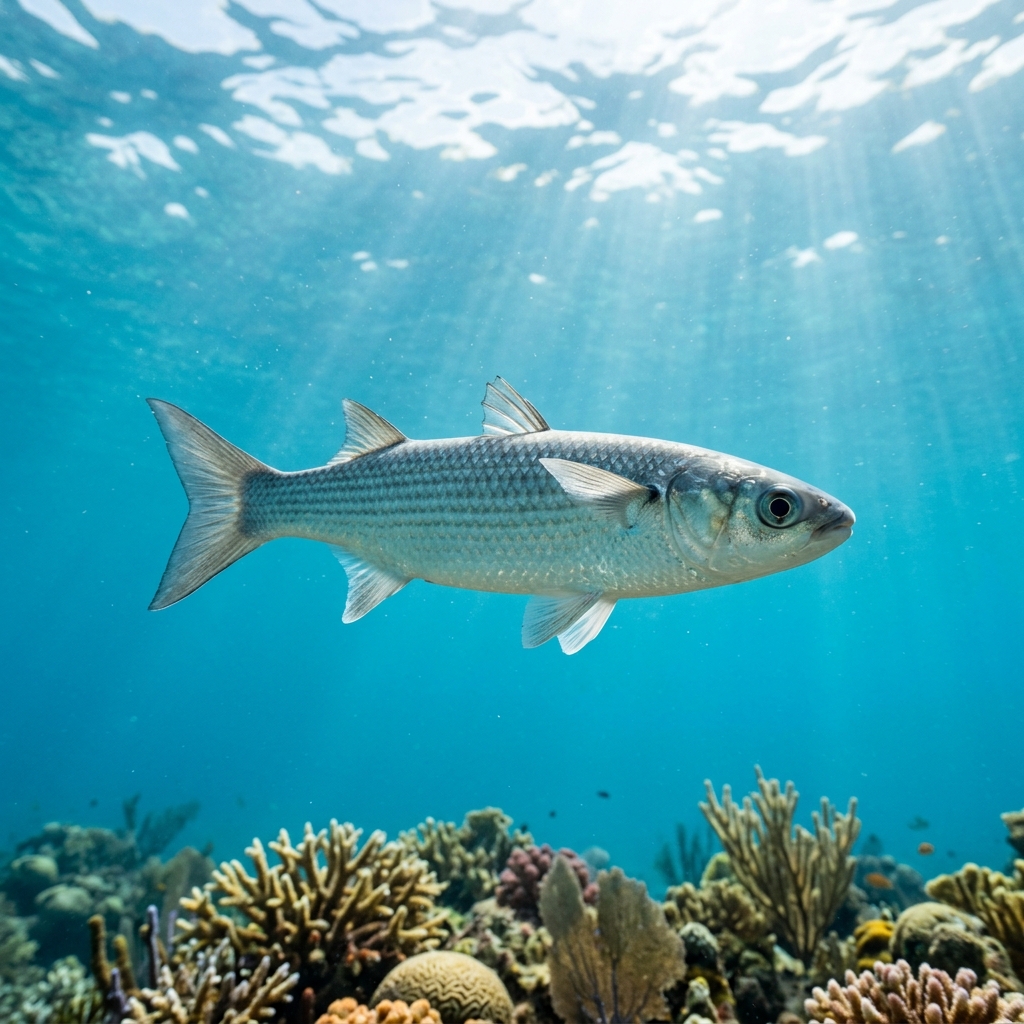
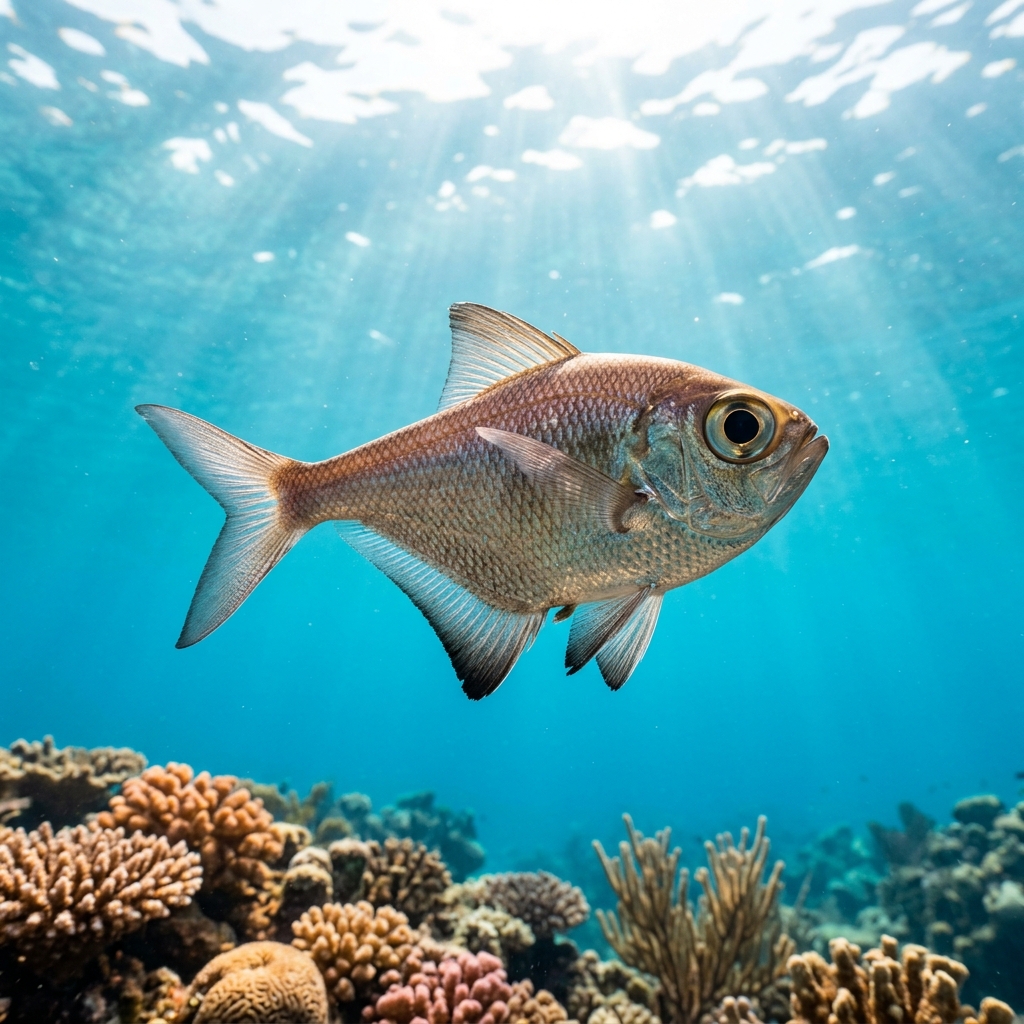
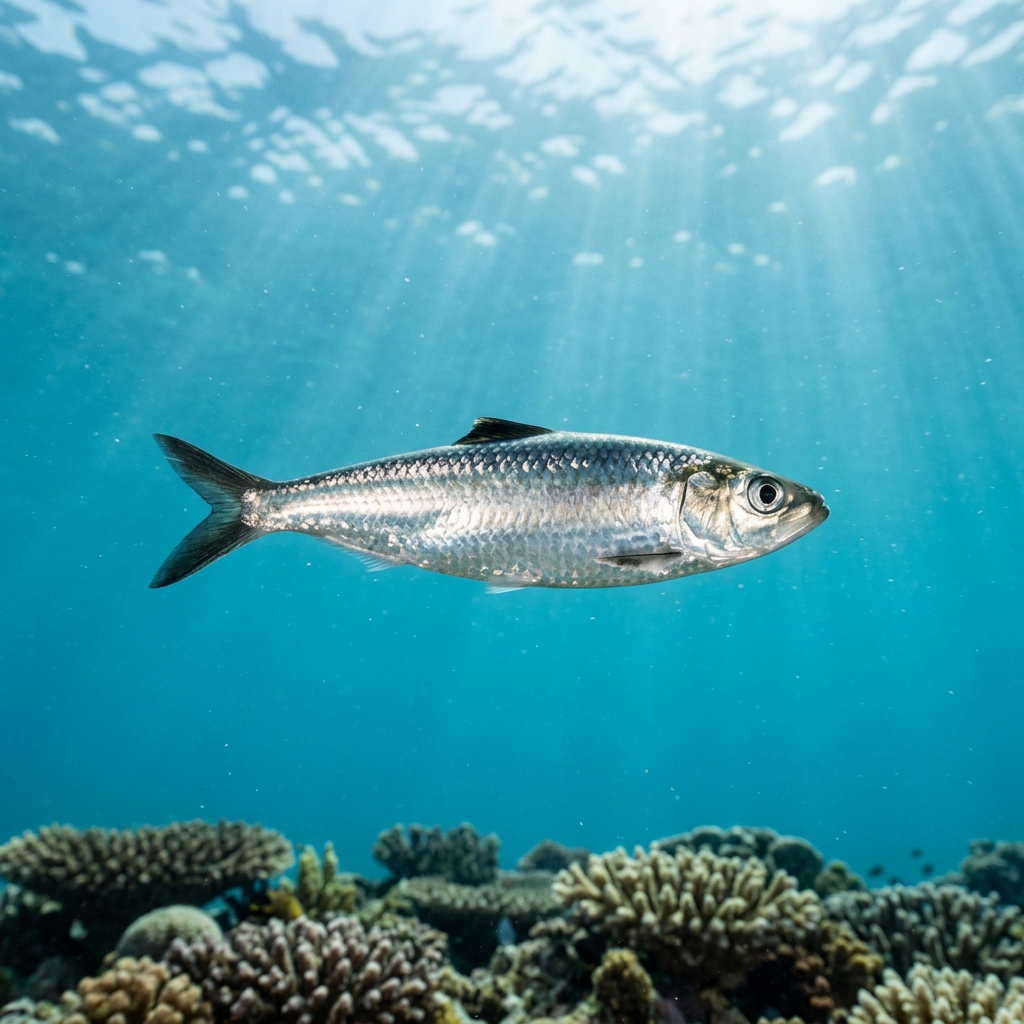
Reef neighbours a diver could mistake it for. Use the identification notes above to tell them apart.
Most consistently logged in the Pacific Northwest region of the United States, with additional sightings further north in Alaska and across the border in British Columbia, Canada. This is a cold-water species tied to sandy and silty bottoms rather than coral reefs, so look for it on temperate Pacific coast dives rather than tropical ones.
Mapping where Pacific Sand Lance is logged…
It's most reliably reported from the Pacific Northwest region of the United States, with scattered sightings in Alaska and British Columbia, Canada. Look for sandy or silty bottom areas rather than reef structure.
There's no strong seasonal pattern in the sightings, and it's found across a wide temperature range from about 12 to 23C, so it can turn up on Pacific Northwest dives at any time of year.
Look for a slender, silvery-green fish around 10 cm long with a pointed snout and no strong markings. It's usually seen hovering or drifting low over sand rather than swimming among reef structure.
They're small, typically around 10 cm long, so they're easy to miss unless you're looking closely at sandy bottom areas.
No, they pose no danger to divers. They're a small, shy schooling fish that tends to avoid contact rather than approach.
They can bury themselves tail-first into sand to escape predators, which means a patch of seemingly empty sand can suddenly reveal a fish darting out or diving back in.
Site and sighting data is aggregated from diver logs, iNaturalist and GBIF. For taxonomy and conservation status:
Anchovy
2,433 sites