Canthigaster axiologus
A small, sharp-eyed puffer logged around Queensland reefs, staying uncommon in water between 24 and 29C year-round.
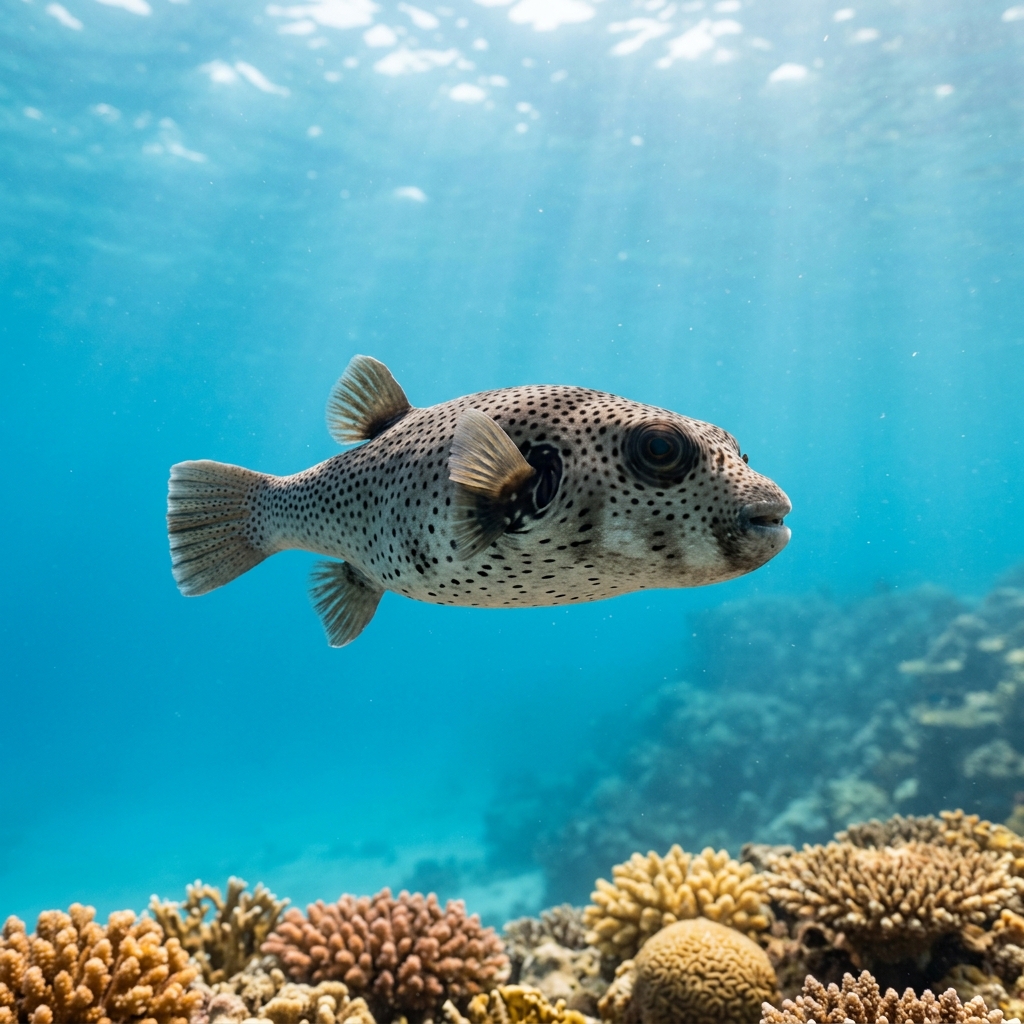
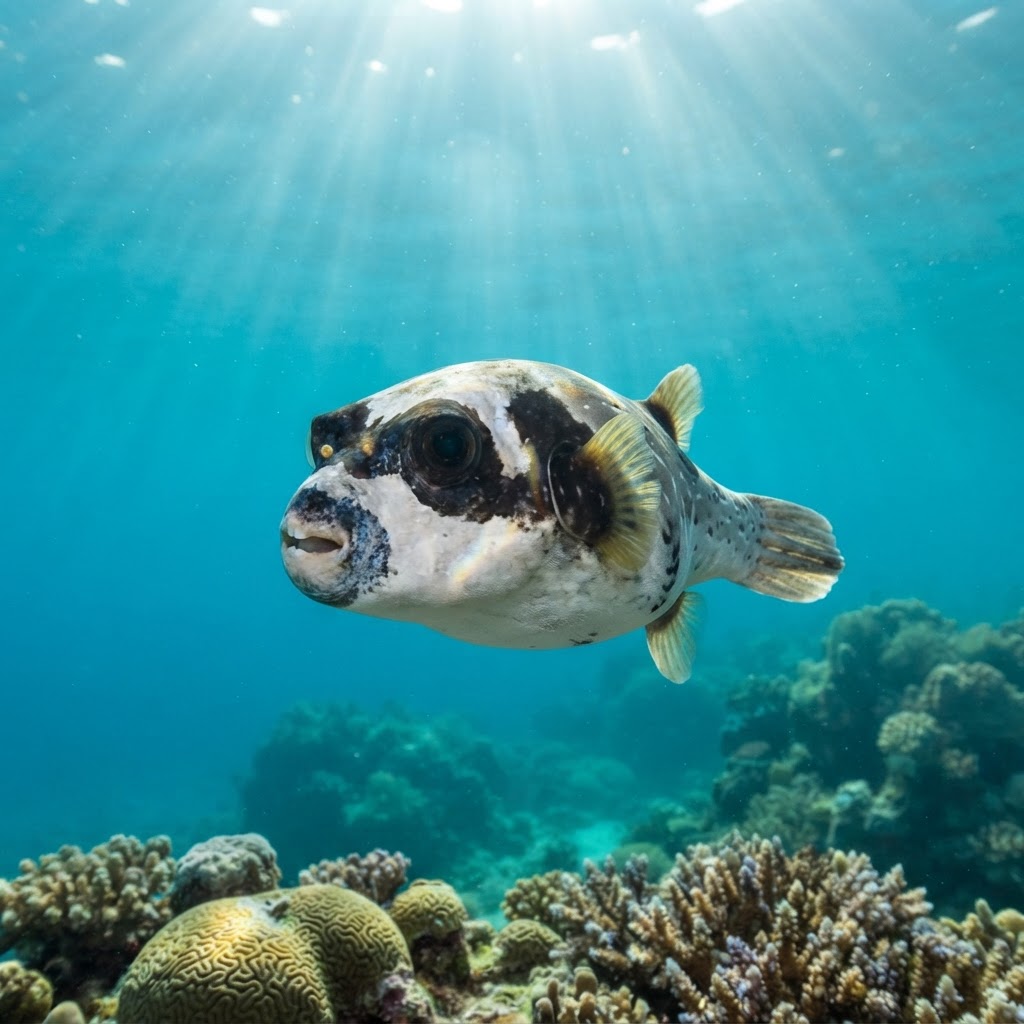
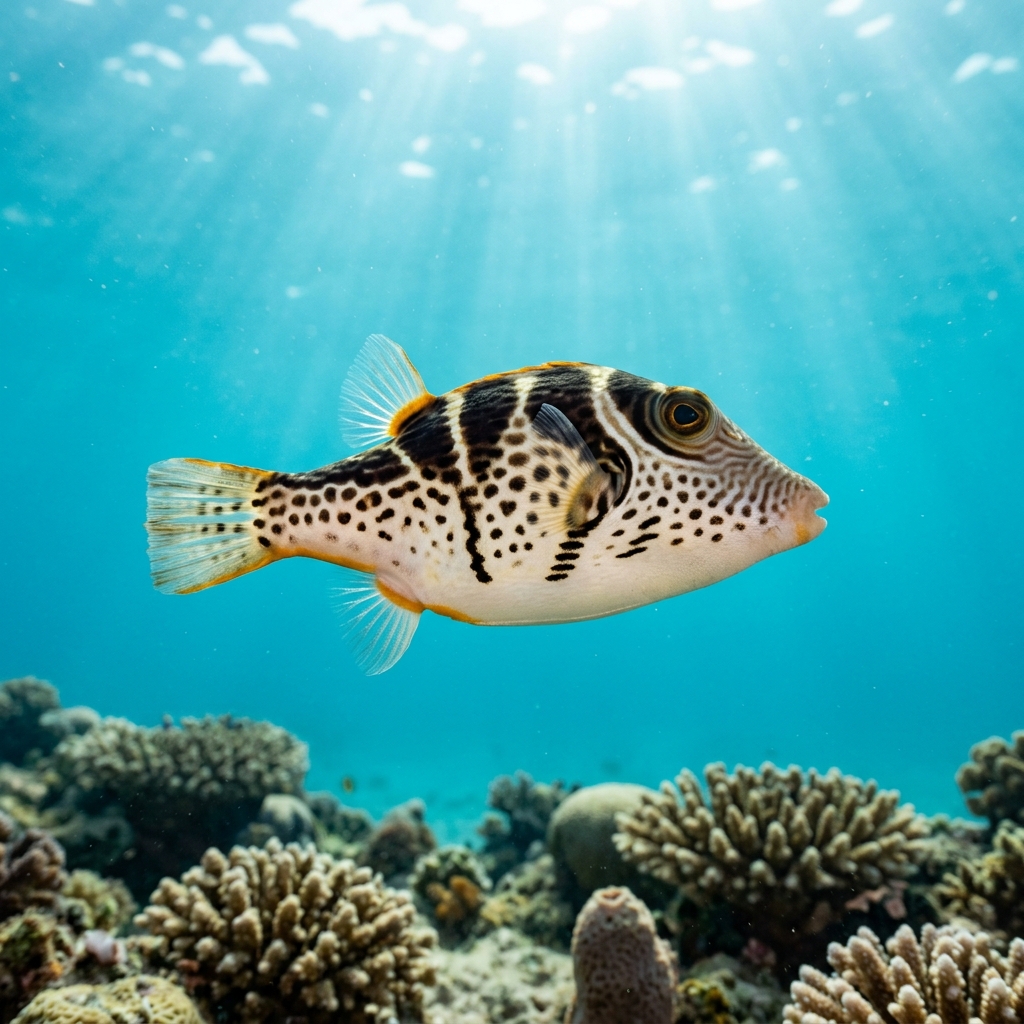
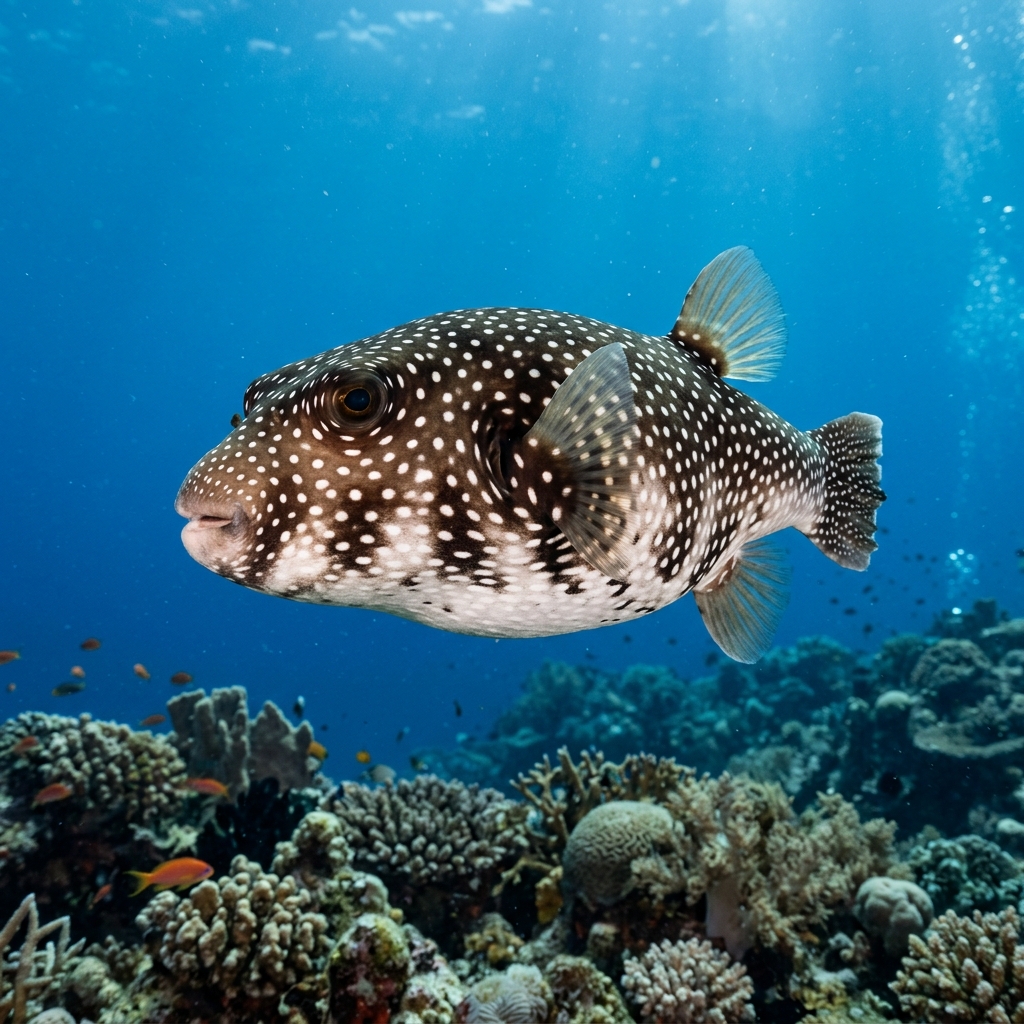
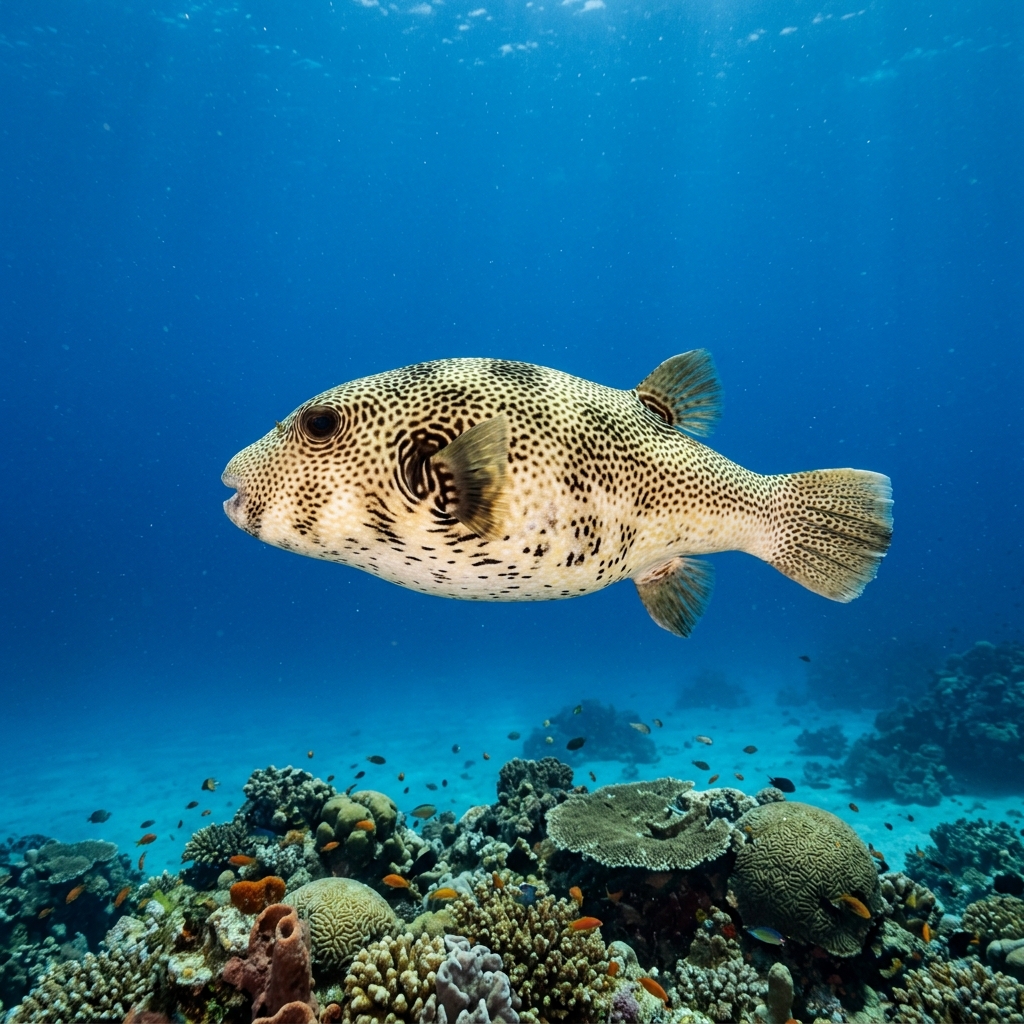
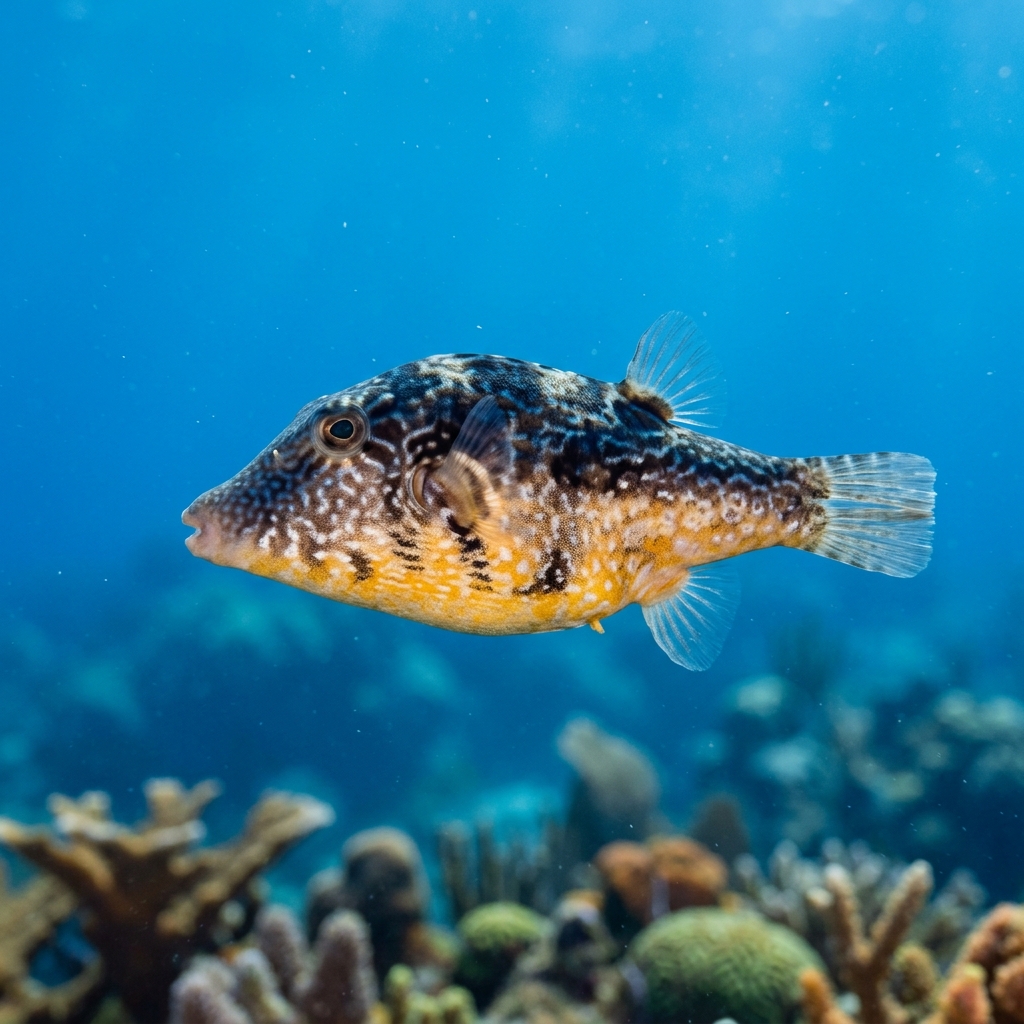
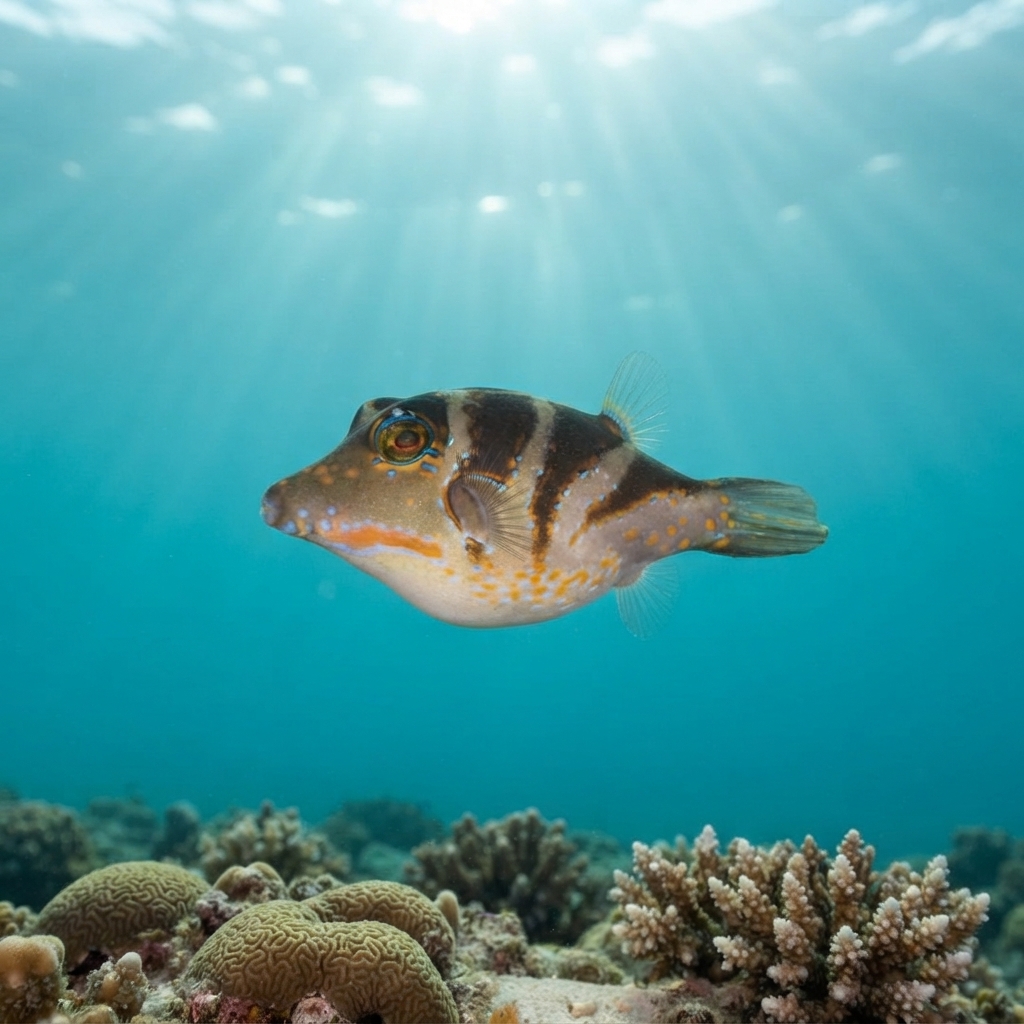
A small puffer, around 7cm, with a rounded body and a blunt, beaked mouth typical of tobies. Look for the patterned crown-like marking across the top of the head, set against a body that shifts between olive, brown and blue-grey tones with fine dark lines and spots. The eyes sit high and swivel independently, which is often the first thing that catches a diver's attention on the reef.
Divers typically spot it hovering low over coral rubble or reef structure, picking at small invertebrates rather than schooling or patrolling open water. It tends to hold its ground rather than bolt, letting a slow approach get a decent look before it eases off into cover. Most sightings are logged as uncommon to rare, so it's more a nice surprise than a guaranteed find on any given dive.
Like other tobies, it can inflate its body by gulping water when threatened, a last-resort defence that makes it harder for predators to swallow.
No clear seasonal pattern shows up in the sightings, and its comfort range of 24.1 to 29.0C covers Queensland's water temperature most of the year, so it's a year-round possibility rather than a seasonal target.
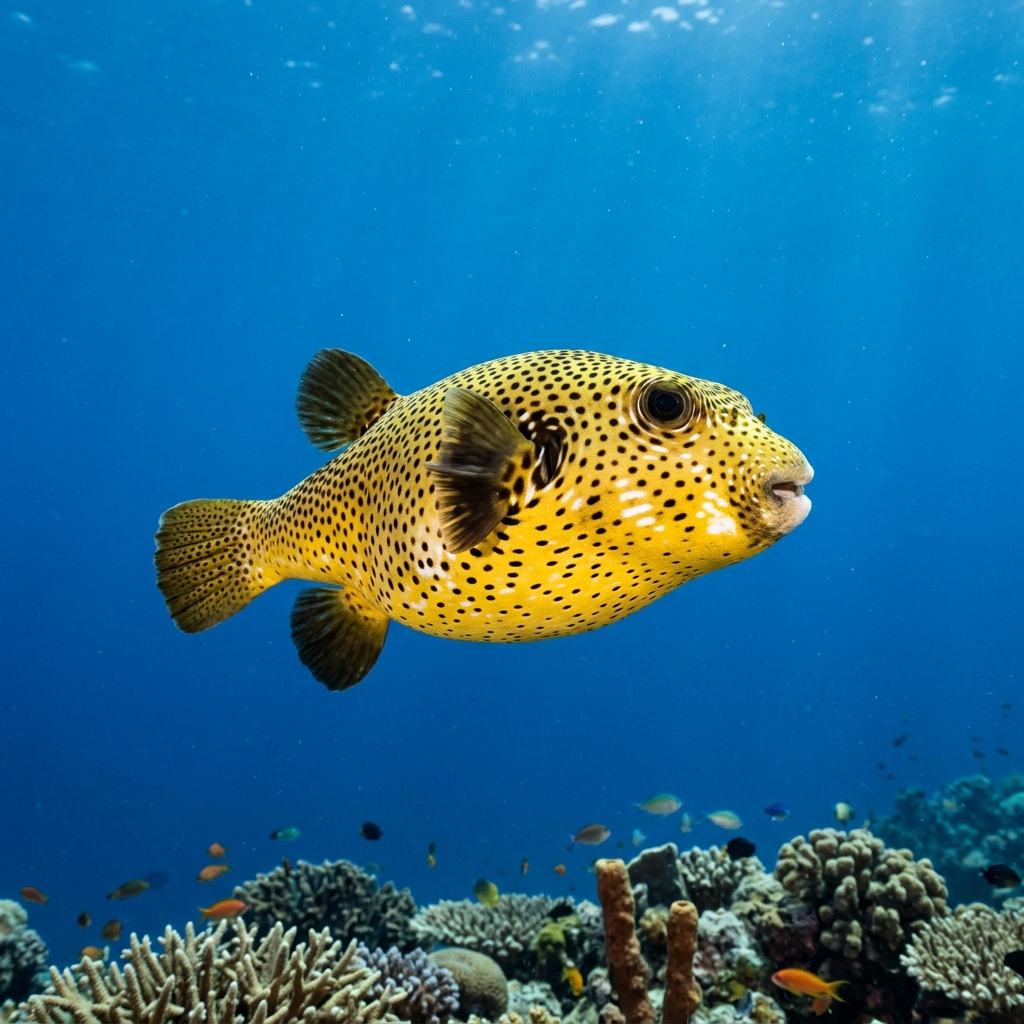
Reef neighbours a diver could mistake it for. Use the identification notes above to tell them apart.
Sightings so far come entirely from Queensland, Australia, making it the reliable region for this species. It has been logged at a handful of dive sites there, so it's worth asking local operators on the Great Barrier Reef and nearby Queensland coast if it turns up on their patch reefs.
Mapping where Pacific Crown Toby is logged…
All logged sightings come from Queensland, Australia, so reefs along the Great Barrier Reef and nearby Queensland coast are the place to look.
There's no detected season for this species, and its 24 to 29C comfort range matches Queensland reefs for most of the year, so it can turn up on any dive.
Look for a small, rounded puffer around 7cm long with a crown-patterned marking on top of the head and a mottled olive-to-blue-grey body with fine dark lines.
They stay small, typically around 7cm in length, making them easy to overlook against rubble or coral debris.
No, they pose no threat to divers and will simply move off into cover if approached too quickly.
Site and sighting data is aggregated from diver logs, iNaturalist and GBIF. For taxonomy and conservation status:
Valentini Pufferfish
2,830 sites