Cephalopholis colonus
Small reef grouper logged across Costa Rica and the Galápagos, usually seen in loose groups over rocky reef between 10 and 70m.
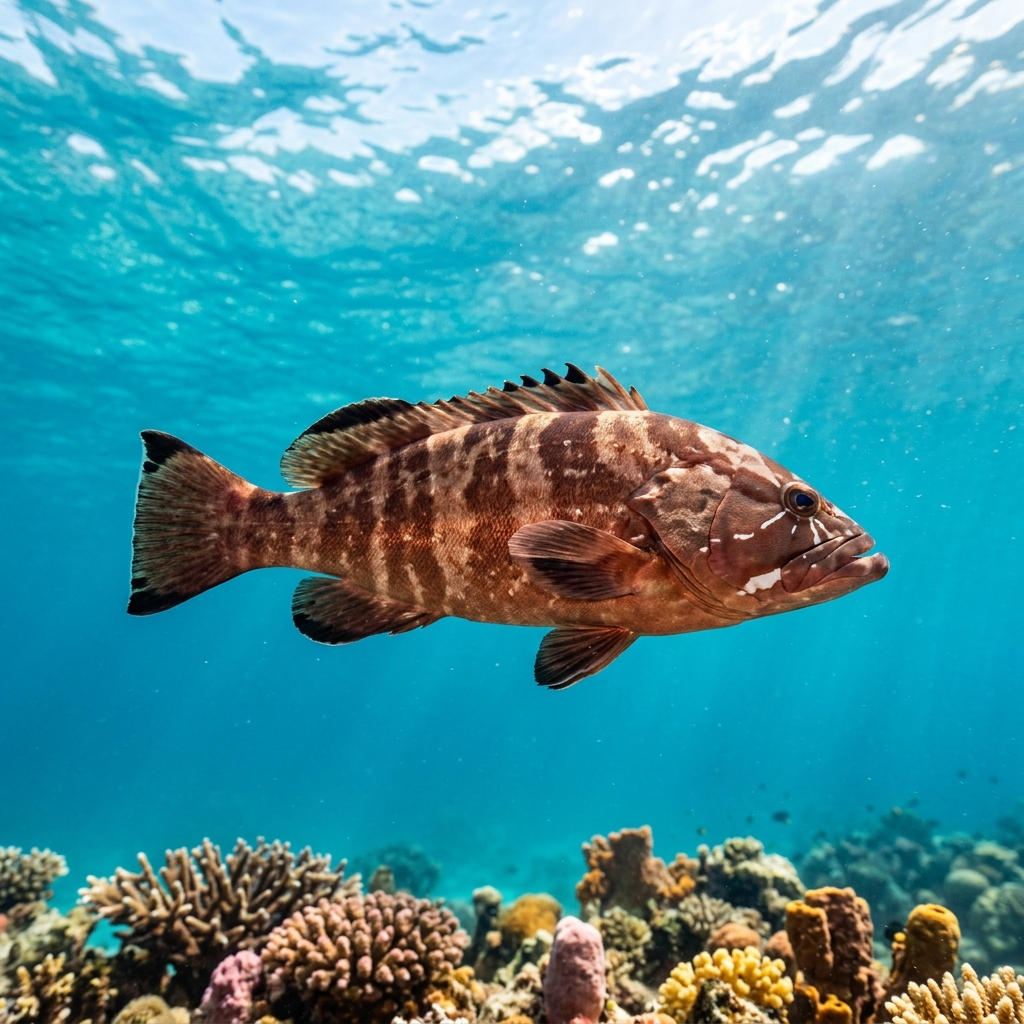
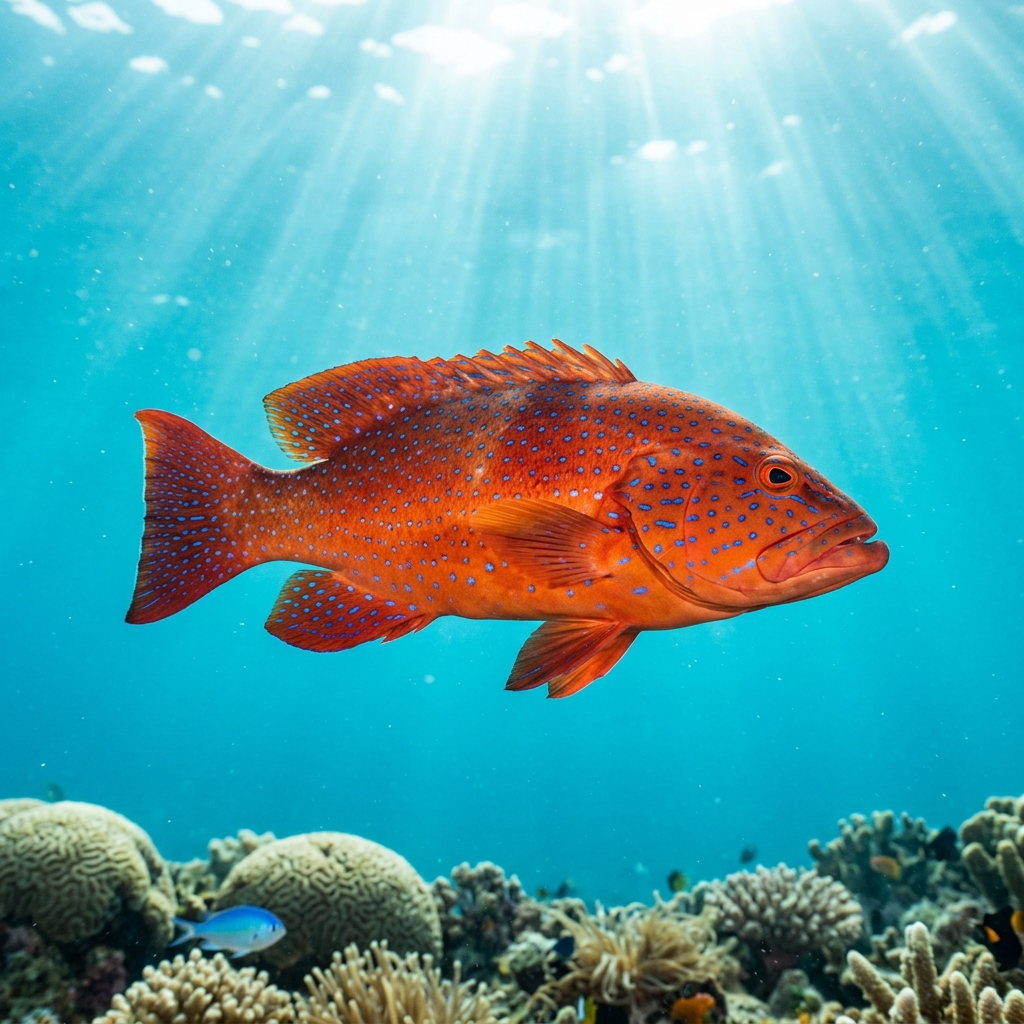
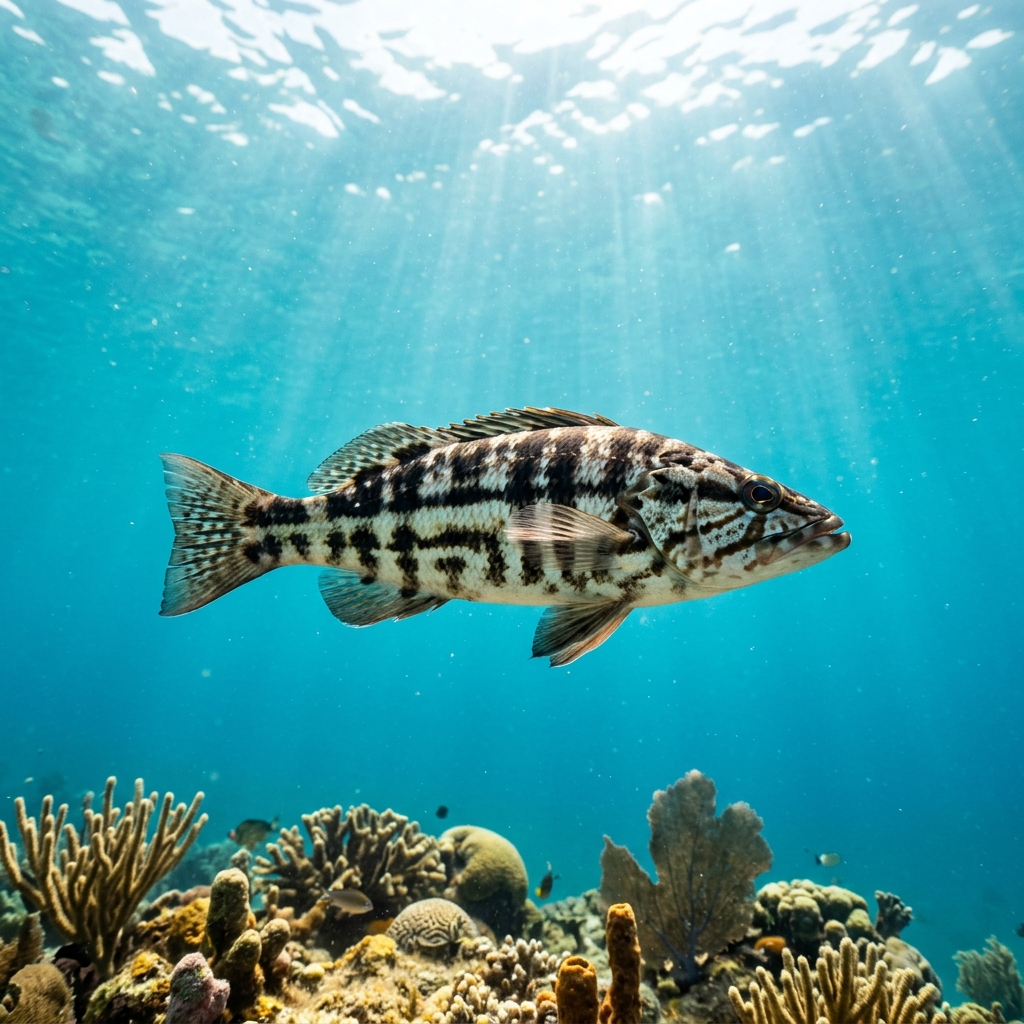
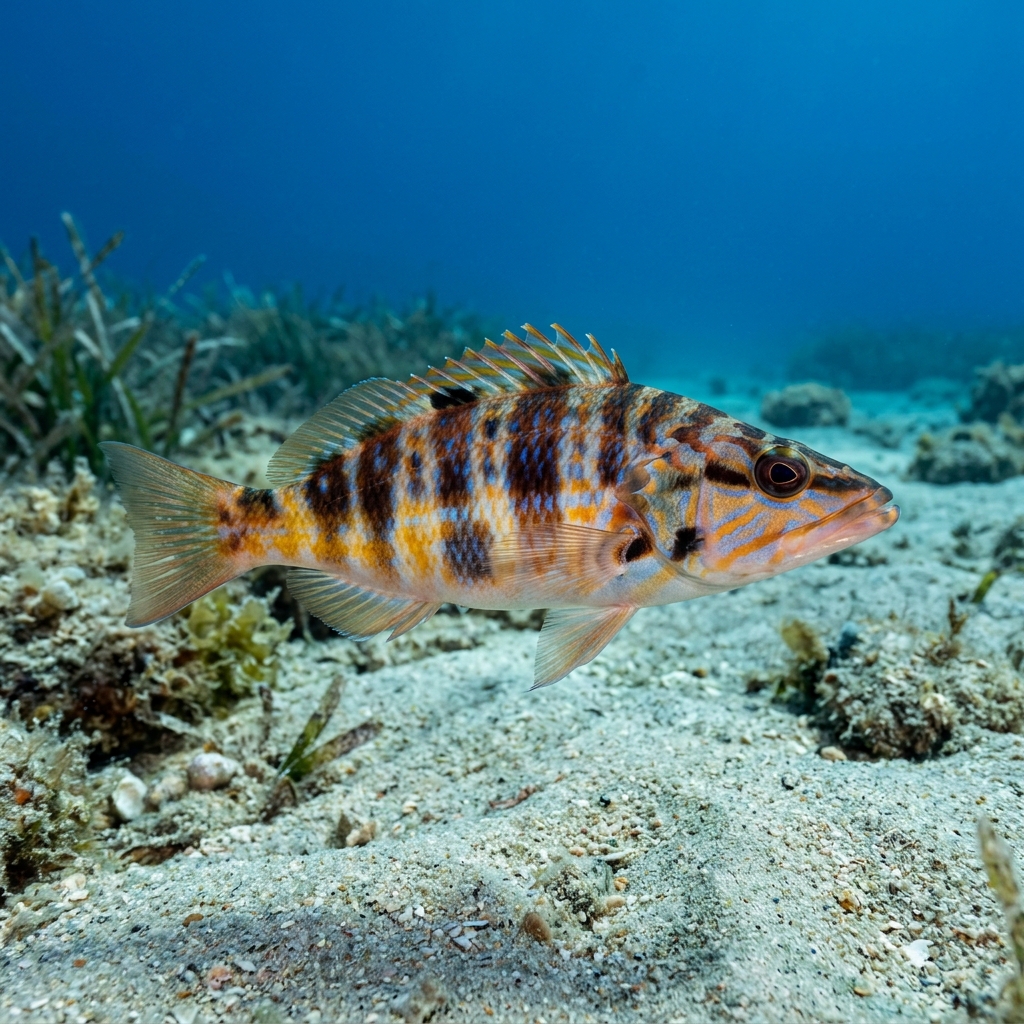
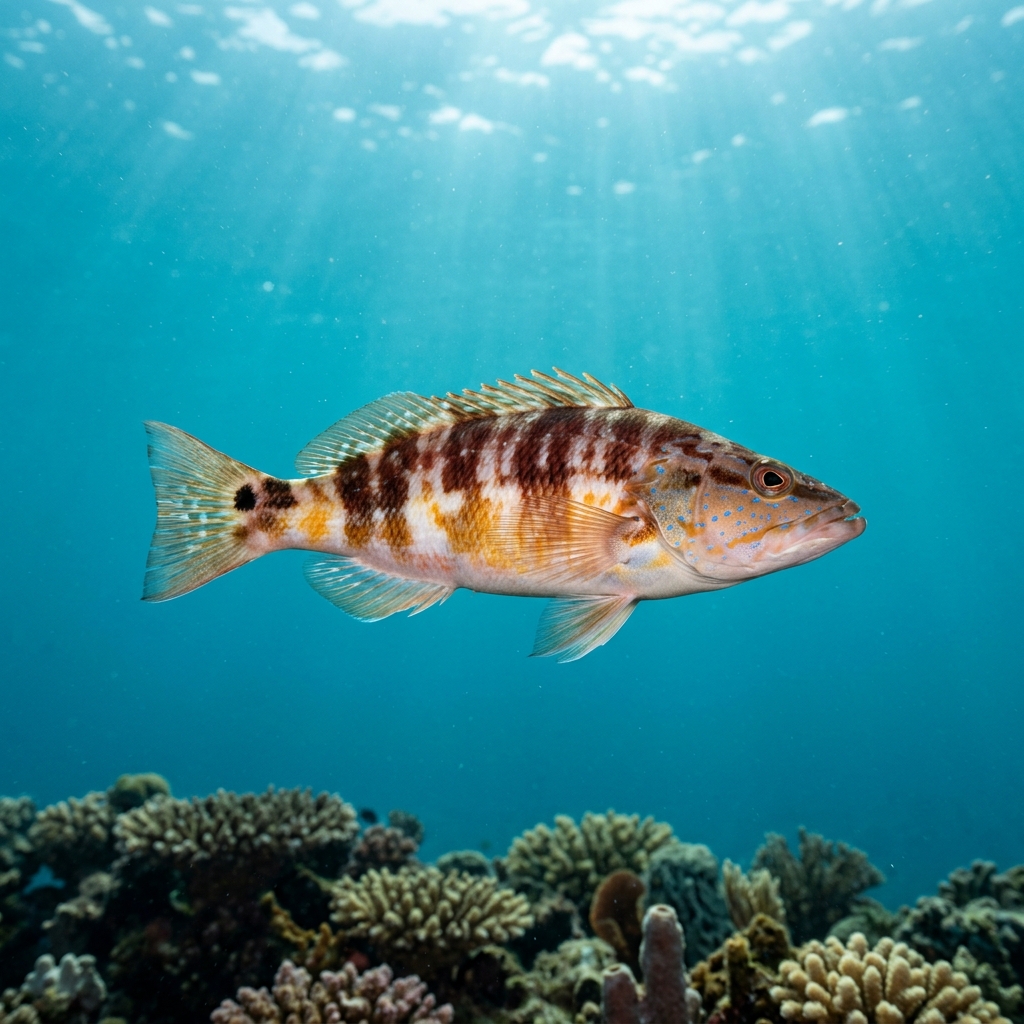
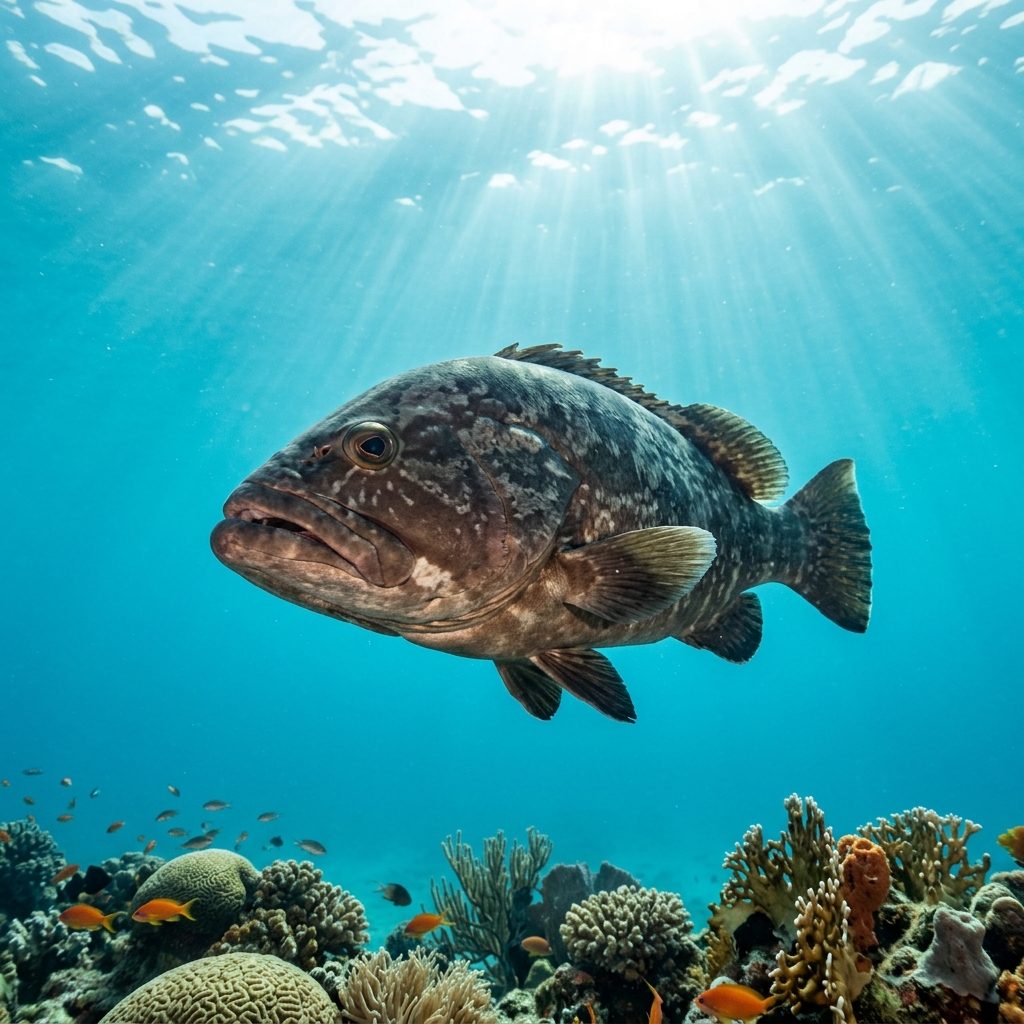
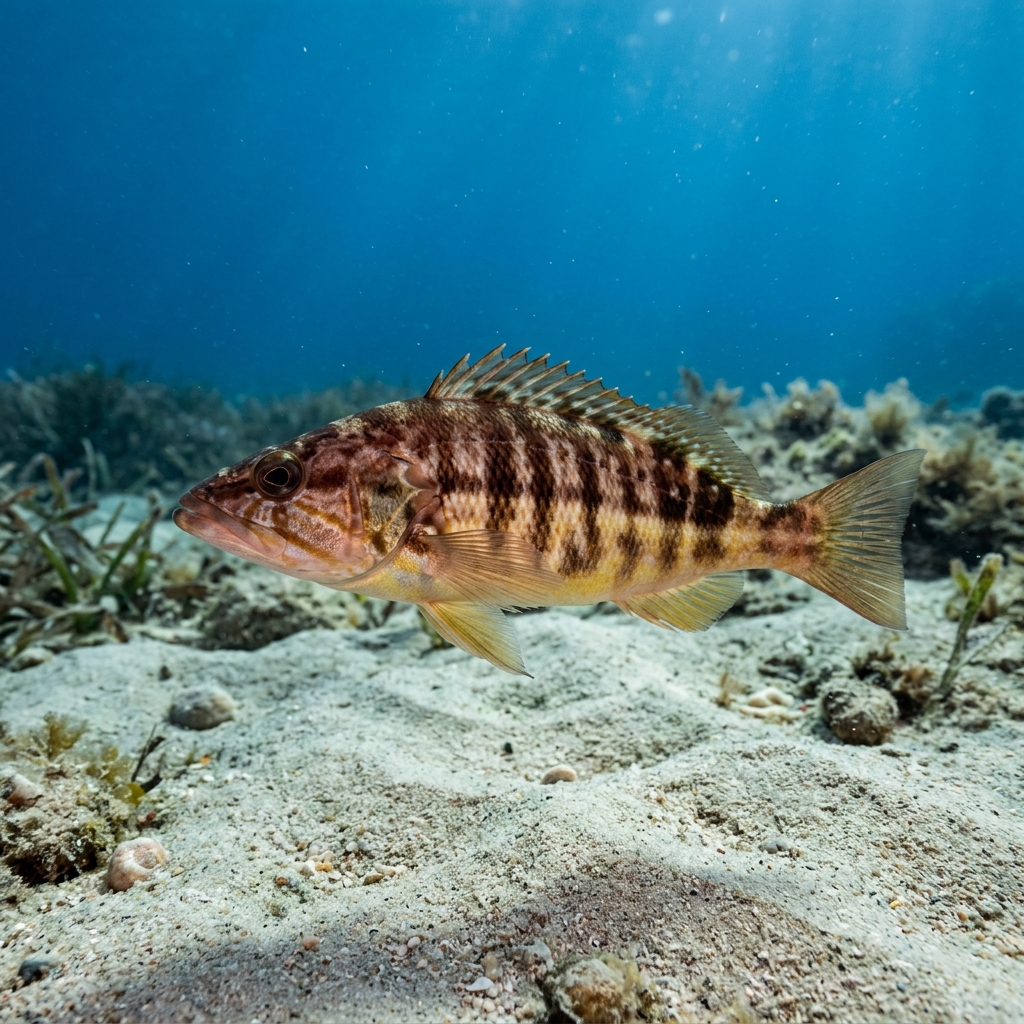
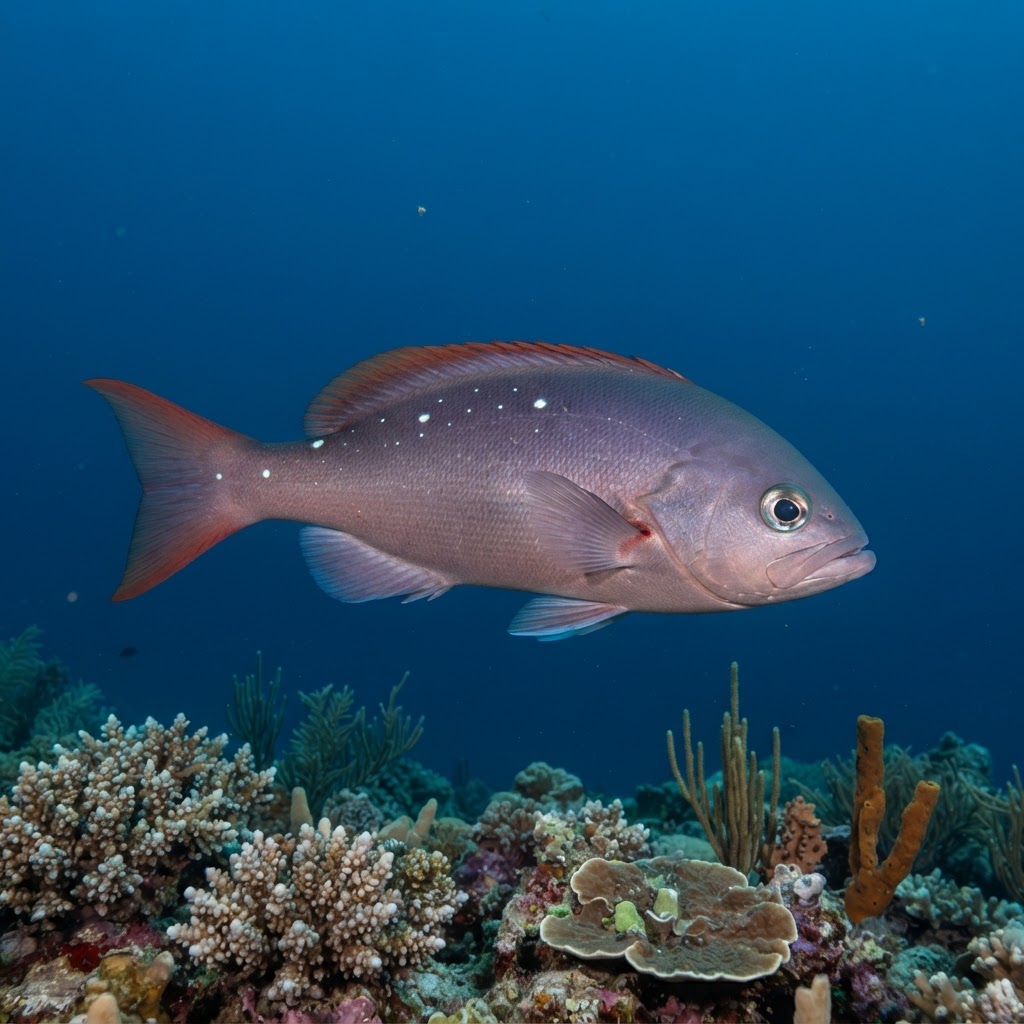
Slim, torpedo-shaped grouper reaching around 24 cm, usually seen with a reddish-orange to brownish body that pales toward the belly. Look for the faint dusky blotches along the flanks and a plain, unmarked tail, which separates it from the bolder-patterned groupers it shares reef space with. It hovers well off the bottom rather than hugging rock, a posture that helps pick it out at a glance.
Typically found hanging in loose, unhurried groups over rocky reef and boulder slopes, often holding station in mid-water rather than sheltering in crevices like many of its grouper relatives. It shows little concern around divers, letting boats and bubbles pass close without breaking formation, and tends to sit at similar depths through the day rather than shifting with light. Look for it patrolling current-swept points and pinnacles, the kind of structure that also draws in the small prey fish it feeds on.
Unlike the solitary, territorial reputation most groupers have, this species is often seen loosely schooling, a habit that makes it easier to spot in numbers on a single dive than many of its family.
Sightings run year-round, with no strong seasonal pattern in the data. Its temperature niche of roughly 18.5 to 28.9°C spans both the cooler upwelling months and the warmer season across its eastern Pacific range, so divers turn it up at any time of year.
Reef neighbours a diver could mistake it for. Use the identification notes above to tell them apart.
Most reliably logged in the Galápagos Islands of Ecuador and Guanacaste, Costa Rica, with strong numbers also from Baja California in Mexico and Panama's Pacific coast. Cocos Island and Costa Rica's South Pacific region also produce steady sightings, making this an eastern Pacific rocky-reef regular rather than a species tied to any single hotspot.
Mapping where Pacific Creolefish is logged…
Best chances are in the Galápagos Islands of Ecuador and Guanacaste in Costa Rica, with good numbers also around Baja California, Mexico, and Panama's Pacific coast. Cocos Island is another consistent spot for this rocky-reef grouper.
There's no strong season in the sighting data, so it's a year-round find across its eastern Pacific range. Its comfort range of roughly 18.5 to 28.9°C covers both the cooler and warmer months typical of these upwelling-influenced coasts.
Look for a slim, reddish-orange grouper around 24 cm hovering off the reef rather than tucked into it. Faint dusky blotches along the sides and a plain tail help separate it from more boldly marked groupers nearby.
They typically reach about 24 cm, making them one of the smaller members of the grouper family divers encounter on eastern Pacific reefs.
No, they pose no danger to divers. They're calm around bubbles and divers, often continuing to hover in place rather than fleeing or displaying defensively.
Most groupers are loners that guard a patch of reef, but this species is often seen in loose schools drifting over rocky slopes, a more open, gregarious style than its relatives.
Site and sighting data is aggregated from diver logs, iNaturalist and GBIF. For taxonomy and conservation status:
Blacktip Grouper
2,726 sites