Hypleurochilus pseudoaequipinnis
A 5cm blenny common on Florida reefs and rubble year-round in 25.5 to 28.2C water. Here's how to spot one on your next dive.
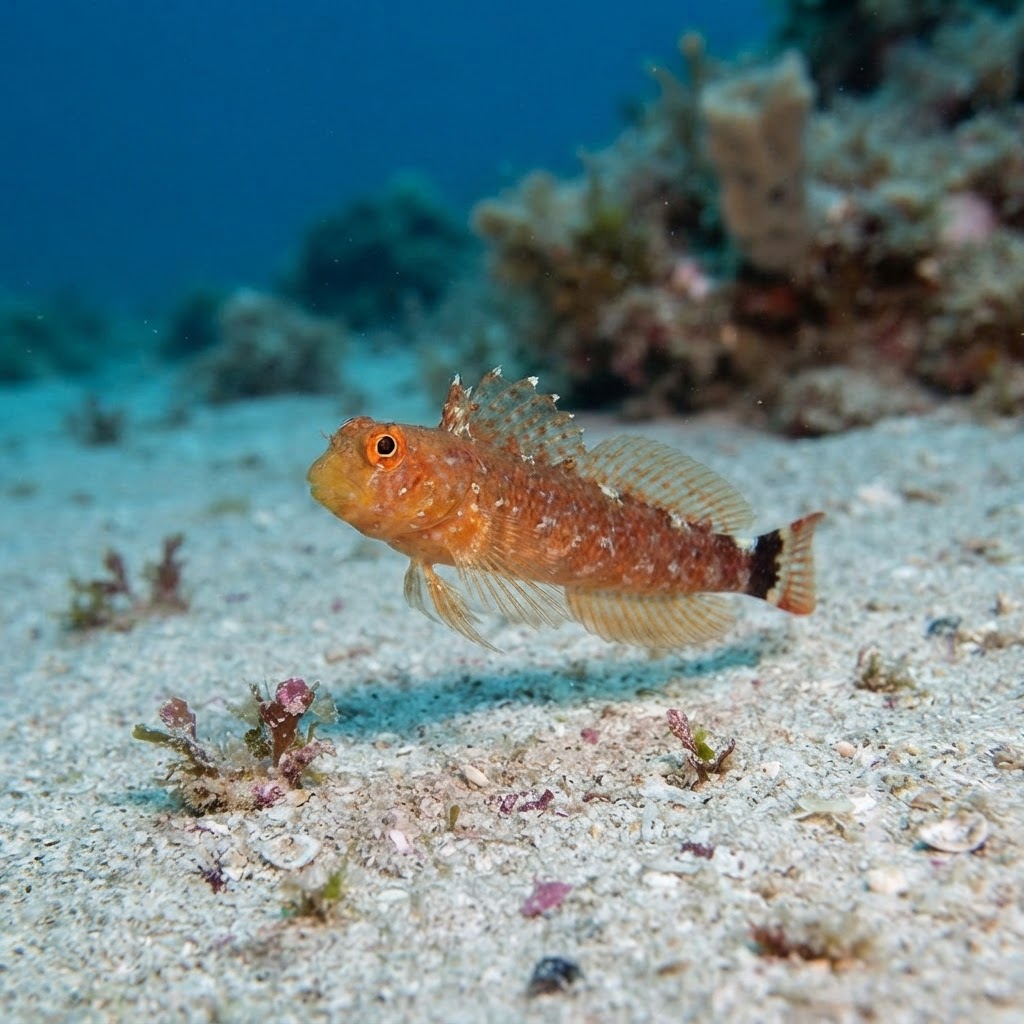
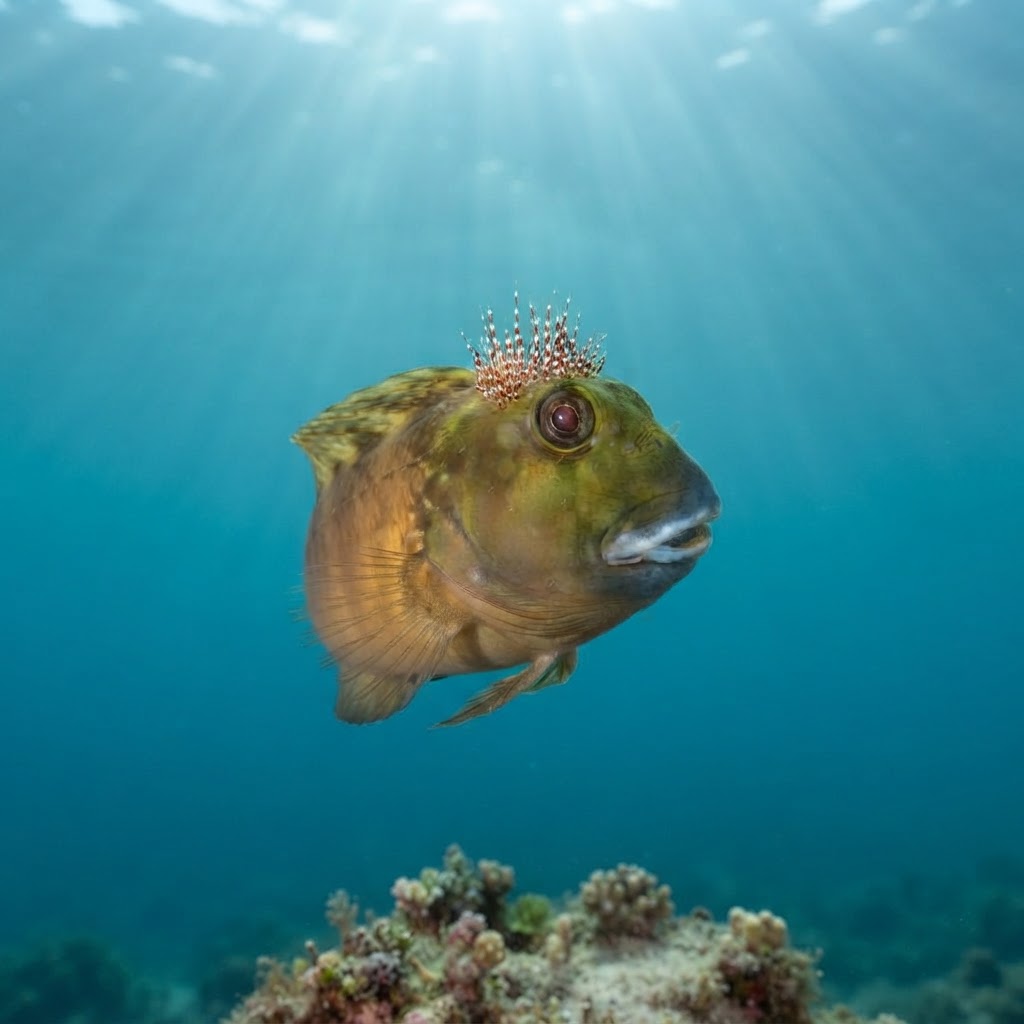
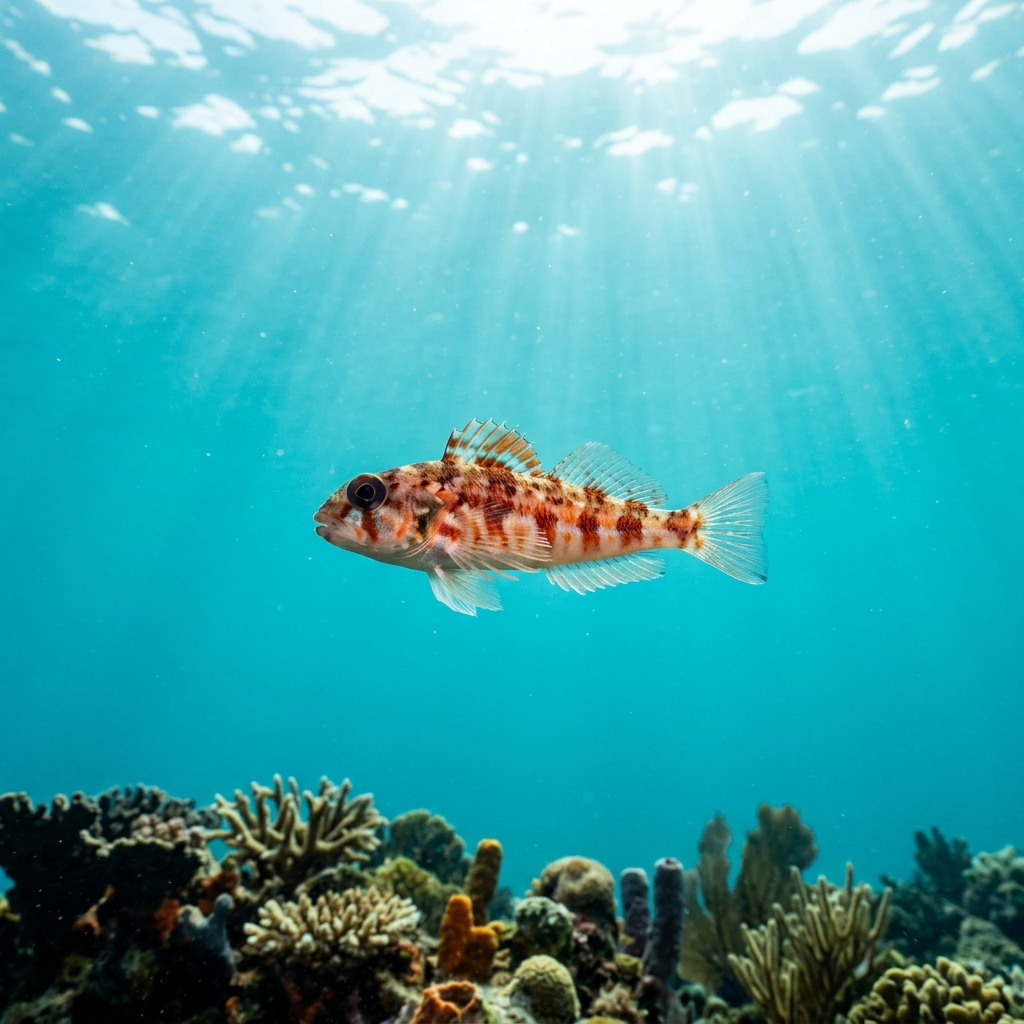
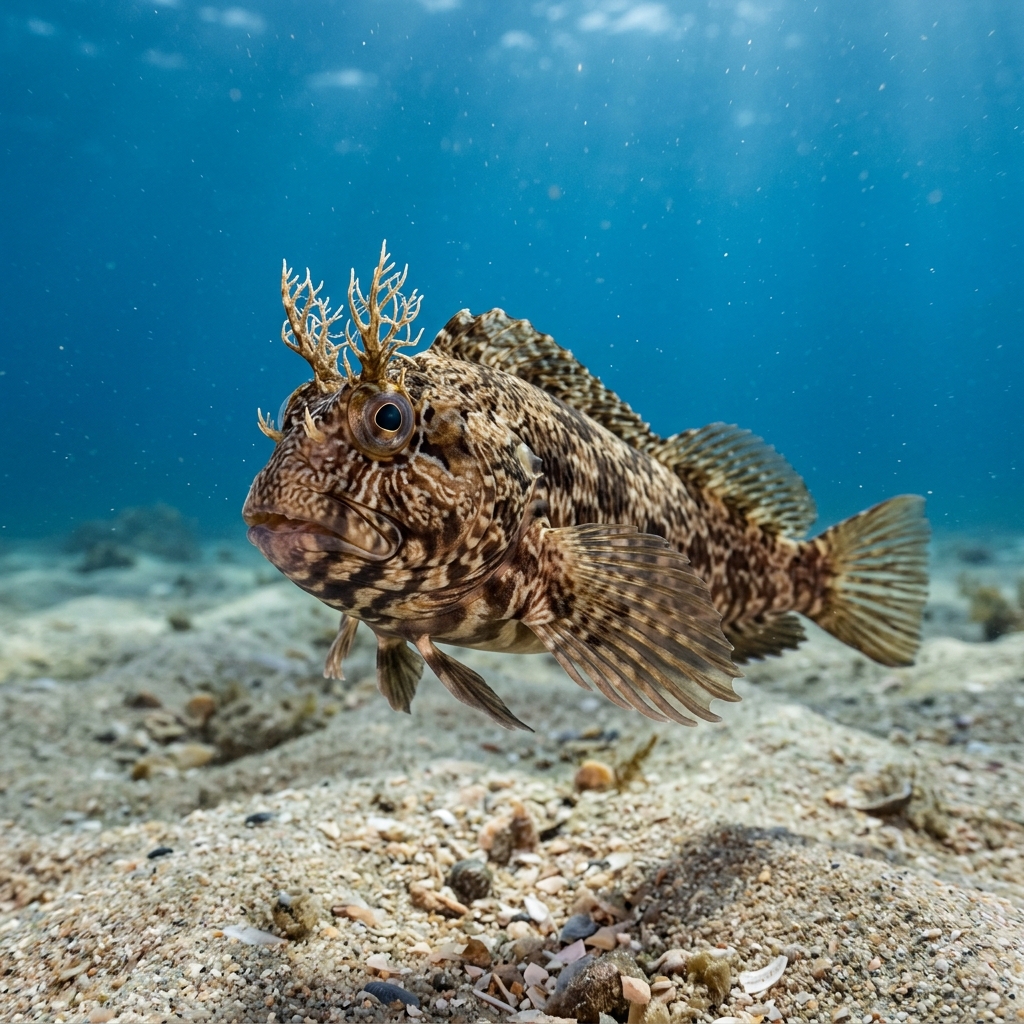
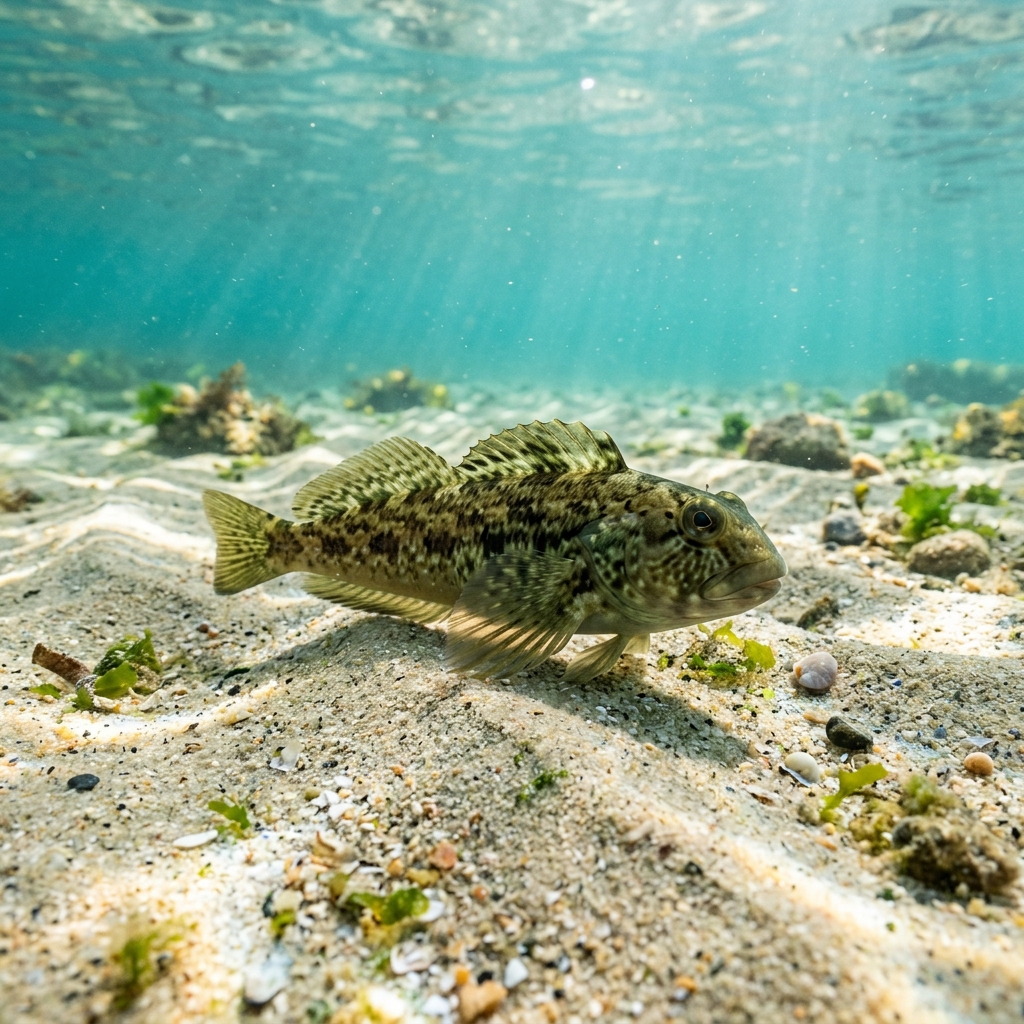
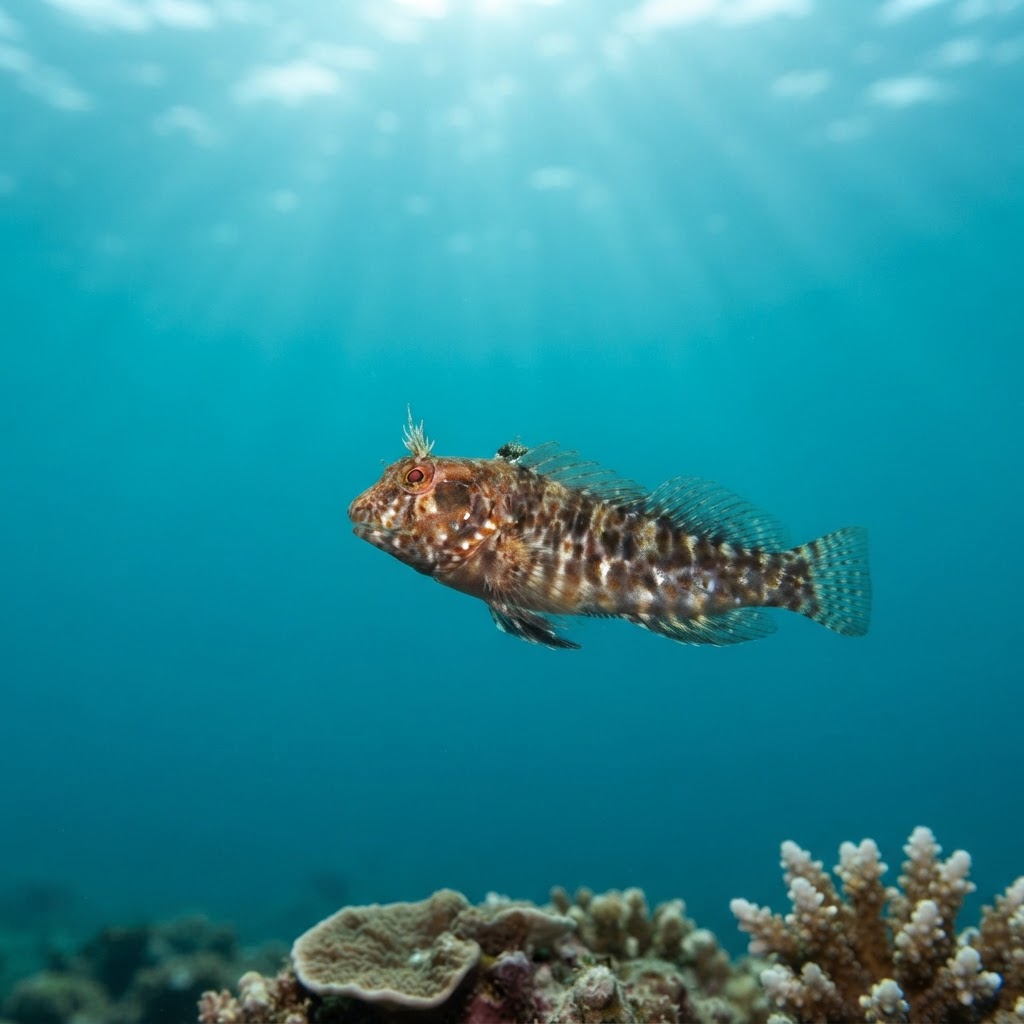
A stubby 5cm fish that perches on rock, rubble or shell rather than swimming in open water, propped up on its pectoral fins. Look for a mottled brown to grey body that blends into encrusted surfaces, a blunt head, and a pair of small cirri (fringed growths) above the eyes. It rarely strays far from its perch, so divers usually spot it by movement or by scanning ledges and crevices closely rather than looking for colour.
Expect to find it wedged into a crevice or sitting still on encrusted rock, rock rubble or shell debris, using its pectoral fins like little props rather than actively swimming. It tends to hold its ground rather than dart away when a diver approaches slowly, making it an easy subject for close-focus photography once you slow down and look. Most sightings come from shallow, structure-rich habitat rather than open sand or reef flat.
Like other combtooth blennies, it feeds by picking algae and tiny invertebrates directly off the rock surface it perches on, so its whole world is usually within a few centimetres of that one spot.
No clear seasonal pattern shows up in the sightings, and the observed temperature range of 25.5 to 28.2C matches Florida's warmer diving months, so it is best treated as a year-round find rather than a seasonal target.
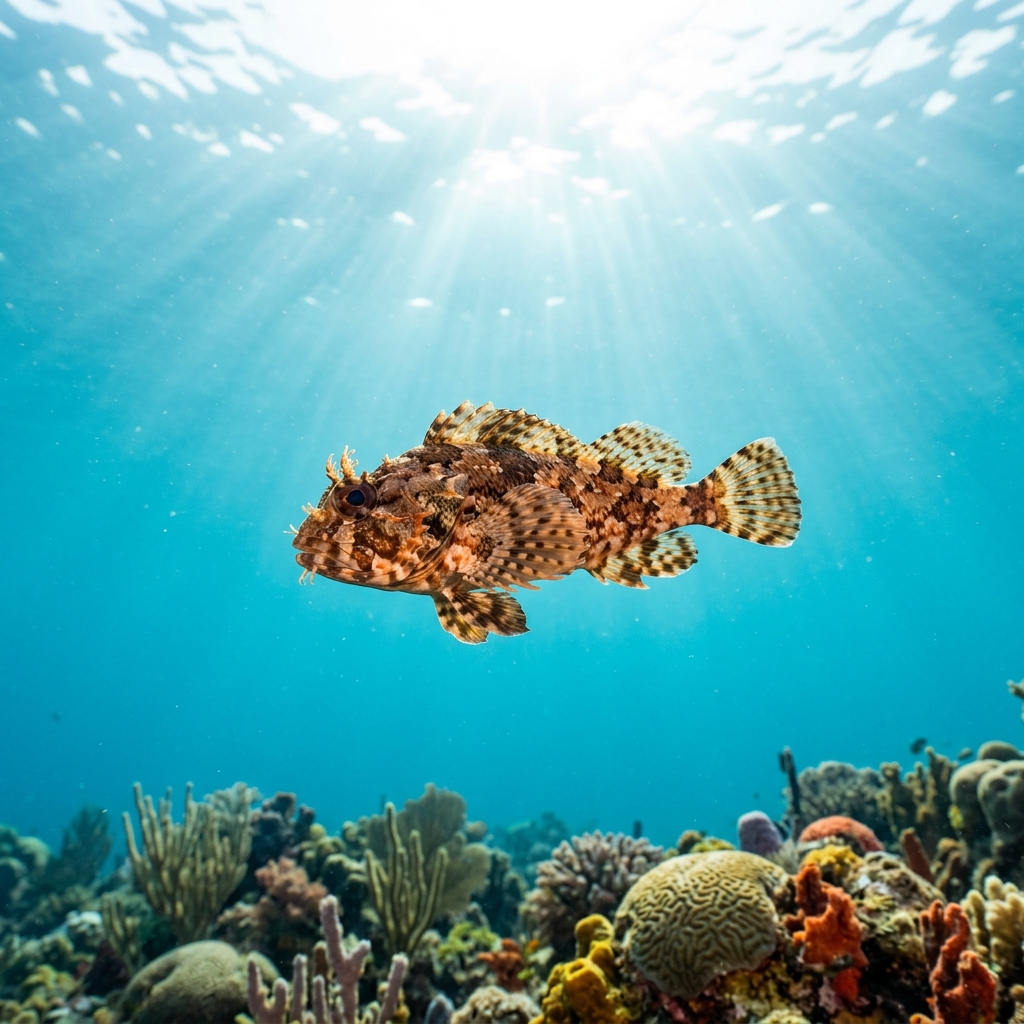
Reef neighbours a diver could mistake it for. Use the identification notes above to tell them apart.
This one is a Florida speciality, logged consistently across dive and snorkel sites throughout the state and rarely reported elsewhere in the data. If you are diving Florida's rock ledges, jetties or nearshore reefs, it is one of the more dependable small blennies to find, common at over half the sites where it has been recorded.
Mapping where Oyster Blenny is logged…
Florida is the reliable place to find it, with sightings logged across sites throughout the state. It has not turned up with any consistency outside Florida in diver records so far.
There is no strong seasonal signal in the sightings, and it is recorded across a warm 25.5 to 28.2C range, so divers find it year-round rather than during one specific season.
Look for a small, 5cm mottled brown fish perched motionless on rock, rubble or shell rather than swimming freely. It has a blunt head and small fringed cirri above the eyes, and blends closely into encrusted surfaces.
They stay small, typically around 5cm long, which is one reason divers often miss them unless they are scanning ledges and rubble closely.
No, they pose no danger to divers. They are tiny, sedentary fish that hold their perch rather than react defensively when approached.
Site and sighting data is aggregated from diver logs, iNaturalist and GBIF. For taxonomy and conservation status:
Rusty Blenny
2,605 sites