Sebastes serranoides
Olive-brown reef fish logged across California's kelp forests, from Monterey to San Diego, in cool 12-19C water year-round.
Safety warning
Carries venomous spines along the dorsal fin like other rockfish, capable of a painful sting if handled or grabbed accidentally. Keep hands off the reef and give it space rather than trying to touch or corner it; a sting is rarely dangerous but demands medical attention if it happens.
If you're stung
Venomous spinesGeneral first-aid guidance, not a substitute for professional medical care. In an emergency, call your local emergency number.
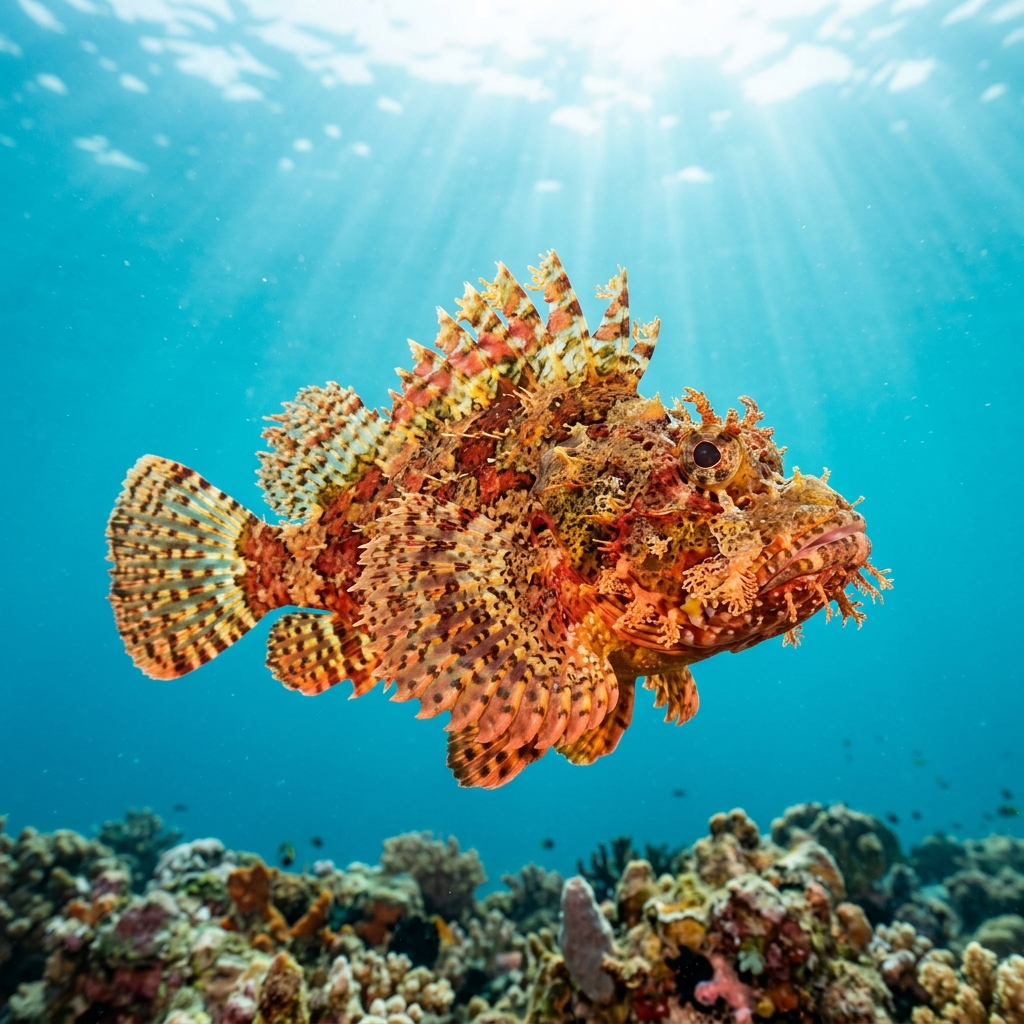
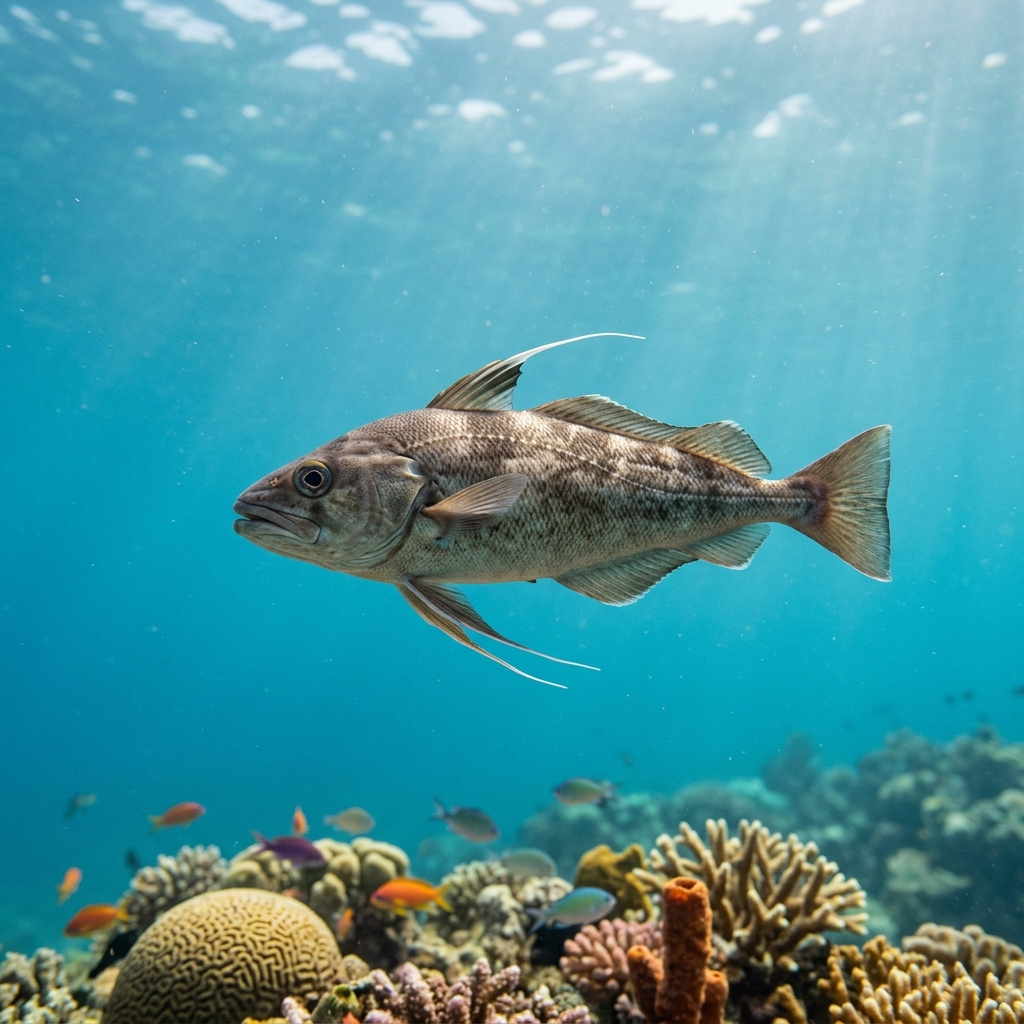
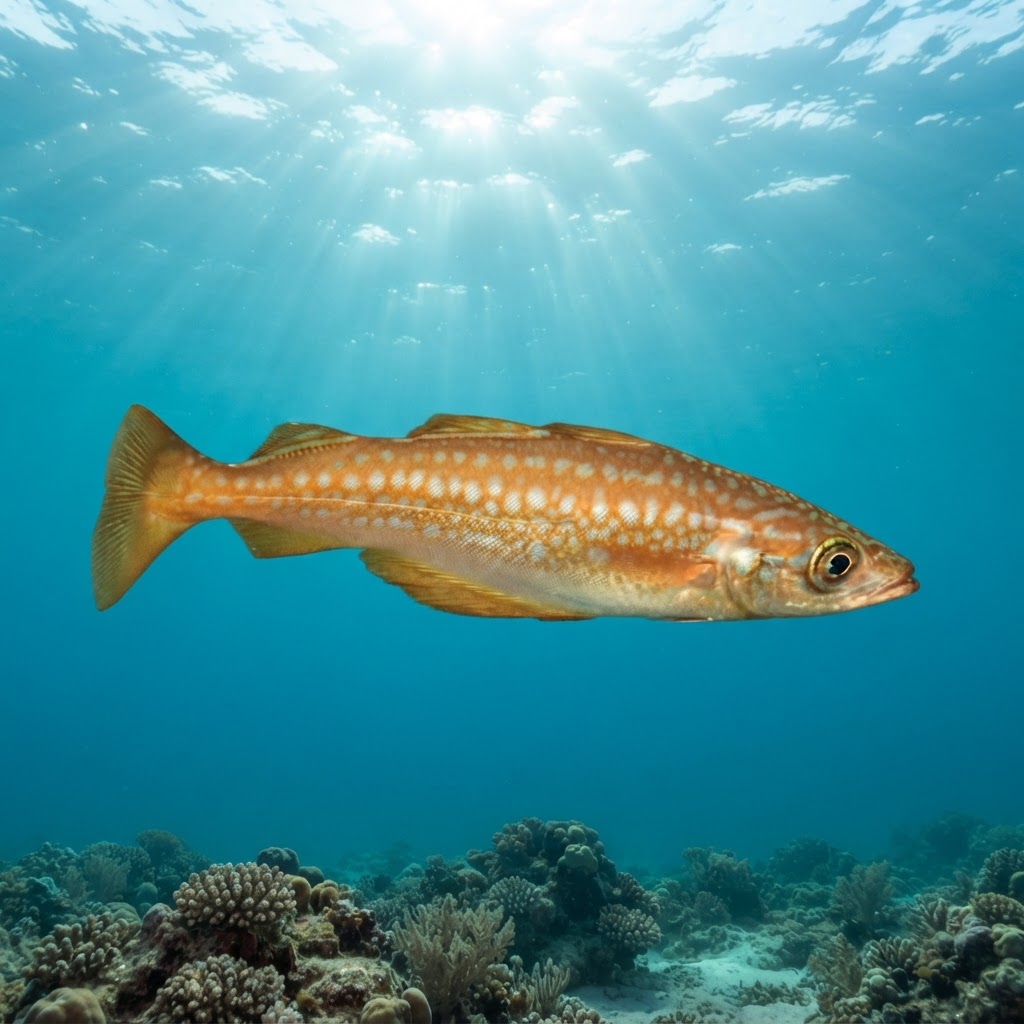
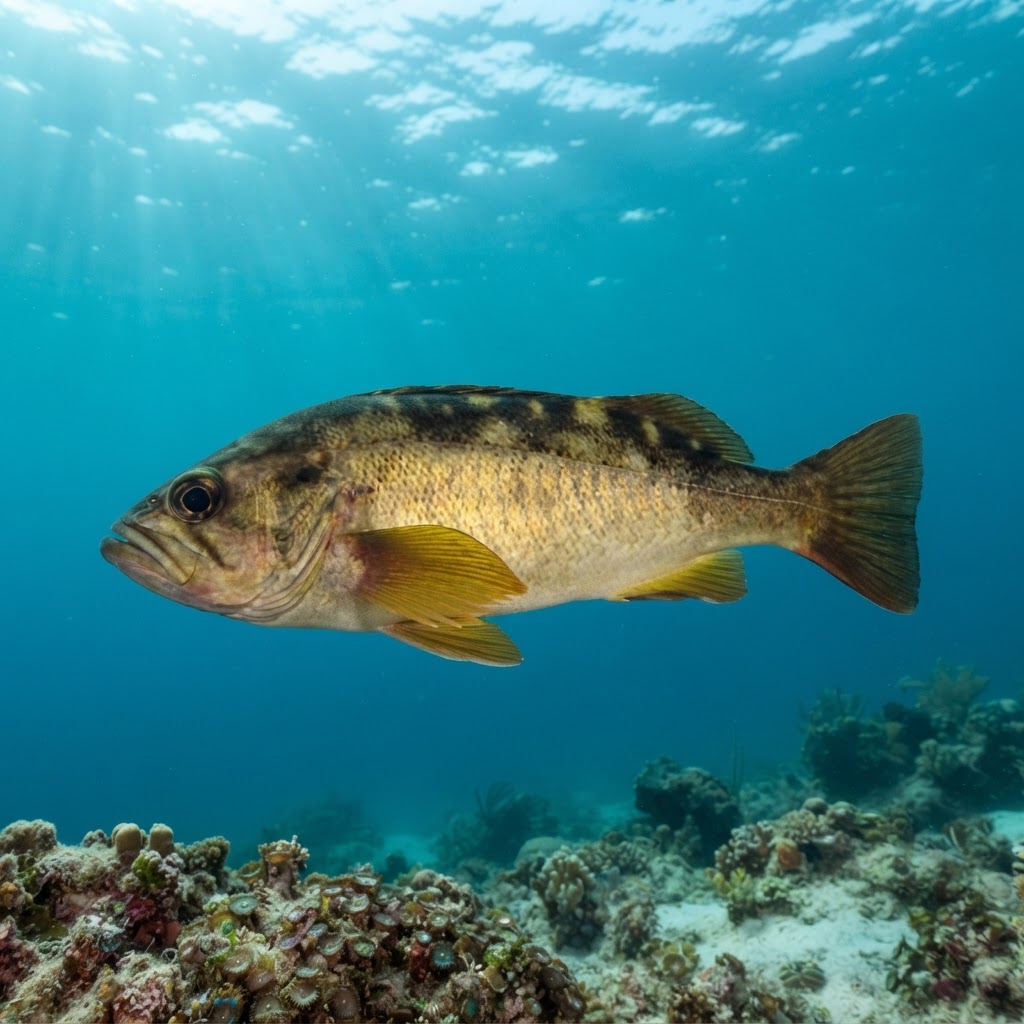
Elongated, torpedo-shaped body running olive-brown to grey-green with a pale patch behind the pectoral fin and faint mottling along the flanks. Grows to around 43cm, with a spiny dorsal fin held low against the back until disturbed. Look for the slightly upturned mouth and the way it hovers mid-water over rocky reef rather than resting on the bottom like many of its relatives.
Divers most often find this one hovering mid-water above rocky reef or kelp, holding station rather than darting for cover, which makes it easier to approach slowly than most scorpionfish relatives. It tends to ignore divers who keep a steady distance, though it will drop into rock crevices if crowded. Look for it patrolling just off the reef structure rather than sitting camouflaged on the bottom.
Unlike many scorpionfish that lie still and ambush prey from the substrate, this species swims actively in open water to hunt, which is part of why it is easier to spot than its more sedentary relatives.
Logged year-round with no strong seasonal pattern, sitting comfortably in the 12 to 19C range typical of California's kelp forests through the seasons. Cooler months may bring slightly clearer water for spotting it mid-water, but there is no data-backed peak season to plan around.
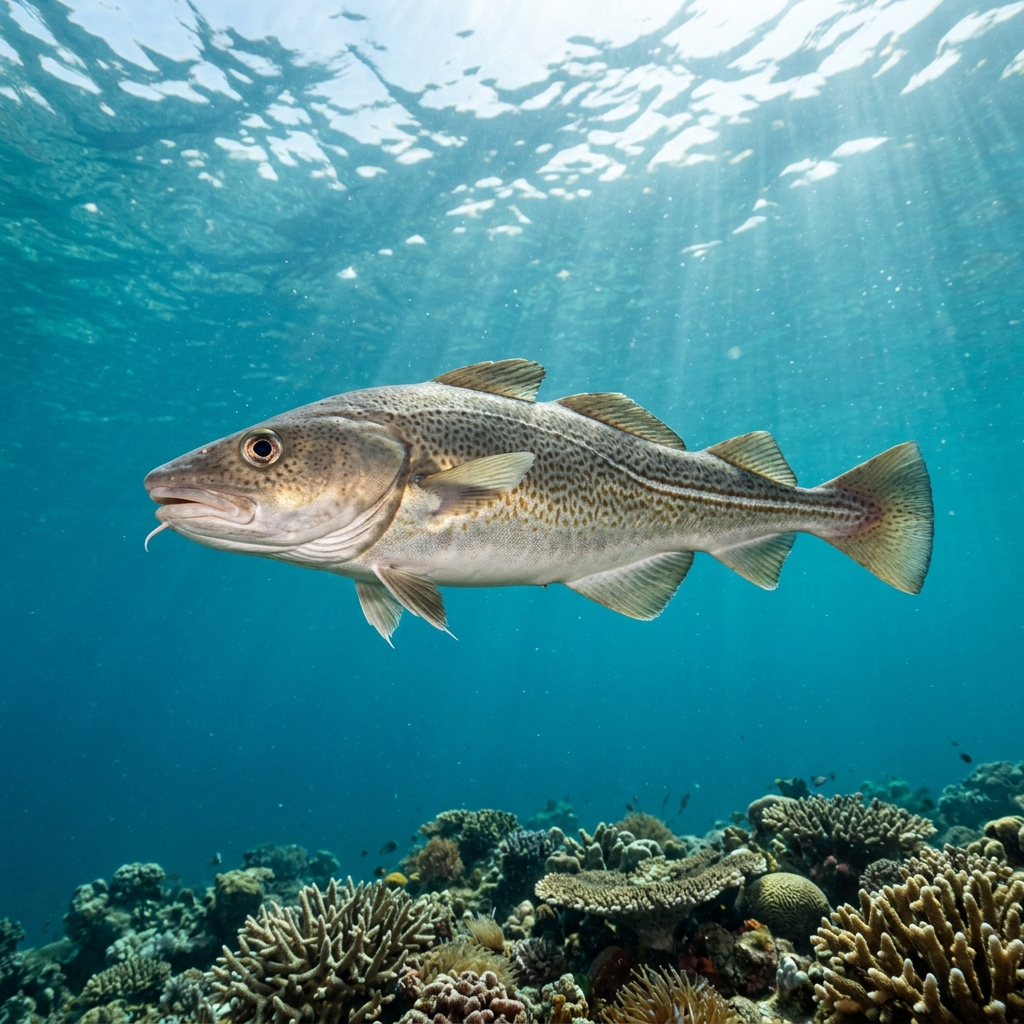
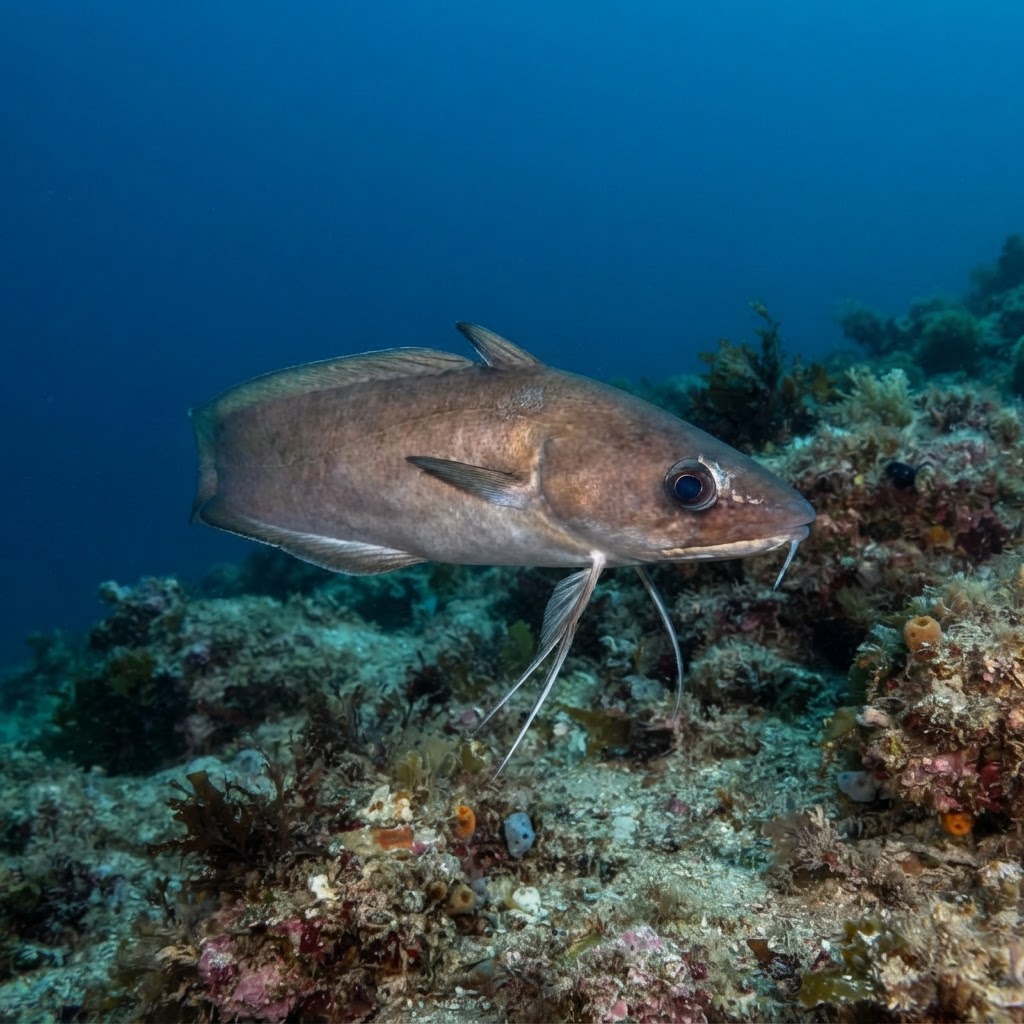
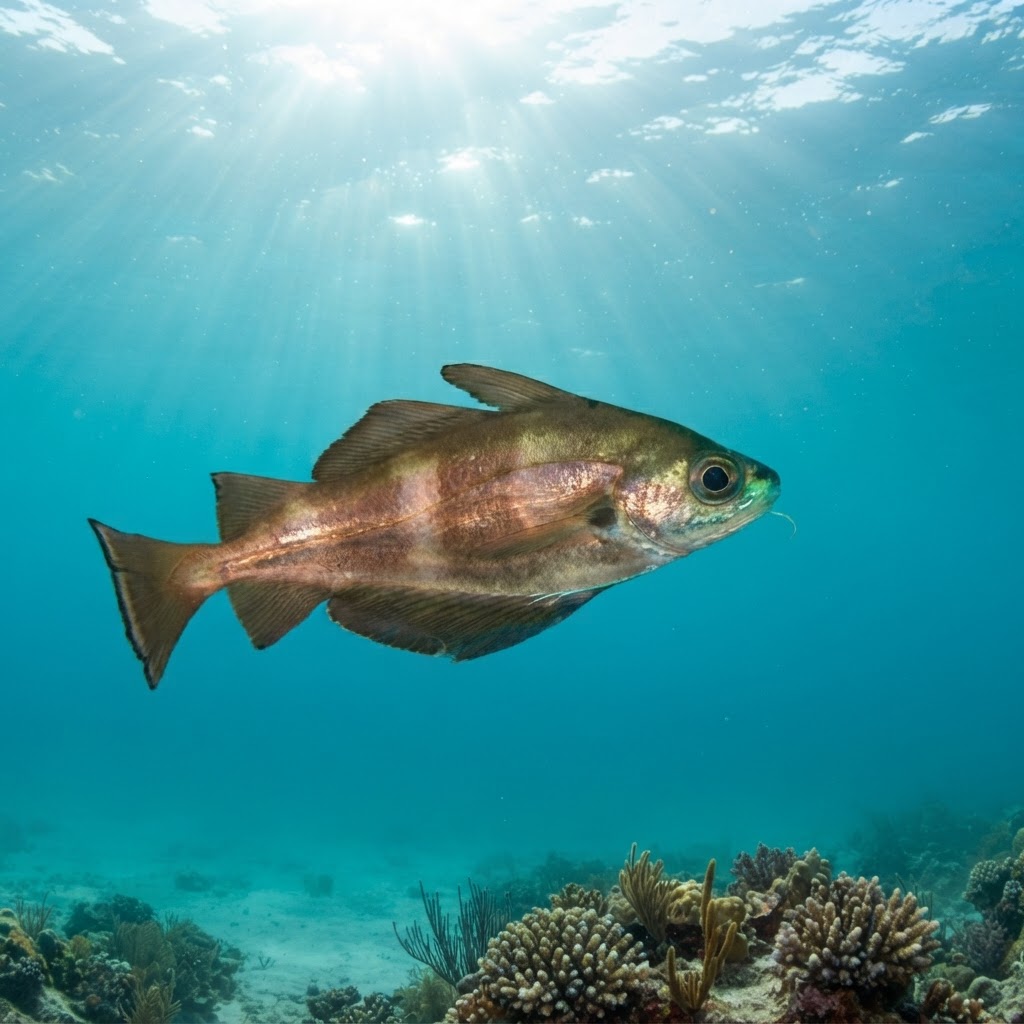
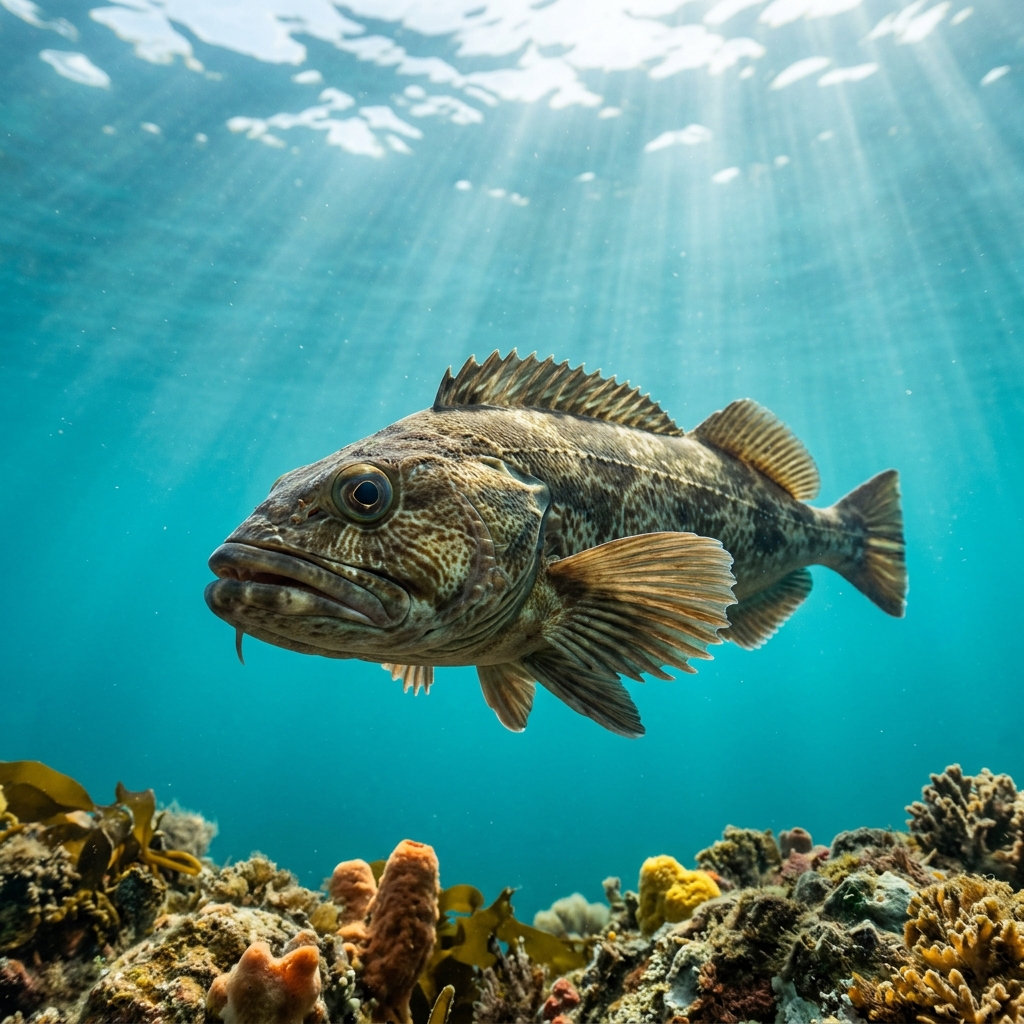
Reef neighbours a diver could mistake it for. Use the identification notes above to tell them apart.
California is the only place divers log this fish with any consistency, most often on the rocky reefs and kelp forests off Monterey and other sites through California's coast. Sightings are spread across more than twenty logged sites, though most divers rate it uncommon to rare, so it rewards a slow look through mid-water rather than the reef floor.
Mapping where Olive Rockfish is logged…
California is the main place divers log this species, particularly along rocky reef and kelp forest sites through the state's coastal dive regions. It is not commonly reported outside California in current diver data.
Sightings are logged year-round with no clear seasonal spike, and the species sits comfortably in 12 to 19C water typical of California diving through the seasons. Any time you are diving California's kelp forests is a fair shot.
Yes, they carry venomous spines in the dorsal fin that can deliver a painful sting if the fish is handled or squeezed. Divers who avoid touching the reef and give the fish space have nothing to worry about.
Look for an olive-brown to grey-green torpedo-shaped body around 43cm long, with mottled flanks and a pale patch behind the pectoral fin. It hovers mid-water over rocky reef rather than resting flat on the bottom, which helps separate it from more camouflaged relatives.
They typically reach around 43cm in length, making them a medium-sized member of the rockfish family found on California's rocky reefs.
Most rockfish sit still on the substrate waiting to ambush prey, but this species swims actively in mid-water to hunt, which is why divers often spot it hovering above the reef rather than camouflaged against it.
Site and sighting data is aggregated from diver logs, iNaturalist and GBIF. For taxonomy and conservation status:
Pollack
282 sites