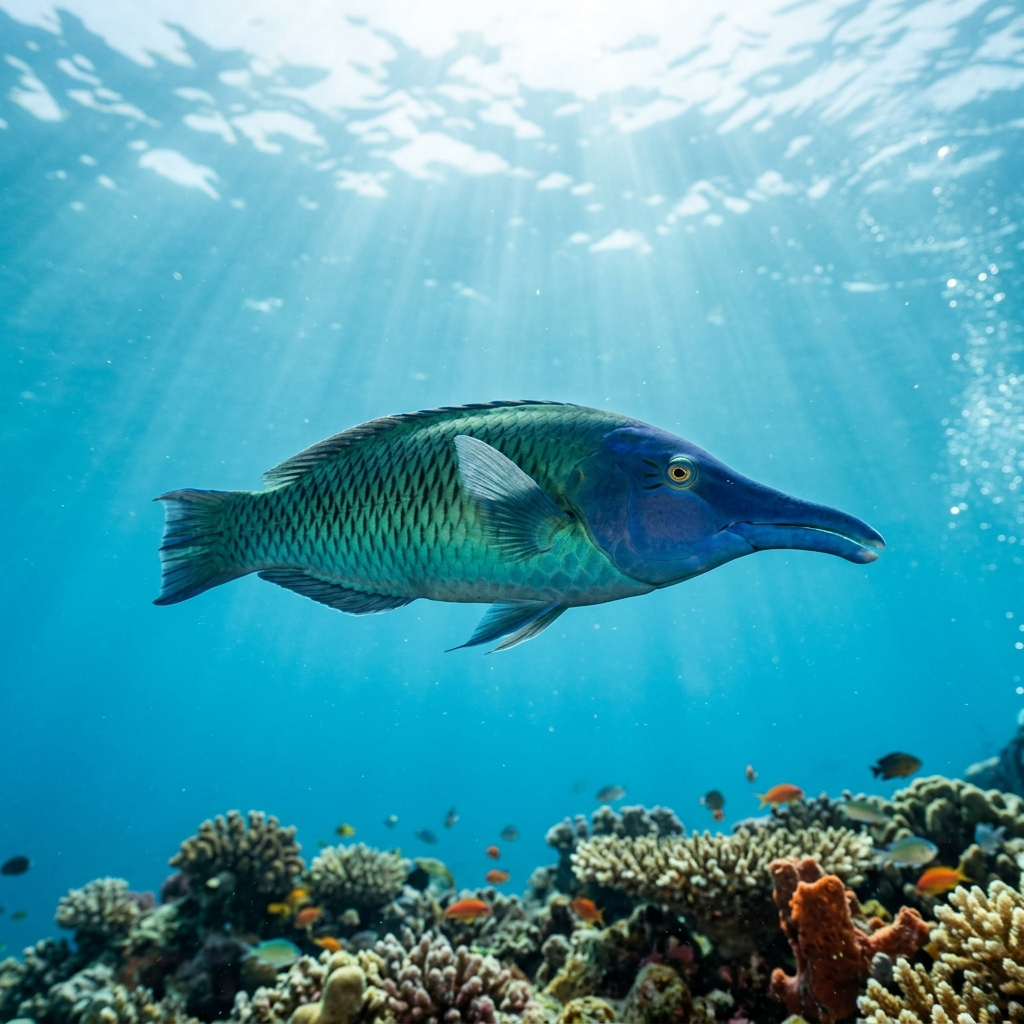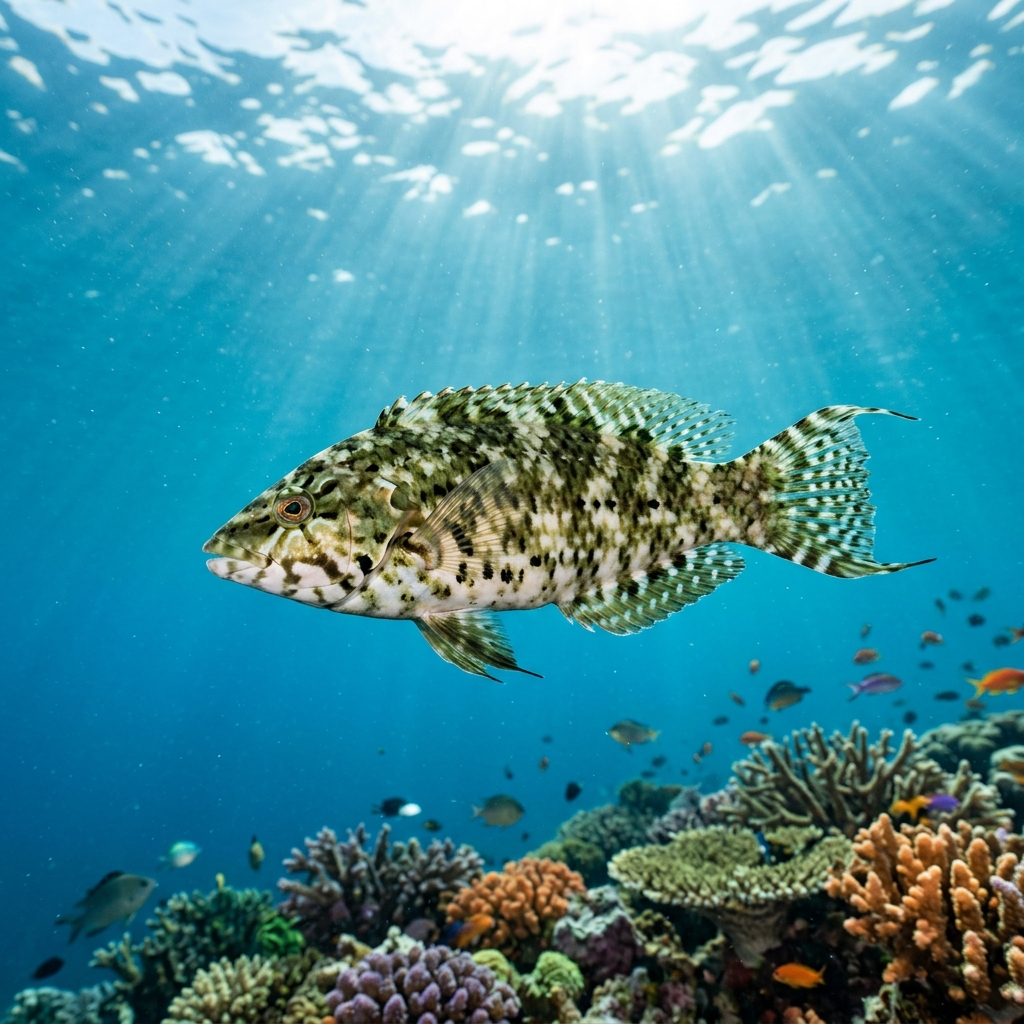
Novaculichthys taeniourus
Spot the Rockmover Wrasse across the Philippines, Maldives and Hawaii. Learn its key markings and when to look in warm Indo-Pacific waters.
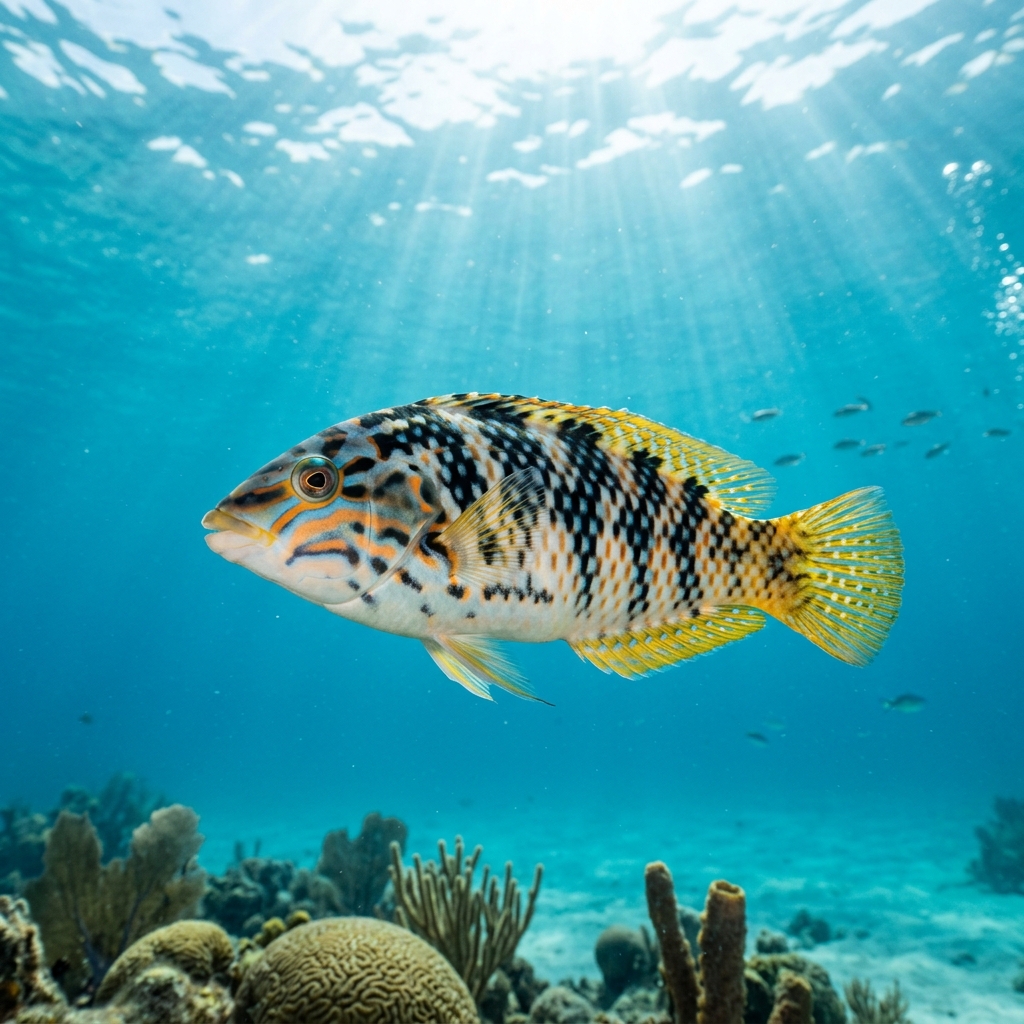
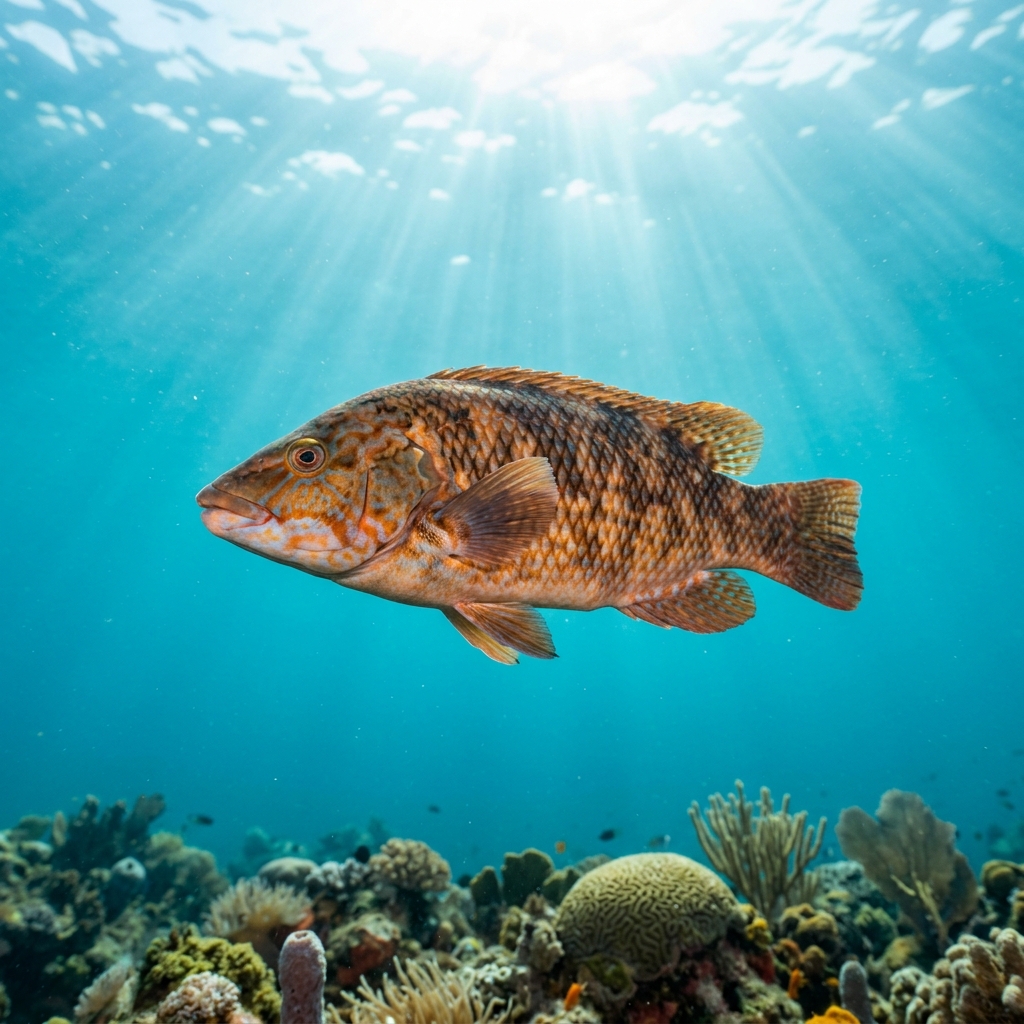
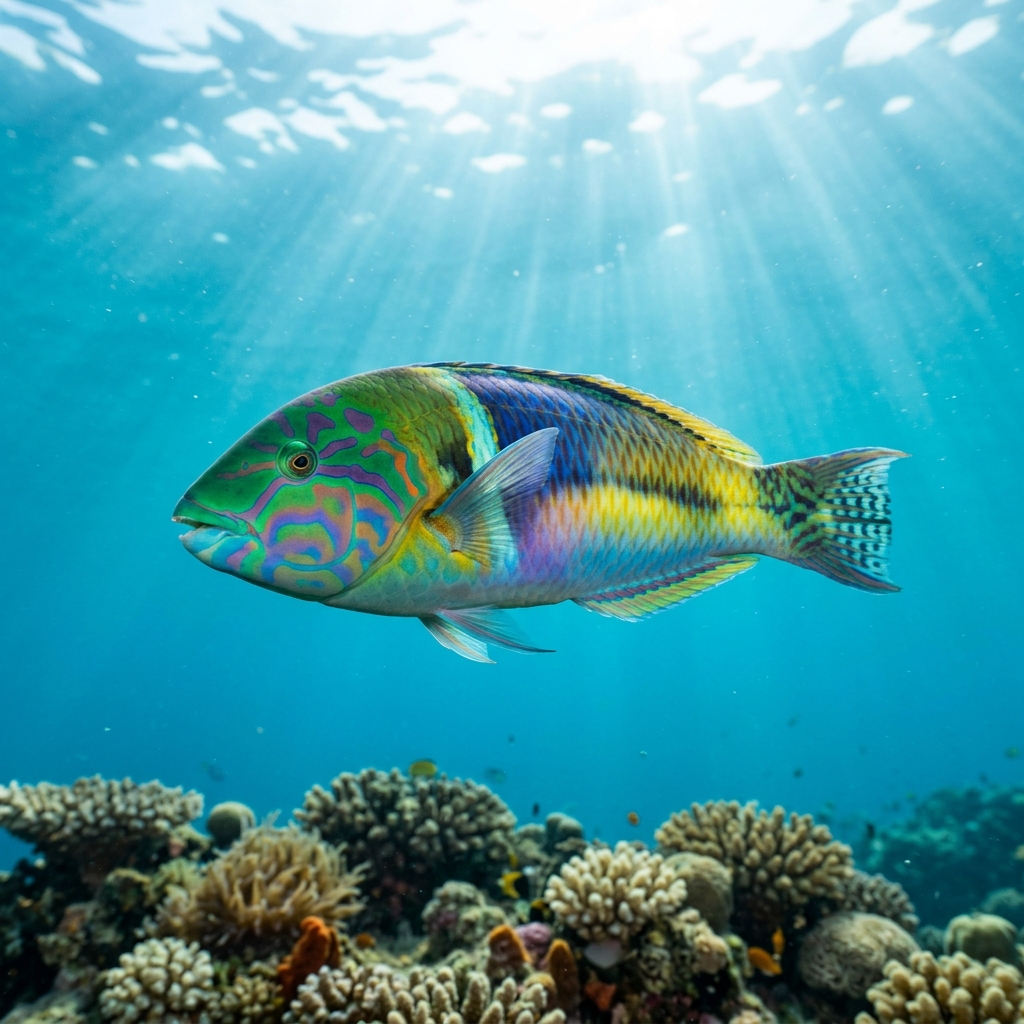
Two short, erect dorsal spines at the front of the fin act like a pair of horns, this is the quickest field mark underwater. Adults are greenish-brown with a reticulated (net-like) pattern of pale lines across the body and a distinctive dark stripe behind the eye. Juveniles look completely different: they mimic drifting algae with a mottled brown-and-white pattern and exaggerated fin movements that make them look like a tumbling piece of weed. The body is elongated and laterally flattened, typical of wrasses, and adults typically reach around 30 cm.
Rockmover wrasse are almost always seen close to the sand-rubble interface, actively flipping small pieces of coral rubble and shells with their snout to expose invertebrates hiding underneath, the habit that earns them their name. They are fast-moving and fairly wary of divers; approach slowly and stay low, as they will dart into the rubble and disappear if startled. Juveniles drift slowly in mid-water with a convincing impersonation of a fragment of algae, making them easy to overlook until you notice the deliberate, rhythmic fin movement.
The juvenile camouflage-as-algae strategy is one of the more convincing mimicry acts on Indo-Pacific reefs, they sway their bodies and flutter their fins in a convincing drift that fools both predators and casual observers.
In Northern Hemisphere destinations such as the Philippines, Japan, and Hawaii, sightings concentrate from December through September. In Southern Hemisphere sites like Indonesia, peak periods run November to February and again May to September, broadly tracking the warmer months in each region.
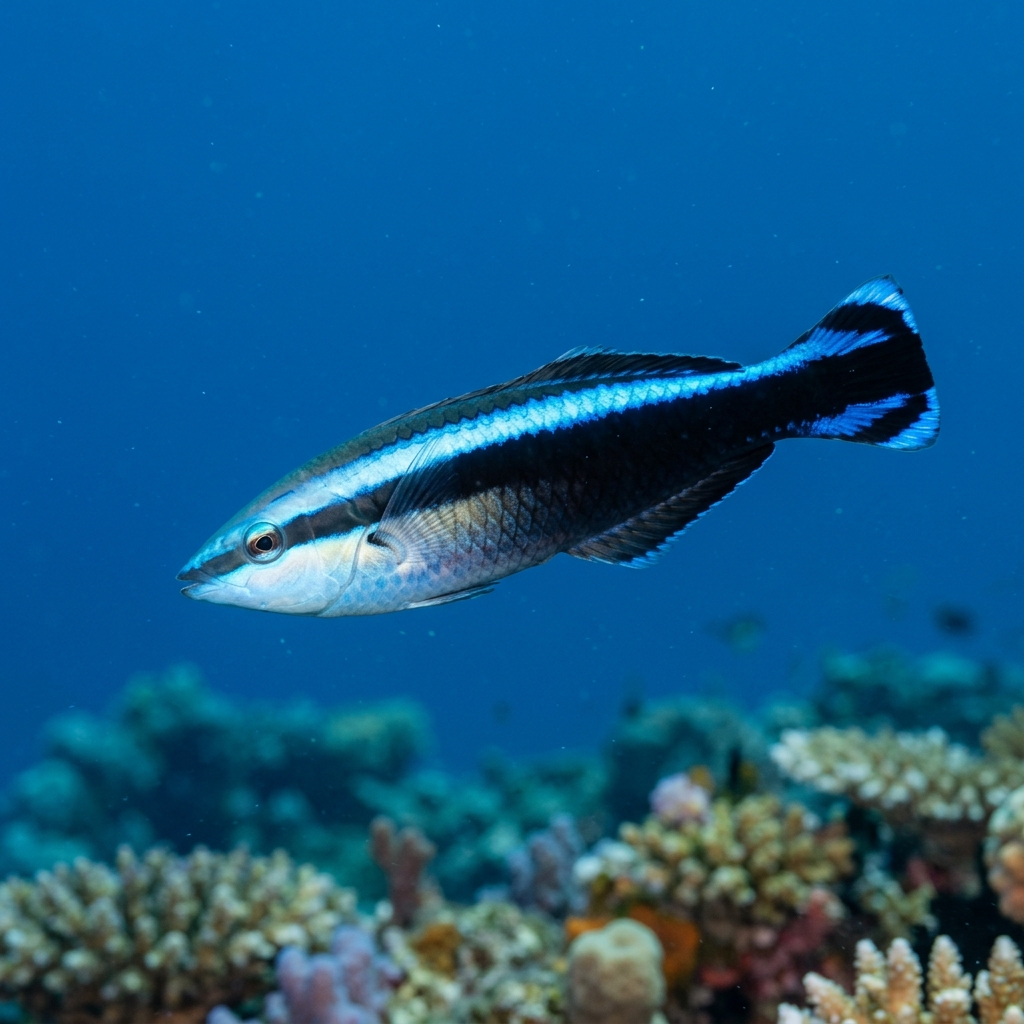
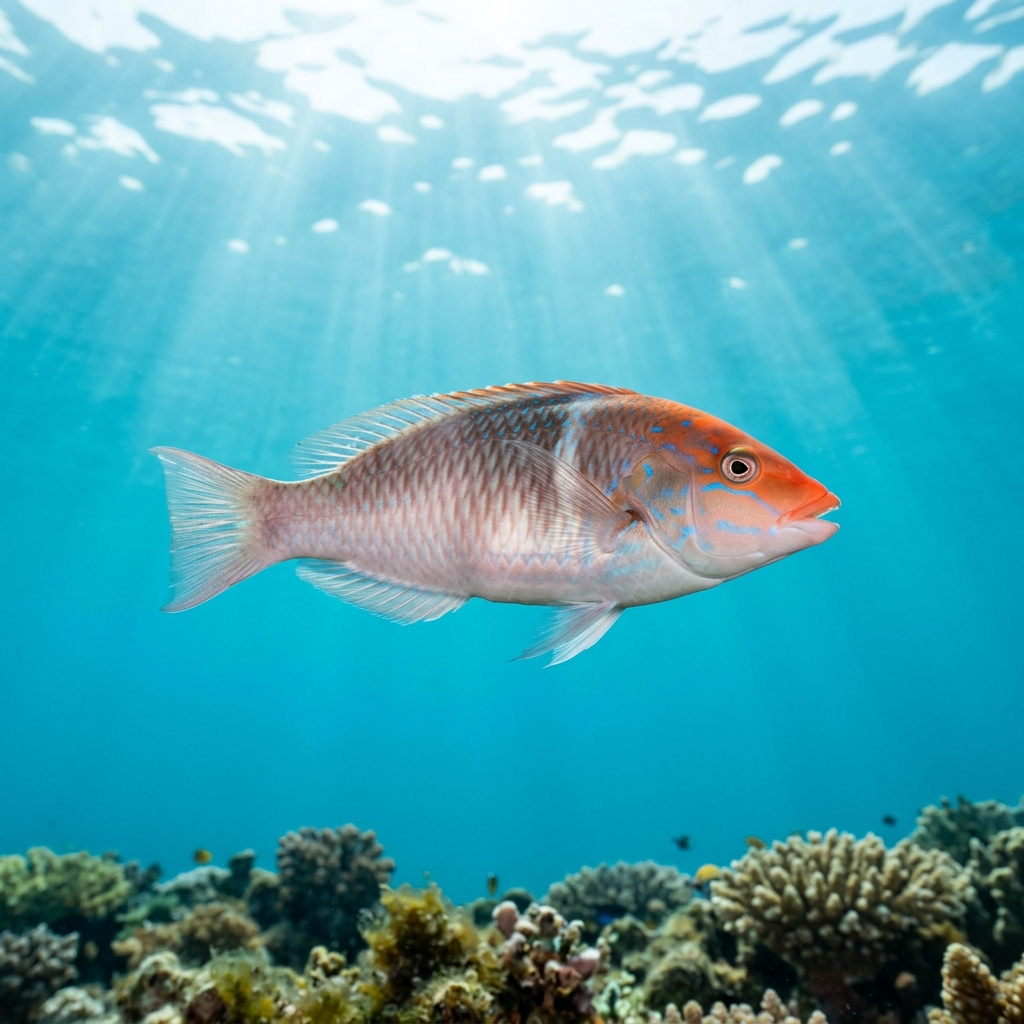
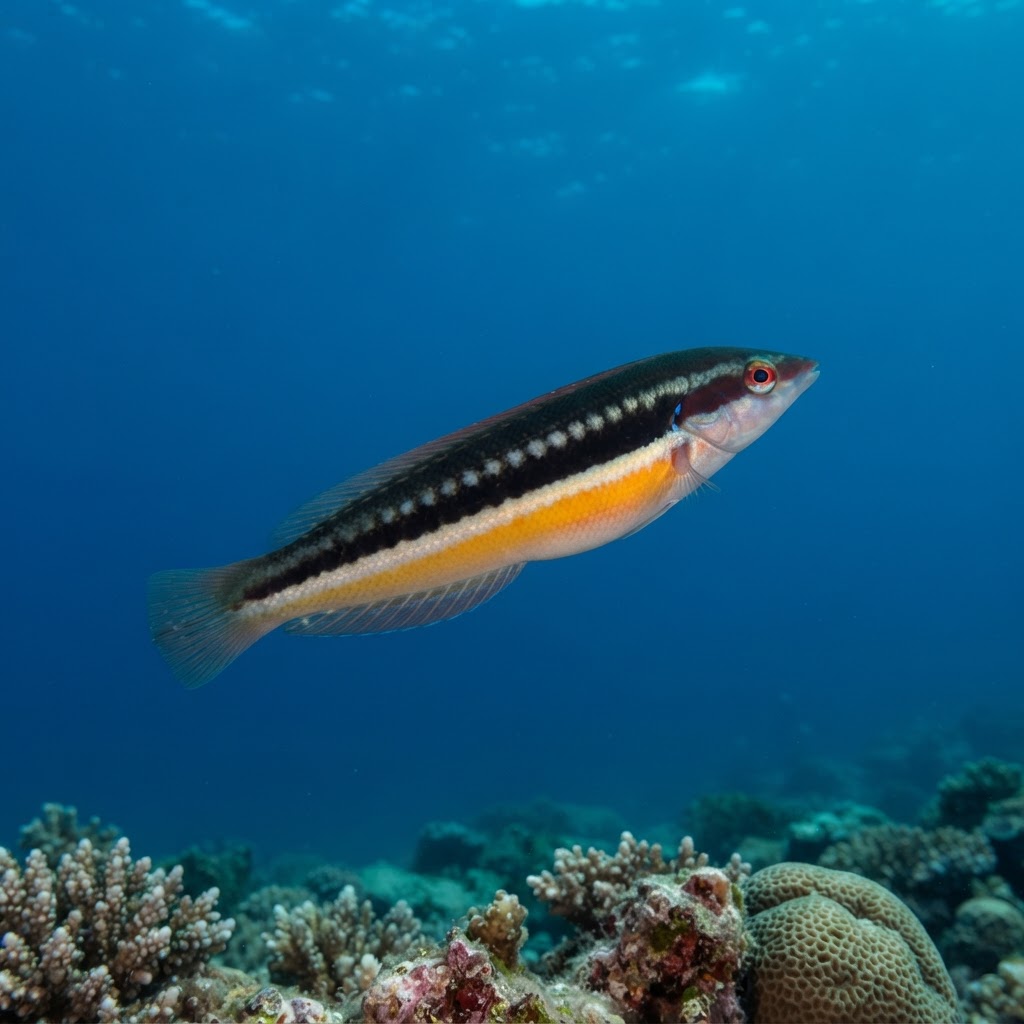
Reef neighbours a diver could mistake it for. Use the identification notes above to tell them apart.
Most commonly logged across the Indo-Pacific, with the Philippines (especially the Visayas) and Indonesia (Bali and Lombok) recording the strongest site coverage. The Maldives' Male and Ari Atolls and French Polynesia's Tahitian reefs are also reliable areas. Hawaii rounds out the top spots for divers heading into the Pacific.
Mapping where Rockmover Wrasse is logged…
They are most reliably encountered across the tropical Indo-Pacific. The Philippines (particularly the Visayas), the Maldives, Bali and Lombok, French Polynesia, and Hawaii are among the top destinations where divers log them. Look on shallow rubble and sandy reef edges rather than on hard coral walls.
In northern hemisphere destinations like the Philippines and Hawaii, sightings are most frequent from December through September. In southern hemisphere sites such as Indonesia, look for them from November to February and May to September. They favour warm water between roughly 24 and 29°C, so peak season broadly follows the warmest months in each region.
Look for two short, erect spines at the front of the dorsal fin, they sit like a pair of small horns and are unique among wrasses on Indo-Pacific reefs. Adults have a greenish-brown body with a pale net-like pattern of lines and a dark stripe behind the eye. Juveniles look nothing like the adults; they mimic algae with mottled brown-and-white colouring and sway as they drift.
Adults typically reach around 30 cm in length, making them a medium-sized wrasse. In the water they appear slender and elongated, and they move quickly, so you often see less of the fish than the length suggests.
The name comes from a very visible feeding behaviour: adults use their snout to flip small stones, shells, and coral rubble to find the crabs, worms, and small invertebrates hiding underneath. Watching one methodically shift pieces of rubble much larger than you'd expect is one of the more entertaining sights on a shallow reef.
No. They pose no threat to divers whatsoever. If anything the challenge is the opposite, they are quick to flee into the rubble when approached, so slow and cautious movement gives you a much better look.
Site and sighting data is aggregated from diver logs, iNaturalist and GBIF. For taxonomy and conservation status:
Bird Wrasses
3,632 sites