Syngnathus fuscus
A thin, eelgrass-coloured pipefish logged from Nova Scotia to the US Northeast, most often spotted as an uncommon find year-round.
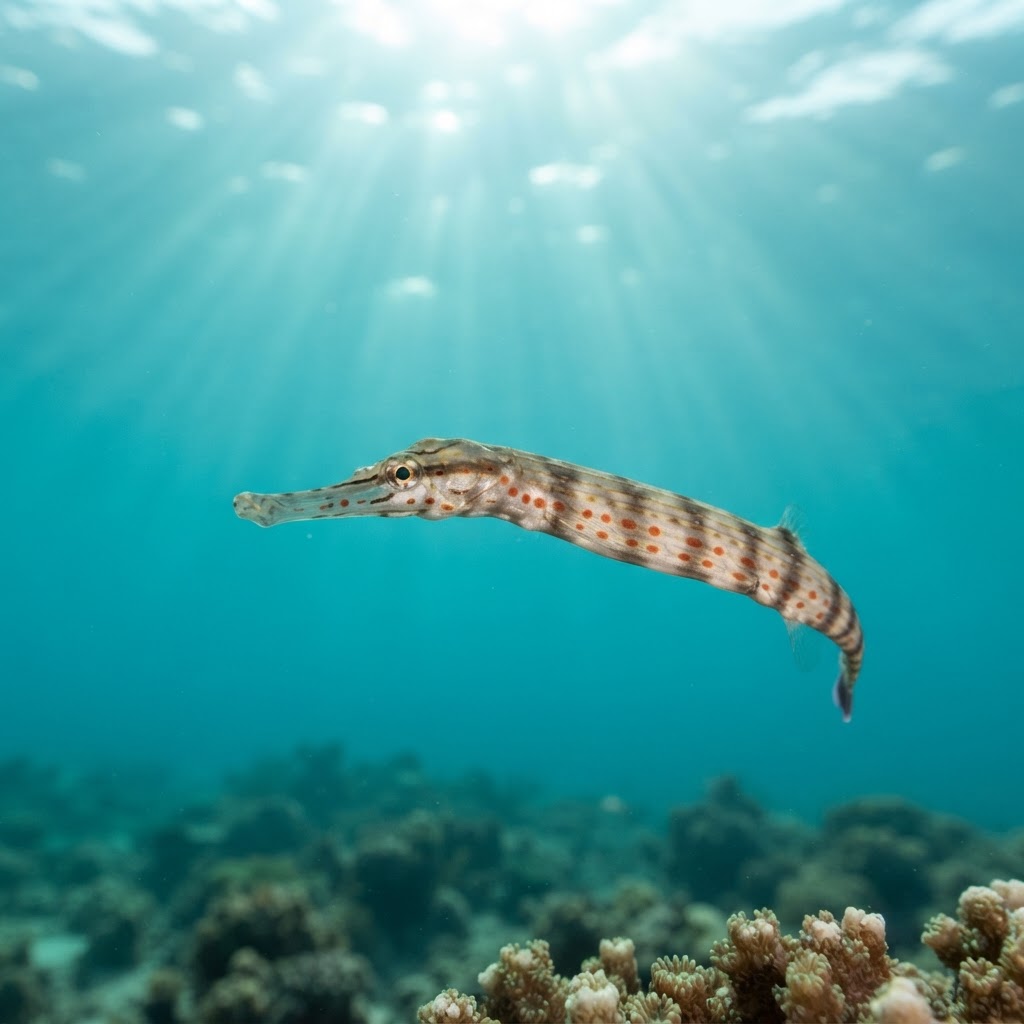
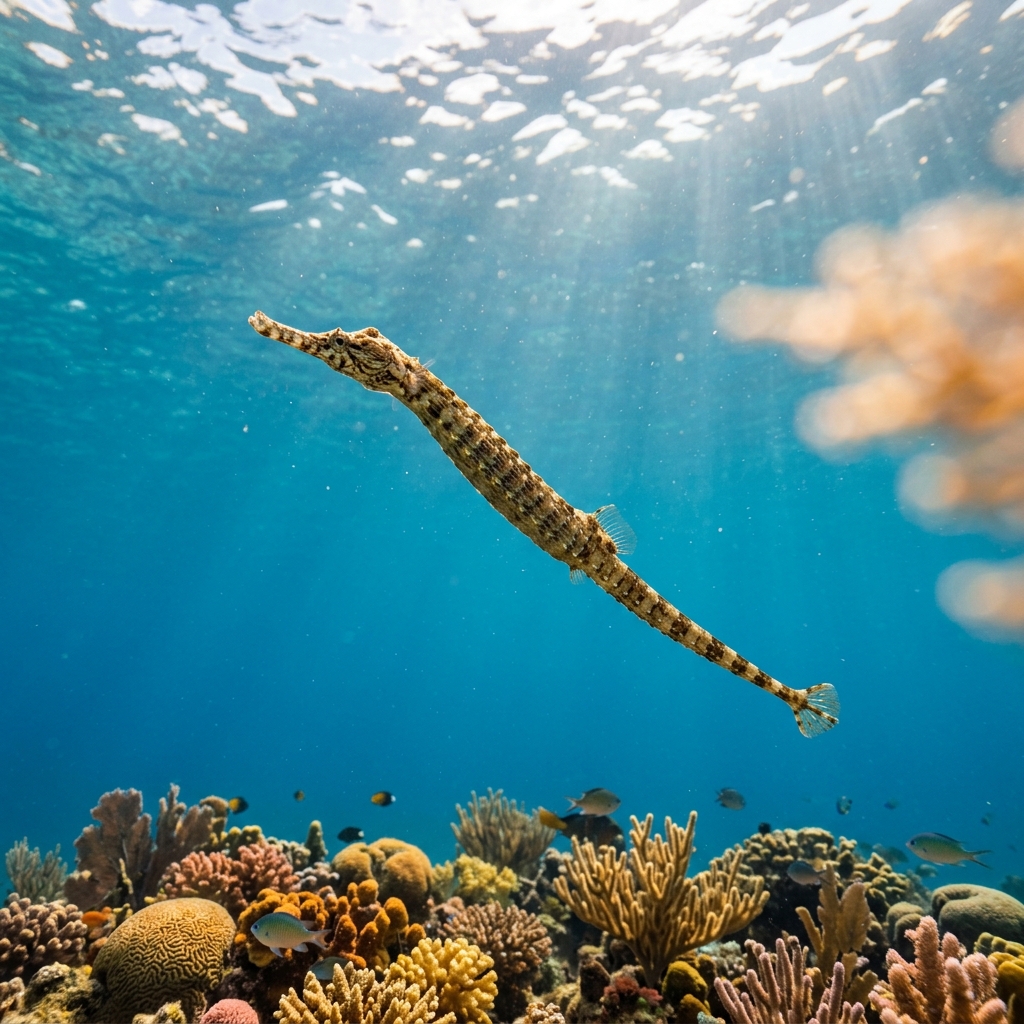
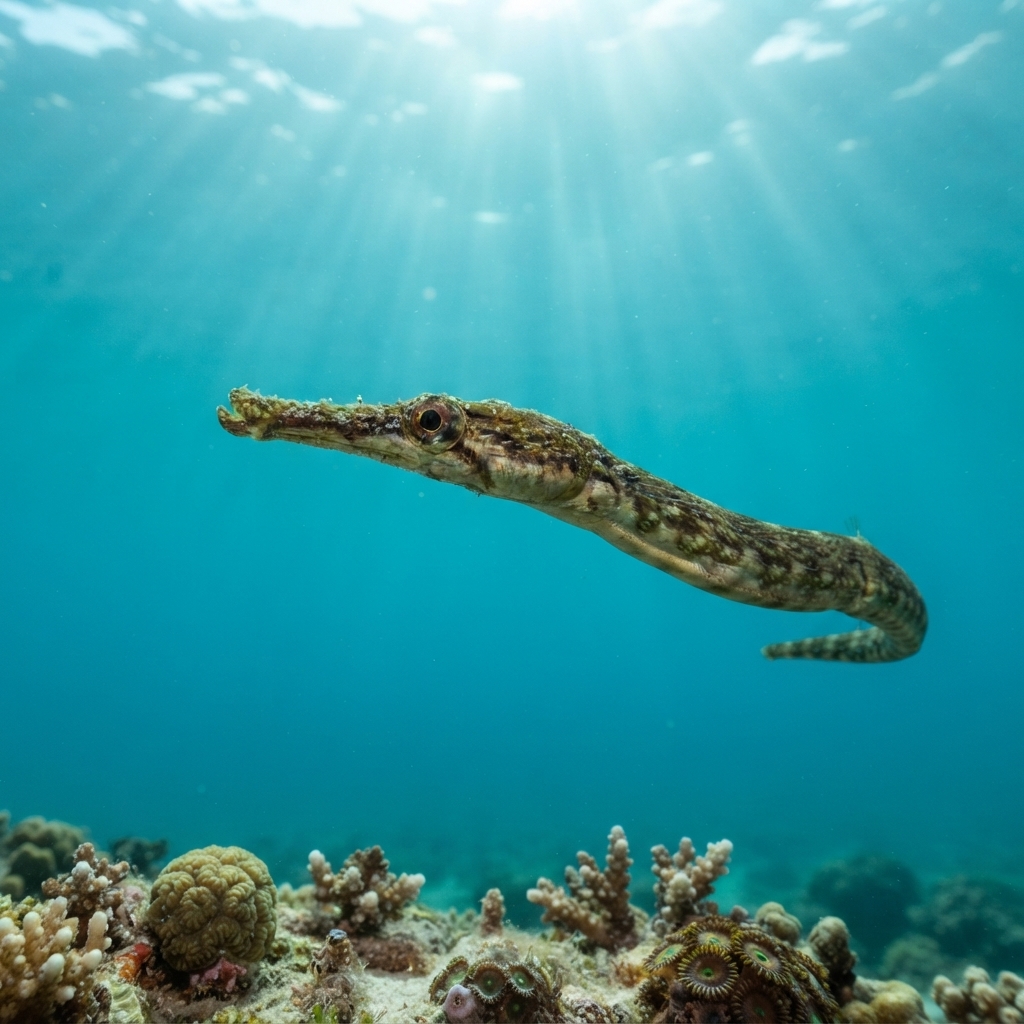
Long, thin, and rigid-bodied at around 23 cm, built like a straightened-out seahorse with a tube-shaped snout. Colour runs olive-brown to greenish, which lets it disappear against eelgrass and kelp blades. Look for the ringed, bony plating along the body and the way it holds itself horizontal rather than upright like a seahorse, drifting or hovering with barely any fin movement.
Divers usually find it holding still or drifting slowly through eelgrass and weedy shallows, relying on its colour and stick-like shape to stay unnoticed rather than swimming off. It tends to sit parallel to grass blades and stalks small crustaceans by ambush, showing little concern for divers who stay still and look closely rather than chasing.
Like seahorses, males carry the fertilised eggs in a pouch on the underside of the tail until the young are ready to swim free.
Sightings are logged across the year with no strong seasonal pattern in the data, and the recorded temperature range (0.5 to 20.4 C) shows it tolerates cold water fine, so it is a year-round possibility rather than a warm-season special.
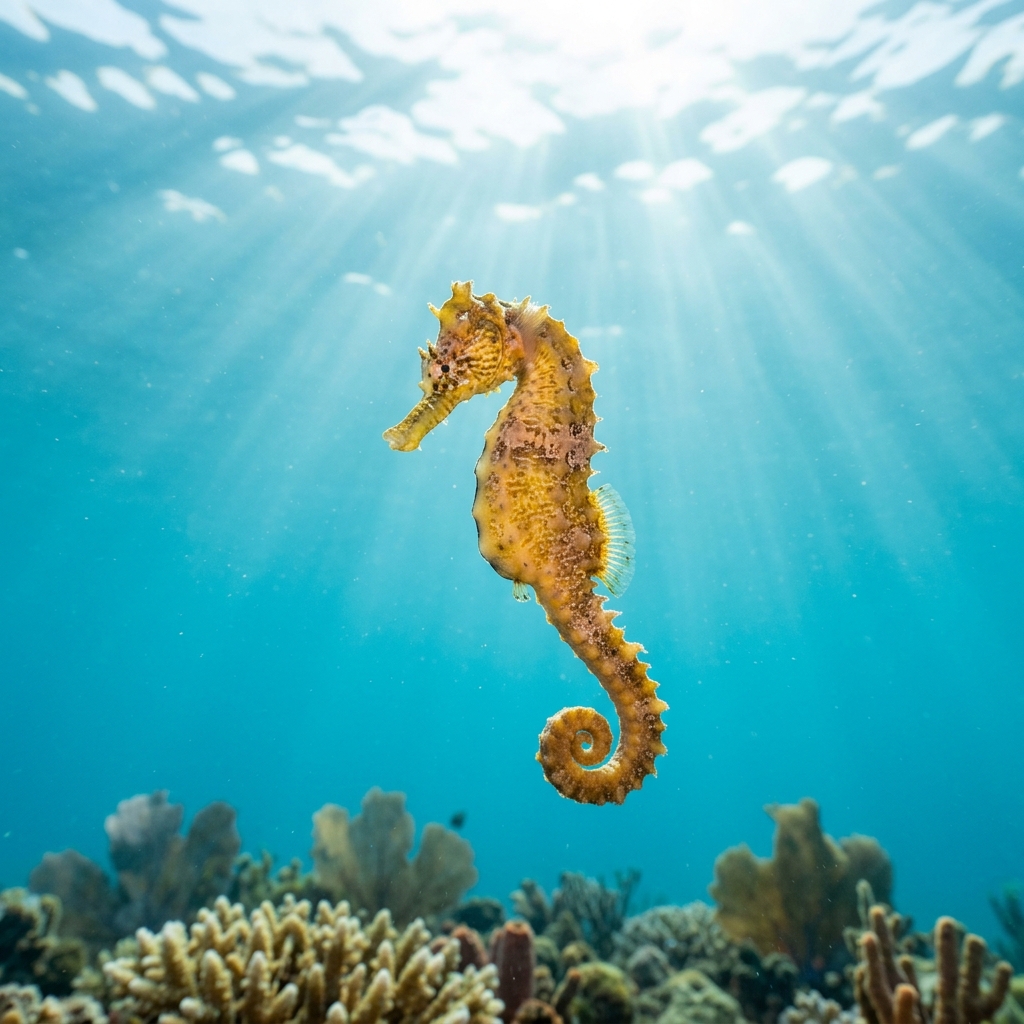
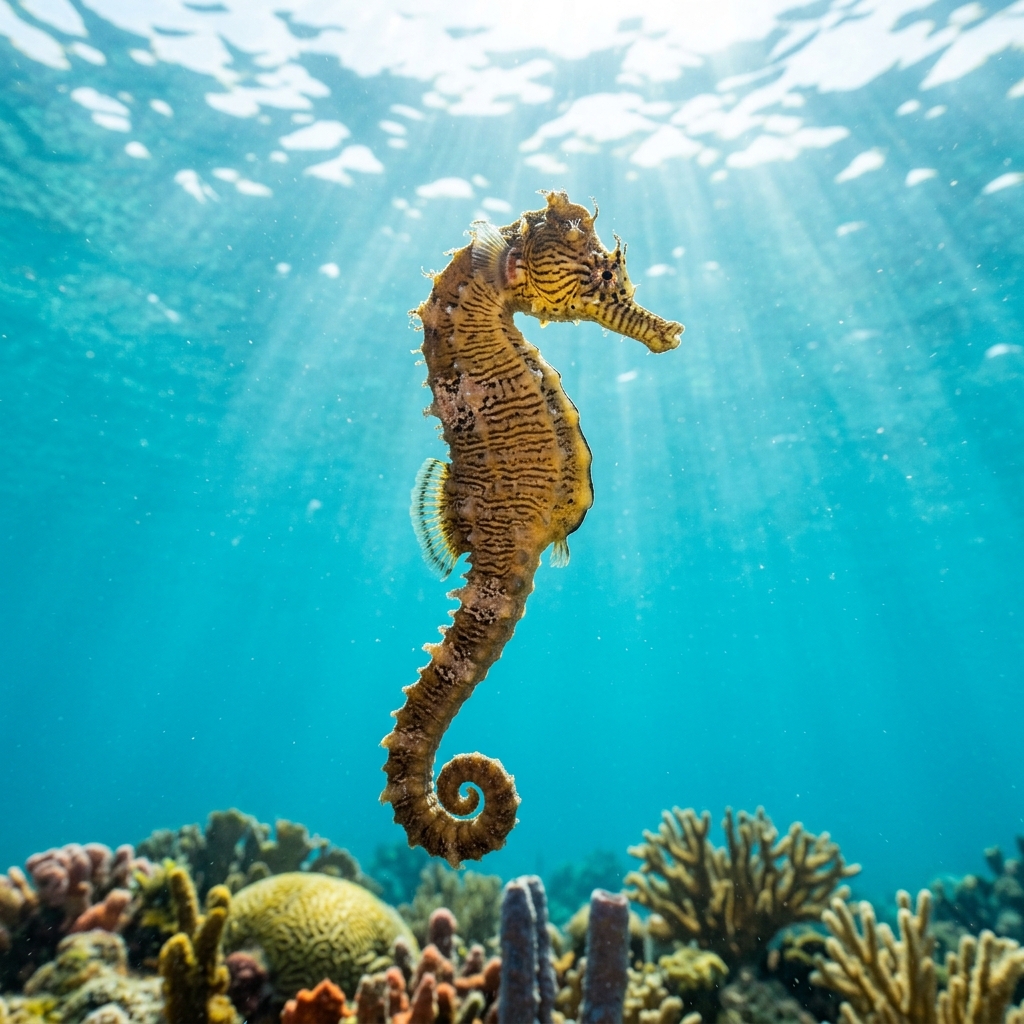
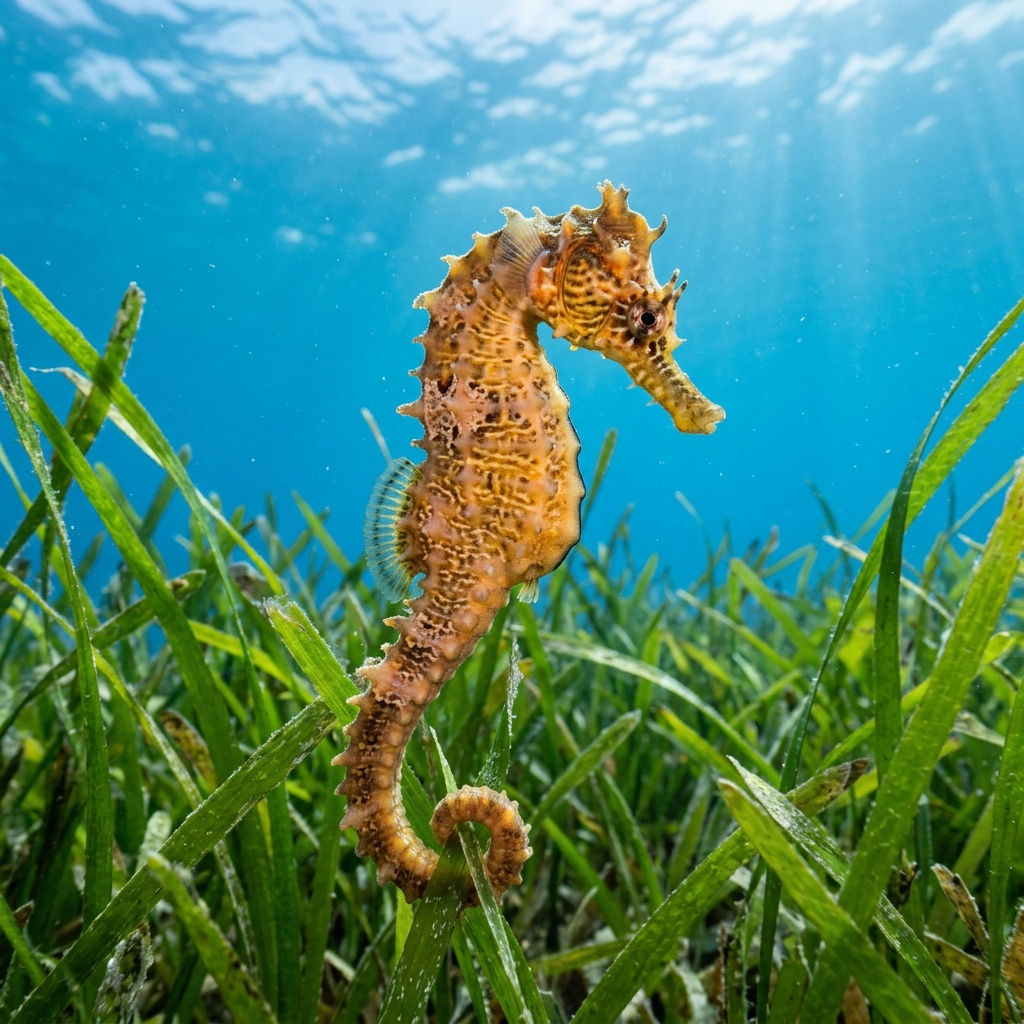
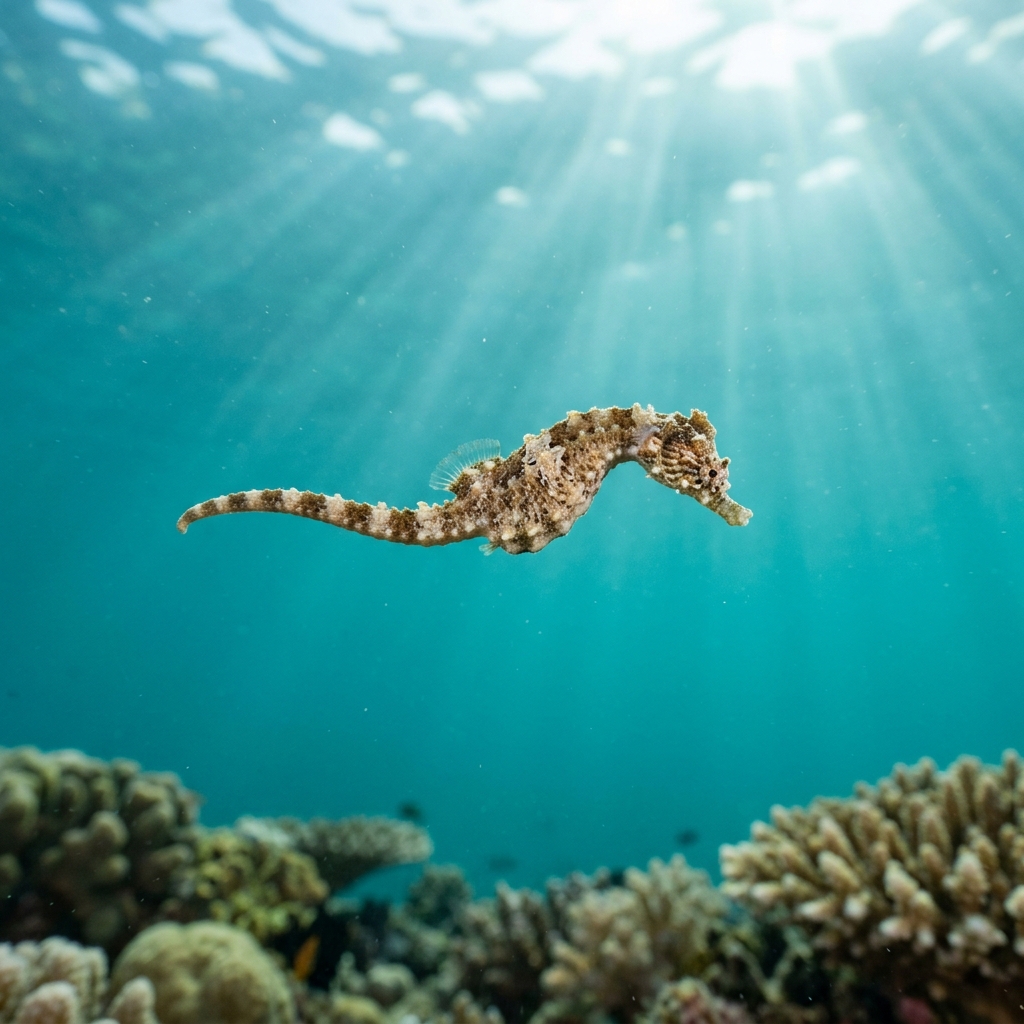
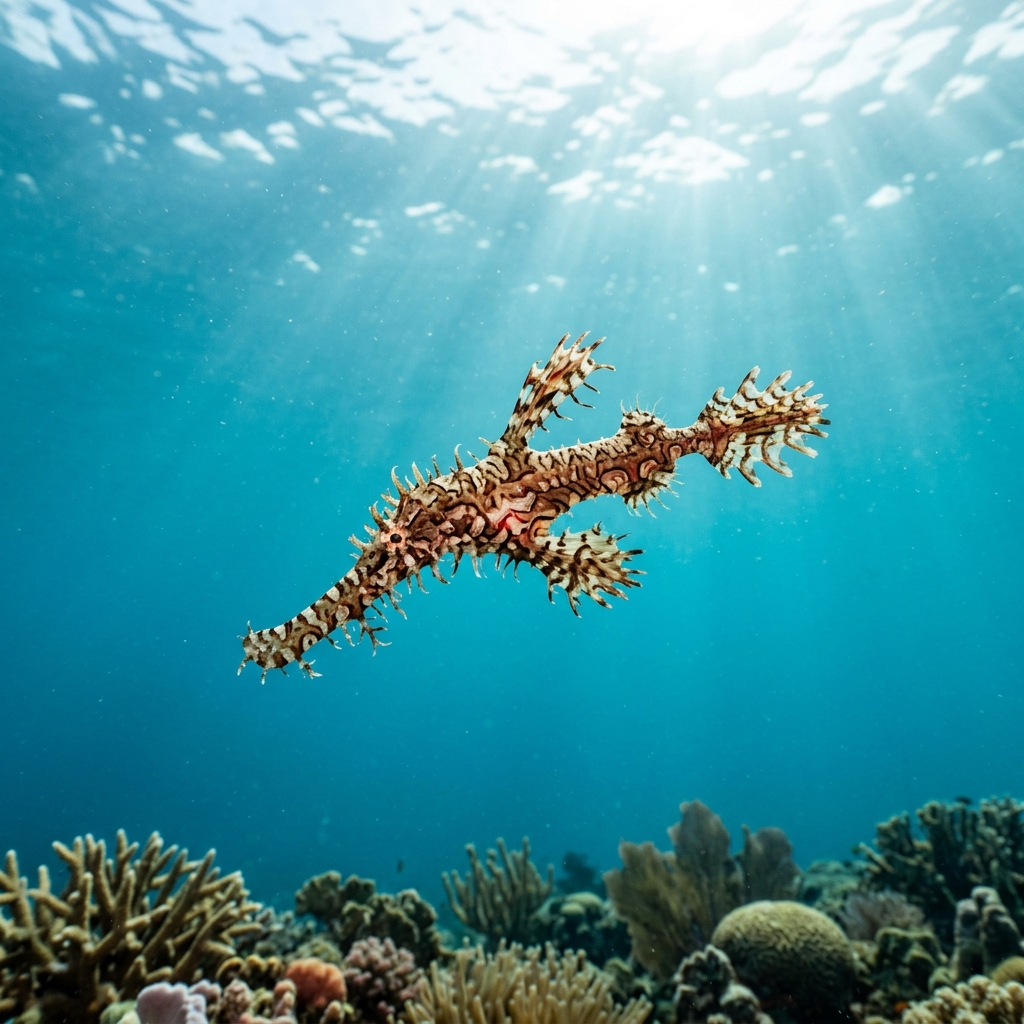
Reef neighbours a diver could mistake it for. Use the identification notes above to tell them apart.
Most reliably logged along the Northeast coast of the United States and around Nova Scotia in Canada, where it turns up in eelgrass beds and along rocky, weedy shorelines. Sightings across both regions run uncommon to rare at most sites, so it takes a patient, close look at the grass rather than open water scanning.
Mapping where Northern Pipefish is logged…
They are most often logged along the Northeast United States and around Nova Scotia, Canada, typically in eelgrass beds and weedy shallow rocky areas rather than open reef.
There is no strong season in the sighting data, and they are recorded across a wide temperature range from near-freezing to about 20 C, so they can turn up any time of year.
Look for a thin, rigid, olive-brown body around 23 cm long with a tube-like snout, held horizontal in eelgrass or weed rather than upright like a seahorse.
They typically reach around 23 cm in length, making them one of the longer members of the pipefish family found in temperate coastal waters.
Yes, males carry fertilised eggs in a brood pouch on the underside of the tail until the young hatch and swim off on their own, the same reproductive strategy seahorses use.
Site and sighting data is aggregated from diver logs, iNaturalist and GBIF. For taxonomy and conservation status:
Seahorse
1,346 sites