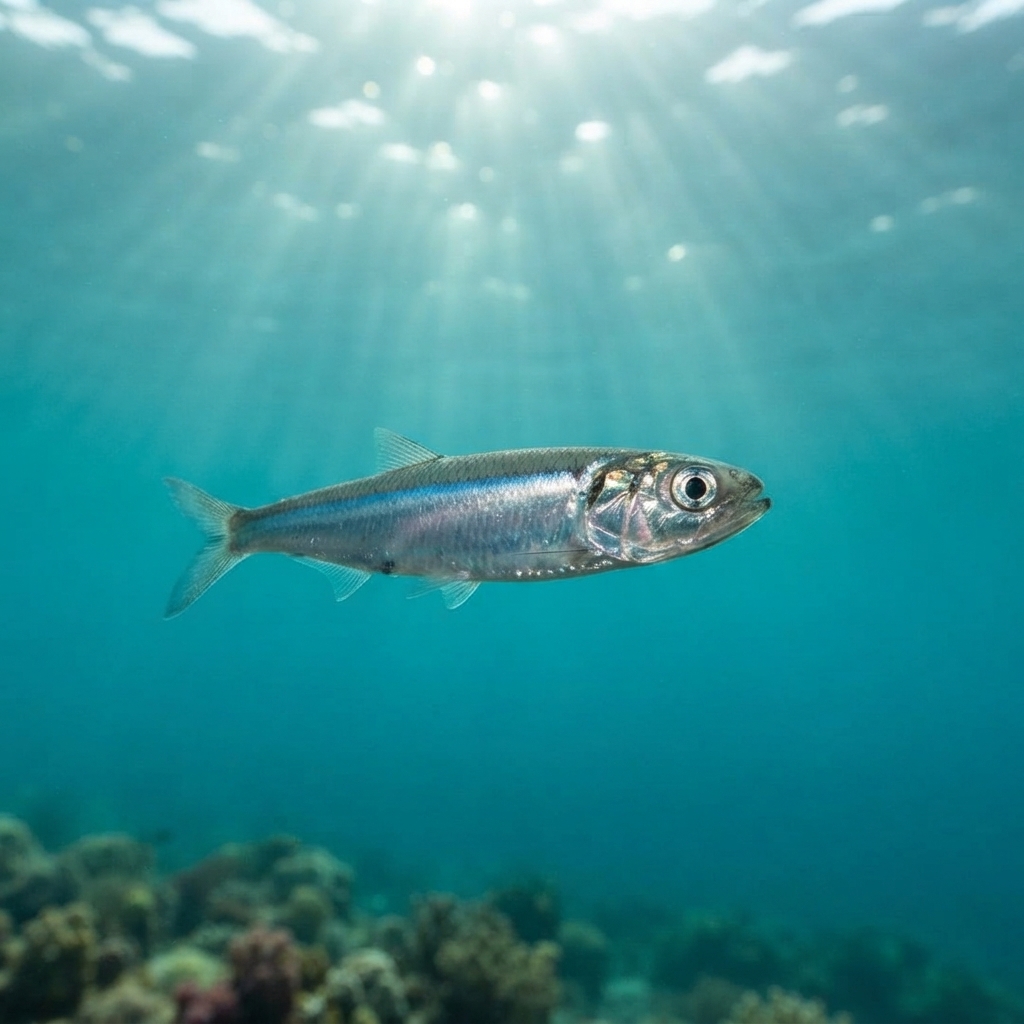
Engraulis mordax
Silvery baitfish schools logged off California and British Columbia in cool 7.6 to 14.9C water, year-round and often overlooked.
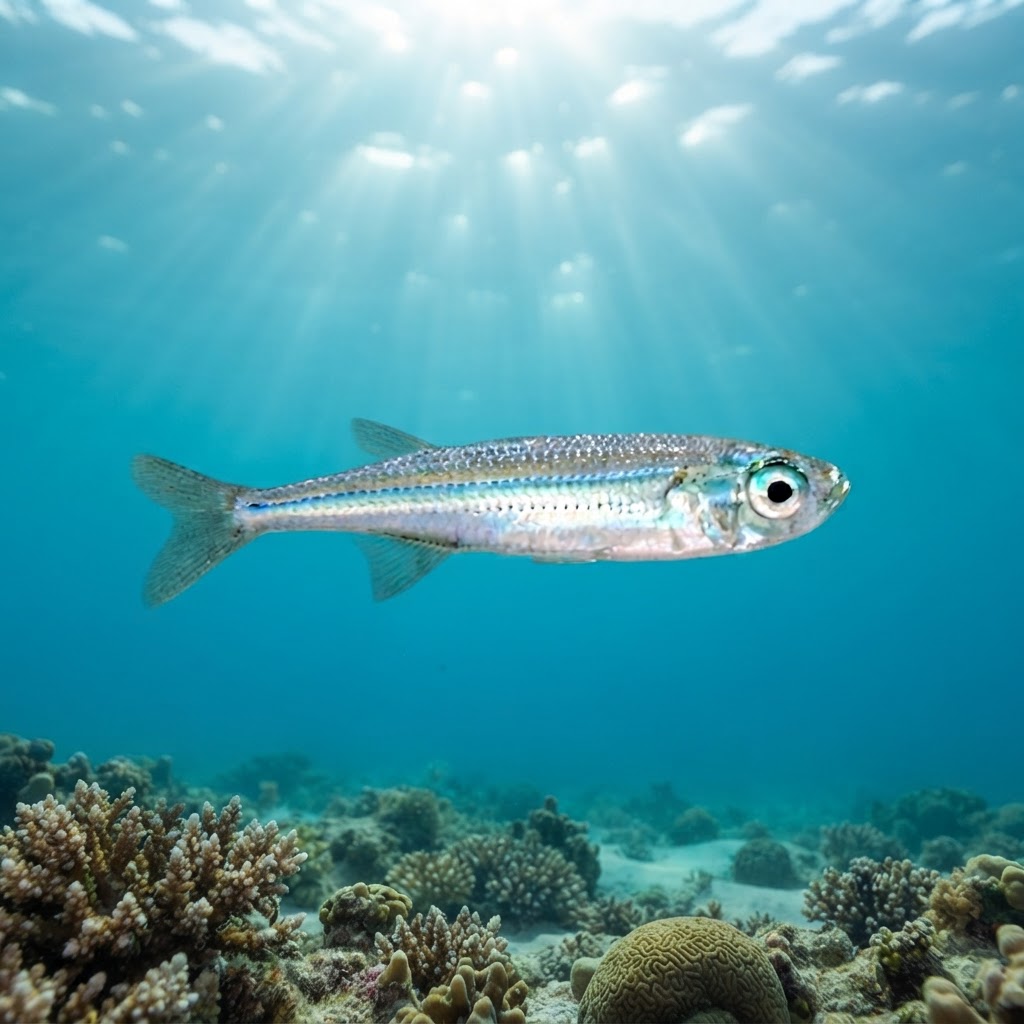
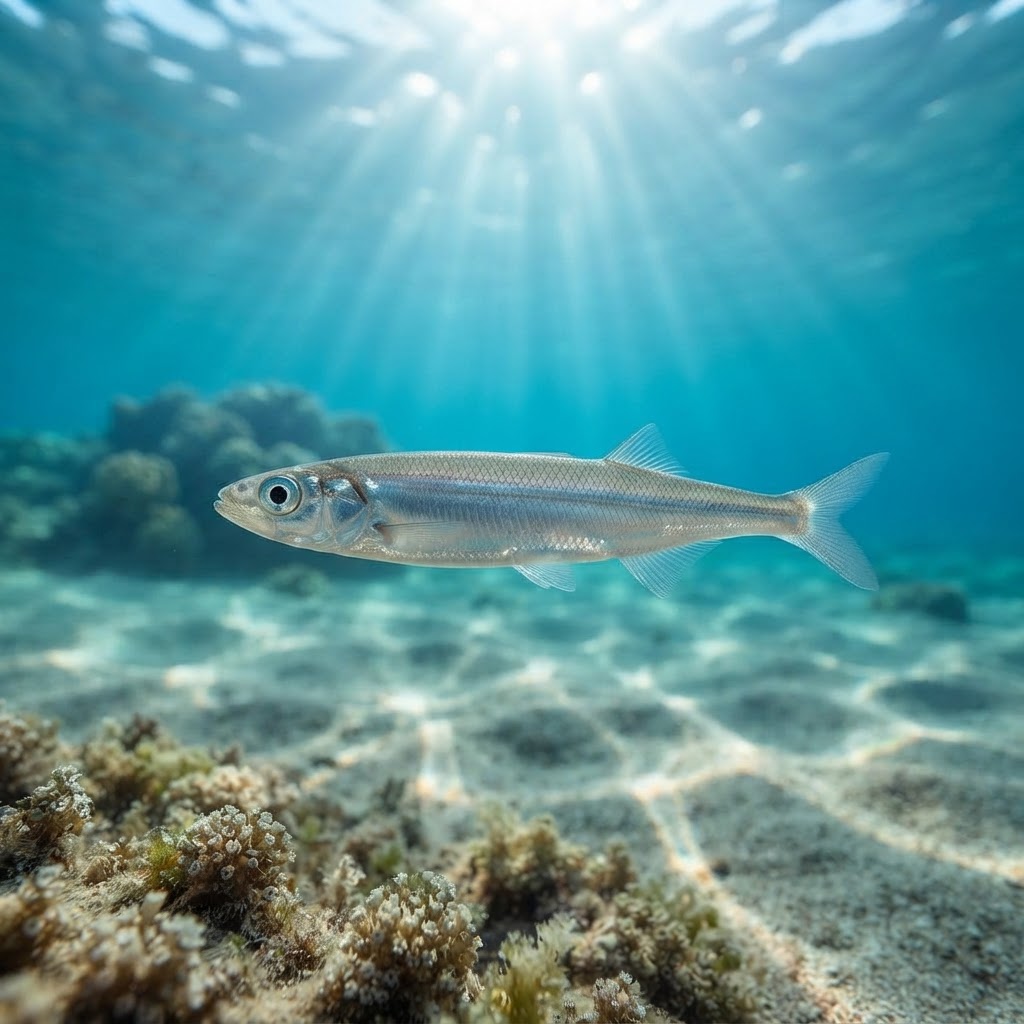
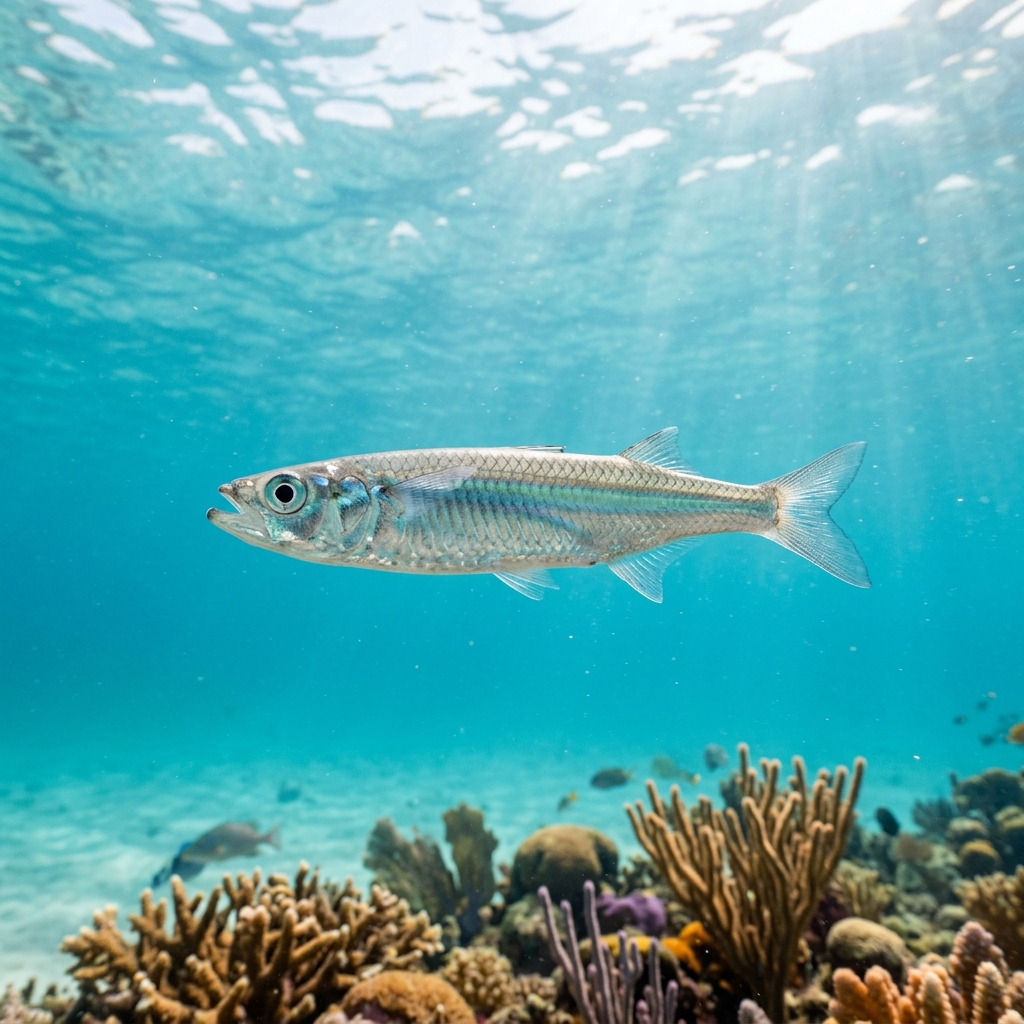
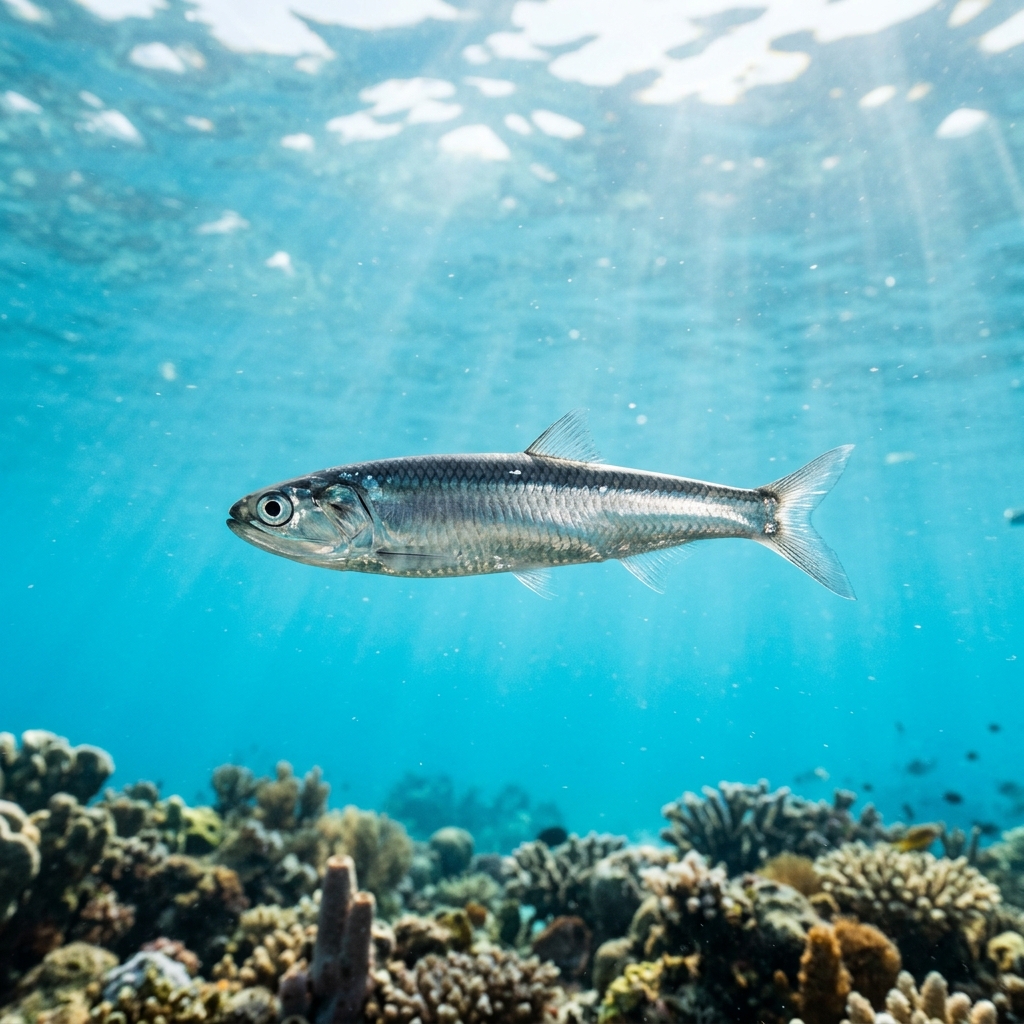
Slim, torpedo-shaped body around 18cm long, with a pale silvery flank and a faint blue-green iridescent stripe running down its side. A pointed snout that overhangs a large mouth is the main giveaway up close, since the jaw looks oversized for the head. In open water you will usually see them as a tight, flashing ball or ribbon of fish rather than as individuals.
Divers most often encounter them as dense, shifting schools moving through open water or along the water column above reef and kelp habitat, rather than resting on the bottom. They tend to hold formation and drift or turn as a unit when a diver approaches, using the school itself as their main defence rather than fleeing individually. Most logs describe them as uncommon to rare at a given site, so a sighting is more often a passing school than a constant presence.
Schooling is their main survival strategy against predators, and these dense baitballs are frequently what draws in the larger fish, birds and marine mammals divers are actually hoping to see on a given dive.
Sightings are spread across the year with no clear peak season in the data, and the species holds in a fairly narrow cool-water band of 7.6 to 14.9C, so it is worth watching for on any dive in that temperature range off California or British Columbia.
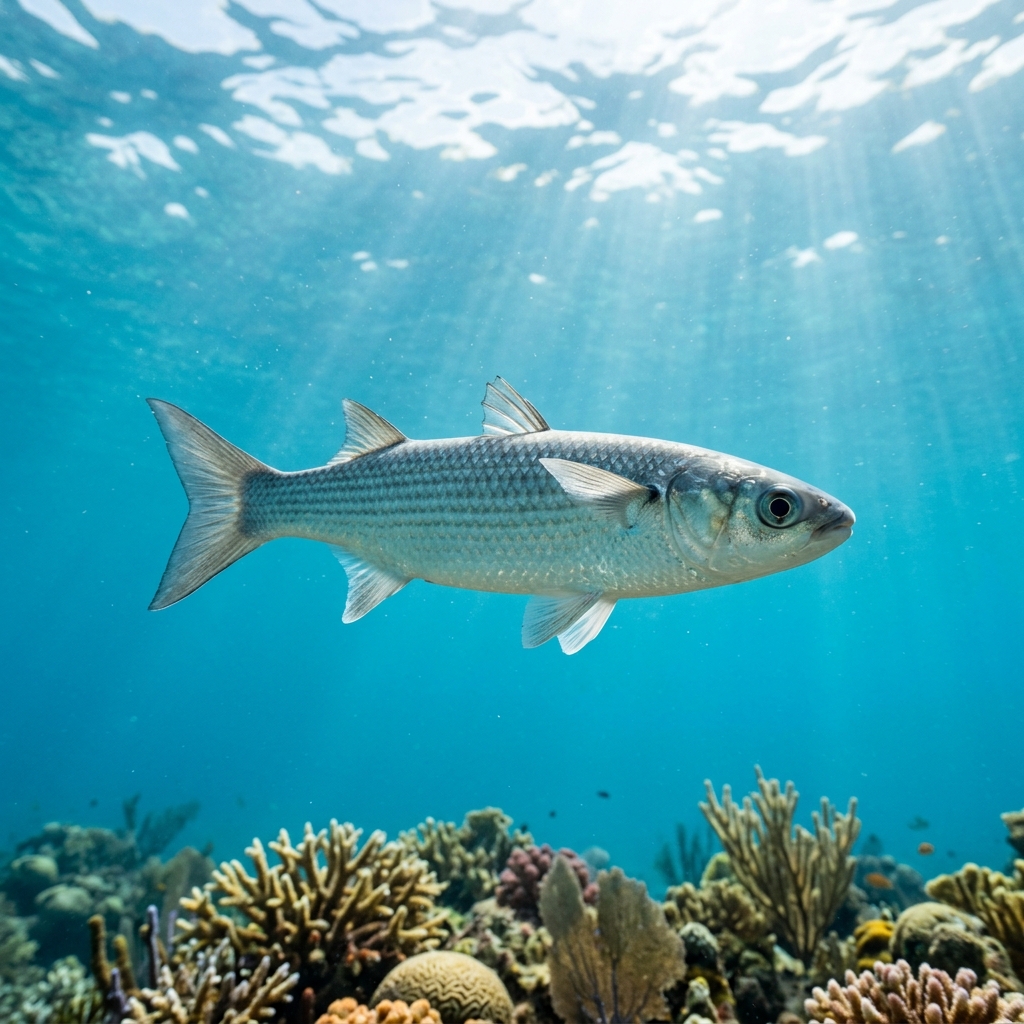
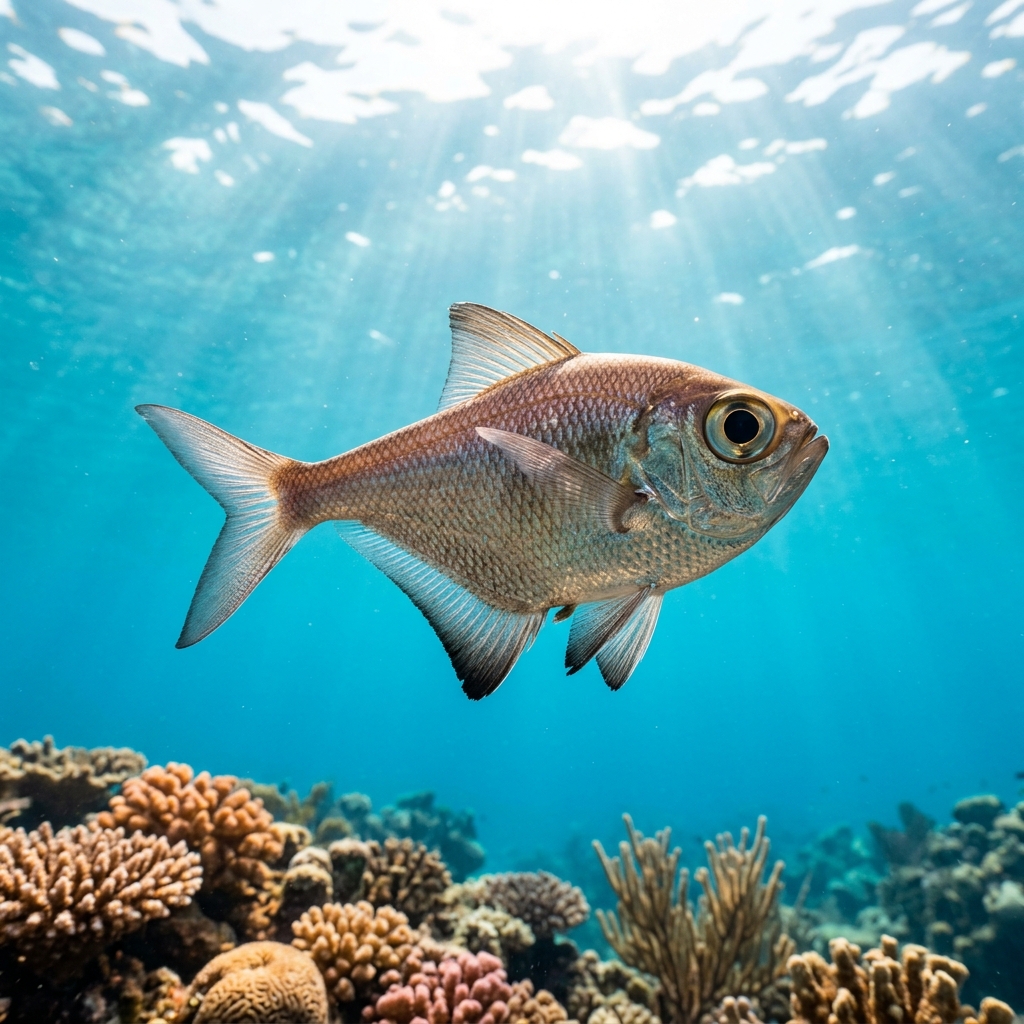
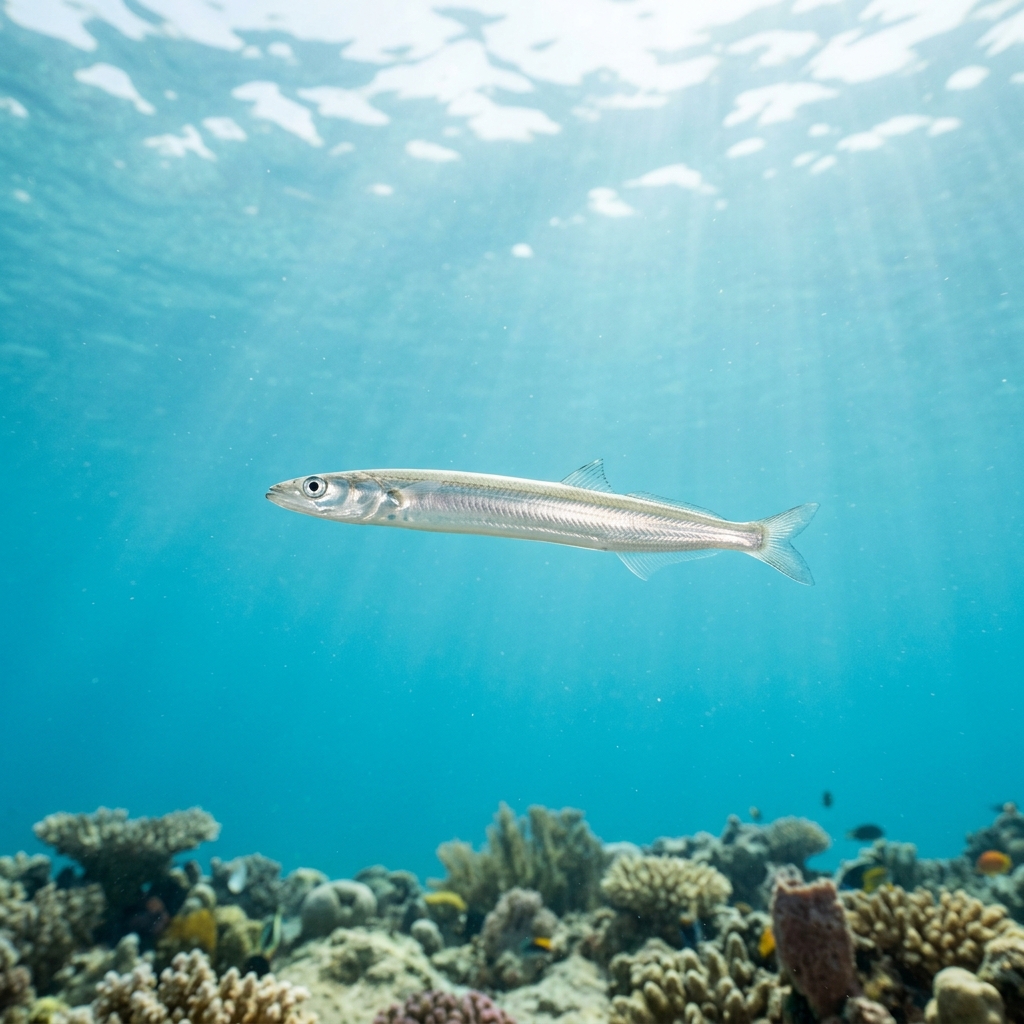
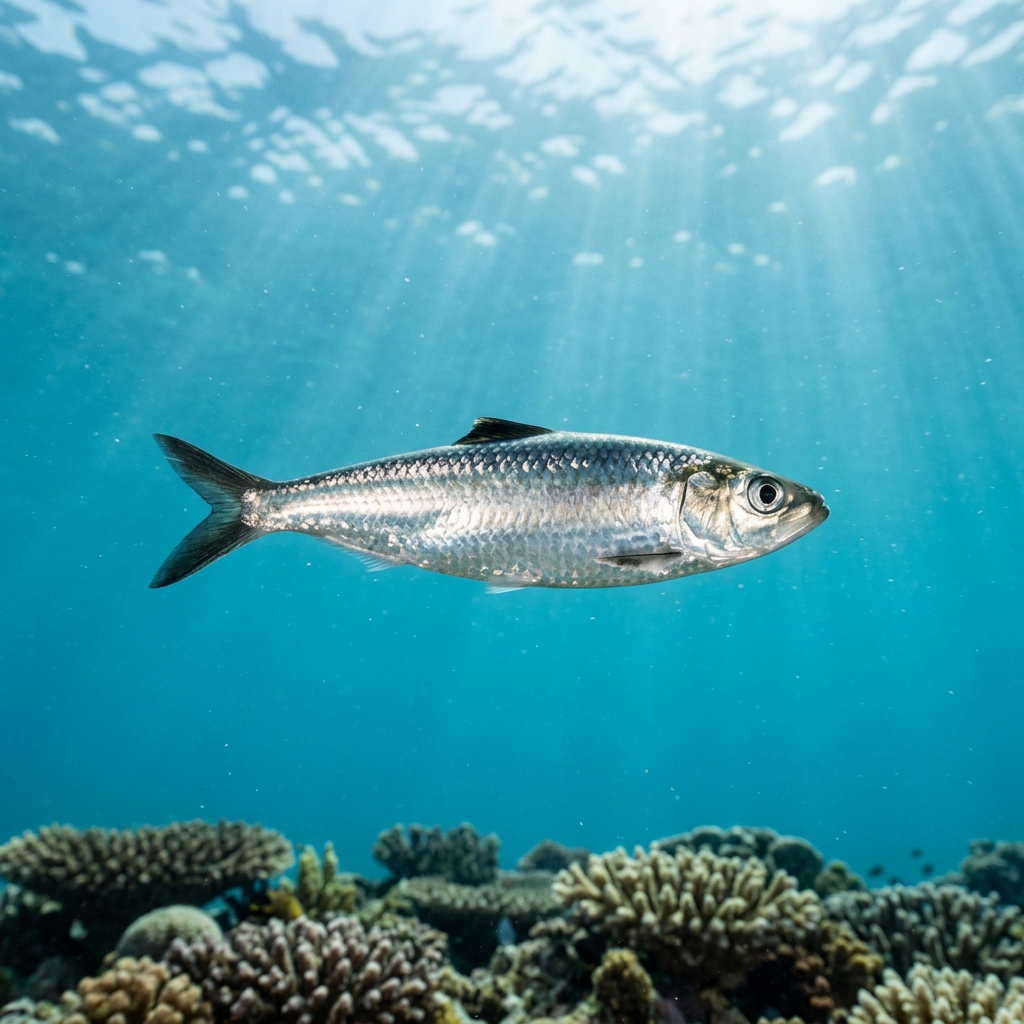
Reef neighbours a diver could mistake it for. Use the identification notes above to tell them apart.
Most divers log this species off California in the United States, where it turns up at a wide spread of sites, and it is also a reliable find further north along British Columbia, Canada. Sightings are almost entirely from these two cool-water regions of the eastern Pacific rather than tropical destinations.
Mapping where Northern Anchovy is logged…
They are most consistently logged off California in the United States, with additional sightings along British Columbia, Canada. Most records come from temperate Pacific coast sites rather than tropical reefs.
There is no strong seasonal pattern in the sightings, so they are best treated as a year-round possibility. Look for them whenever you are diving in the 7.6 to 14.9C water they are typically found in.
Look for a tight school of slim, silvery fish around 18cm long with a faint blue-green stripe along the flank and a noticeably large, overhanging mouth. They are usually seen as a moving mass in open water rather than singly near the reef.
They typically reach about 18cm in length, making them a small, slender schooling fish rather than a large target species.
No, they pose no threat to divers. They are a harmless small schooling fish that will simply shift or part around you as you swim through a group.
Their defining trait is forming dense, coordinated schools that move and turn as a single unit to confuse predators. These schools are often the reason larger predatory fish, seabirds and marine mammals show up on the same dive.
Site and sighting data is aggregated from diver logs, iNaturalist and GBIF. For taxonomy and conservation status:
Anchovy
2,433 sites