Abudefduf taurus
Dusky-barred damselfish of shallow rocky reefs, common in the Yucatán and Dakar, diving 1-5m year-round in warm water.
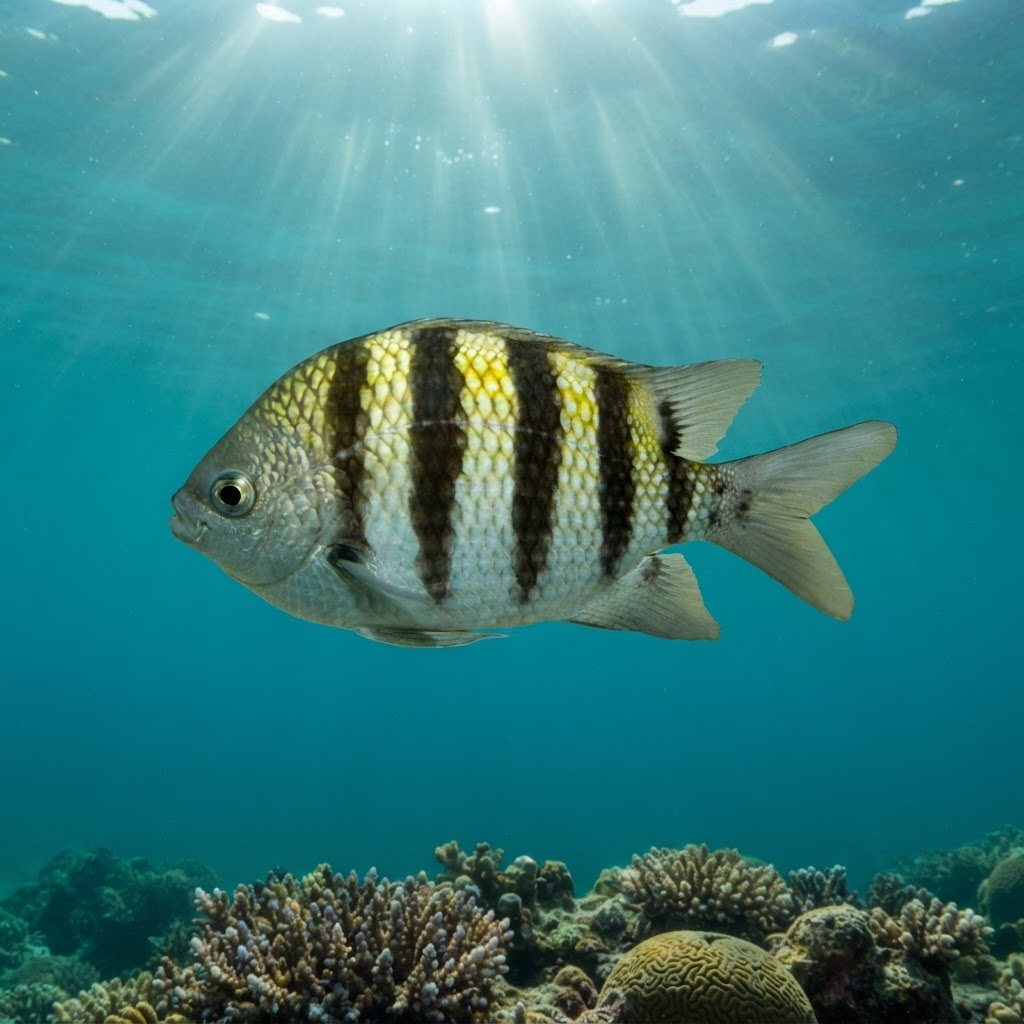
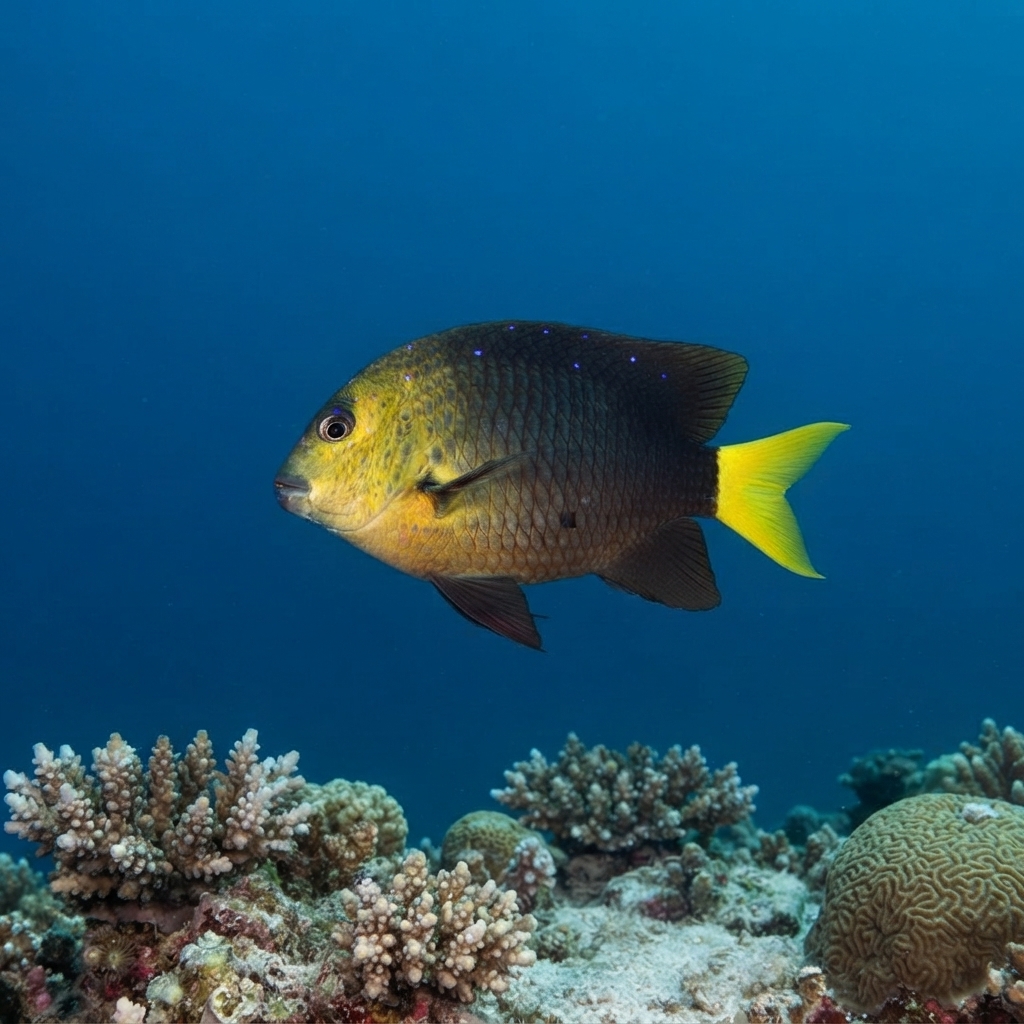
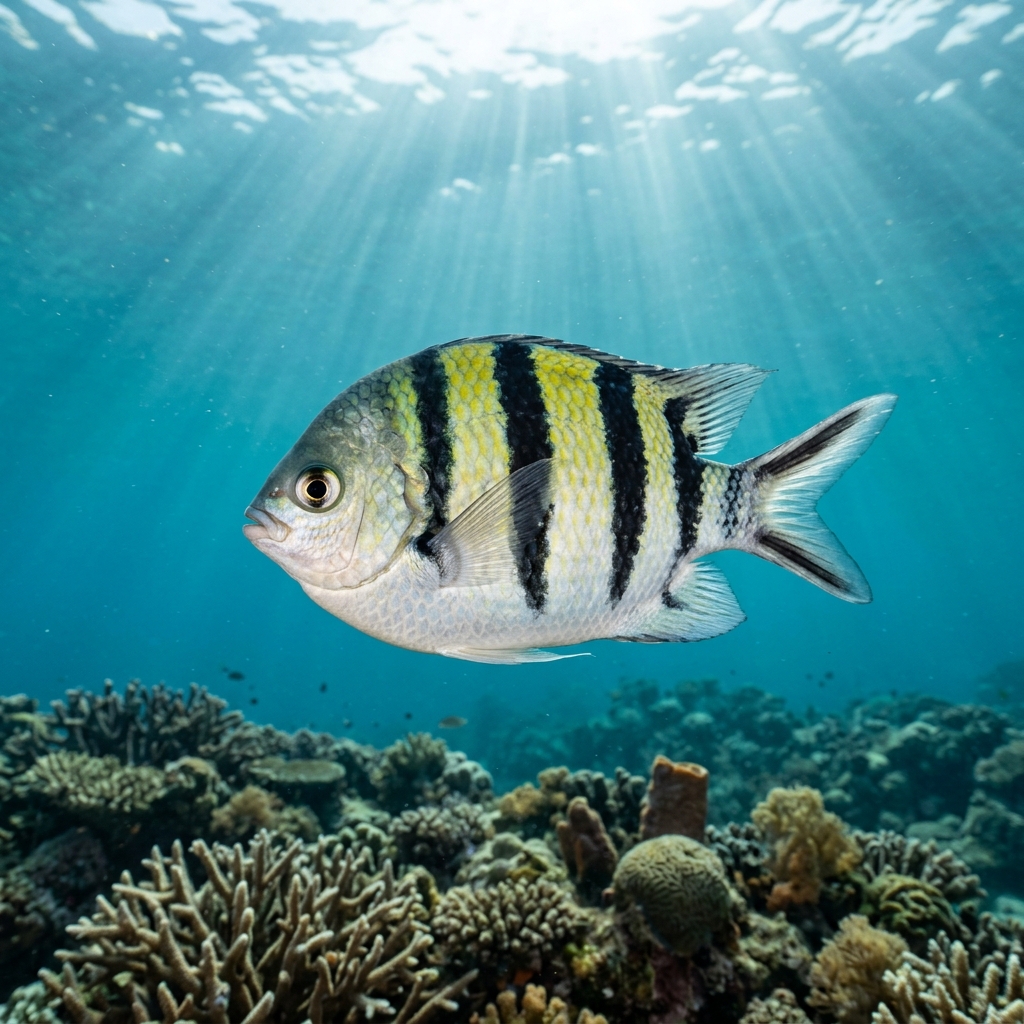
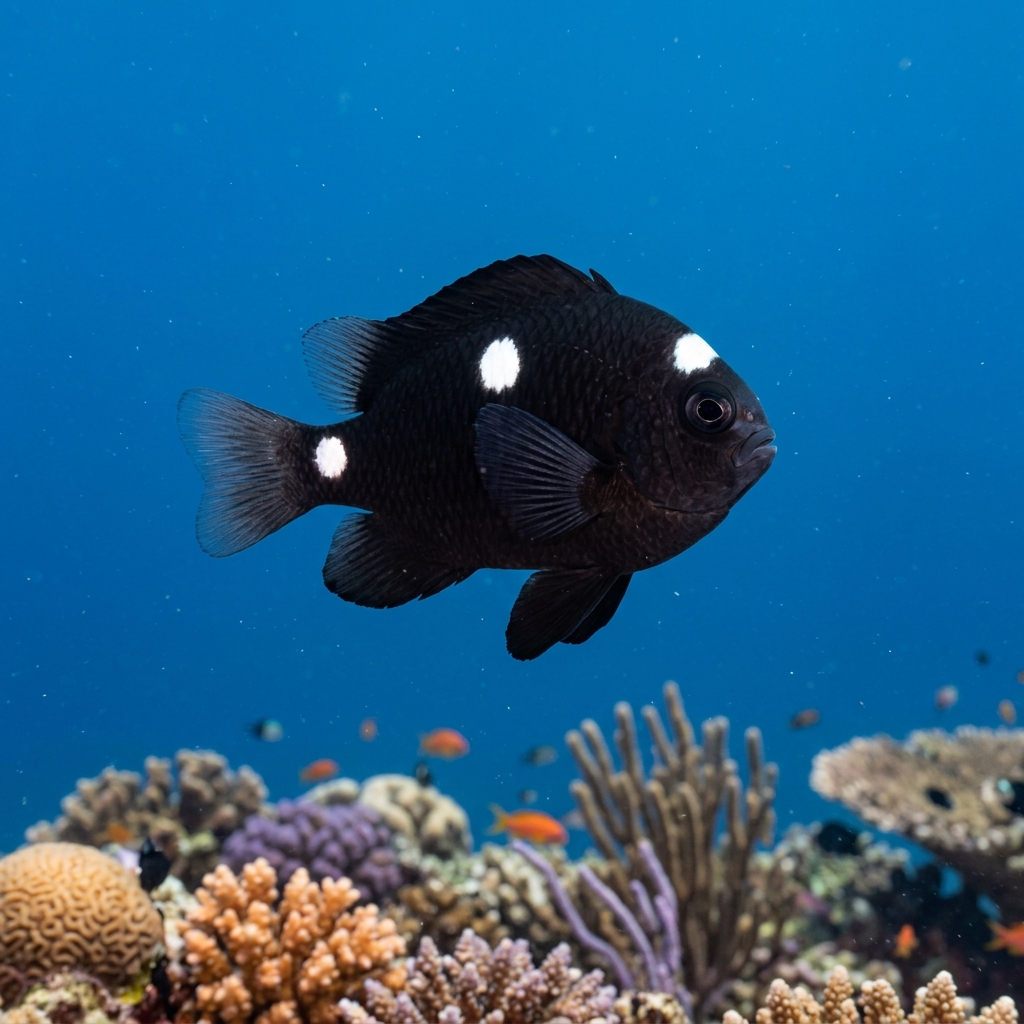
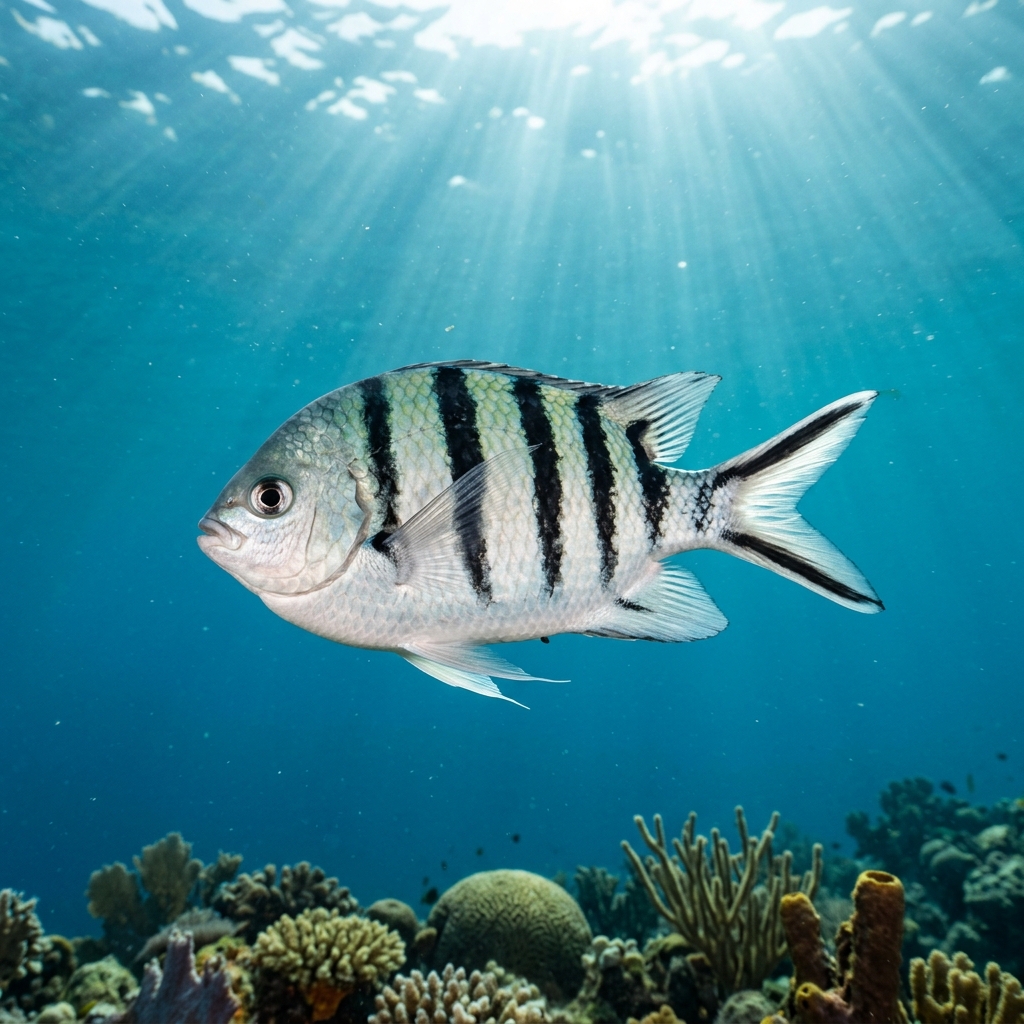
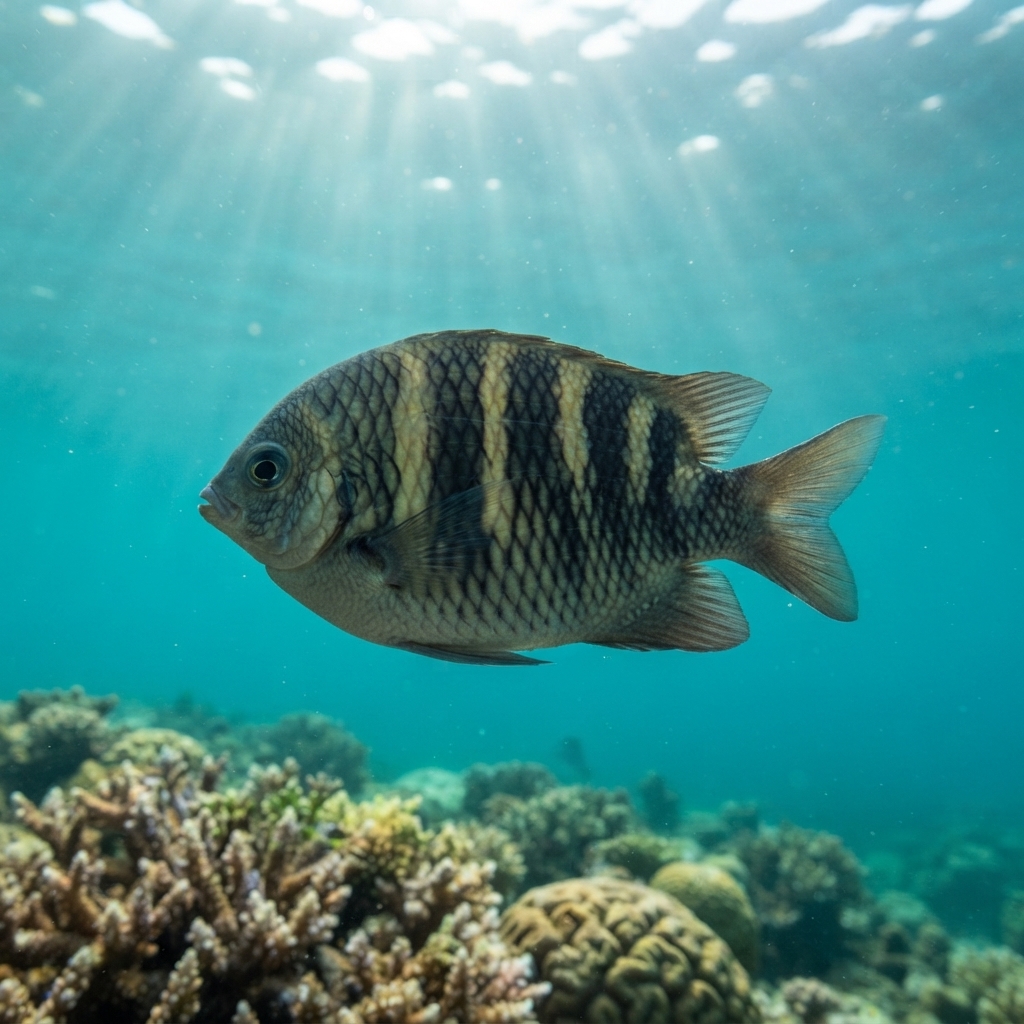
Look for a stocky, deep-bodied damselfish around 17cm with a dusky grey-brown to almost blackish body crossed by five or six faint dark bars, most visible in bright shallow light. It has the classic sergeant-shape: a blunt head, small mouth, and a forked tail, but it reads darker and moodier underwater than its brighter sergeant relatives. You'll usually find it hugging rock or reef structure in the surge zone rather than out in open water.
Divers usually spot it holding a patch of rocky or reef bottom in very shallow water, often just a few metres down where surge and wave action keep things lively. It tends to sit low and close to structure rather than schooling in open water, picking at algae and small invertebrates on the rock face, and it's generally logged as an uncommon rather than everyday sighting even at its best sites. It doesn't shy off dramatically from divers but keeps a low profile, blending into the shadows of its rocky home.
Like other Abudefduf damselfish, it's an omnivore that grazes algae off rock and reef surfaces while also picking off small invertebrates, giving it a useful cleanup role on the shallow, wave-battered rock it favours.
No clear seasonal pattern in the sighting data, and its comfort range of roughly 26 to 28C matches warm shallow reefs year-round, so any month works at its core sites.
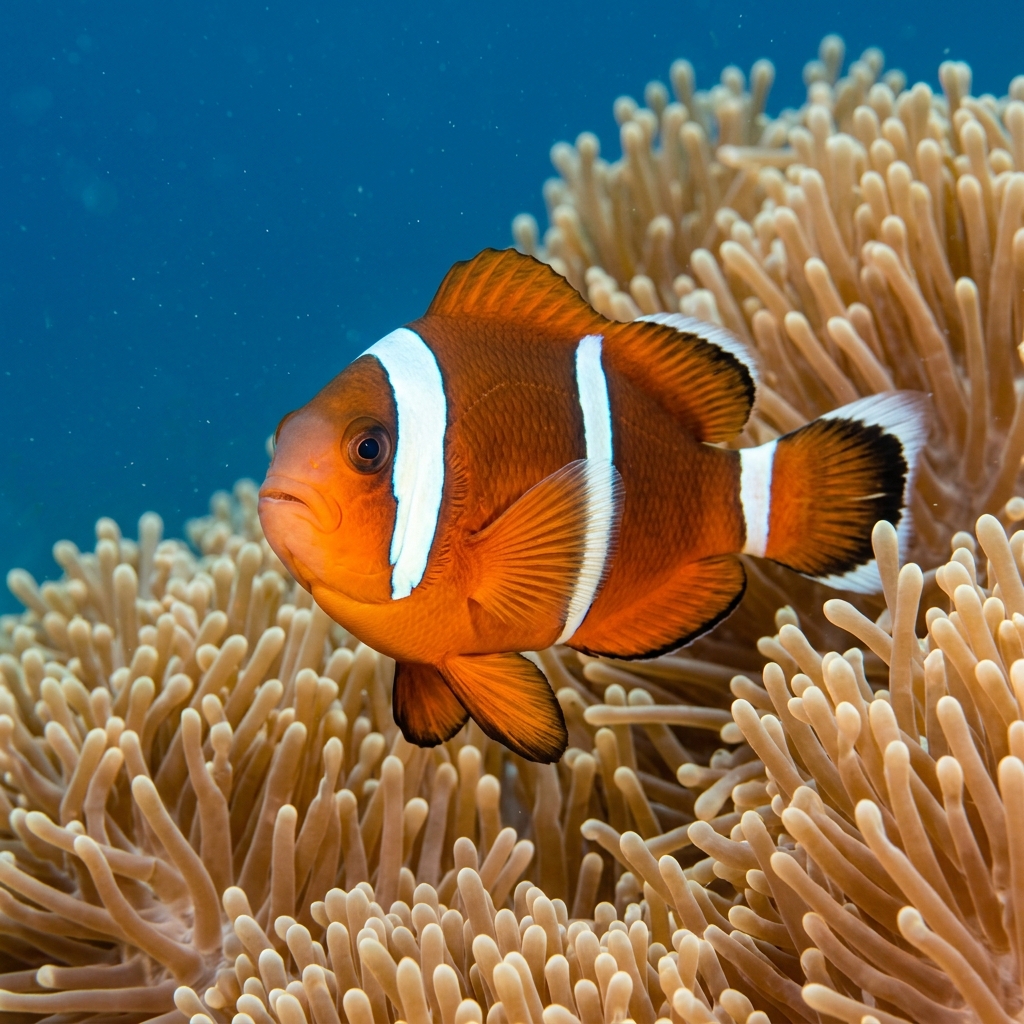
Reef neighbours a diver could mistake it for. Use the identification notes above to tell them apart.
Most reliably logged in Mexico, especially around the Yucatán Peninsula, with strong numbers also in Aruba (Arashi and Boca Catalina, Mangel Halto and Baby Beach) and Jamaica around Montego Bay. It also turns up well on the eastern Atlantic side, with solid sightings in Senegal's Dakar region and Cape Verde's Santiago, plus smaller but steady counts in Trinidad and Tobago, Colombia's Caribbean coast, and Puerto Rico.
Mapping where Night Sergeant is logged…
Best chances are around Mexico's Yucatán Peninsula, Aruba's Arashi and Boca Catalina area, and Montego Bay in Jamaica. It's also a steady find in Senegal's Dakar region and Cape Verde's Santiago on the eastern Atlantic side.
There's no strong season in the sighting data, and its warm-water niche of about 26 to 28C holds year-round at its core sites, so it's a fair target on any dive trip to those regions.
Look for a stocky, dark grey-brown damselfish about 17cm long with faint vertical bars, sitting low against rock or reef in shallow surge zones rather than swimming in open water.
They typically reach around 17cm, a solidly built damselfish rather than a small reef fish.
No, they're harmless to divers and simply hold their ground near rocky structure rather than approaching or reacting defensively.
Site and sighting data is aggregated from diver logs, iNaturalist and GBIF. For taxonomy and conservation status:
Dascyllus
3,697 sites