Umbridae spp.
Small, mottled and easy to miss, Mudminnow turn up uncommon-to-common in Ontario's slow, weedy freshwater year-round. Here's how to spot one.
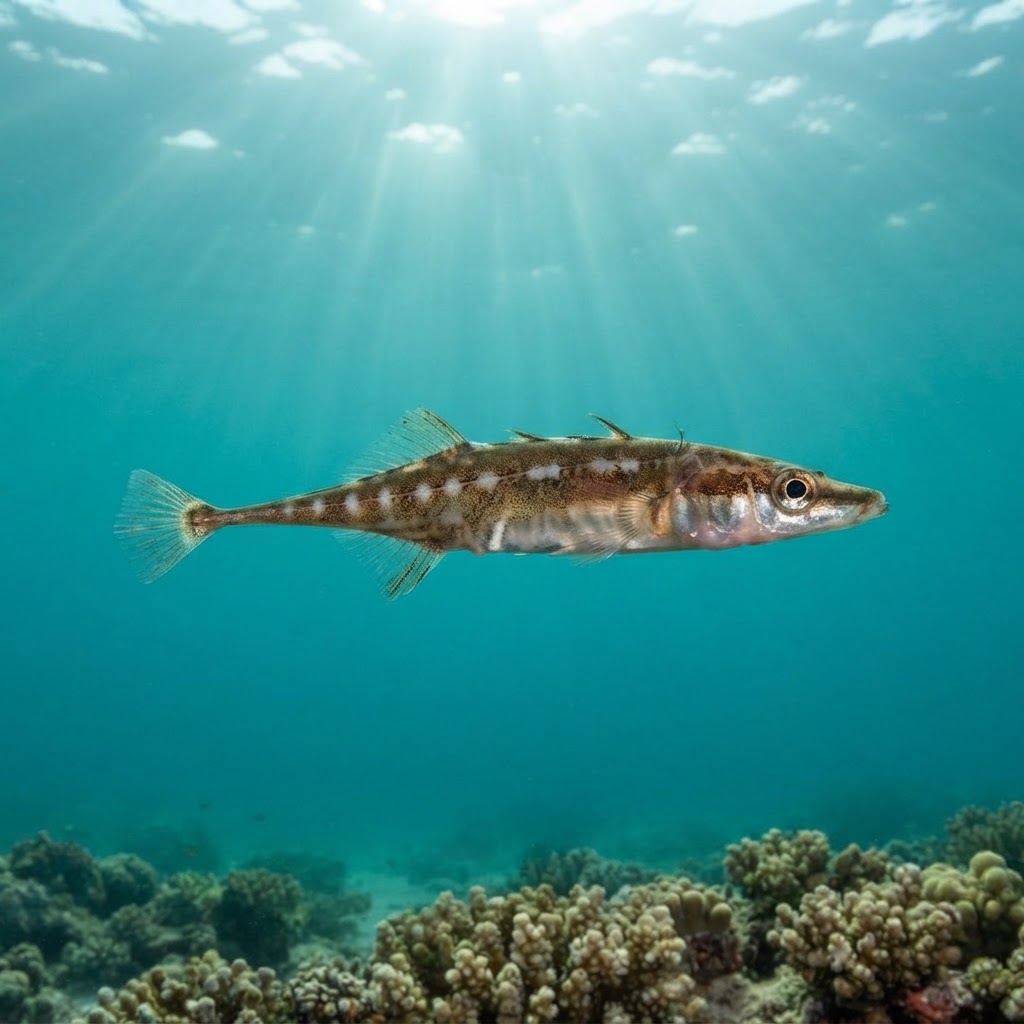
Small, thick-bodied freshwater fish, usually well under 15cm, with a rounded tail and a mottled brown-to-olive body that blends into mud and leaf litter. Look for a stubby, almost cylindrical shape rather than the sleek profile of a typical minnow, and a habit of hovering motionless just off the bottom. Faint vertical barring or speckling along the flanks is often the only pattern you will pick out in low visibility.
Divers typically find them holding still near the bottom, tucked against submerged wood, leaf litter or weed beds rather than swimming in open water. They tend to sit tight rather than bolt when a diver approaches slowly, relying on their camouflage instead of speed. Most logged encounters are in calm, low-flow freshwater rather than anything with current.
Several mudminnow species can survive in oxygen-poor, near-stagnant water by gulping air at the surface, which is part of why they turn up in the still, weedy margins divers describe rather than open, flowing water.
Sightings don't show a clear seasonal pattern in the data, so treat this as a year-round species wherever the water stays unfrozen and accessible. In practice, ice-free months in Ontario will simply give you more chances to get in the water and look.
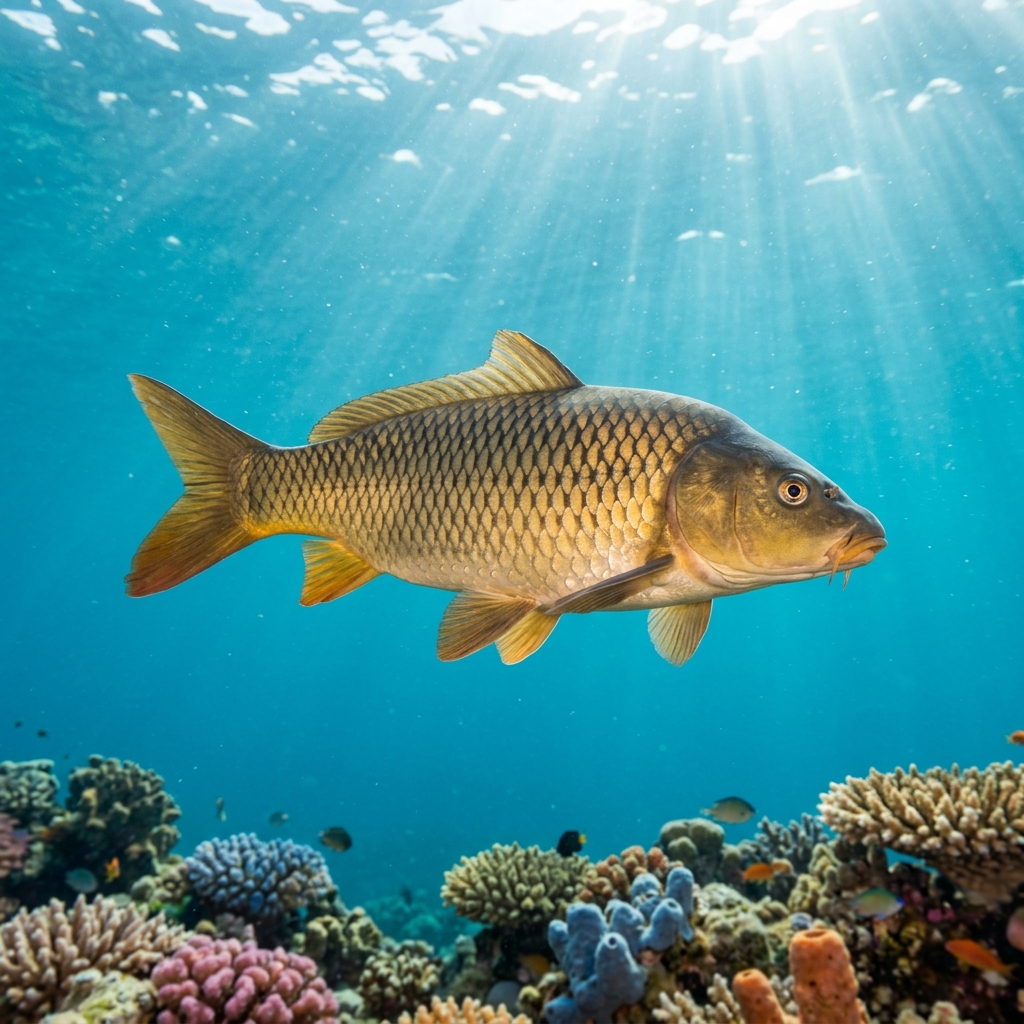
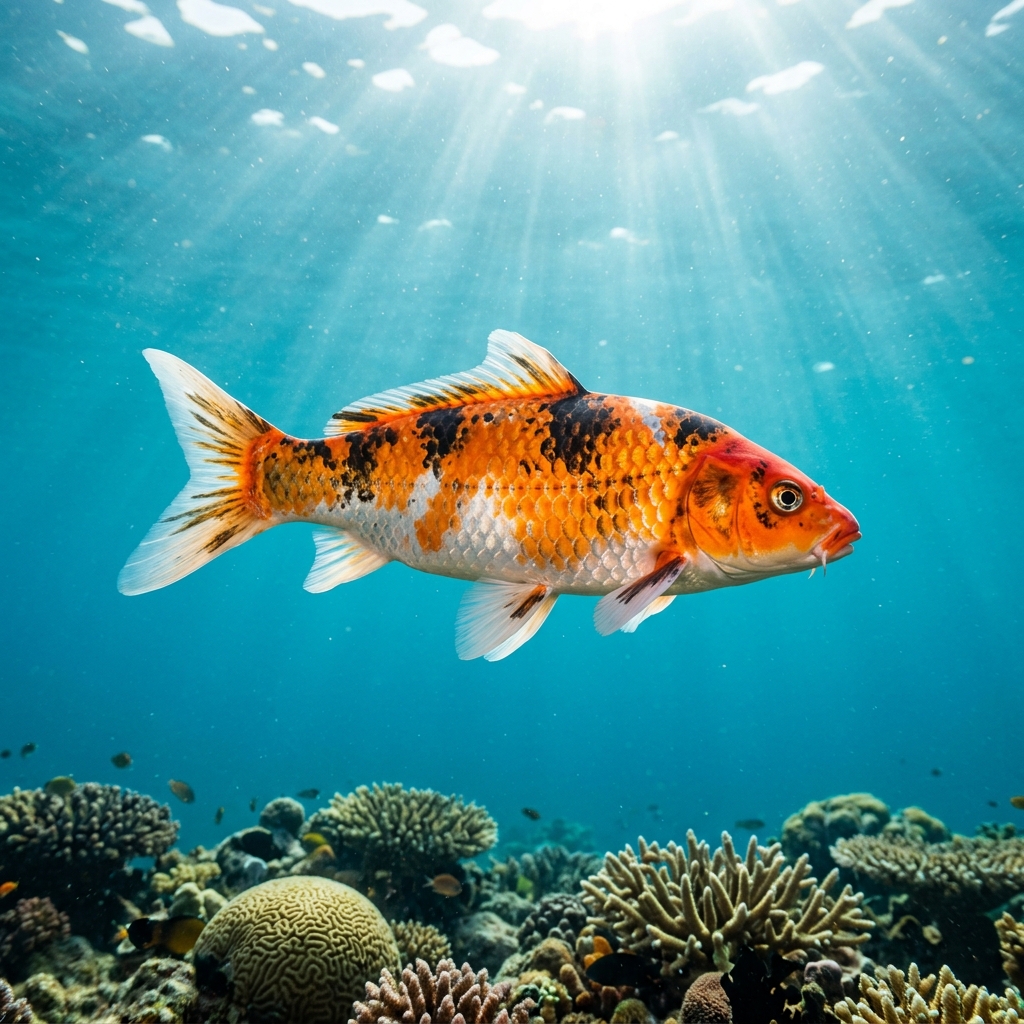
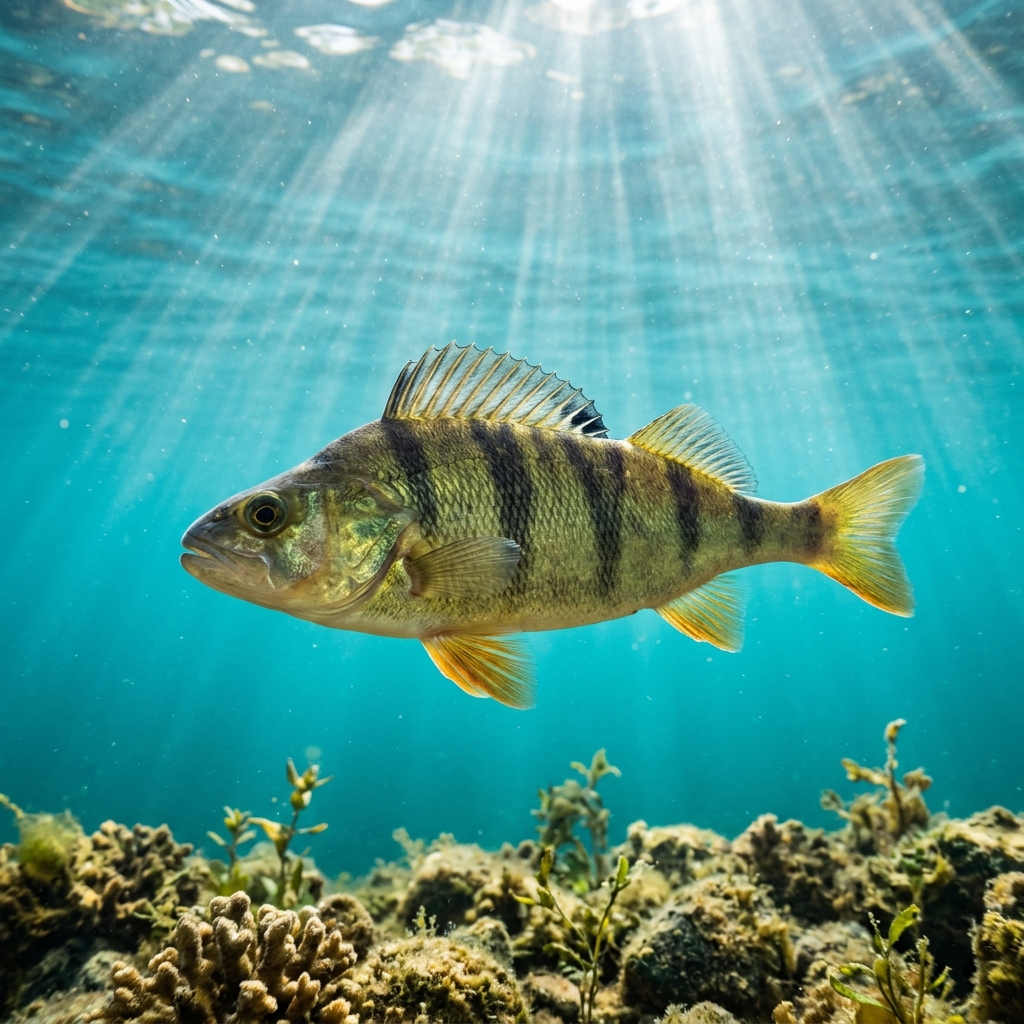
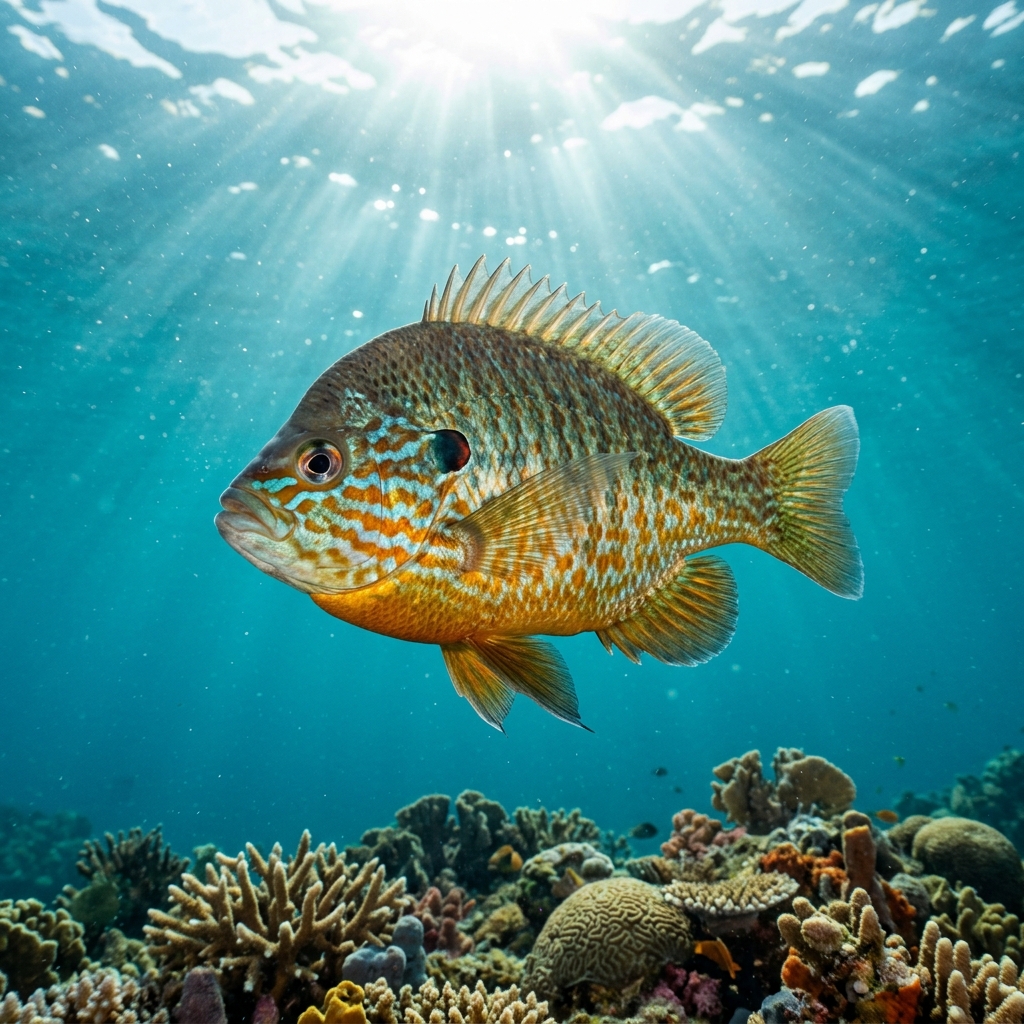
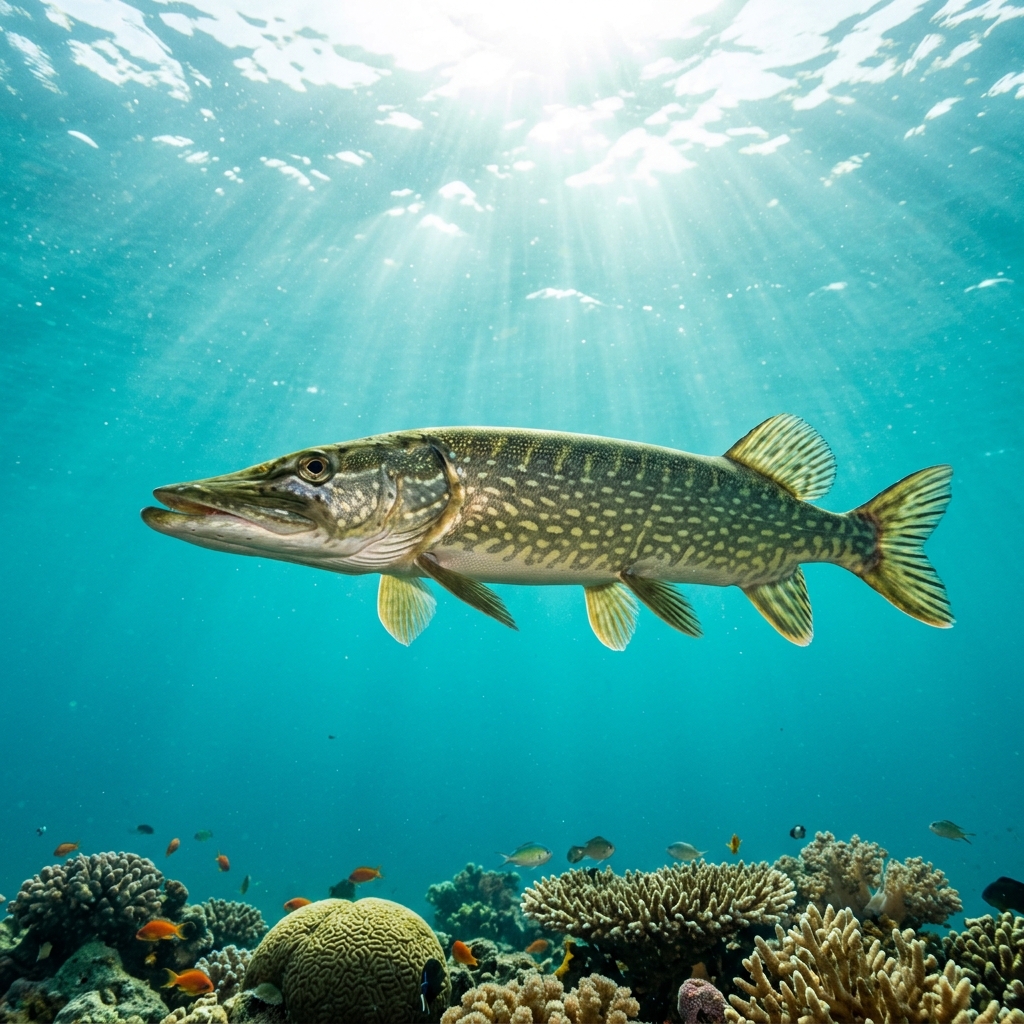
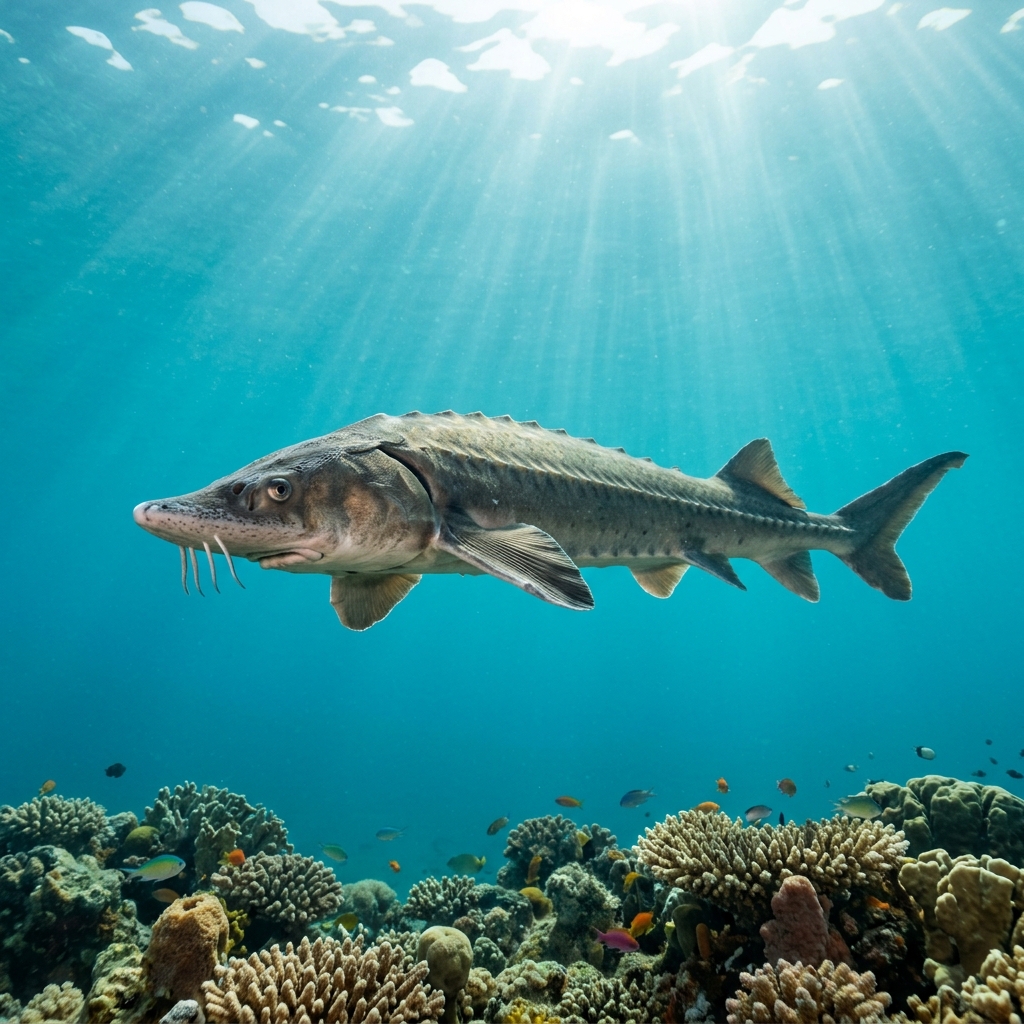
Reef neighbours a diver could mistake it for. Use the identification notes above to tell them apart.
Every logged sighting in this dataset comes from Canada, with Ontario the clear stronghold for freshwater divers and snorkellers looking for them. Within Ontario they show up across a spread of sites rather than one single hotspot, so slow, weedy lake and pond edges are the general habitat to target.
Mapping where Mudminnow is logged…
All the logged sightings for this group come from Canada, concentrated in Ontario. Look for them along slow, weedy lake and pond margins rather than open water.
There isn't a detected season in the sighting data, so they're best treated as a year-round find in Ontario whenever you can get into the water.
Look for a small, thick-bodied fish under 15cm with a mottled brown or olive body and a rounded tail, hovering still near the bottom rather than swimming actively.
Exact size data isn't confirmed for this group, but most mudminnow species stay small, generally under 15cm, making them easy to overlook underwater.
Several species can gulp air at the surface to survive in stagnant, low-oxygen water, letting them live in weedy margins other fish avoid.
Site and sighting data is aggregated from diver logs, iNaturalist and GBIF. For taxonomy and conservation status:
Sun Perch
2,182 sites