Eubalichthys mosaicus
Uncommon but reliable in New South Wales and Victoria, this mottled filefish sits in temperate water from 14.7 to 21.4C year-round.
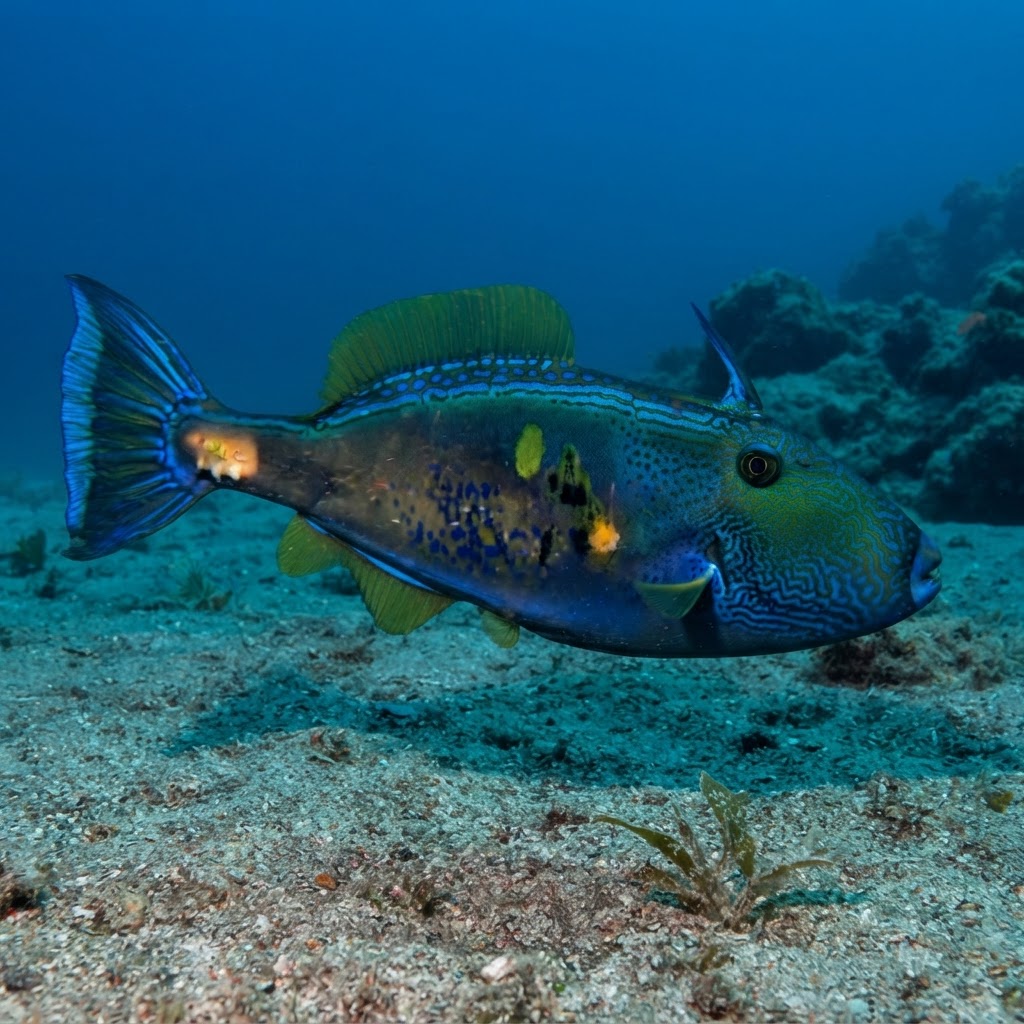
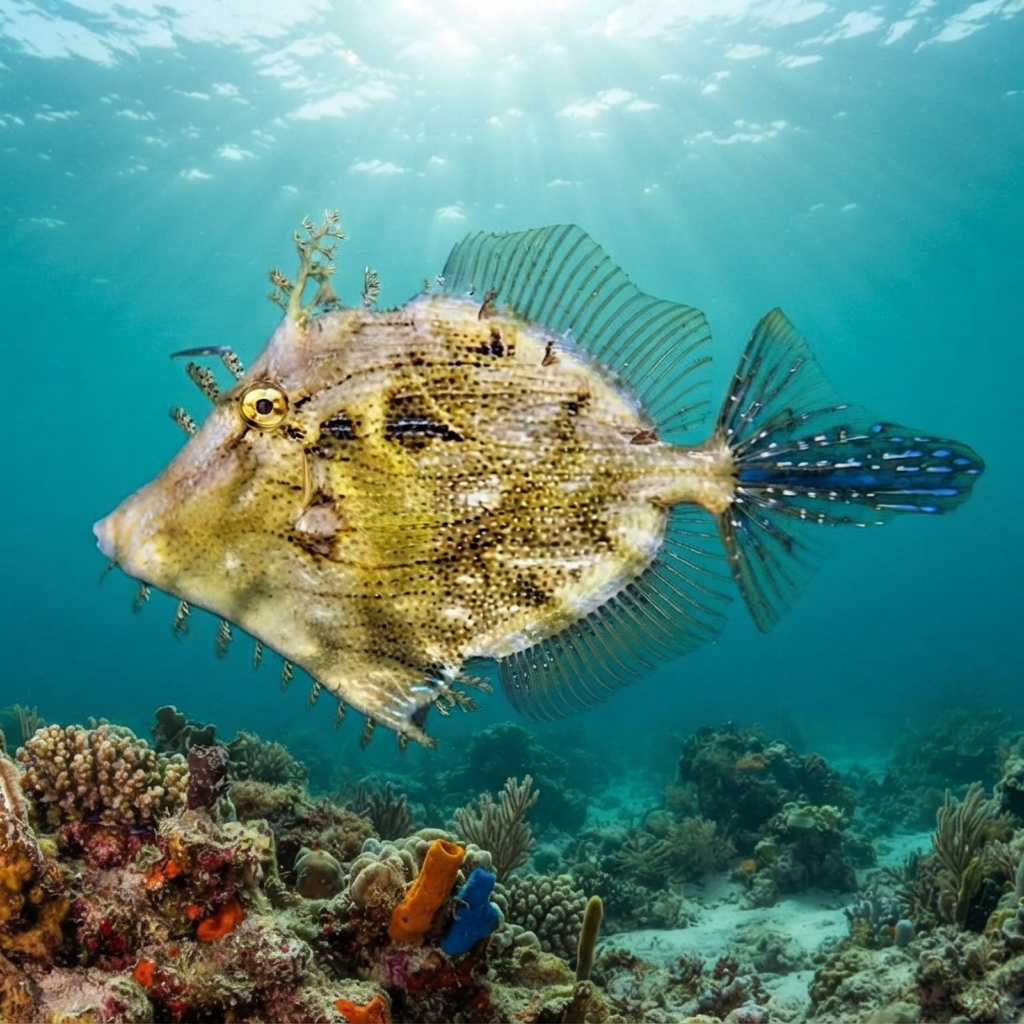
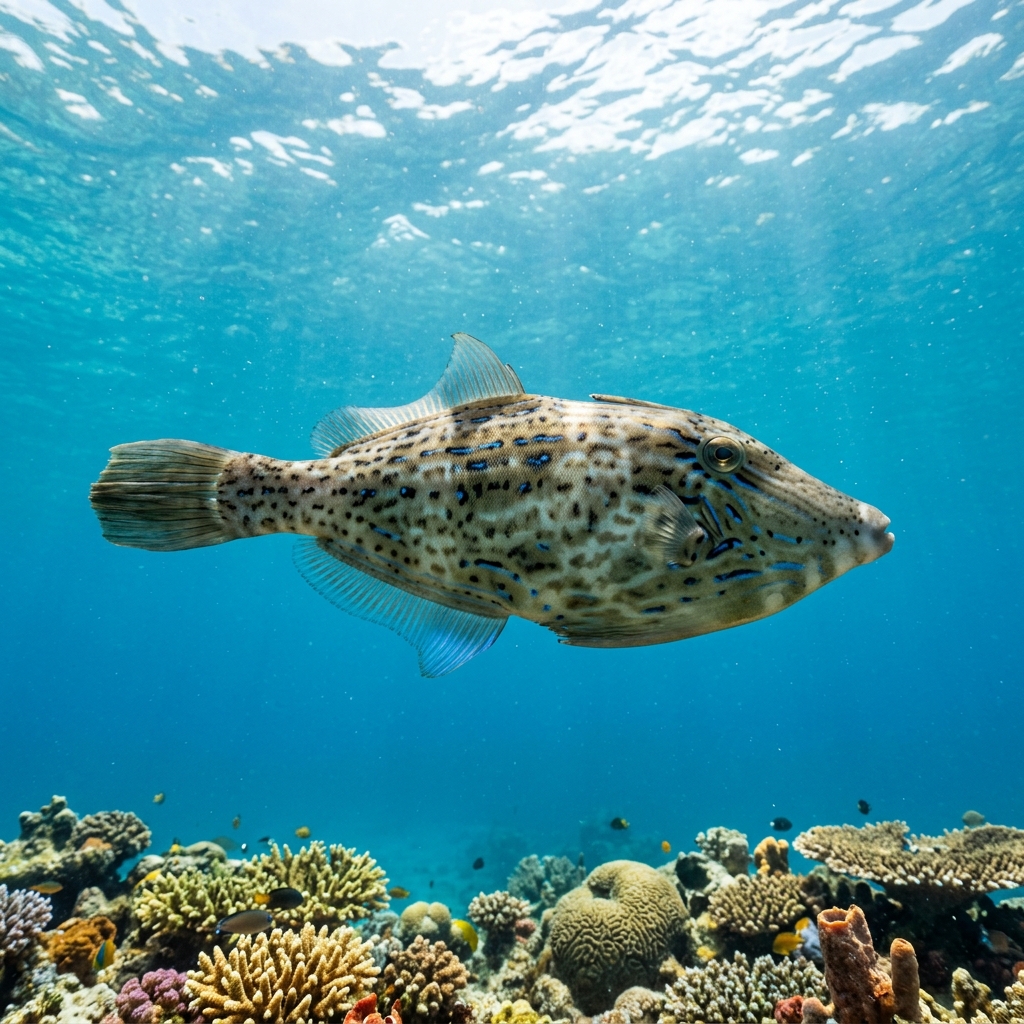
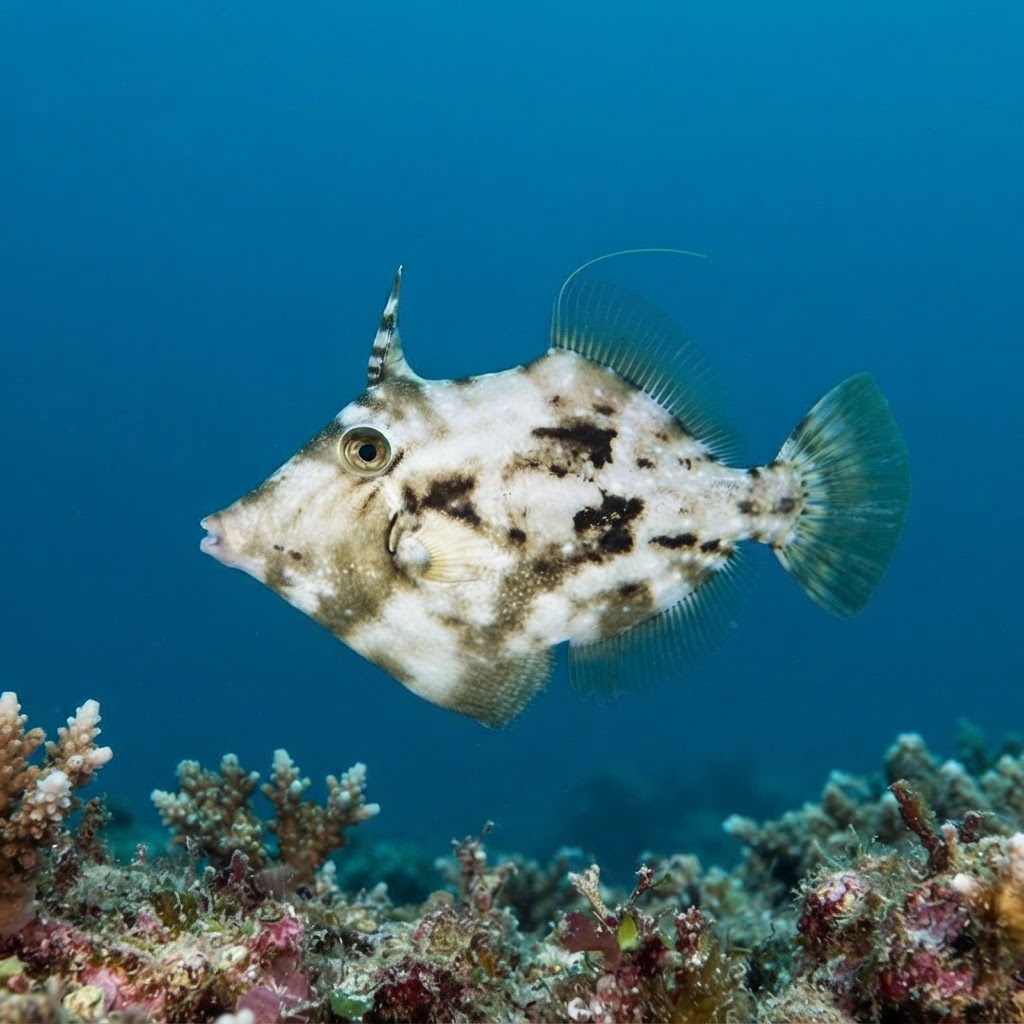
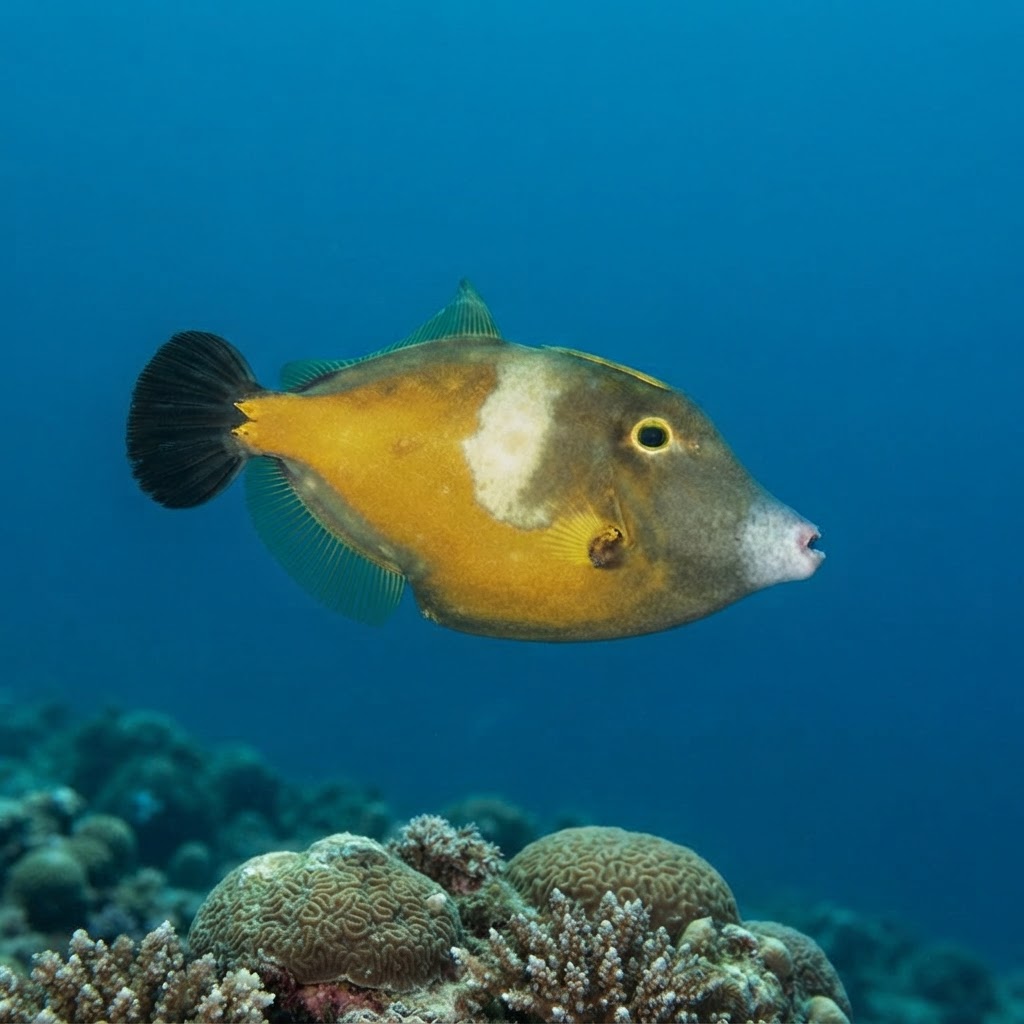
A deep-bodied, flattened fish to around 42cm with a mottled, mosaic-like pattern of browns, greys and creams that breaks up its outline against reef and rubble. Look for the small, high-set eyes, the single retractable spine on the forehead, and the way it swims with slow, deliberate fin beats rather than a tail-driven dash. The blotchy camouflage rather than any single bold mark is the main giveaway, and it can shift the intensity of its pattern depending on the background.
Divers usually find it hovering or hanging low near reef structure, rubble patches and kelp edges, browsing at a slow pace rather than actively foraging in the open. It tends to be unhurried around divers, easing away rather than bolting, which makes it an easy one to get a good long look at once you spot the pattern. Most logs describe solitary individuals rather than groups, tucked into the sort of broken reef terrain typical of southern Australian dive sites.
Like other leatherjackets, it has a small, forward-set forehead spine it can lock upright as a defence, wedging itself into a crevice so it cannot easily be pulled out by a predator.
Sightings are spread across the year with no clear seasonal spike, which fits its temperate water-temperature niche of roughly 14.7 to 21.4C, so it is a fish you can reasonably plan for on any dive trip to its range rather than one particular month.
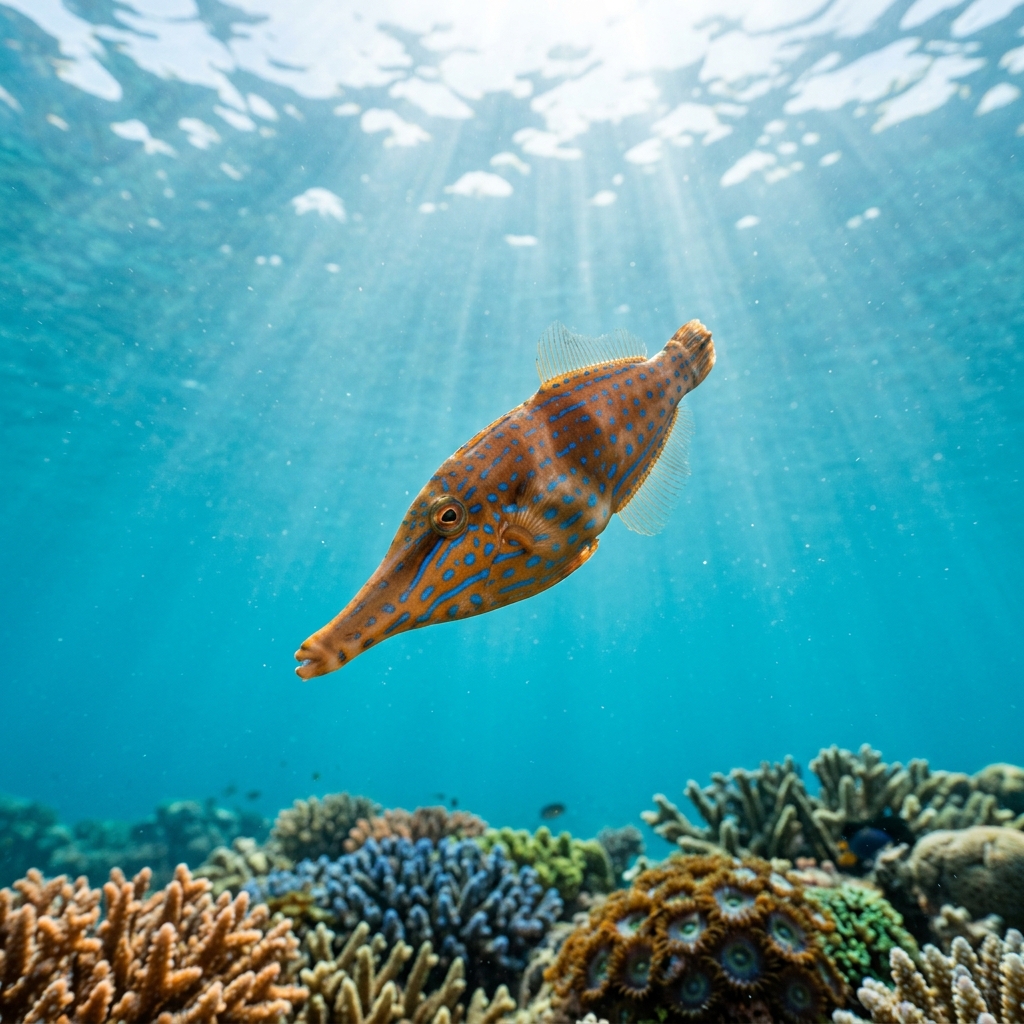
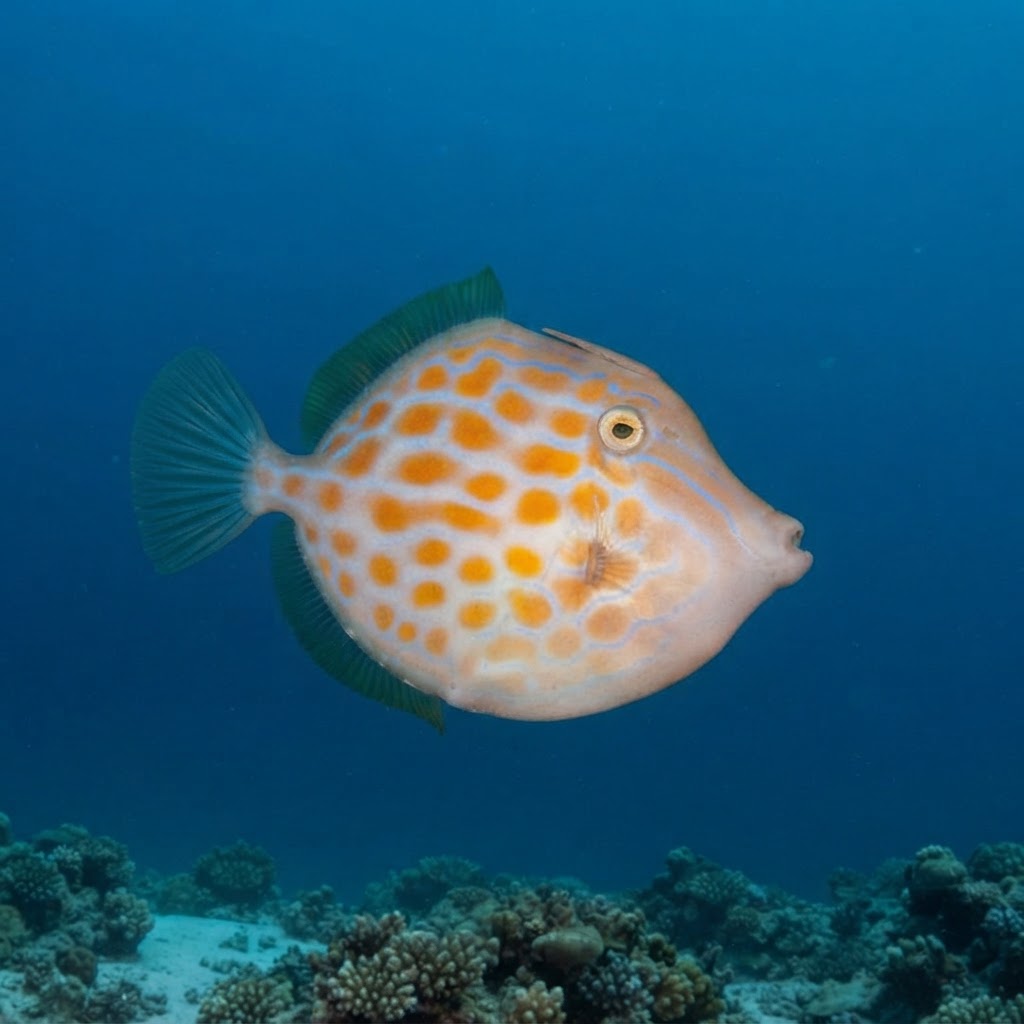
Reef neighbours a diver could mistake it for. Use the identification notes above to tell them apart.
This one is essentially an Australian temperate-reef speciality, most commonly logged in New South Wales and Victoria, with a smaller but steady presence in Western Australia and a handful of sites in South Australia. Divers doing reef and rocky-shore sites along the southeast and southern coasts have the best odds, though sightings still lean toward uncommon rather than guaranteed.
Mapping where Mosaic Leatherjacket is logged…
It is an Australian species, most reliably seen in New South Wales and Victoria, with smaller populations recorded in Western Australia and South Australia.
There is no strong seasonal pattern in sightings, and it sits comfortably in cooler water from about 14.7 to 21.4C, so it turns up year-round rather than in one particular season.
Look for a flattened, deep-bodied fish to about 42cm with a mottled brown, grey and cream pattern that camouflages it against rocky reef, plus a small forehead spine and slow, hovering swimming style.
They reach around 42cm in length, making them one of the larger leatherjackets divers encounter on southern Australian reefs.
No, they pose no threat to divers and will typically just move off slowly if approached too closely.
Site and sighting data is aggregated from diver logs, iNaturalist and GBIF. For taxonomy and conservation status:
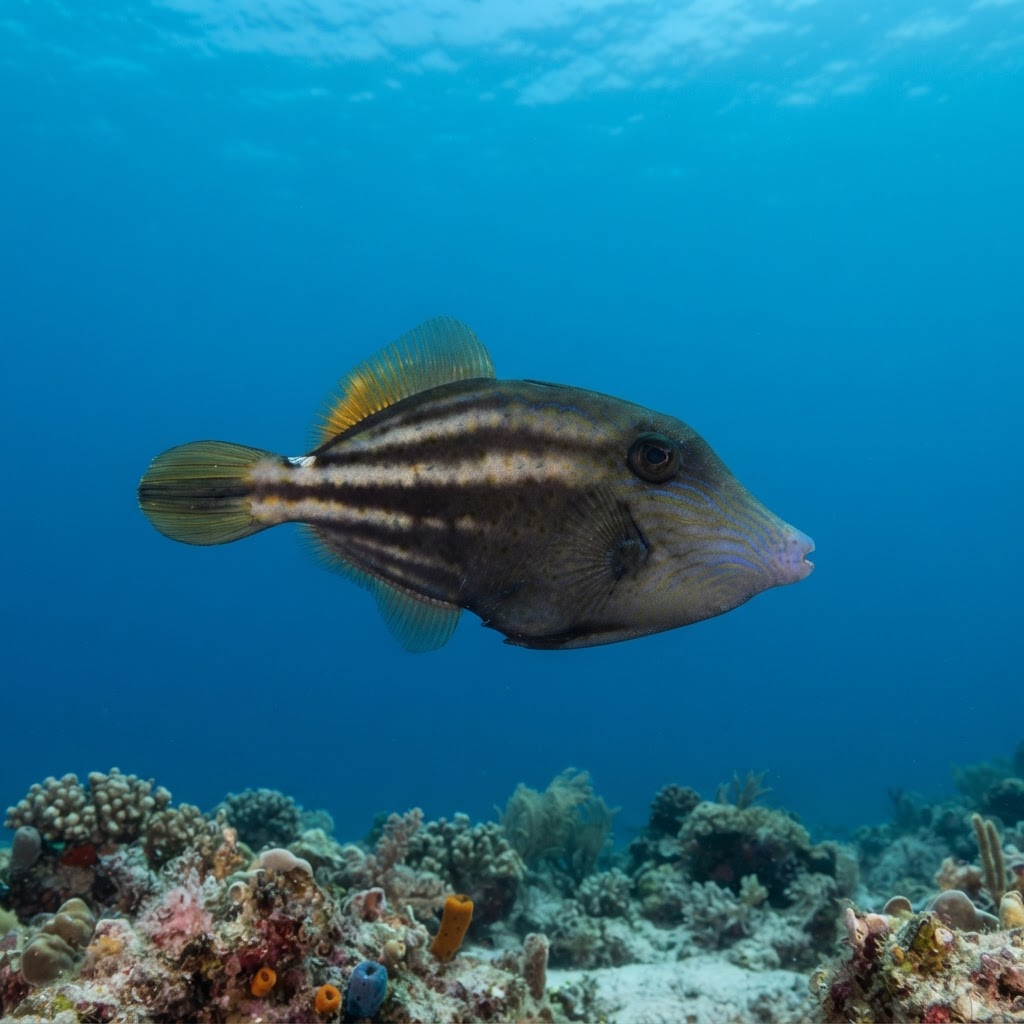
Orangespotted Filefish
836 sites