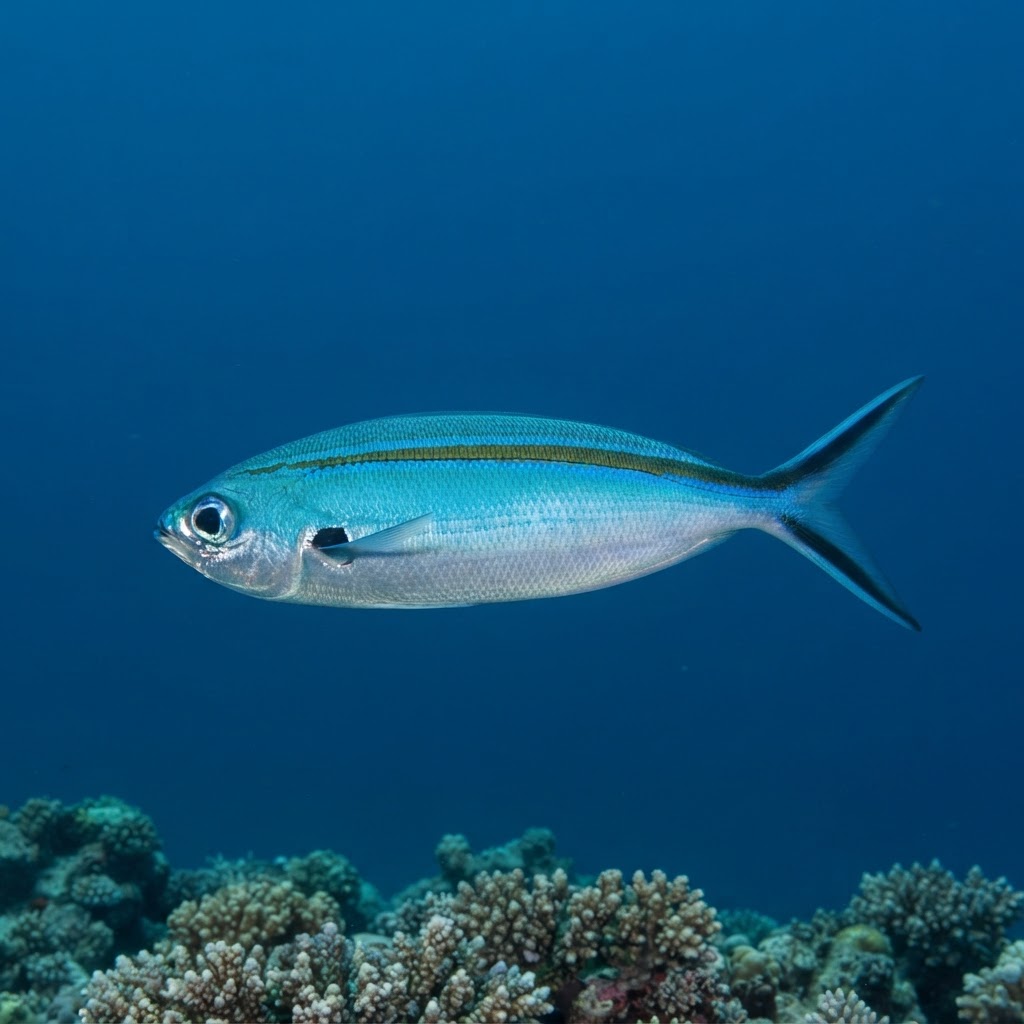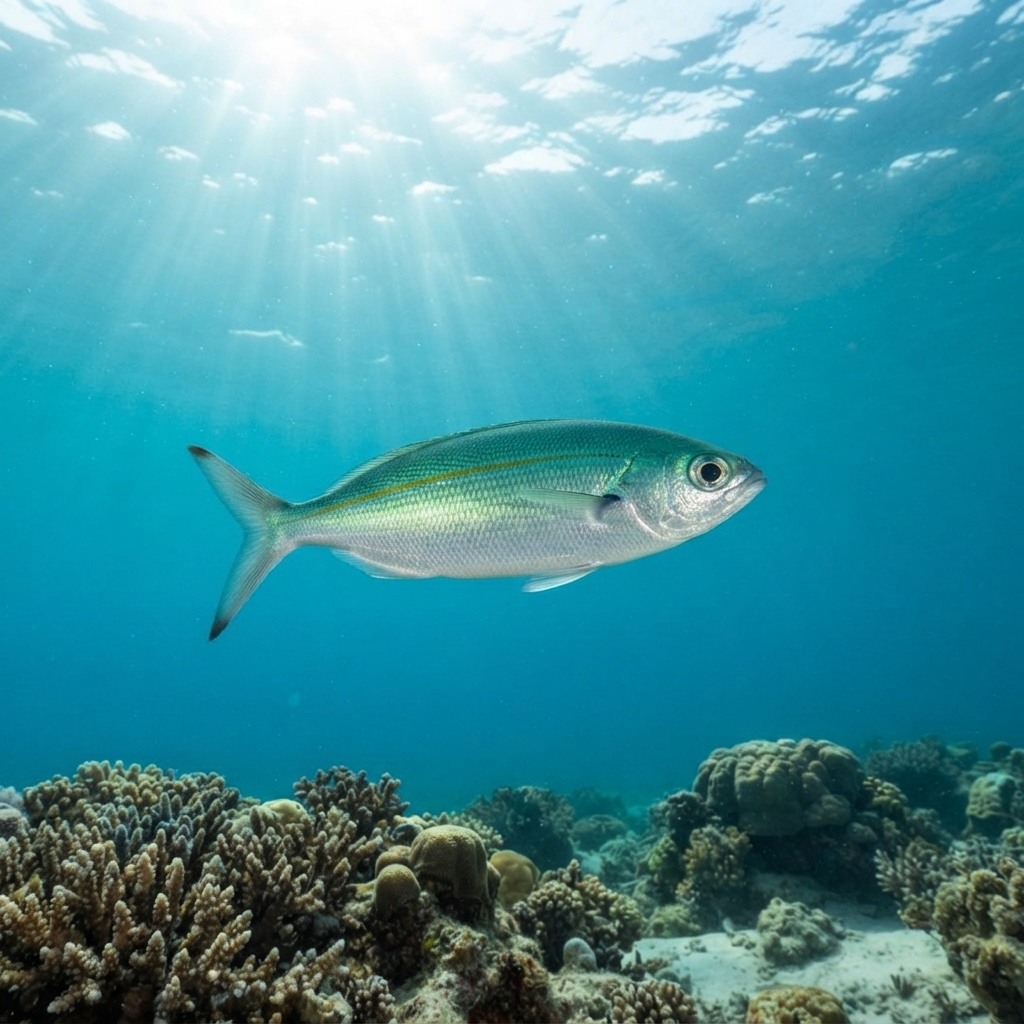
Pterocaesio tessellata
Blue-and-yellow schooling fish common on Raja Ampat and Sulawesi reefs, at 27.7 to 29.3C year-round. Here's where divers actually find them.
Slim, torpedo-shaped body around 18cm long, built for holding position in current rather than hovering over the reef. Blue-grey back fading to a paler belly, with a faint mosaic-like scale pattern that gives the species its name. Usually seen in loose to tight schools rather than alone, moving as a shifting blue cloud a few metres off the reef.
Found schooling in open water just off reef slopes and walls, often picking plankton out of the current rather than feeding directly off the substrate. Divers usually pass through or alongside the school rather than approaching it, and the fish part and reform around a diver without much fuss. Most sightings are logged as uncommon, with a smaller number of sites reporting them as a common, easy find, so schools seem to be patchy rather than reef-wide.
Fusiliers like this one feed by day out in open water and retreat into reef crevices or bommies at night, switching from free-swimming schooler to hidden reef fish on a daily cycle.
No clear seasonal pattern shows up in the data, and warm, stable water in the 27.7 to 29.3C range means these reefs stay diveable year-round. Plan around Indonesia's general dive-season logistics rather than chasing a fusilier-specific window.
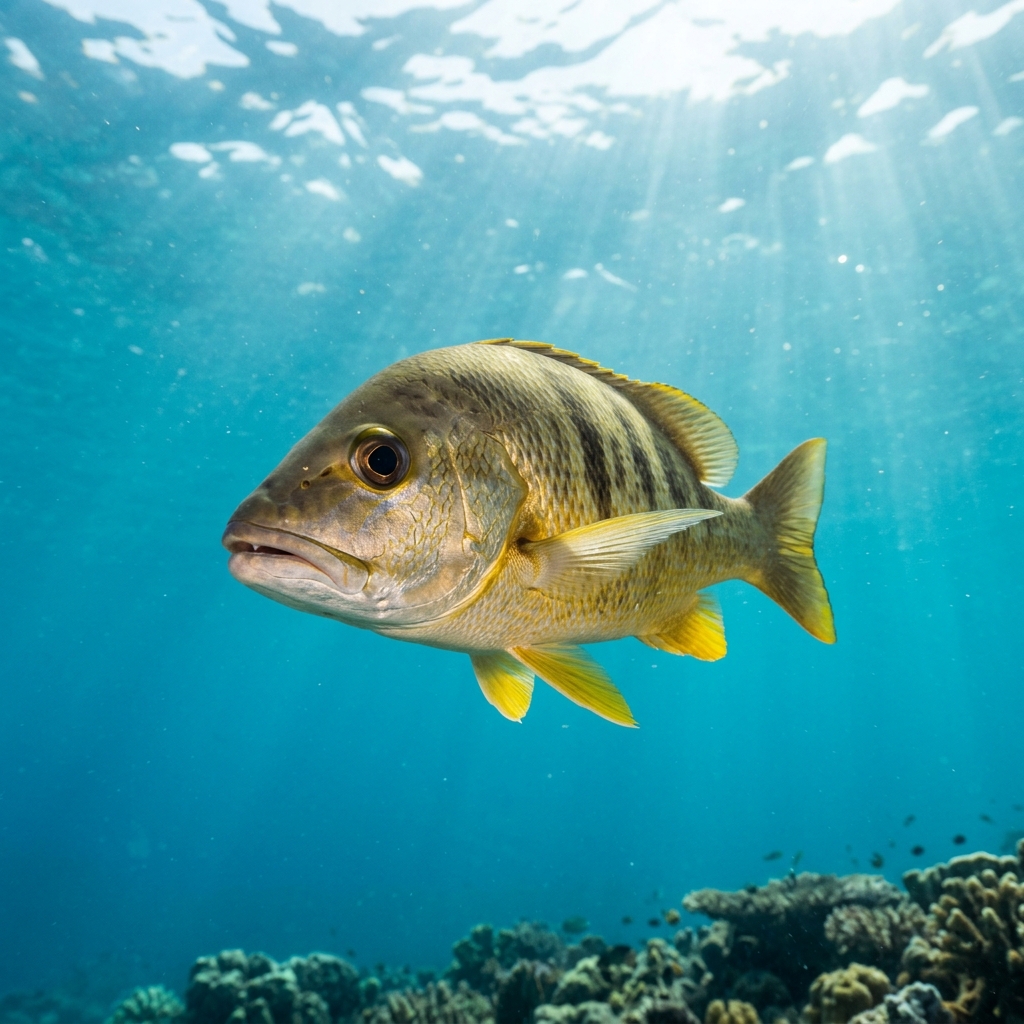
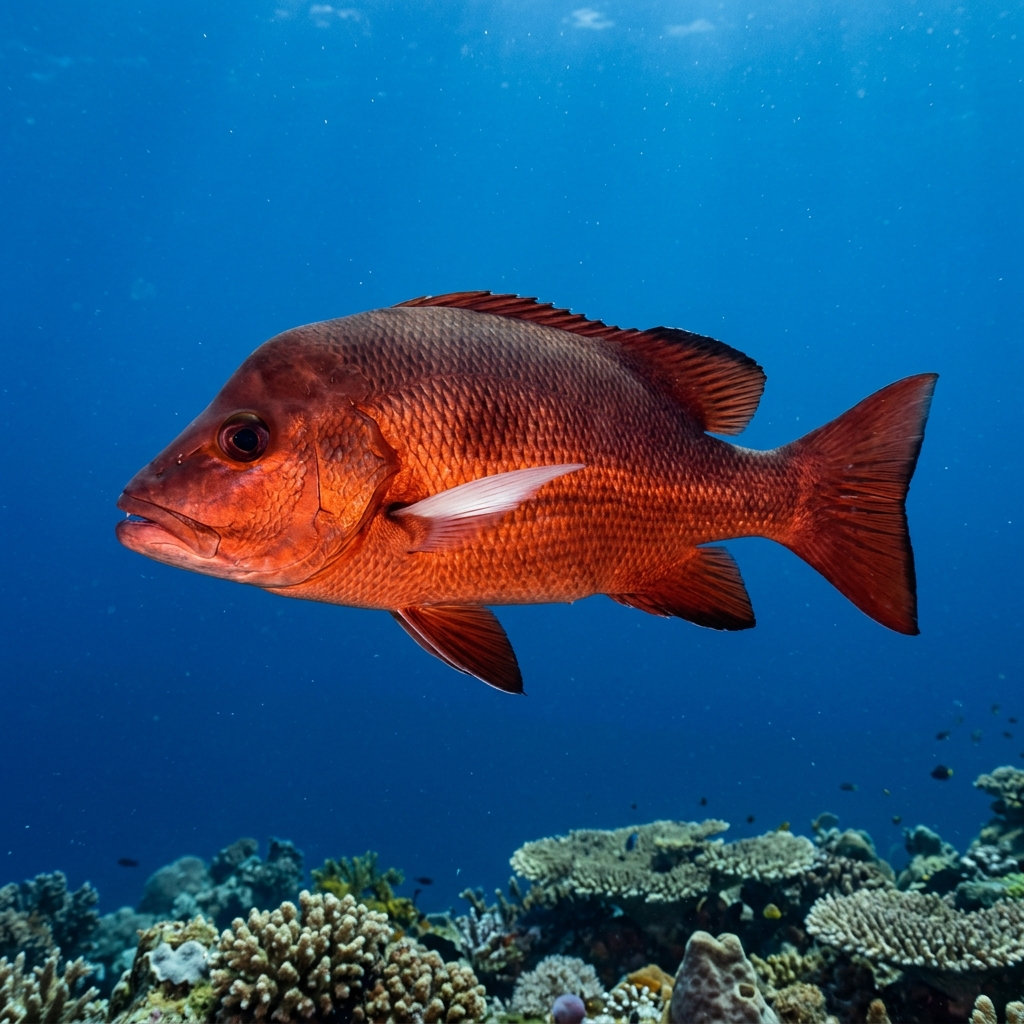
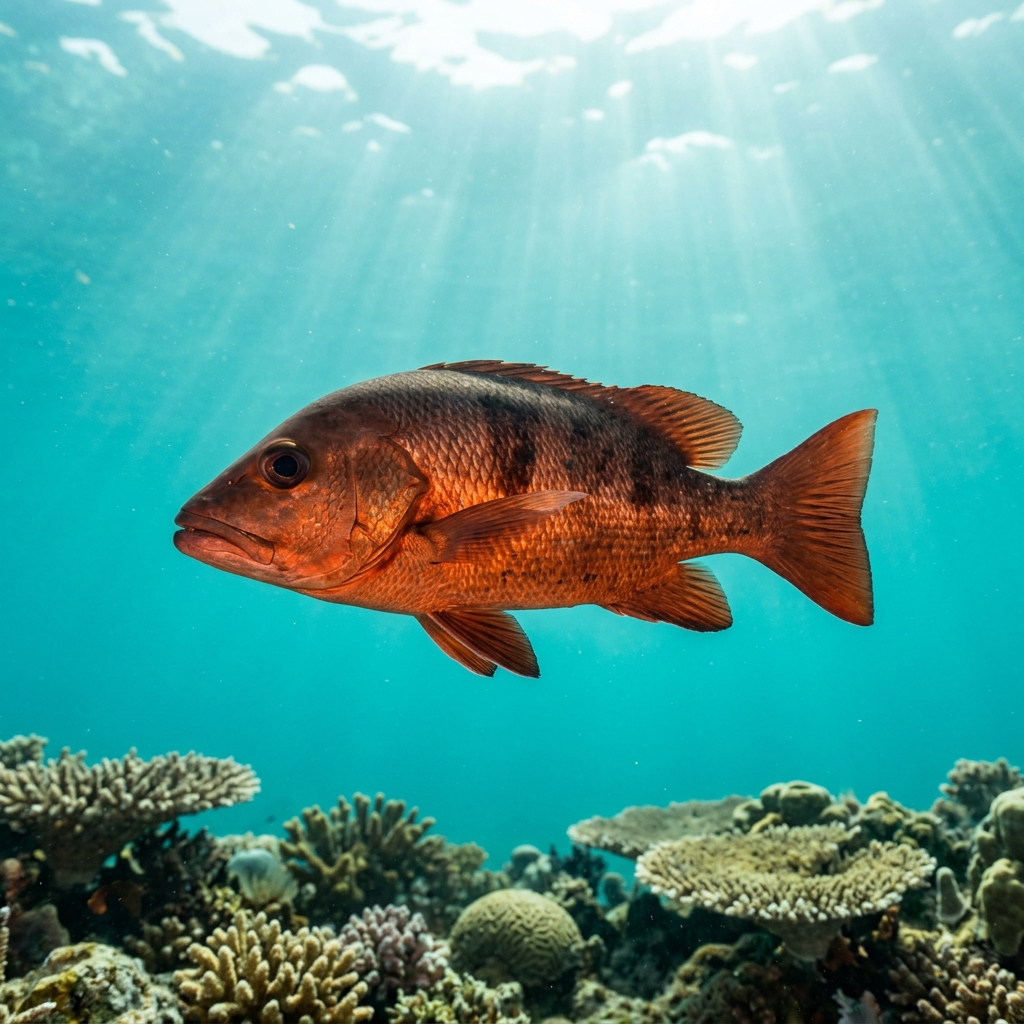
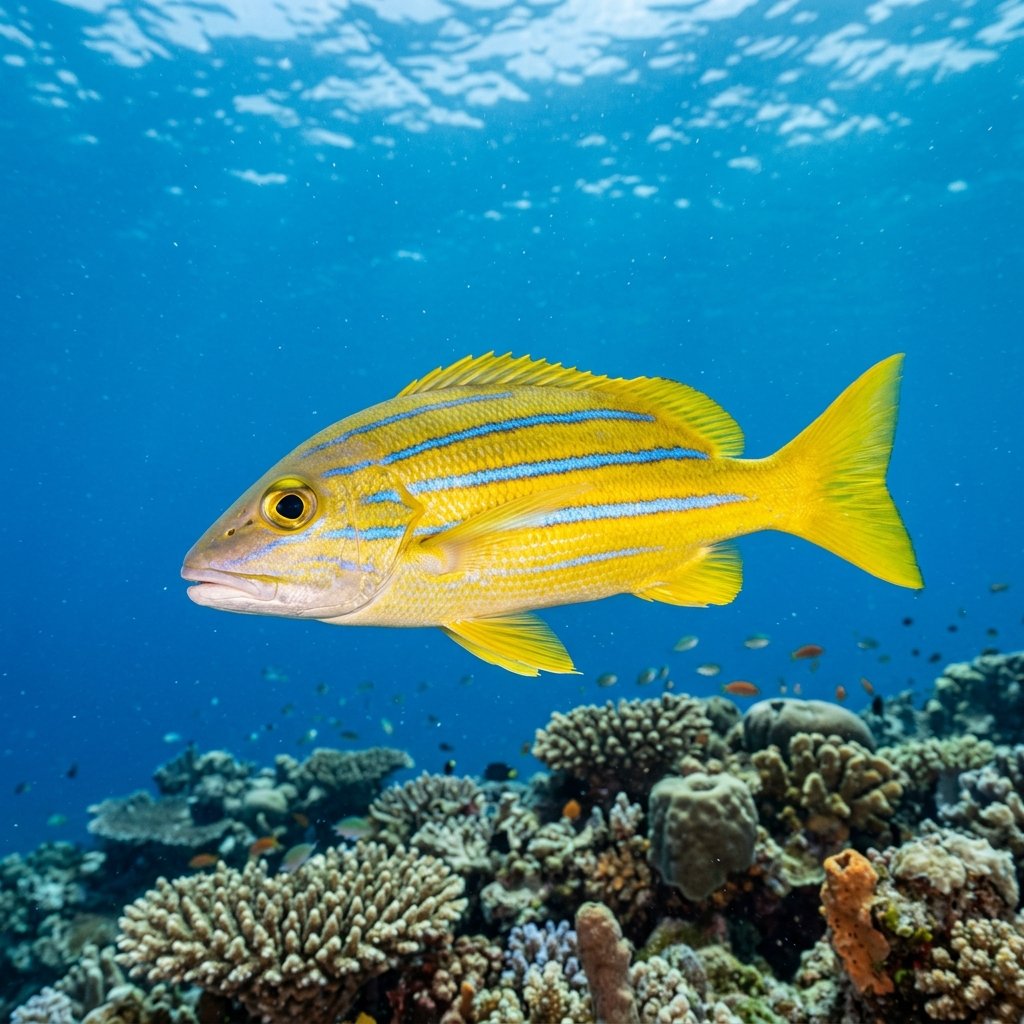
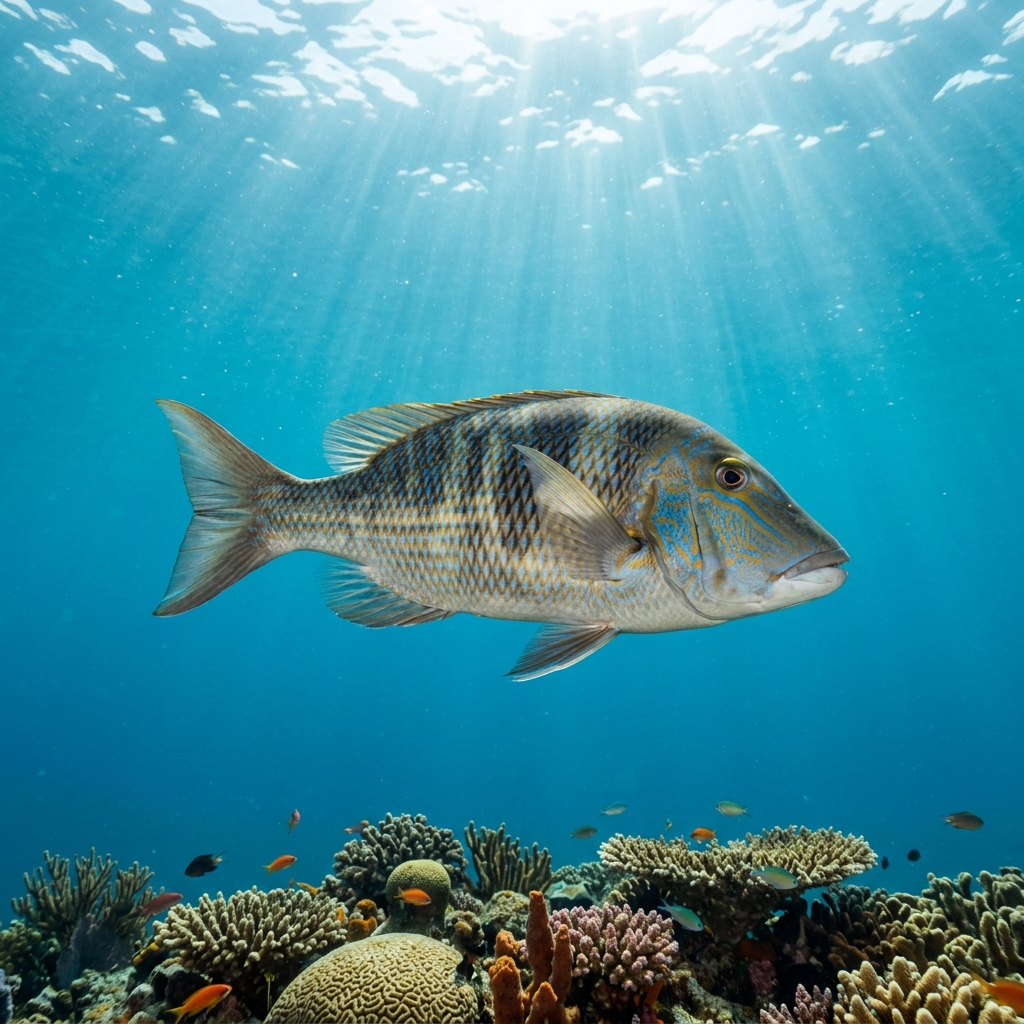
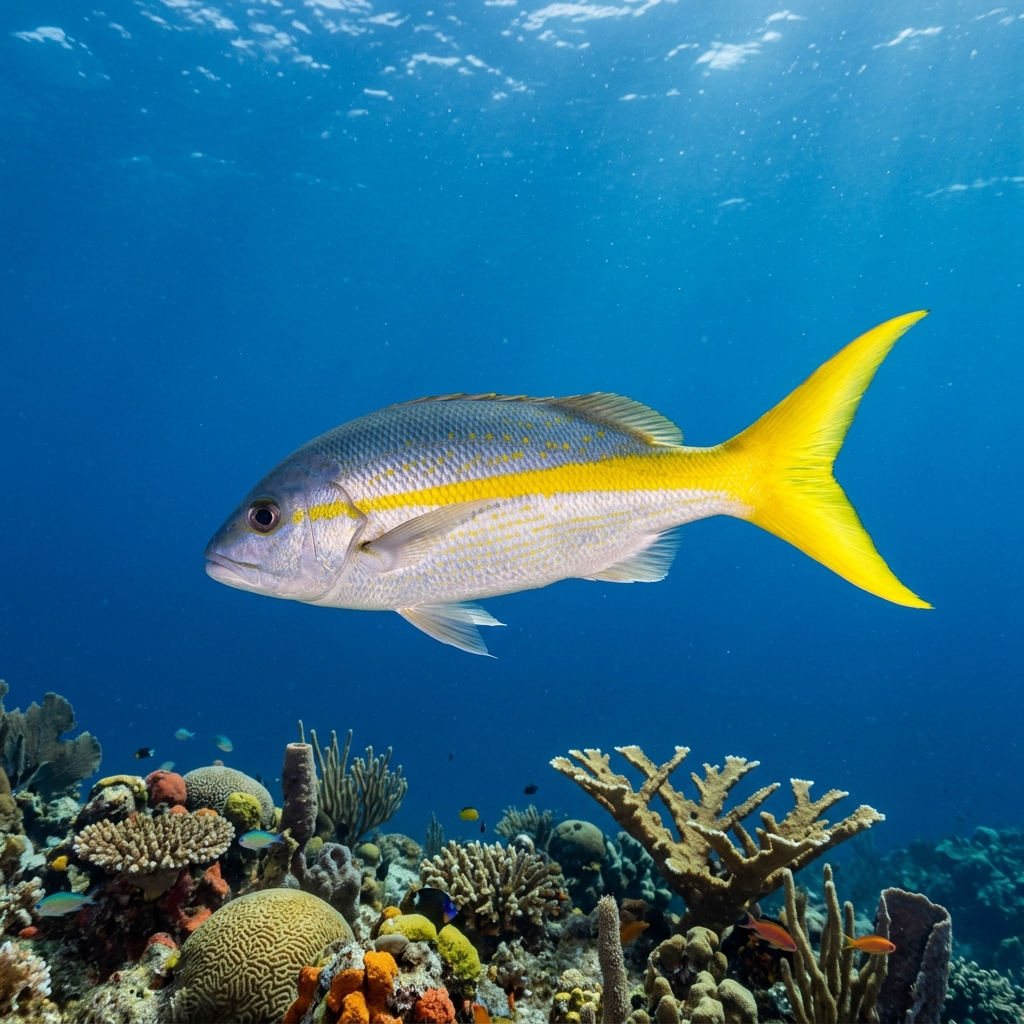
Reef neighbours a diver could mistake it for. Use the identification notes above to tell them apart.
Indonesia is the place for this one, with sightings concentrated in Raja Ampat, Sulawesi, Maluku and West Papua, plus occasional records from Bali. Raja Ampat carries the most logged sites, followed closely by Sulawesi, so those two regions are the safest bet for a reliable encounter.
Mapping where Mosaic Fusilier is logged…
Indonesia is the main hotspot, with the strongest logs from Raja Ampat and Sulawesi, and further sightings in Maluku, West Papua and Bali. Outside Indonesia the species is rarely logged by divers.
There's no strong seasonal signal in the sighting data, and water stays in the 27.7 to 29.3C range year-round, so they're a consistent sighting on Indonesian reefs whenever you visit.
Look for a slim, blue-grey schooling fish around 18cm with a faint mosaic scale pattern, usually seen hovering in loose groups just off the reef edge rather than sitting on the bottom.
They reach around 18cm, a small, slender reef fish that relies on schooling rather than size for protection.
No. They're harmless schooling fish with no sting, bite or defensive behaviour that affects divers.
Site and sighting data is aggregated from diver logs, iNaturalist and GBIF. For taxonomy and conservation status:
Bluestriped Snapper
2,054 sites