Pimephales spp.
Small, schooling freshwater fish logged uncommonly at freshwater sites in Ontario, Canada, year-round with no strong seasonal pattern.
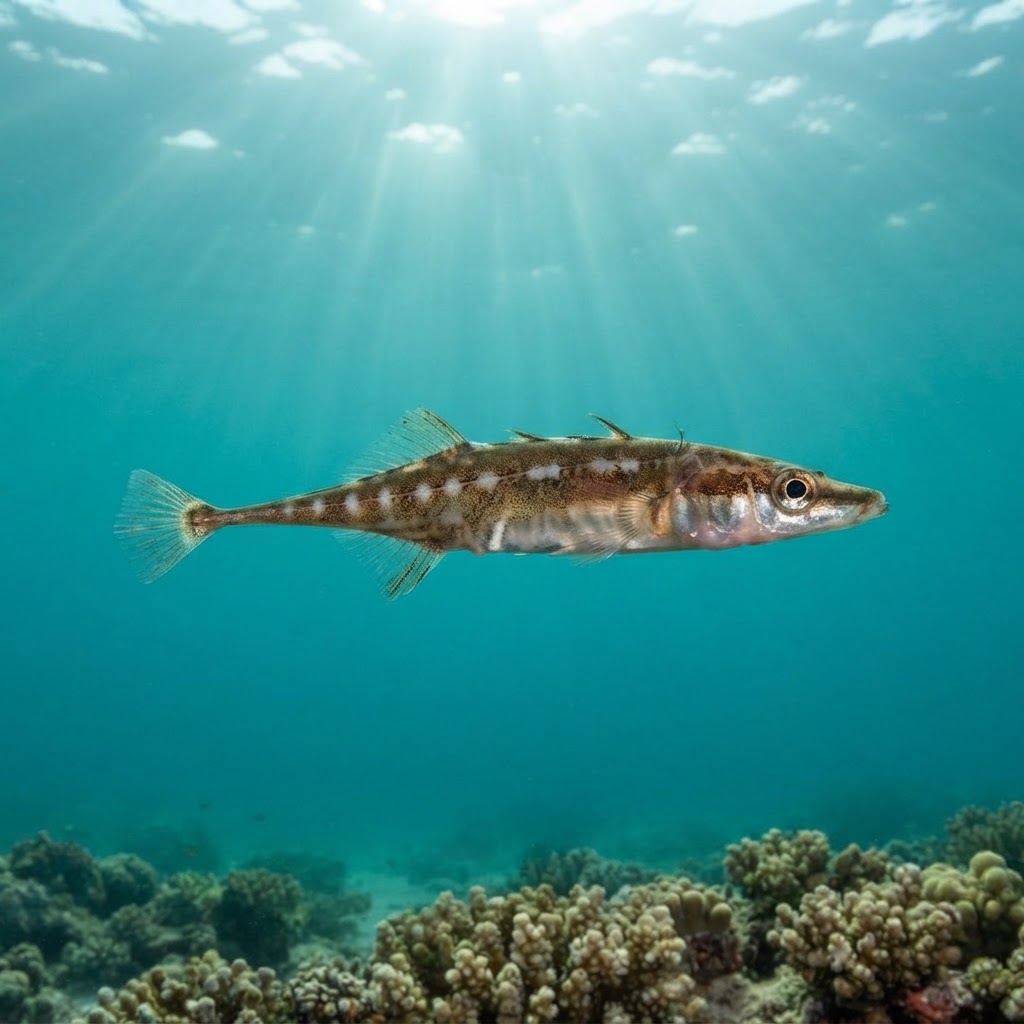
Tiny, blunt-headed fish, usually just a few centimetres long, with a stout rounded body and a small mouth angled downward for grazing algae off rocks. Colouring runs silvery-olive to grey with a faint dark stripe or blotch along the flank, and in some species a dark spot near the base of the tail. Breeding males in this genus can darken noticeably and develop small bumps (nuptial tubercles) on the head, easy to miss unless you look closely.
Divers typically find them in loose, skittish schools hugging shallow, weedy margins or rocky lake bottoms, picking at algae and tiny invertebrates. They scatter quickly at close approach and regroup a few metres off, which is the main reason sightings are logged as uncommon rather than rare, they're around but not easy to close in on. Most activity happens in daylight in shallow water rather than at depth.
Several species in this genus are known for male parental care, where the male alone guards and fans the egg mass laid on the underside of a rock or log until the fry hatch.
Sightings don't show a strong seasonal pattern, so treat this as a year-round encounter wherever the water stays clear enough to spot them. In cold-temperate lakes like those in Ontario, visibility and comfort for diving will still shape when you go more than the fish's own presence will.
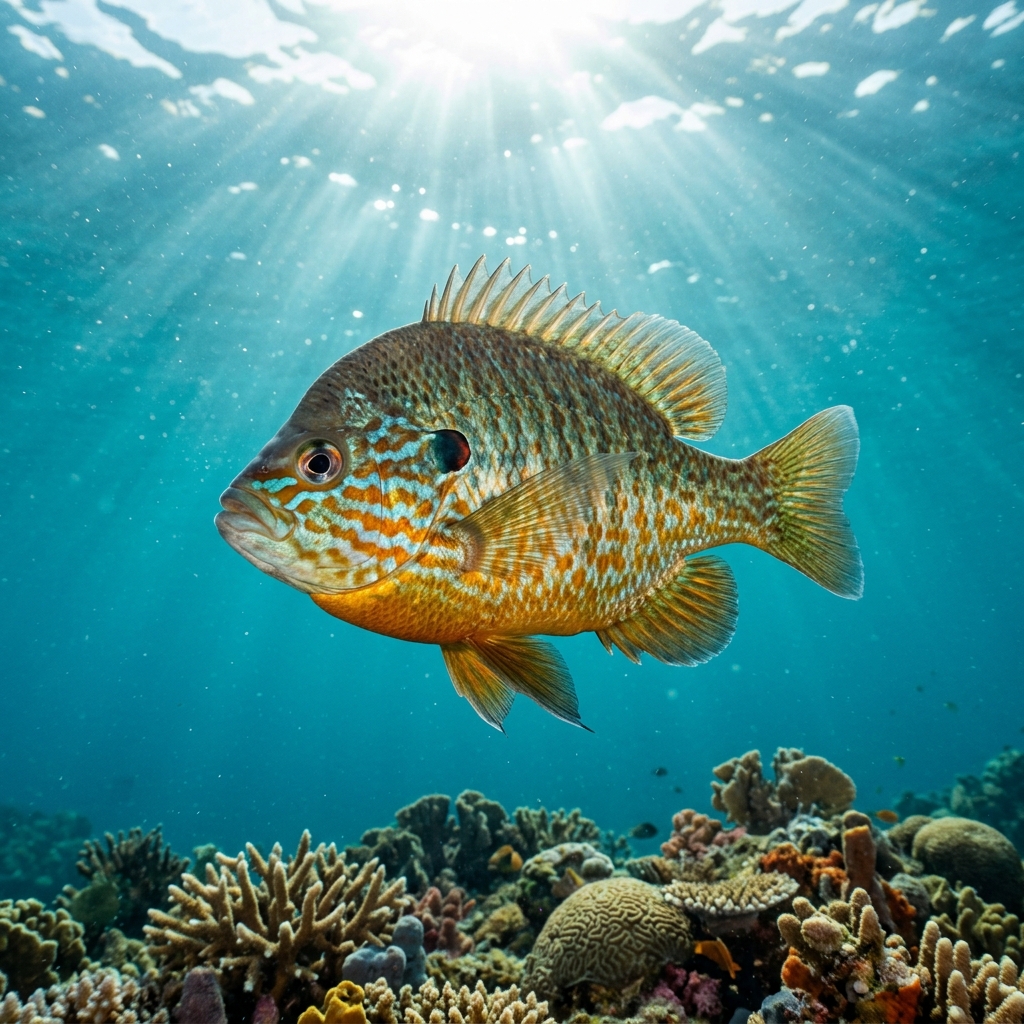
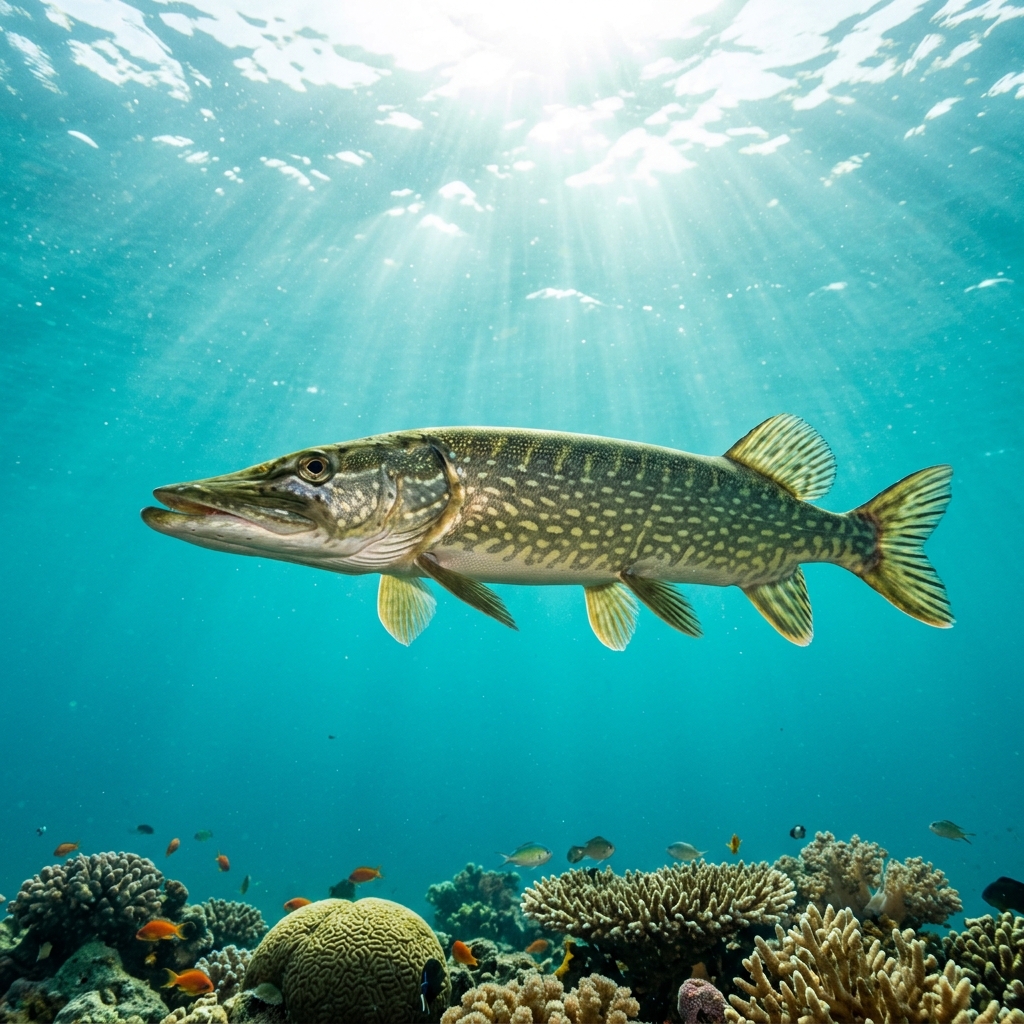
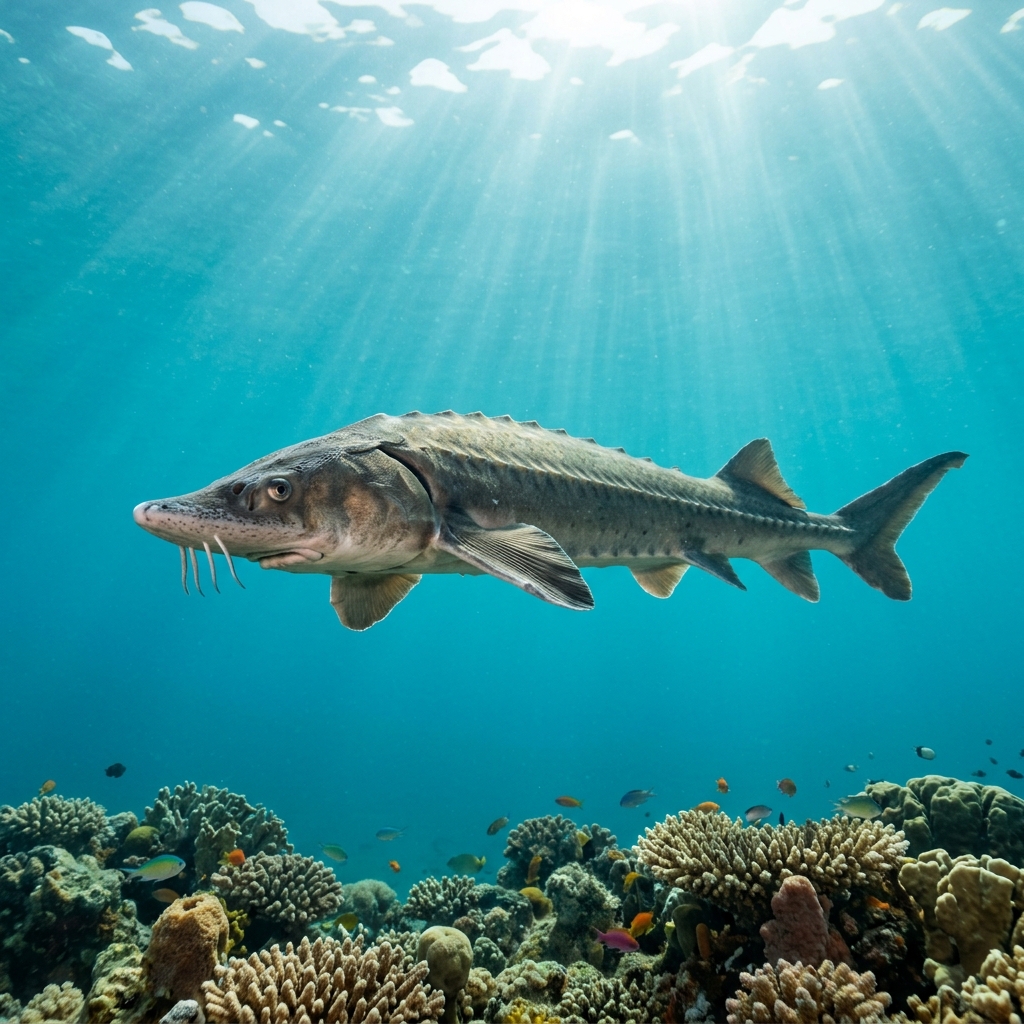
Reef neighbours a diver could mistake it for. Use the identification notes above to tell them apart.
Logged mostly on freshwater dive and snorkel sites in Ontario, Canada, which accounts for the bulk of recorded sightings, with a smaller presence in California, United States. This is very much a lake and stream group rather than a coastal or reef one, so look for it in clear freshwater sites rather than marine locations.
Mapping where Minnow is logged…
Most logged sightings come from freshwater sites in Ontario, Canada, with additional records from California, United States. They're a lake and stream group, so look in clear freshwater rather than coastal dive sites.
There's no strong seasonal pattern in the sighting data, so they're considered a year-round presence wherever they occur. Local water clarity and dive conditions matter more than timing your trip around the fish itself.
Look for small, stout-bodied fish only a few centimetres long, silvery-olive with a faint dark side stripe and a downturned mouth for grazing algae. Breeding males may look darker with small bumps on the head.
Species in this genus stay small, typically just a few centimetres long as adults, making them one of the smaller fish a diver will log on a freshwater site.
No. They're small, harmless schooling fish that dart away from divers rather than approach.
In several species, the male alone guards and fans the egg mass on the underside of a rock until the young hatch, a rare case of solo paternal care in small freshwater fish.
Site and sighting data is aggregated from diver logs, iNaturalist and GBIF. For taxonomy and conservation status:
Sun Perch
2,182 sites