Miamira moloch
Spot Miamira moloch in warm tropical waters between 22-29 °C. Learn how to identify this vivid dorid nudibranch and separate it from close look-alikes.
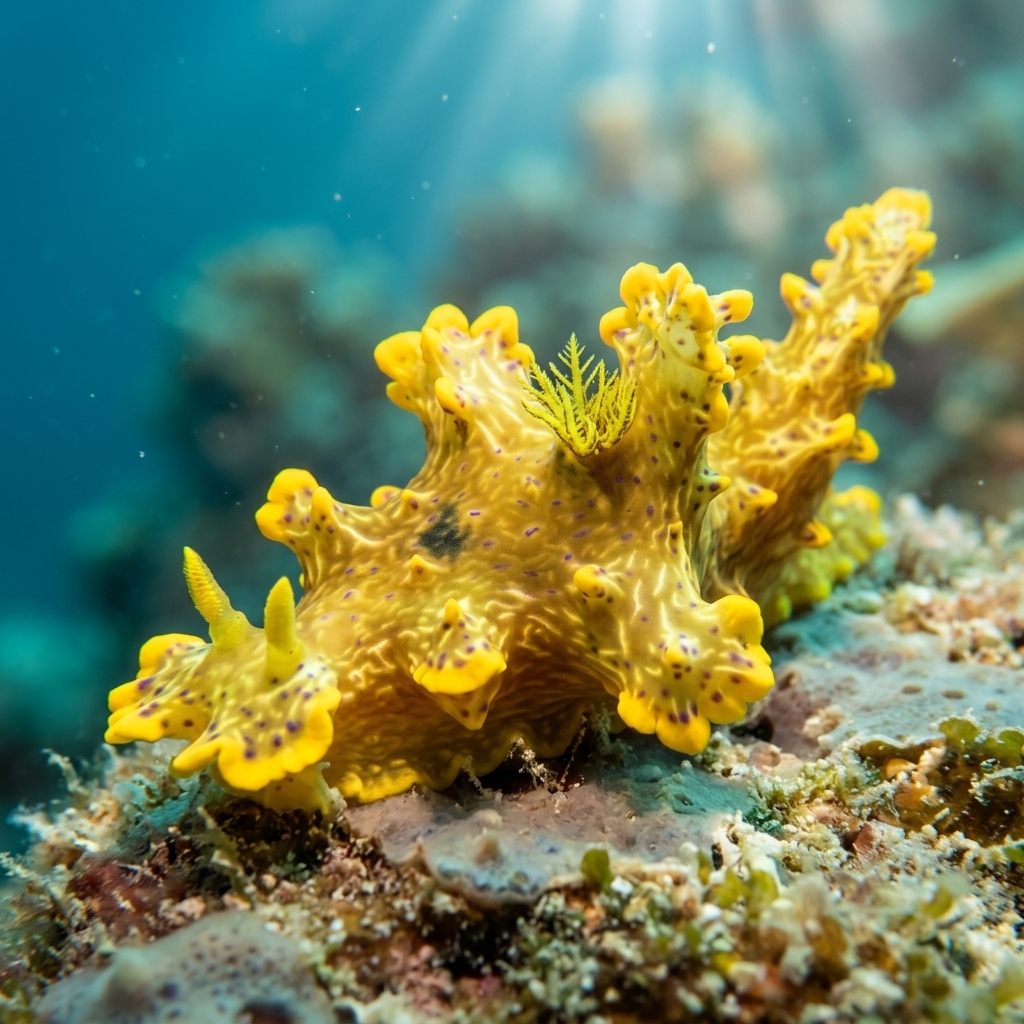
Bold yellow colouring along the body margin is the first thing to lock onto, with the lobed or ruffled edge giving the animal a distinctively frilly outline that sets it apart from smoother dorids. The central mantle typically shows contrasting darker markings or tubercles (small raised bumps). It is a member of the Chromodorididae family, so expect a relatively flat, oval body shape pressed close to the substrate. The gills and rhinophores (scent organs at the front of the head) are retractable and often yellow-tipped.
Like most chromodorid nudibranchs, it is a slow-moving, benthic (bottom-dwelling) animal, typically found crawling across reef rock, rubble, or encrusting sponges while grazing. It tends to ignore divers entirely, making close-up observation straightforward as long as you move slowly and avoid disturbing the substrate around it. Encounters are usually solitary and brief, as individuals cover surprisingly little ground during a single dive.
The lobed mantle margin that gives this species its common name is not merely decorative; the ruffled edge increases surface area and likely helps the animal absorb oxygen directly through its skin, supplementing gill respiration in warm, lower-oxygen water.
No strong seasonal pattern has emerged from the available data, so this species is treated as potentially year-round where it occurs. Its temperature niche of 22-29 °C points to consistently warm tropical waters as the most likely habitat.
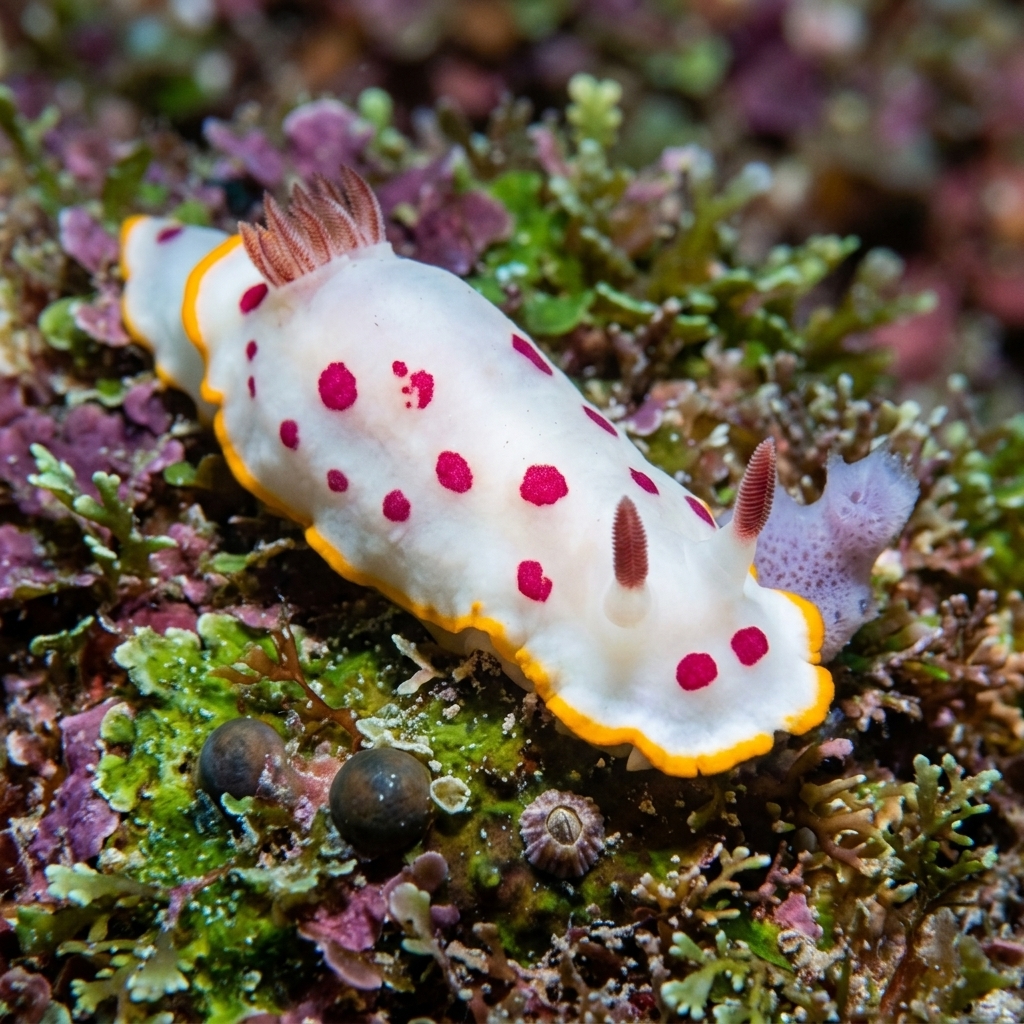
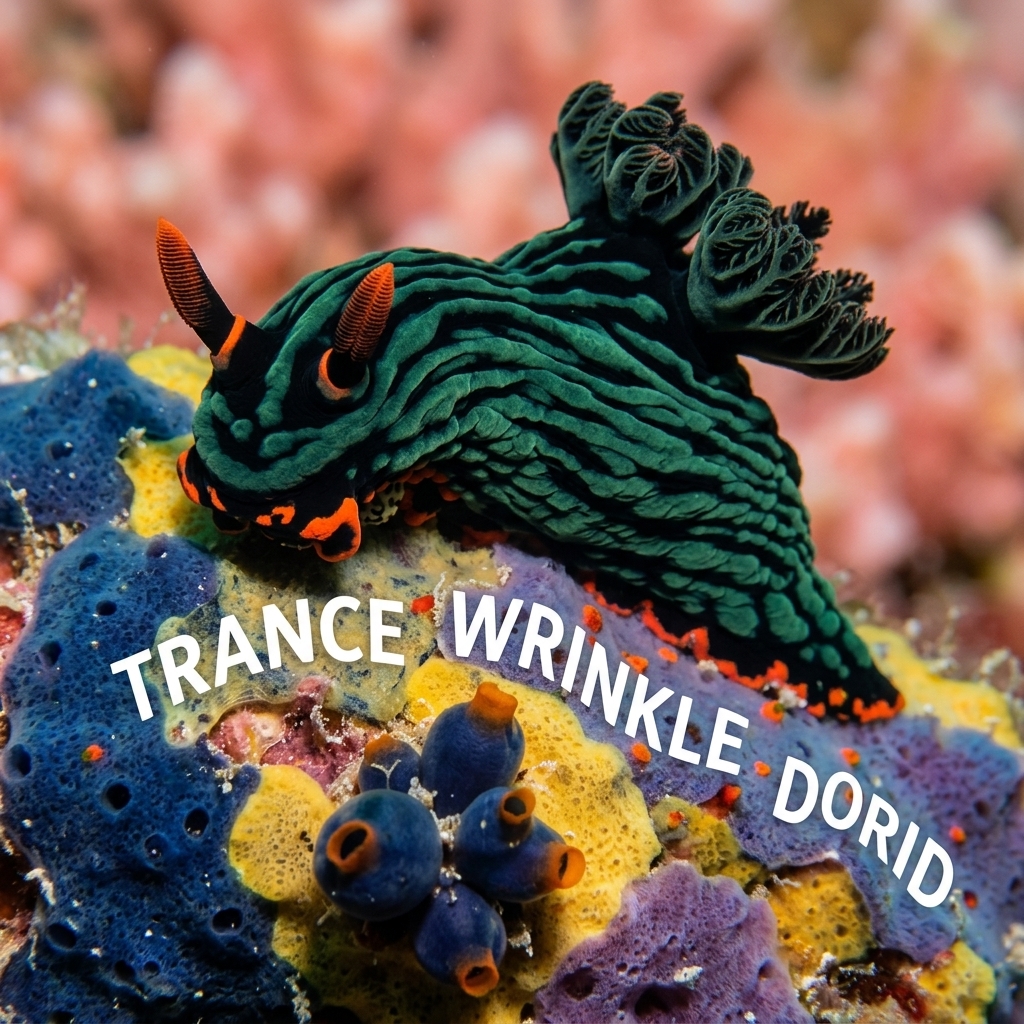
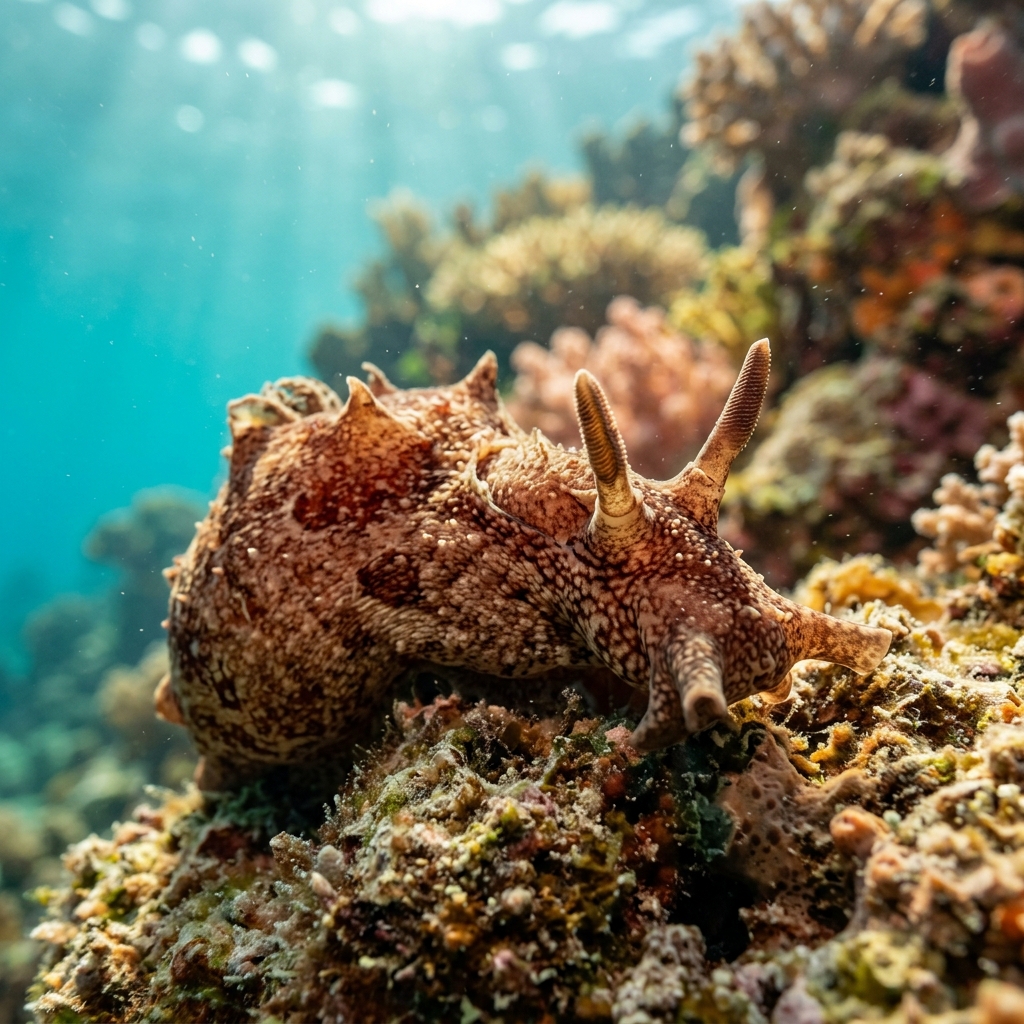
Reef neighbours a diver could mistake it for. Use the identification notes above to tell them apart.
Sighting records for this species are too sparse at present for Fin to name reliable top regions with confidence. Based on its observed water-temperature range of 22.5 to 29.2 °C, encounters are most plausible on Indo-Pacific tropical and subtropical reefs where similar lobed dorids are regularly logged. Check local nudibranch sighting reports before planning a targeted search.
Mapping where Yellow Dragon Lobe-margin Dorid is logged…
Look for the distinctive ruffled or lobed yellow margin running around the edge of the mantle, combined with a flat oval body shape pressed to the reef. The raised tubercles on the central mantle and yellow-tipped gills and rhinophores are useful secondary markers. Size is currently undocumented, so focus on the body shape and colouration.
There is not yet enough sighting data to pin down a peak season. The species appears to favour water between 22 and 29 °C, suggesting it is most at home on tropical reefs where those temperatures persist year-round. No specific months or hemisphere-based season can currently be recommended.
Confirmed dive-site records are currently limited, so no specific regions can be named with confidence. Given its warm-water temperature range, Indo-Pacific tropical reef systems are the most plausible hunting ground. Checking recent nudibranch logs on iNaturalist or local dive operator reports is the best way to find current sightings.
The size of this species has not been formally documented in available records. Most chromodorid nudibranchs in tropical Indo-Pacific waters range from around 20 to 80 mm in length, so that is a reasonable working expectation, but a confirmed figure for this species is not yet available.
No. Like all chromodorid nudibranchs, it poses no threat to divers whatsoever. It is slow-moving, entirely focused on grazing, and will not bite or sting. The only risk is accidental damage to the animal if a diver makes contact, so observe without touching.
Site and sighting data is aggregated from diver logs, iNaturalist and GBIF. For taxonomy and conservation status:
Light-spotted Aegires
3,168 sites