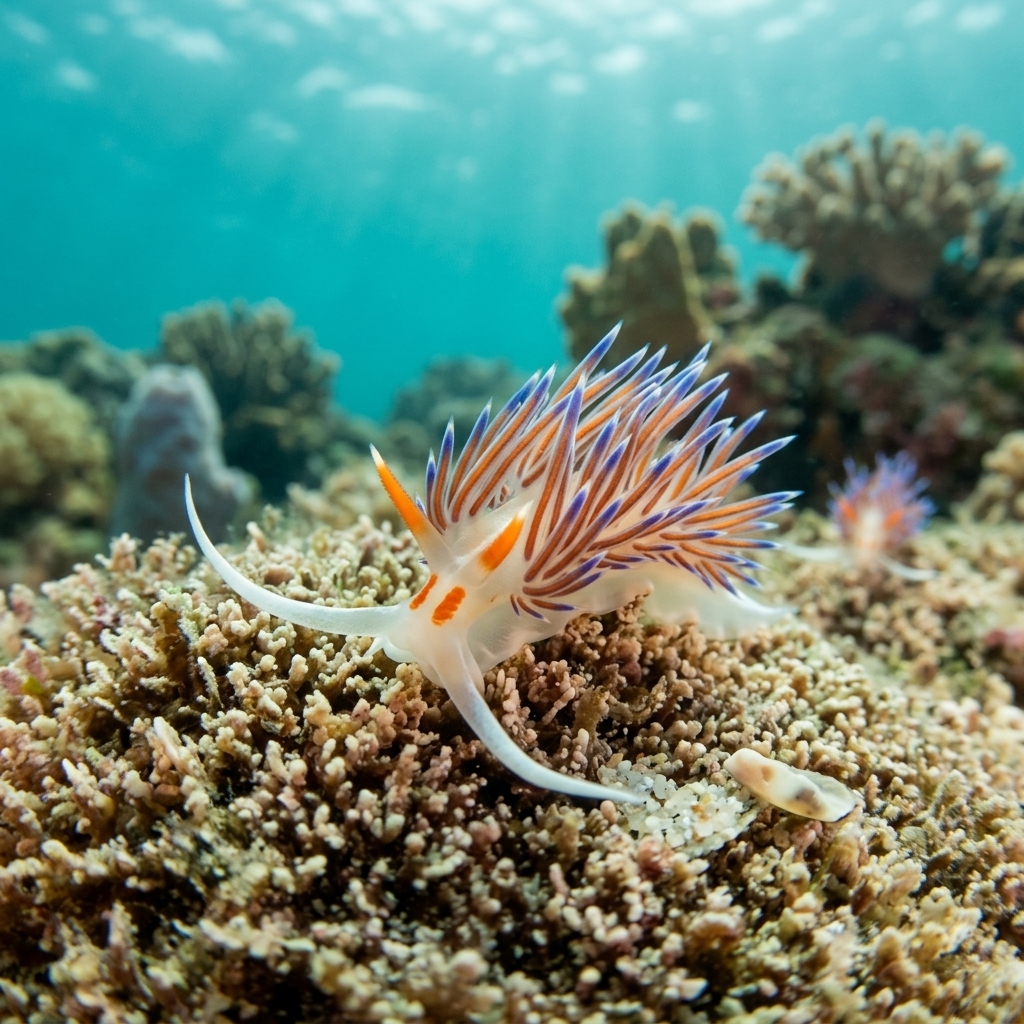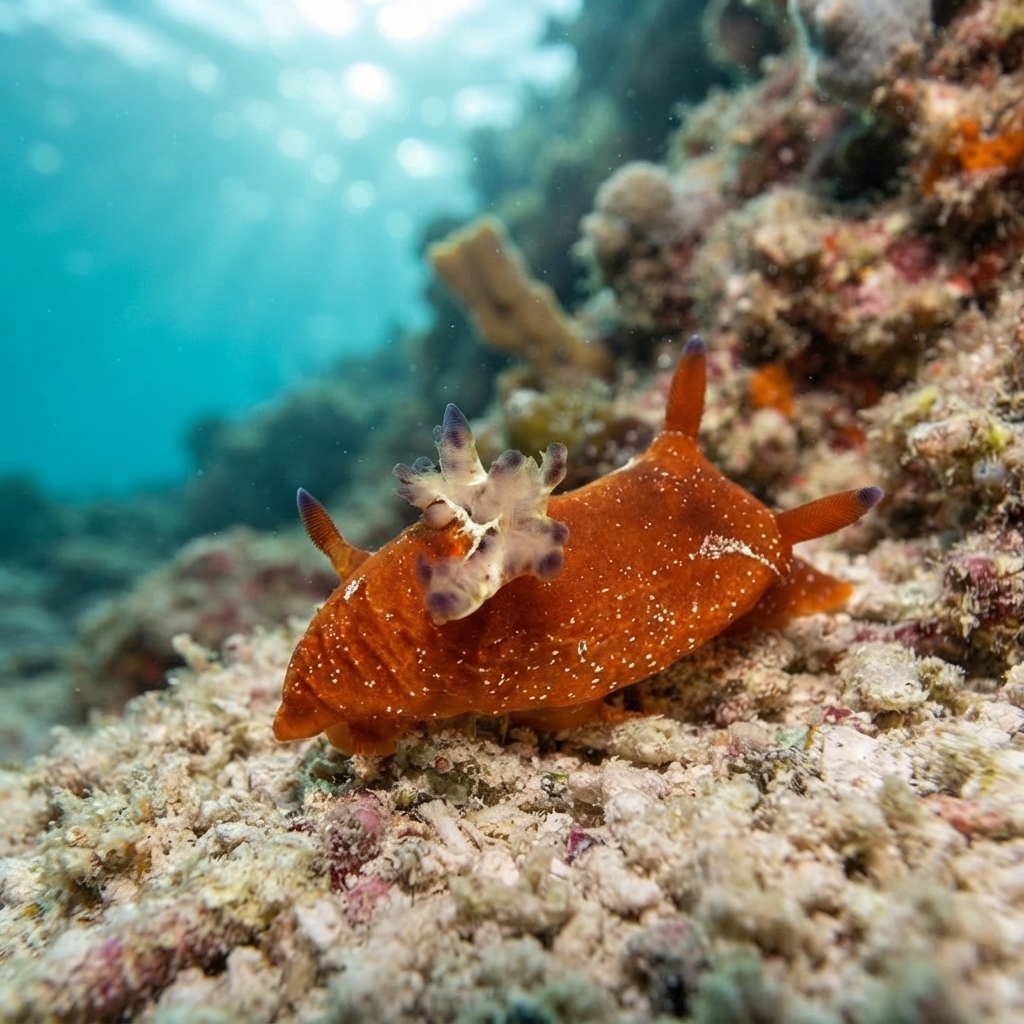
Martadoris limaciformis
A small, uncommon nudibranch logged almost exclusively around Eilat's reefs in warm Red Sea water between 21 and 27C.
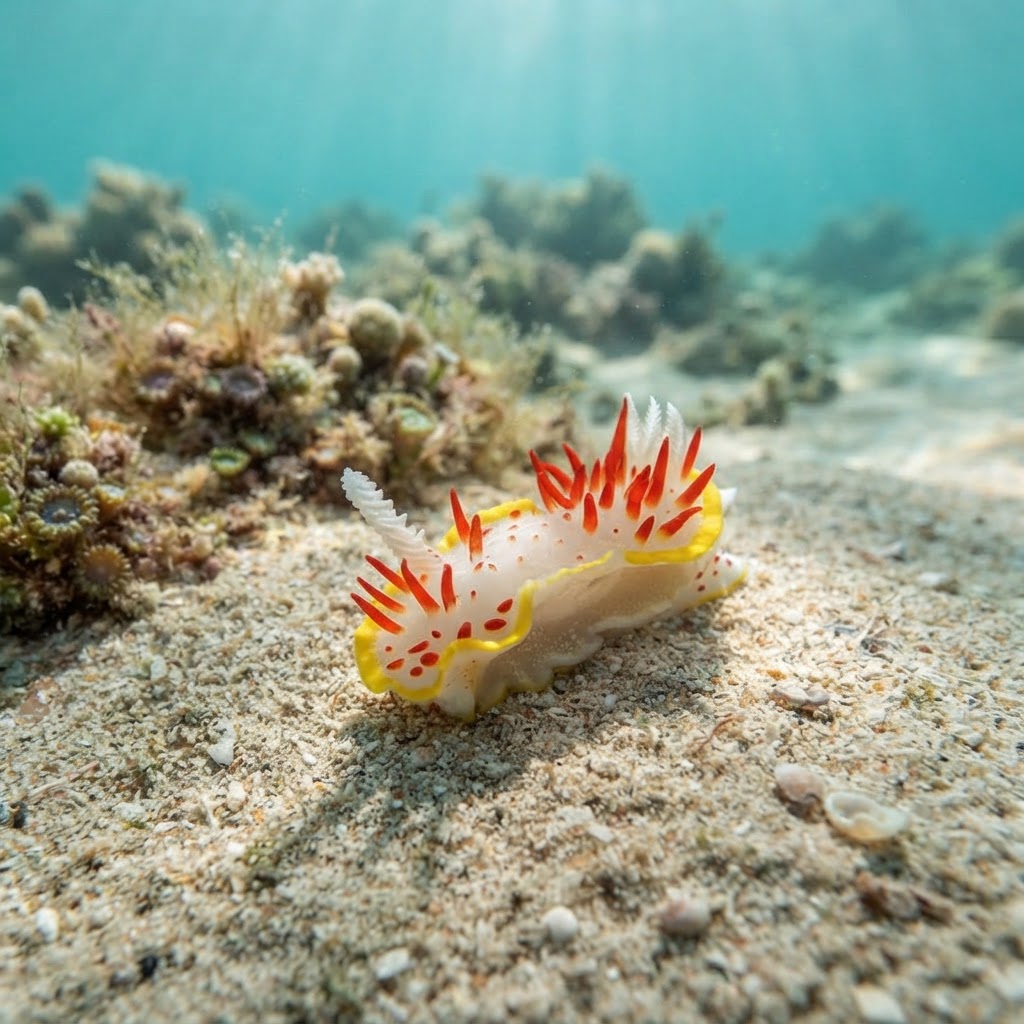
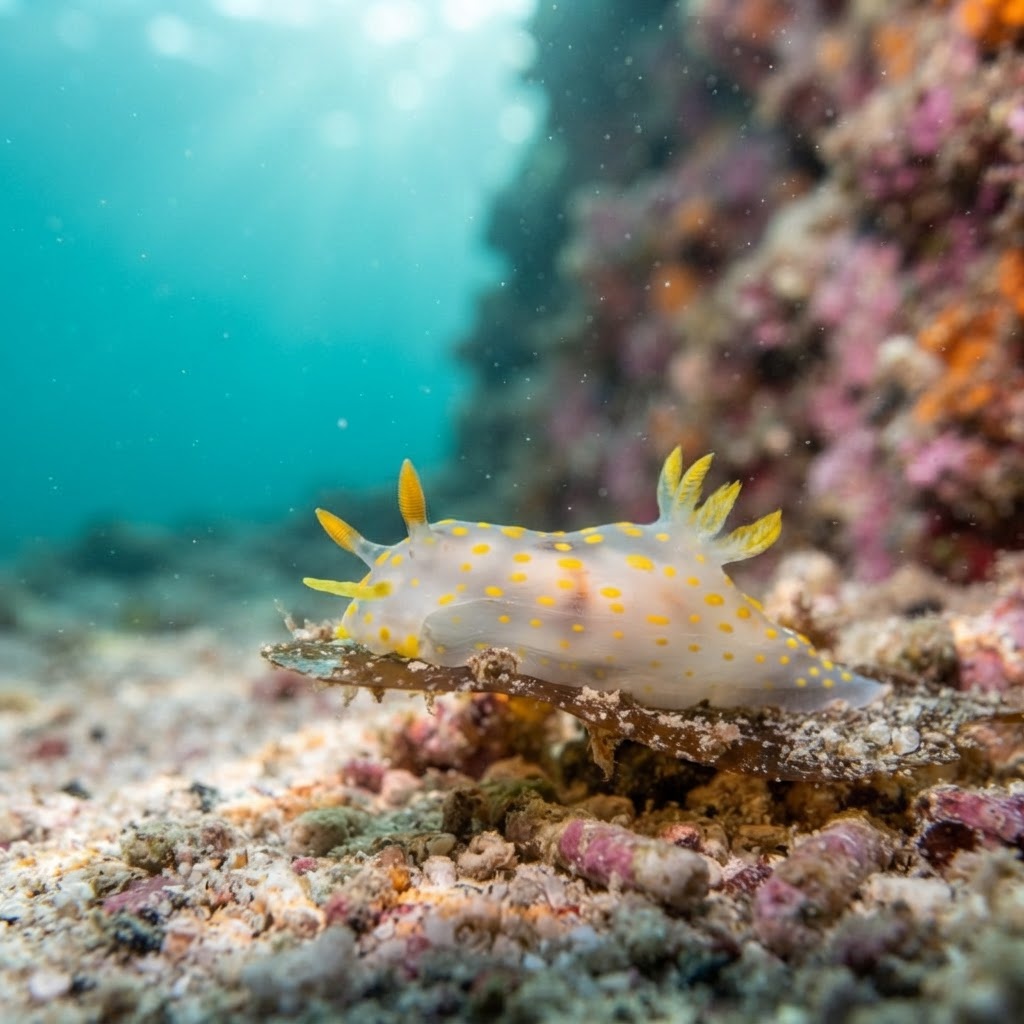
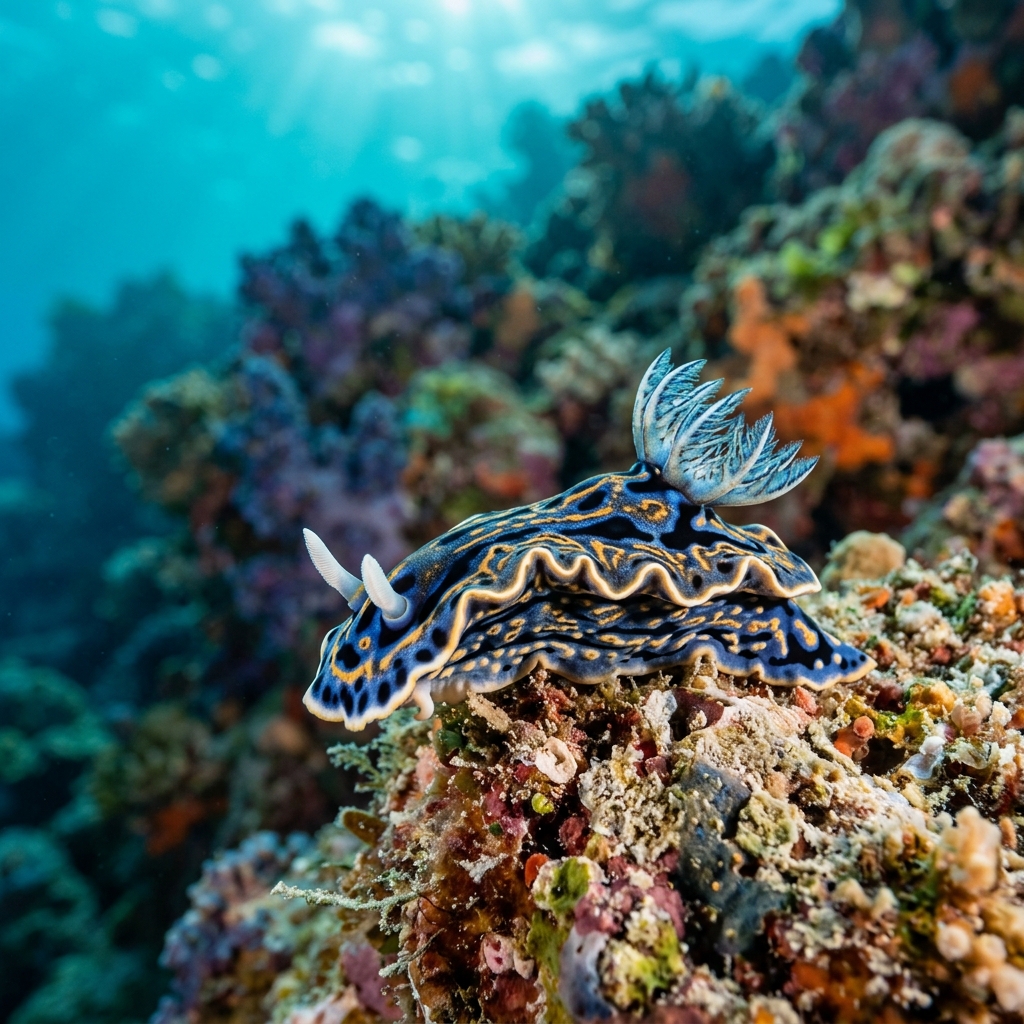
A small, slug-shaped nudibranch (sea slug) with a soft, elongated body rather than the broad flattened outline seen in many showier dorids. Divers typically pick it out against reef rubble or sponge by its slender profile and understated colouring rather than any bold pattern, since it lacks the vivid contrasting blotches common in its family. It moves slowly and stays low on the substrate, so a careful, close look is usually needed to confirm the ID.
Divers find it moving slowly over reef substrate and rubble, typically during the day rather than on night dives, doing the unhurried grazing crawl typical of small dorid nudibranchs. It shows no reaction to divers beyond continuing its slow pace, so a steady hand and a macro lens are the best way to get a good look before it slips into a crevice.
Like other dorid nudibranchs, it likely feeds on sponges and relies on chemical defences absorbed from that diet rather than speed or camouflage to avoid predators.
Sightings don't show a clear season, and with water logged between 21.1 and 27.1C year-round in Eilat, this slug appears to be a possible find on any dive there, any month.
Reef neighbours a diver could mistake it for. Use the identification notes above to tell them apart.
Every logged sighting in the data comes from Eilat, Israel, making the Gulf of Aqaba's Red Sea reefs the only confirmed place to look for this species. Within Eilat it turns up as an uncommon find across a spread of sites rather than clustering at one famous spot, so it pays to check macro life on several dives rather than a single reef.
Mapping where Martadoris Limaciformis is logged…
Every recorded sighting comes from Eilat, Israel, on the Gulf of Aqaba, where it has been logged as an uncommon find spread across multiple dive sites.
There's no detected seasonal pattern, and Eilat's water stays within its 21.1 to 27.1C comfort range for most of the year, so sightings are possible on any given dive.
Look for a small, slender, slug-shaped nudibranch with muted colouring and no bold pattern, moving slowly across rubble or reef substrate. It lacks the dramatic blotches of showier dorids, so a close macro look is often needed to confirm it.
Exact size data isn't available, but like most members of the Polyceridae family it's a small nudibranch best spotted with a macro-focused eye rather than at a glance.
No. It poses no threat to divers and, like other nudibranchs, relies on chemical defences from its diet rather than any sting or bite.
As a dorid nudibranch it almost certainly feeds on sponges and stores chemical compounds from that diet as a defence against predators, a strategy shared across its family.
Site and sighting data is aggregated from diver logs, iNaturalist and GBIF. For taxonomy and conservation status:
Nudibranch
3,168 sites