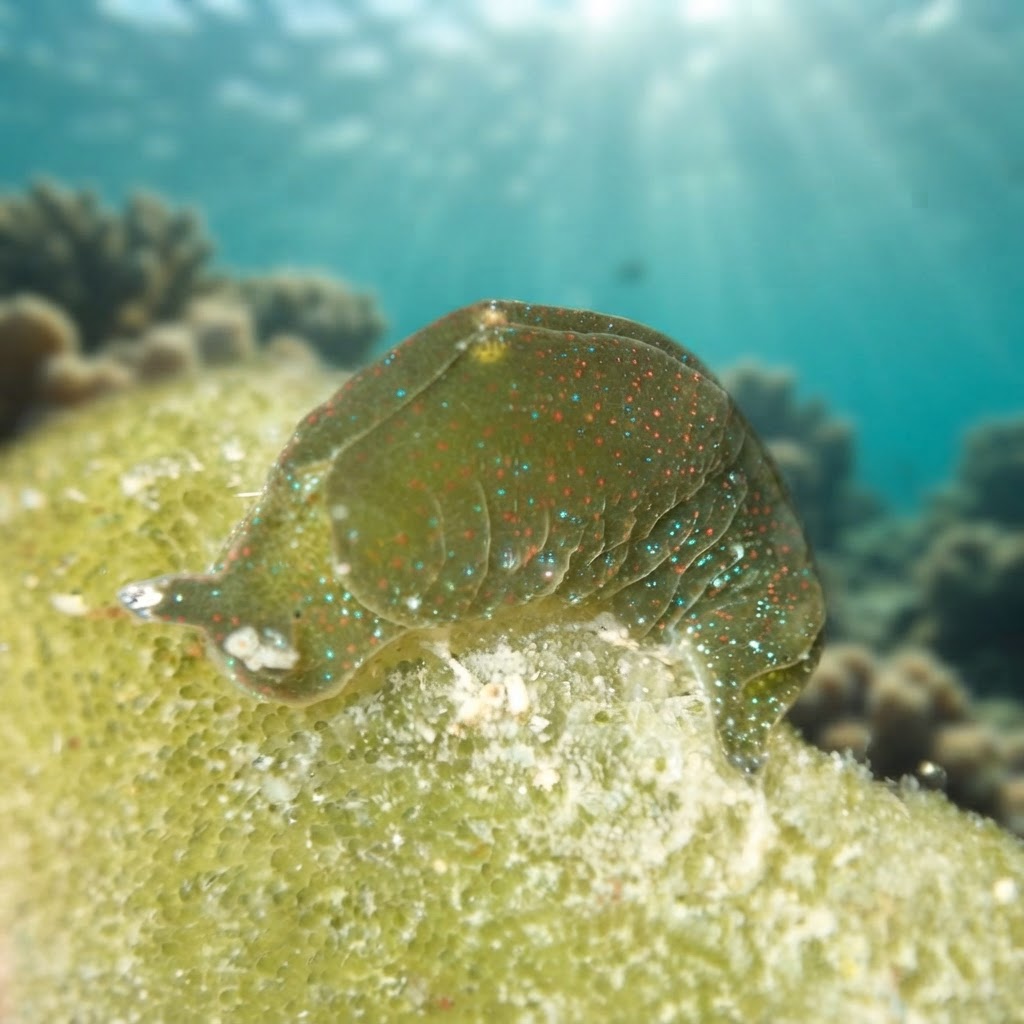
Elysia maoria
A 1cm green sea slug uncommon on North Island, New Zealand reefs, thriving in cool 16-22C water year-round.
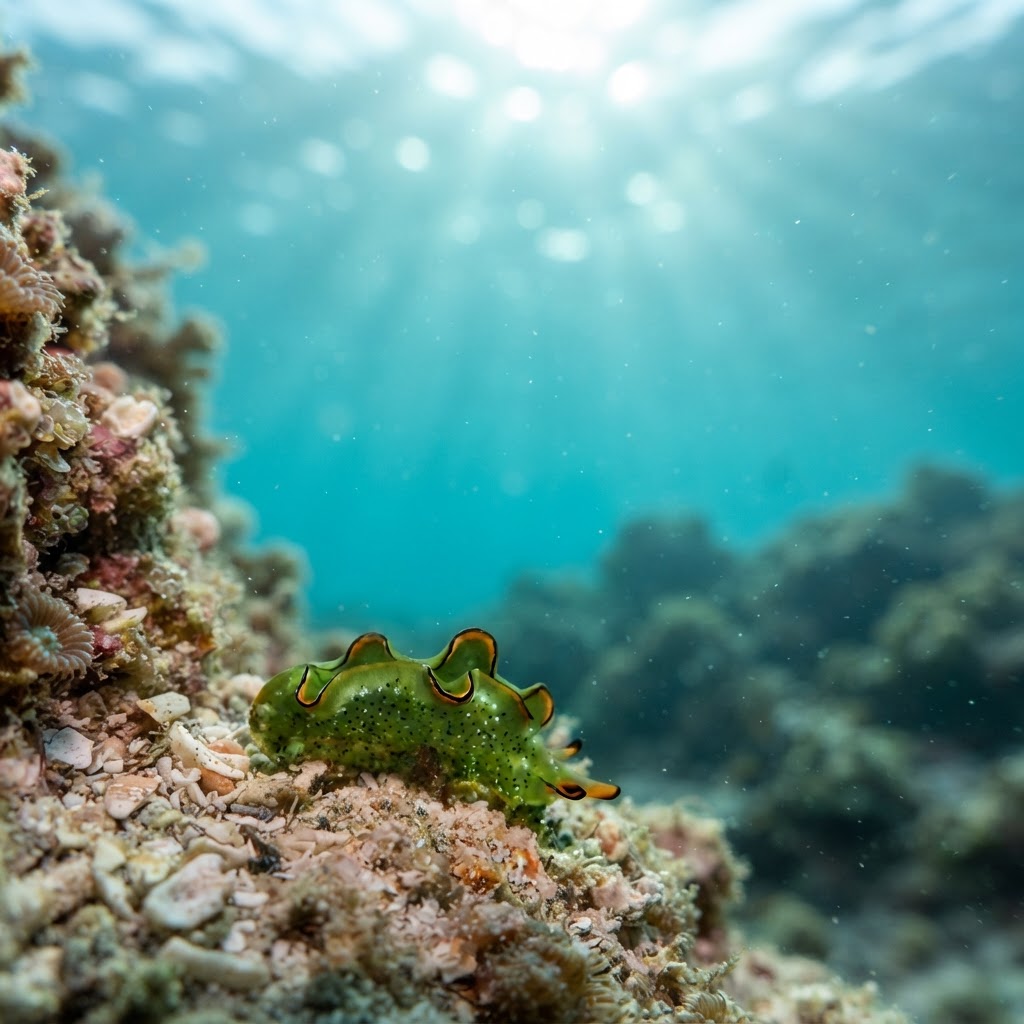
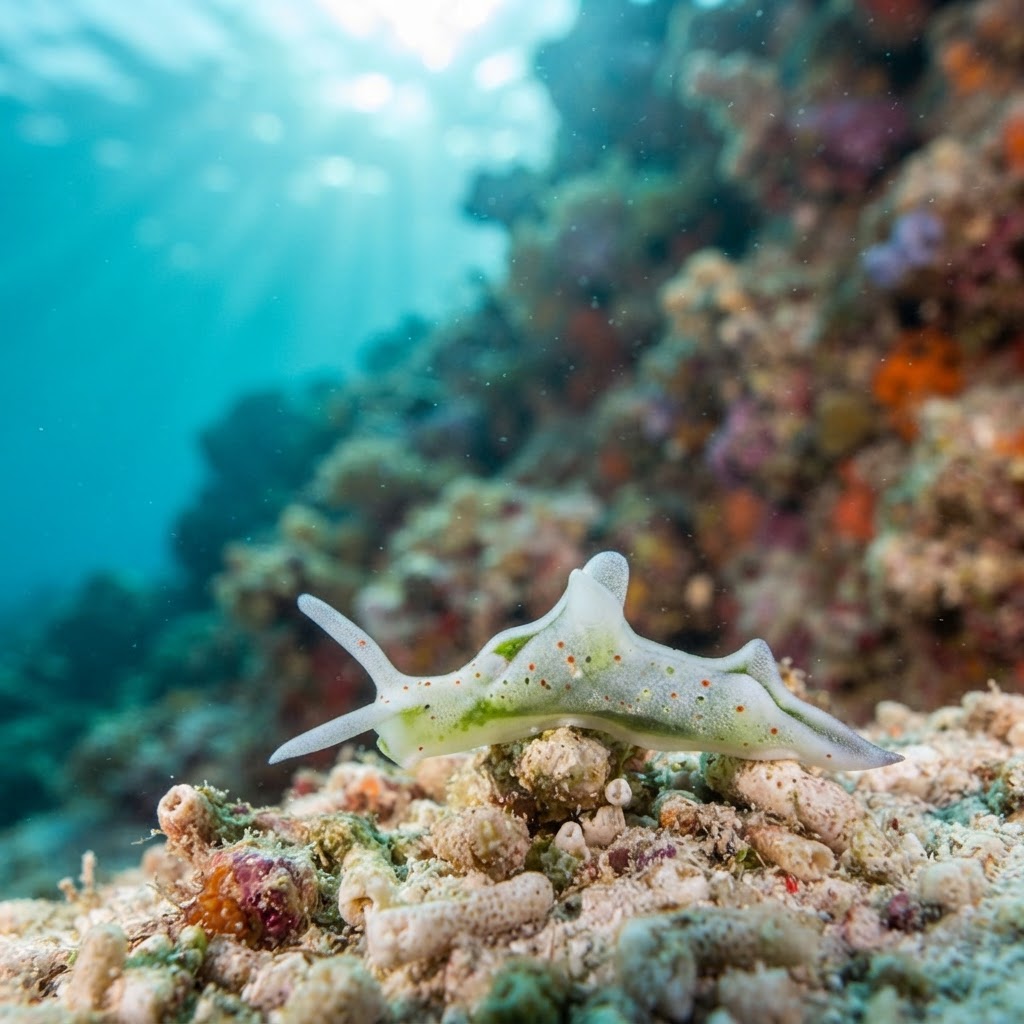
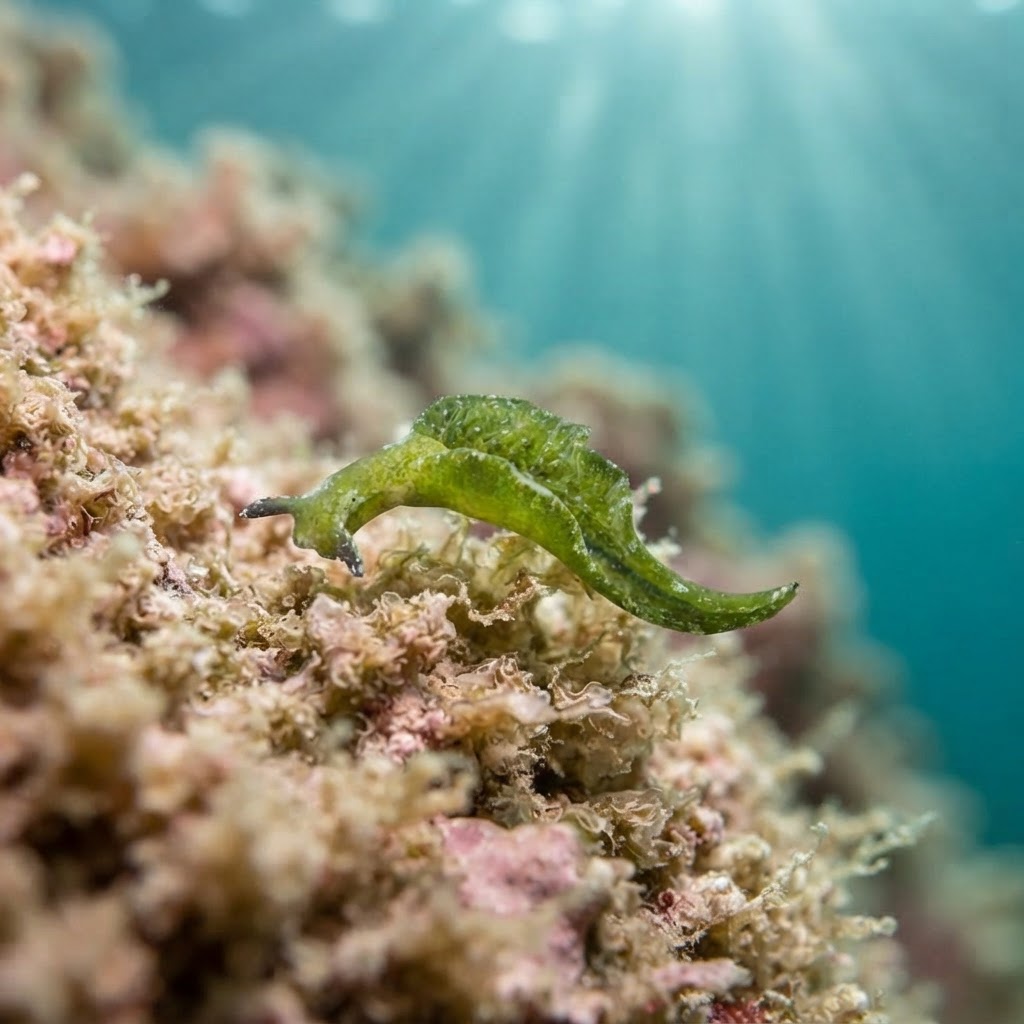
Barely a centimetre long, this sea slug has a flattened, leaf-shaped body with two wing-like lobes (parapodia) that fold up along its back. Colour runs green to olive, often blending with the algae it sits on, which makes it easy to swim straight past. Look closely at rock and algae surfaces rather than scanning open reef, since size and camouflage are what you're up against here, not bold markings.
Divers find it grazing slowly over algae-covered rock, usually tucked close to the substrate rather than out in the open. It doesn't react much to divers beyond staying still or withdrawing slightly, so a slow approach and a close look at algae mats is the way to actually find one. Most logs come from daytime dives on temperate reef, not night dives.
Like other sacoglossan slugs, it feeds on algae and can retain functioning chloroplasts from its food in its own tissue, effectively running a bit of photosynthesis on the side.
Sightings don't show a clear seasonal pattern, and the water-temperature range it's found in (15.9 to 22C) covers most of the year on temperate New Zealand and Victorian reefs, so treat it as a year-round possibility rather than a seasonal target.
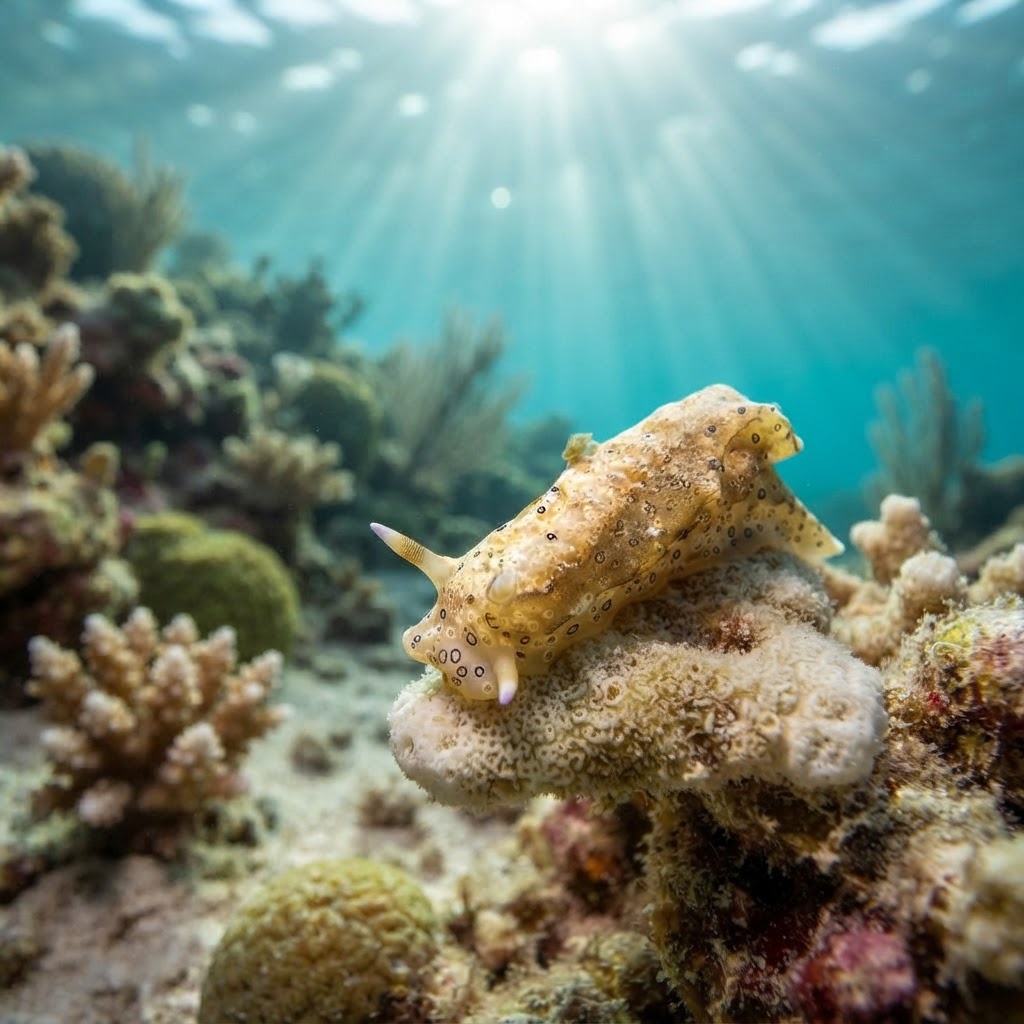
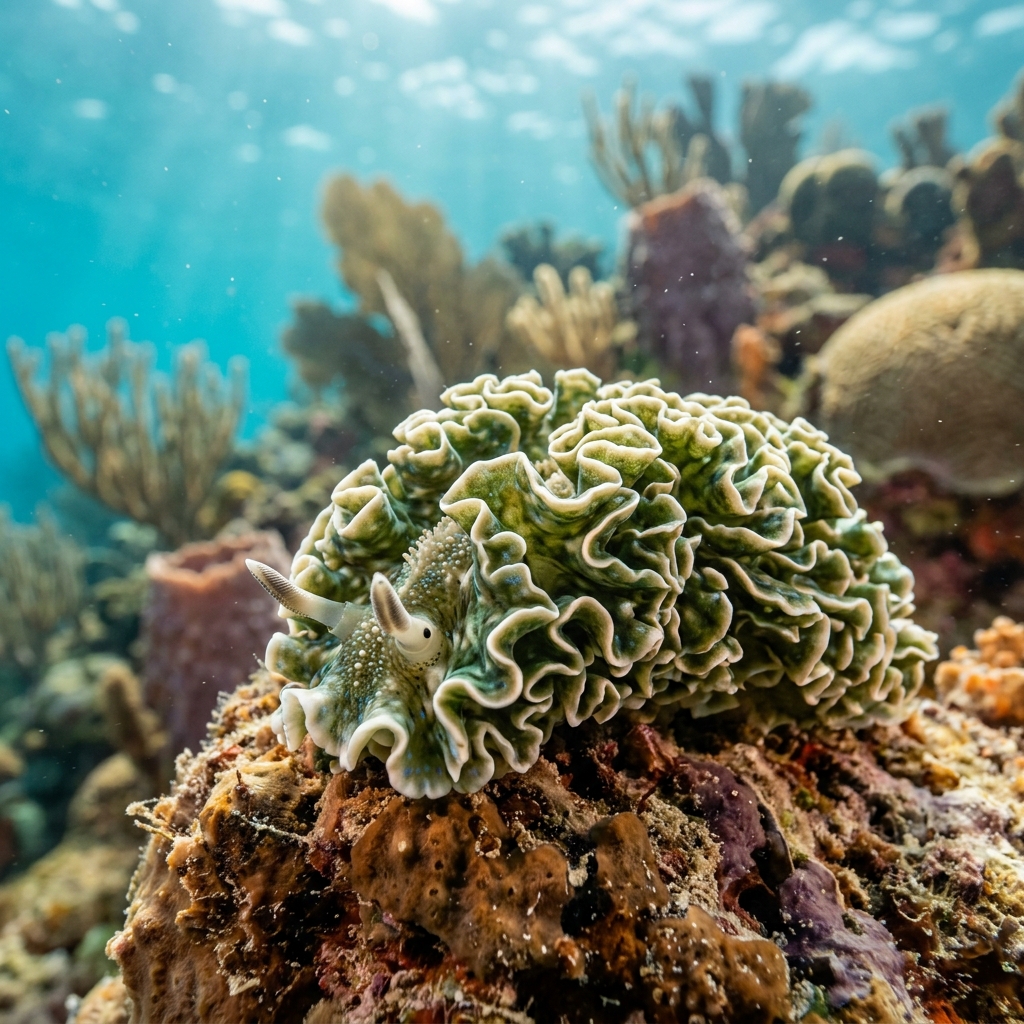
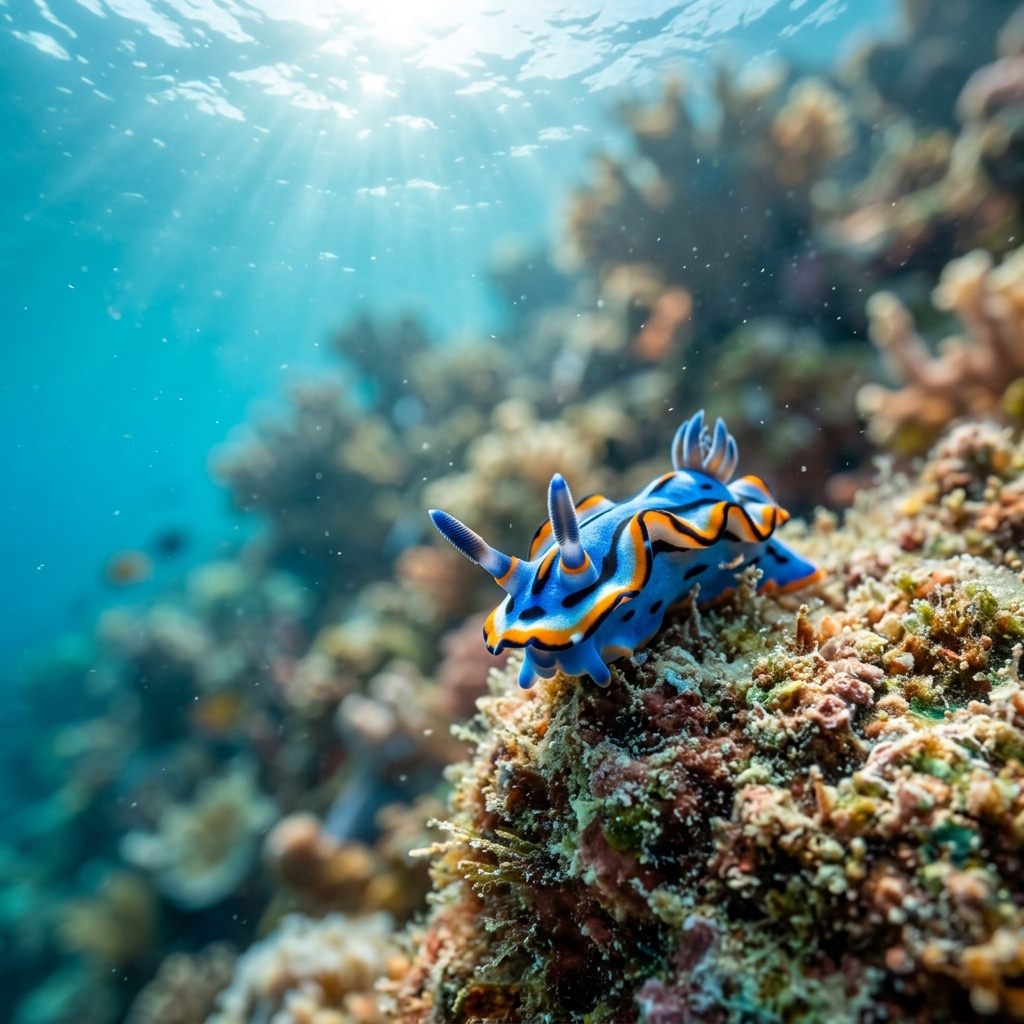
Reef neighbours a diver could mistake it for. Use the identification notes above to tell them apart.
Most records come from North Island, New Zealand, which is the strongest bet for a sighting, with an additional site logged in Victoria, Australia. Divers doing temperate rocky reef and algae-covered sites in these regions have the best odds, though it stays an uncommon to rare find wherever it turns up.
Mapping where Maori Elysia is logged…
It's most reliably logged on North Island, New Zealand, with a further sighting from Victoria, Australia. Both are temperate rocky reef locations rather than tropical dive destinations.
There's no detected season, and it sits comfortably in 15.9 to 22C water, so it can turn up on temperate reef dives at any time of year.
Look for a green to olive, leaf-shaped body about a centimetre long with two lobed flaps folded along its back. It sits low on algae-covered rock and relies heavily on camouflage, so slow, close-up searching is key.
Around 1cm, making it one of the smaller sea slugs a diver might try to spot, and easy to miss without a close look at algae mats.
It's a sacoglossan slug capable of holding onto chloroplasts from the algae it eats, letting its tissue carry out some photosynthesis rather than digesting everything outright.
Site and sighting data is aggregated from diver logs, iNaturalist and GBIF. For taxonomy and conservation status:
Elysia Timida
573 sites