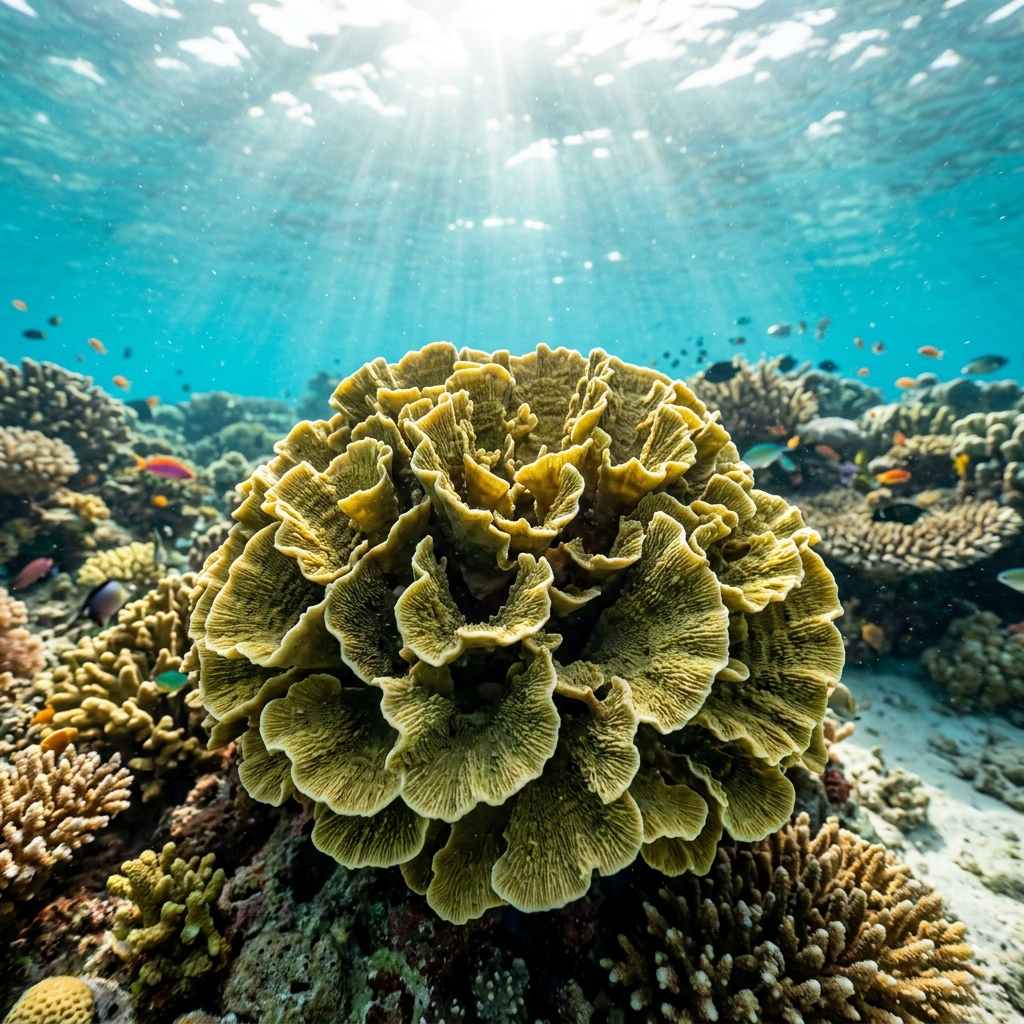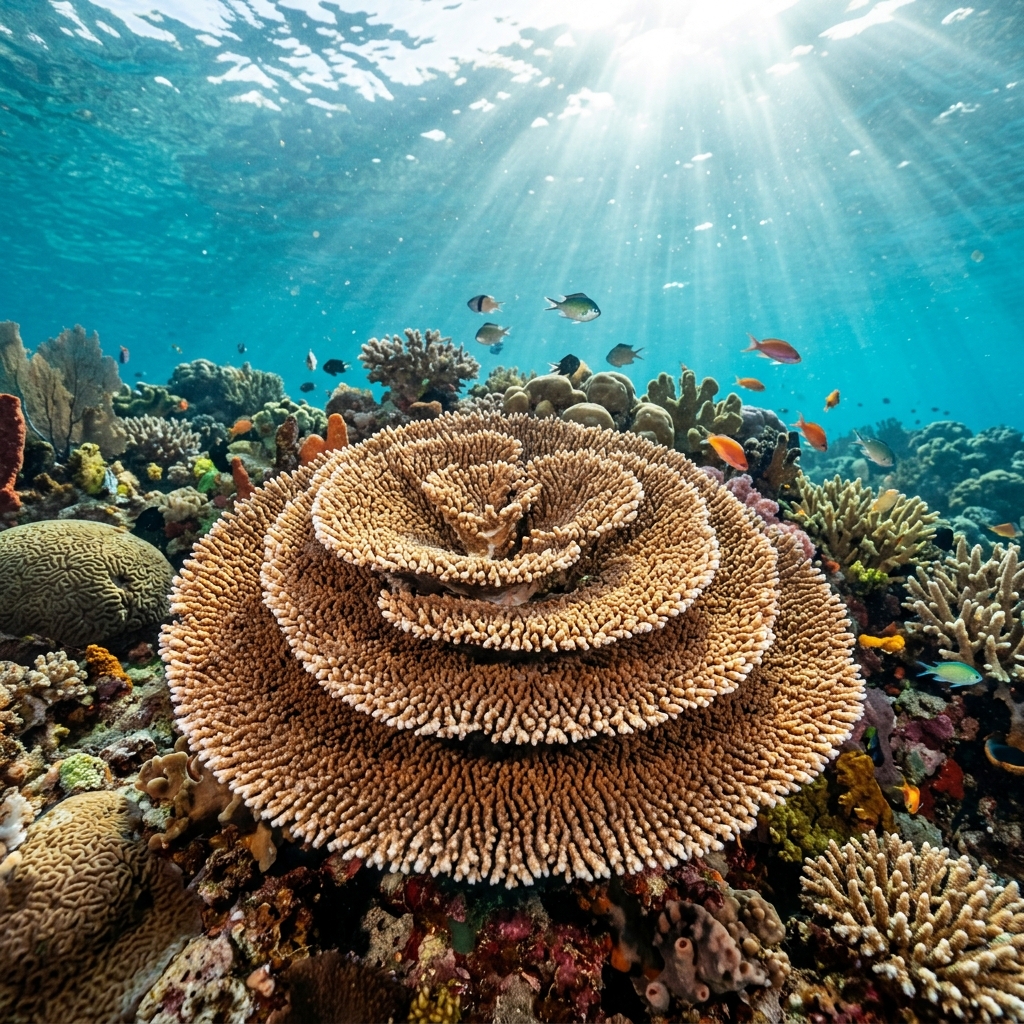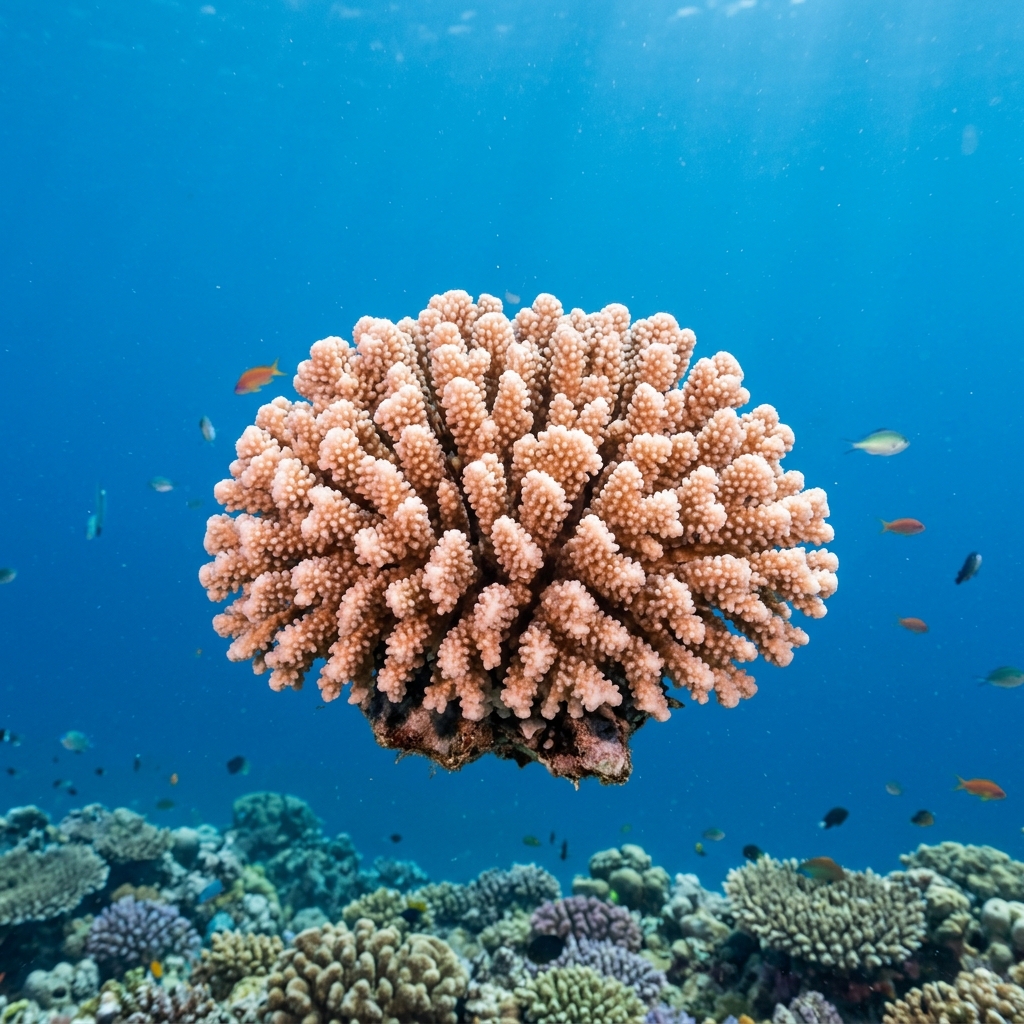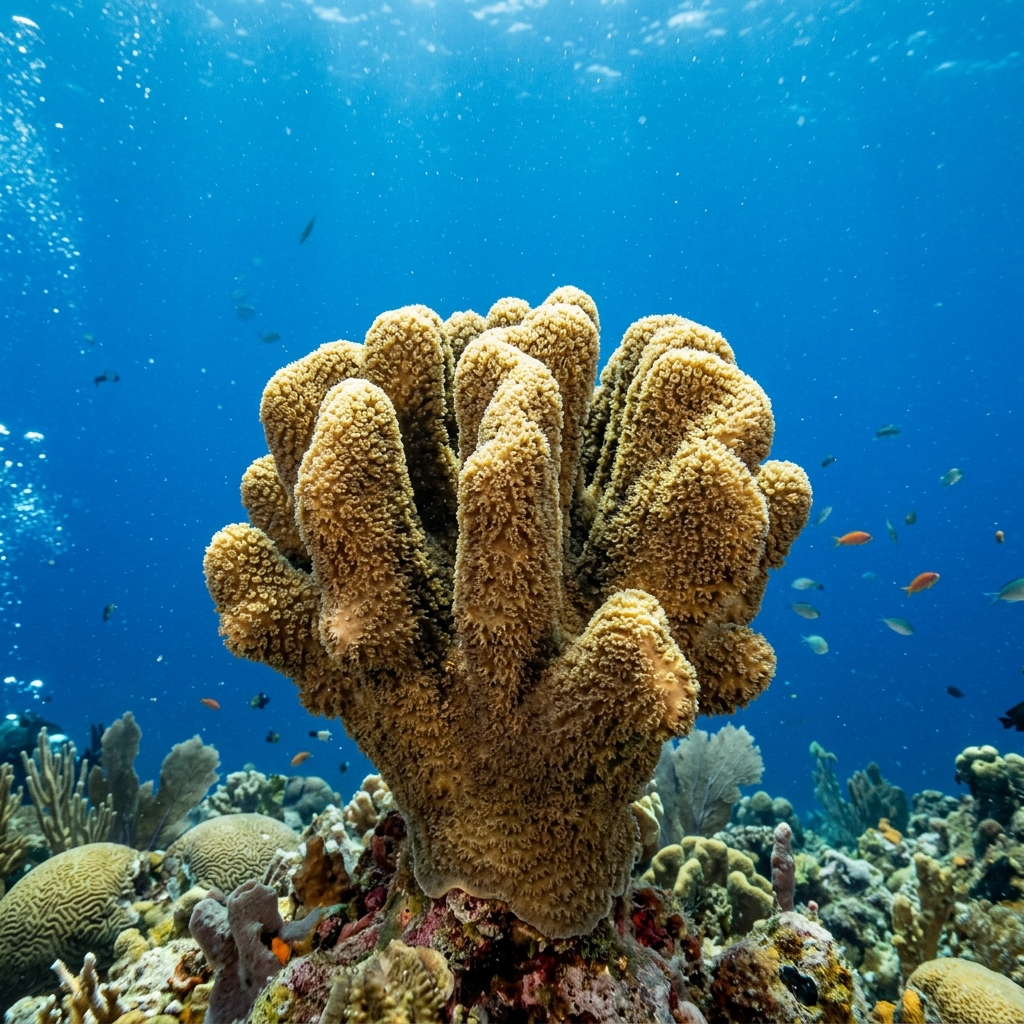
Orbicella spp.
Find boulder star coral colonies across the Yucatán Peninsula and Caribbean reefs, thriving year-round in 25.6-29°C water.
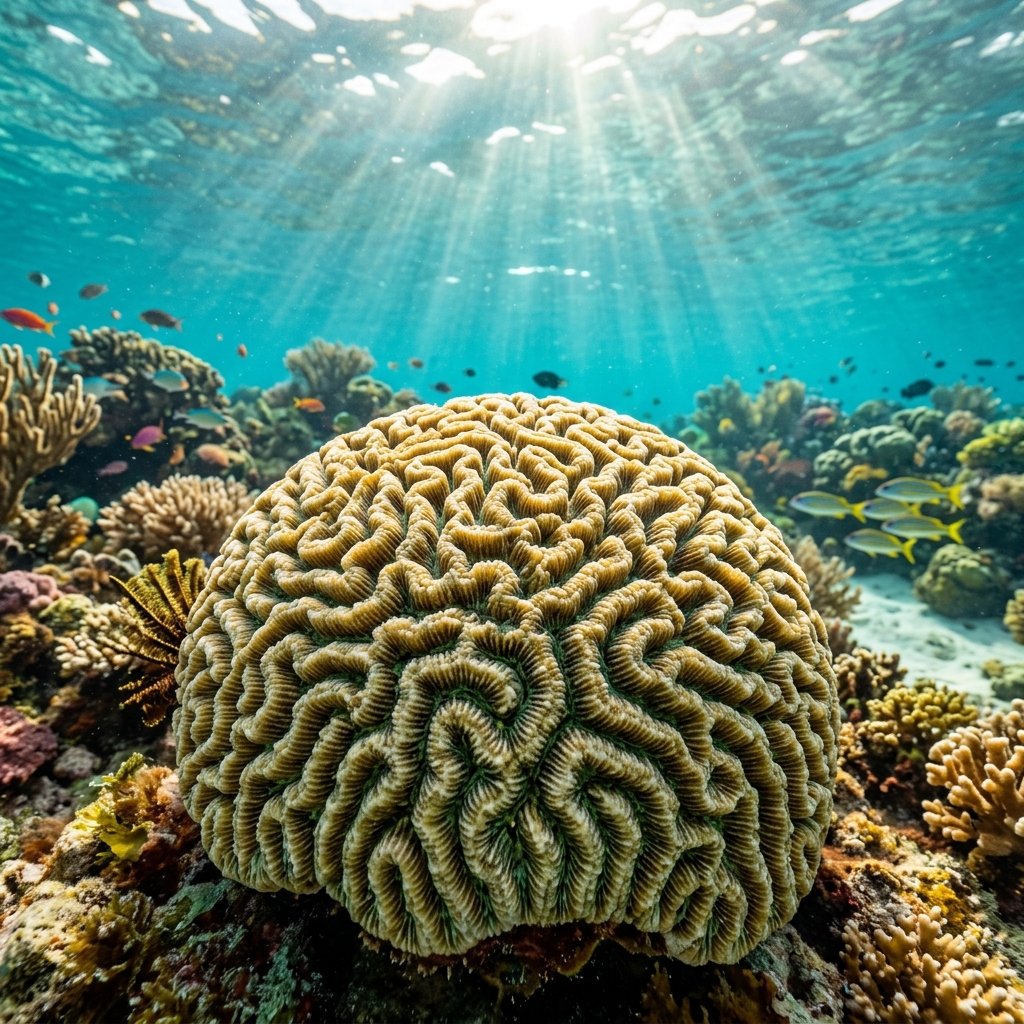
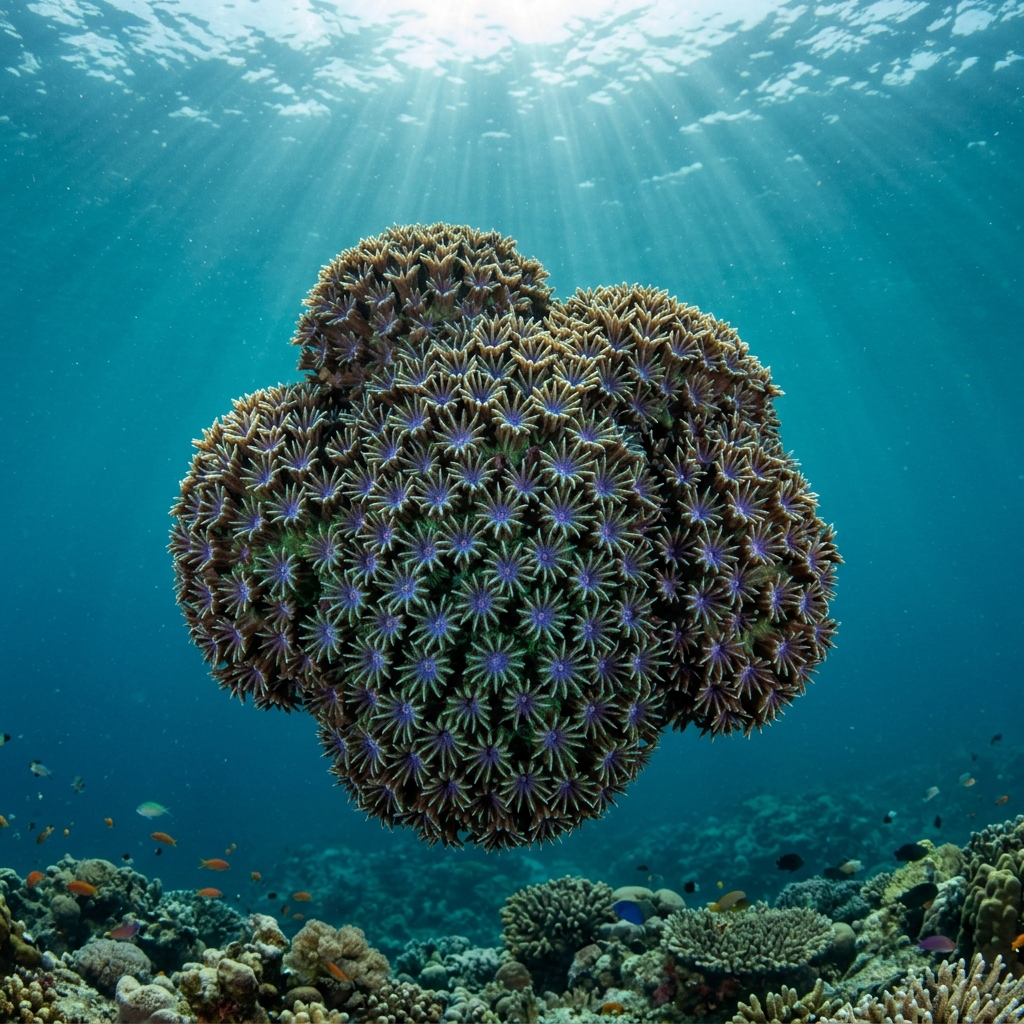
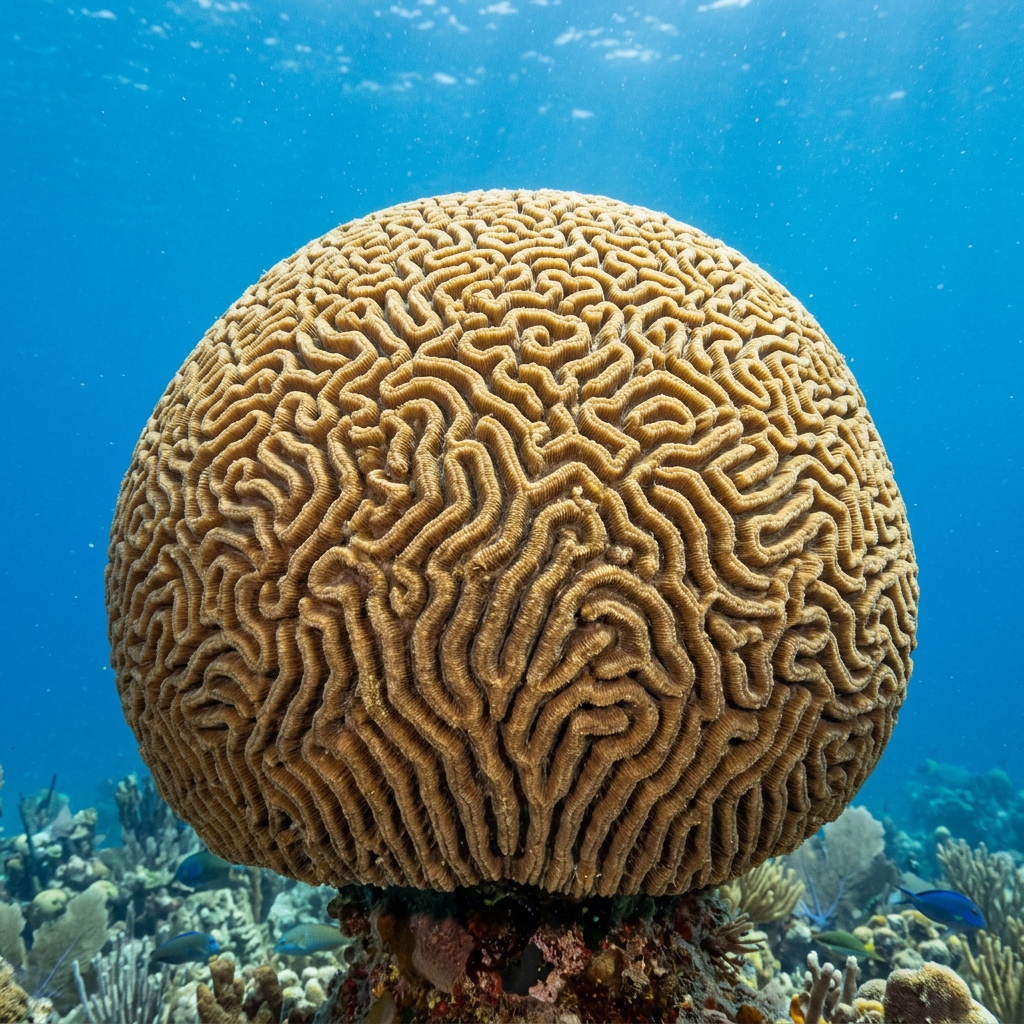
Look for a rounded, boulder-shaped colony built from tightly packed corallites, each with a raised star pattern at its centre, giving the surface a bumpy, honeycombed texture. Colonies range from tan to greenish-brown and can grow into large, solid mounds that dominate a patch of reef. At night, look closely at the surface for the feeding polyps extended in a soft fuzz over the hard structure.
Fixed in place, so there is no chasing or spooking involved, just a colony quietly filtering the water column through its polyps. Most divers pass over it without a second look during the day, but slow down and it becomes a miniature apartment block for blennies, brittle stars, and small crustaceans tucked into its crevices. Night dives reward a closer look, when the polyps extend to feed and the surface texture comes alive.
Colonies like this build the actual limestone skeleton of Caribbean reefs over centuries, so a single boulder-shaped mound you swim past may represent decades or even hundreds of years of slow growth.
Sightings hold steady year-round, with no detected seasonal pattern, and the 25.6 to 29 C temperature niche it favours is present on Caribbean reefs throughout the year.
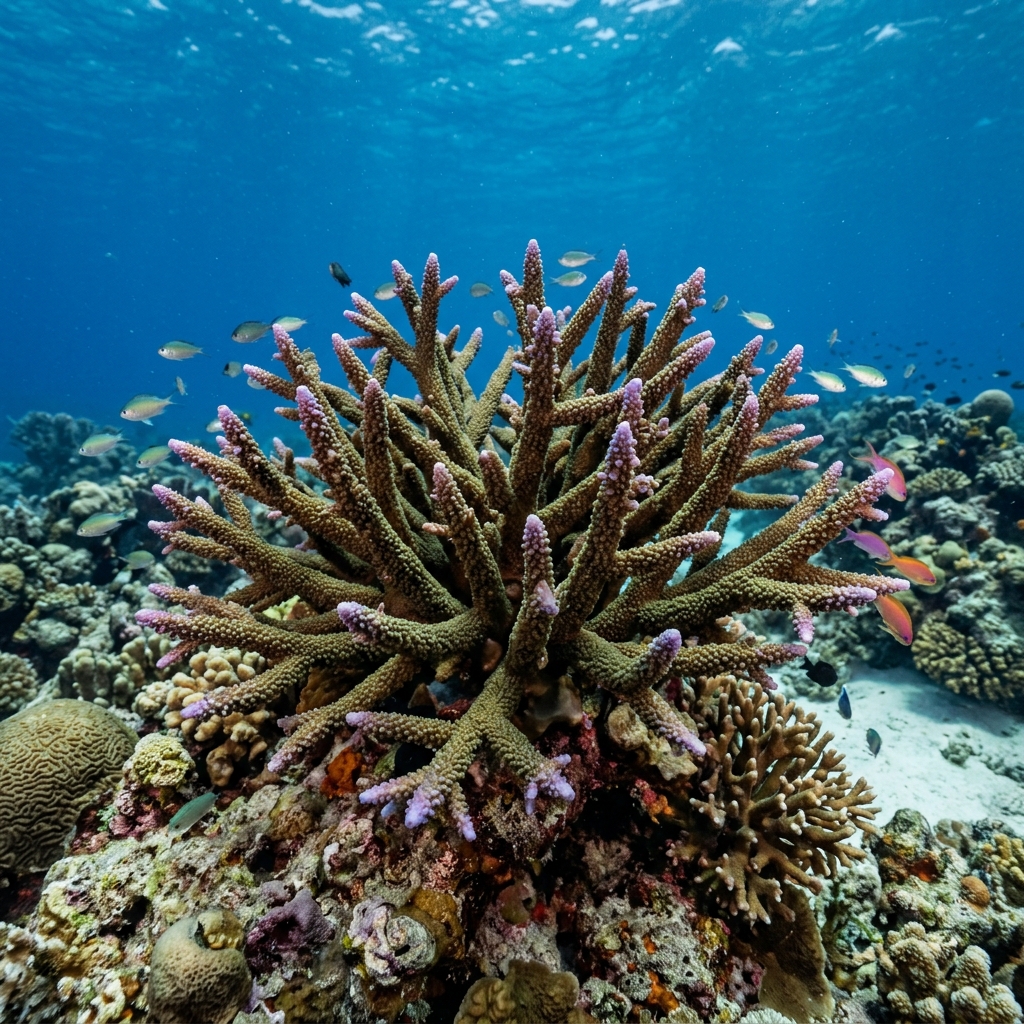
Reef neighbours a diver could mistake it for. Use the identification notes above to tell them apart.
Most reliably logged across the Yucatán Peninsula in Mexico, with strong populations also found along Cuba's Jardines del Rey and western coast, Colombia's Caribbean Coast, and around Grand Cayman and Bonaire's east coast. Venezuela, the Bahamas, and Florida also turn up colonies regularly, making this one of the more widespread hard corals across the wider Caribbean basin.
Mapping where Boulder Star Coral is logged…
Mexico's Yucatán Peninsula is the most consistent region, alongside Cuba's Jardines del Rey and western coast, Colombia's Caribbean Coast, Grand Cayman, and Bonaire's east coast. It also shows up regularly in Venezuela, the Bahamas, and Florida.
Any time of year works, since there's no strong season detected and it stays comfortable in the warm 25.6 to 29 C water typical of Caribbean reefs year-round.
Look for a solid, rounded boulder shape with a bumpy surface of star-patterned corallites in tan to greenish-brown tones. It forms large, dense mounds rather than branches or plates.
Yes, it's listed as Endangered, mainly due to disease and bleaching pressure on Caribbean reefs. Divers should avoid any contact with colonies to reduce stress and disease transmission.
No, it poses no threat to divers. It's a fixed, non-stinging structure, though divers should still avoid touching it to protect the coral itself.
The Boulder Star Coral is listed as endangered by the IUCN. Observe from a distance, avoid touching or feeding it, and report sightings to local marine research organisations.
Listed as Endangered, largely due to disease outbreaks and bleaching events that have hit Caribbean reef-building corals hard in recent decades. Divers can help by keeping fins and equipment well clear of the colony surface and avoiding any contact that could damage tissue or spread disease between reefs.
Site and sighting data is aggregated from diver logs, iNaturalist and GBIF. For taxonomy and conservation status:
Plate Coral
2,991 sites