Sebastes caurinus
Spot copper rockfish along British Columbia's coast and the US Pacific from May to December in cold 6-10 °C water. Learn how to ID this territorial ambush hunter.
Safety warning
The spines on the dorsal, anal, and pelvic fins can deliver a painful puncture if you handle or inadvertently brush against one, a real risk when the fish is tucked into a crevice you're reaching near. Keep hands away from rocky overhangs and kelp holdfasts where one may be resting out of sight. No venom is involved, but the wounds can be sharp and prone to infection in cold water, so treat any puncture promptly after the dive.
If you're stung
Venomous spinesGeneral first-aid guidance, not a substitute for professional medical care. In an emergency, call your local emergency number.
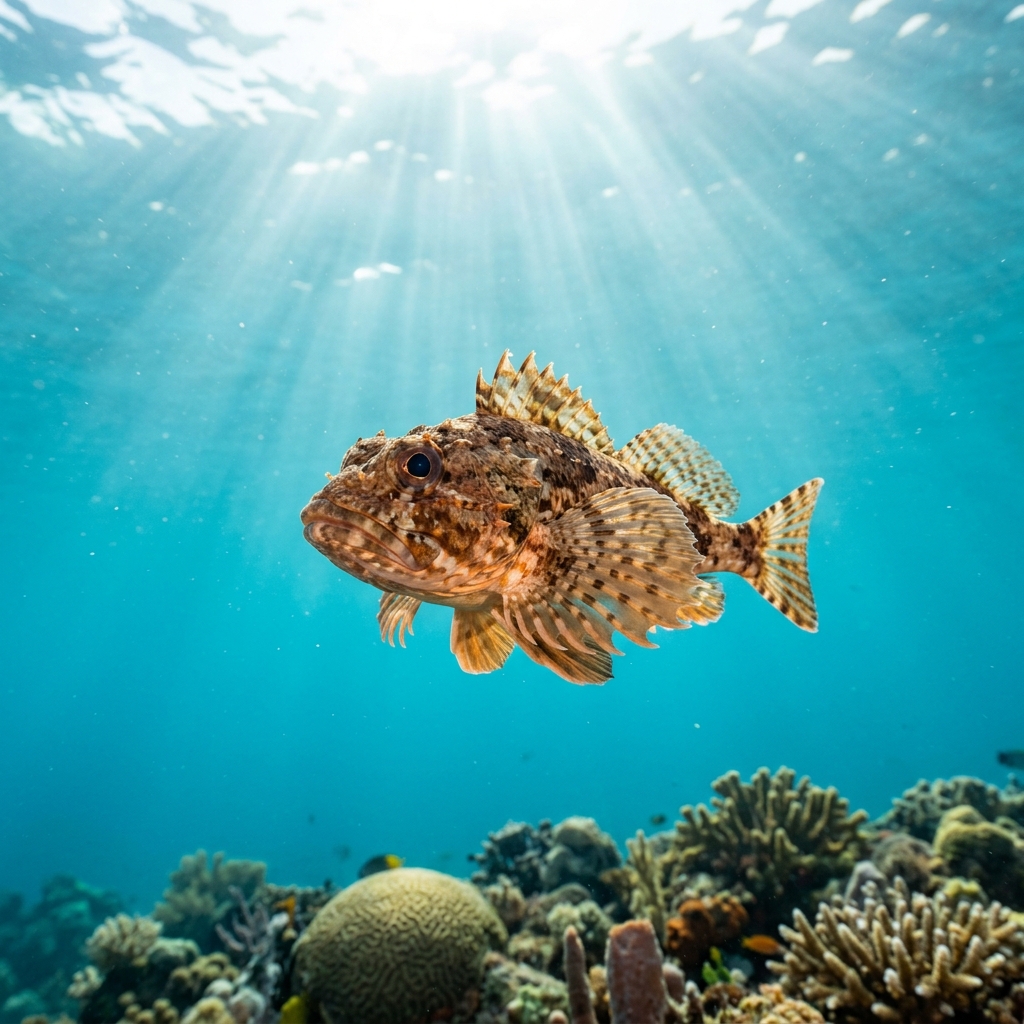
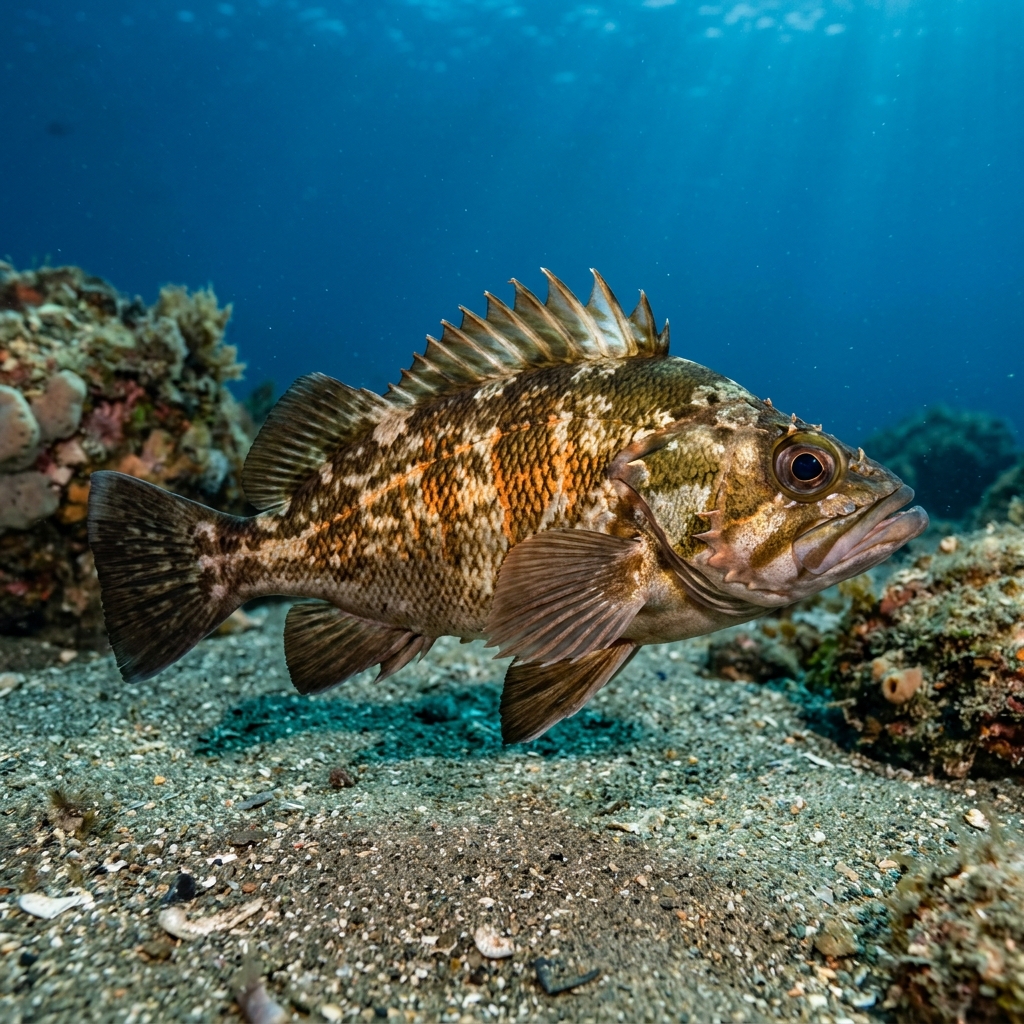
A stocky, large-headed fish reaching around 40 cm, typically showing a warm copper-brown to olive-brown back with irregular cream or pale patches along the lower flanks, that two-tone contrast is the quickest underwater key. The lateral line (the faint sensory stripe running along the side) sits within a pale band, a detail visible on close approach. Spiny dorsal fins and a generally blunt, robust profile help separate it from slender-bodied species on the same reef.
Expect to find copper rockfish wedged into rock crevices, sitting tight on ledges, or hovering in kelp, using the structure as cover while they watch for prey. They hold their ground surprisingly well when approached slowly, they'll track you with their eyes and may shift slightly but rarely bolt, which makes calm, unhurried observation the best tactic. During the breeding season they become more assertive about their chosen territory, and you may see defensive posturing if you close the gap too quickly.
Copper rockfish are ambush predators, not pursuit hunters. They rely on patience and camouflage to let small fish and crustaceans drift into range, then strike quickly, behaviour that, with some luck and a still approach, you can actually watch play out on a single dive.
In the Northern Hemisphere, sightings concentrate between May and December, with the warmer (relatively speaking) summer and autumn months producing the most encounters. The species tolerates very cold water, typically 6.5 to 10 °C, so a good drysuit or thick wetsuit is essential year-round.
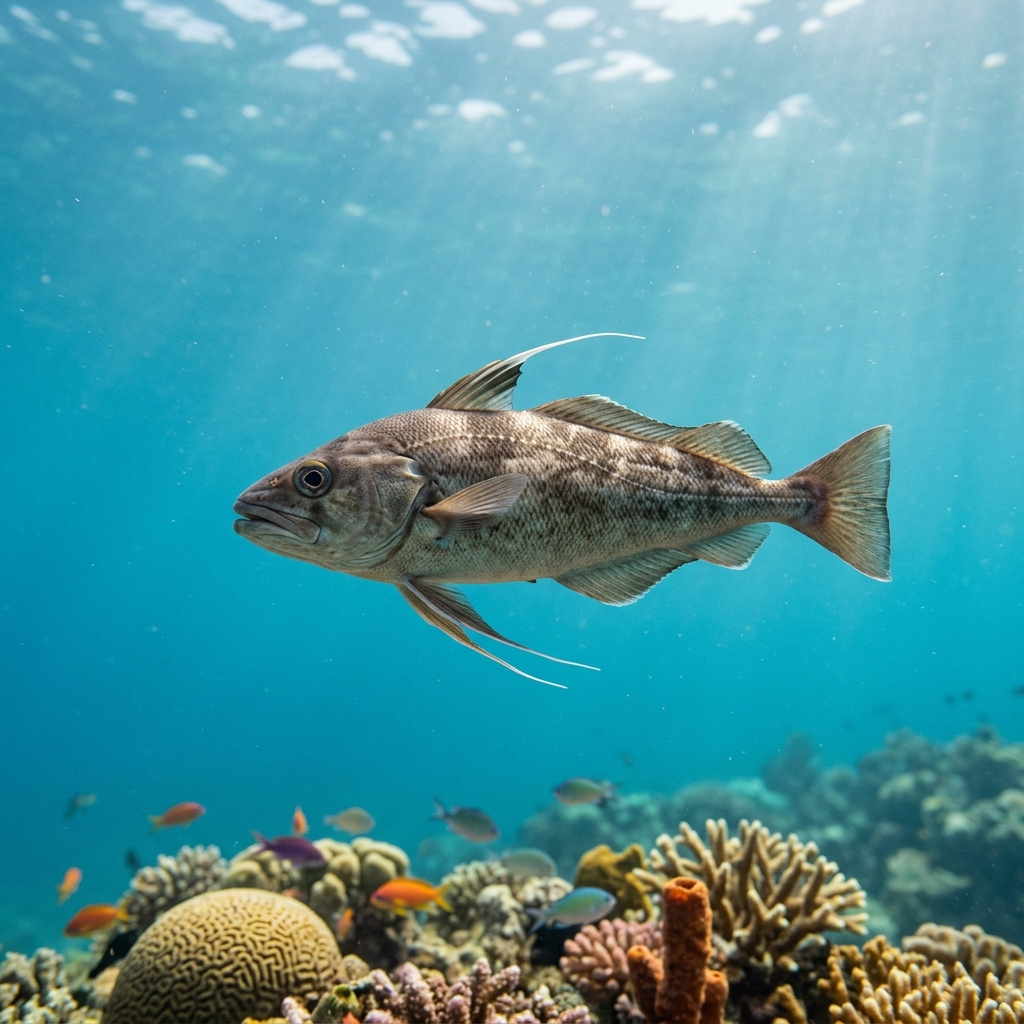
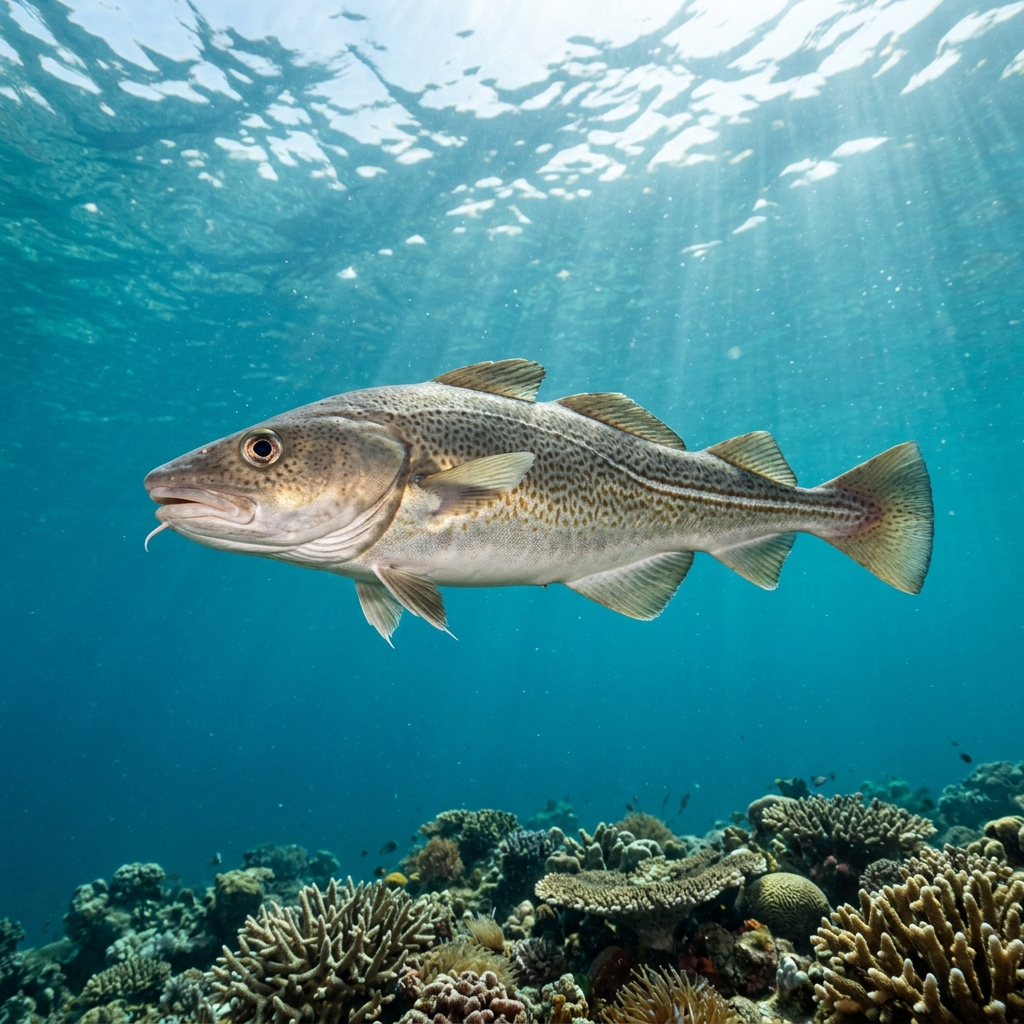
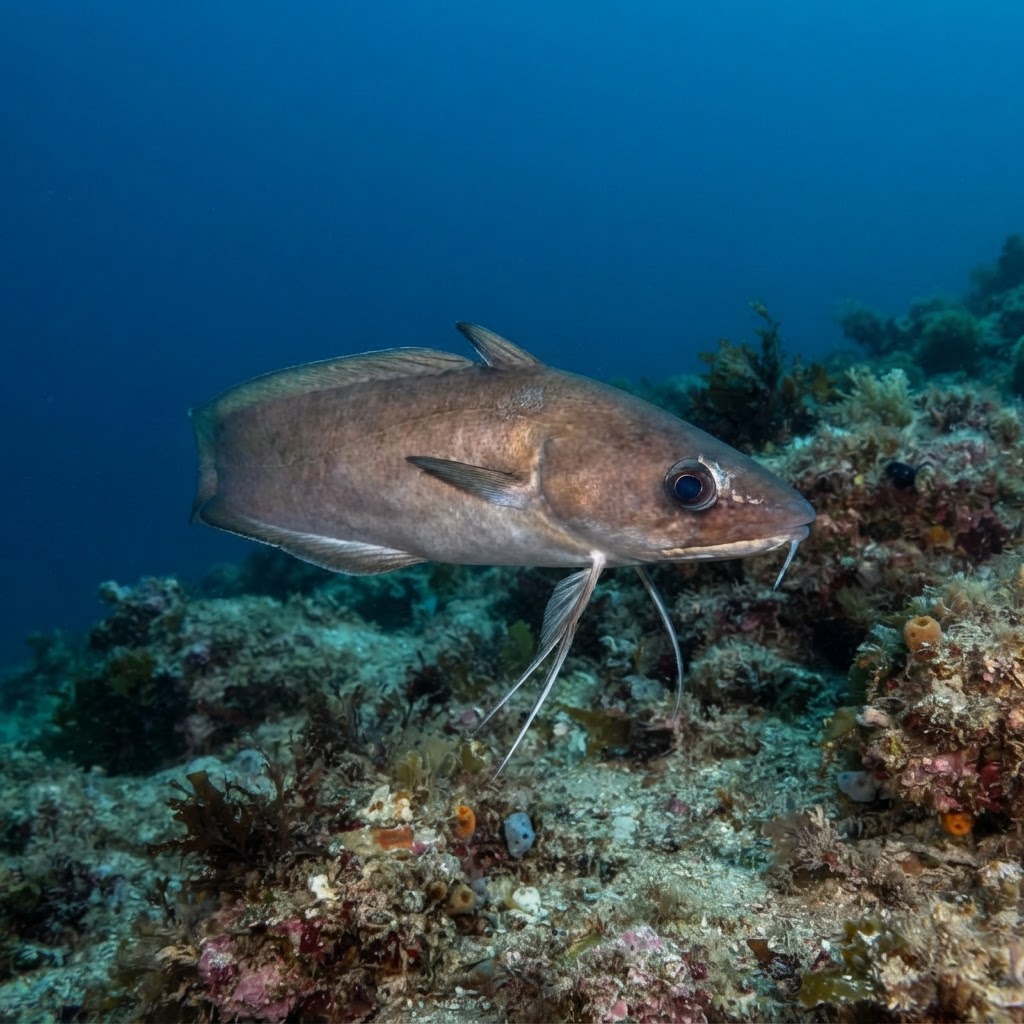
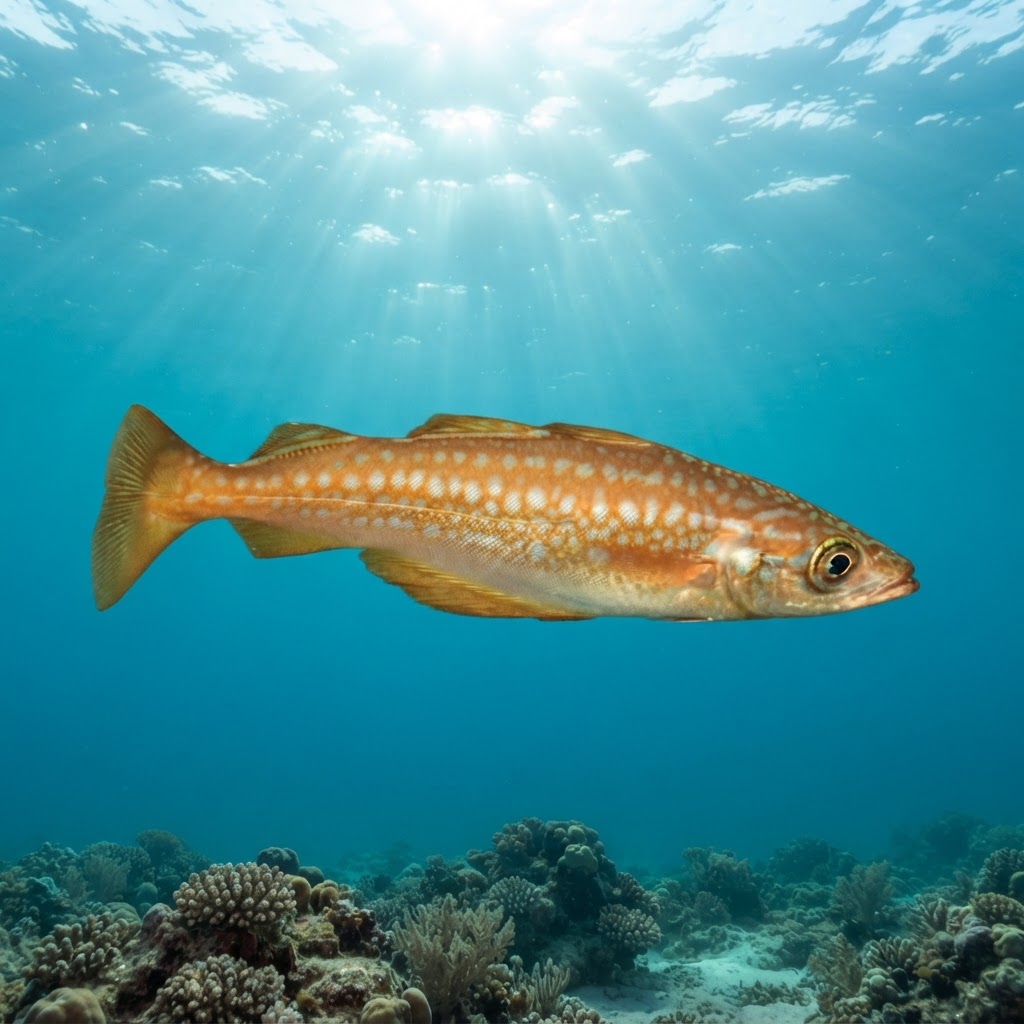
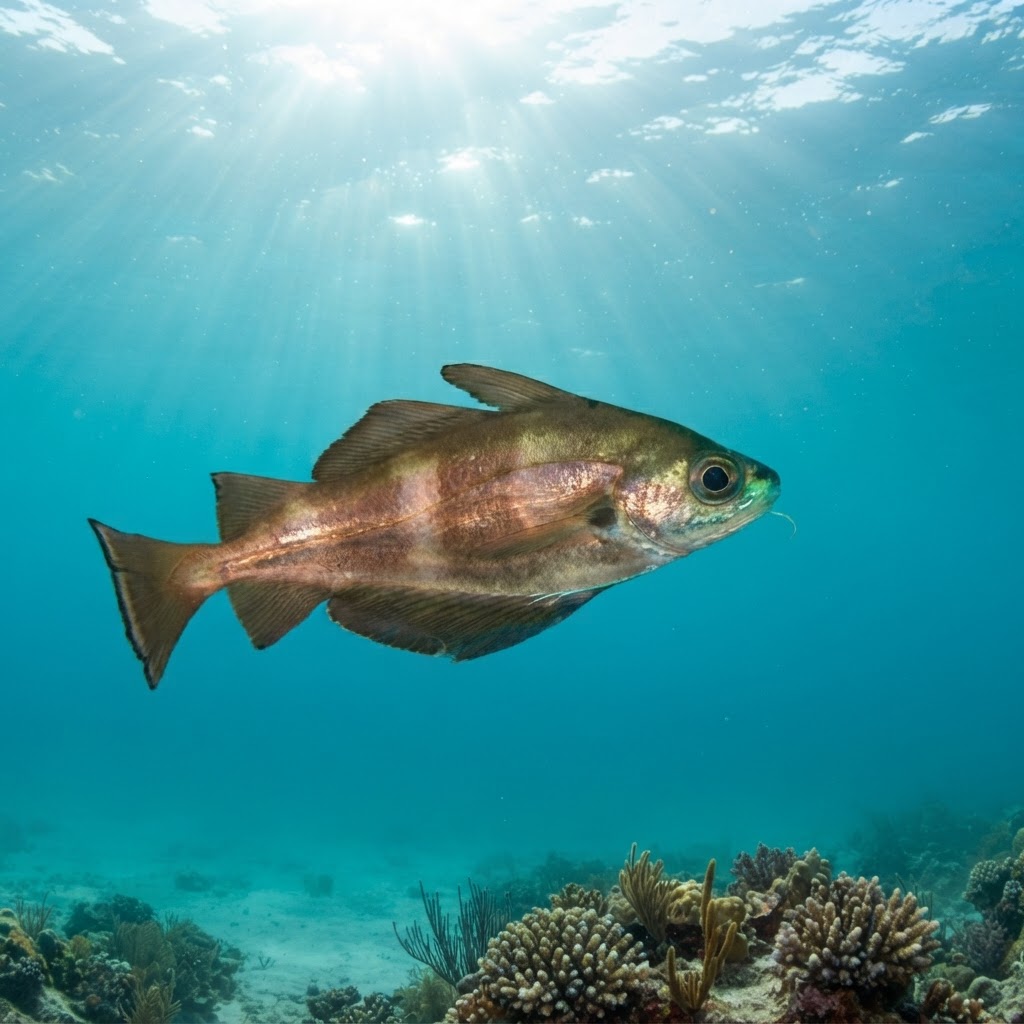
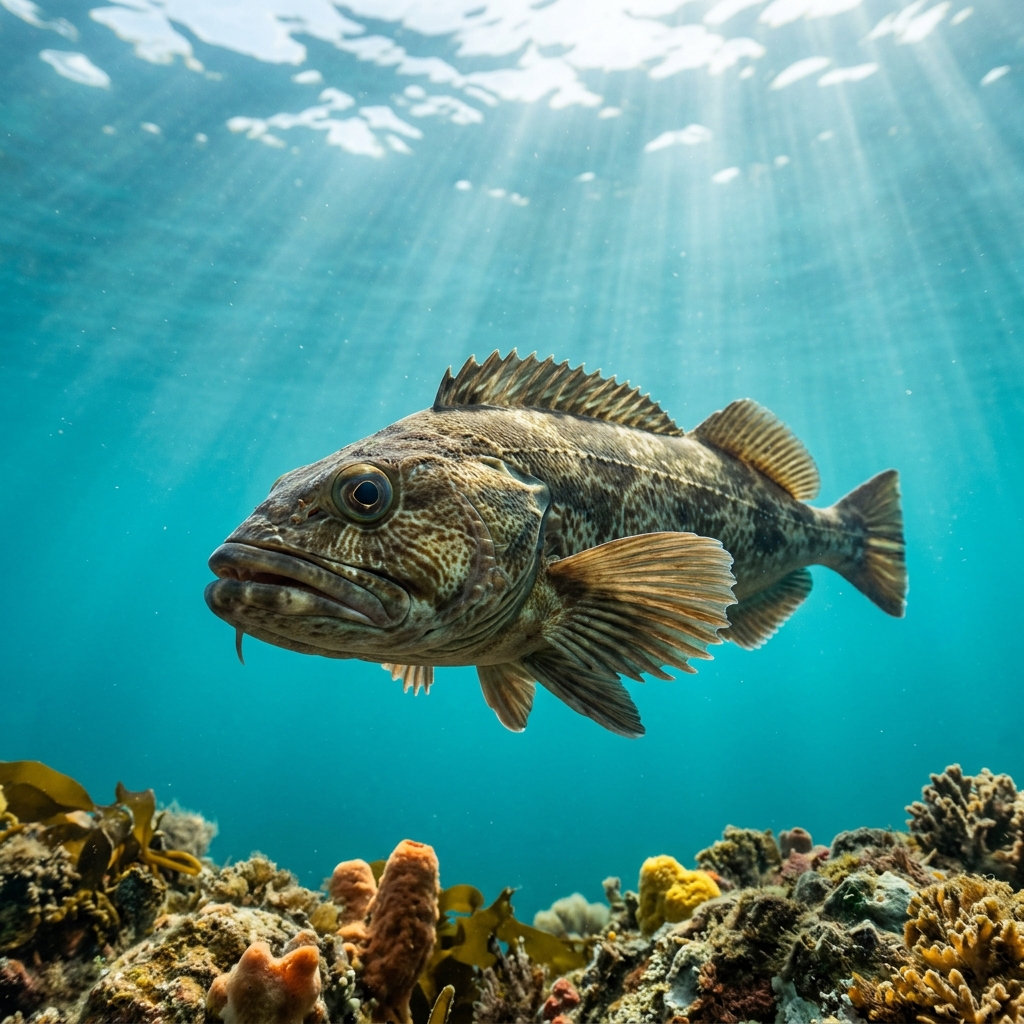
Reef neighbours a diver could mistake it for. Use the identification notes above to tell them apart.
The vast majority of logged sightings come from the British Columbia coast and the US Pacific coast, making those two regions by far the most reliable places to look. British Columbia, particularly around Vancouver Island and the Strait of Georgia, accounts for the greatest concentration of recorded sites, with Alaska adding further opportunities at the northern end of the range. A handful of sites along Mexico's Pacific coast round out the southern edge of where divers encounter this species.
Mapping where Copper Rockfish is logged…
The strongest populations accessible to divers are along the British Columbia coast and the US Pacific coast, from Alaska south through Washington, Oregon, and California. British Columbia, particularly around Vancouver Island, has the highest concentration of logged dive sites. A small number of sightings also come from Mexico's Pacific coast.
Sightings in the Northern Hemisphere concentrate from May through December. The species lives in very cold water, typically 6.5 to 10 °C, so it is present year-round in its range, but diver activity and encounter rates peak through the warmer half of the year.
They are not aggressive, but the stiff dorsal spines can cause a sharp puncture if you accidentally make contact, particularly when a fish is hidden inside a crevice. Keep hands clear of rocky overhangs and always look before reaching. Treat any spine wound promptly, as cold-water cuts can become infected quickly.
Look for the distinctive two-tone pattern: a warm copper-brown to olive back contrasting with cream or pale blotching on the lower flanks. The pale lateral line running along the mid-body is a useful close-up detail. The stocky, blunt-headed body shape and spiny dorsal fin help confirm the ID when colour alone is ambiguous in darker water.
A typical adult is around 40 cm, roughly the length of a large forearm. They are solidly built for their length, with a robust head and deep body that makes them look bulkier than that measurement suggests when you encounter one on the reef.
They are currently listed as Near Threatened. Rockfish as a group are vulnerable because they grow slowly, live for decades, and do not reproduce until relatively late in life, so any population decline takes many years to reverse. Reporting sightings to citizen-science databases and avoiding handling them on dives are practical ways to contribute to monitoring.
Site and sighting data is aggregated from diver logs, iNaturalist and GBIF. For taxonomy and conservation status:
Pollack
282 sites