Lepomis gulosus
Spot the warmouth in the Central & Mountain West, United States. Bold facial markings make this freshwater sunfish one of the easier natives to identify underwater.
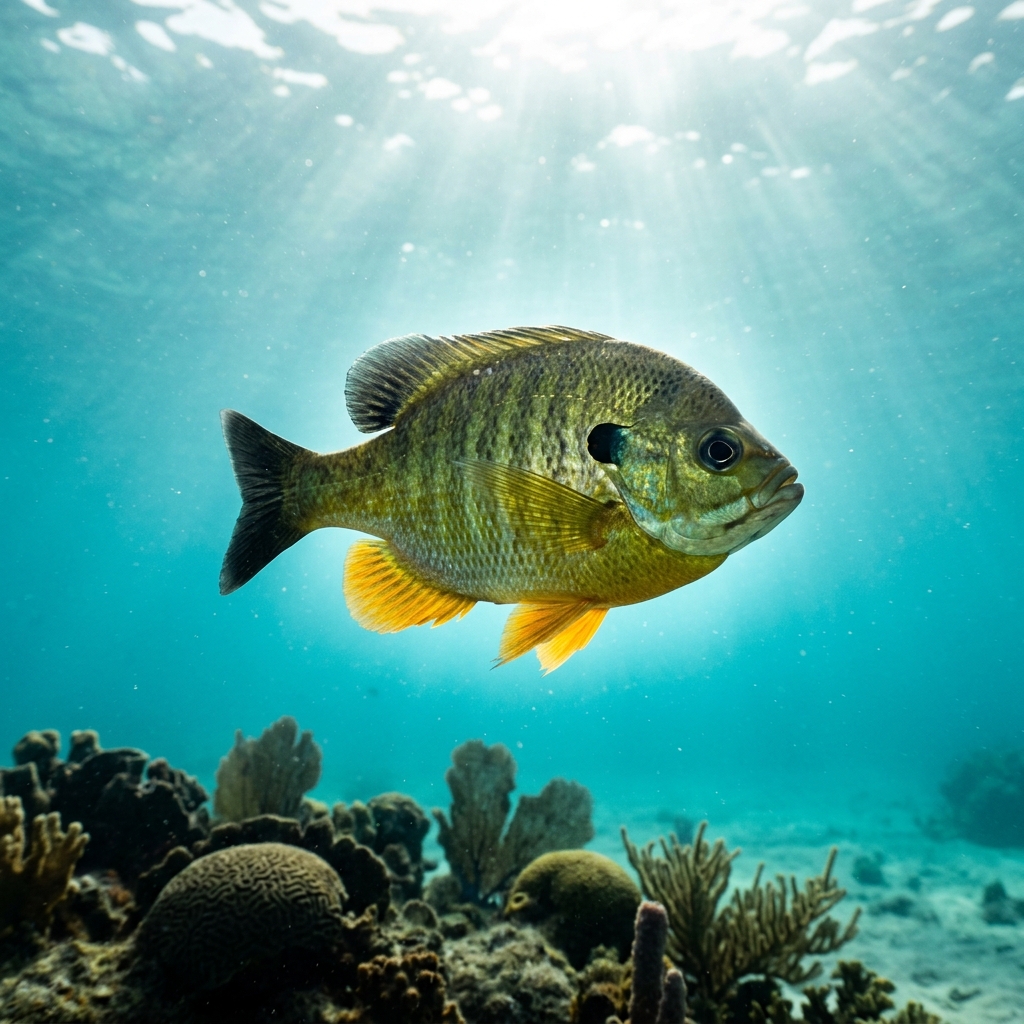
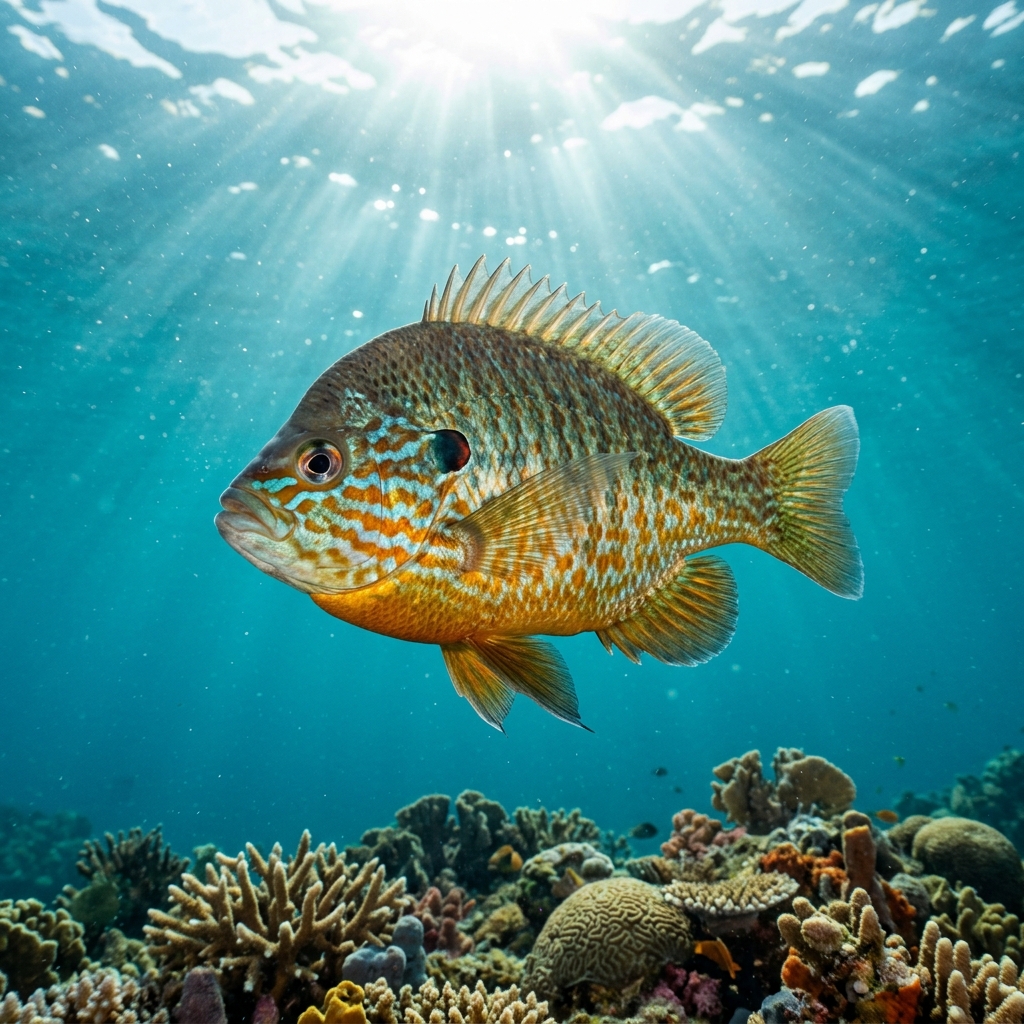
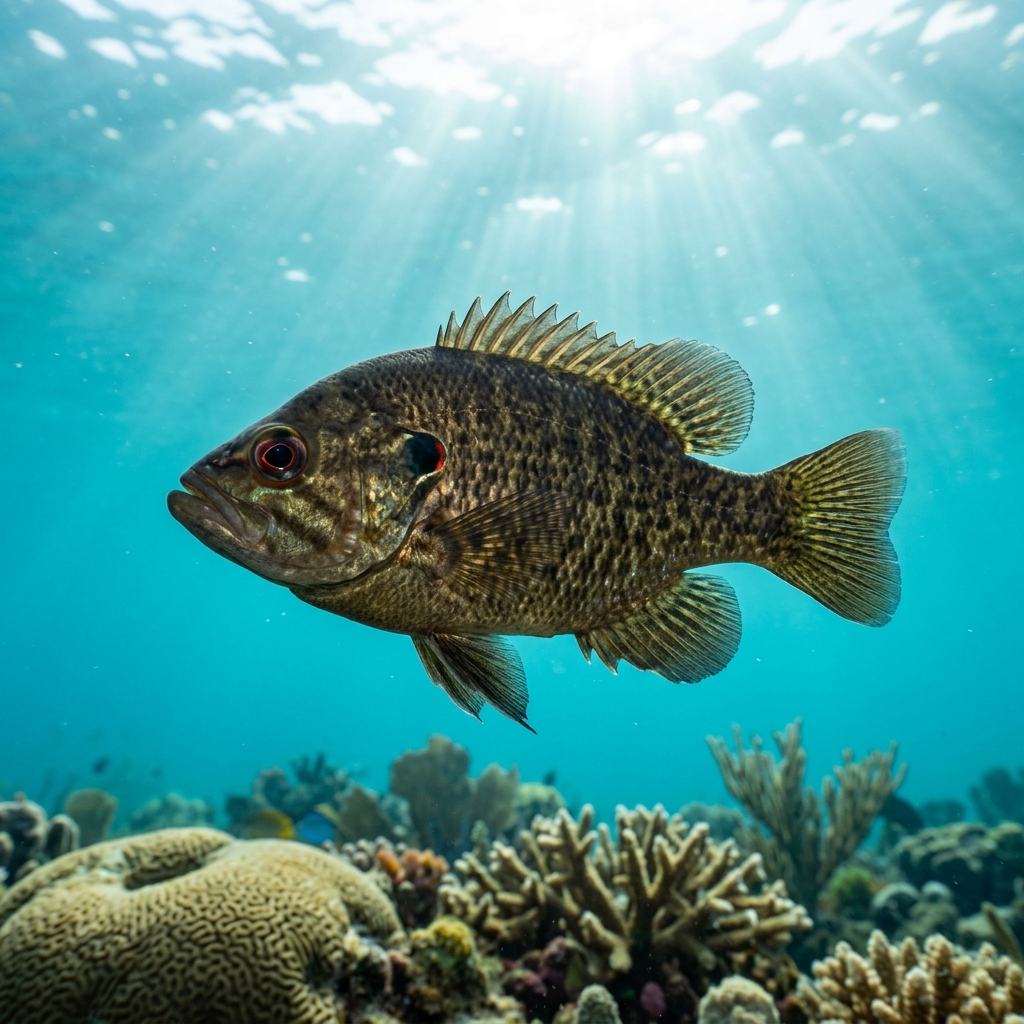
Compact and deep-bodied like other sunfish, the warmouth is olive to dark brown with mottled, darker blotching across the flanks. The most reliable field mark is the set of reddish-brown or dark streaks radiating from the eye across the cheek, giving it a distinctly striped face compared to most relatives. The mouth is notably large for a sunfish, giving it a slightly heavy-jawed profile. The eye itself often has a red or orange iris, visible in good light.
Warmouths tend to hold position close to structure, often sitting still among submerged roots, vegetation, or woody debris on the bottom. They are ambush predators, so you are more likely to find one stationary and watching than actively swimming. They generally tolerate a slow, careful approach but will retreat into cover if startled.
The warmouth's unusually large mouth for a Lepomis sunfish lets it take larger prey than most of its relatives, including small crayfish and even small fish, which is why it prefers heavily vegetated, low-current water where ambush hunting pays off.
There is not enough seasonal sighting data to identify a peak period, so treat encounters as possible year-round. The species has been observed across a wide temperature range, from near 2 °C up to around 24 °C, suggesting it remains active in cool conditions that would deter many warm-water fish.
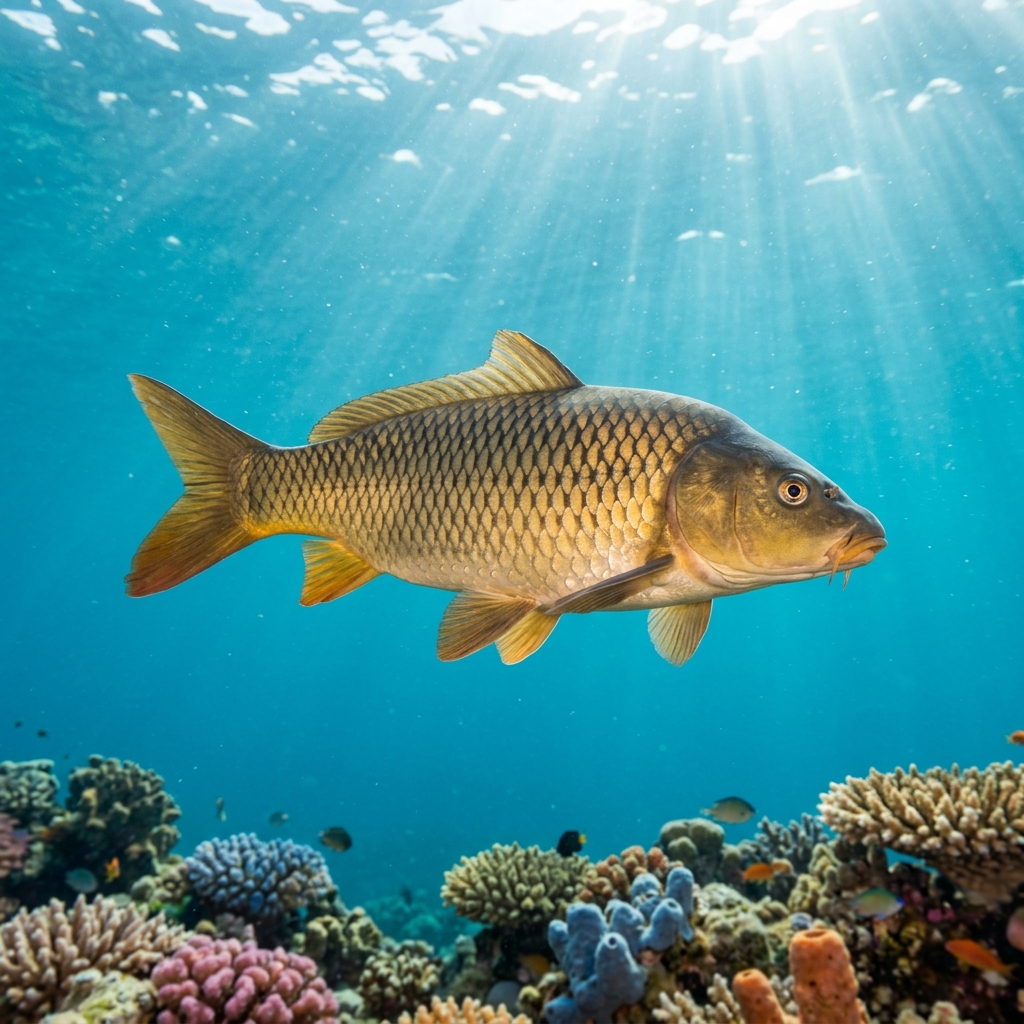
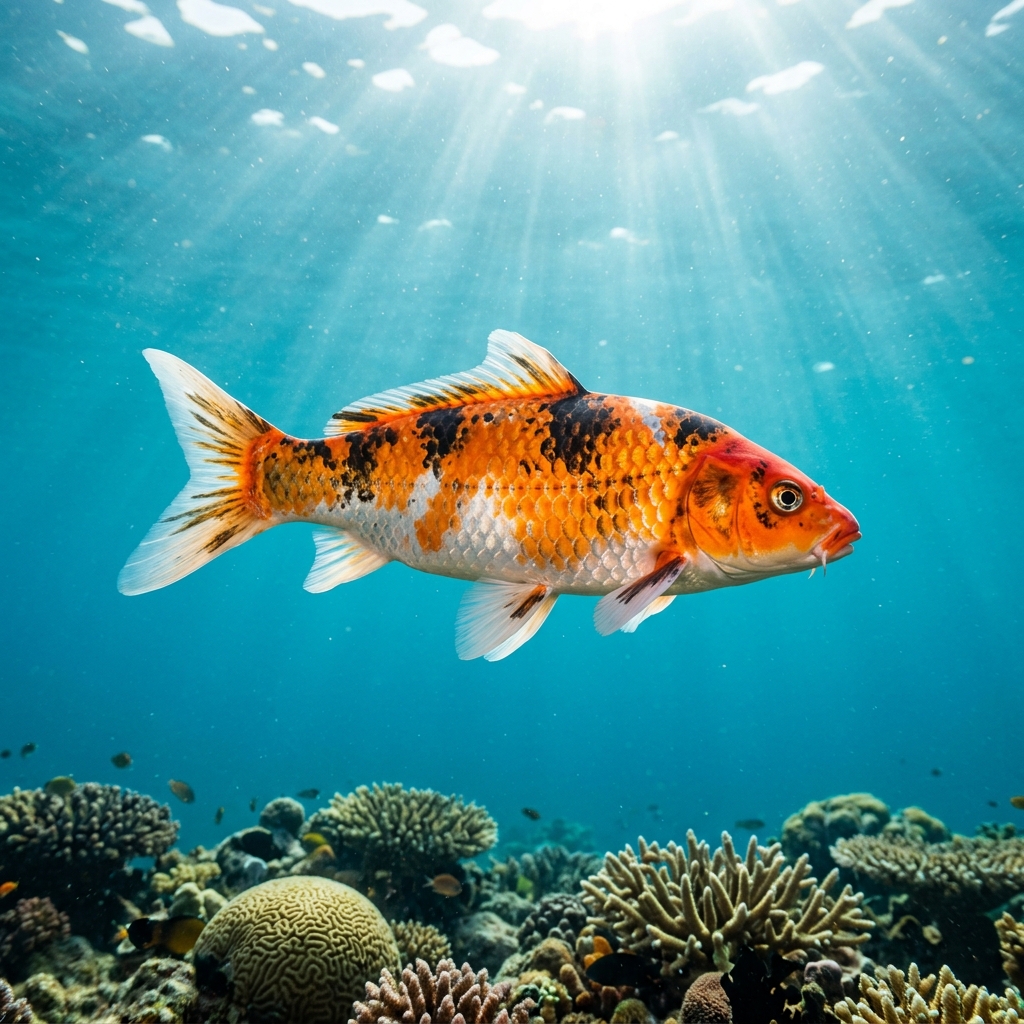
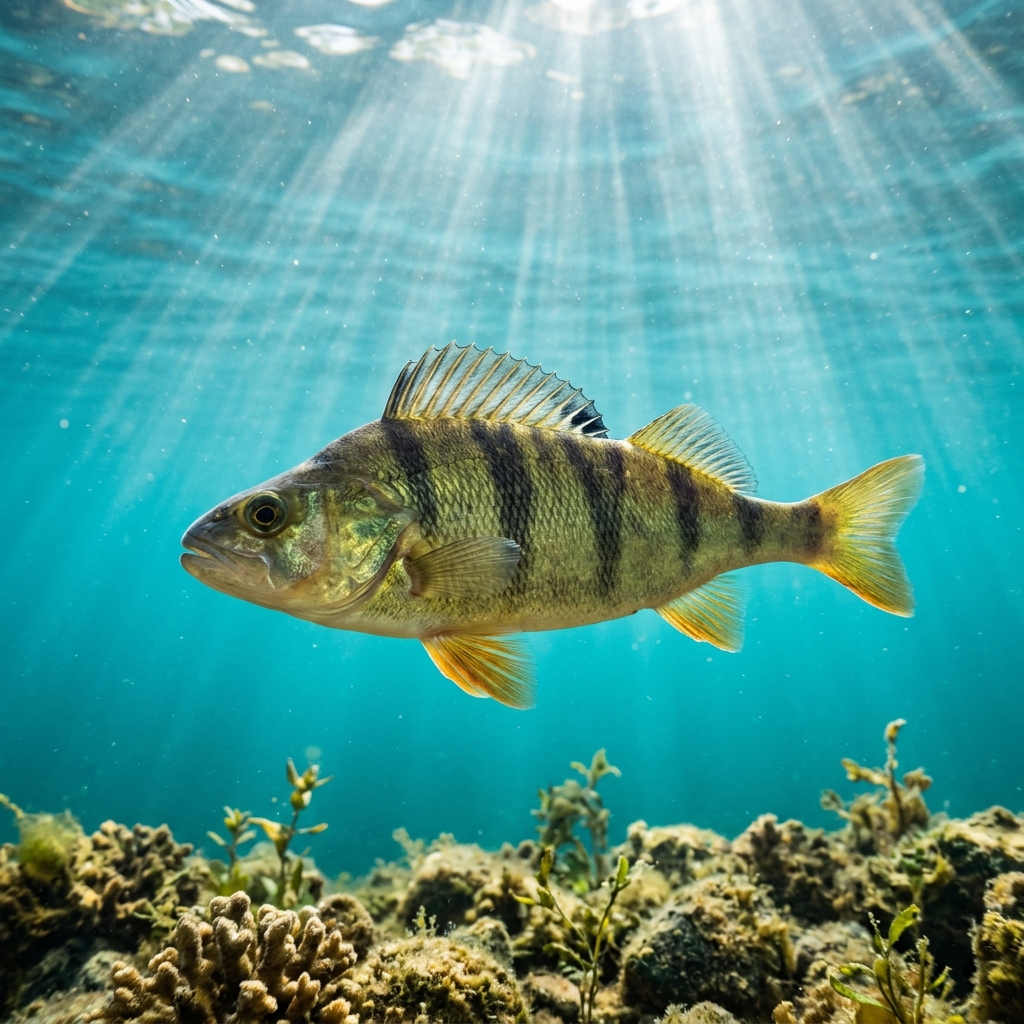
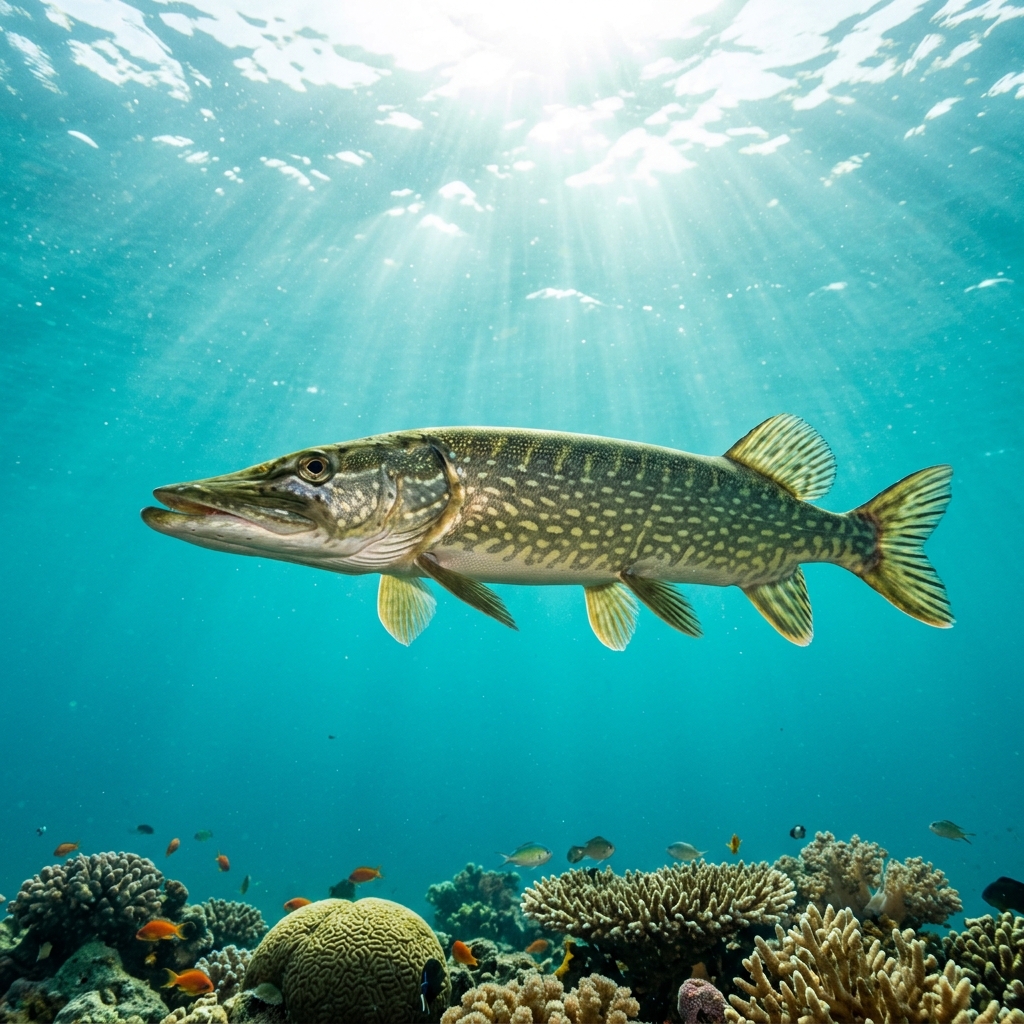
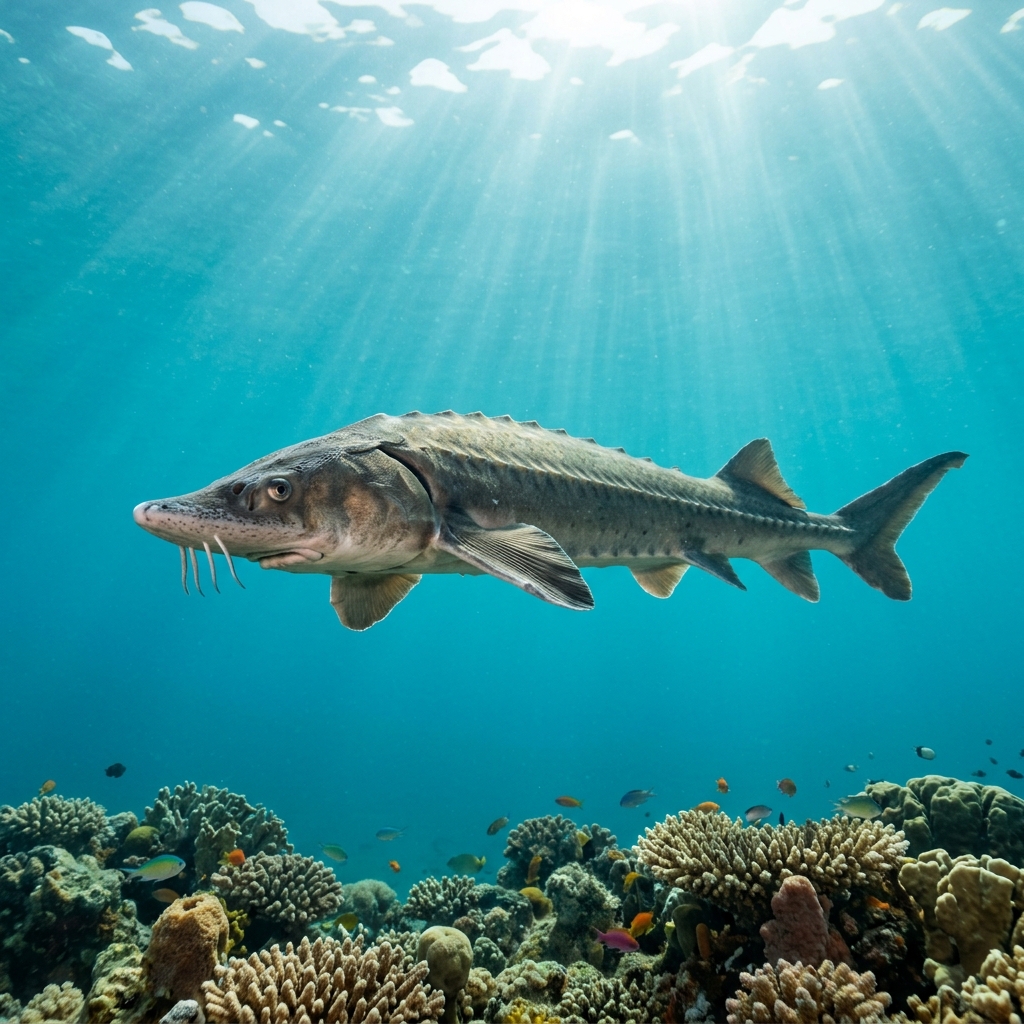
Reef neighbours a diver could mistake it for. Use the identification notes above to tell them apart.
Diver-logged sightings place the warmouth in the United States, with records from the Central & Mountain West region. As a freshwater species, look for it in slow-moving or still water bodies such as lakes, ponds, and sluggish rivers within its native range across the eastern and central US.
Mapping where Warmouth is logged…
Diver-logged records put the warmouth in the United States, particularly in the Central & Mountain West region. As a freshwater fish native to slow or still water across much of the eastern and central US, target weedy lakes, ponds, and sluggish rivers within that range.
There is no clear seasonal peak from current sighting data, so encounters are treated as possible year-round. Observations span a broad temperature range up to around 24 °C, indicating the warmouth remains present and active even in cooler freshwater conditions.
Look for the dark streaks radiating from the eye across the cheek, the most distinctive mark on this fish. Combine that with a deep, mottled olive-brown body, a notably large mouth for a sunfish, and a reddish or orange iris, and you have a reliable ID.
Typical adults reach around 15 to 25 cm in length, though larger individuals approaching 30 cm are recorded. In the water they appear compact and chunky relative to their length, similar in build to other sunfish.
No. Warmouth pose no risk to divers or snorkellers. They may nip if handled, as any fish might, but in open water they will simply retreat into nearby cover when approached too closely.
Site and sighting data is aggregated from diver logs, iNaturalist and GBIF. For taxonomy and conservation status:
Sun Perch
2,182 sites