Labrisomus xanti
Rare but findable rock-reef blenny logged across California and Baja California, in water from 20.5 to 28C year-round.
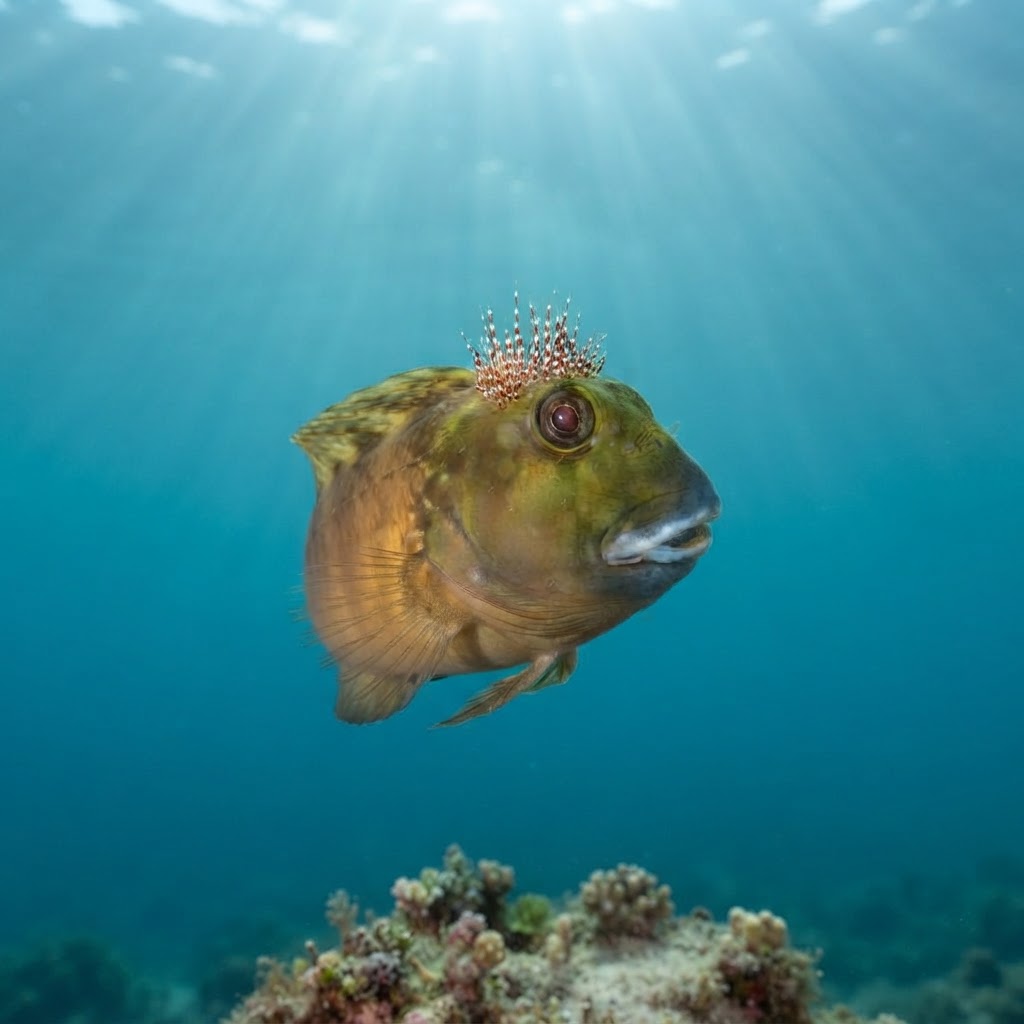
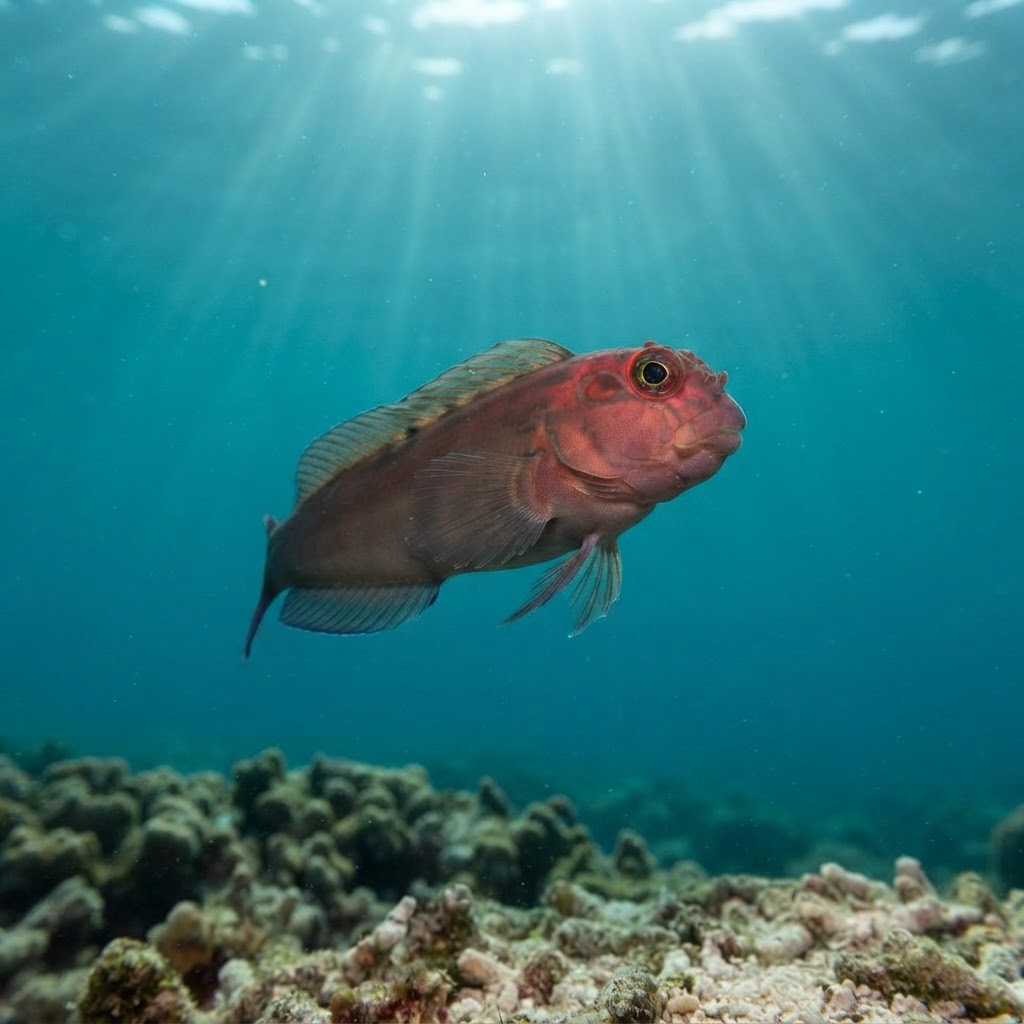
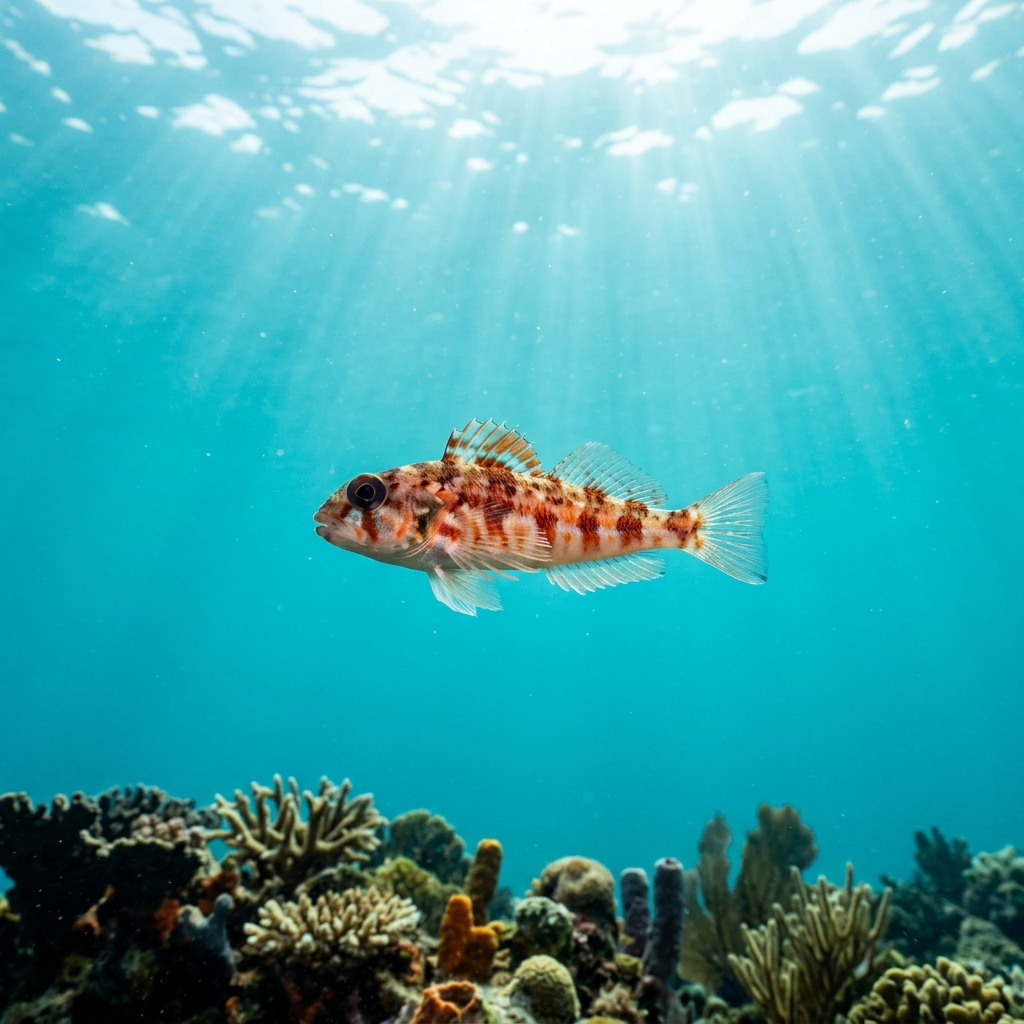
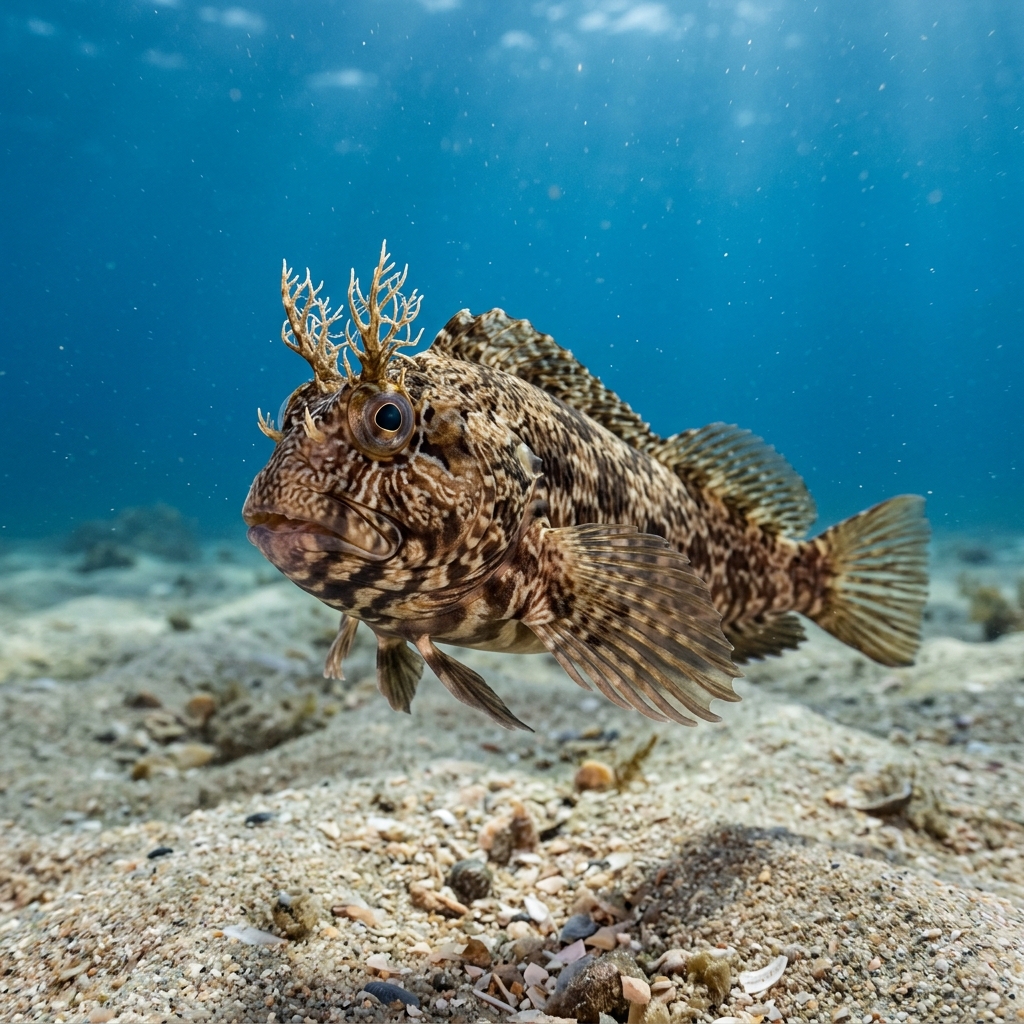
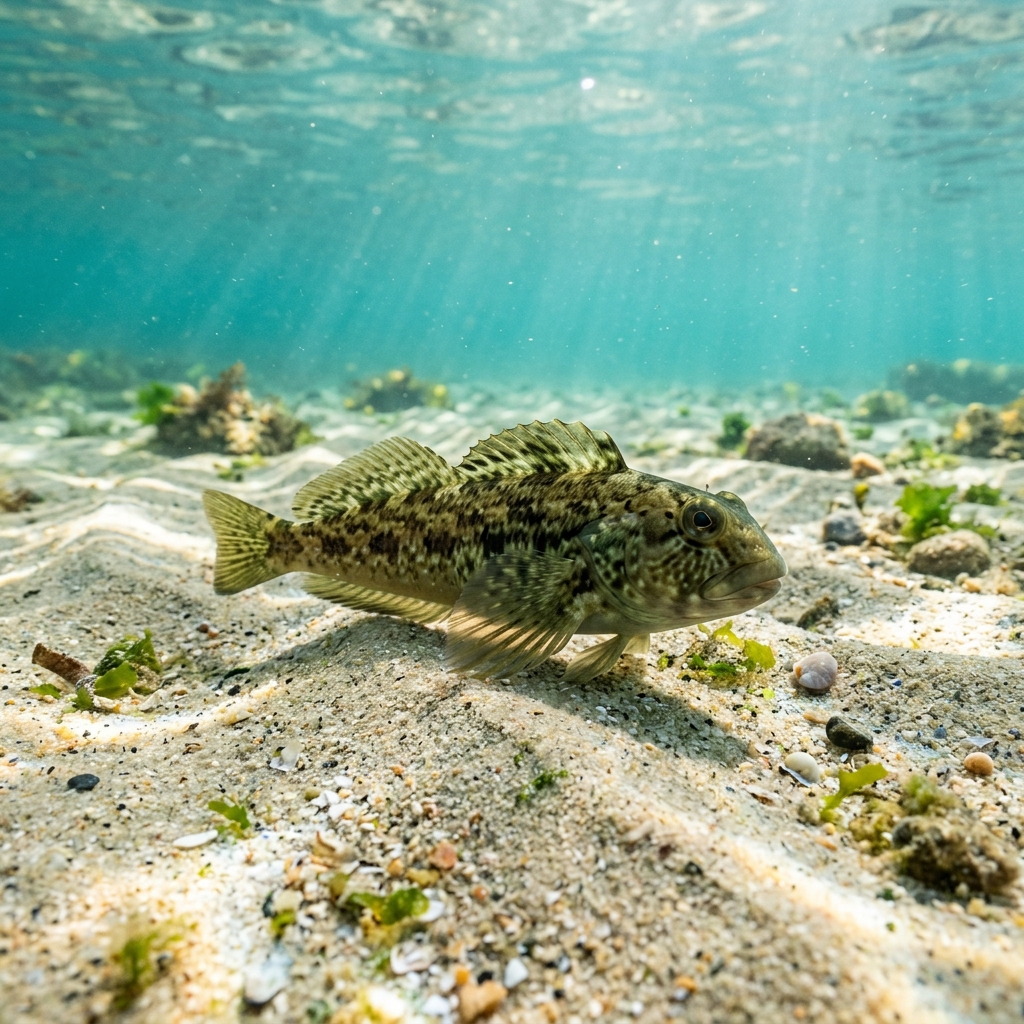
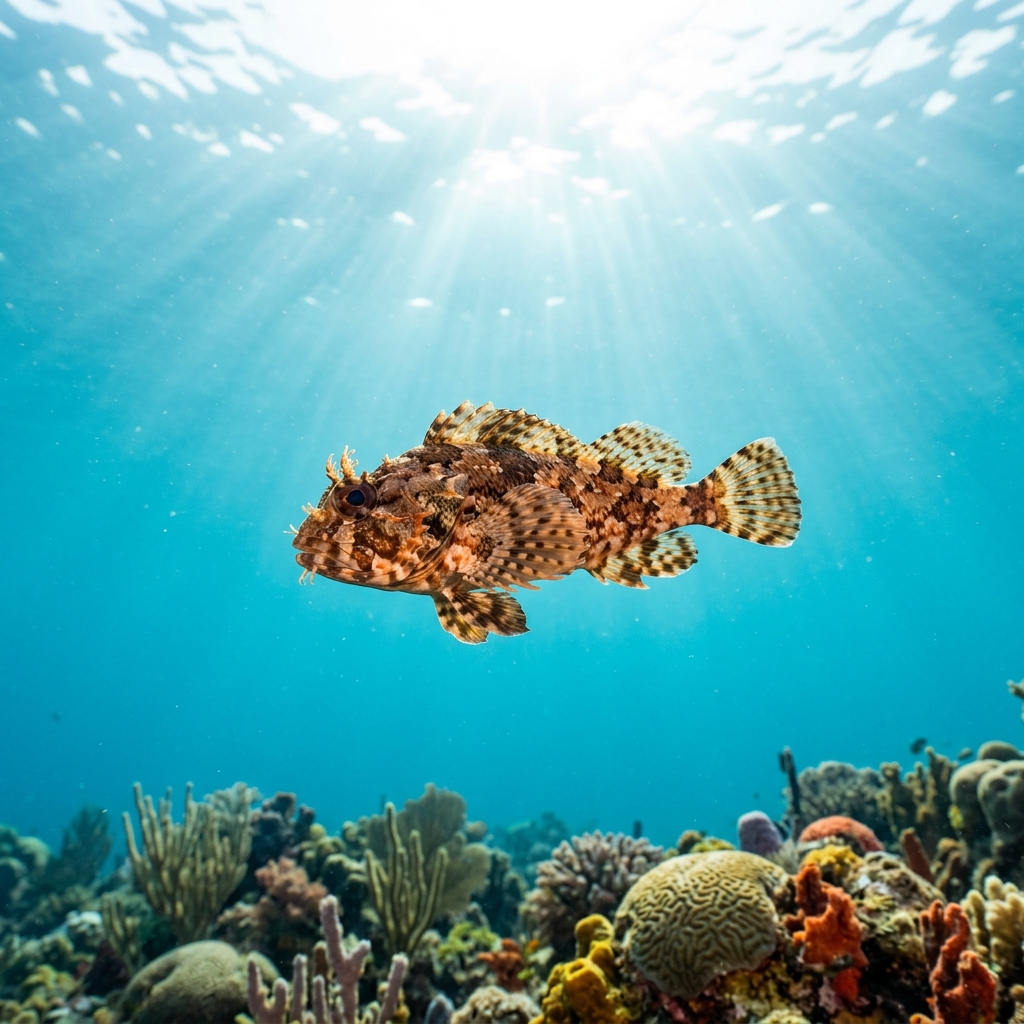
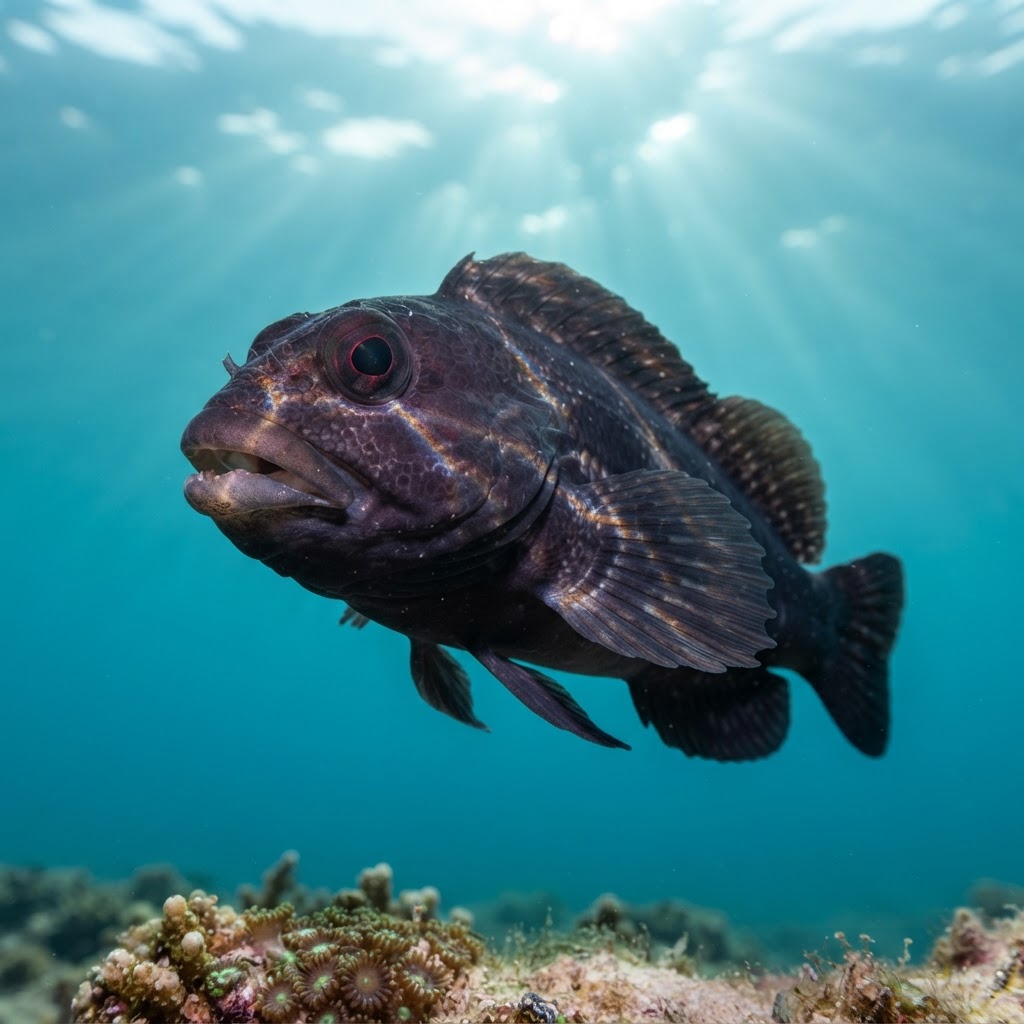
A stocky, 13 cm blenny with a mottled brown-and-cream pattern that breaks up its outline against rock and rubble. Look for the blunt head, thick lips and noticeably large mouth that give the species its name, plus a row of dark saddle-like blotches along the back. It sits propped on its pectoral fins on the substrate rather than swimming in open water, which is often the giveaway that separates it from more free-swimming reef fish nearby.
Spends most of its time perched motionless on rock ledges, crevices and rubble patches, relying on its blotchy camouflage rather than fleeing. Divers usually find it by scanning low on the reef rather than in open water, and it tends to hold its position at close range before darting a short distance into a crack if pressed. Look for it during the day on slow, close-focus passes along rocky bottom rather than mid-water.
Like other labrisomid blennies it lacks a swim bladder, which is exactly why it rests propped on the bottom instead of hovering, and why it's so often overlooked until a diver is moving slowly and looking closely at the rock itself.
No clear seasonal pattern shows up in the data, and it turns up year-round across its 20.5 to 28C temperature range. Dive whenever you're already headed to California or Baja rocky reefs rather than timing a trip around it.
Reef neighbours a diver could mistake it for. Use the identification notes above to tell them apart.
Most consistently logged along the Pacific coast of the United States, especially California, with a strong secondary population down the Baja California peninsula and the Pacific coast of Mexico. Divers doing rocky reef and kelp-adjacent sites in these two regions have the best shot at spotting one, though sightings anywhere in its range tend to be occasional rather than frequent.
Mapping where Largemouth Blenny is logged…
Best logged along the California coast in the United States, plus Baja California and the Pacific coast of Mexico. It favours rocky reef habitat over sand or open water in these regions.
No strong season shows in diver sightings, and it's recorded across a wide temperature range of 20.5 to 28C, so it's a year-round possibility on Californian and Baja rocky reefs.
Look for a small, mottled brown fish around 13 cm long propped on its pectoral fins on rock or rubble, with a noticeably large mouth and thick lips. It stays still against the substrate rather than swimming freely, which helps separate it from more active reef fish nearby.
They reach around 13 cm in length, a small, easily overlooked fish best spotted by scanning rocky ledges and crevices closely rather than looking for something large.
No. They pose no threat to divers, spending their time resting on rock rather than interacting with anything nearby, and will simply retreat into a crevice if approached too closely.
Like other labrisomid blennies, they lack a swim bladder, so instead of hovering in the water column they prop themselves on rocks using their pectoral fins and rely on camouflage rather than open-water swimming.
Site and sighting data is aggregated from diver logs, iNaturalist and GBIF. For taxonomy and conservation status:
Rusty Blenny
2,605 sites