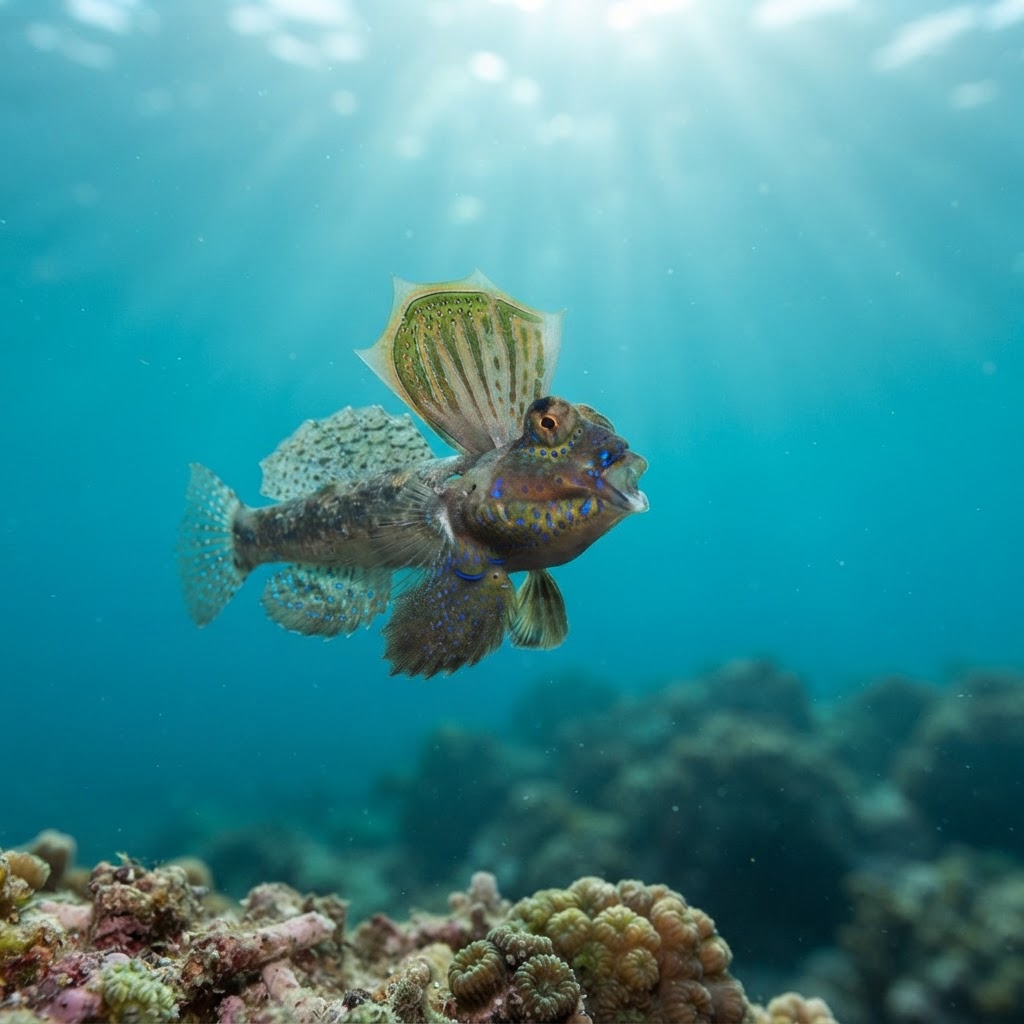
Callionymus bairdi
A small, uncommon dragonet logged at Tent Reef, Saba, in warm 24 to 28C water. Here's how to spot one on the sand.
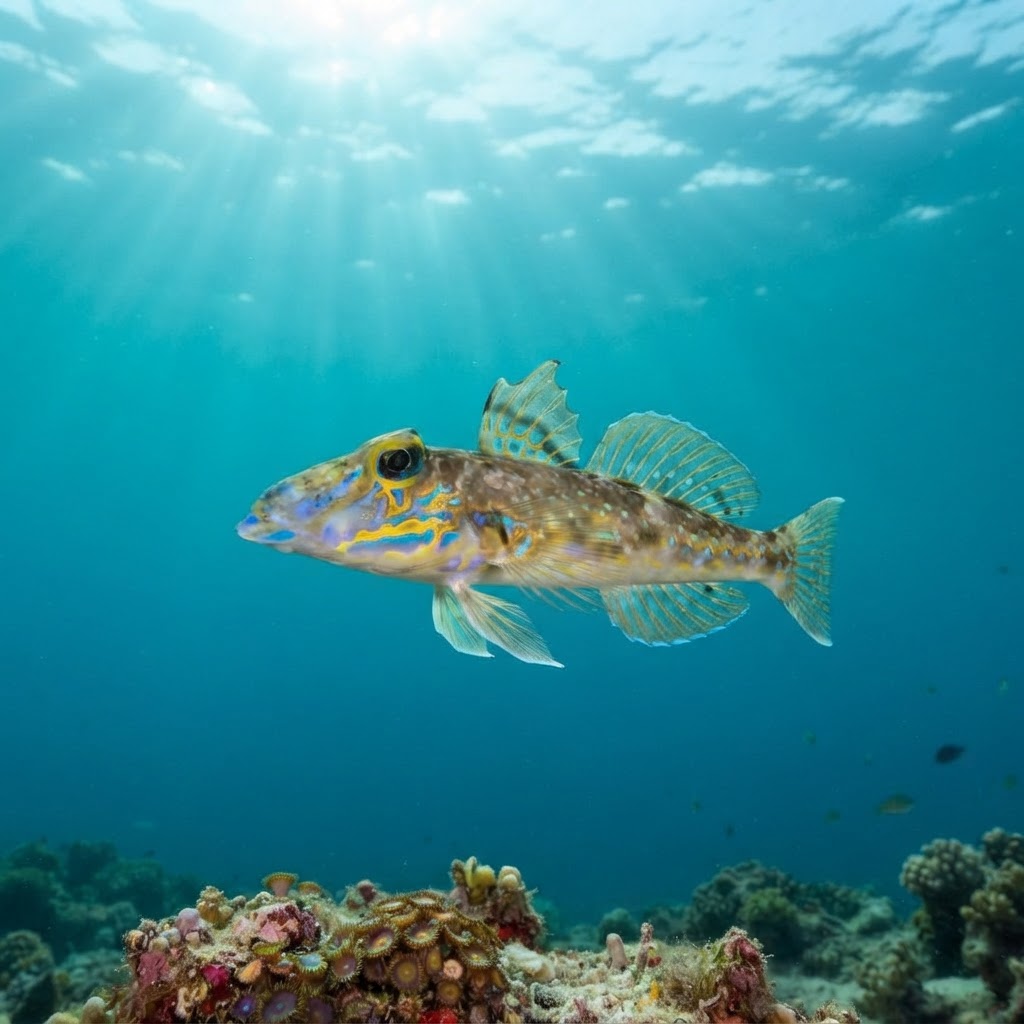
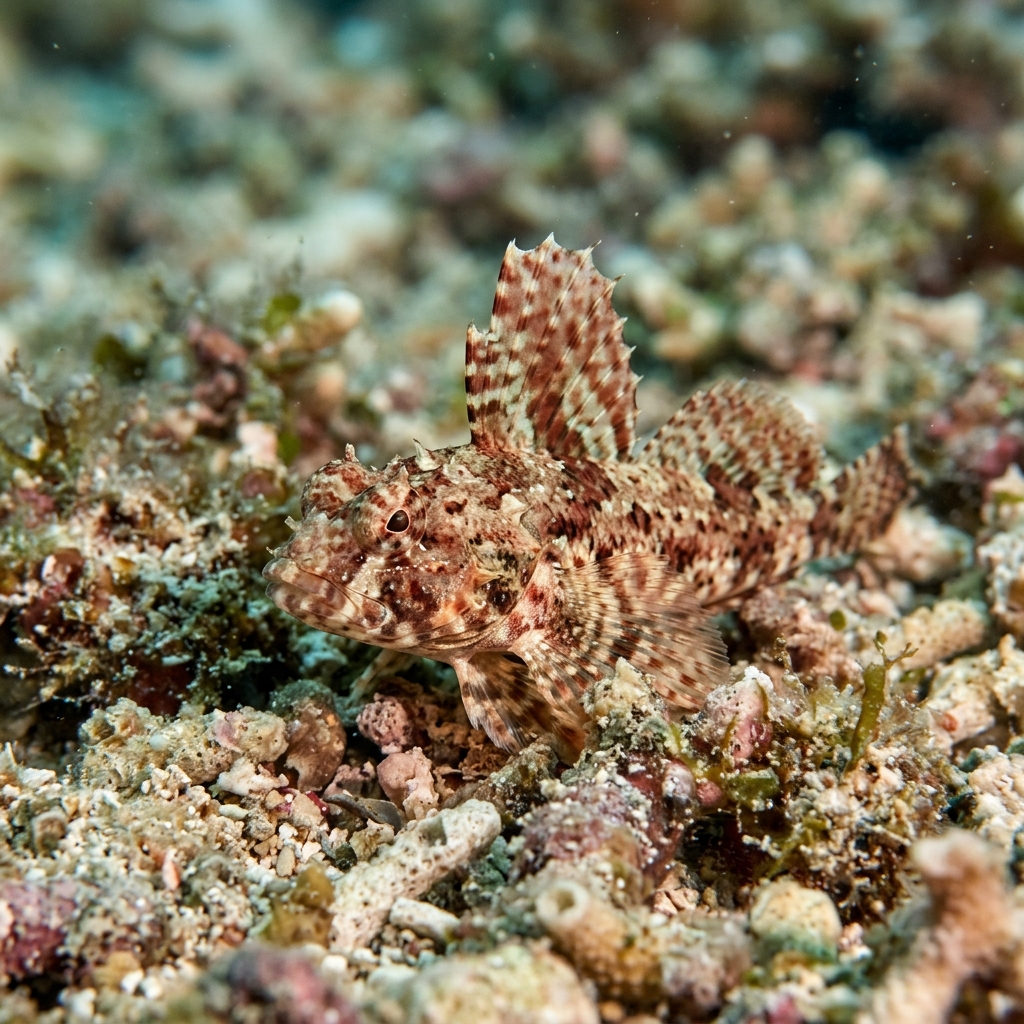
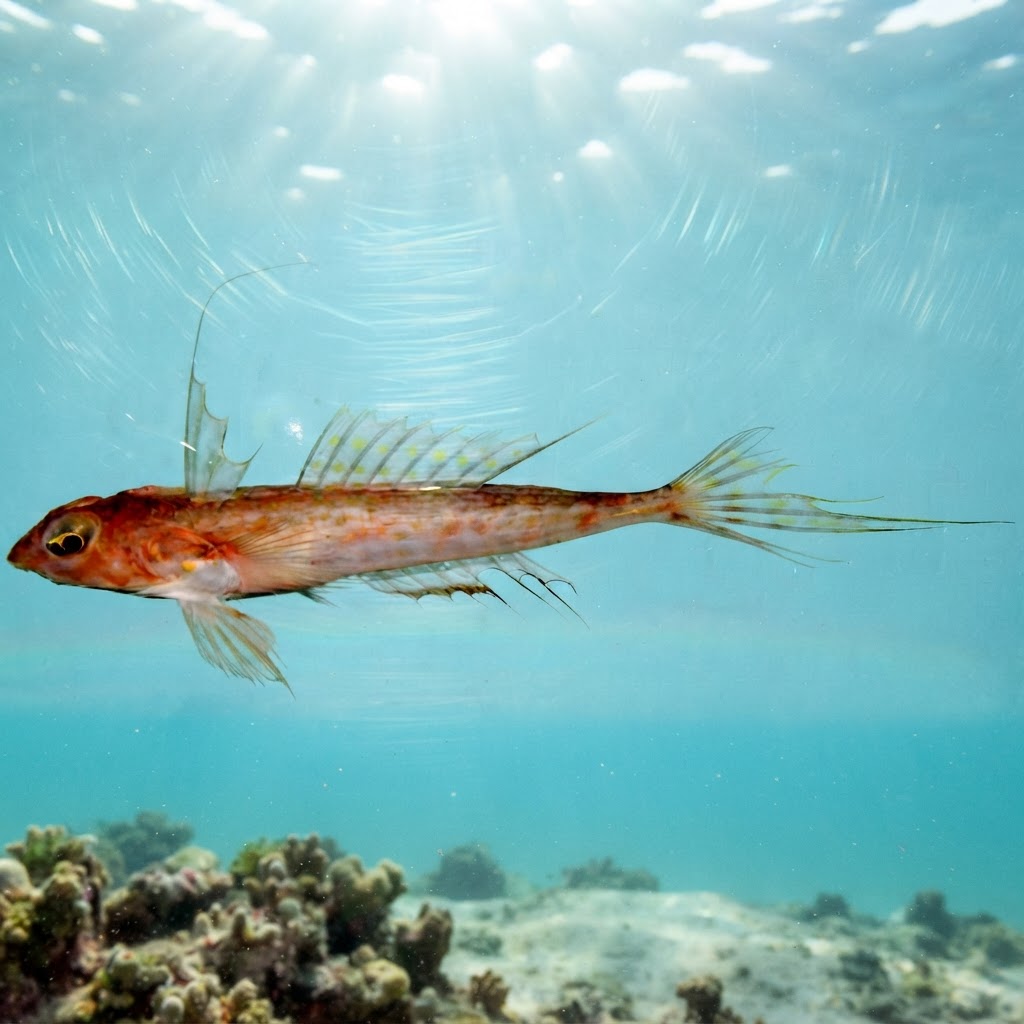
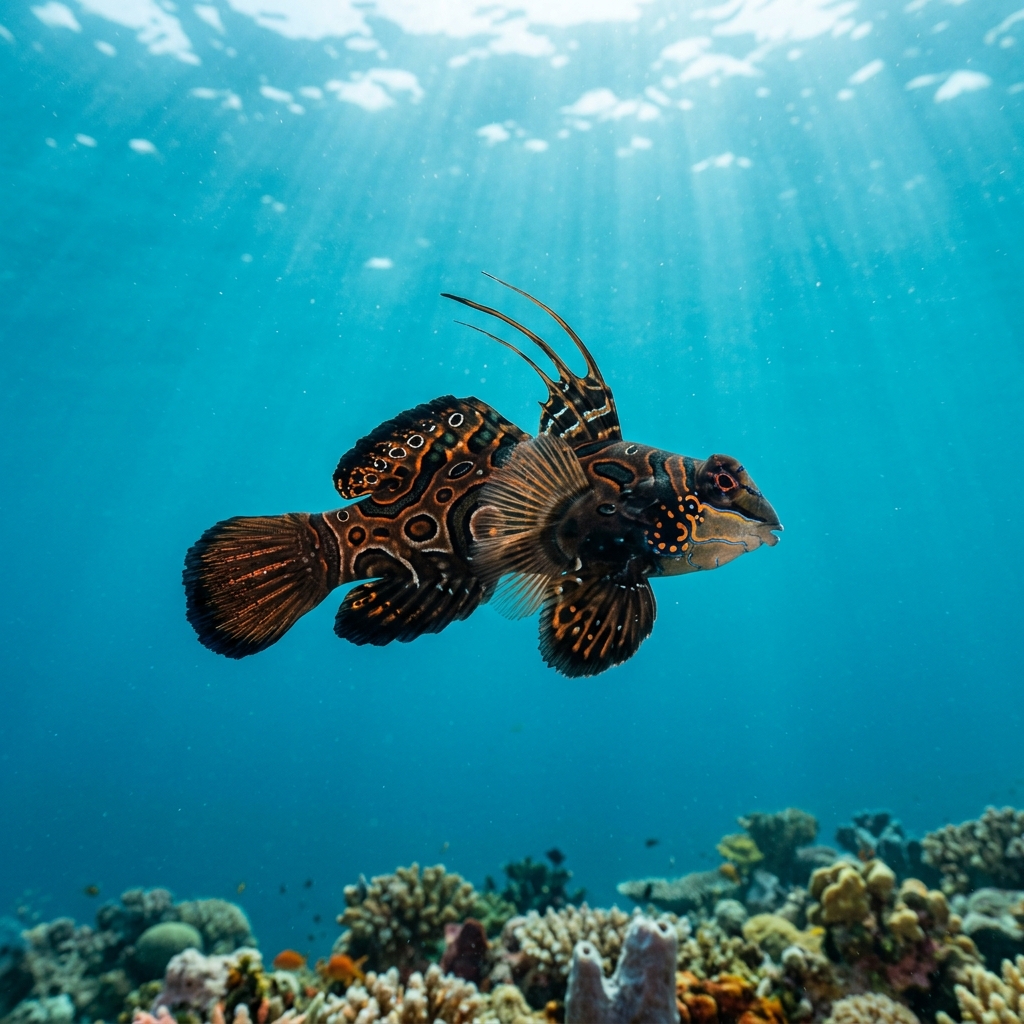
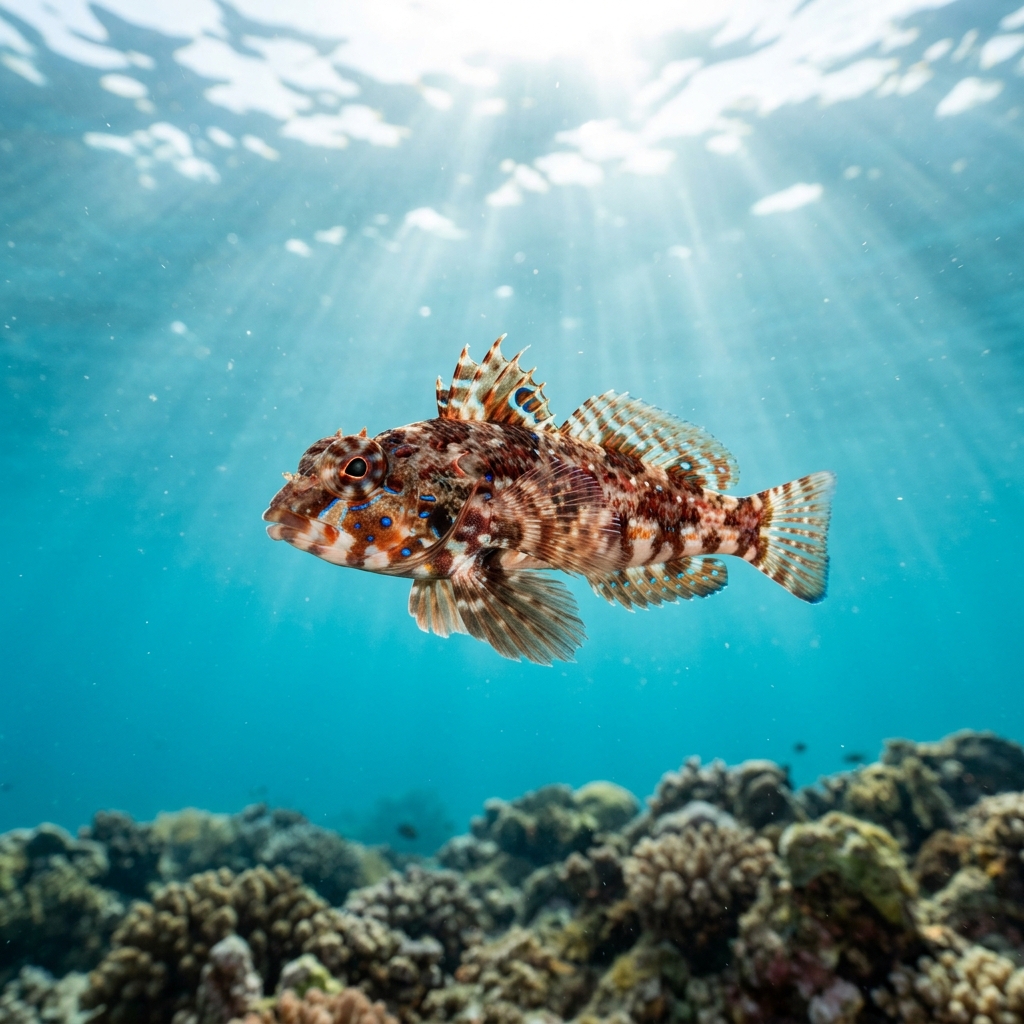
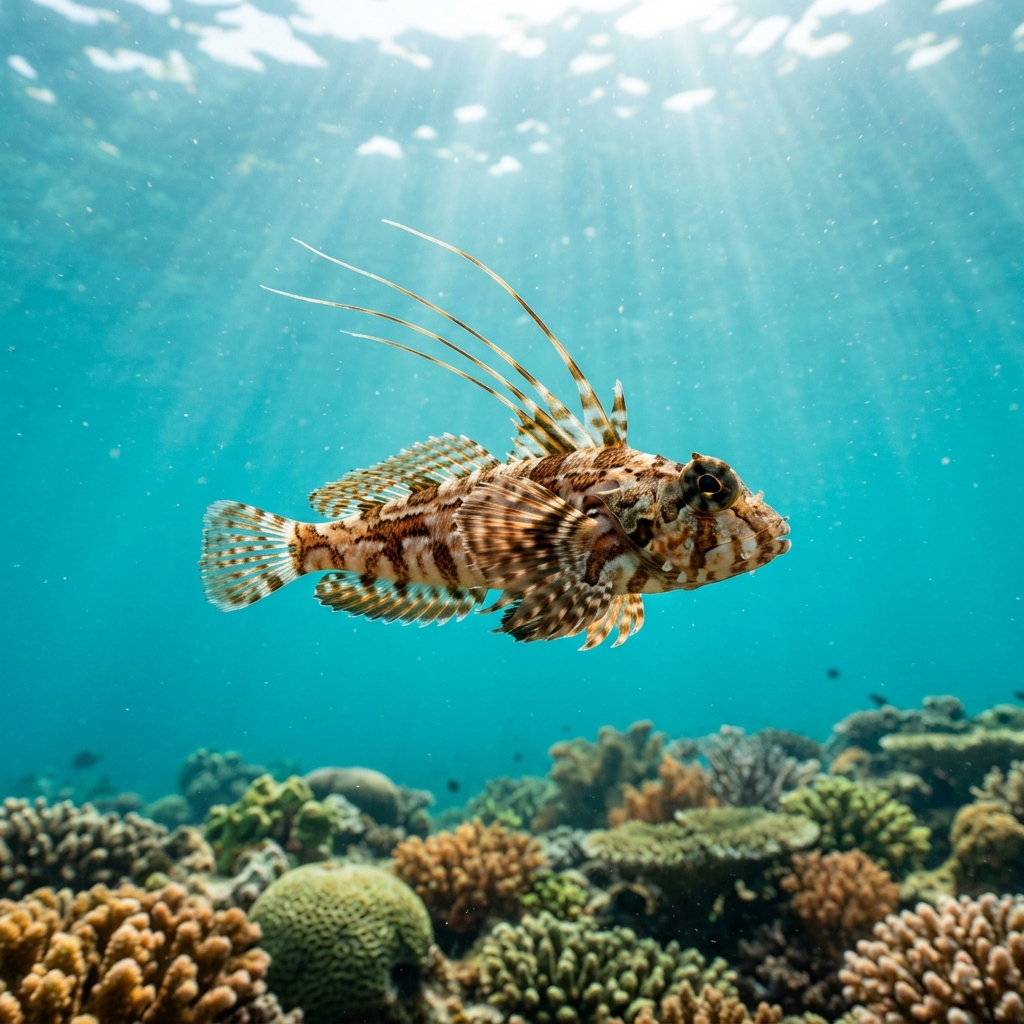
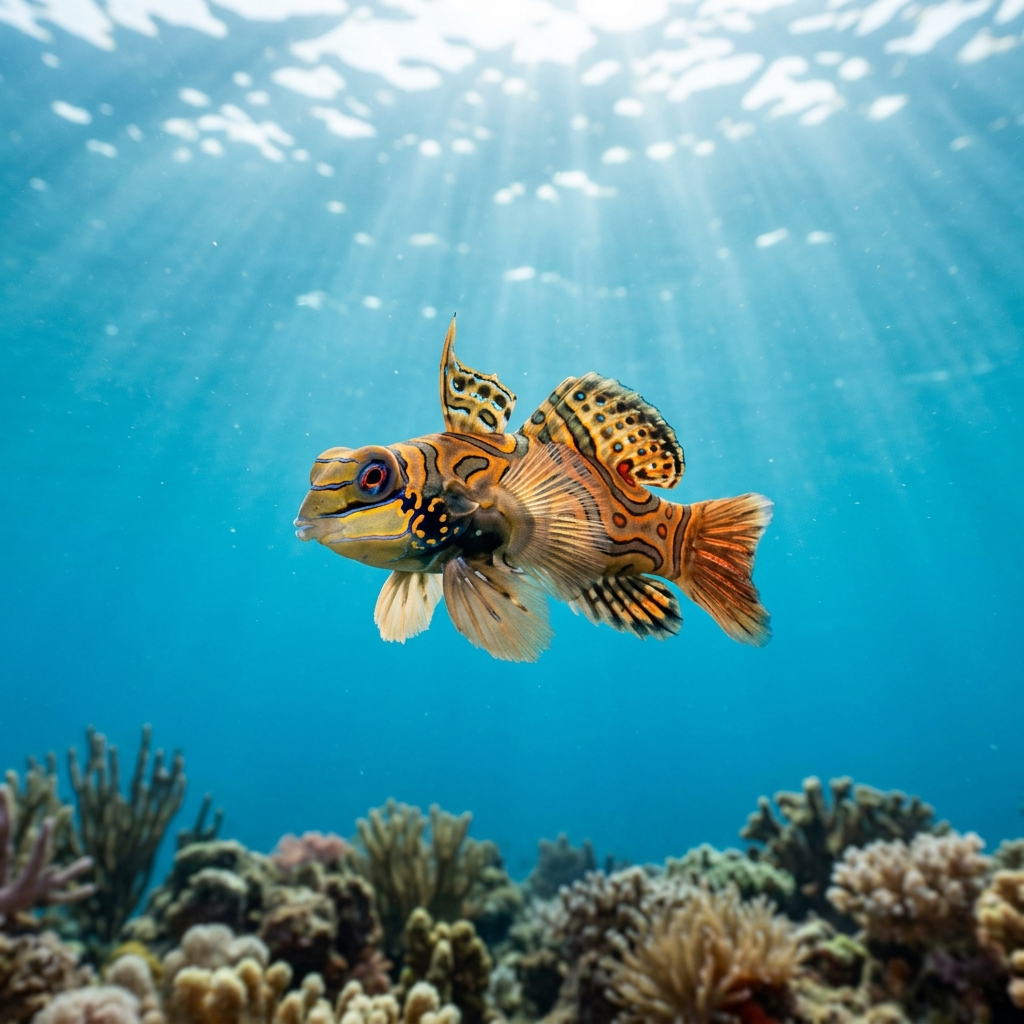
Tiny, only around 8 cm, with a mottled brown, tan and cream pattern that blends into sand and rubble. Body is slim and tapered, tapering to a pointed snout, with a low first dorsal fin that can flick up like a small sail when it moves. Look for it hovering just above the substrate or perched motionless on the bottom rather than swimming in open water.
Expect a small, still fish that spends most of its time resting on sand or rubble rather than cruising the reef, relying on its mottled colouring to disappear against the bottom. It's logged as uncommon even at the one site where it's known, so finding one takes a slow, close look at the substrate rather than a scan of the water column. Like other dragonets it tends to sit tight and only dart a short distance if a diver gets too close, rather than fleeing far.
Dragonets in this genus lack scales entirely, instead relying on a mucus coating and camouflage for protection, which is part of why they sit so still against sand rather than swimming for cover.
Sightings so far don't show a clear seasonal pattern, and with water sitting between 24.1 and 28.3C year-round around Saba, conditions stay suitable for this species at any time of year. Treat it as a year-round possibility rather than a seasonal target.
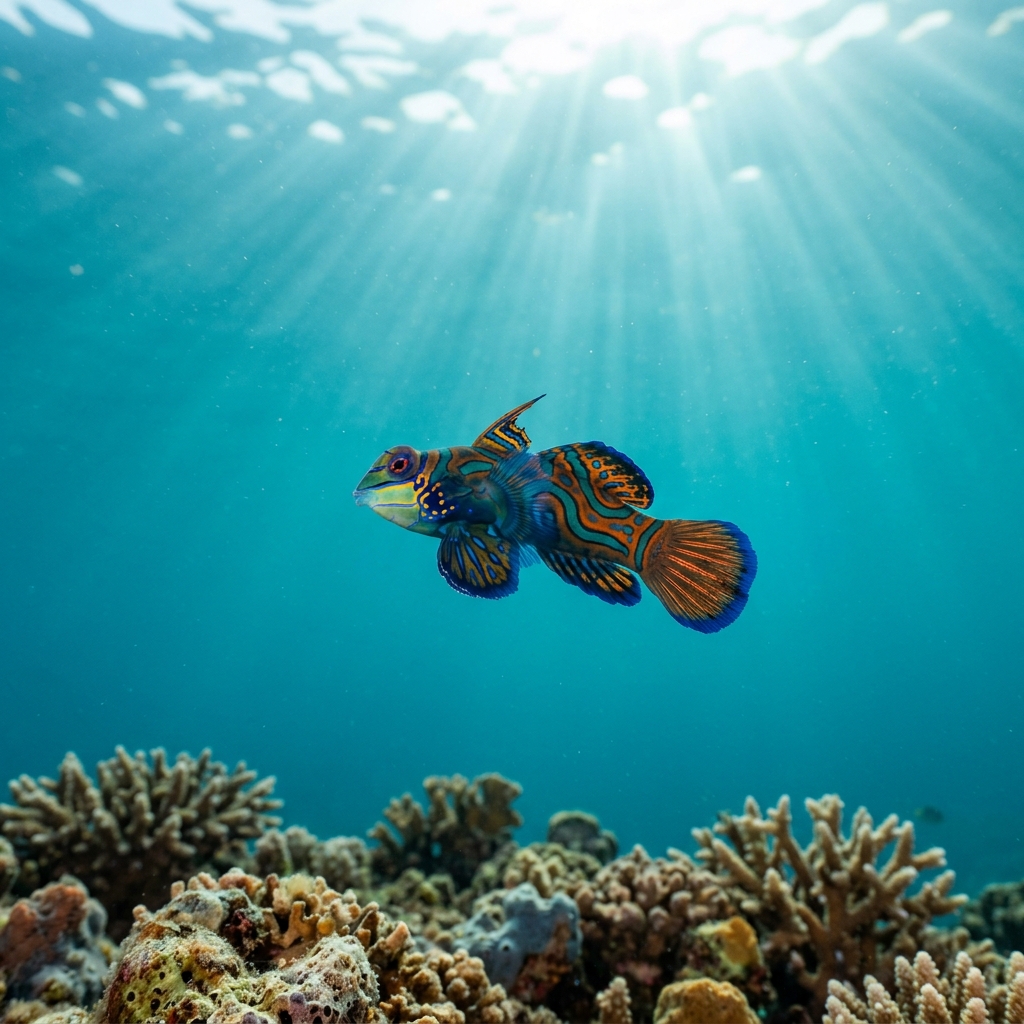
Reef neighbours a diver could mistake it for. Use the identification notes above to tell them apart.
Logged diving data currently points to a single confirmed site, Tent Reef on Saba, making this Dutch Caribbean island the place to look for it. Divers hunting this species should focus their bottom time on sandy and rubble patches around that reef rather than the open coral structure.
Mapping where Lancer Dragonet is logged…
The only confirmed site logged for this species is Tent Reef on Saba, in the Dutch Caribbean. If you're specifically chasing this fish, that's currently the spot to search sandy patches close to the reef base.
There isn't a detected seasonal pattern for this species yet, and water at its known site stays between roughly 24 and 28C year-round, so it's considered a possible year-round sighting rather than tied to a specific month.
Look for a tiny, mottled brown and cream fish around 8 cm long, resting flat on sand or rubble rather than swimming freely. Its slim tapered body and low, flickable dorsal fin help separate it from similarly patterned bottom-dwelling gobies and blennies.
They stay small, reaching around 8 cm in length, which is typical for dragonets in this family. That size, combined with camouflage colouring, is exactly why they're easy to swim past unnoticed.
No, they pose no threat to divers. They're small, non-aggressive bottom-dwellers that will move away rather than confront anyone who gets close.
Like other dragonets, it has no scales at all, relying instead on a protective mucus layer and sand-matching colouring to stay safe, which explains why it prefers sitting still over swimming away.
Site and sighting data is aggregated from diver logs, iNaturalist and GBIF. For taxonomy and conservation status:
Starry Dragonet
66 sites