Dactylopus kuiteri
Spot the Black-orange Dragonet across Phuket, Sulawesi, and the Philippines in warm 27-29 °C waters. ID tips and top dive sites inside.
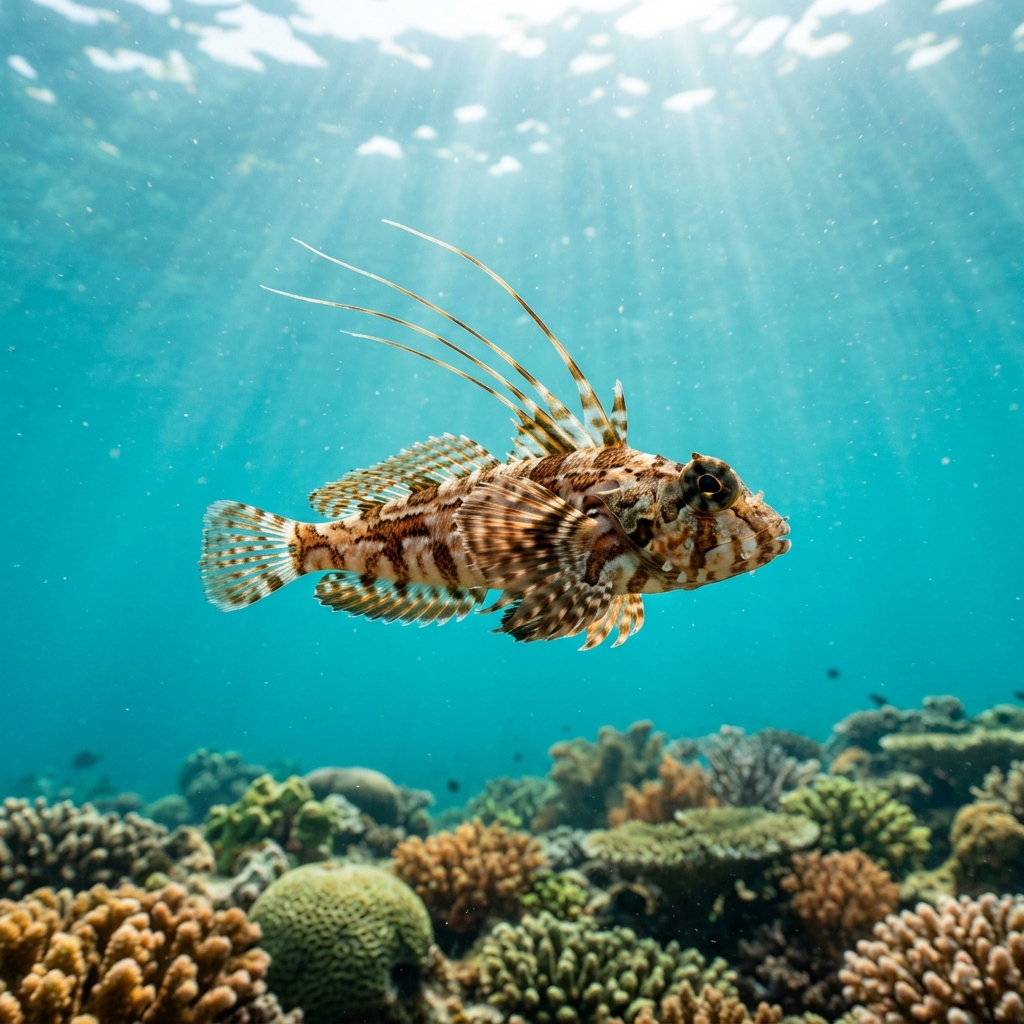
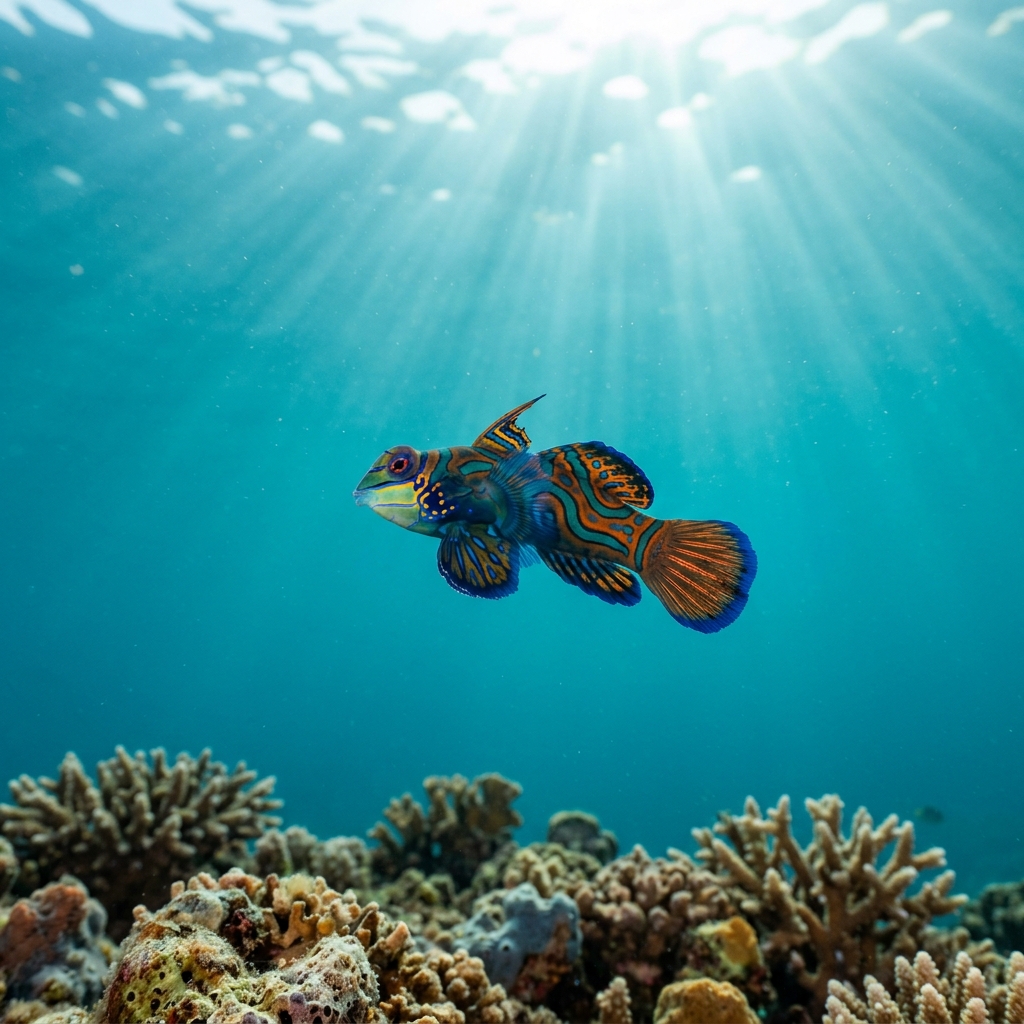
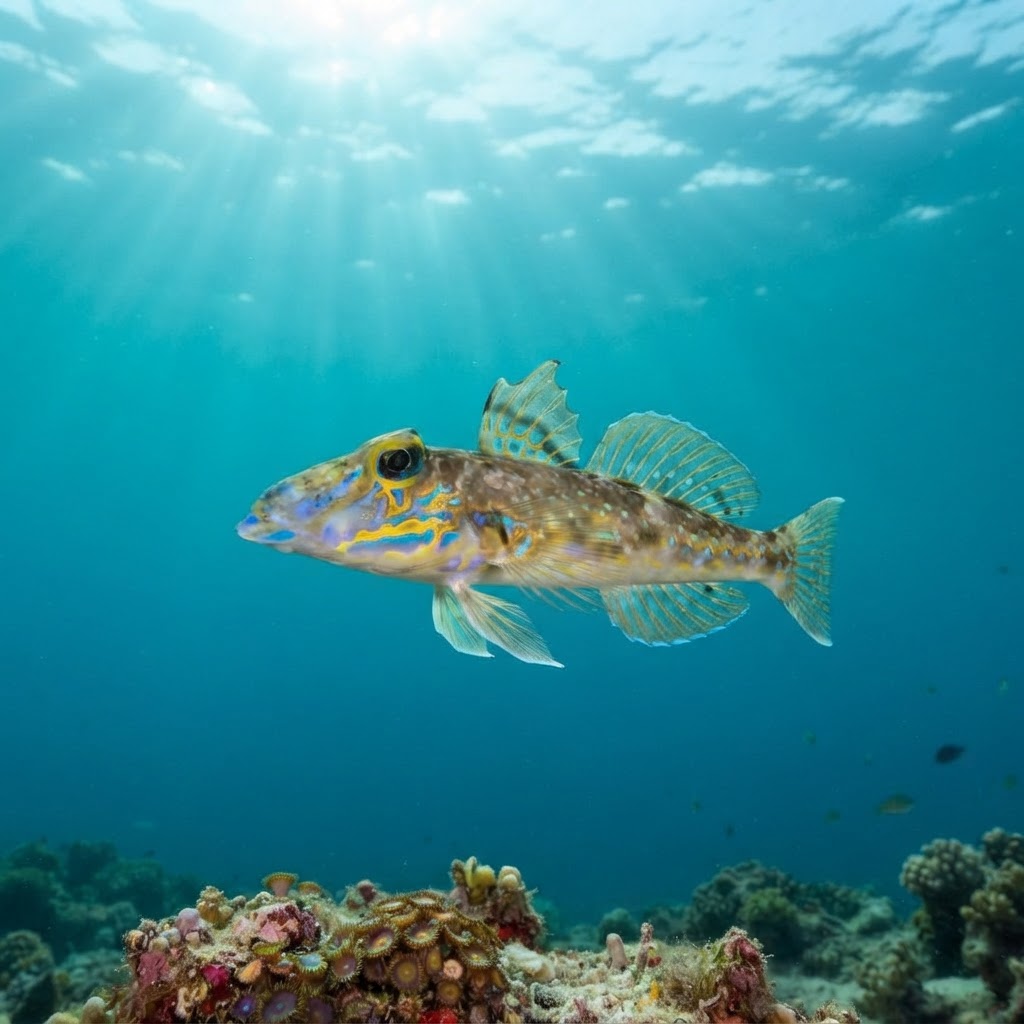
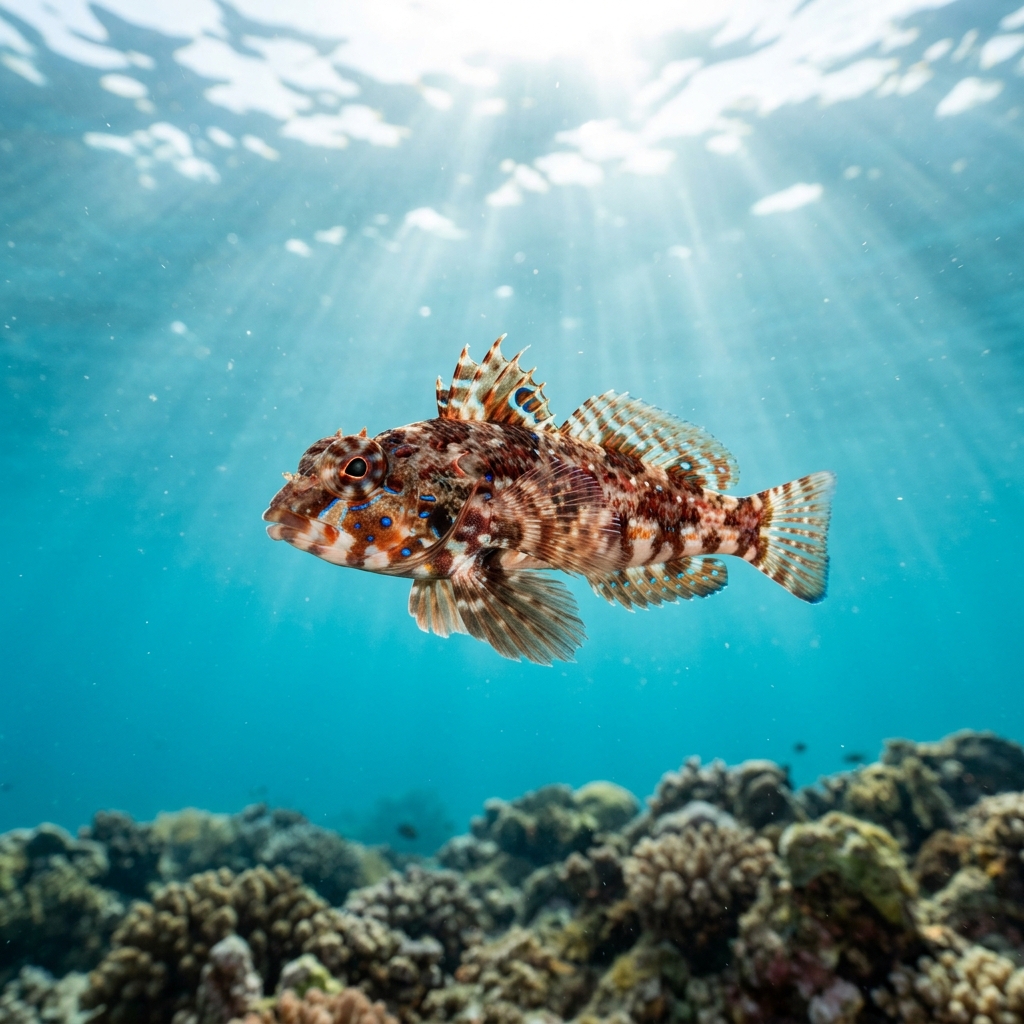
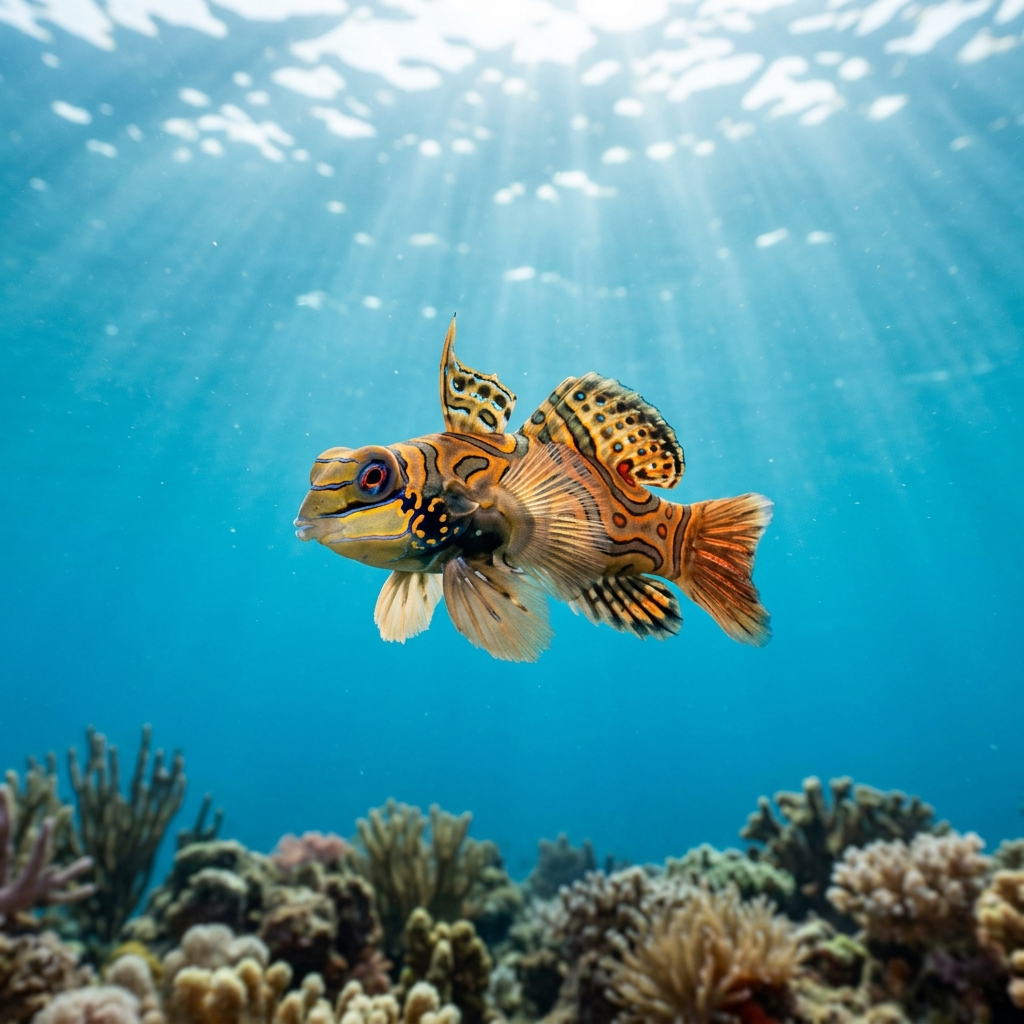
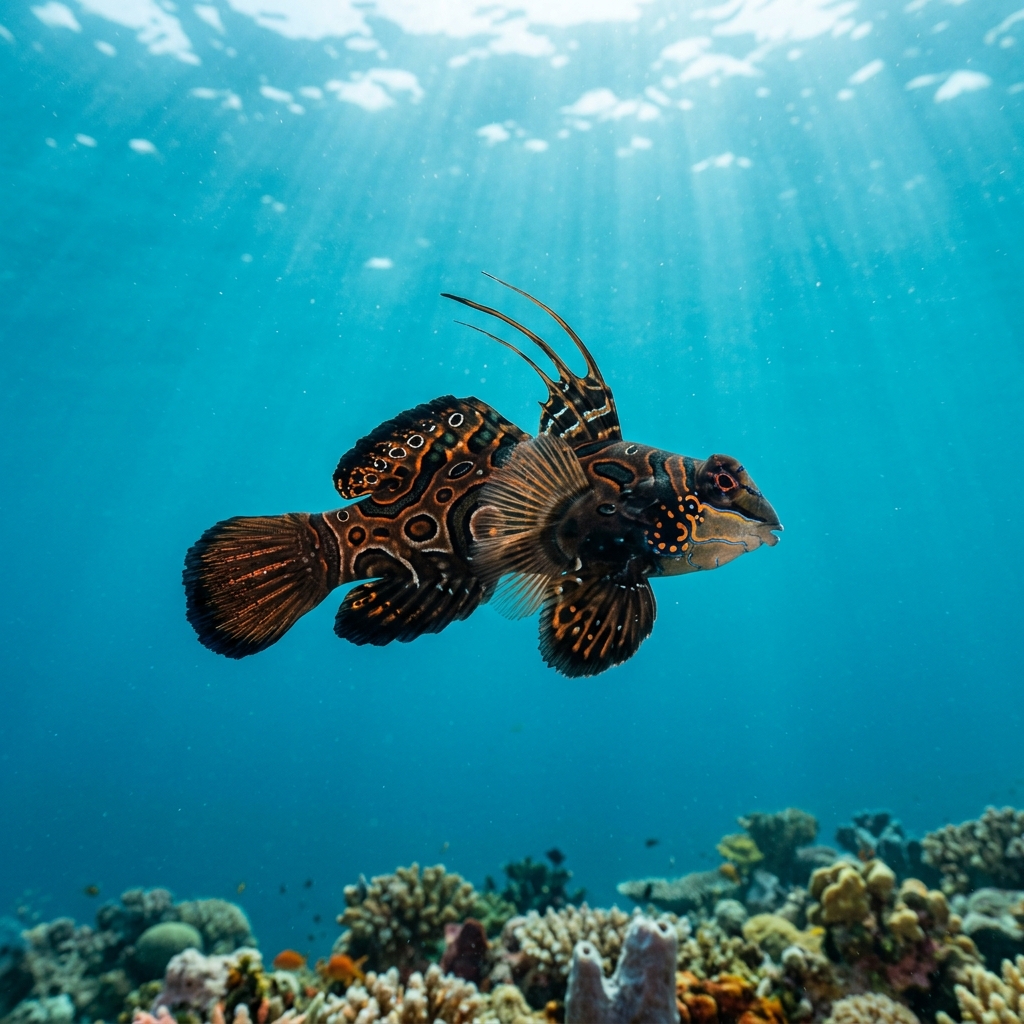
Bold, contrasting patches of black and vivid orange across a flattened, elongated body make this dragonet stand out even on a busy muck slope. Like all dragonets, it sits directly on the substrate rather than swimming freely, propped up on its pectoral fins. The large, fan-like pelvic fins (the broad paired fins used for 'walking' across the bottom) are a useful additional clue. Look for it low and slow, barely moving, among rubble or sand.
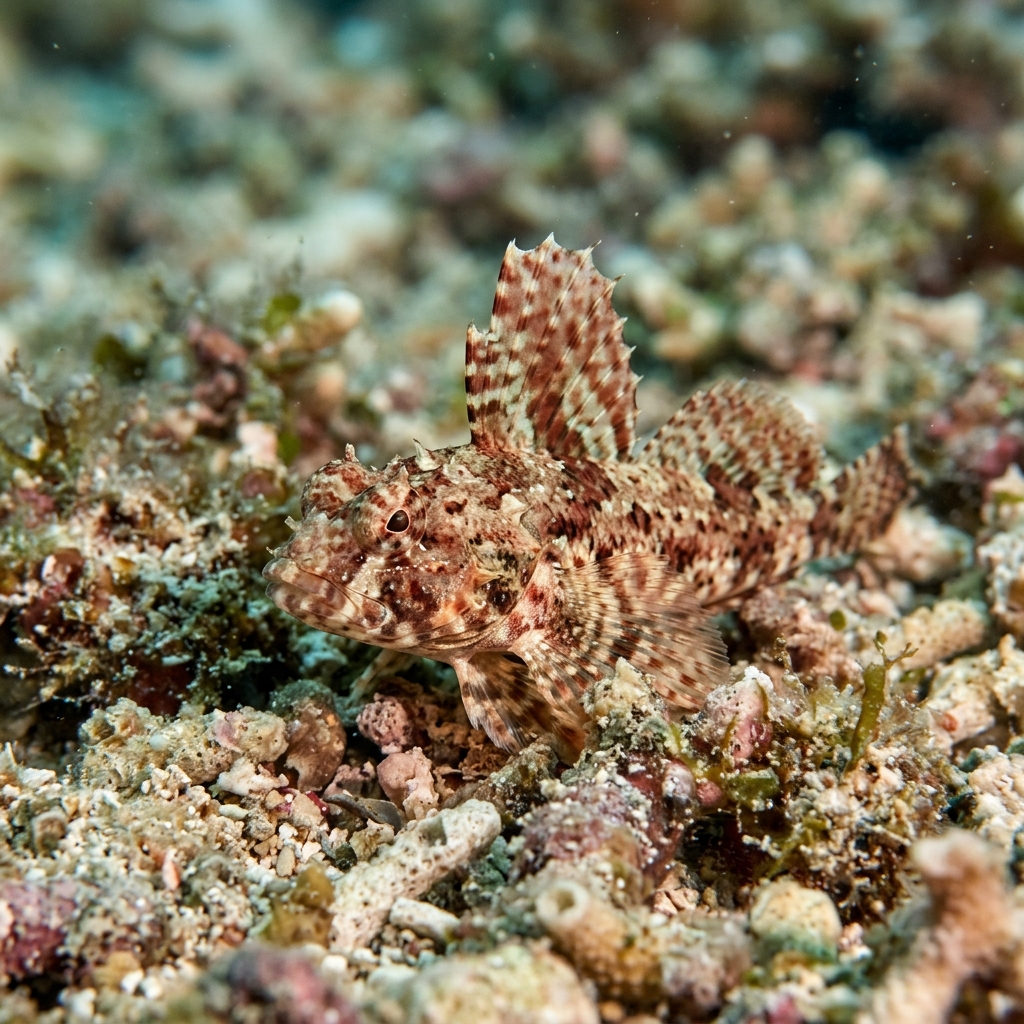
Black-orange dragonets spend virtually all their time on or just above the substrate, shuffling across sand, rubble, or mixed reef margins on their pectoral fins. They are cryptic despite their vivid colouring, often sitting motionless and easy to overlook at normal swim speed. Slow down, drop low, and scan the bottom; they tend to tolerate a careful approach but will dart into rubble if startled.
Dragonets in this family lack scales entirely; instead their bodies are protected by a layer of bitter, toxic mucus that deters predators. This defence is likely why such a conspicuously coloured fish can afford to sit in the open.
No clear seasonal peak has emerged from the sighting data, so this species is best treated as a year-round target. It occupies warm tropical water in the 27-29 °C range, which is consistent across its known range throughout the year.
Reef neighbours a diver could mistake it for. Use the identification notes above to tell them apart.
Most commonly logged in Thailand, particularly across Phuket and the Phi Phi area, and in Sulawesi, Indonesia, where sightings span a wide spread of sites. Strong records also exist across Luzon and northern Philippines, and a notable cluster of observations comes from the Sai Kung area of Hong Kong, making it more widely distributed through South-East Asia than its low profile might suggest.
Mapping where Black-orange Dragonet is logged…
Thailand leads the records, with Phuket and the Phi Phi Islands the most productive area. Sulawesi in Indonesia and Luzon in the Philippines are also reliable destinations. There are additional sightings from Sai Kung in Hong Kong, Bali, and isolated records from Queensland and Timor-Leste.
There is no defined season in the data, so it can realistically be targeted year-round. It favours warm water in the 27-29 °C range, which matches the typical conditions across its South-East Asian range throughout the year.
Look for a small, flattened fish resting motionless on sand or rubble with striking black and orange body markings. The wide, spread pectoral fins and the habit of 'walking' rather than swimming are characteristic of all dragonets. The high-contrast colouring distinguishes it from most other bottom-sitting fish on the same reef.
It is logged as uncommon at the majority of sites where it appears, and rare at a significant number of others. Only a handful of sites report it as common, so targeted, slow-paced muck diving gives you the best chance of an encounter.
No. They pose no threat to divers. Like other dragonets they produce a toxic skin mucus as a defence against predators, but this is only relevant if the fish is handled, which should be avoided anyway. Observe from a short distance and enjoy the show.
Site and sighting data is aggregated from diver logs, iNaturalist and GBIF. For taxonomy and conservation status:
Fingered Dragonet
64 sites