Synchiropus morrisoni
Morrison's Dragonet turns up in Fiji, the Philippines, and the Marshall Islands in warm 27-29 °C water. Here's how to spot this rare find.
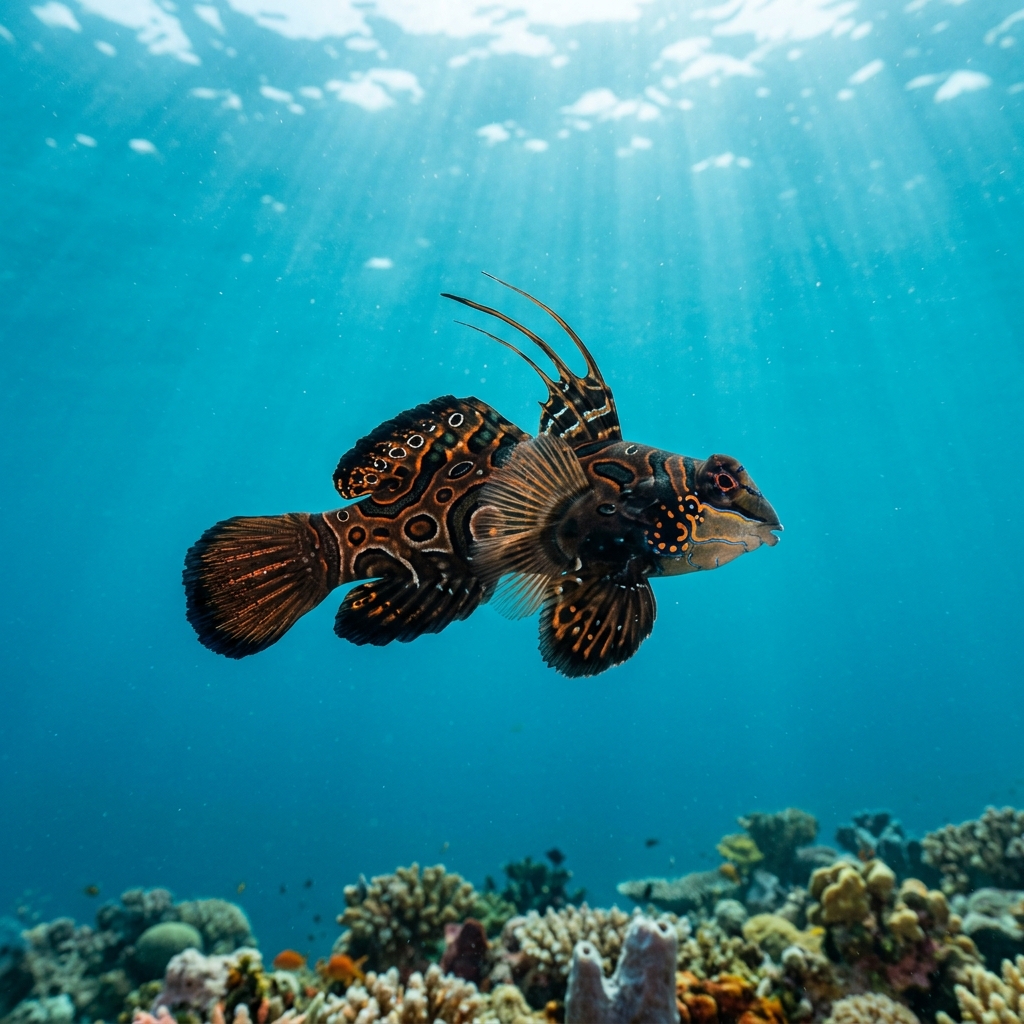
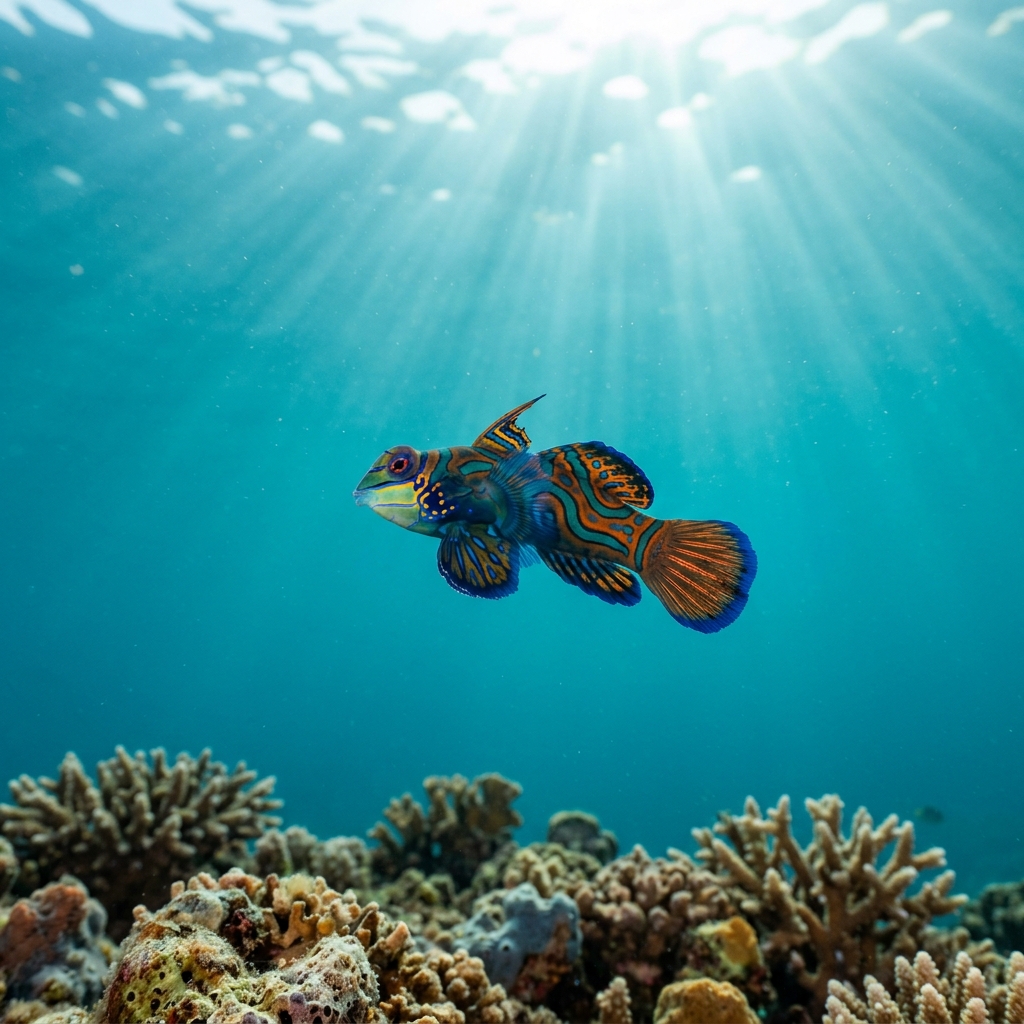
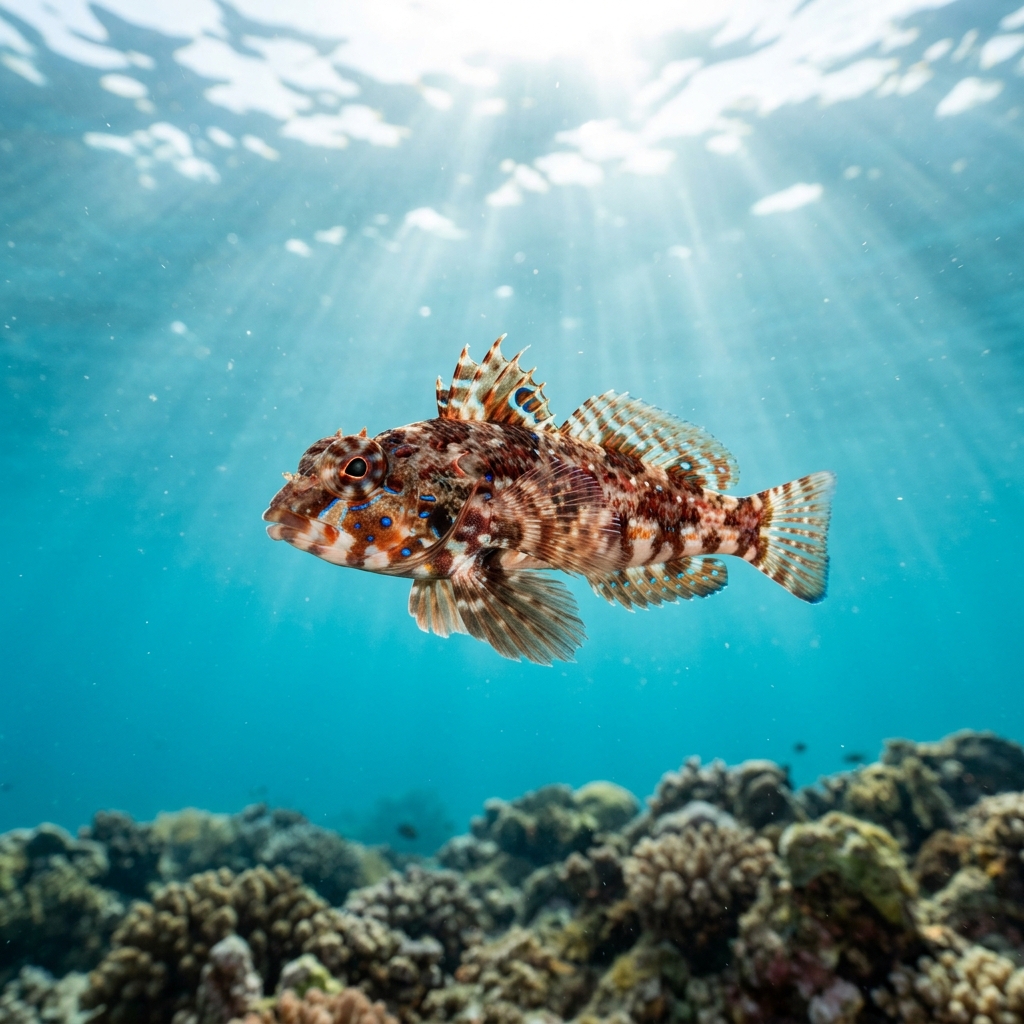
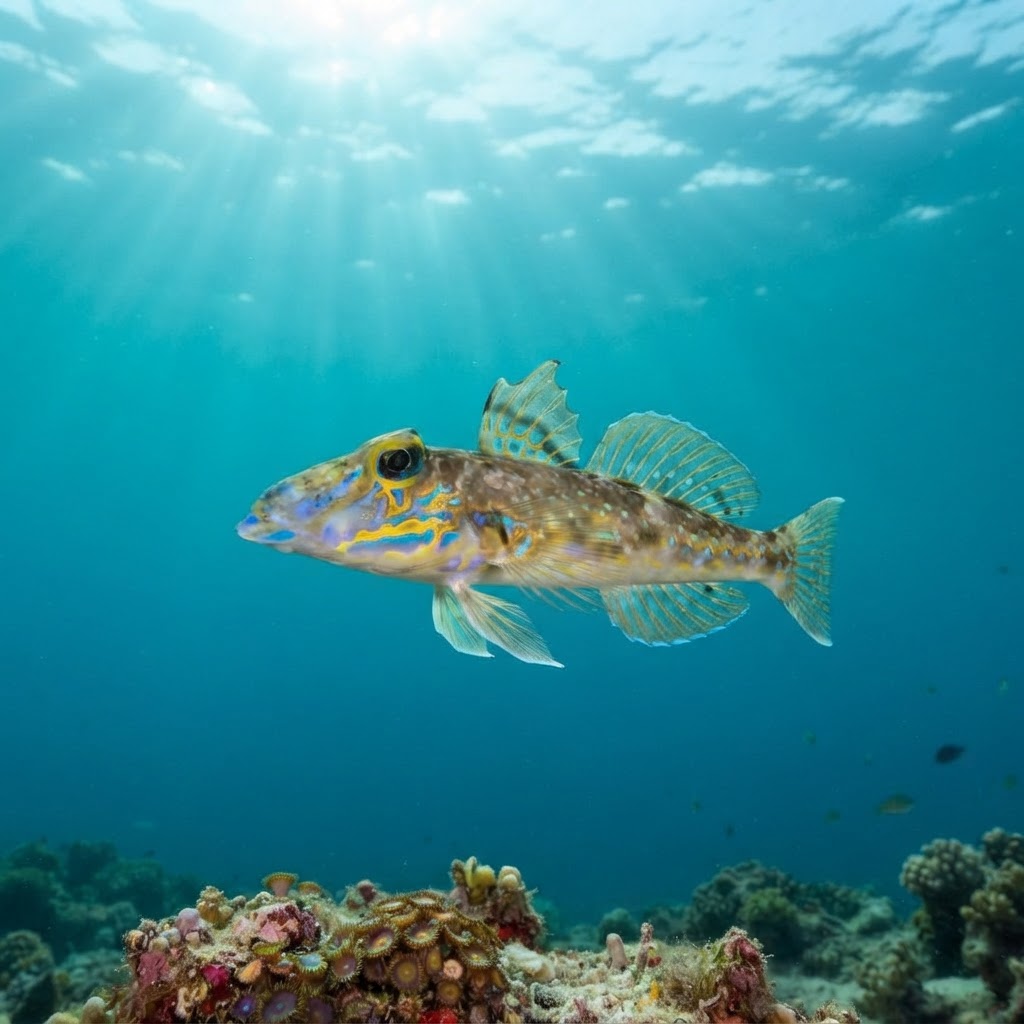
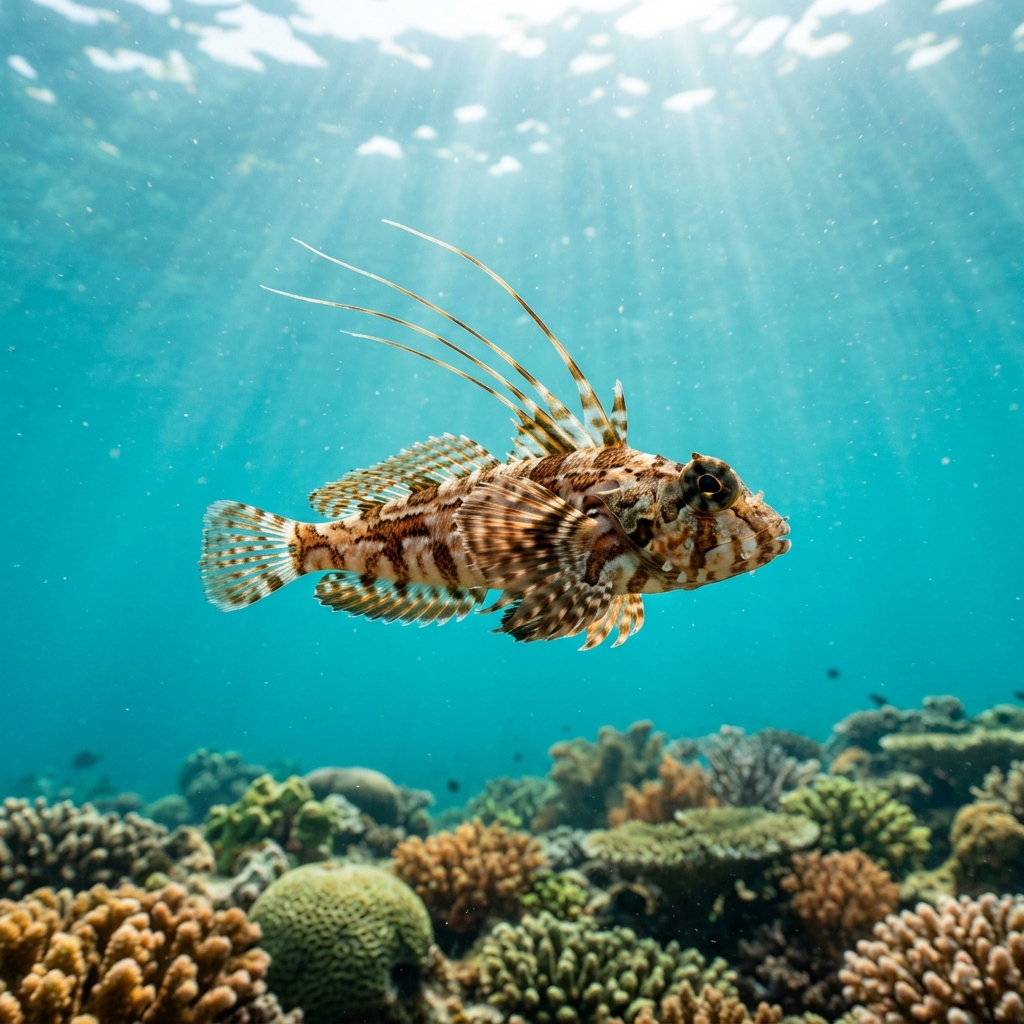
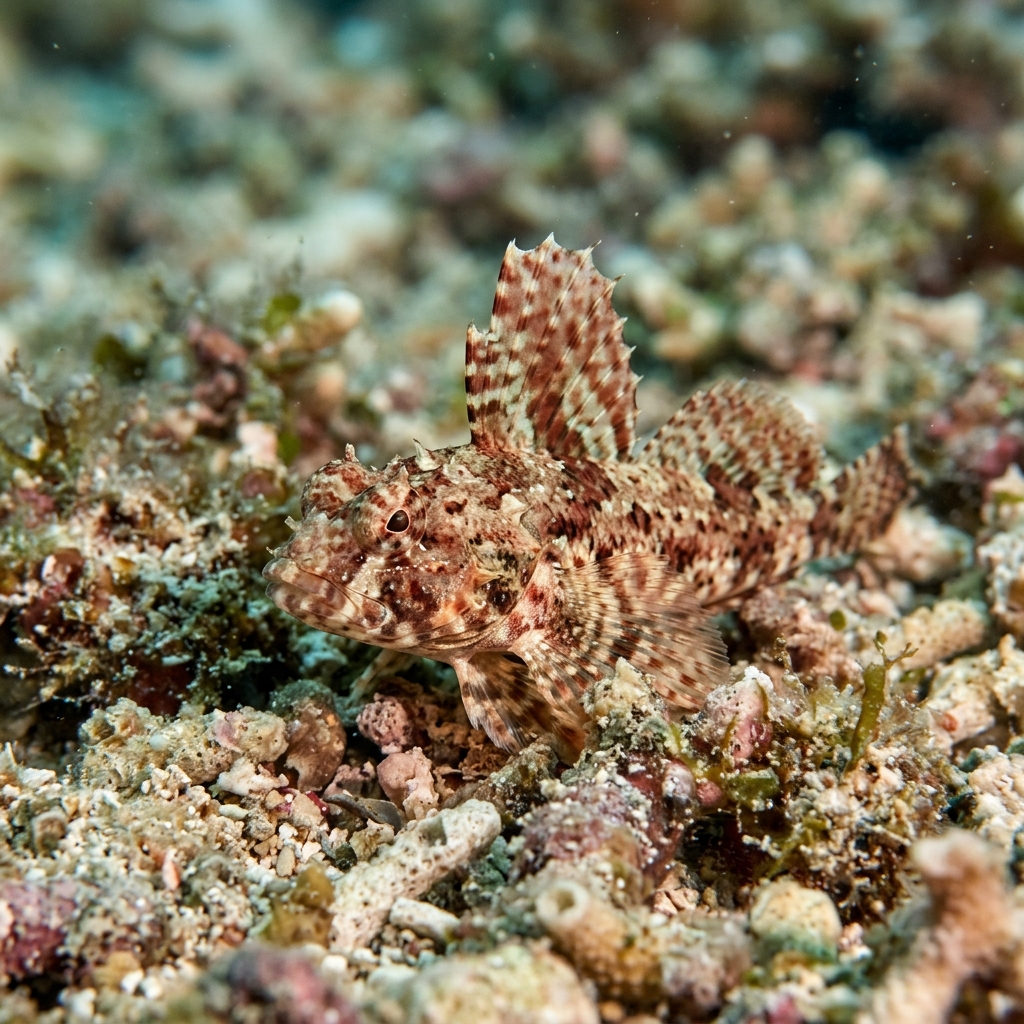
Small and bottom-hugging, Morrison's Dragonet belongs to a family famed for vivid, intricate patterning, and this species carries bold colours across a compact, flattened body. Like all dragonets, it perches rather than swims, propping itself on splayed pectoral fins (the broad, wing-like fins at the side of the body used for resting on the substrate). The ornate colour pattern distinguishes it from plain reef fish, though separating it from closely related dragonets in the field requires attention to the exact arrangement of markings rather than overall impression.
Like other dragonets, Morrison's Dragonet spends most of its time resting motionless on or very close to the reef, typically on rubble or mixed coral substrate. It tends to move in short, deliberate hops rather than sustained swimming, making it easy to overlook unless you slow down and search at low depth. Divers who approach gently and avoid sudden movements give themselves the best chance of a prolonged observation before it tucks away.
Dragonets in this family lack scales; instead they secrete a thick, foul-tasting mucus over their skin that deters predators, a trait thought to explain why they can afford to display such conspicuous colours.
There is not yet enough monthly sighting data to pin down a distinct season, so treat Morrison's Dragonet as a year-round possibility at its known sites. It occupies warm tropical water in the 27 to 29 °C range, temperatures that persist throughout the year across Fiji, the Philippines, and the Marshall Islands.
Reef neighbours a diver could mistake it for. Use the identification notes above to tell them apart.
Most sightings come from Fiji, with records spread across Kadavu, Viti Levu, and the Yasawa Islands, making it the most reliable destination for this species. The Visayas Central region of the Philippines accounts for the next cluster of records, and there is an additional sighting from Kwajalein Atoll in the Marshall Islands. All confirmed sites sit in the tropical Indo-Pacific, so this is a species to search for deliberately rather than stumble across.
Mapping where Morrison’s Dragonet is logged…
Fiji is the country with the most recorded sites, spanning Kadavu, Viti Levu, and the Yasawa Islands. The Visayas Central region of the Philippines is the next best option, with an additional record from Kwajalein Atoll in the Marshall Islands.
No clear seasonal peak has emerged from the data collected so far. The species inhabits warm tropical water around 27 to 29 °C, which is present year-round at all its known sites, so any time of year is worth trying.
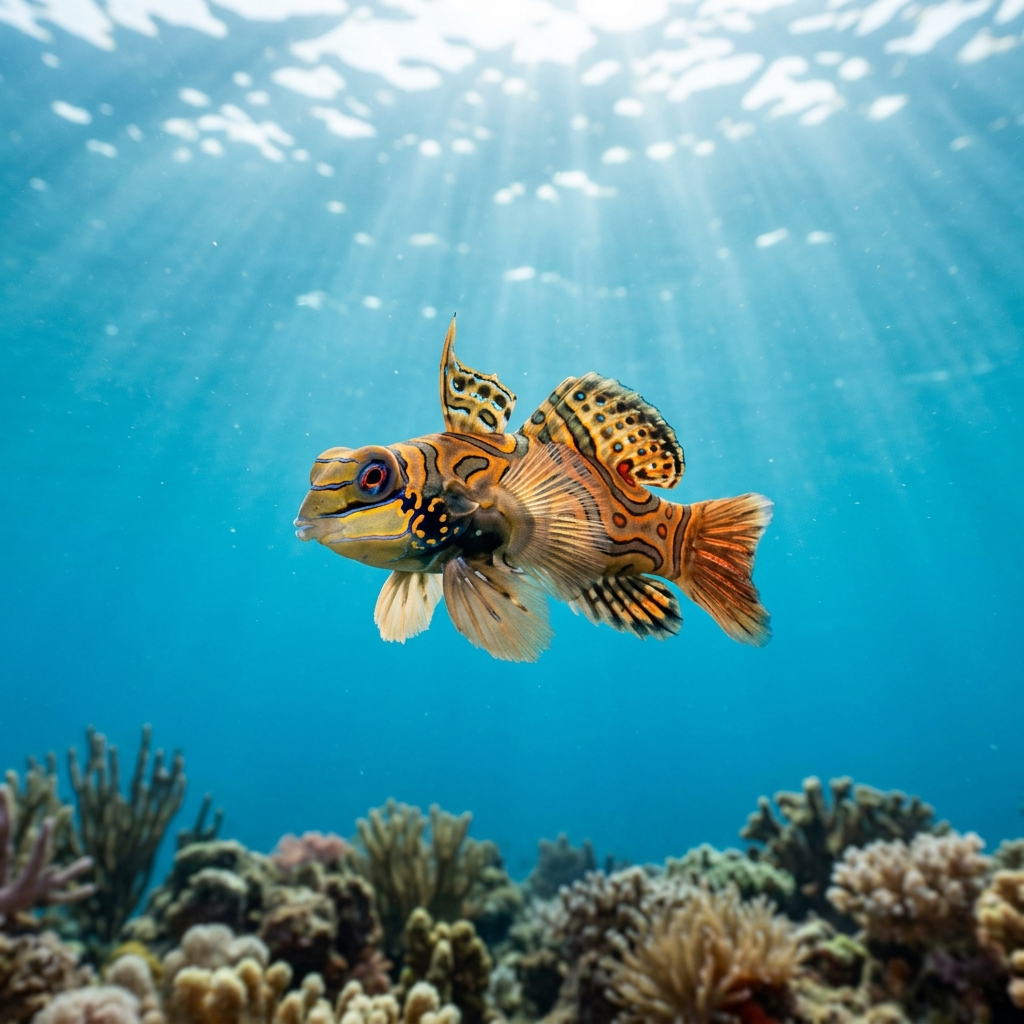
Look for a small, flattened fish resting on the reef on splayed pectoral fins, with vivid, intricate colour patterning. The challenge is distinguishing it from similar dragonets: Mandarinfish share the ornate colour approach but are typically more psychedelic blue-green, while Black-orange and Starry Dragonets require close attention to spot differences in markings and fin patterns.
It is a rare find. Diver records classify it as rare at half its known sites and uncommon at the rest, and it has only been logged at a handful of locations across the Pacific. Slow, patient searching on mixed rubble and coral reef gives you the best odds.
No. Morrison's Dragonet poses no threat to divers. It is a small, shy bottom-dweller that is far more likely to retreat from you than to hold its ground.
Site and sighting data is aggregated from diver logs, iNaturalist and GBIF. For taxonomy and conservation status:
Starry Dragonet
66 sites