Kyonemichthys rumengani
One of the hardest pipefish to spot, Thread Pipefish hides across Western Visayas and Sulawesi reefs in warm 27-29°C water. Here's how to find one.
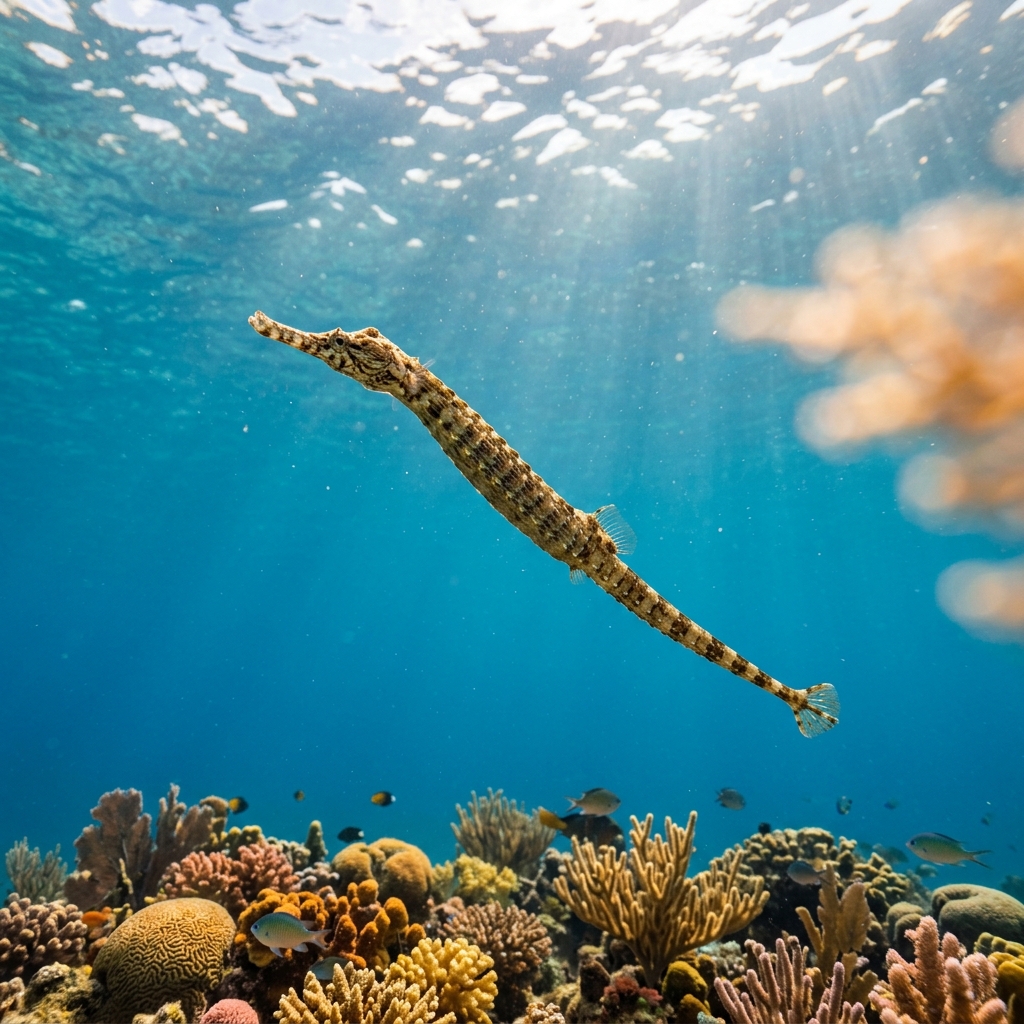
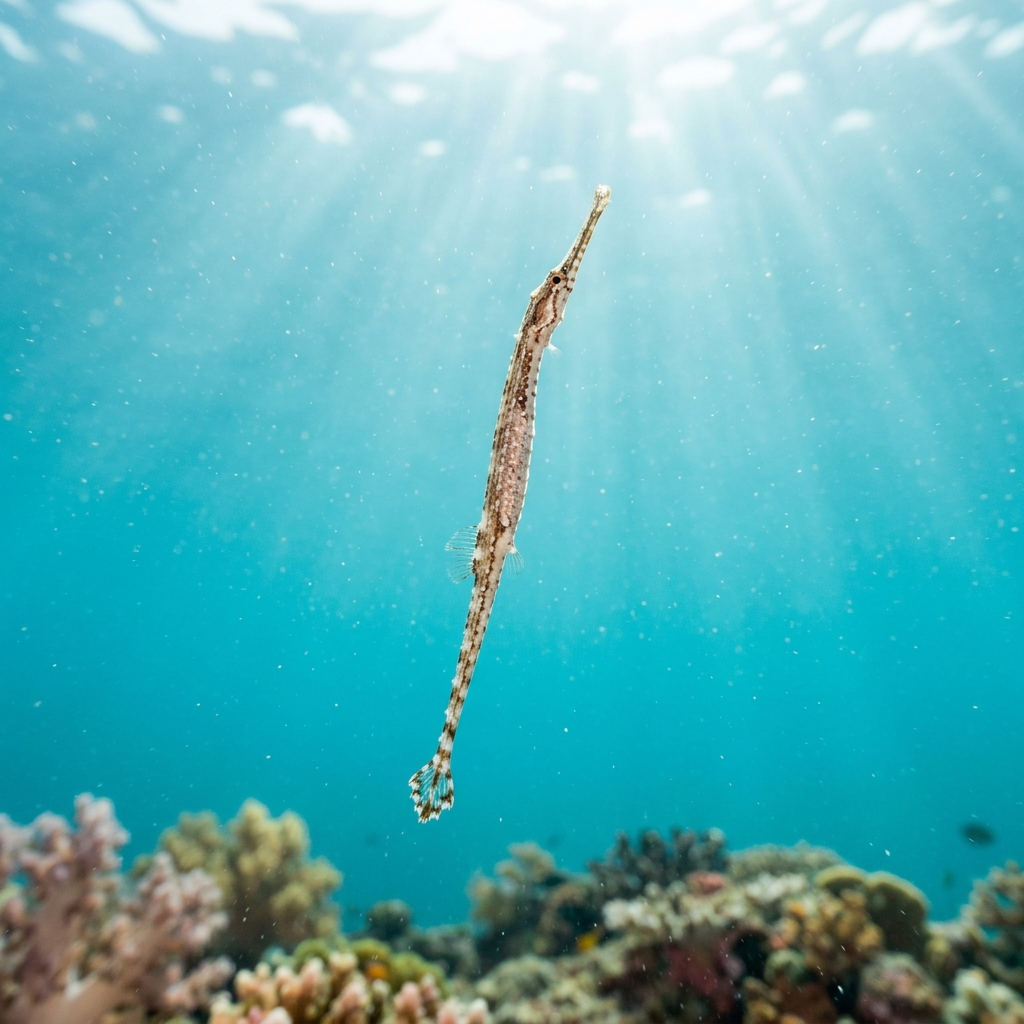
Absurdly thin and elongated even by pipefish standards, this species looks almost like a filament drifting among coral branches or algae. Its body is pale to translucent with subtle banding, and the snout is long and pipette-like. The key underwater cue is sheer thread-like thinness combined with an almost motionless, vertical or diagonal posture as it grips a holdfast. Size details remain poorly documented in the wild, so look for something almost impossibly slender rather than a particular length.
Divers almost always encounter Thread Pipefish motionless and anchored to a coral branch, feathery hydroid, or algal tuft, blending in with remarkable effectiveness. It tends to ignore divers who move slowly, but any sudden approach usually prompts a subtle shuffle to the far side of whatever it is clinging to. Sightings are almost entirely down to sharp-eyed guides or macro photographers scanning thin, filamentous structures very carefully.
Like all syngnathids (the family that includes seahorses and pipefish), it is the male that carries and broods the eggs, often in a pouch or along a specialised section of the underside, making paternal care the rule rather than the exception.
There is not enough monthly sighting data to identify a peak season, so it is treated as a year-round resident. Observed water temperatures run from roughly 27 to 29°C, consistent with the warm, stable tropical reefs where it is found.
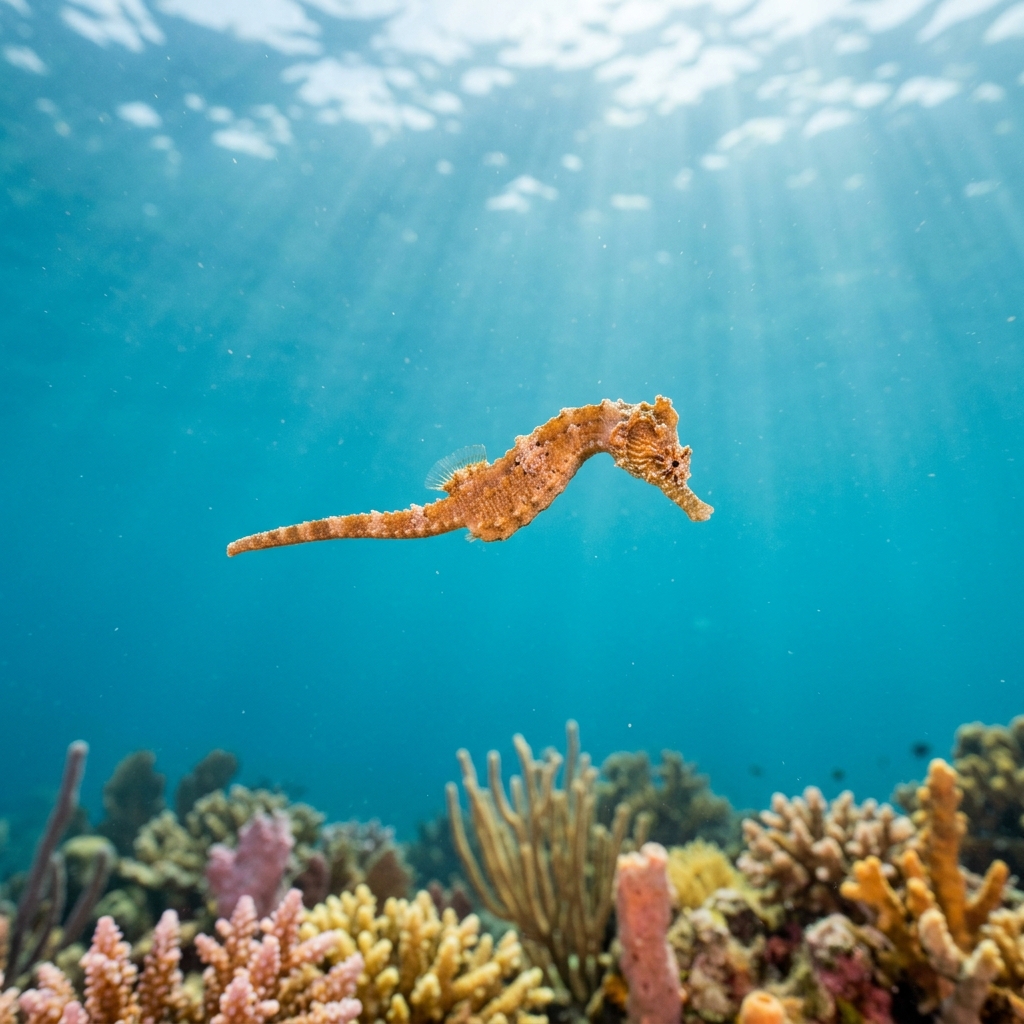
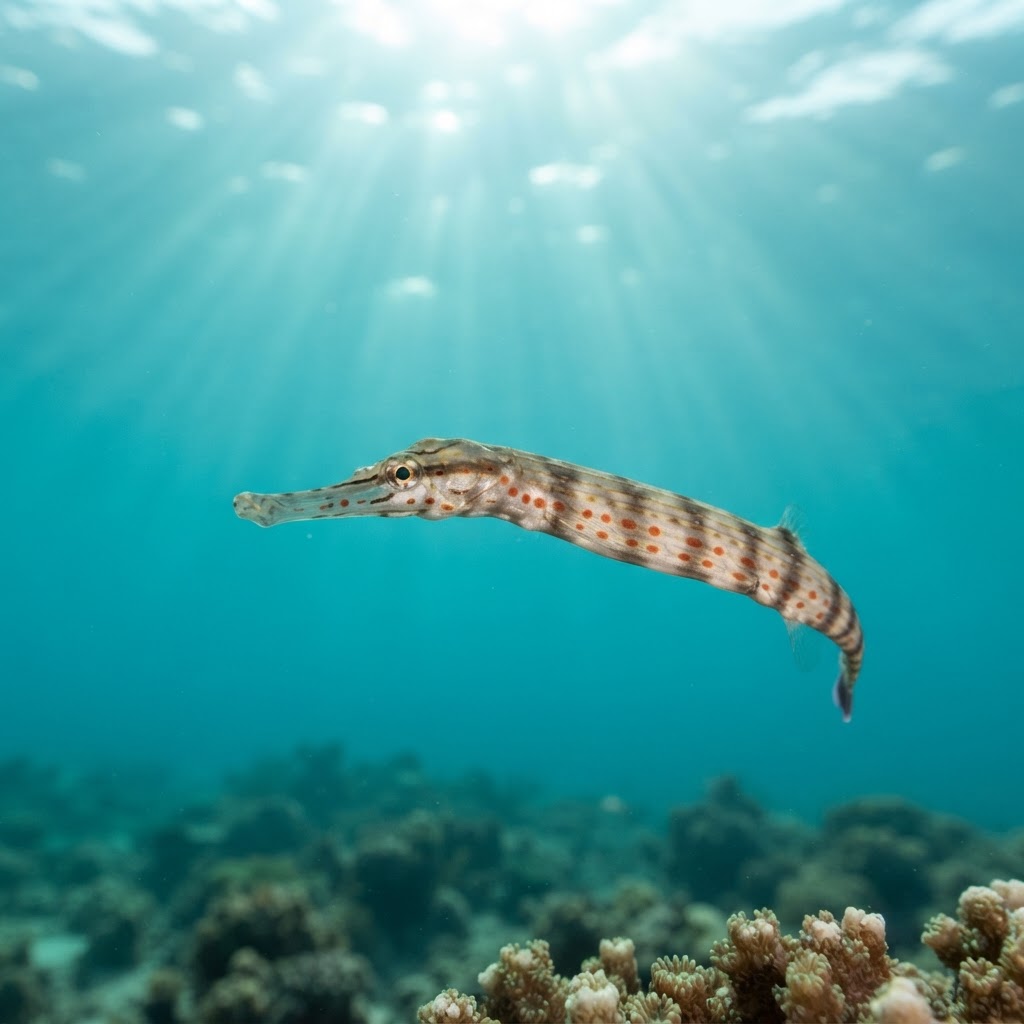
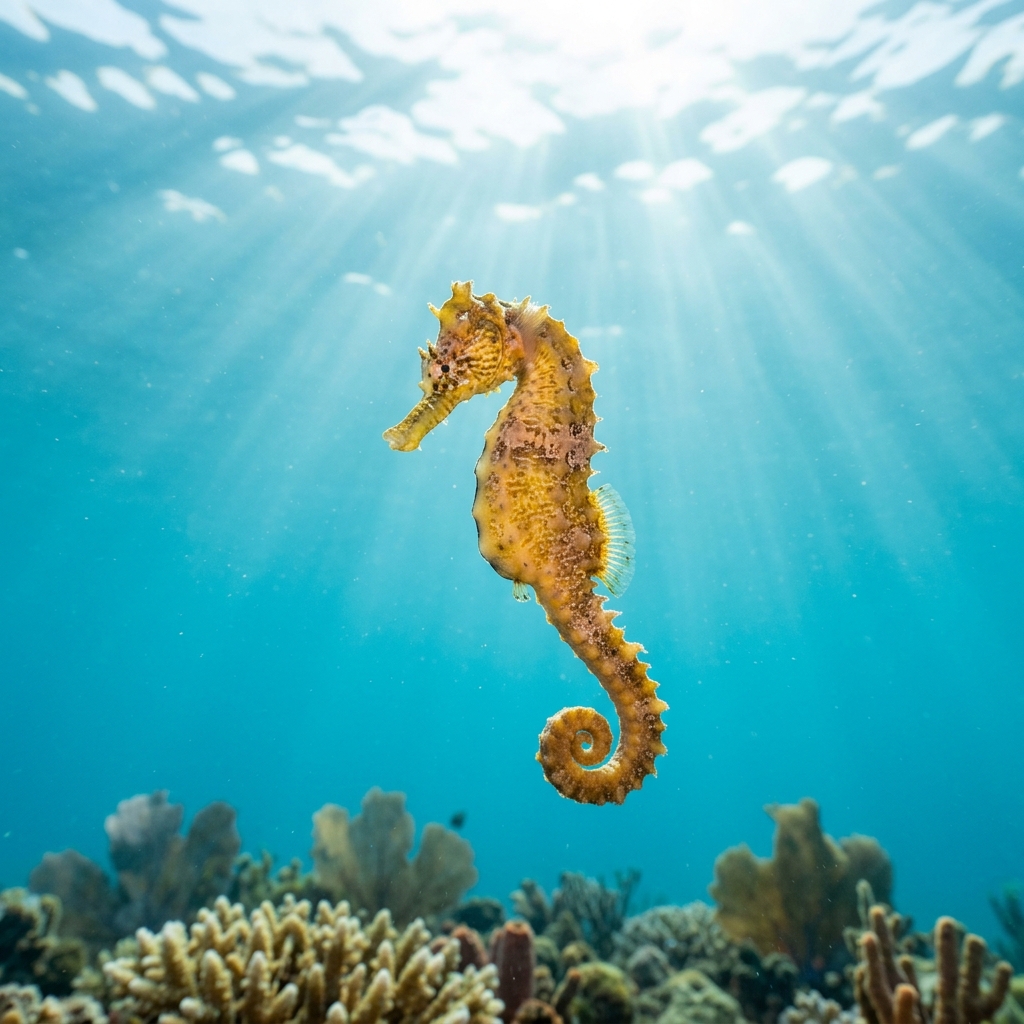
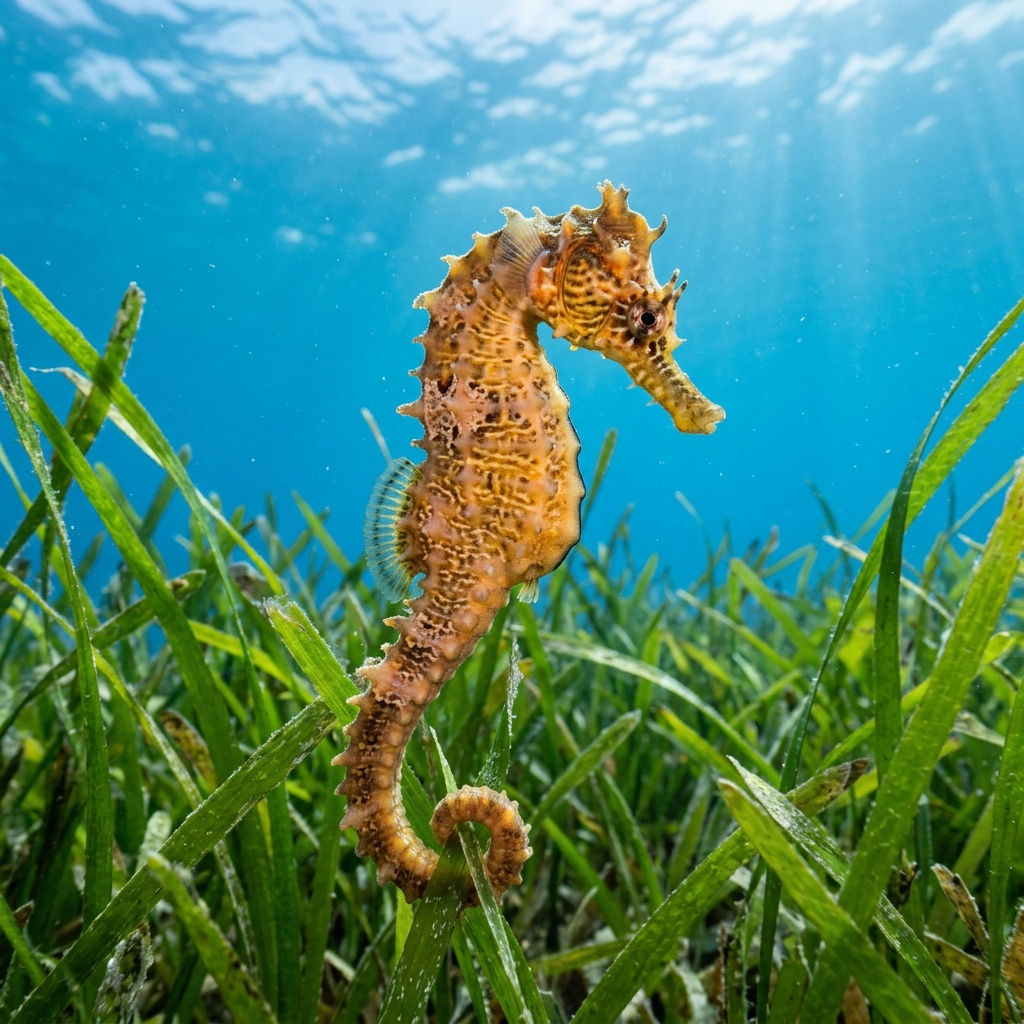
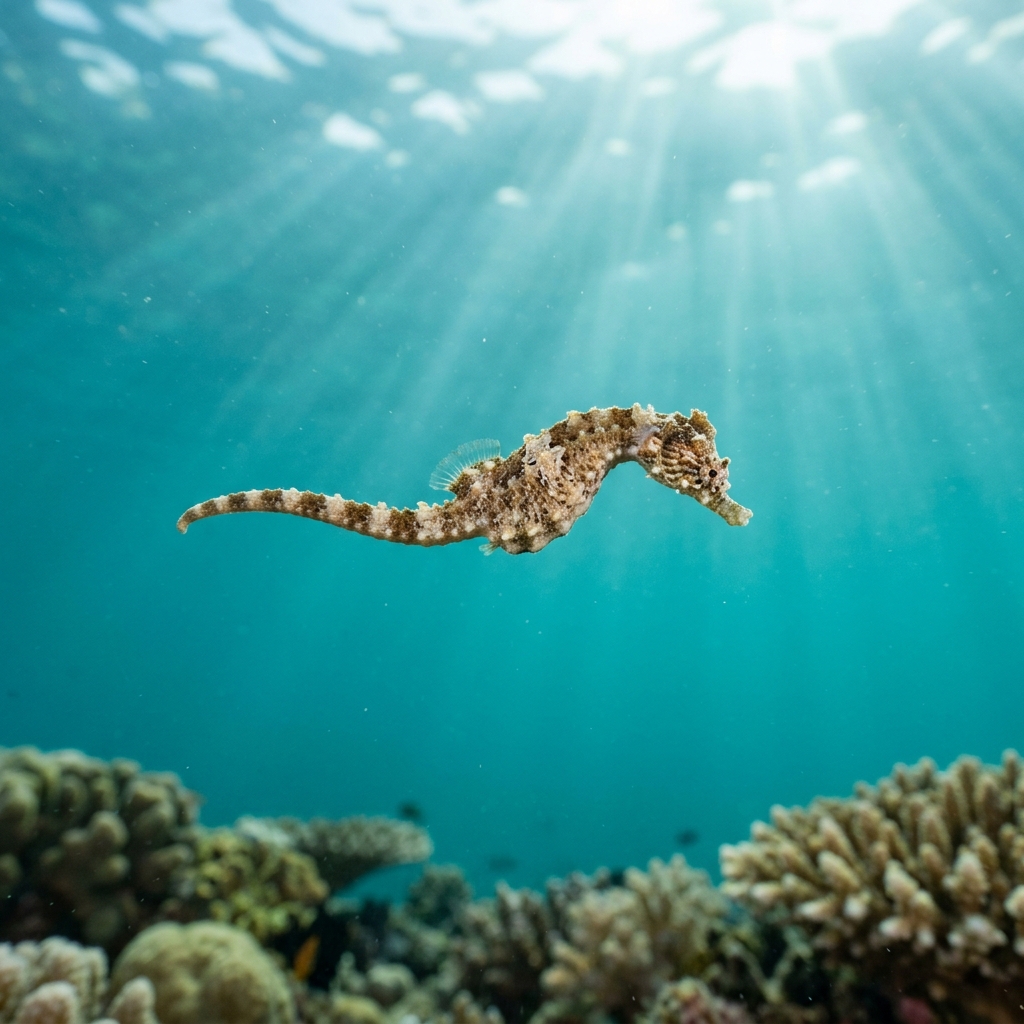
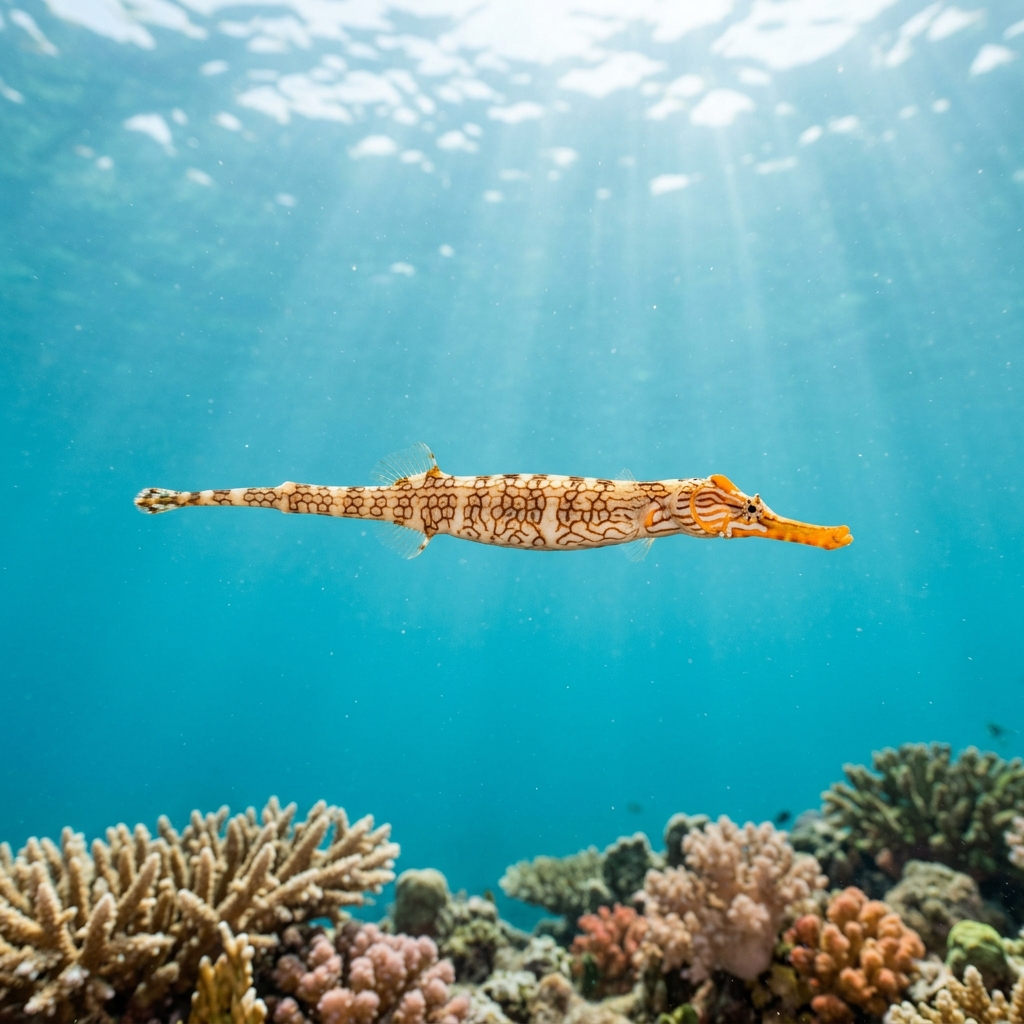
Reef neighbours a diver could mistake it for. Use the identification notes above to tell them apart.
Almost all logged sightings come from the Philippines, with Western Visayas, particularly the reefs around Panay and Negros, accounting for the overwhelming majority of records. A secondary cluster sits in Sulawesi, Indonesia, where sightings have been noted across several sites. If you want a realistic shot at finding one, focus your search in Western Visayas first.
Mapping where Thread Pipefish is logged…
The Philippines is by far the best place to look, with Western Visayas holding the strongest concentration of sightings. Sulawesi in Indonesia is a secondary hotspot. Outside these two countries, logged records are essentially nonexistent, so plan your trip accordingly.
Focus on extreme thinness. Even among pipefish it looks almost impossibly thread-like, typically hovering in a vertical or diagonal posture against corals or hydroids. Its pale, subtly banded body and long snout help confirm the ID, but sheer slenderness is the first and strongest cue.
Precise size data for this species in the wild is not well established. In the water it registers as extremely small and thread-thin, which is a more reliable field cue than any quoted measurement. Treat it as a micro macro subject and search accordingly.
There is no defined seasonal peak in the available sighting data. The species lives on warm tropical reefs where water temperatures stay around 27 to 29°C year-round, so any time of year gives you a theoretical chance. Finding one is more about where you dive and how carefully you search than which month you travel.
Very rare. At the majority of sites where it has been recorded, divers log it only occasionally, and at many sites it has been seen just a handful of times. A knowledgeable local guide with a good eye for micro life gives you the best odds of finding one.
Site and sighting data is aggregated from diver logs, iNaturalist and GBIF. For taxonomy and conservation status:
Seahorse
1,346 sites