Bathygobius krefftii
A small, sandy-bottomed goby logged mostly across Western Australia and New South Wales in 18-24°C water, year-round.
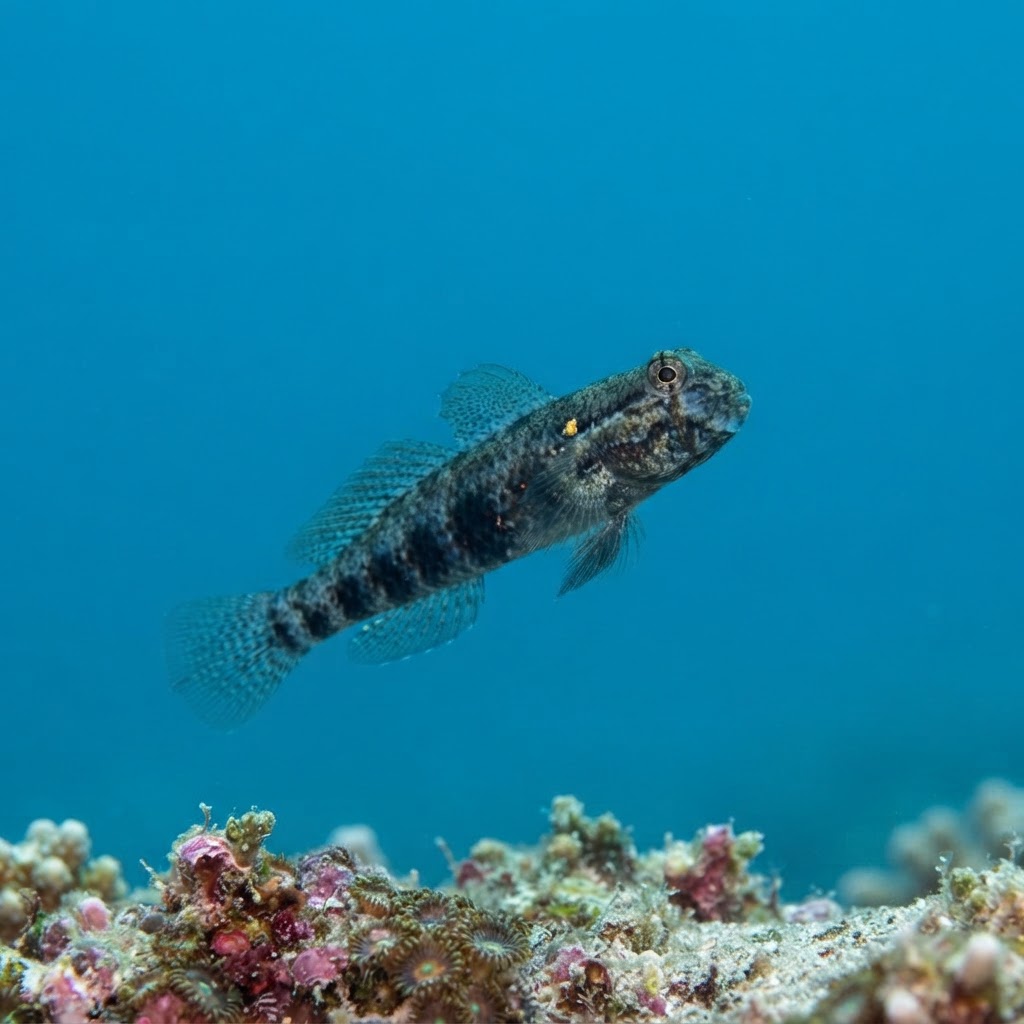
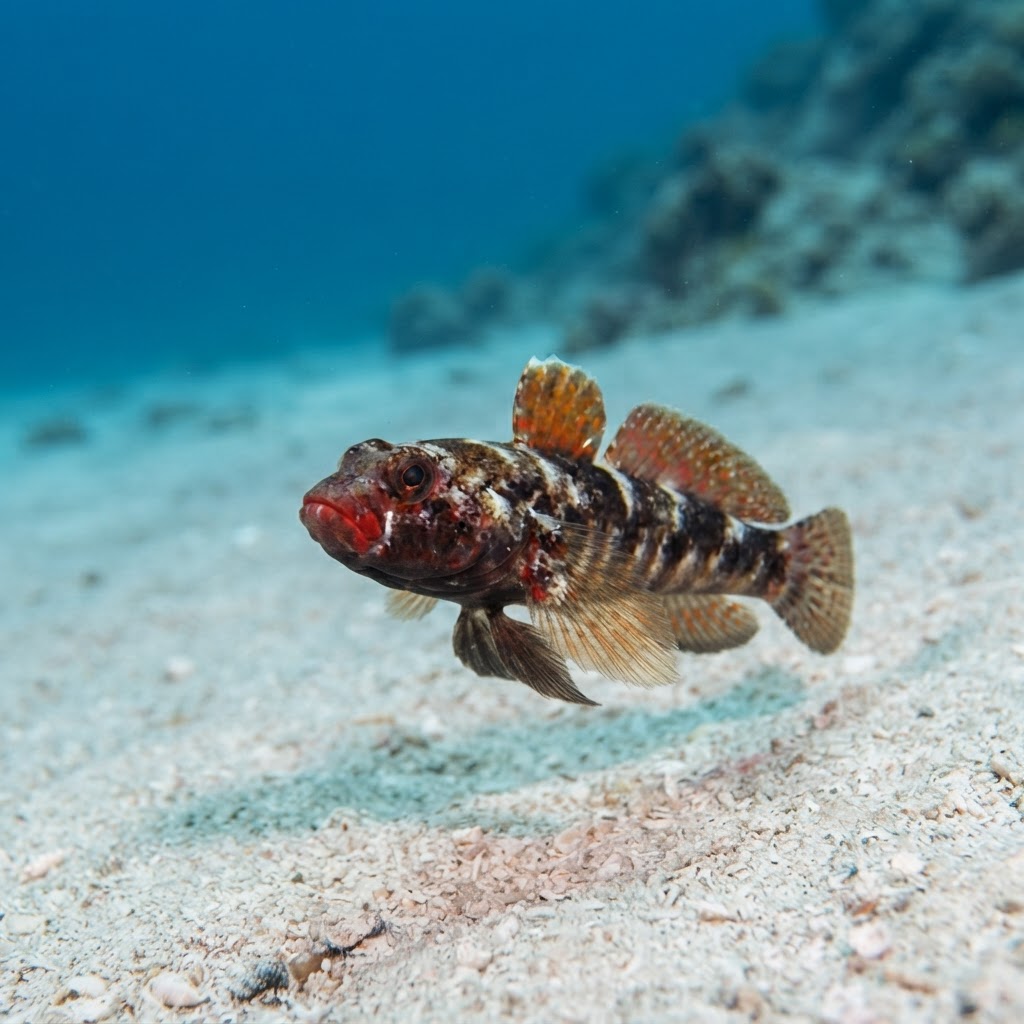
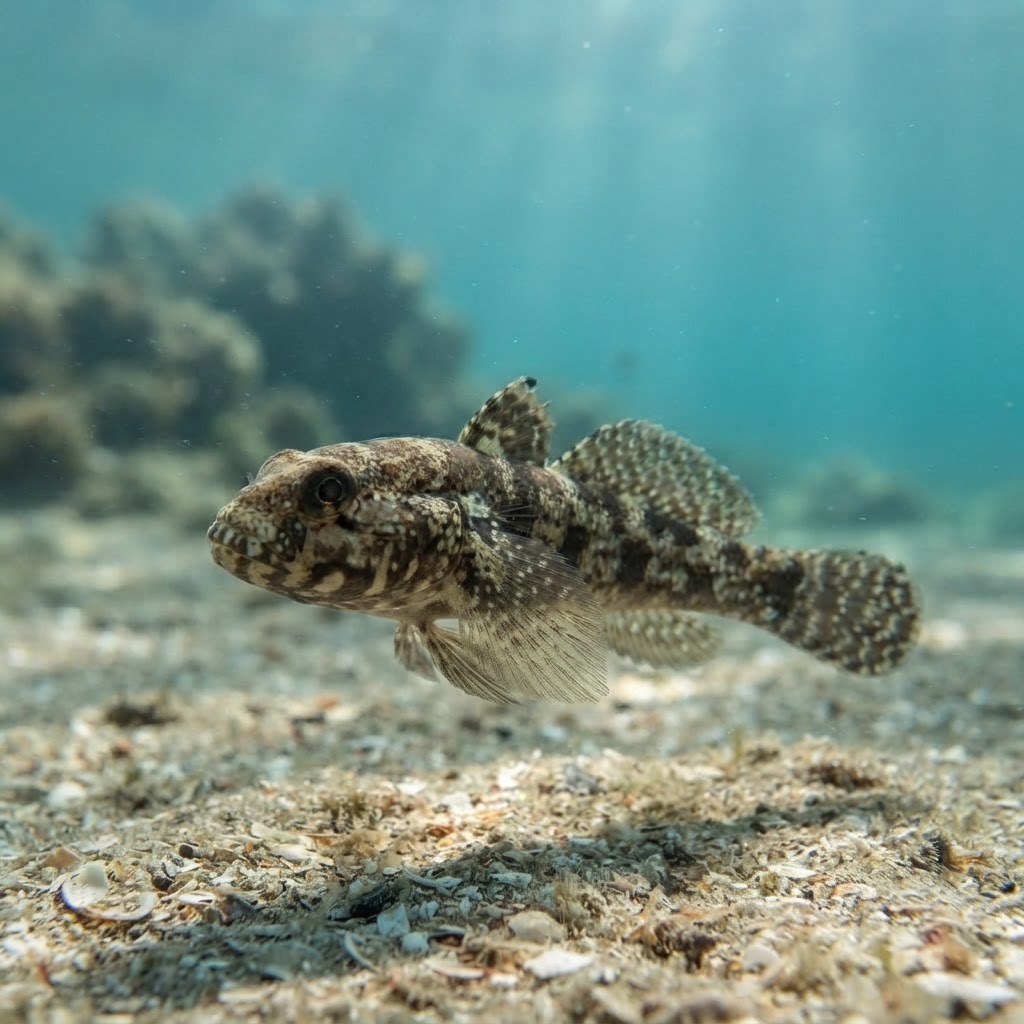
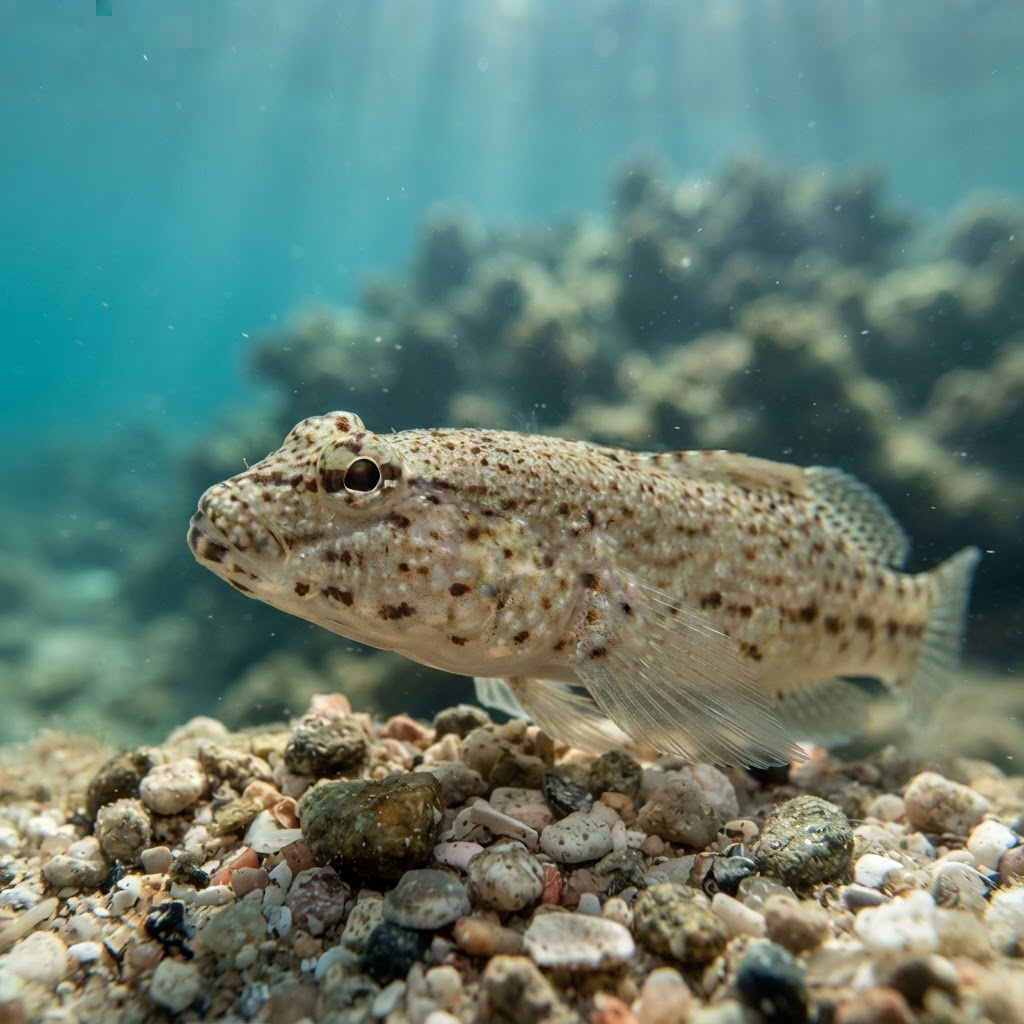
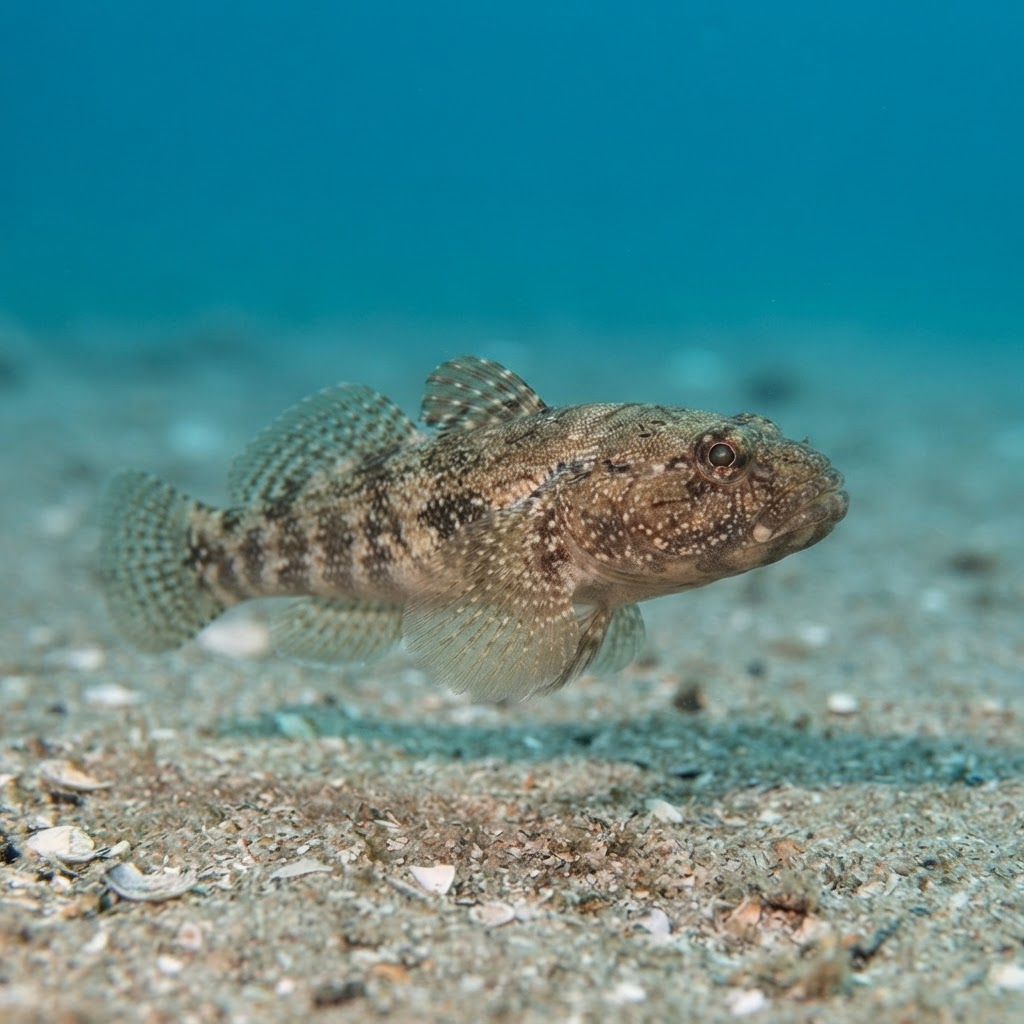
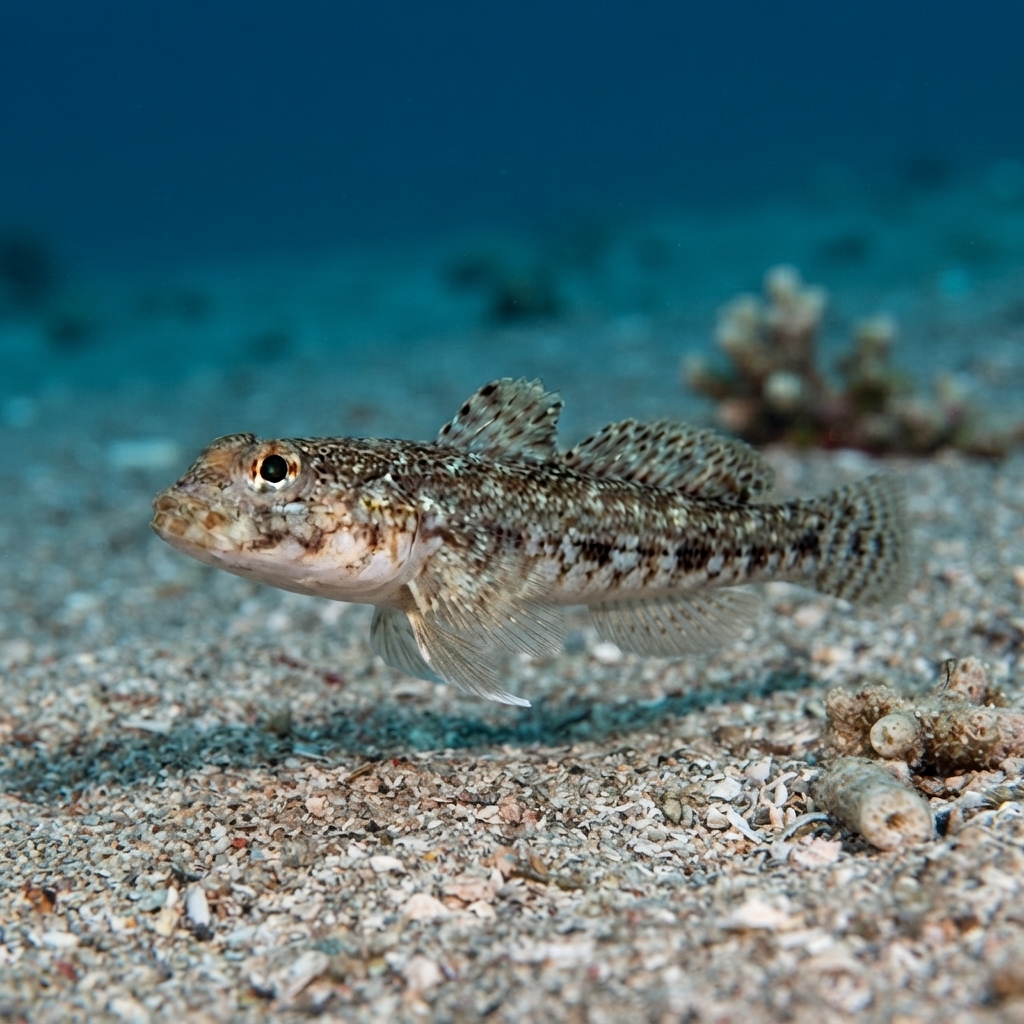
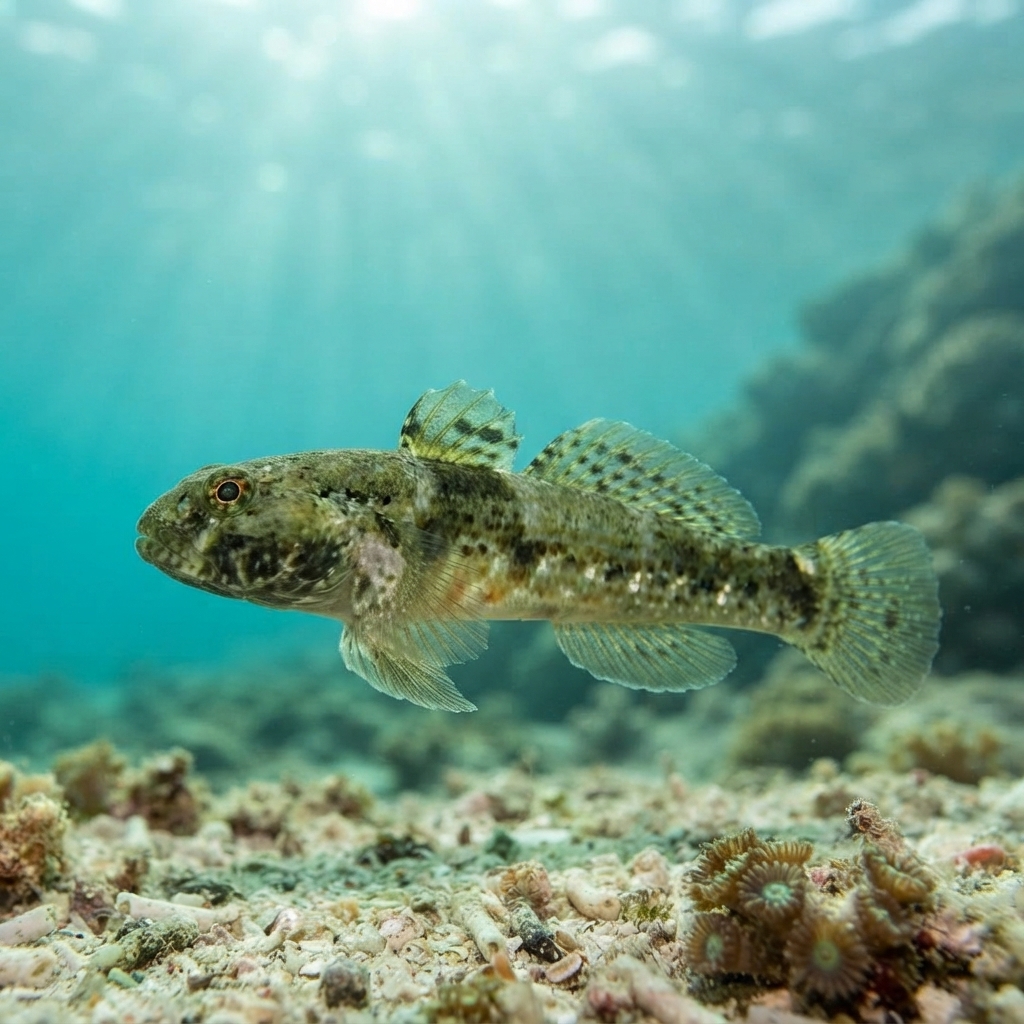
A small, thickset bottom-dweller reaching around 8 cm, with a mottled brown to grey body that blends closely with sand and rubble. Look for the typical goby posture: propped on its fused pelvic fins, head slightly raised, watching rather than swimming. The body pattern is blotchy rather than banded or spotted, which helps separate it from more strikingly marked reef gobies.
Divers typically find it sitting still on sand, rubble or low reef, relying on camouflage rather than fleeing when approached. It is usually spotted alone or loosely spaced from others of its kind, holding position close to the substrate rather than hovering. Most logs describe it as uncommon, so it takes a slow, close look at the bottom rather than a passing glance to pick one out.
Like other gobies, it almost certainly lacks a swim bladder, which is why it rests propped on the bottom instead of hovering in midwater like most reef fish.
Sightings show no clear seasonal pattern, and the recorded temperature range of 17.7 to 23.7°C spans cooler and mild conditions typical of southern Australian waters most of the year, so it is worth looking for on any dive in the right habitat.
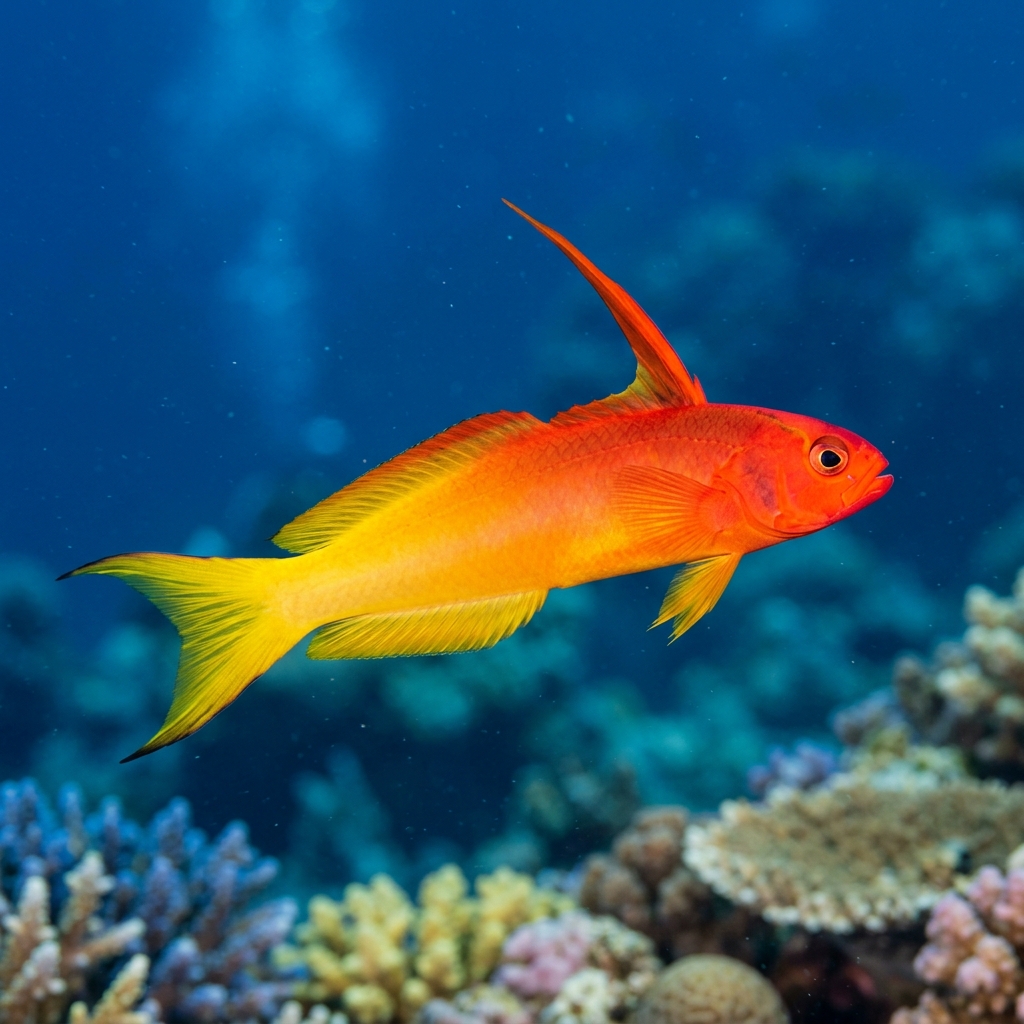
Reef neighbours a diver could mistake it for. Use the identification notes above to tell them apart.
Logged consistently across temperate Australian sites, with the strongest showing in Western Australia and a solid second cluster in New South Wales. It has not yet turned up outside Australia in diver records, making it a distinctly local target for anyone diving these coasts.
Mapping where Krefft's Goby is logged…
It is currently only logged by divers in Australia, most often in Western Australia and New South Wales. Look for it resting on sand or rubble patches near reef structure rather than out in open water.
There is no strong seasonal pattern in the sightings, and it turns up across a temperature range of roughly 17.7 to 23.7°C, so it is reasonable to look for it on any dive in its Australian range rather than planning around a particular month.
It is a small, mottled brown-grey fish around 8 cm long that sits propped on the bottom on its fused pelvic fins rather than swimming freely. Its blotchy, camouflaged pattern and stationary habit on sand or rubble are the main giveaways.
Fully grown individuals reach around 8 cm, making it a small fish best spotted with a slow, close scan of the substrate rather than looked for at a distance.
No, it poses no danger to divers. It is a small, sedentary bottom-dweller that relies on staying still and blending in rather than any defensive behaviour.
Site and sighting data is aggregated from diver logs, iNaturalist and GBIF. For taxonomy and conservation status:
Slender Goby
806 sites