Thalassoma jansenii
Small, quick-moving wrasse logged from the Visayas to Bali and Khao Lak, comfortable year-round in warm 24-29C reef water.
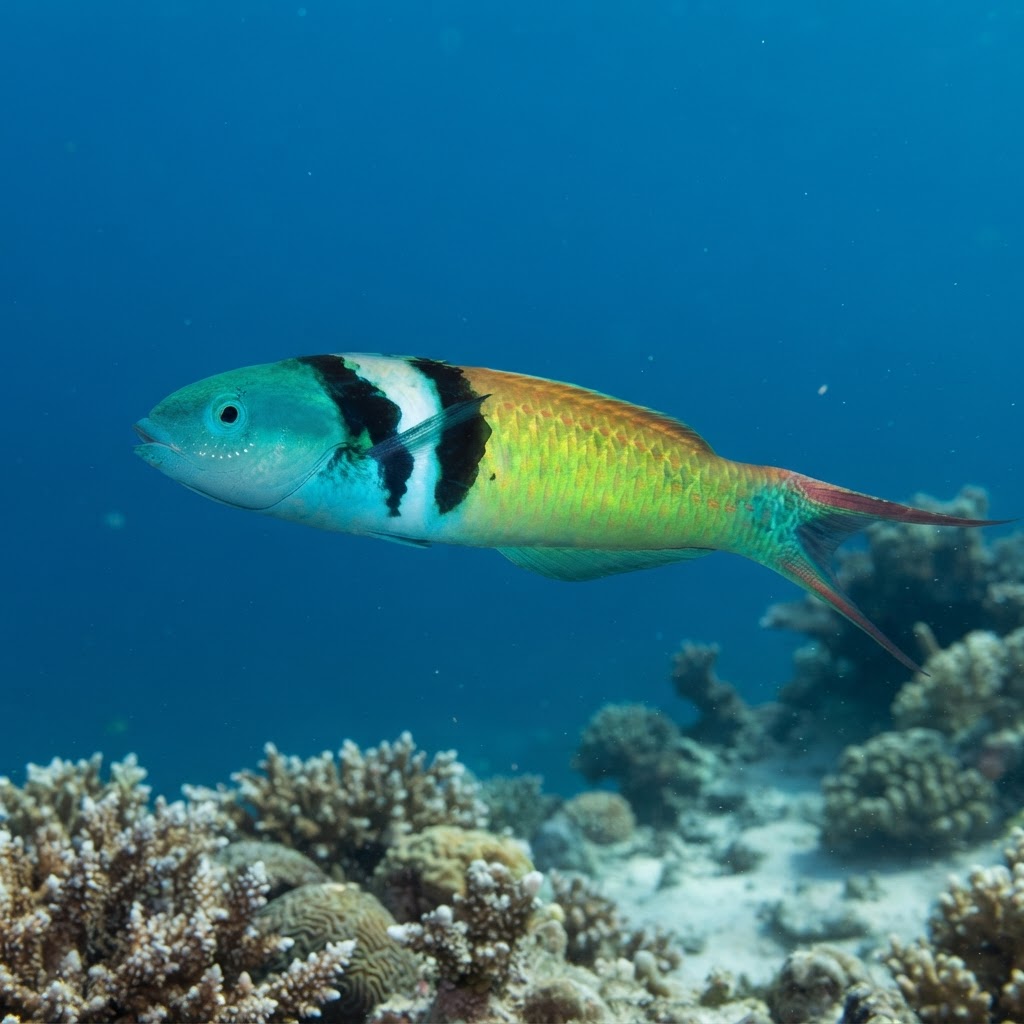
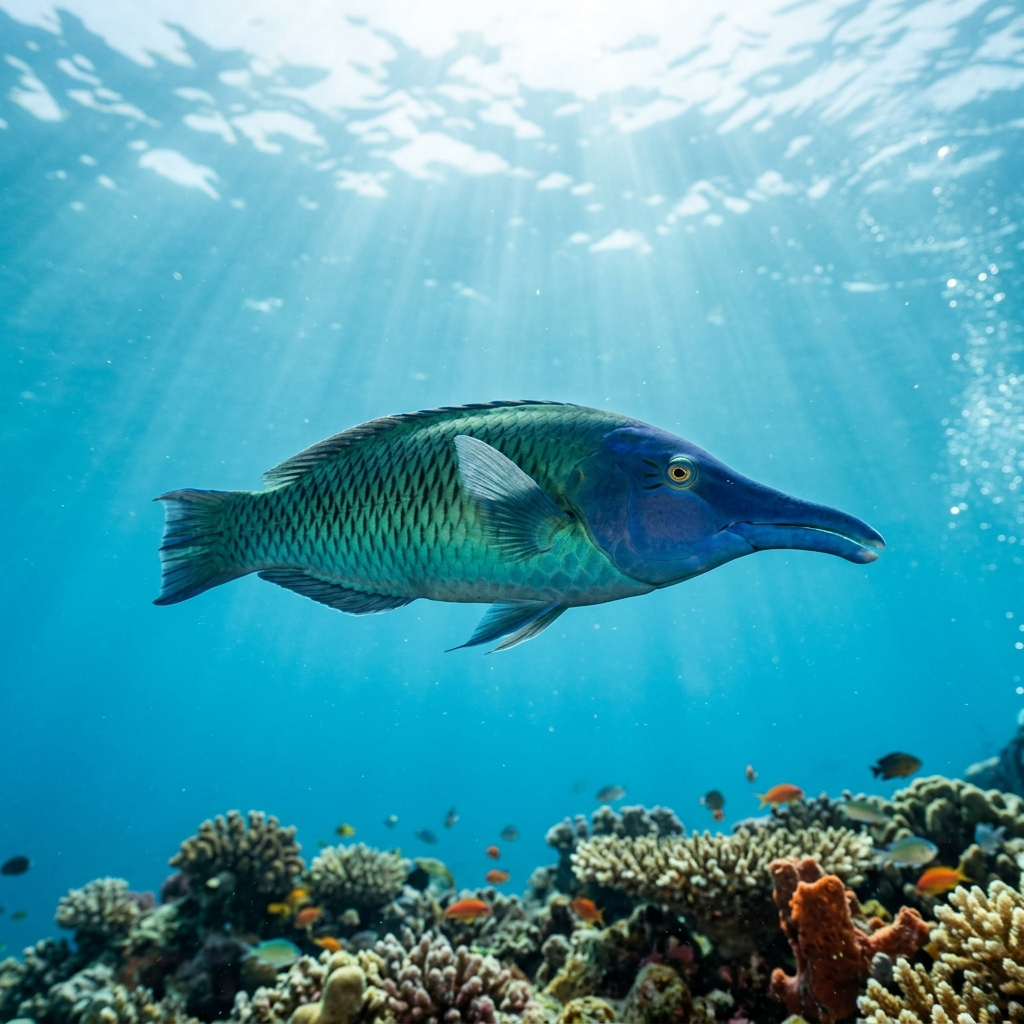
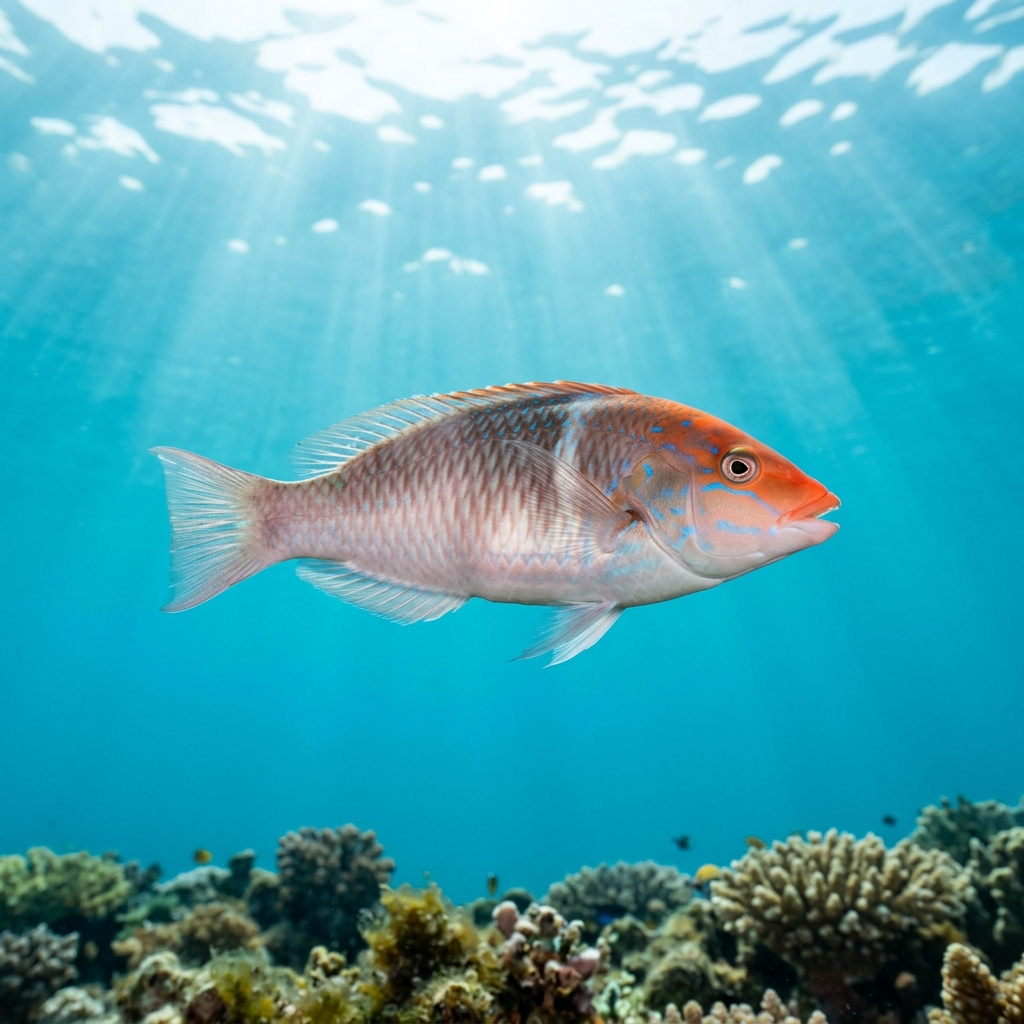
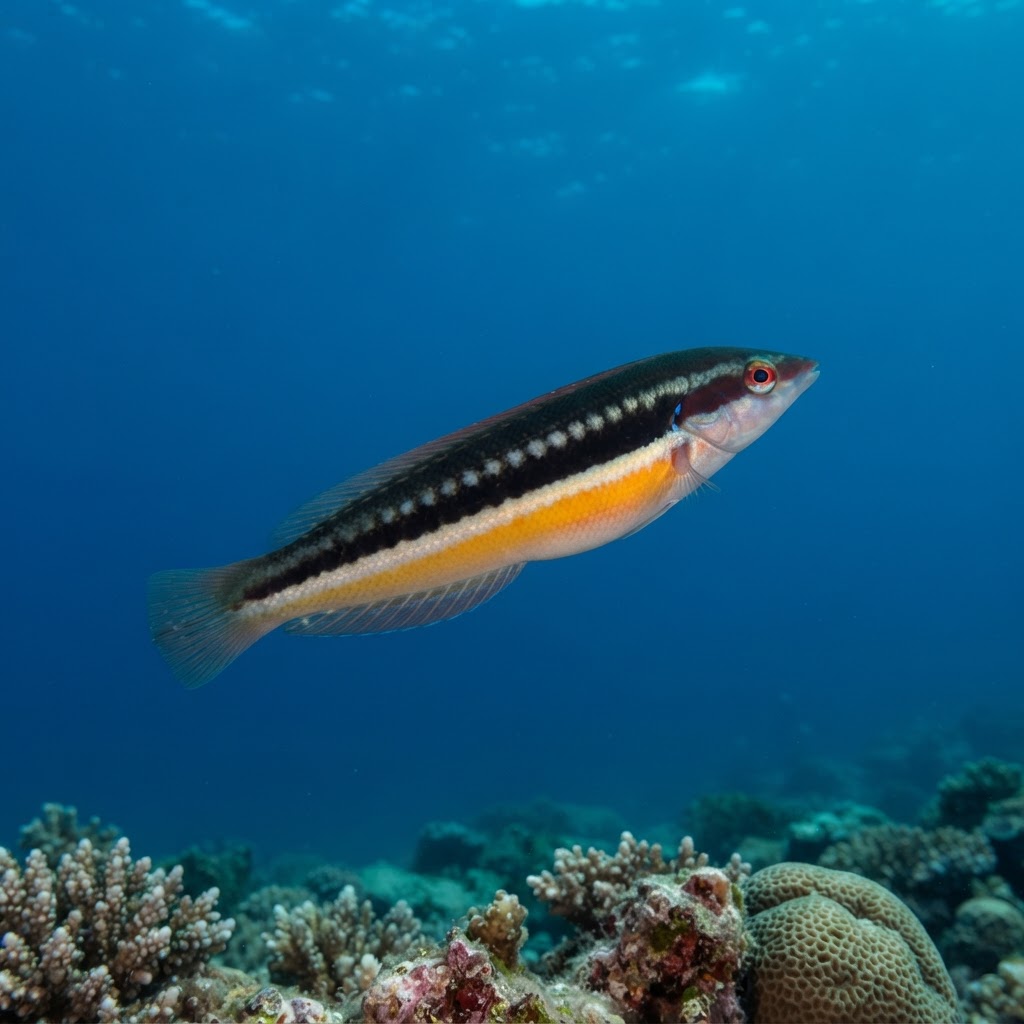
A slender, torpedo-shaped wrasse that tops out around 14 cm, usually seen darting low over reef structure rather than hovering. Look for a greenish to pale body with fine blue streaking through the fins and face, and a blunt, slightly pointed snout typical of the genus. It moves in quick bursts using its pectoral fins, pausing to inspect crevices rather than swimming in a steady glide.
Divers most often spot it picking over rubble and low reef structure in shallow water, generally within the top 15 metres where light is strongest. It tends to keep moving, weaving between coral heads and crevices as it hunts small invertebrates, and it is not shy but also not one to approach divers closely. Most logs describe single fish rather than groups, so a sighting is often a quick, close pass rather than a lingering encounter.
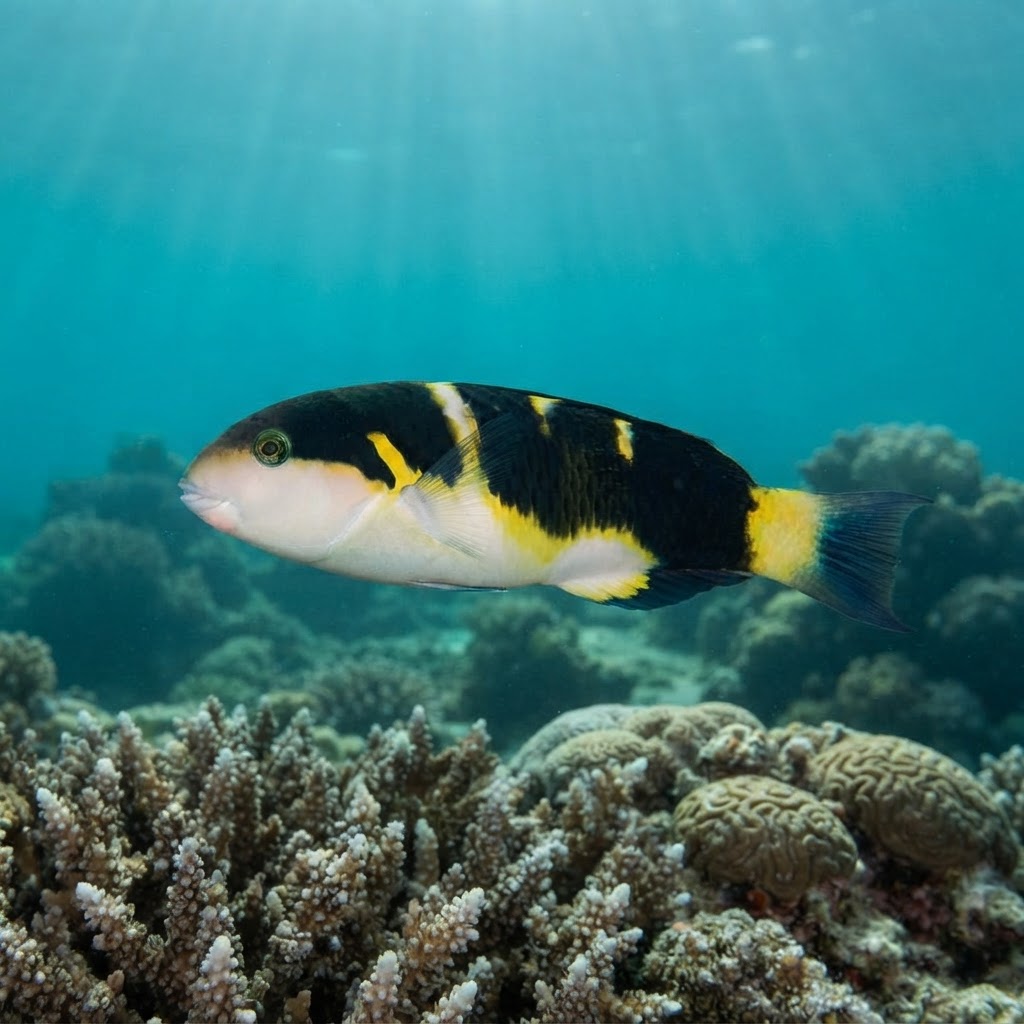
Like other Thalassoma wrasses, it likely changes colour and even sex as it matures, a trait common across the genus that means the fish you see on one dive may look noticeably different from the same individual a year later.
There's no clear seasonal pattern in the sightings, and with a comfortable range of roughly 23.6 to 29.3C it stays active on tropical reefs throughout the year. Plan around calm, clear conditions at your chosen site rather than a particular month.
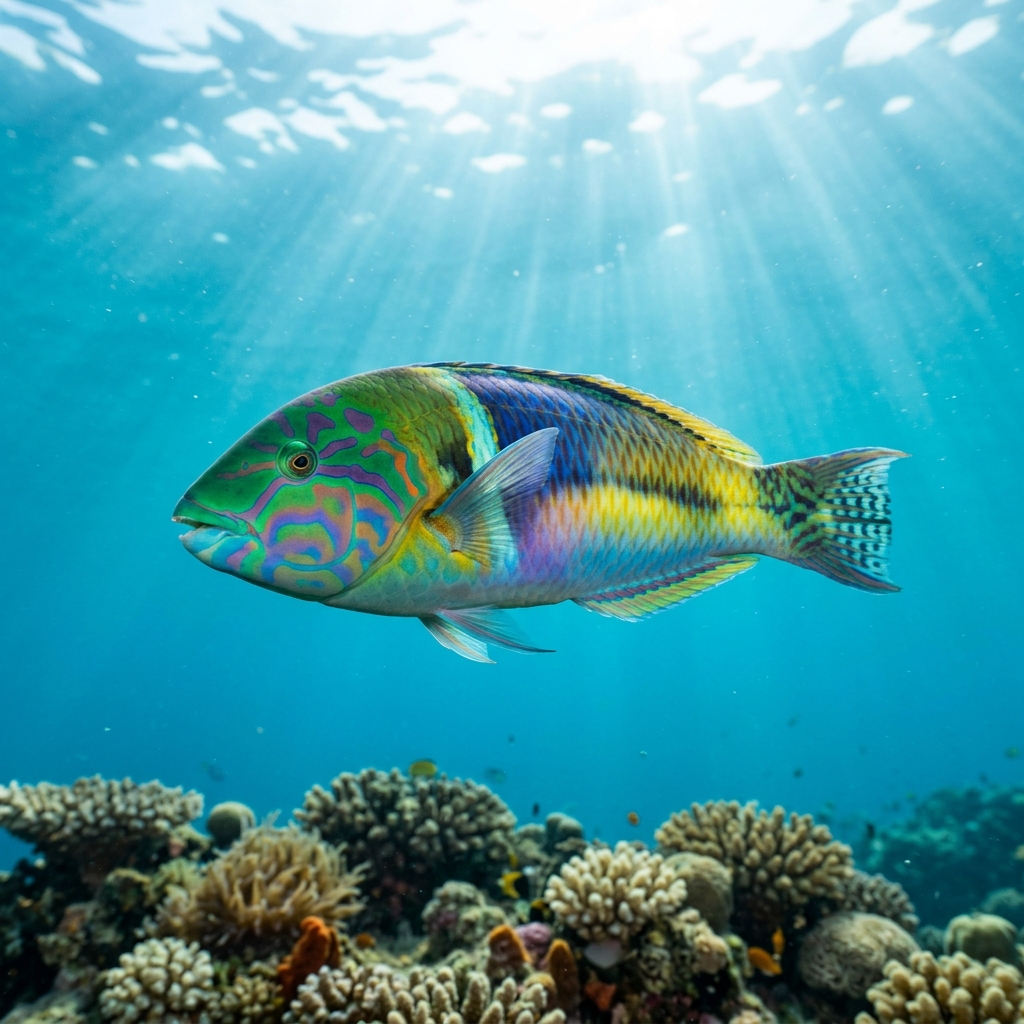
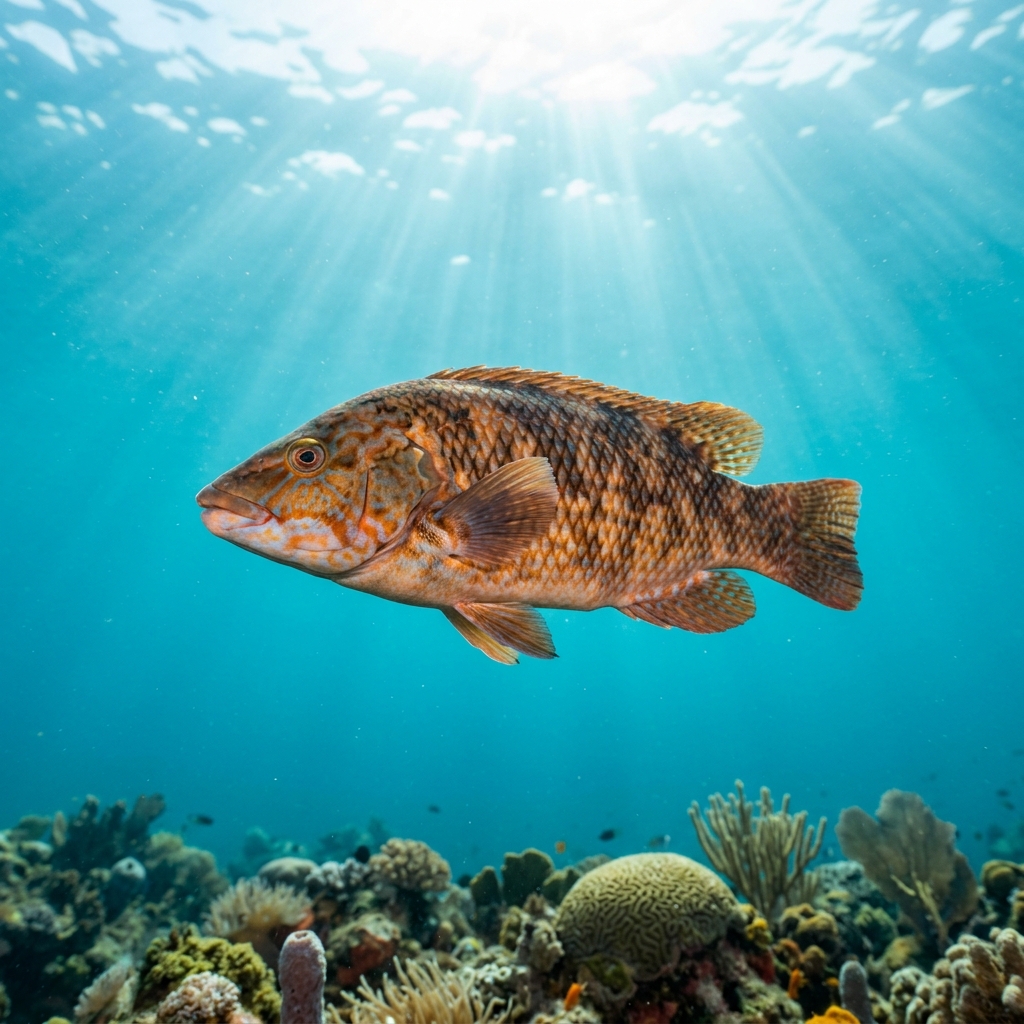
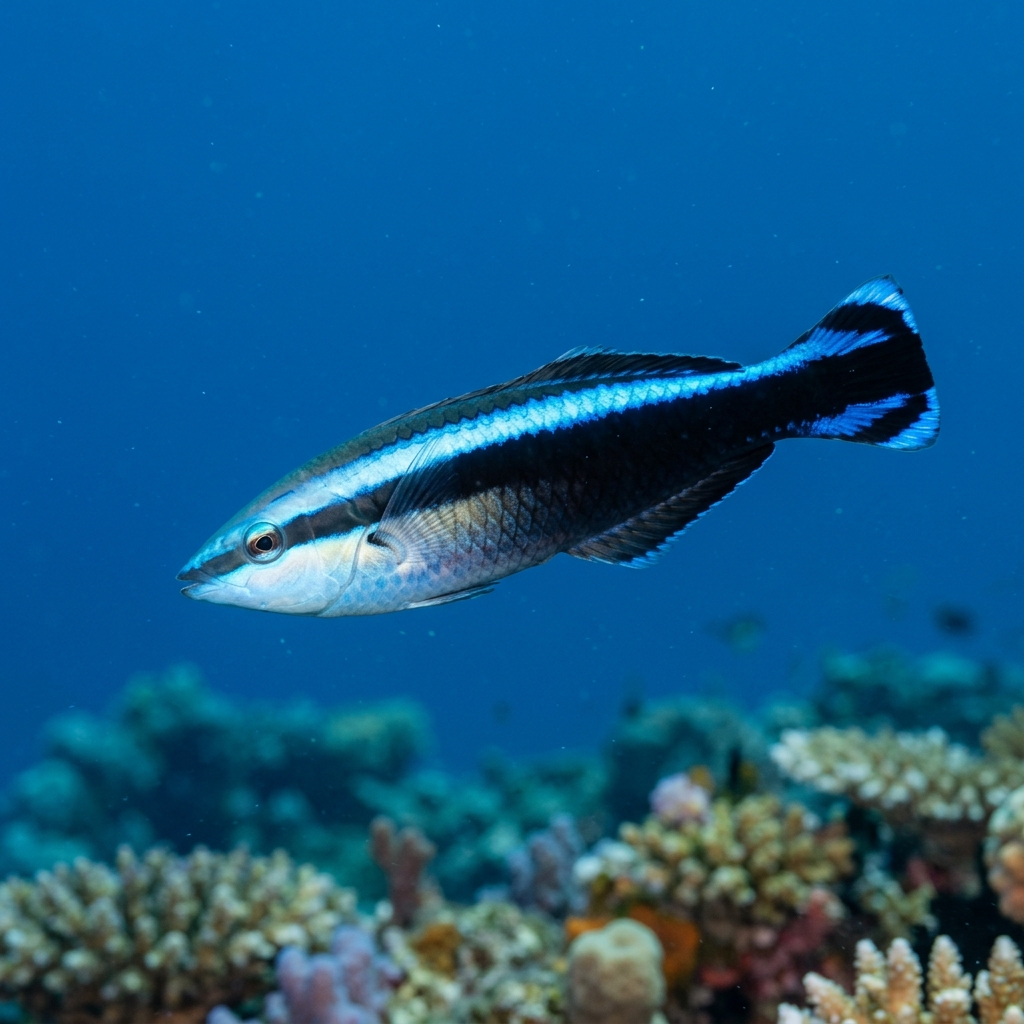
Reef neighbours a diver could mistake it for. Use the identification notes above to tell them apart.
This one is a reliable find across the Coral Triangle and into the Indian Ocean, with the Visayas in the Philippines and Bali and Nusa Tenggara in Indonesia among the most consistent regions to log it. Thailand's Khao Lak and Phuket also turn up strong numbers, and it shows up regularly in the Maldives' Central Atolls and off Kenting in Taiwan, generally in ones and twos rather than large groups.
Mapping where Jansen's Wrasse is logged…
It's most consistently logged in the Visayas in the Philippines, Bali and Nusa Tenggara in Indonesia, and around Khao Lak and Phuket in Thailand. Smaller but steady numbers also come from the Maldives' Central Atolls and Kenting in Taiwan.
There's no strong seasonal signal in the sightings, and the fish tolerates a wide warm-water range of about 24 to 29C, so it's present on reefs year-round rather than tied to a particular season.
Look for a small, slender wrasse around 14 cm with a greenish body and blue streaking through the fins and face, darting low over reef rubble in short bursts. It stays shallow, usually within 15 metres, and tends to be seen alone rather than in groups.
They're a small reef wrasse, typically reaching around 14 cm in length, which is on the compact end for the wrasse family.
No, it poses no danger to divers. It's a small carnivorous reef fish that keeps its distance and shows no aggressive behaviour toward people.
As with many wrasses in the genus Thalassoma, individuals are thought to change colour and sex as they age, so a fish's appearance can shift substantially over its lifetime.
Site and sighting data is aggregated from diver logs, iNaturalist and GBIF. For taxonomy and conservation status:
Bird Wrasses
3,632 sites