Hypselodoris krakatoa
Spot Hypselodoris krakatoa in the warm 27-29 °C reefs of Western Visayas and Perhentian & Redang. Know what to look for before you dive.
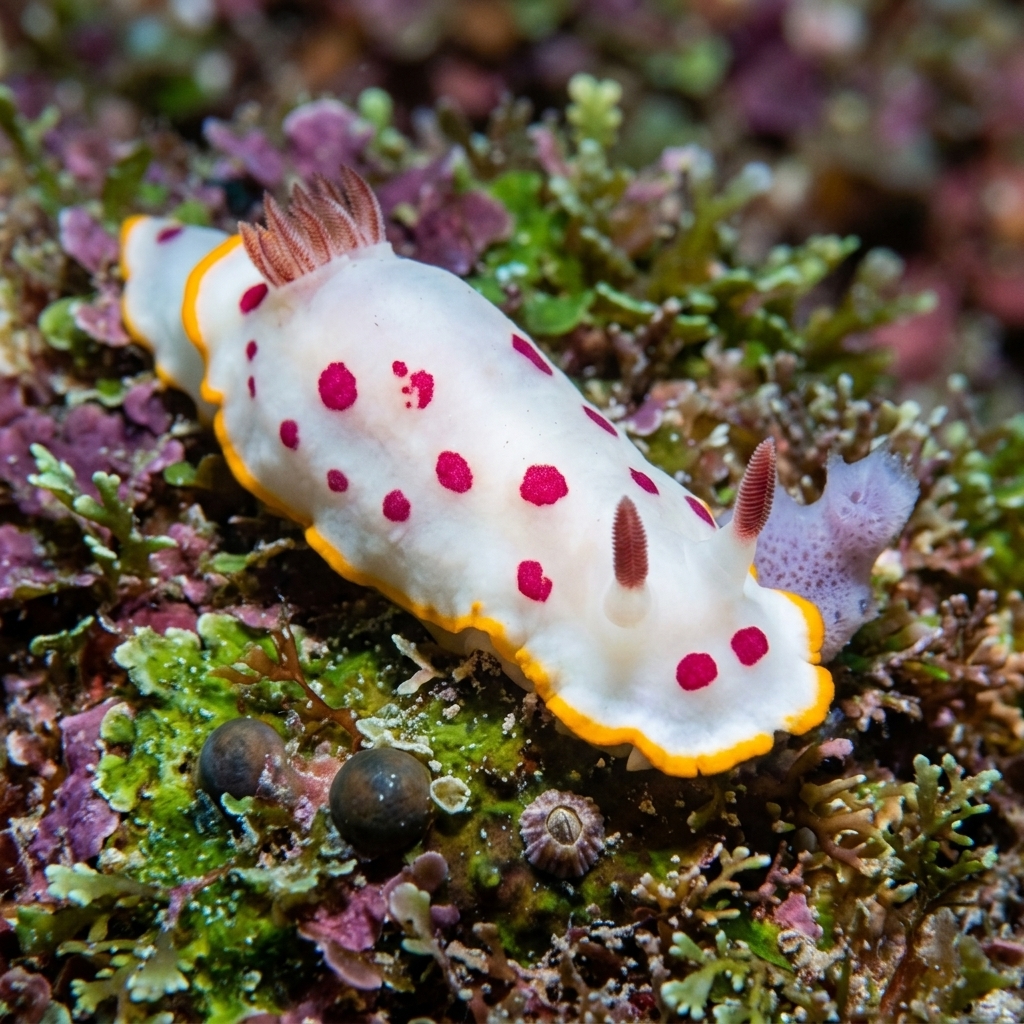
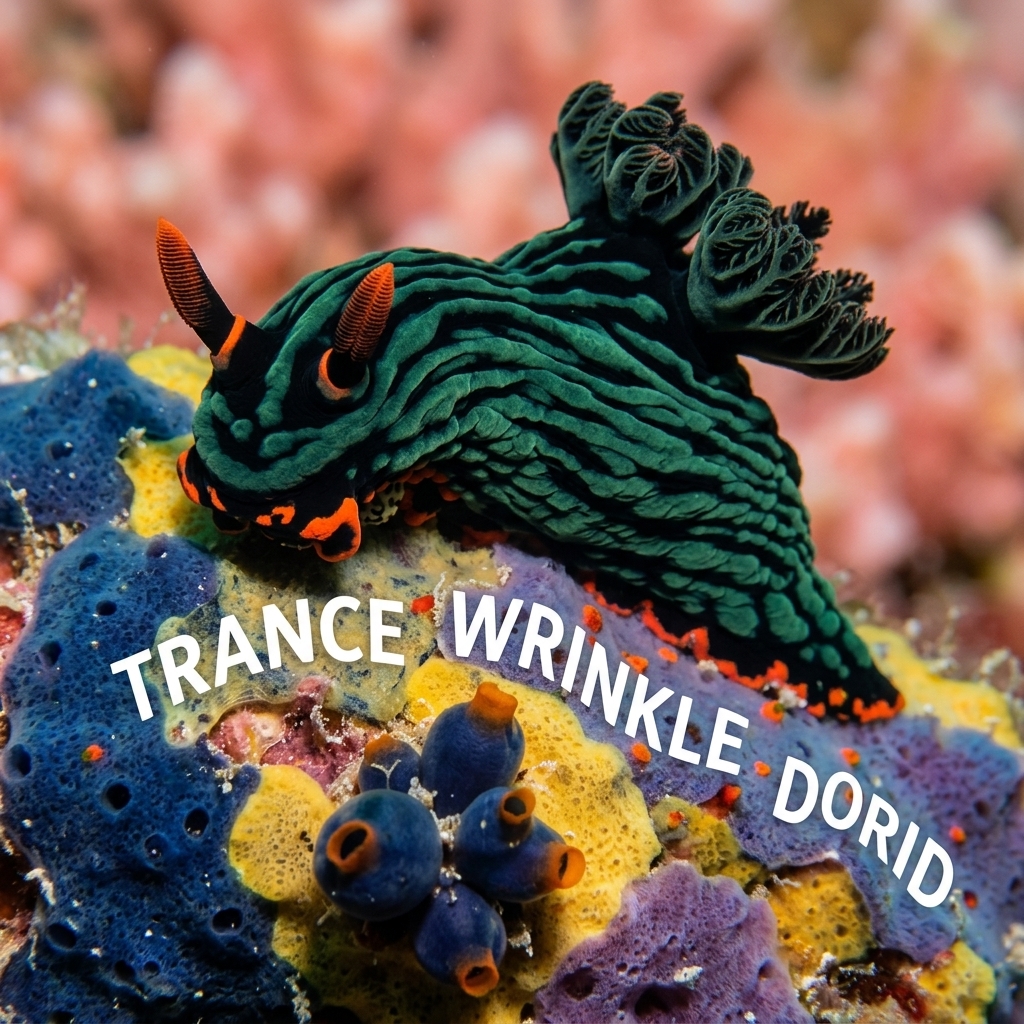
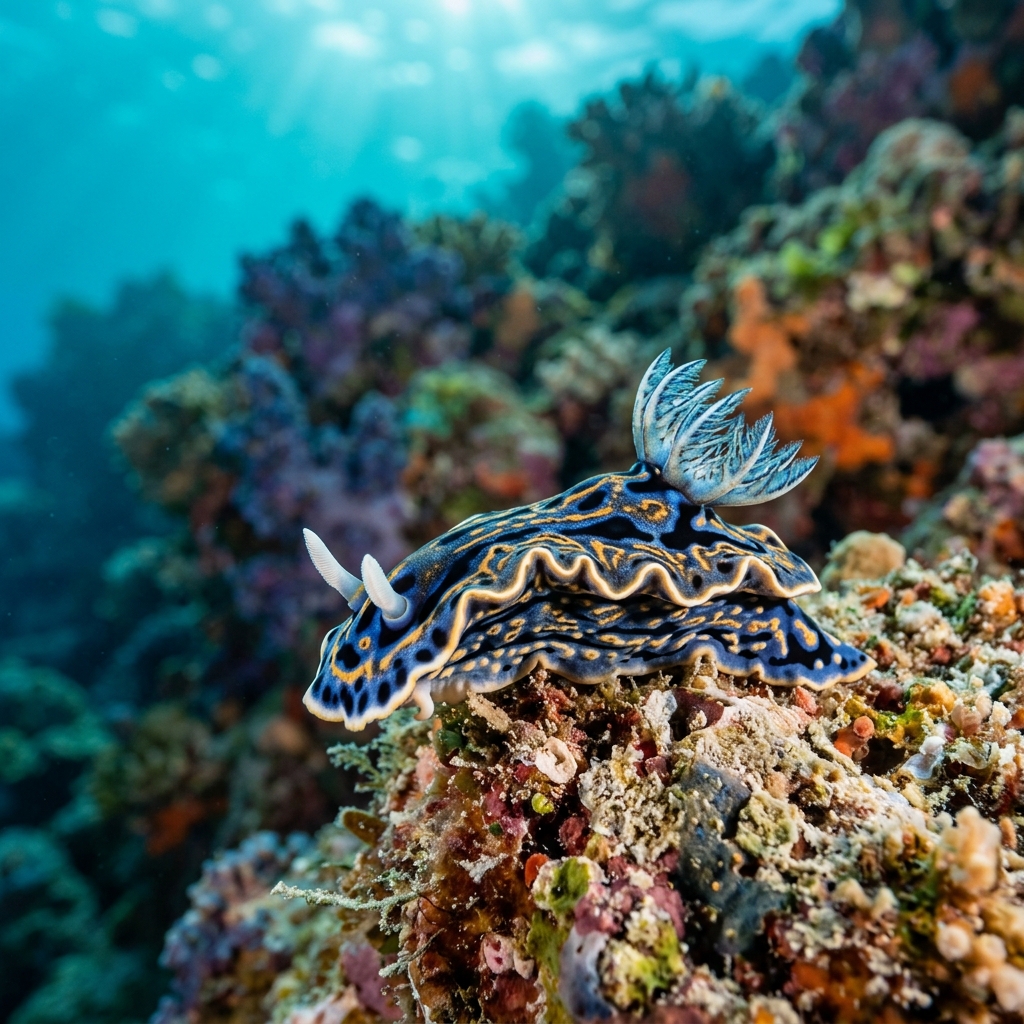
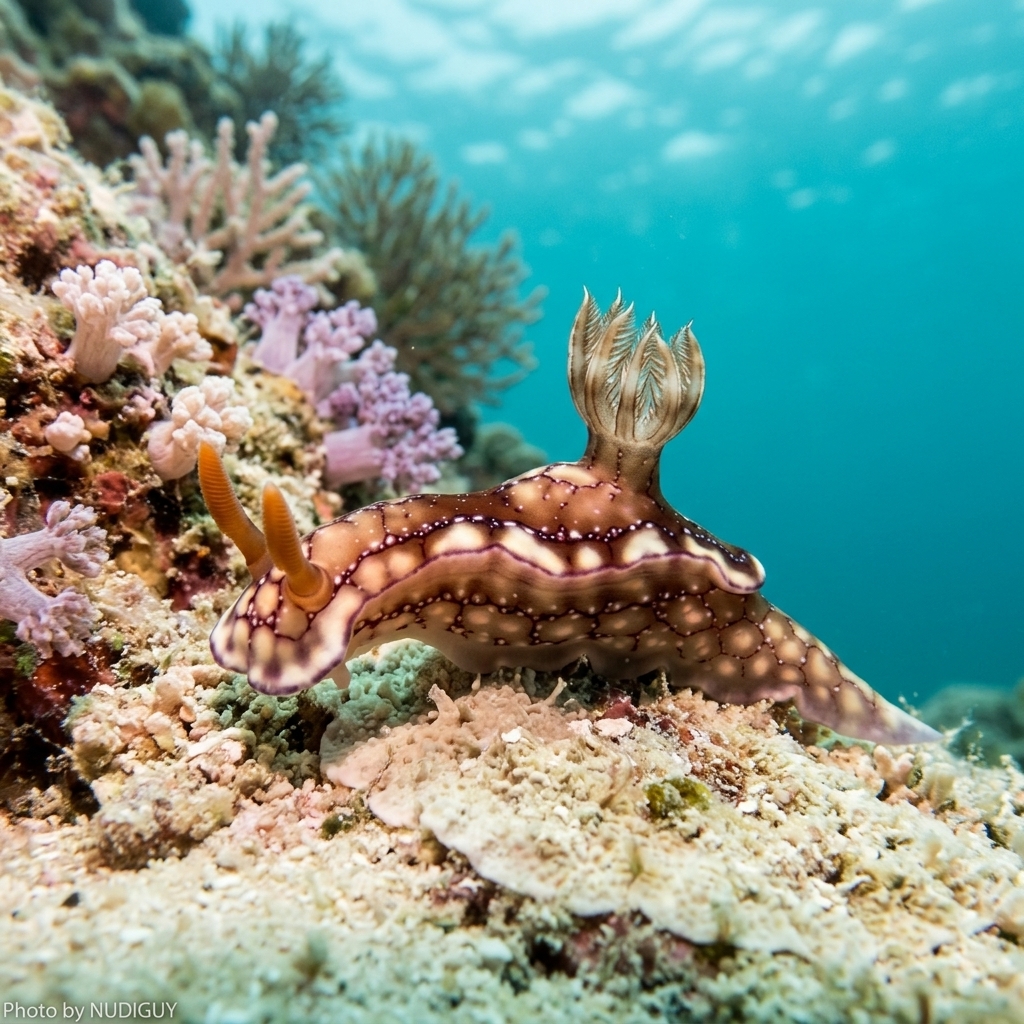
A small dorid nudibranch with a vivid blue body edged in white or pale yellow, carrying a cluster of orange-tipped gill plumes (cerata) at its rear and orange-tipped rhinophores (sensory horn-like projections) at its head. The contrast between the blue mantle and those warm orange tips is the key field mark underwater. Body shape is the typical flattened oval of the Hypselodoris genus, low-slung against the reef.
Like most chromodorids, it is typically found slowly cruising sponge-encrusted reef slopes and rubble, grazing on the sponges it uses both as food and as a source of defensive chemicals. It pays little attention to divers but moves deliberately, so patience and a slow approach are rewarded. Most encounters are solitary animals on shaded sections of the reef.
Hypselodoris krakatoa, like other chromodorids, sequesters toxic compounds from the sponges it eats and concentrates them in its own tissues, making it unpalatable to most predators. Those vivid colours serve as a warning, not camouflage.
No clear seasonal peak has emerged from current sighting data, so this species is treated as year-round. It favours warm tropical water in the 27-29 °C range, which is stable across its core Philippine and Malaysian sites throughout the year.
Reef neighbours a diver could mistake it for. Use the identification notes above to tell them apart.
Most sightings come from the Philippines, where Western Visayas leads by a wide margin and Visayas East & North adds further records. Malaysia is a strong second, with the Perhentian & Redang islands accounting for a substantial share of logged encounters. Taiwan and Indonesia have a handful of confirmed sightings, making them secondary but real options.
Mapping where Hypselodoris krakatoa is logged…
The Philippines is the top destination, especially Western Visayas and the broader Visayas region. Malaysia's Perhentian and Redang islands are a reliable second option. Scattered sightings have also been logged in northern Taiwan and Bali, Indonesia.
There is no defined peak season in the current data, so diving any time of year is viable. It favours consistently warm water around 27-29 °C, which its core sites in the Philippines and Malaysia maintain year-round.
Look for a small, flat-bodied nudibranch with a blue mantle edged in white or pale yellow, orange-tipped gill plumes at the rear, and matching orange-tipped rhinophores at the head. That blue-and-orange colour combination is the quickest field mark.
It is considered rare at most sites where it has been recorded, and uncommon at others. Even at well-dived locations in Western Visayas and Perhentian & Redang, a sighting is not guaranteed, so treat any encounter as a lucky find.
No. It poses no risk to divers whatsoever. Its toxic skin compounds are a defence against predators, not people, and it can be observed safely at close range without any concern.
Site and sighting data is aggregated from diver logs, iNaturalist and GBIF. For taxonomy and conservation status:
Blue Dragon
3,163 sites