Hiatodoris fellowsi
An uncommon nudibranch find logged almost exclusively around Hawaii, spotted on reefs in 22.4 to 28.4 C water year-round.
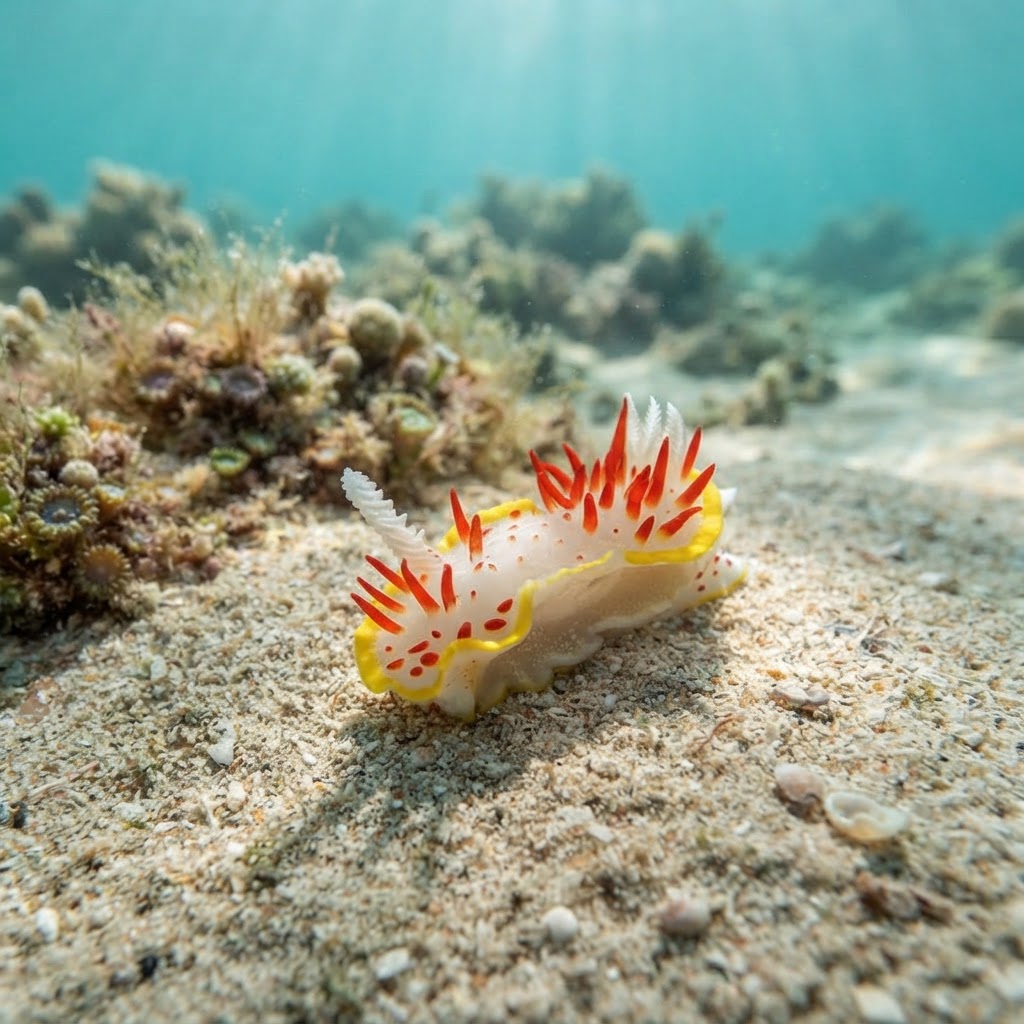
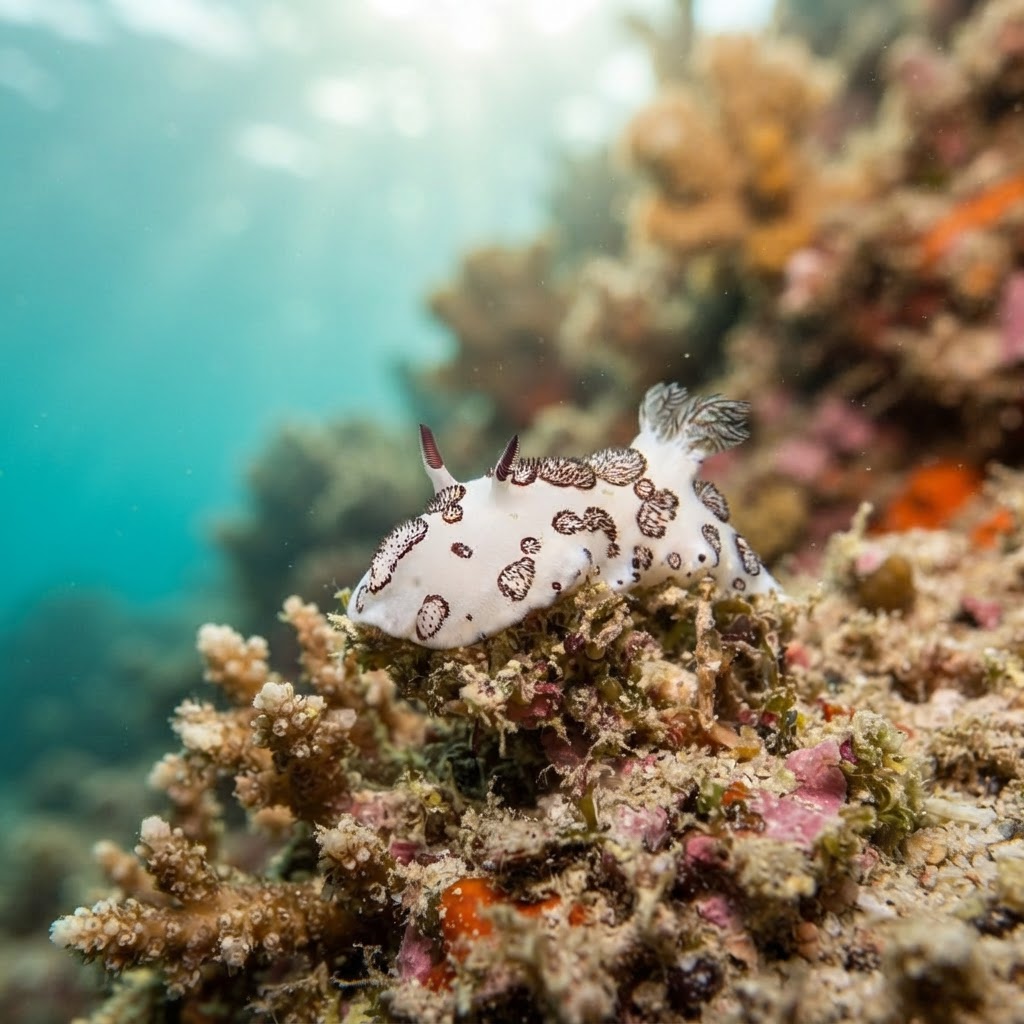
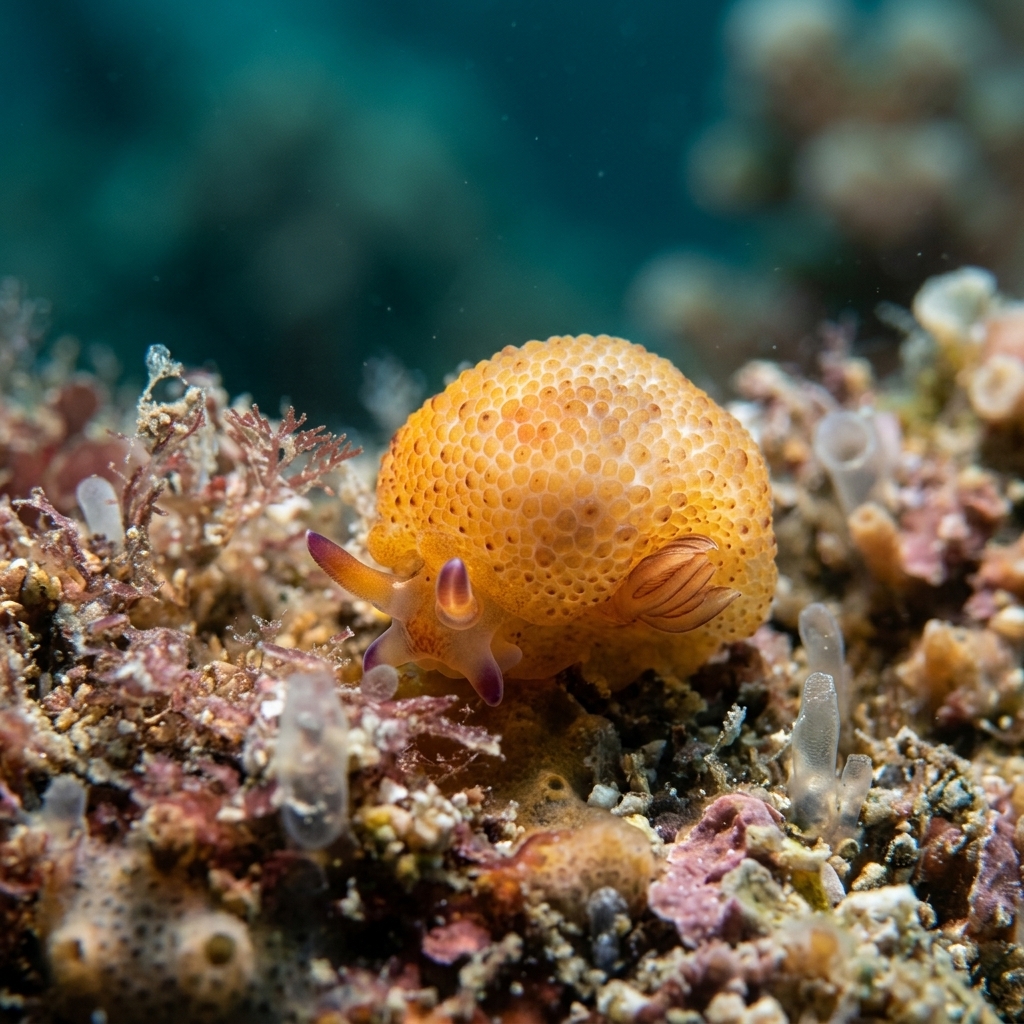
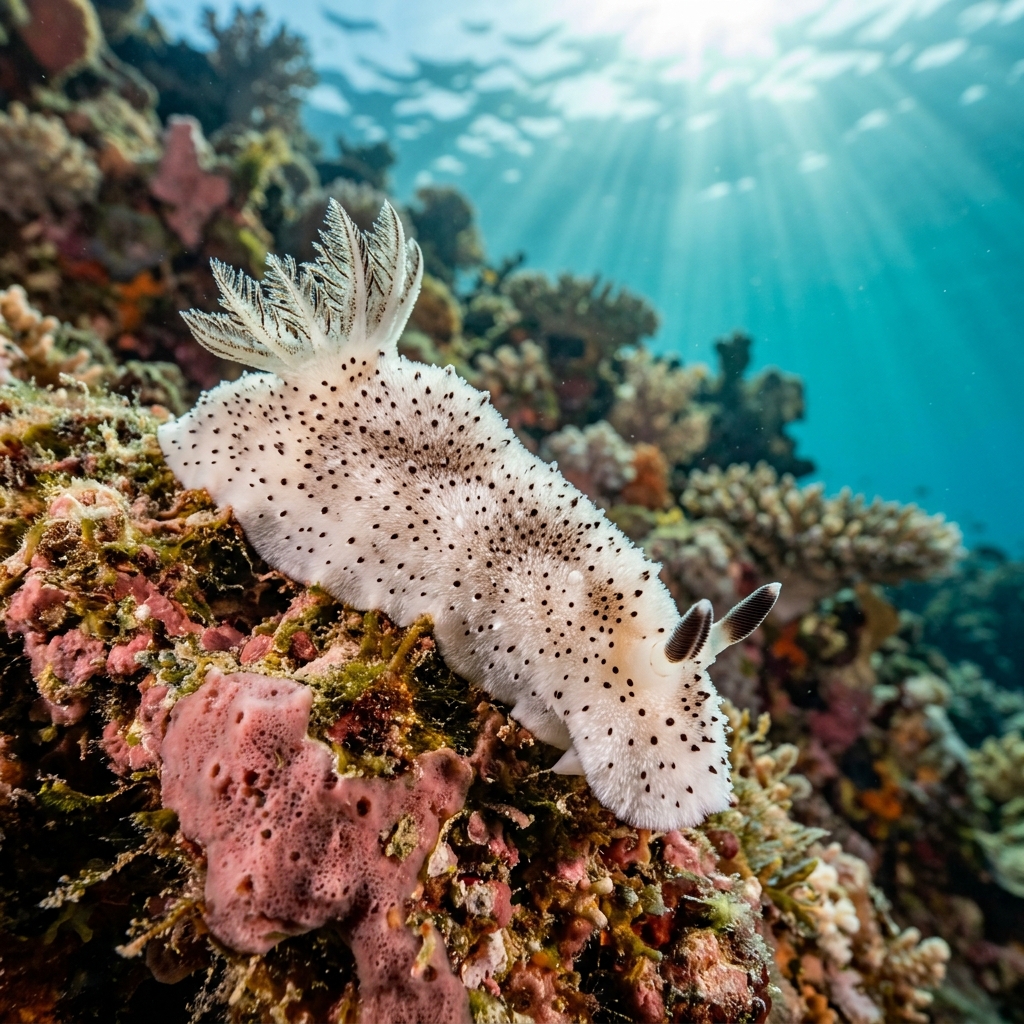
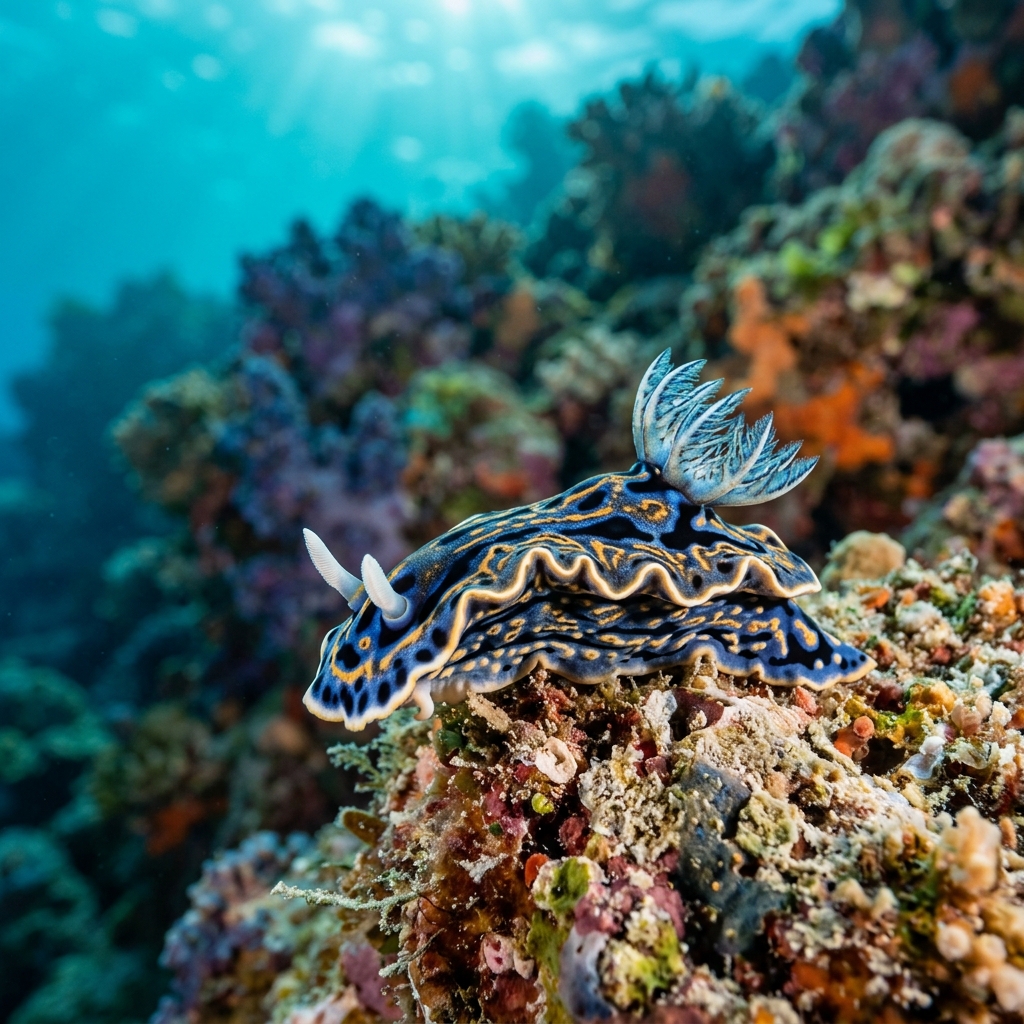
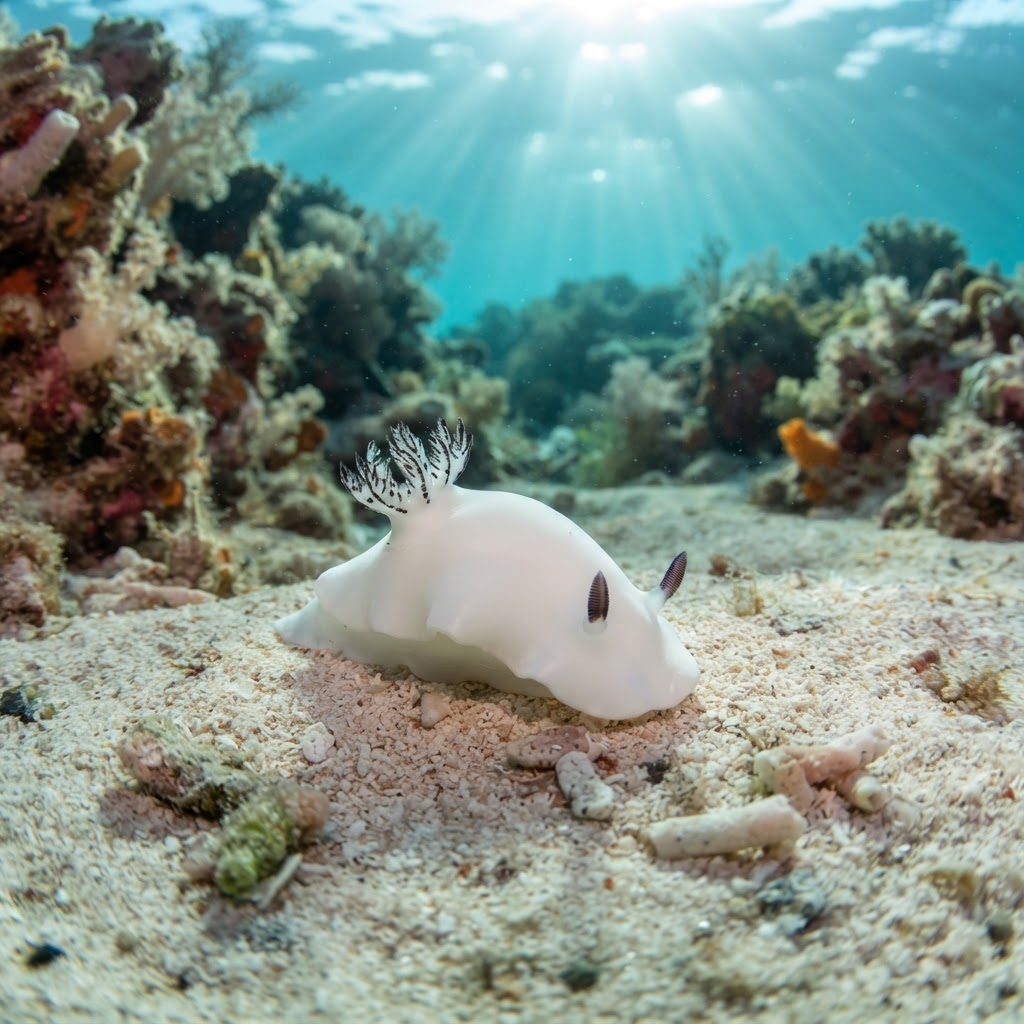
A small nudibranch (sea slug) best picked out by scanning reef rubble and rocky substrate closely rather than looking for it at a distance. Like other discodorids, expect a soft-edged, oval body with a rippled mantle and a small cluster of feathery gills toward the rear. Exact size and colour pattern are not well documented for this species, so divers rely on macro photos and local guide knowledge to confirm an ID underwater rather than colour alone.
Found grazing slowly over reef substrate the way most discodorid nudibranchs do, moving little and paying no attention to divers hovering nearby. It shows up as an uncommon find at most sites where it has been logged, so sightings tend to come from divers deliberately searching rubble patches and rocky crevices rather than spotting it in open water. No time-of-day pattern has been reported, consistent with a slow-moving, reef-bound grazer.
Like other discodorid nudibranchs, it almost certainly feeds on sponges, using this diet to build up the same kind of chemical defences many dorids rely on instead of a shell.
Sightings show no detectable season, and with water temperatures observed between 22.4 and 28.4 C, conditions stay within a comfortable range for it year-round. Plan around good visibility and calm macro-hunting conditions rather than a particular month.
Reef neighbours a diver could mistake it for. Use the identification notes above to tell them apart.
Logged almost entirely in Hawaii, with all recorded sightings coming from sites across the islands. There is currently no meaningful data on this species from outside the United States, so Hawaii is the place to look if you want a real shot at it.
Mapping where Hiatodoris Fellowsi is logged…
Almost all recorded sightings come from Hawaii, making it the only reliable region for this species right now. It has not been meaningfully logged elsewhere.
There is no clear season in the sighting data, and it has been observed in water from 22.4 to 28.4 C, so it appears to be around year-round rather than tied to a particular month.
Look closely at reef rubble and rocky substrate rather than scanning open water, since it is a small, slow-moving nudibranch. Confirming the exact pattern usually takes a macro photo compared against a local guide's reference.
No. It poses no threat to divers and can be observed safely at close range without disturbing it.
Exact size data is not well documented for this species, but like related discodorid nudibranchs it is likely a small, easy-to-overlook animal best found with a careful macro search.
Site and sighting data is aggregated from diver logs, iNaturalist and GBIF. For taxonomy and conservation status:
Blue Dragon
3,163 sites