Hemitaurichthys zoster
Spot the bold black-and-white contrast of the brown-and-white butterflyfish across the Maldives atolls and Thailand's Andaman reefs. Best Nov, Mar.
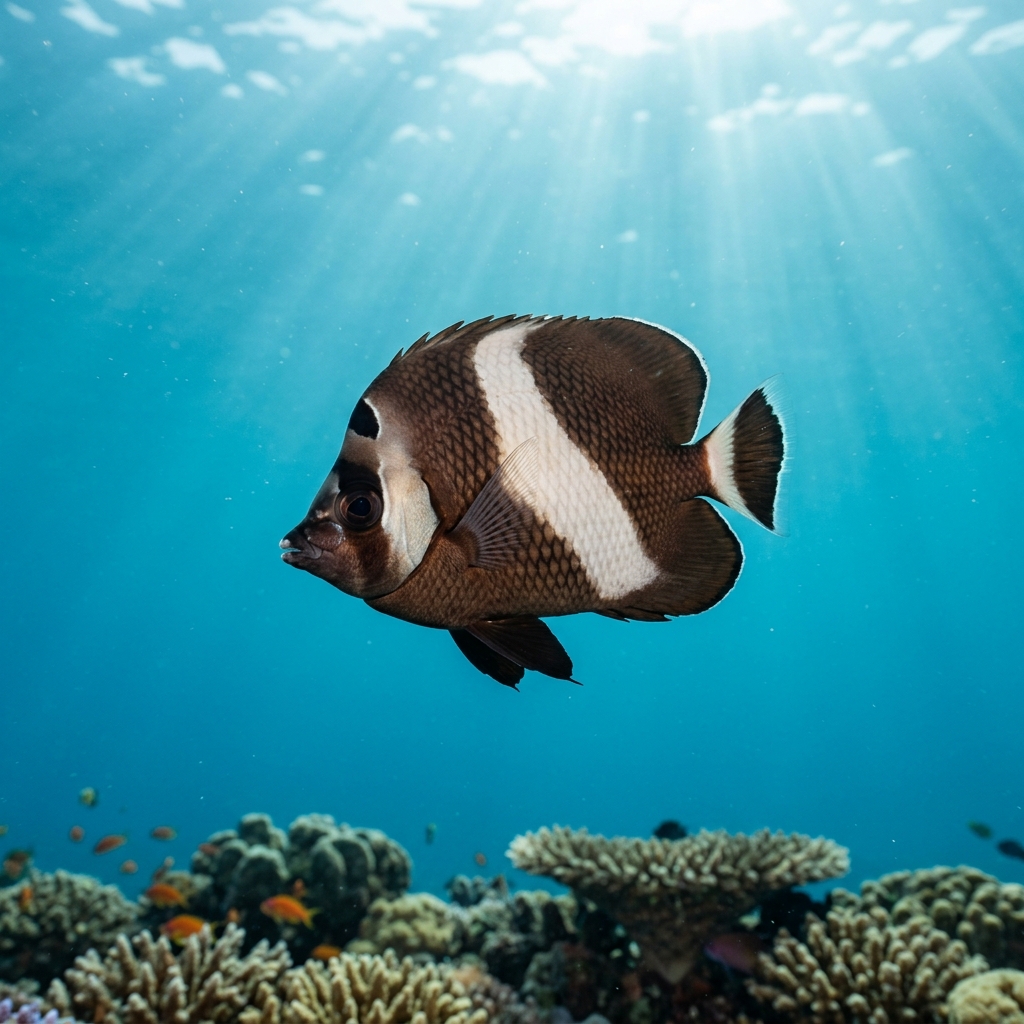
A sharp two-tone split is the key field mark: the front half of the body is deep chocolate-brown while the rear half is clean white, creating one of the starker contrasts among butterflyfish. The disc-shaped body is compressed sideways in the typical butterflyfish form, and the face is uniformly dark with no eye-stripe or spot to distract from that bold colour divide. No prominent filament or banner extends from the dorsal fin, which helps rule out the bannerfish relatives. Look for small groups moving together along reef slopes rather than solitary pairs.
Brown-and-white butterflyfish tend to appear in loose aggregations along reef walls and slopes, often drifting in the water column slightly away from the structure rather than hugging the coral. They are not particularly shy, and a calm diver can usually hold position and watch them work the current without triggering a retreat. Sightings are most common during daytime reef dives when they are actively moving and feeding.
Unlike many butterflyfish that feed on coral polyps or specific invertebrates, Hemitaurichthys zoster is a zooplankton feeder, hovering above the reef to pick tiny animals from the water column. This is why you sometimes see small groups rising away from the reef face rather than nipping at coral.
Northern hemisphere sighting data concentrates in November through March, making the boreal winter the peak window for diving with this species in the Maldives and Thailand. The observed water temperature range of 24 to 29 °C reflects warm Indo-Pacific conditions throughout the year, so out-of-season sightings are possible but less reliably reported.
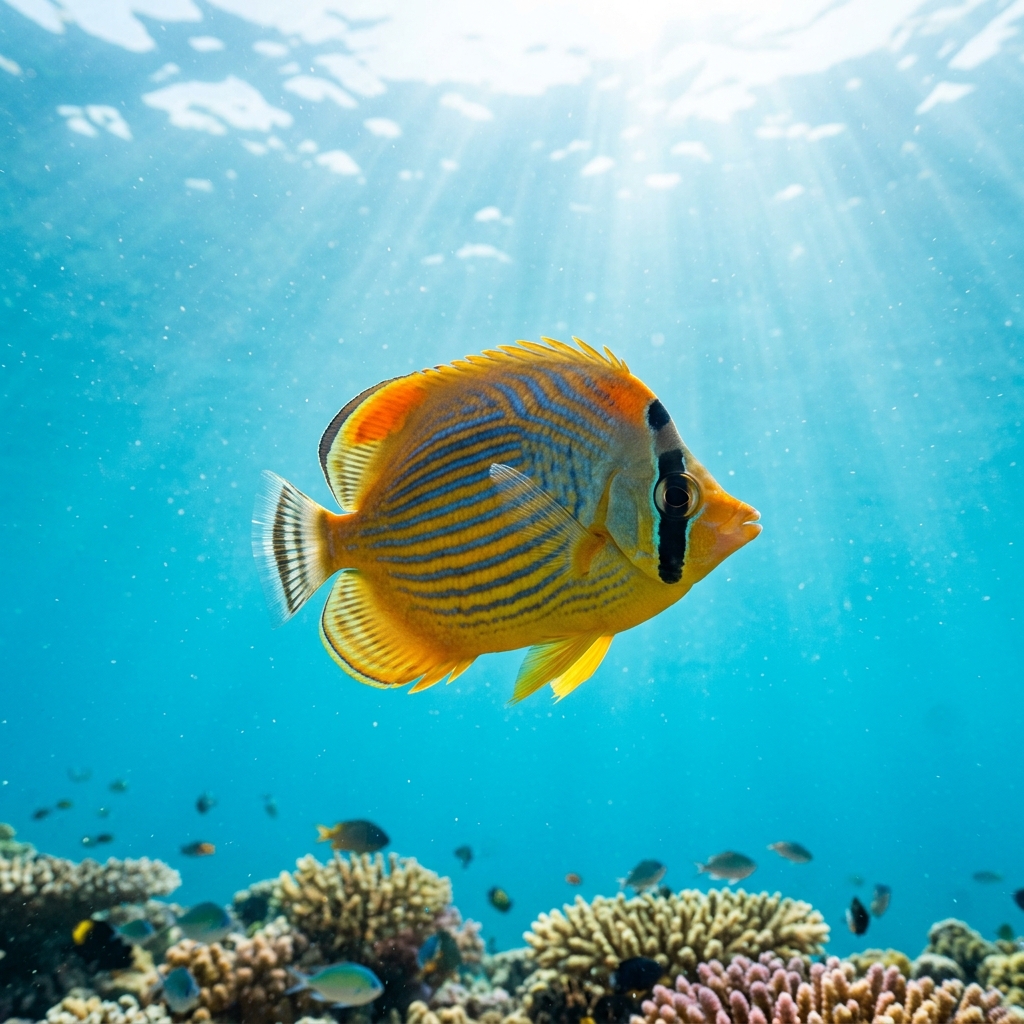
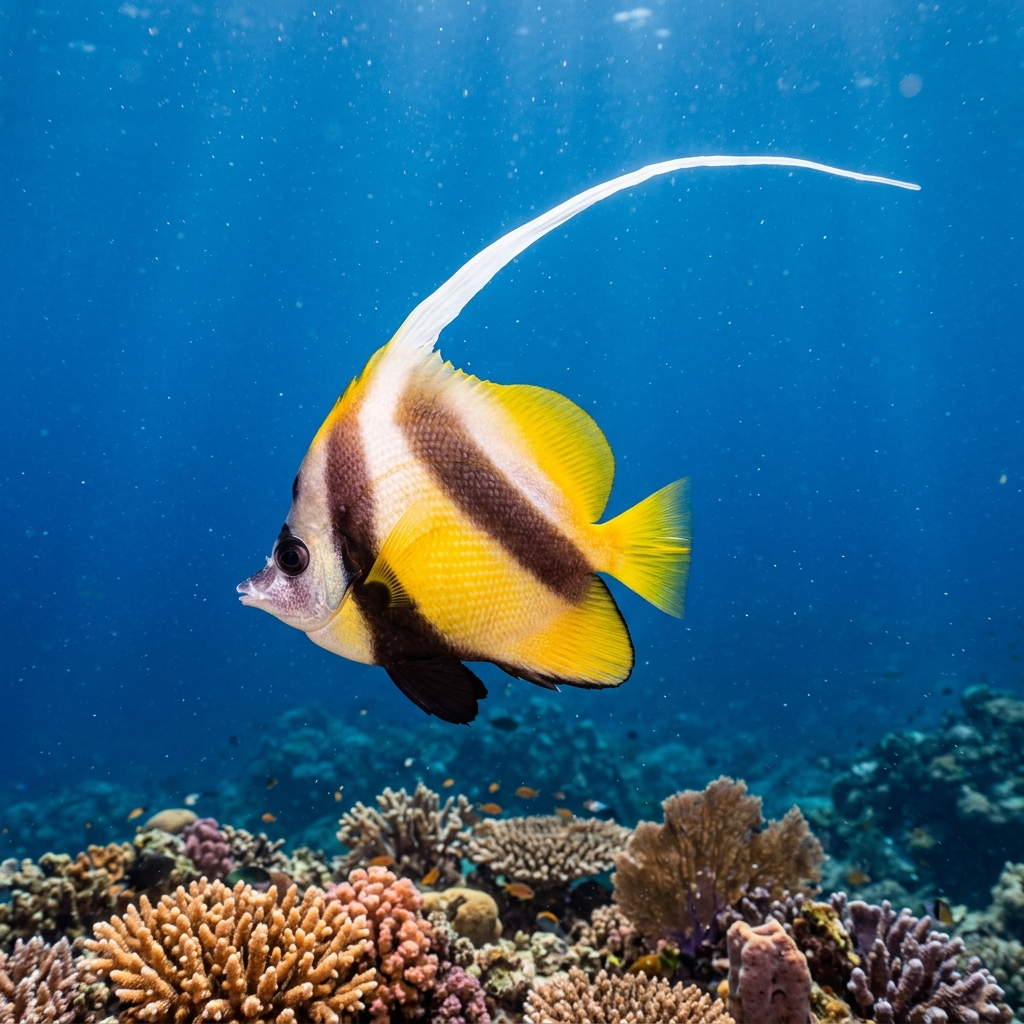
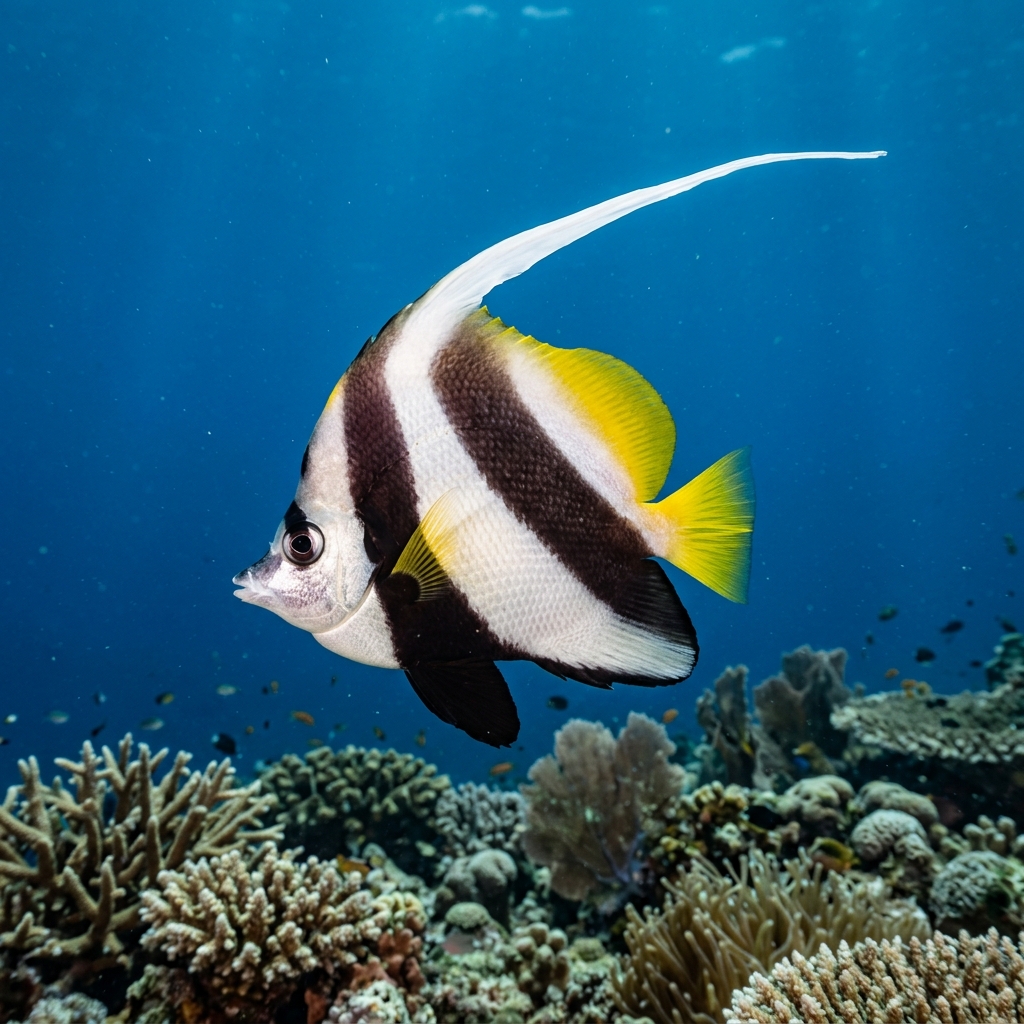
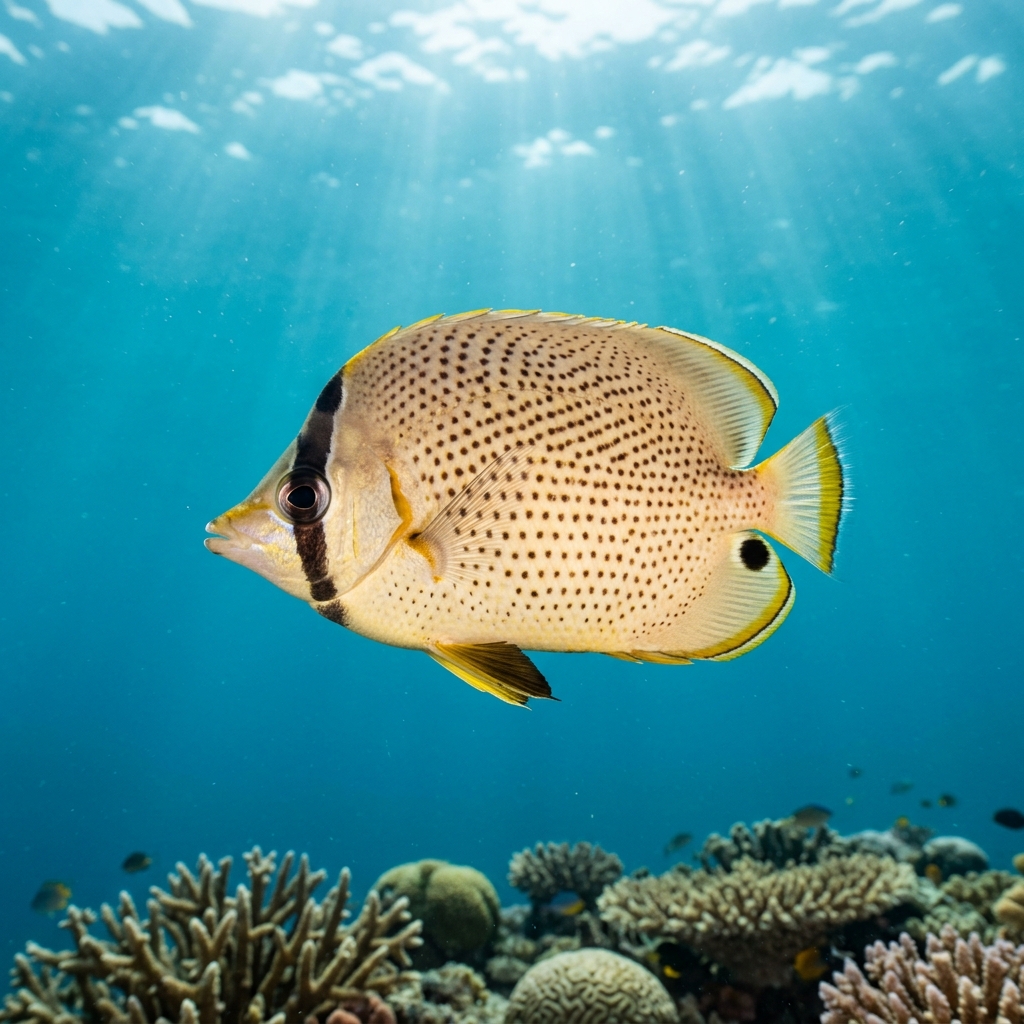
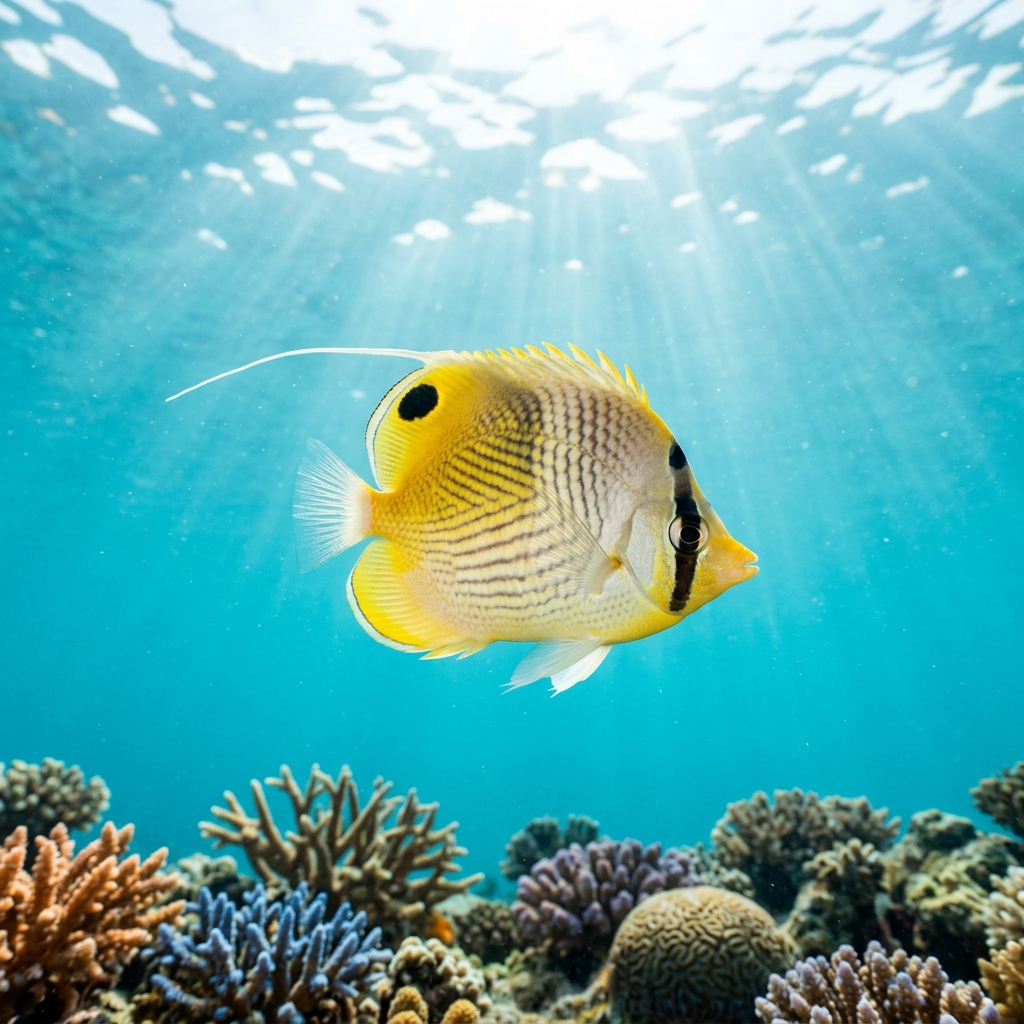
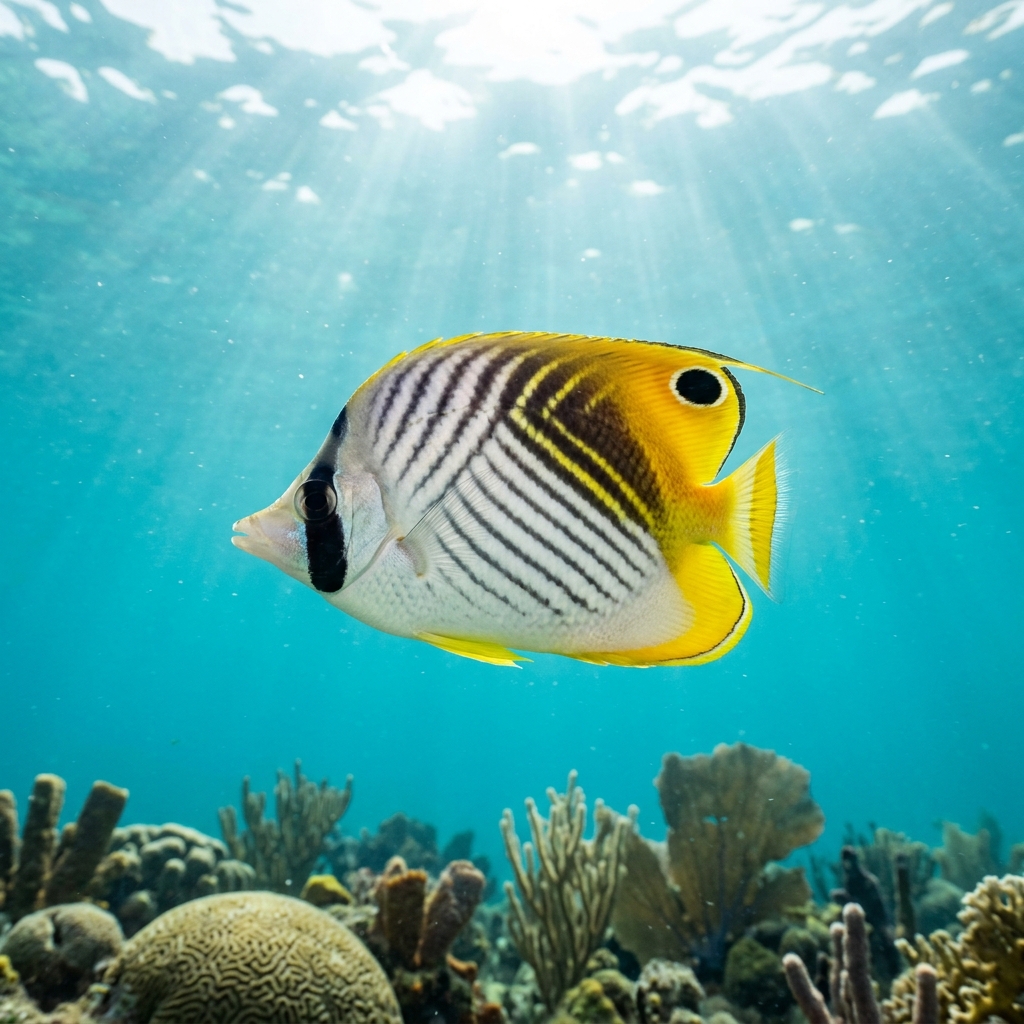
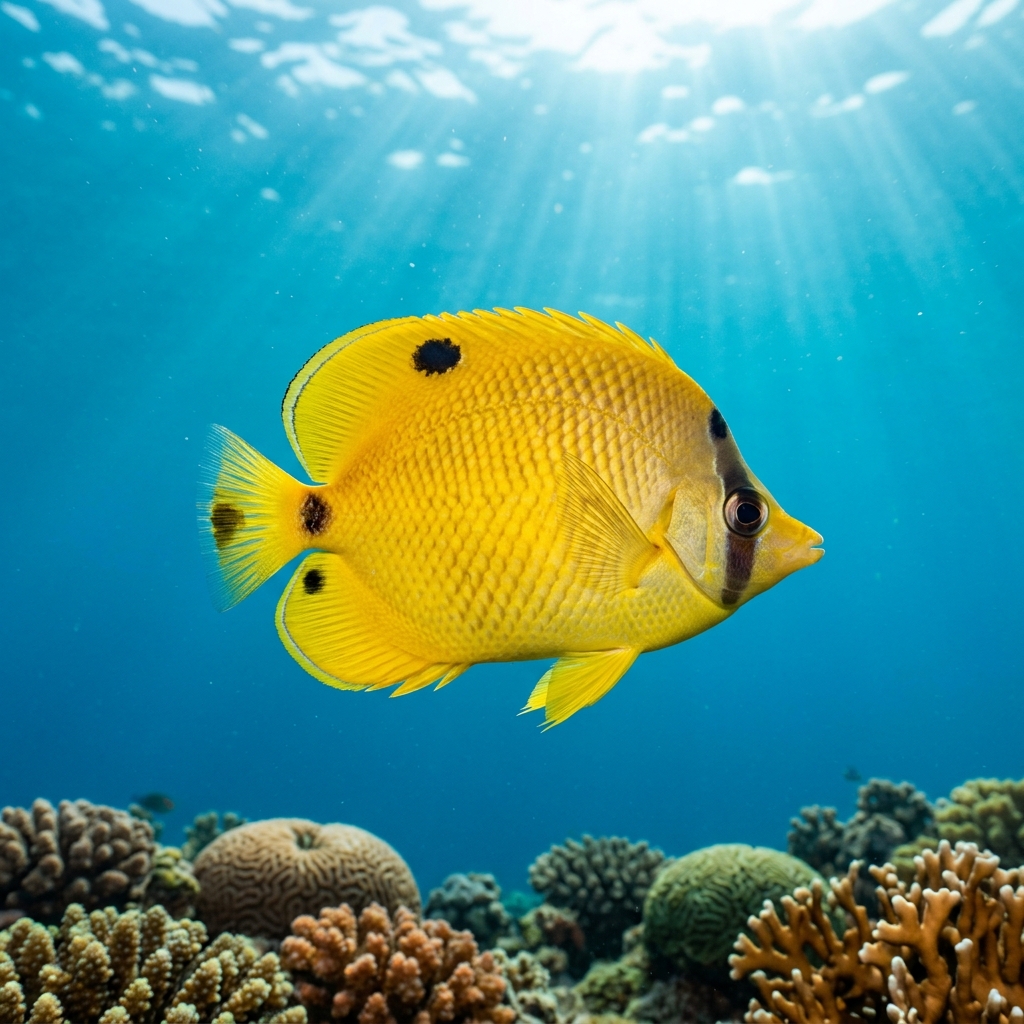
Reef neighbours a diver could mistake it for. Use the identification notes above to tell them apart.
By far the most reliable place to find this species is the Maldives, where Male & Ari Atolls and the North & Central Atolls collectively account for the great majority of logged sightings. Thailand's Andaman North region is the next most productive area, with a smaller but consistent record from Sumatra and Kalimantan in Indonesia and a handful of sightings off South Africa's Durban and North Coast.
Mapping where Brown-and-white Butterflyfish is logged…
The Maldives is by far the strongest destination, particularly Male & Ari Atolls and the North & Central Atolls. Thailand's Andaman North region is the next best option, followed by Sumatra and Kalimantan in Indonesia. A small number of sightings have also been recorded off South Africa's Durban and North Coast.
Sighting records concentrate between November and March in the northern hemisphere, making that the most reliable window. The species occupies warm tropical reefs year-round, so encounters outside those months are possible, but reported frequency peaks in the boreal winter.
Look for the unmistakable two-tone split: a dark chocolate-brown front half and a clean white rear half, with no eye-stripe or tail spot to complicate the pattern. The disc-shaped body and lack of any elongated dorsal filament or banner set it apart from bannerfish species.
This species reaches around 18 to 20 cm in length, broadly typical for the butterflyfish family. Underwater they read as a medium-small, disc-shaped fish, compact and flat-sided.
Rather than nibbling coral polyps like many of their relatives, brown-and-white butterflyfish are zooplankton feeders. They hover above the reef and pick tiny drifting animals from the water column, which is why you often see them in small groups rising away from the reef face during the day.
Site and sighting data is aggregated from diver logs, iNaturalist and GBIF. For taxonomy and conservation status: