Acropora palmata
Elkhorn Coral grows on shallow Caribbean reefs from the Yucatán to Colombia. Here's where to find it, when to dive, and how to spot it underwater.
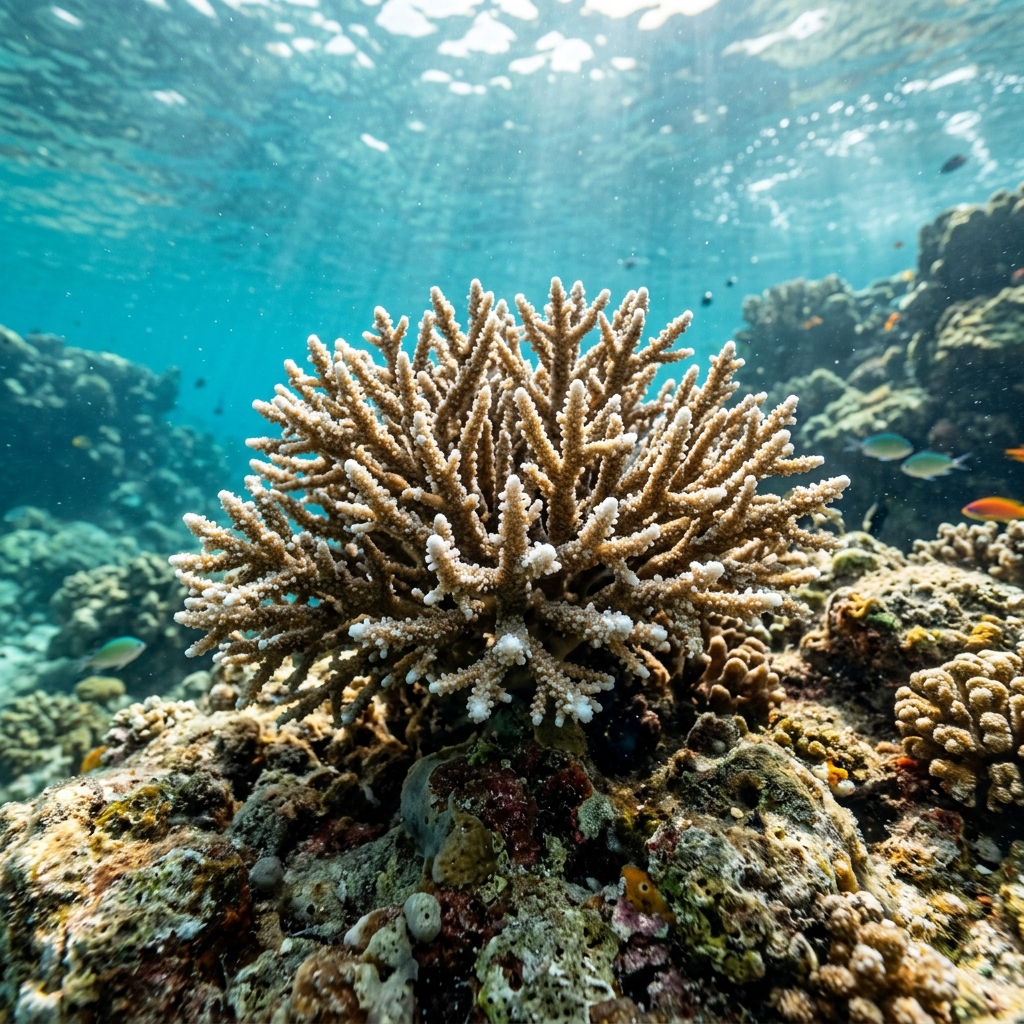
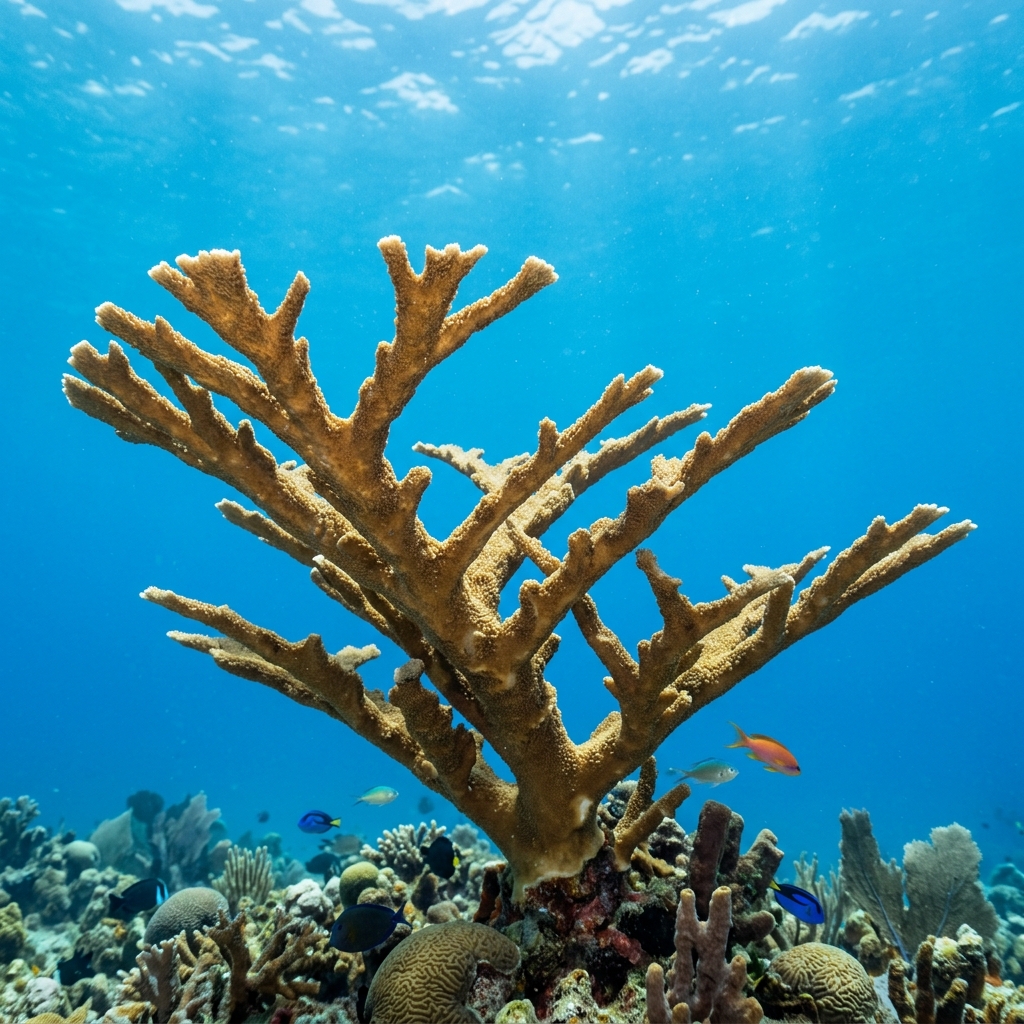
Those broad, flattened branches, shaped unmistakably like elk antlers, are the single best identification cue; no other Caribbean coral grows in quite that form. Colonies are typically pale tan to golden-brown, occasionally with greenish tips, and can spread several metres across a shallow reef crest. The branches are thick and robust compared to the slender fingers of staghorn coral, and the colony surface has a rough, bumpy texture from the polyp cups (corallites). Healthy colonies often have slightly paler, almost cream-coloured growing edges.
As a sessile (fixed-in-place) coral, elkhorn itself doesn't move or react to divers, but the colonies are full of activity worth watching. Reef fish dart in and out of the branches for shelter, and invertebrates like Christmas tree worms and small crabs live directly on the coral surface. Early morning and late afternoon tend to bring the most fish activity around the colony, and the angled light at those times makes the pale branching structure particularly easy to read.
Elkhorn Coral is one of the fastest-growing Caribbean corals, capable of adding up to 10 cm of branch length per year under ideal conditions, a growth rate that made it historically one of the most important reef-builders in the region.
Elkhorn Coral is present year-round across its range, consistent with its preferred warm-water niche of roughly 27 to 29 °C, typical of tropical Caribbean reefs in all seasons. There is no concentrated peak period, so timing your dive around good visibility and calm seas matters more than the calendar.
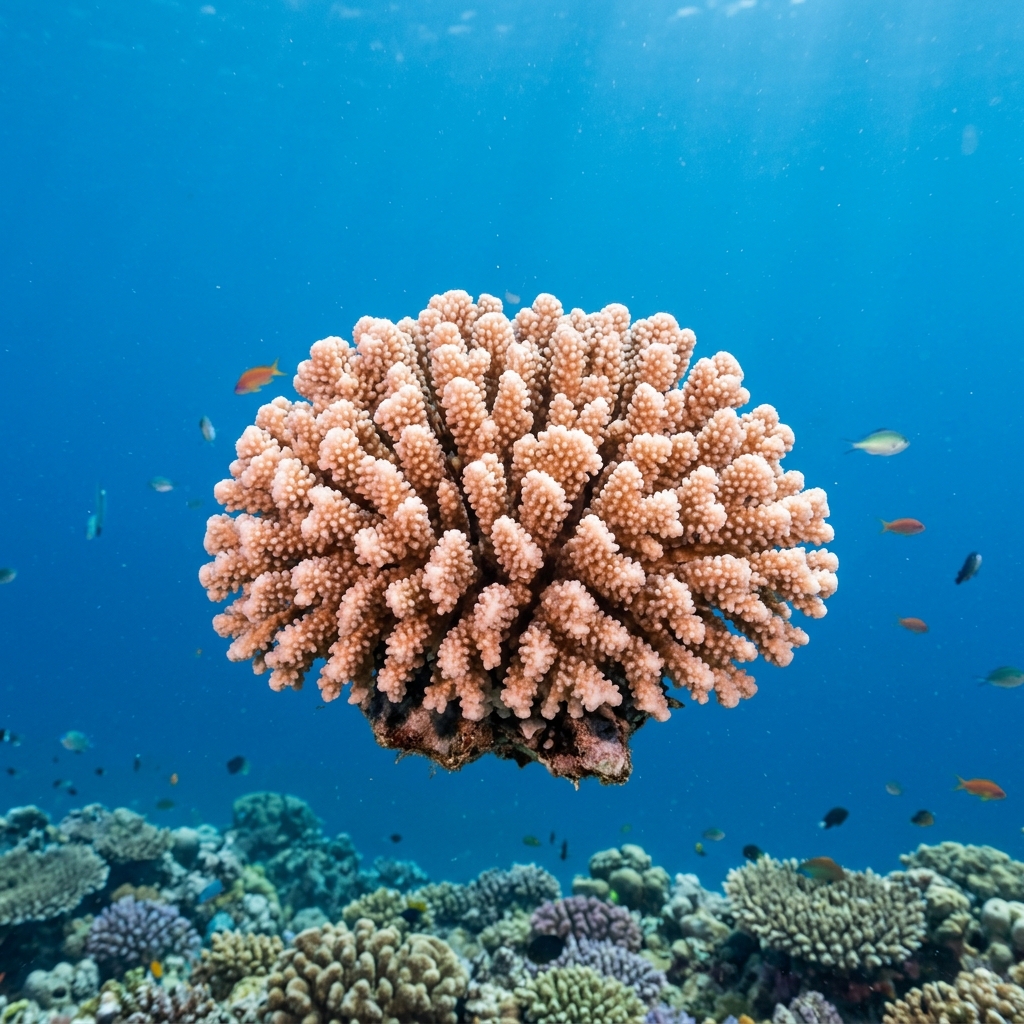
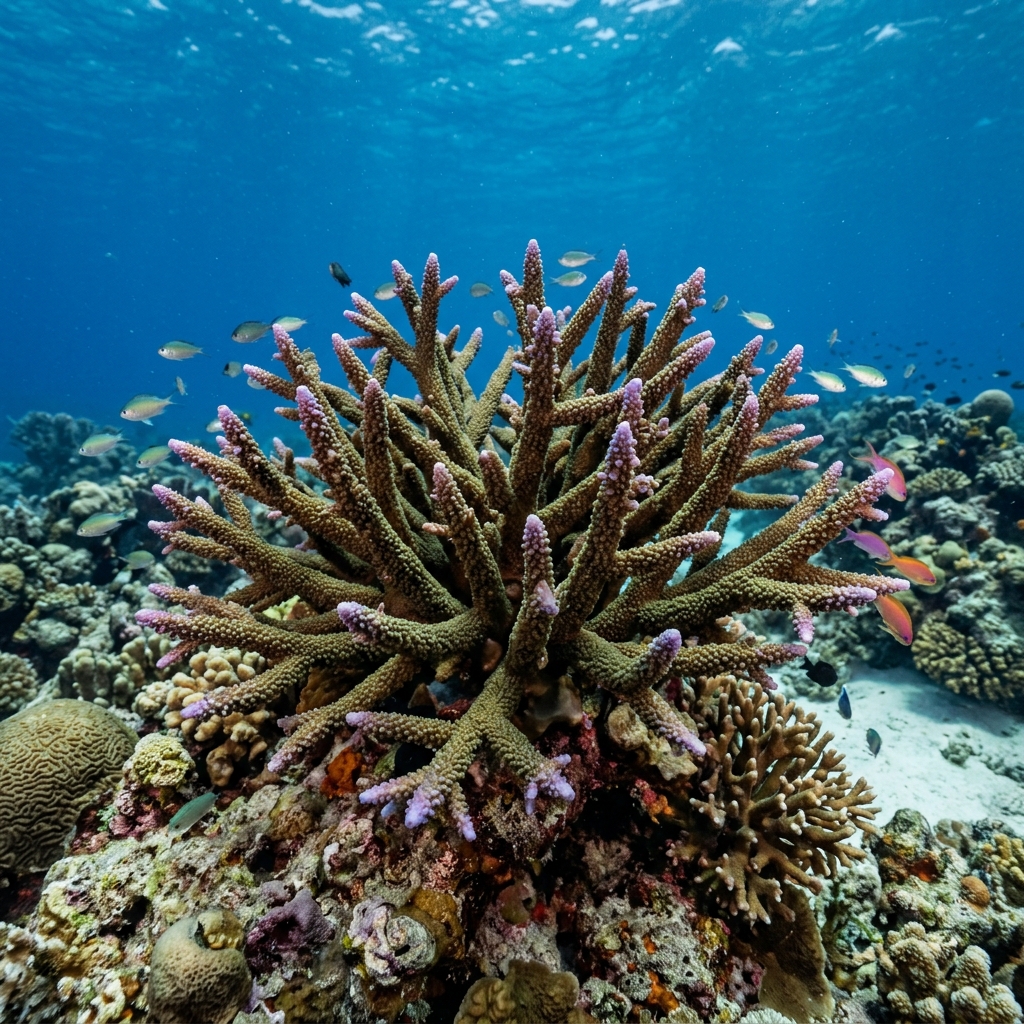
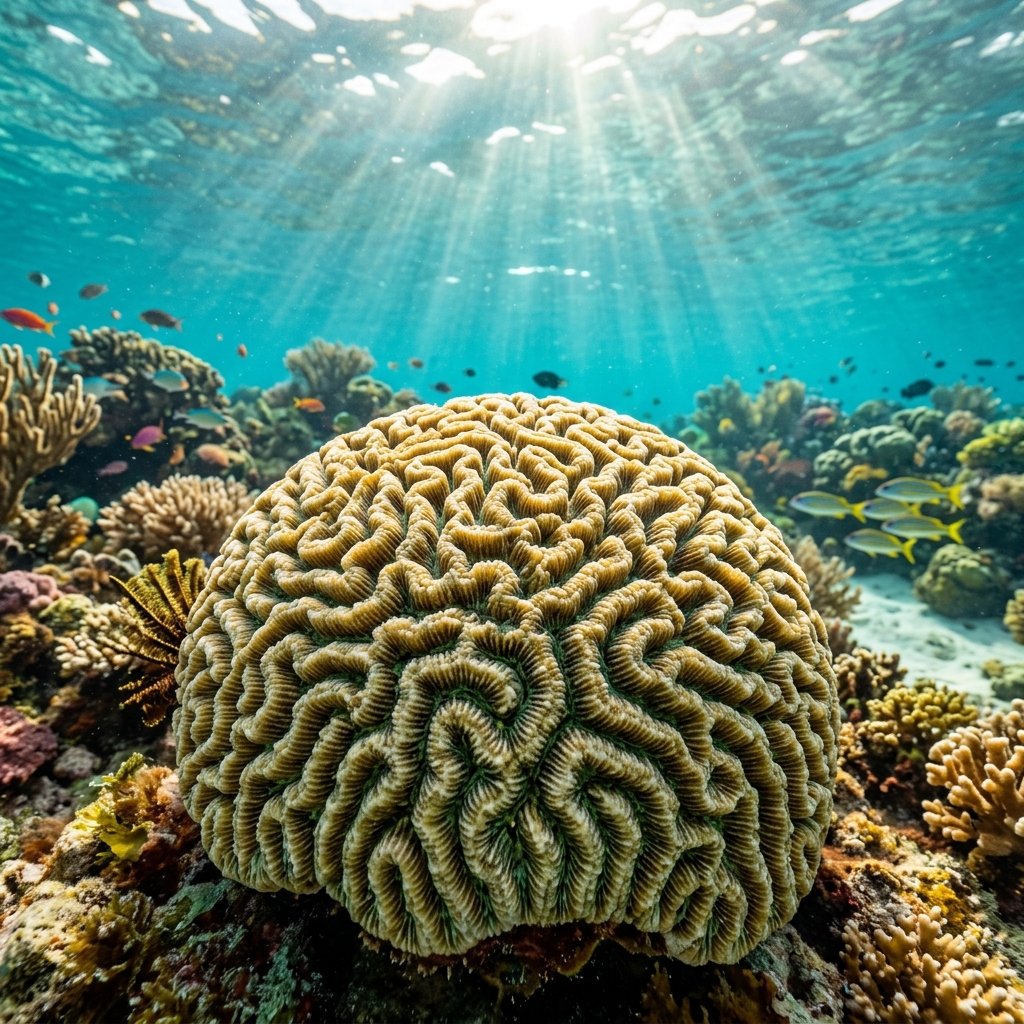
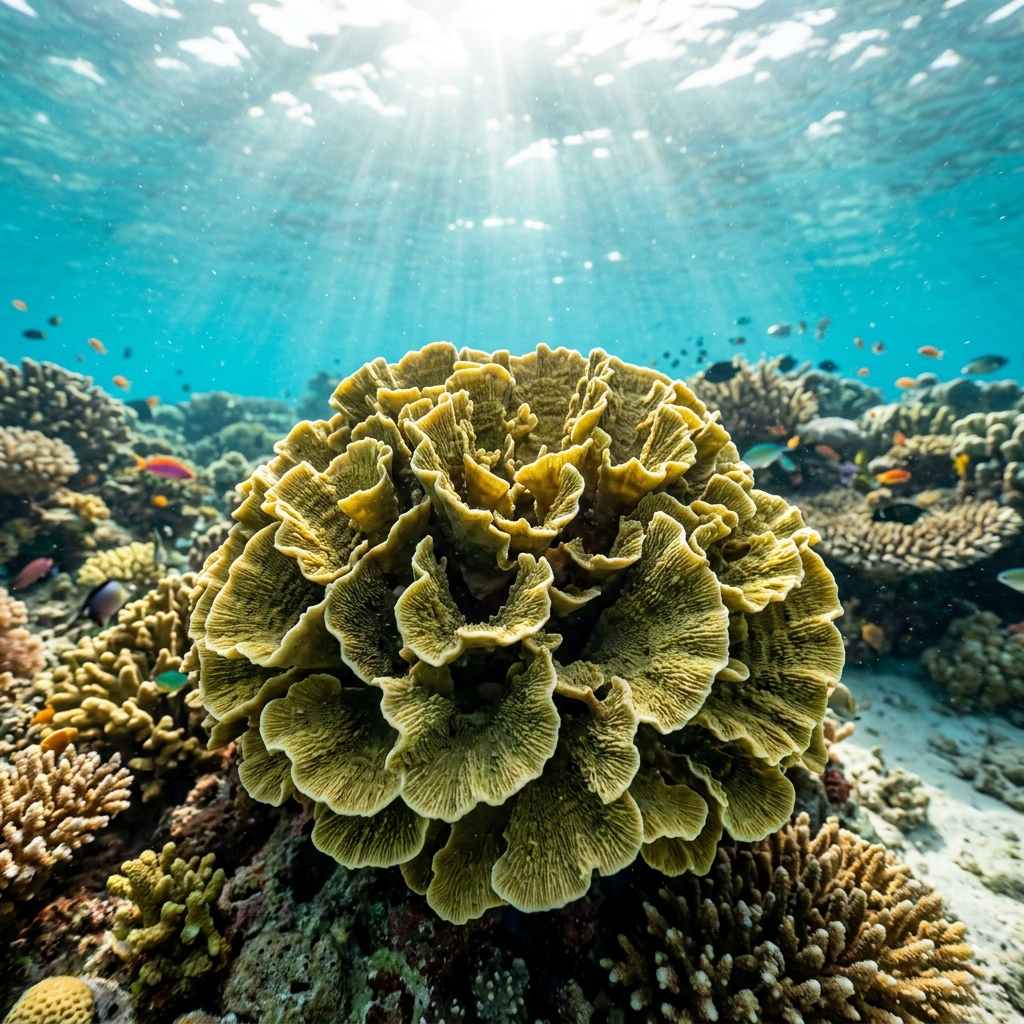
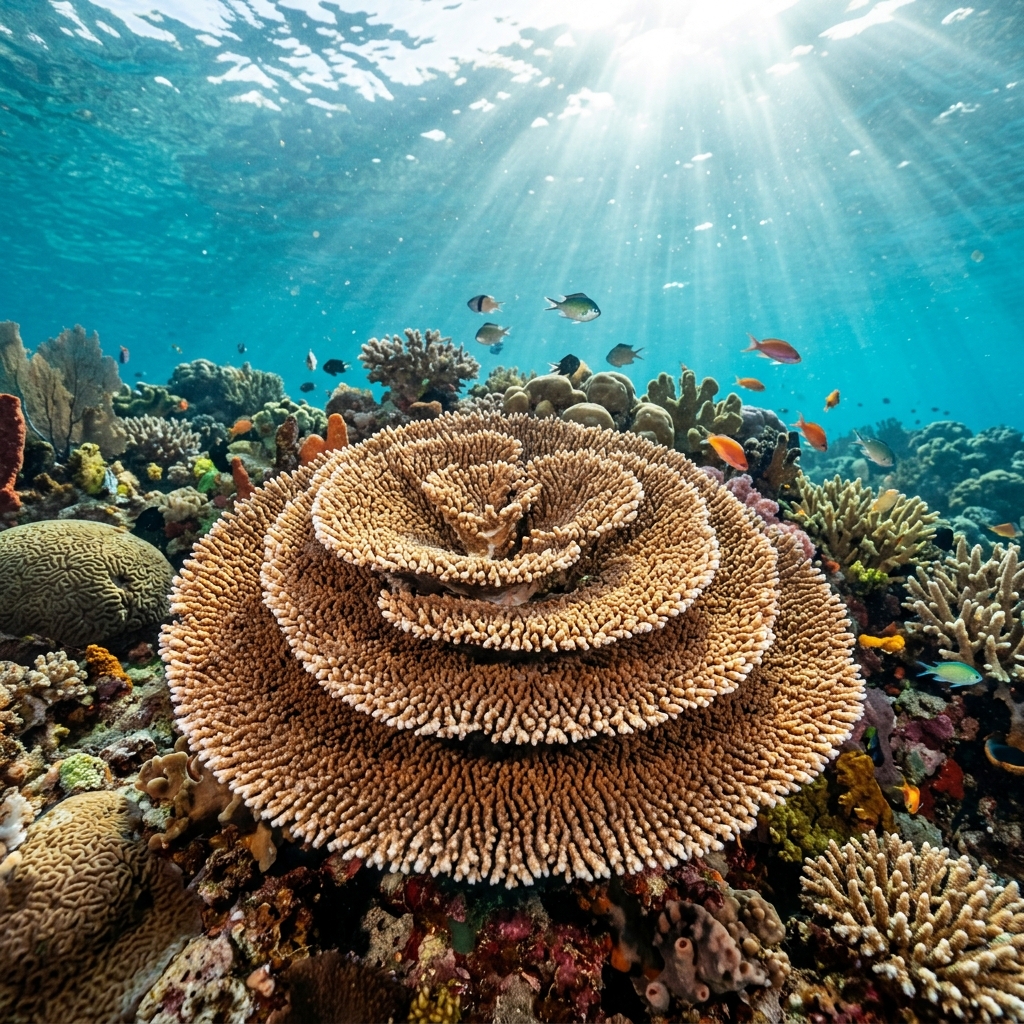
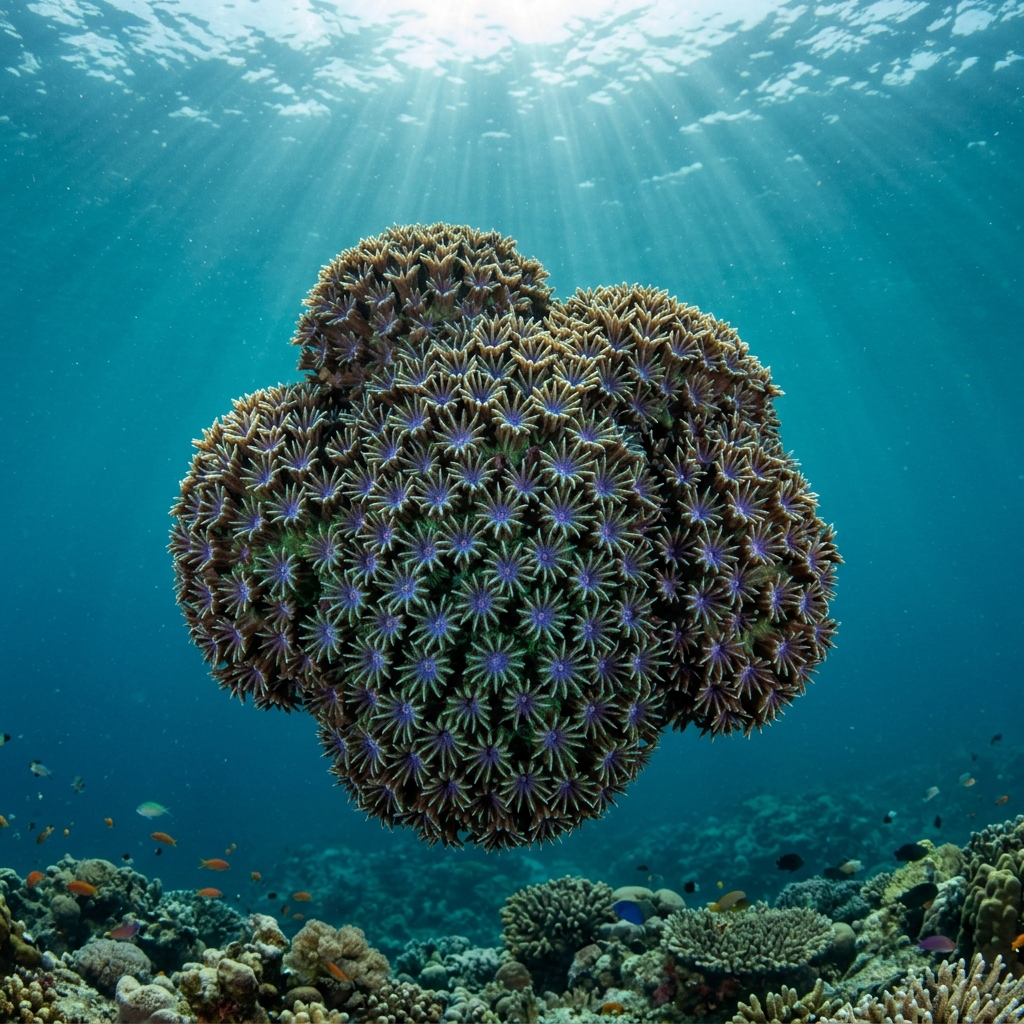
Reef neighbours a diver could mistake it for. Use the identification notes above to tell them apart.
Most sightings come from the Yucatán Peninsula in Mexico, which accounts for the largest share of logged sites by a wide margin, making it the go-to destination. Cuba's Jardines del Rey and Canarreos Archipelago, Colombia's Caribbean Coast, and the Grenadines are also strong areas to look. The Bahamas, Belize, Venezuela, and the Dominican Republic round out a reliable spread across the wider Caribbean.
Mapping where Elkhorn Coral is logged…
The Yucatán Peninsula in Mexico is by far the most commonly logged location. Beyond that, look to Cuba's Jardines del Rey, Colombia's Caribbean Coast, the Grenadines, the Bahamas, and Belize. The species is broadly distributed across the Caribbean but patchy due to population declines.
It is present year-round across its Caribbean range. The species thrives in consistently warm water around 27 to 29 °C, which is typical of tropical Caribbean reefs throughout the year. Choose your trip around sea conditions and visibility rather than season.
Look for broad, flattened, antler-like branches spreading from a central base, the colony shape is distinctive enough that little else in the Caribbean looks quite like it. Colour is typically pale tan to golden-brown. Colonies grow in shallow water, usually within the top 10 metres, often on exposed reef crests.
Colonies can spread several metres across, with individual branches growing up to around 2 metres in length. It is one of the larger frame-building corals in the Caribbean. The depth range is 0 to 30 metres, though it is most commonly encountered in the shallower portion of that range.
Yes, it is listed as Critically Endangered. Populations across the Caribbean have collapsed over recent decades due to a combination of white-band disease, coral bleaching driven by warming seas, hurricane damage, and declining water quality. What was once one of the dominant reef-building corals is now uncommon at most sites.
The Elkhorn Coral is listed as critically endangered by the IUCN. Observe from a distance, avoid touching or feeding it, and report sightings to local marine research organisations.
Elkhorn Coral is listed as Critically Endangered, having declined dramatically across the Caribbean due to disease, bleaching events, storm damage, and poor water quality. Divers should avoid any physical contact with colonies and be mindful of fin placement near the reef to avoid breaking the fragile branches.
Site and sighting data is aggregated from diver logs, iNaturalist and GBIF. For taxonomy and conservation status:
Plate Coral
2,991 sites